
Christians believe that God exists as a Trinity, that is, he is one God who exists as three persons—God the Father, God the Son, and God the Holy Spirit. Some people question this, insisting that Jesus was not the second person of a Triune Godhead and was, in fact, not divine at all. While it is true that Christ did not state outright that he was God, he revealed it in a number of ways, including through his multiple “I Am” statements.
The Original I AM Declaration
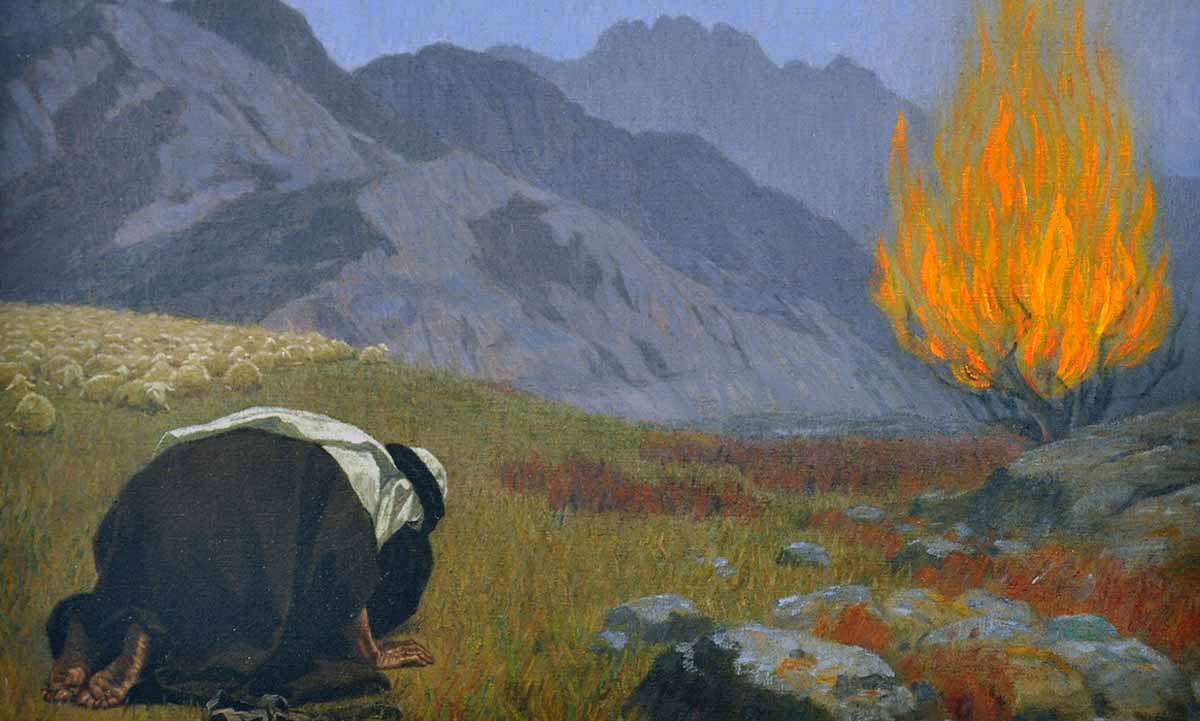
In the third chapter of the Old Testament Book of Exodus, God appears as a burning bush and commissions Moses to go to Egypt to petition the Pharaoh to release the Israelites who are enslaved by him.
The reluctant Moses says to him, “Suppose I go to the Israelites and say to them, ‘The God of your fathers has sent me to you,’ and they ask me, ‘What is his name?’ Then what shall I tell them?” (Ex. 3:13). God responds, “I AM WHO I AM. This is what you are to say to the Israelites: I AM has sent me to you” (Ex. 3:14).
From this point forward, Jews saw “I AM” as referring to God, and when Jesus used the title, they understood that he was identifying himself as God.
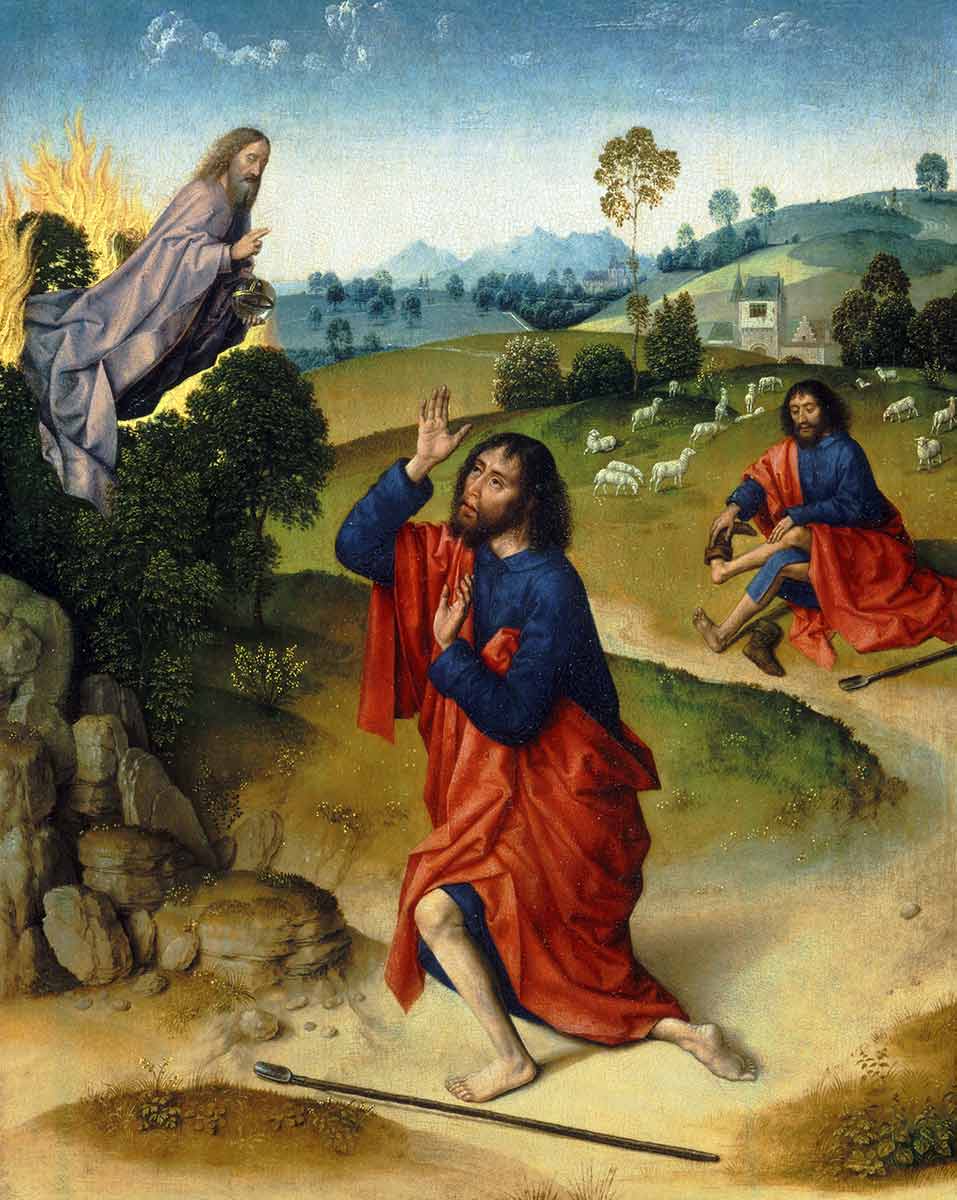
The phrase God uses of himself is, in Hebrew, “ehyeh asher ehyeh.” The word “ehyeh,” translated as “I am,” is not remarkable when used to describe an activity or relationship. For example, Moses, as a shepherd, might have used it to say, “I am watching my sheep.” He might also have used it to state, “I am Zipporah’s husband.”
However, when the two words are used on their own, it is a statement that describes the self-existence and self-sufficiency of the bearer. It also speaks to God’s eternality as it means that he existed in the past and exists in the present, and will exist in the future forever. And it accounts for the name “Yahweh,” which is used to refer to God as “I AM”— it contains the Hebrew consonants y-h-w-h. The Hebrew language contains no vowels. They were added later to make the word pronounceable.
Jesus Calls Himself I AM
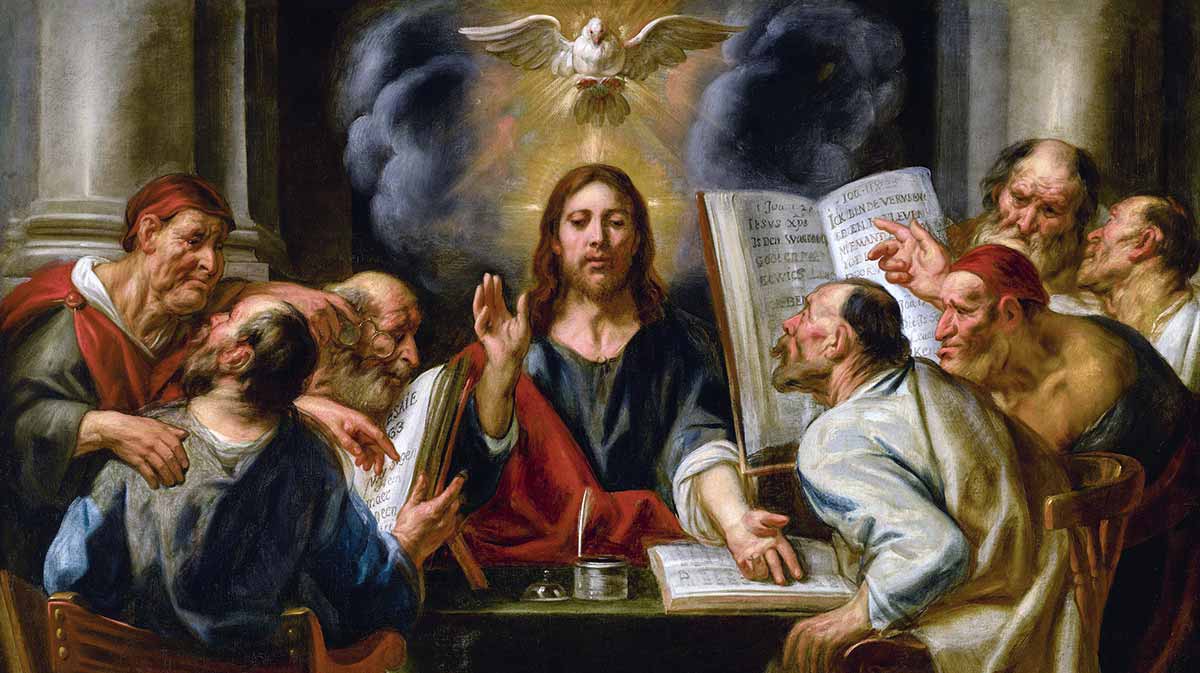
In the eighth chapter of John’s Gospel, the Pharisees demand that Jesus identify himself. He does so by saying, “Before Abraham was, I AM.” It is an audacious claim that might have sounded ludicrous to some bystanders. After all, how could Jesus be older than Abraham, who had lived some 2,000 years before? However, the Pharisees knew exactly what he was saying. By using the name by which God called himself, Christ makes it clear that he is God, a statement considered blasphemous by the Jews. We know this is how the Jewish religious leaders understood it because they reached for rocks with which to stone him to death—the penalty for blasphemy.
Also of note is the fact that, in the Greek language, simply stating “I AM” (ego eimi) is, as scholars have noted, a particularly intense way of referring to oneself. It is as if Jesus had said, “I myself, and only I, am.” Since God said that of himself and Jesus said it of himself, then it follows that Jesus was declaring himself to be God.
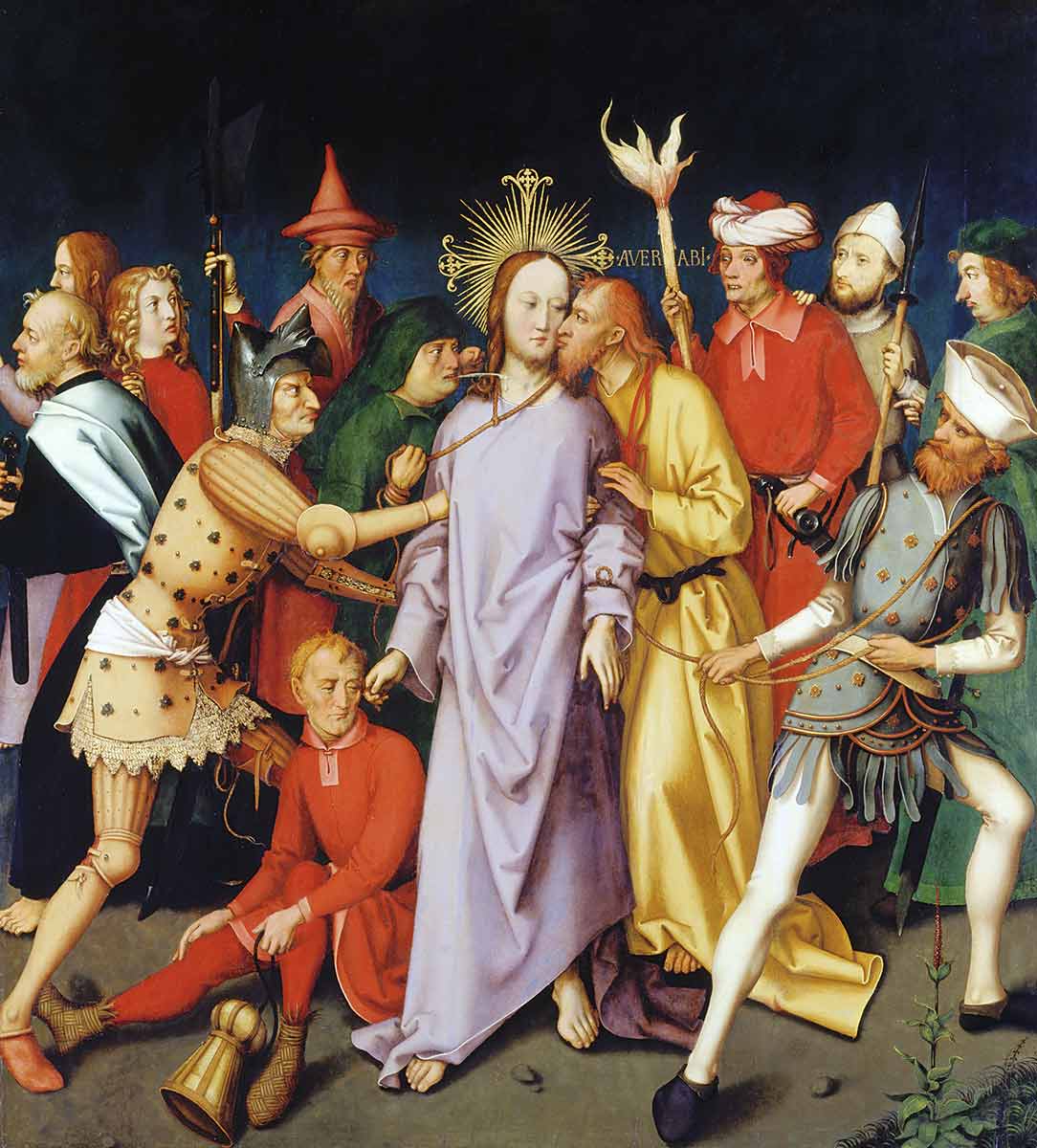
Jesus used this title to describe himself later in John’s gospel. In the eighteenth chapter of it, Judas, various Pharisees, and Roman soldiers went to the Garden of Gethsemane to arrest him. When they asked him if he was Jesus of Nazareth, he replied, “I AM.” Some English translations add the word “he” to the end of his statement. This lessens the impact of the statement, a statement that made those in his presence involuntarily draw back and fall to the ground.
The Seven I Am Statements of Jesus
John records seven times when Jesus used “I am” followed by a predicate. All of them point to Christ’s divinity as they hark back to Old Testament descriptions of Yahweh. It is noteworthy that they are often linked to events that back up his assertion, as Jesus does not simply make statements about his deity; he demonstrates it.
It is also noteworthy that these declarations only appear in the Gospel of John and not in Matthew, Mark, or Luke. While they offer biographies of Jesus in the Graeco-Roman style of the day, John does not. He states his purpose in writing his gospel in the 20th chapter, verses 30 and 31, saying, “Jesus performed many other signs in the presence of his disciples, which are not recorded in this book. But these are written that you may believe that Jesus is the Messiah, the Son of God, and that by believing you may have life in his name.”
In other words, John is not interested in portraying all the events of Christ’s time on Earth. He is focused on explaining who Jesus is, expounding on the opening statement of his gospel, which states that “in the beginning was the Word, and the Word was with God, and the Word was God’’ (John 1:1). The I am statements all refer back to and support that assertion.
I Am the Bread of Life (John 6:35)
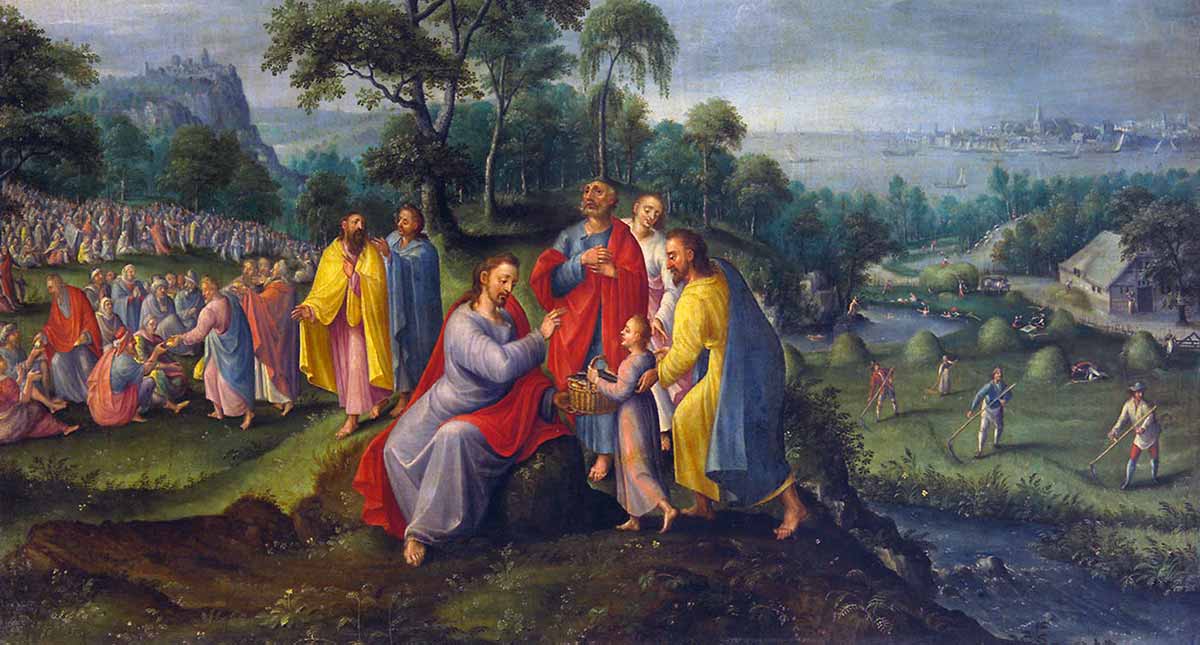
Jesus makes this statement following the feeding of 5,000 people, in which he took five small loaves of bread and two fish and multiplied them. Now a huge crowd follows him. Jesus knows full well that they are looking for more free food. However, his concern for people extends beyond the physical to the spiritual. “I am the bread of life,” he tells them, “and whoever comes to me shall not hunger, and whoever believes in me shall never thirst.” He encourages them to seek the food that will give them eternal life. In other words, they were to seek him.
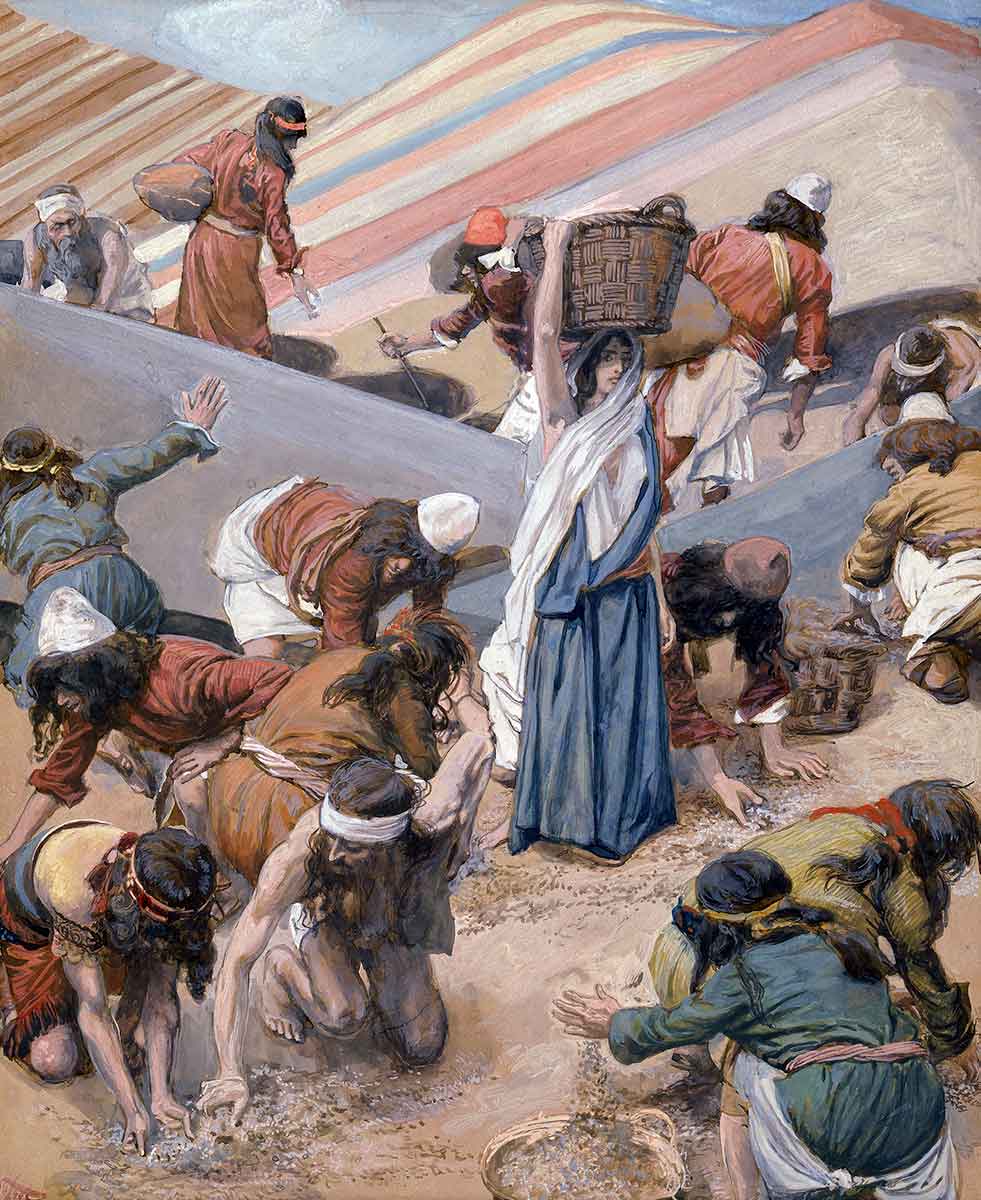
The Jews then recall the days of the Israelites’ exodus from Egypt when God sent manna from Heaven to feed them during their 40-year trek in the desert. Jesus contrasts himself with that bread, saying that he is the bread from heaven, as essential to life as the manna that sustained their ancestors. This metaphor speaks to his divinity as God Incarnate, the Savior come to rescue them from sin.
I Am the Light of the World (John 8:12)
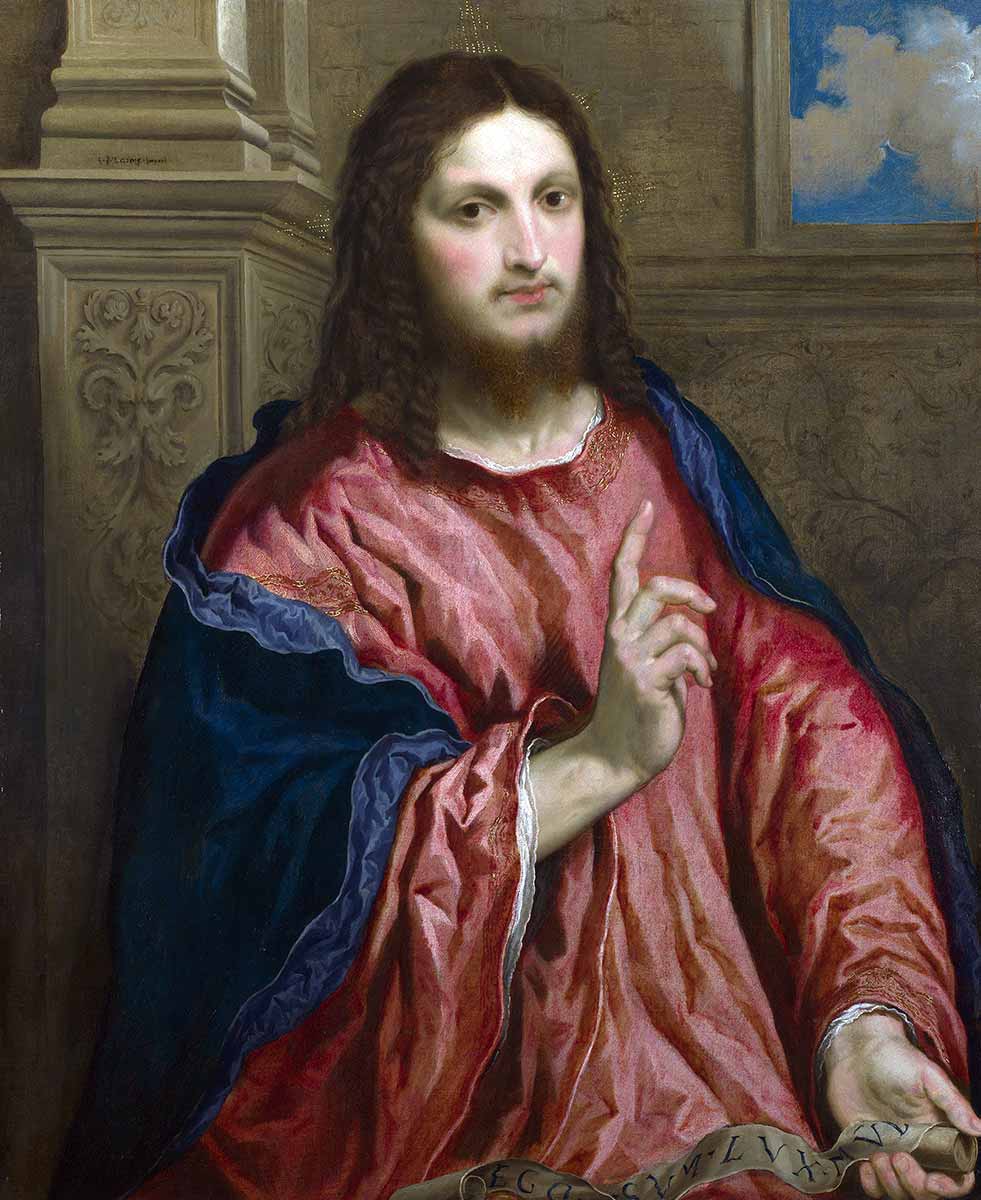
Jesus made this statement when the Jews were celebrating the Festival of Tabernacles. The festival included a lighting ceremony in which the Israelites lit a huge candelabra to remind them of God lighting the path of their ancestors during their journey through the wilderness in the aftermath of their freedom from the Egyptians. Here, Jesus attempts to make them understand that he himself is the light that will guide them safely out of a different kind of wilderness, that is, the wilderness of sin and its darkness.
In doing this, Christ alludes to verses in the Book of Isaiah which speak of Yahweh being the light of the world (Isaiah 2:5; 60:1,19,20). Alec Motyer, in his commentary on Isaiah, notes that the word doesn’t just mean that they were bathed in light, but that they were “irradiated, inwardly charged with new outshining life.” Furthermore, the passage promises that not only would Jews experience this, but so, too, would Gentiles. Ultimately, for Jesus to declare that he is the light of the world is tantamount to his asserting that he is God.
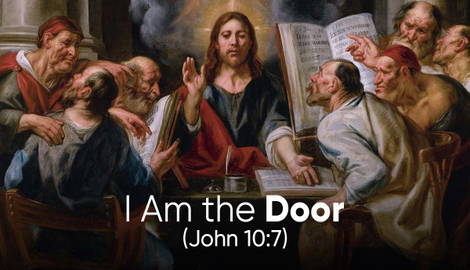
I Am the Door (John 10:7)
Shepherds of Christ’s era often enclosed their sheep during long winter nights to protect them from predators such as wolves and lions. They would even sleep in front of the door to these pens for added protection. The shepherd would look at each and every sheep that went into the pen, checking them for injuries of any kind, treating any cut or wound that might become infected.
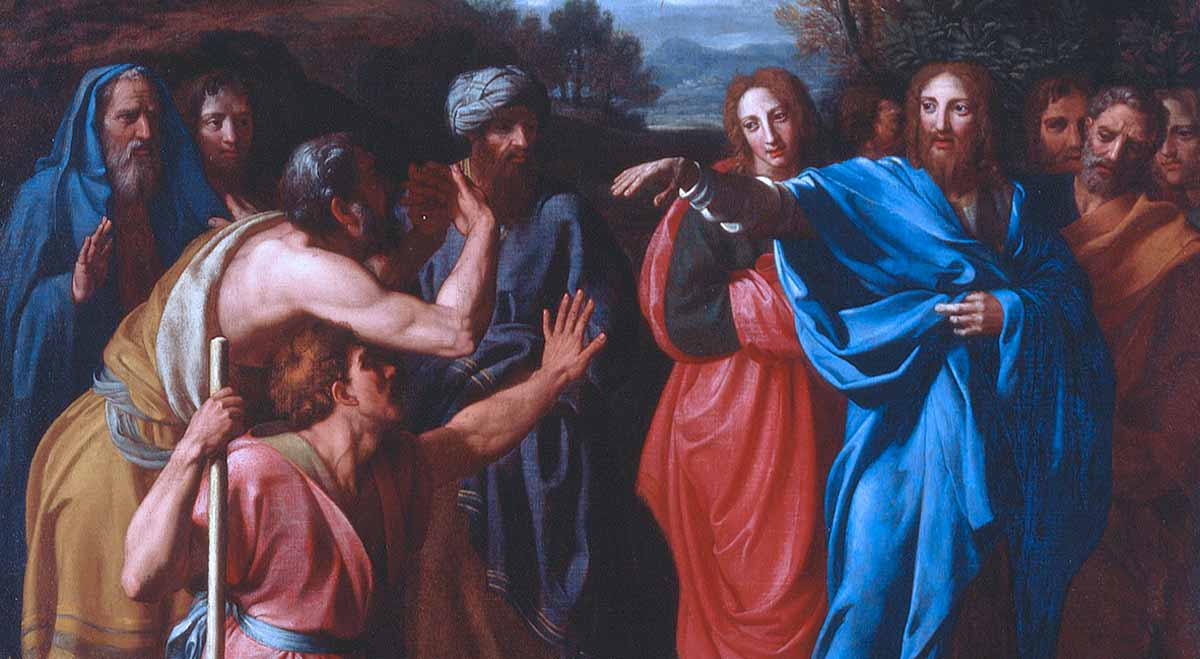
Jesus refers to himself as the door to the sheep pen just after he has healed a blind man who sees Christ for who he is, unlike the Pharisees, whose spiritual blindness caused them to pick up stones with which to kill Christ, as they know full well that he is calling himself God yet again.
In several passages in the Bible, Yahweh is referred to as the good shepherd, the most well-known being the opening line of the 23rd psalm, which reads, “The Lord is my shepherd. I shall not want.” When Jesus calls himself the gate to the sheep pen, he is indicating that he is a shepherd to the people, just as God was to the Israelites back in the day. In other words, he is claiming to be divine. When he says it is the one and only door by which people can enter, he means that he is the one and only door to eternal life in Heaven, a gift that only God can provide.
I Am the Good Shepherd (John 10:11, 14)
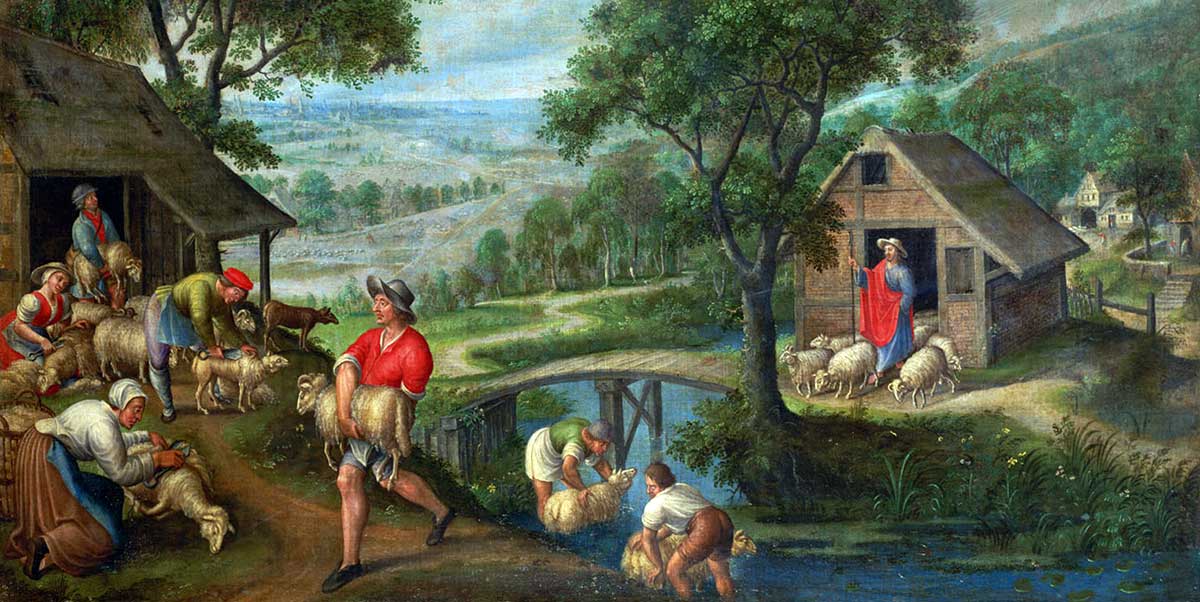
Jesus elaborates on his role as the shepherd tending his sheep by stating that he is the good shepherd, which, as noted above, is a statement that describes God. In Ezekiel 34:11-17, we read the Lord’s promise to search for his sheep and look after them, rescuing them from harm, and providing the best grass on which they can be healthy and thrive—as any good shepherd would.
Sheep are particularly vulnerable and helpless and, therefore, are dependent on the shepherd. Jesus points out that a hired hand is unlikely to care for sheep as well as their owner. Christ’s followers are his sheep. They belong to him. Once again, he claims a title, that of the Good Shepherd, which is used of God. And once again, we see from the reaction of the Pharisees that they understood this fact as they picked up rocks with which to stone him.
I Am the Resurrection and the Life (John 11:25)
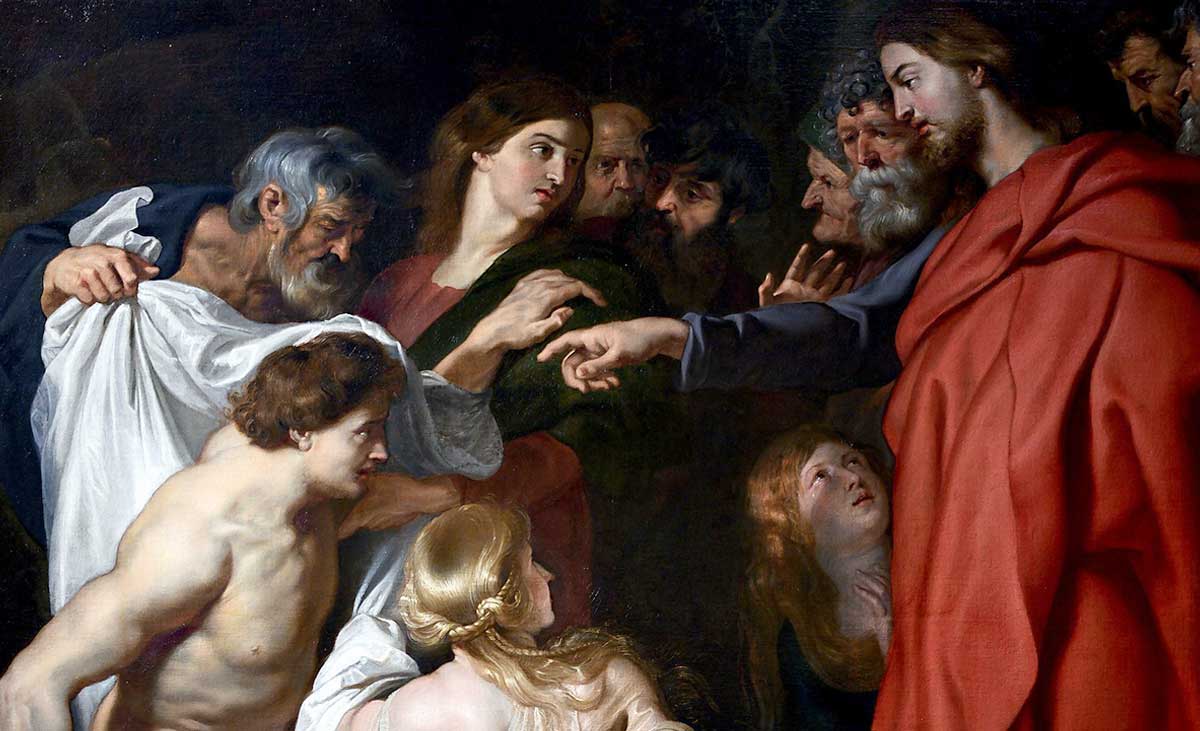
Jesus declares that he is the resurrection and the life just after raising Lazarus from the dead. He was in Bethabara, a day’s journey away from Bethany, when his good friend died. When a messenger brings him the sad news of the man’s death, he comments that Lazarus is just sleeping and tarries for three days before heading to Bethany.
He is met by one of Lazarus’ sisters, Martha, who says she knows that her brother would not have died if he had been there. Such was her faith in his powers of healing. Jesus assures her that Lazarus will rise again. Again, showing her faith, she replies that she knows that he will rise again in the resurrection of the last day. This is when Jesus states, “I am the resurrection and the life.” He tells the crowd gathered in mourning for Lazarus, “He who believes in me will live, even though he dies, and whoever lives and believes in me will never die.”
At this point, Jesus approaches the tomb where Martha’s brother, dead for four days, lies. He calls, “Lazarus, come forth!” And Lazarus does just that. In this manner, Jesus demonstrates the truth of what he has said about being the resurrection and the life. His declaration reflects the verse found in Isaiah 26:19 in which states that, thanks to Yahweh, the bodies of the Israelites, though dead, will rise and live again. In John’s gospel, it is Christ, as God Incarnate, who performs such a resurrection, with the promise of raising more, both Jew and Gentile.
I Am the Way, the Truth, and the Life (John 14:6)
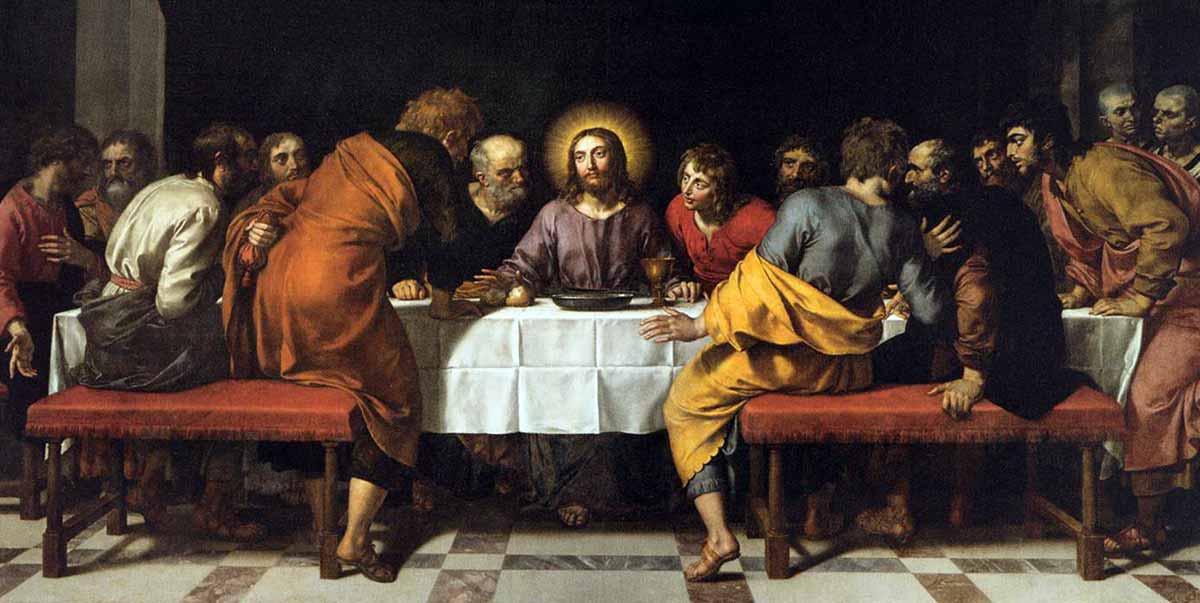
On the night before his betrayal and subsequent crucifixion, Jesus tries to prepare his followers for what is to come as they share their Passover meal. He warns them that he will only be with them for a short time longer, telling them that, where he is going, they cannot follow—at least, not immediately. Peter, having no idea what he is talking about, insists that, wherever Christ goes, he will surely go, too. Jesus then starts to talk about Heaven, about how he will prepare a place for them there, that some day they will be able to join him, that they will know the way. Thomas, confused, protests, “Lord, we don’t know where you are going, so how can we know the way?” At this point, Jesus responds with “I am the way, the truth and the life.”
It is noteworthy that Jesus does not say that he is A way, but THE way, that is, the only way—the only way to Heaven, to eternal life, to God the Father. Nor does he say he knows a truth or that he represents a truth. He says that he IS the truth, again meaning that he is the one and only truth.
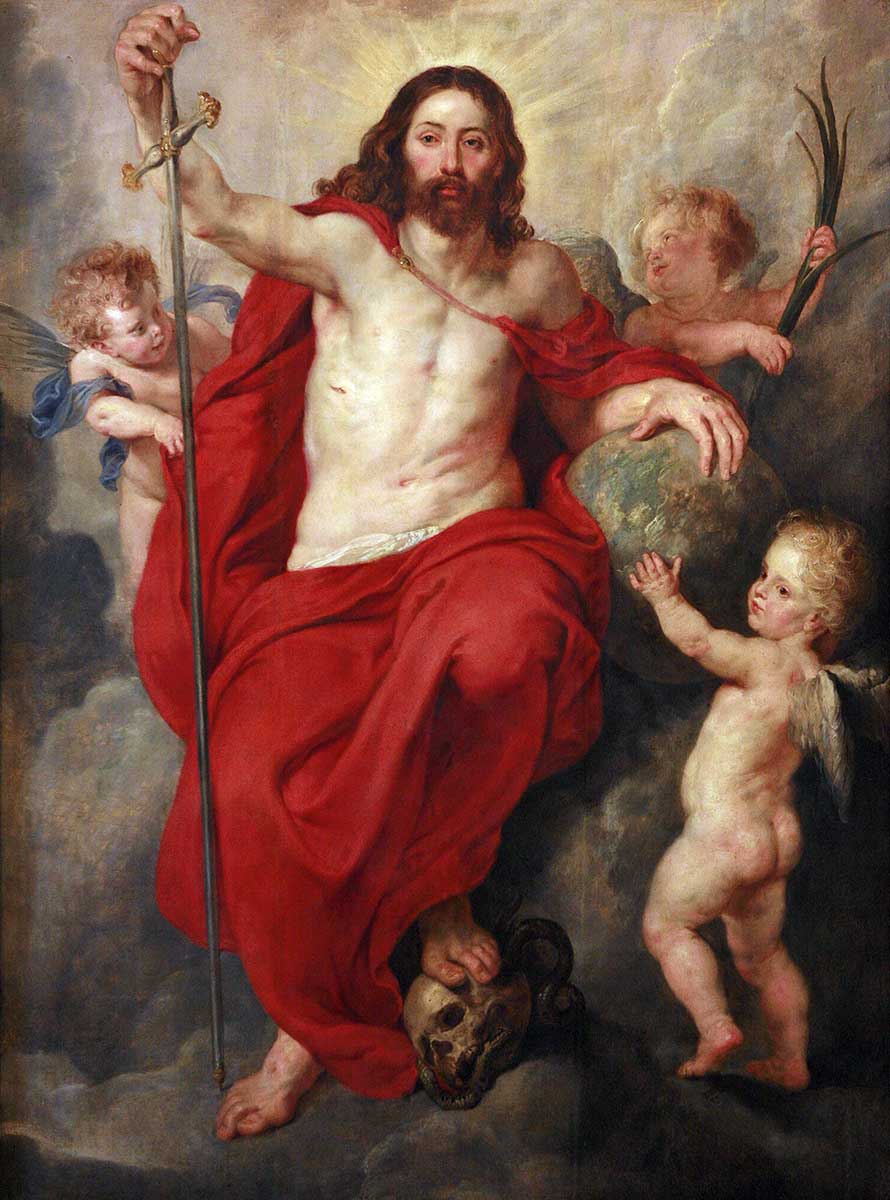
In Psalm 119:142, it states that God’s Law is the truth. Jesus noted, as recorded in Matthew 5:17-20, that he was the fulfillment of the Law, meaning that he met its requirements perfectly, something sinful human beings could not do, and who, therefore, would have been sentenced to spend eternity apart from God, if Christ had not done so on their behalf. In essence, here, Jesus equates himself with the Law, that is, the truth.
Last of all, Jesus states that he is the life. He has just told his disciples that he is going to lay down his life for his sheep, but he assures them that he will take it back again because, as God Incarnate, he has power over life and death. It was through his life that they, too, could and would have life, as he says, “Because I live, you also will live.”
I Am the True Vine (John 15:1)
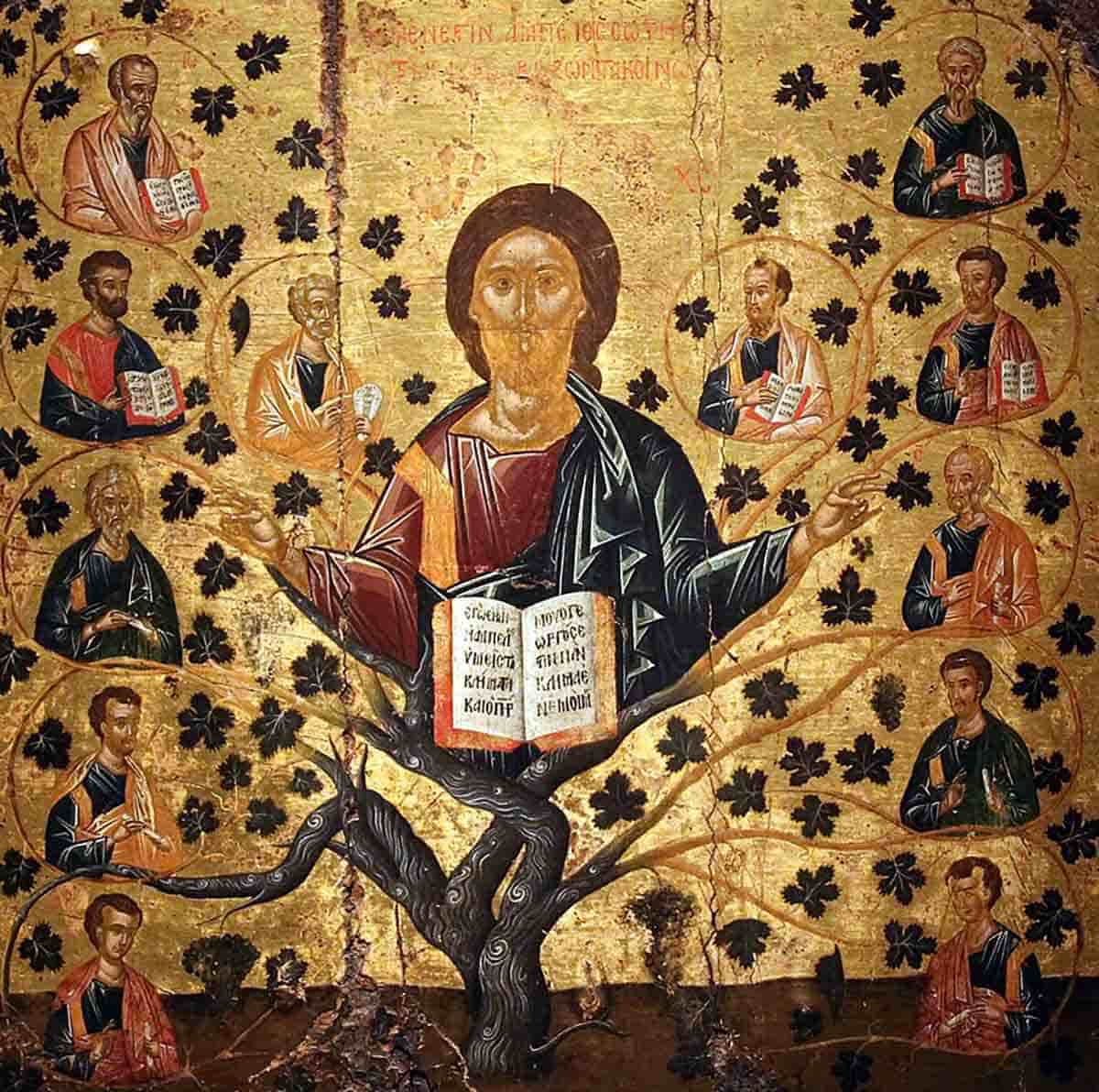
Christ’s final I am proclamation is part of his encouragement to his disciples following their shock and dismay at the knowledge that he would soon be leaving them. In stating that he is the true vine, he is referring to a passage in the Book of Isaiah where we can see the symbolic importance of the vineyard imagery. In its fifth chapter, we read that the vineyard is Israel and God is the keeper who has planted it, tended it, and protected it with love. However, the Israelites rebel against him and, therefore, the fruit that they bear is wild, corrupt, and useless.
In contrast, Christ’s followers were to stay connected to him, the true vine, to be able to bear good fruit. They are to do so through the Holy Spirit, whom Jesus promises to send to them (Acts 2).
Conclusion
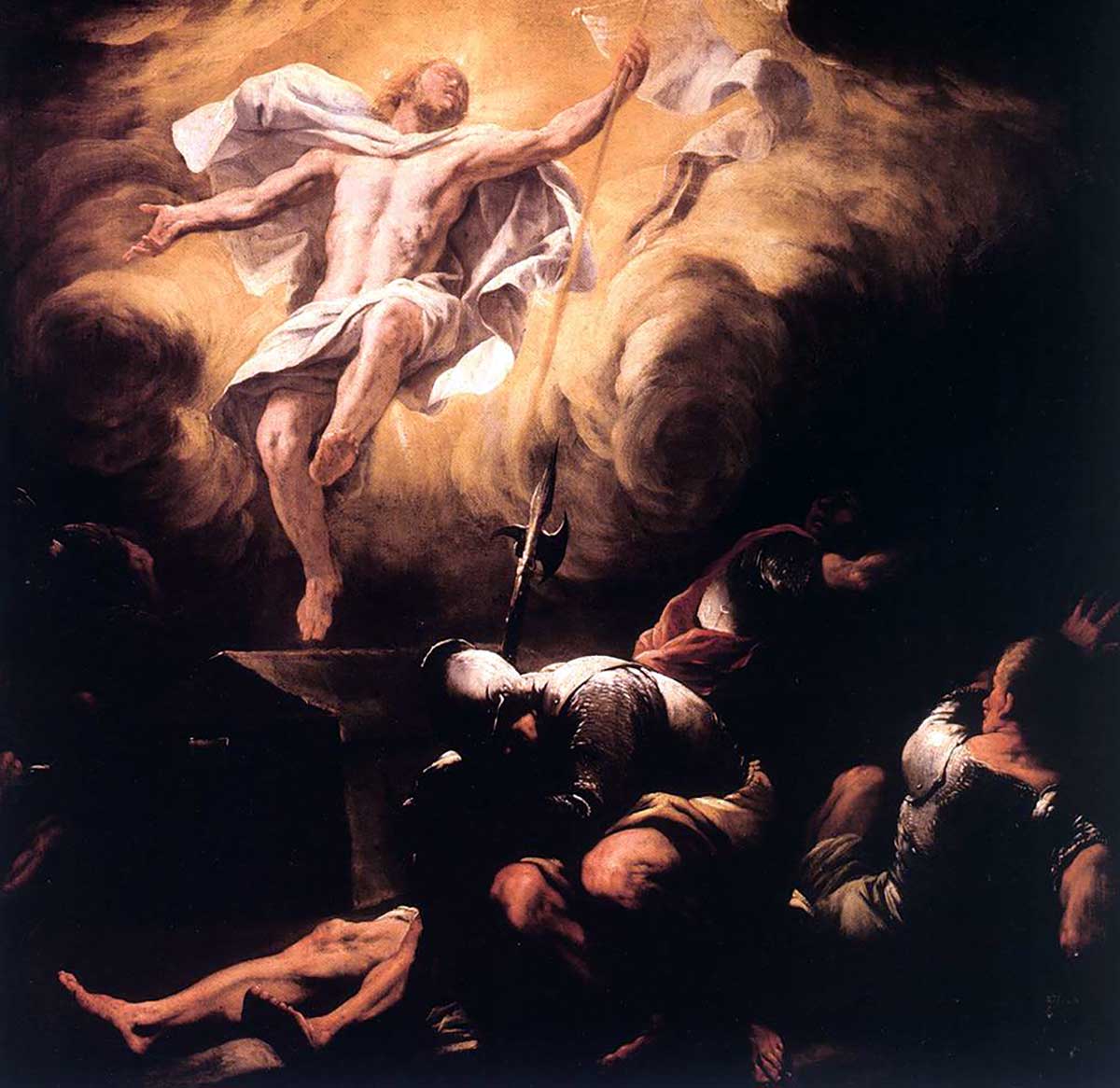
John begins his gospel with a statement about the deity of Jesus Christ. He writes, “In the beginning was the Word, and the Word was with God, and the Word was God.” The I Am declarations of Jesus, sprinkled through his book, attest to that fact as they point to his divinity time and time again.