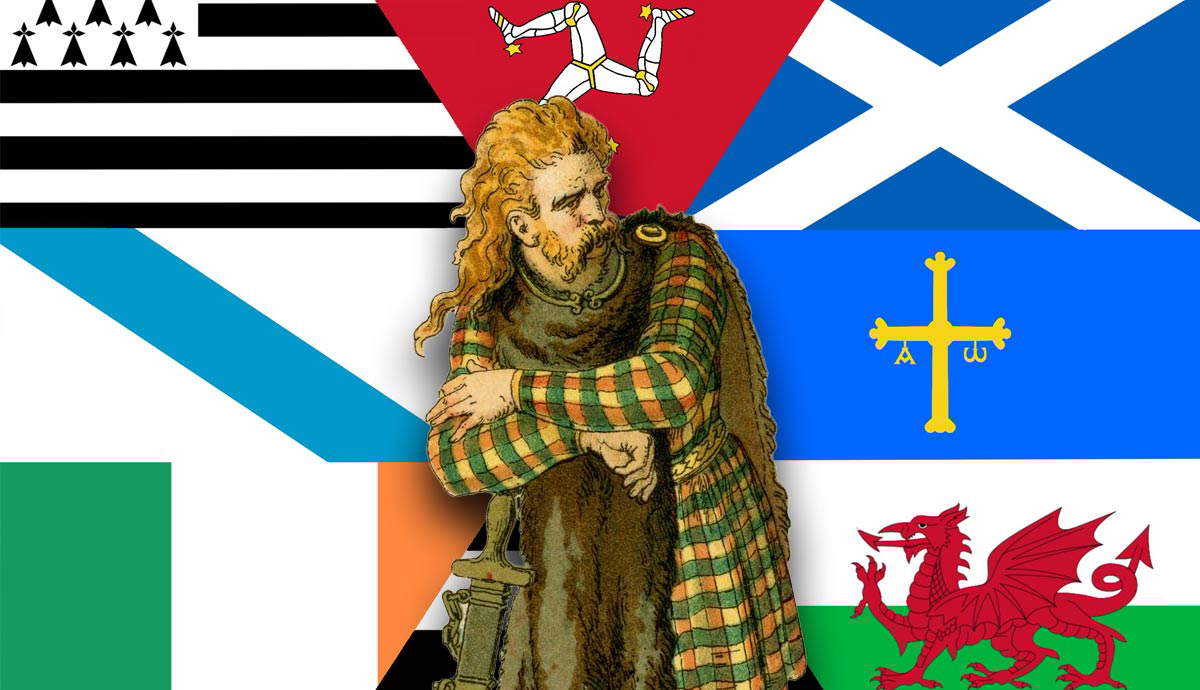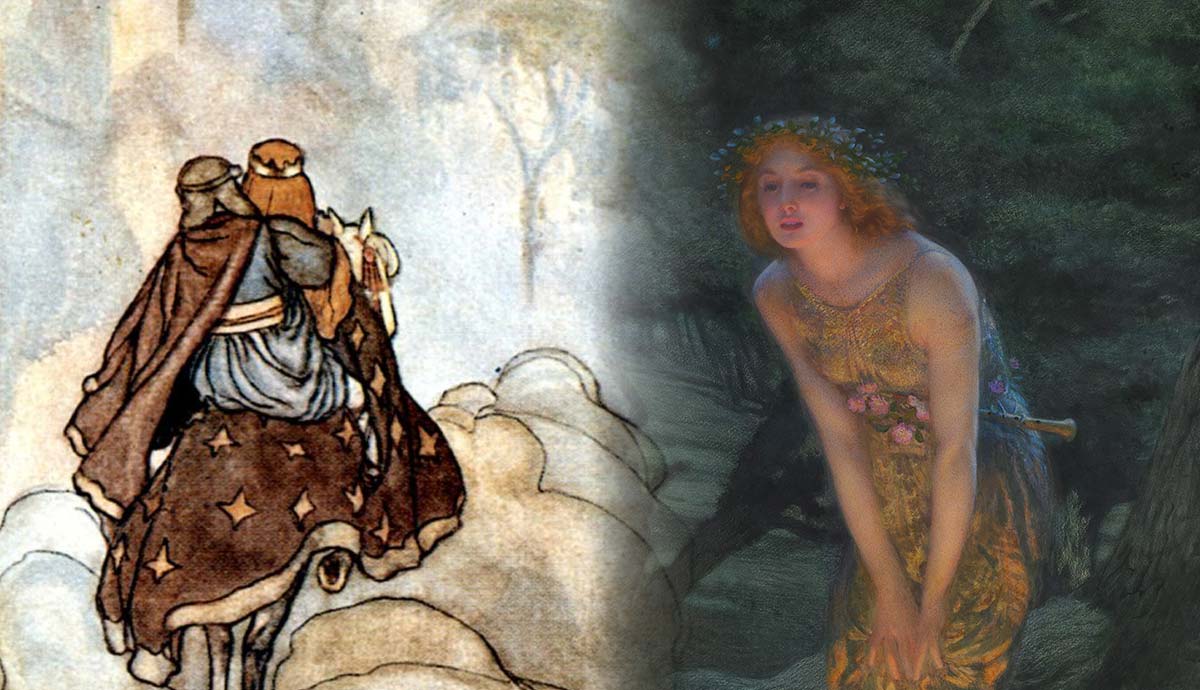

The idea of the ancient Celt is synonymous with blue-painted warriors, white-cloaked druids, soft-spoken women in flowing dresses, and perhaps the odd warrior queen.
While their languages may have been related, the Celts were not a single, unified people. They comprised many distinct cultures and had regional pantheons that reflected the cultures they represented. Of prominence were the Irish, Welsh, and Gaulish pantheons, each with its own set of fascinating stories.
Among these pantheons were powerful gods and goddesses, who played an integral part in Celtic life.
1. The Dagda: The Father of the Gods
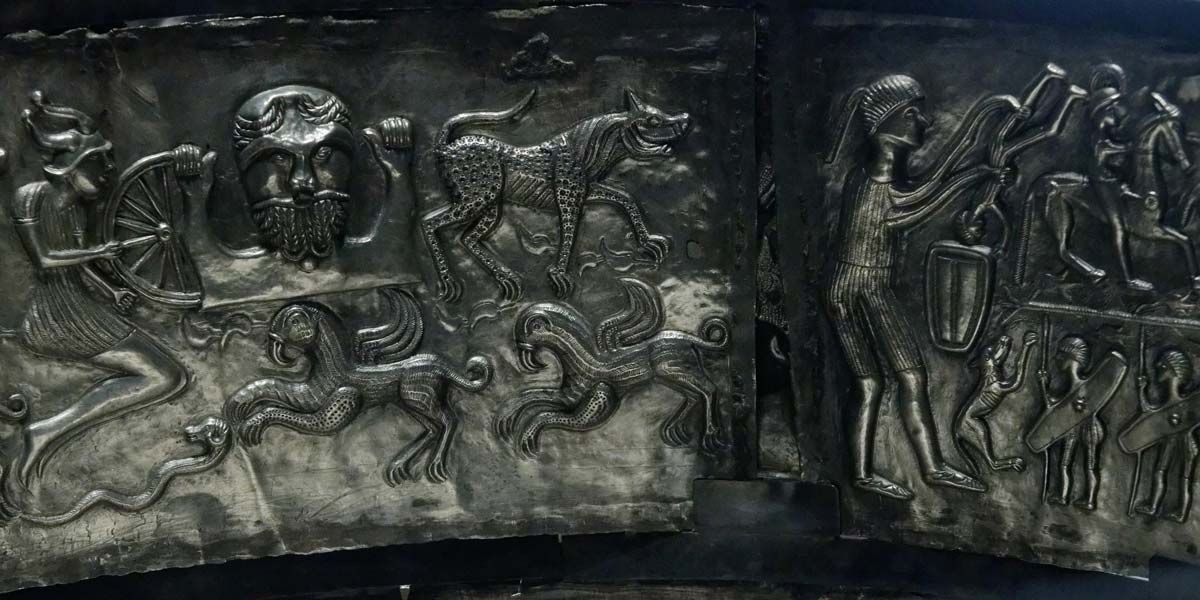
Chief among the Tuatha Dé Danann (the Irish race of gods and goddesses) is the Dagda, the father figure of Irish mythology. He represents many things and is associated with agriculture and fertility as well as masculinity, magic, strength, and druidry. He has power over the seasons and the passage of time. With his staff, Lorc, he also has power over life and death. With one end of the staff, he kills, and with the other end, he brings life.
The Dagda is often depicted as a bearded man wearing a cloak and a hood, carrying his staff, and in the presence of his cauldron, a bottomless vessel representing prosperity and abundance, as it never lets anyone go hungry. He is said to dwell in the ancient site of Brú na Bóinne (Newgrange).
The “Good God” is a wealth of stories and is popular today as a complex source of inspiration, symbolizing Ireland’s rich mythological history. He is written and sung about, and he makes frequent appearances at Irish festivals, where he is celebrated.
2. Brigid: The Goddess Whom Poets Adored
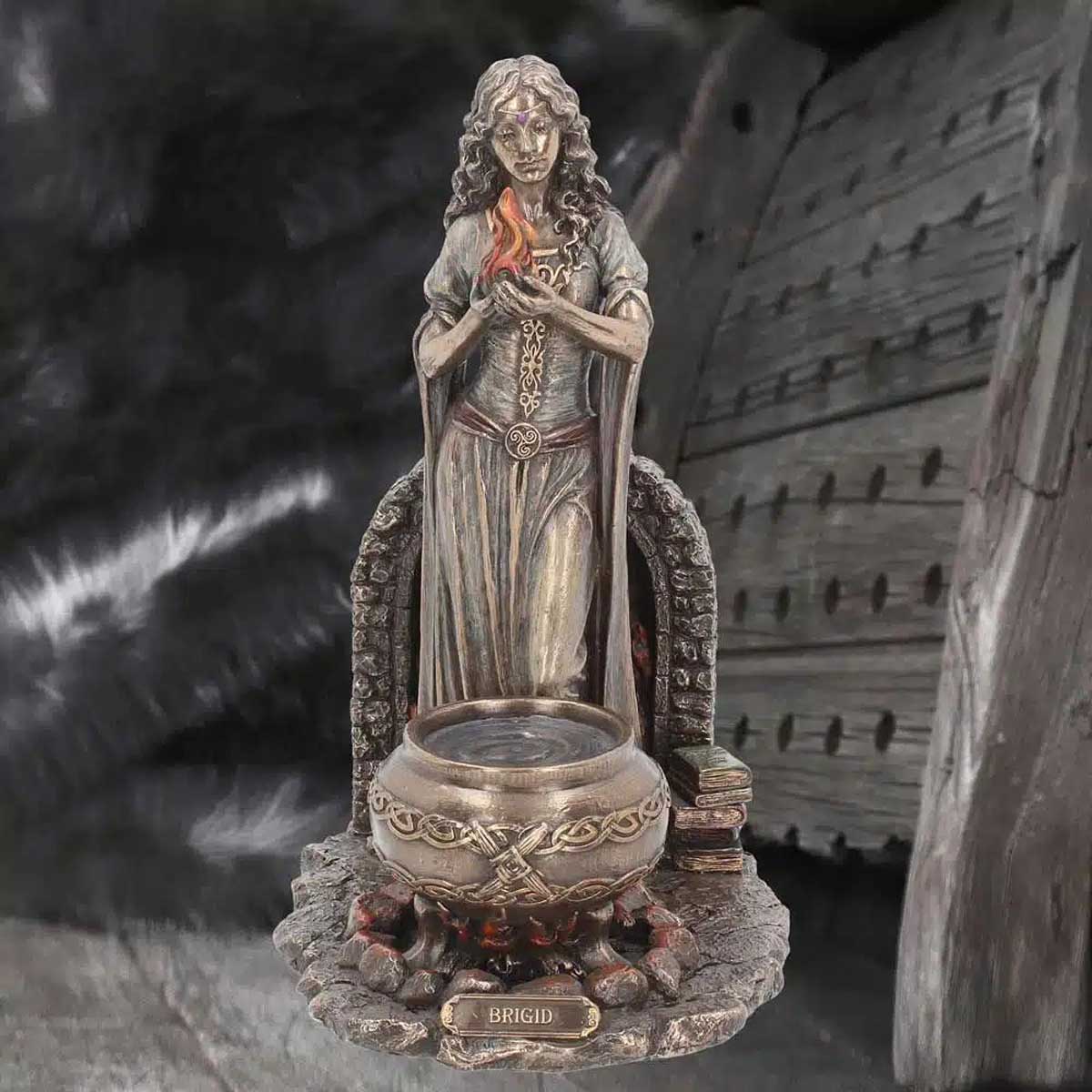
In Irish mythology, Brigid, the daughter of the Dagda, is associated with a host of virtues and positive aspects of life. She is the goddess of poetry, wisdom, healing, protection, domesticated animals, and smithing. She is also the regional goddess of Leinster, and she was invoked by Leinster warriors before battle.
9th-century monks wrote of Brigid as having two sisters, both named Brigid, with one being a healer and the other a smith. This suggests the goddess may have been considered a triple deity. She is also said to have been a great inspiration for poets.
Brigid’s ability to heal is a primary attribute that was spoken of in the folklore of Ireland. It is said she has a cloak that could cover and heal all of Ireland. Her cloak was also said to envelop Ireland on February 1, at the festival of Imbolc, turning winter into spring. Brigid was especially revered by women and midwives who invoked her during childbirth.
Saint Brigid of Kildare, the patroness saint of Ireland, is thought by many to have been a Christianization of the Celtic goddess, as the two share many of the same defining features, such as a propensity towards healing, as well as their holy days. Saint Brigid’s feast day is February 1.
3. The Morrígan
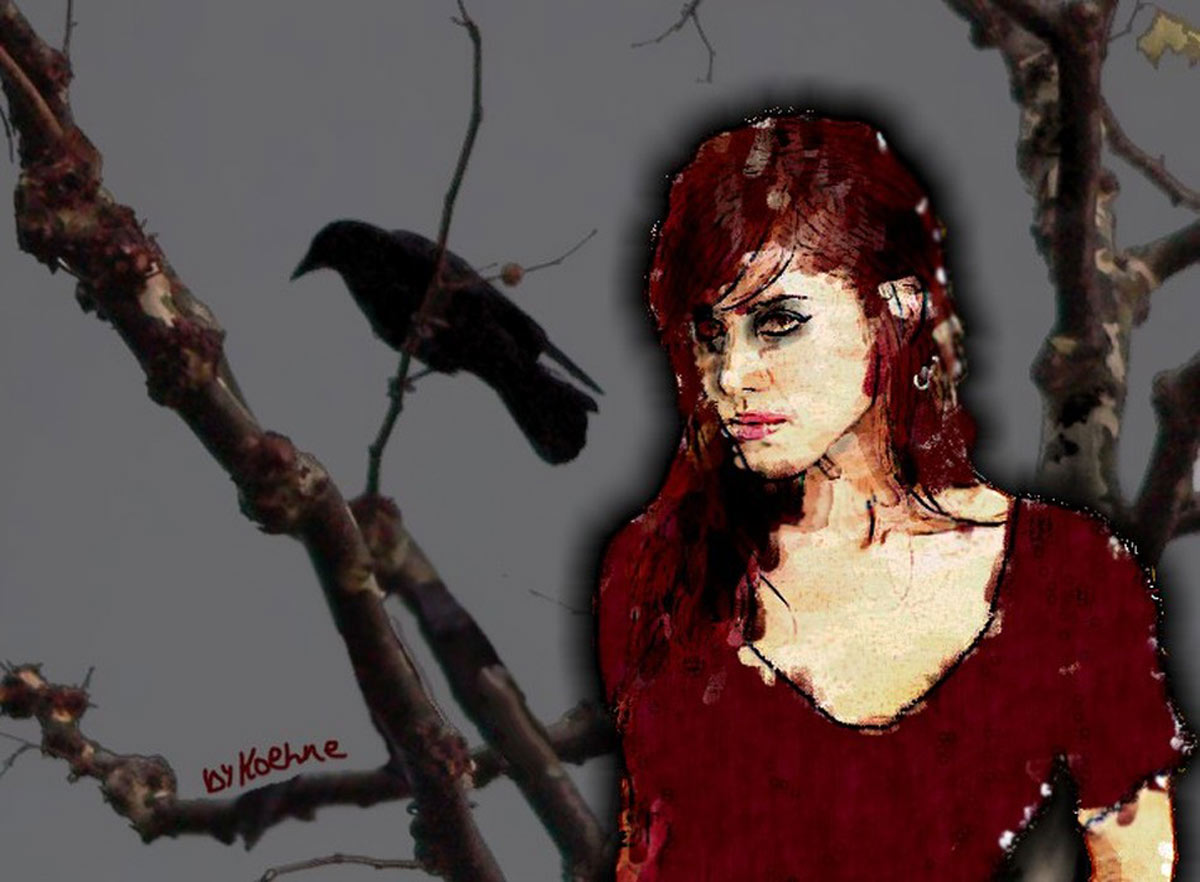
Deriving her name from the old Irish “Mór-ríoghan,” meaning “phantom” or “great” queen, the Morrígan is a fearful and terrifying deity, full of violent power and might. She is frequently interpreted as a war goddess and is associated with battle and fate.
Reducing the Morrigan to a single easily describable entity is a difficult proposition. In folkloric traditions, she has many names and is often thought of as another triple-goddess, or a triad of sisters who are the same deity, but represent very different aspects. While one of these sisters is named the Morrígan, another, Badb, is a war goddess who takes the form of a crow. Indeed, the name simply means “crow.” The other sister is Macha, a sovereignty goddess of Ulster. Sometimes the goddess Nemain is also named, possibly as an aspect of Badb. Nemain represents the frenzied havoc of battle.
Modern researchers and authors have also linked the Morrígan to the enchantress Morgan le Fay, an important and powerful character in the Welsh Arthurian legends.
4. Lugh: The Many-Skilled God
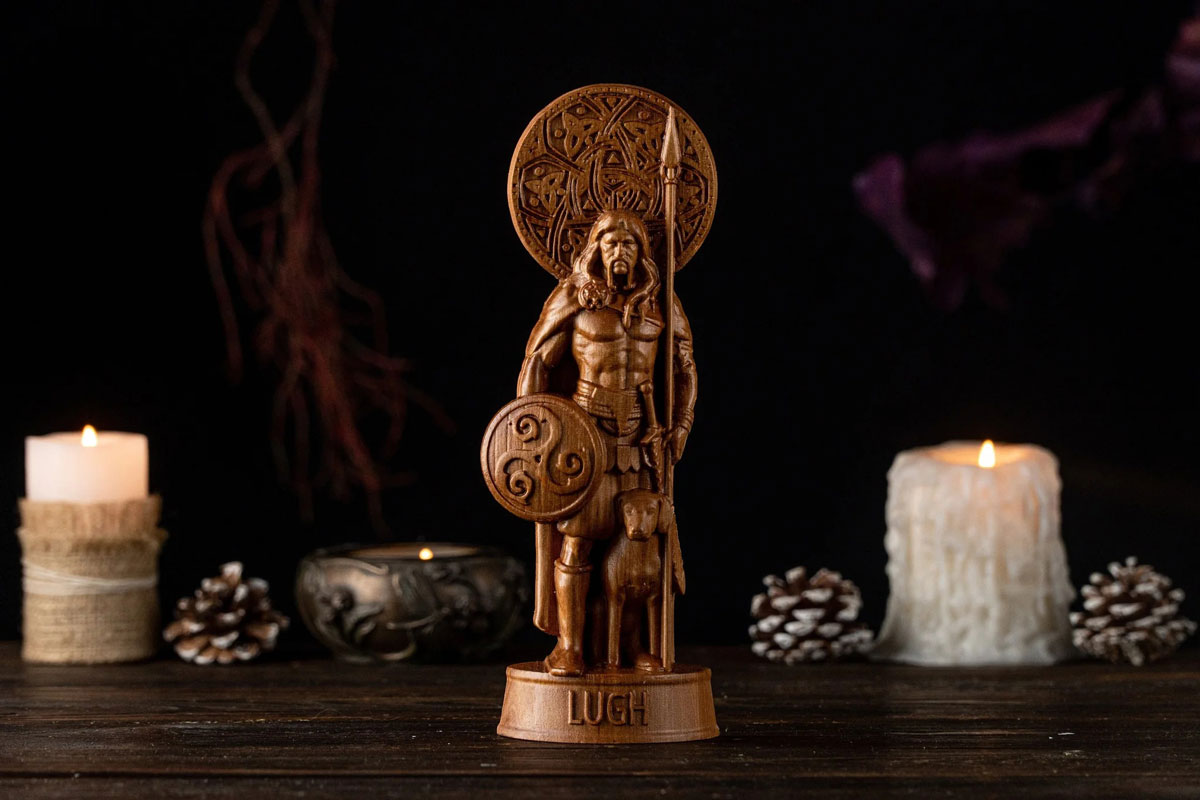
Lugh Lámfota, or “Lugh of the Long Arm,” is a major deity in the Celtic pantheon, who was revered for his many skills. Also known for his intelligence, Lugh was seen as a warrior, a craftsman, an artist, and even a king.
Lugh is thought of as an Irish god, but his presence there is theorized to have originated from people fleeing the Roman conquest of Gaul. The harvest festival of “Lughnasadh” or “Lughnasa,” traditionally held on August 1, was in honor of Lugh, and today remnants of the festival are still held as the Puck Fair in the town of Killorglin, County Kerry. Although in the modern version, the festival is held a few days later, and is in honor of a goat who gets crowned “King Puck.” On the continent, Lugh is known as Lugus, and in Wales, he is manifested as the mythological hero, Lleu Llaw Gyffes.
In Irish mythology, Lugh is a member of the Tuatha Dé Danann and possesses several magical items that complement his powers. He has a fiery, unstoppable spear, a magic sling stone, and a hound named Failinis who is invincible in battle, always catches his prey, and can turn running water into wine by bathing in it.
5. Cernunnos: The Antlered God of Nature
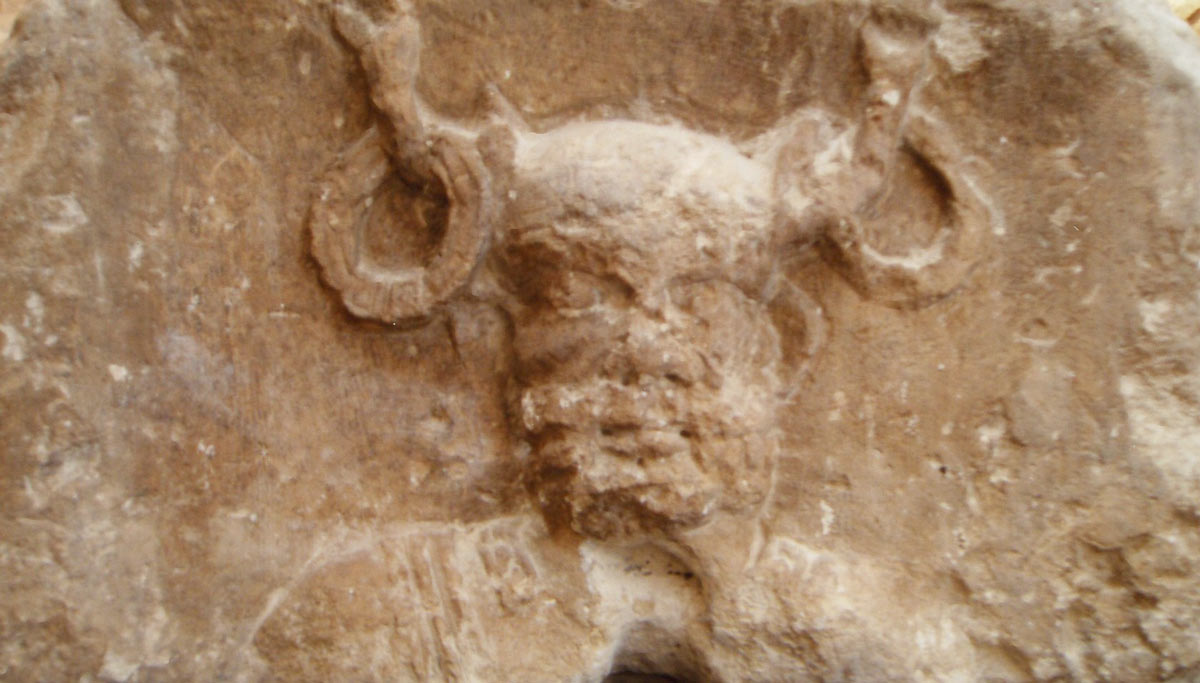
“Cernunnos” is a name used to identify a cluster of “Cernunnos-type” gods depicted from Italy to Denmark and France. These depictions might represent a single deity or many gods of a similar theme across Celtic societies. He has also been connected to an Irish folk hero, Conall Cernach, who is said to have lived in the 1st century BC. Similar in appearance across a wide portion of Europe, Cernunnos is depicted with antlers and with torcs hanging around the lower part of his antlers.
This was a fitting image for the god of nature, animals, and wild places. As such, he was a god likely revered by rural tribes, hunters, and other such people who had a close affiliation with the natural world.
6. Epona: Protector of Horses and Travelers
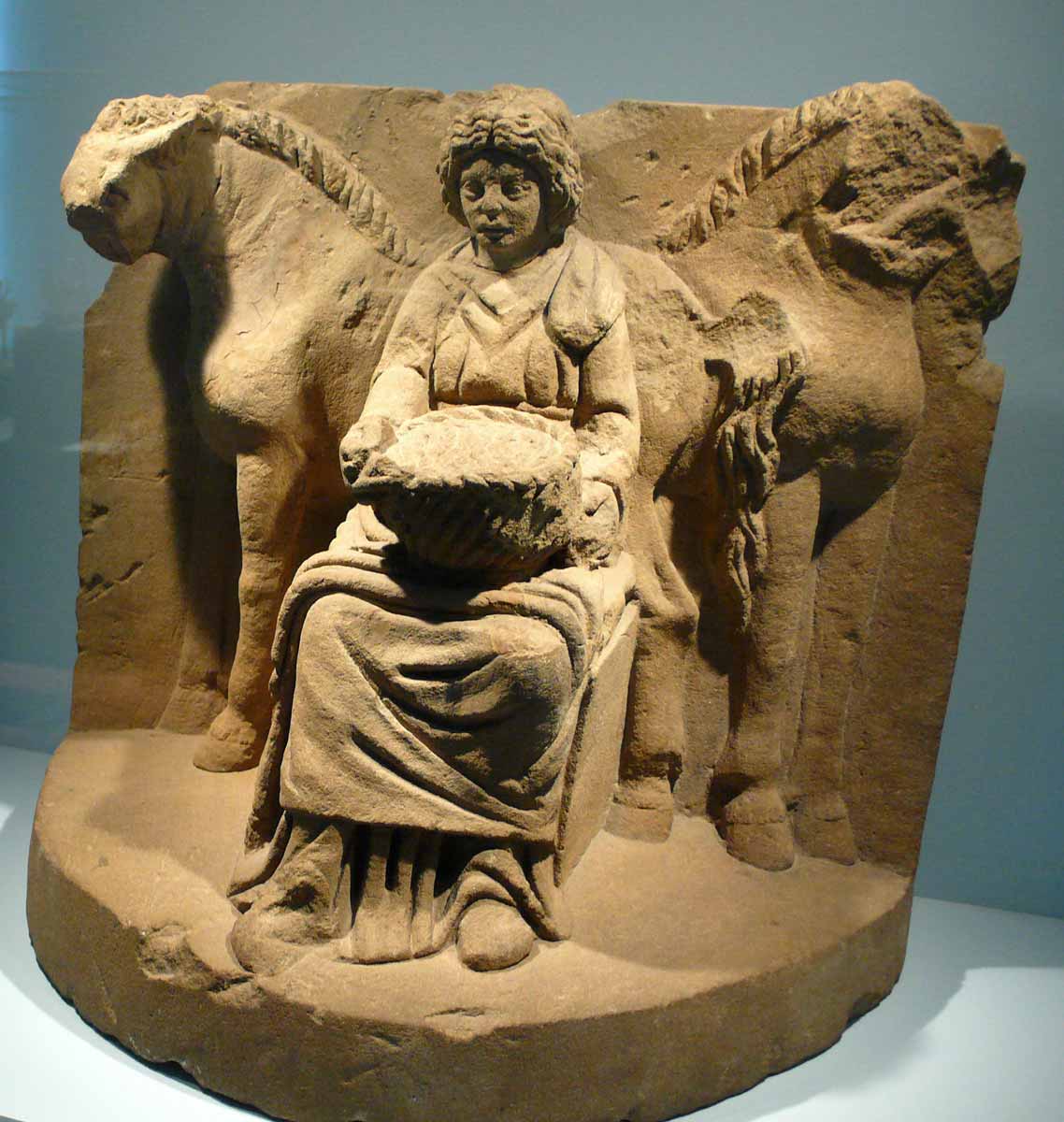
Epona is known to archaeologists through a fusion of Gallic and Roman religions, which brought the Celtic religion of the Gauls into the Roman sphere of influence. Epona was a product of Romanization, although she is likely to have had roots in Celtic religion long before the Romans arrived in Gaul.
Epona was the goddess of horses, ponies, and mules, and a protector of travelers. Historical relics always depict her with at least one horse, and she is often shown holding a libation bowl, surrounded by foals and ears of wheat. This may indicate she was also revered as a goddess of fertility.
In modern times, Epona is worshiped by neo-Pagans and holds an especially noteworthy place on Mackinac Island in Michigan, where she is the subject of the Feast of Epona. On this island, populated by around 600 people, automobiles are nonexistent, and horses represent the only form of travel.
7. Taranis: The God of Thunder and the Wheel
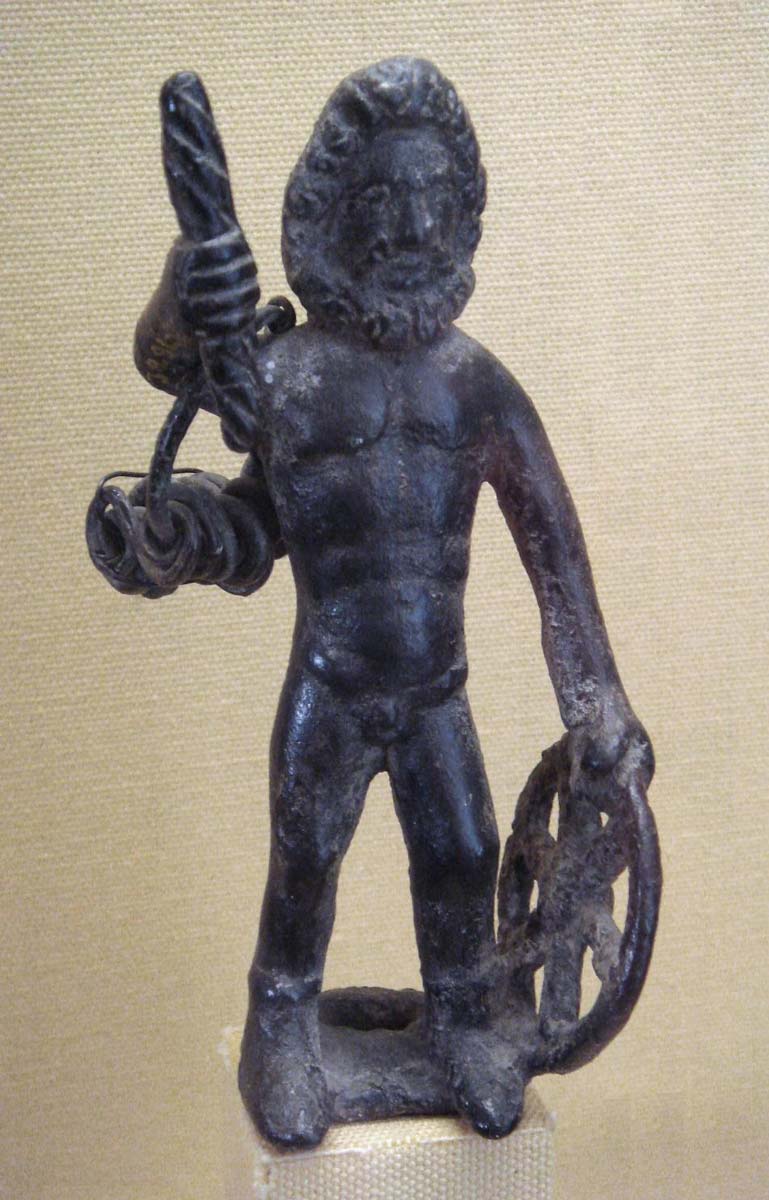
Associated with storms and wheels, Taranis was a powerful deity in many Celtic pantheons. While the name “Taranis” is the version recorded by the Romans, as much of what is known comes from the Romans, who wrote about him, varied names with the same etymology crop up around much of Europe, and are associated with the same ideas of a god who wields a thunderbolt as a weapon. Derived from the proto-Celtic toranos, the name is possibly even inter-ethnic, with variations on the same name. “Taranis” could be cognate with the Germanic Thor and Donner.
According to Roman records, Taranis was among the few gods to whom human sacrifices were offered, although no conclusive evidence has been found to confirm this. His victims were supposedly burned in wooden containers.
8. Arawn: The King of the Otherworld
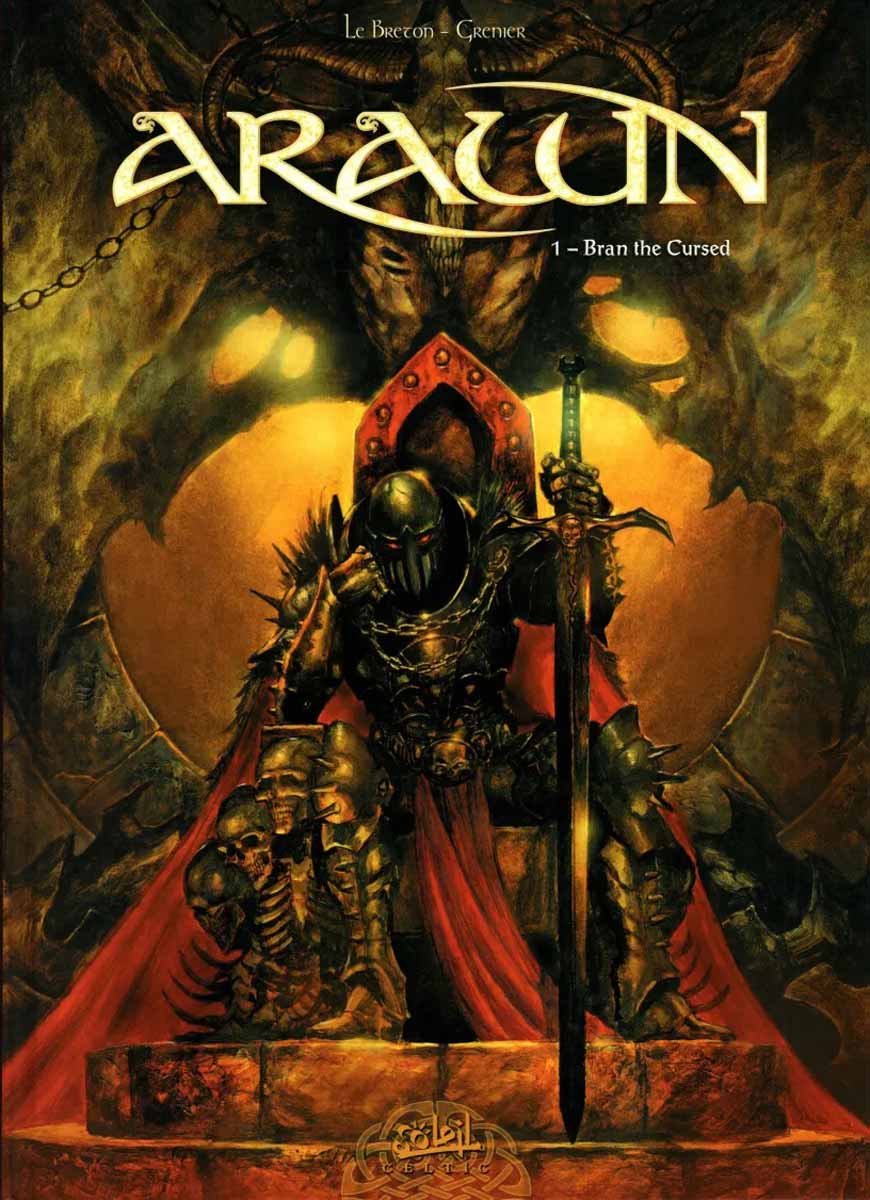
In the Welsh pantheon, Arawn is the lord of the Otherworld realm of Annwn, which was believed to be a blessed paradise. Known mostly from the Mabinogion, a collection of Welsh stories compiled in the 12th and 13th centuries, Arawn is revered as a warrior, a hunter, and a magician with the ability to shapeshift. Accompanied by his red-eared hounds, Arawn takes part in the Wild Hunt, a spectral chase across the night sky.
He became known as the Lord of the Underworld and was inexorably linked to death, thus being associated with Samhain, known today as Halloween, which marked the end of the year in Celtic tradition. This association led him to be demonized in Christian customs, which replaced much of the Celtic traditions in Wales.
In modern culture, Arawn makes several appearances, being a character in the video game Bloodforge, as well as being included as an entity in Dungeons & Dragons. He is the subject of the French comic series Arawn, which retells the stories of the Mabinogion.
9. Cerridwen: The Goddess of Rebirth and Transformation
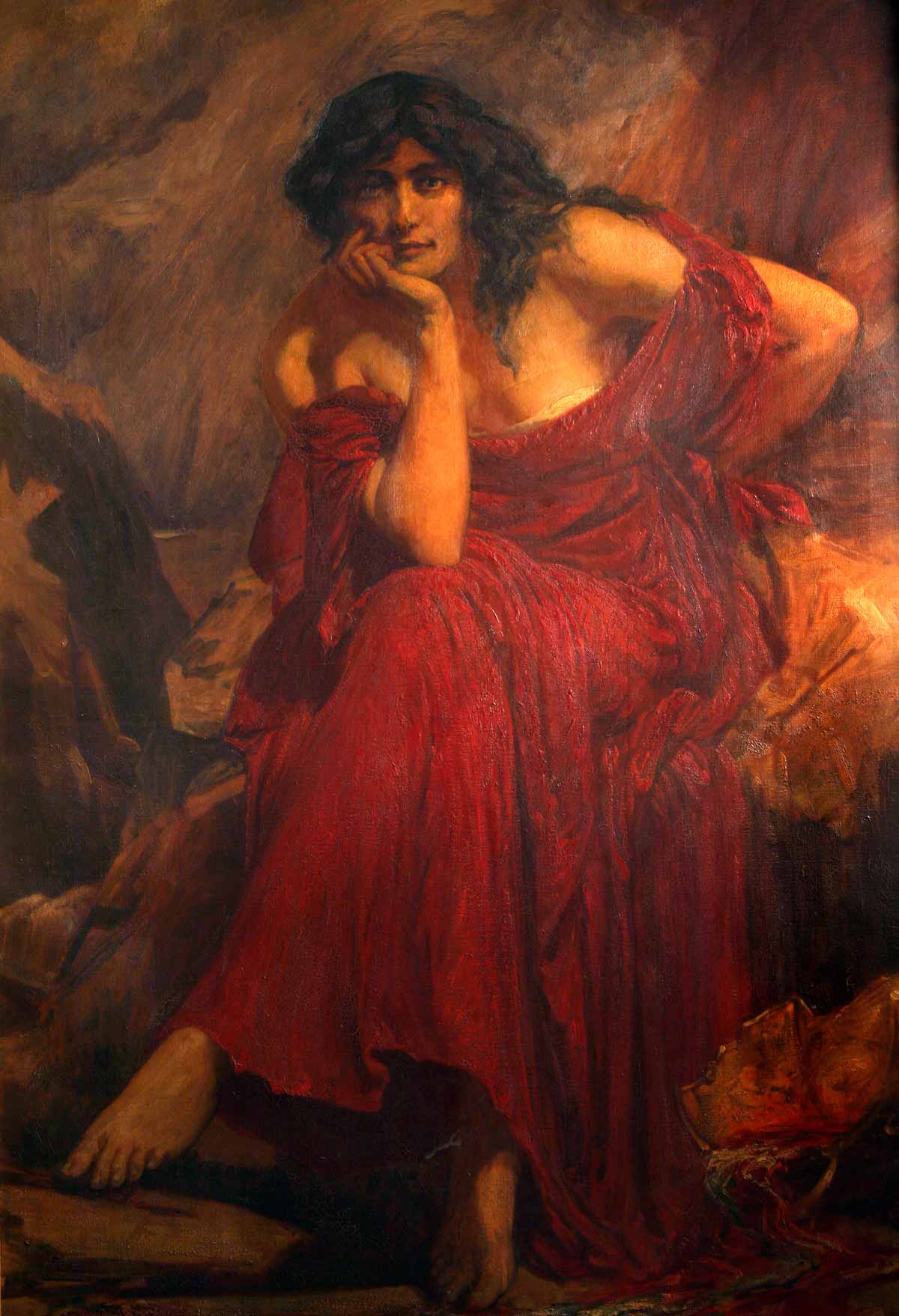
Keeper of Awen, the Cauldron of Inspiration, Cerridwen is a powerful enchantress and goddess of Welsh mythology. From her cauldron, she brews potions imbued with the power of wisdom, prophecy, and inspiration.
According to the legend, her son, Morfran, was hideously ugly, and Cerridwen sought to compensate him by giving him wisdom through the power of a potion. The danger of this potion was that the first three drops would grant wisdom, but any more would cause death. While making the potion, a boy named Gwion, who was stirring the cauldron, accidentally spilled three drops of the hot liquid on his thumb, and instinctively put his thumb in his mouth, thus gaining the power of the concoction. He fled, and an angry Cerridwen chased him. Gwion also gained the power of transformation through the potion, and both Cerridwen and Gwion turned themselves into many animals to try and outwit each other. Eventually, Gwion transformed himself into a grain of corn, after which Cerridwen transformed into a hen and ate him.
Gwion, however, did not die. Cerridwen became pregnant with Gwion, and she resolved to kill him upon his birth, but when he was born, he was so beautiful that she could not do it. Instead, she threw him into the sea, and he was later rescued, growing up to be the legendary bard Taliesin.
10. Rhiannon: The Goddess of Sovereignty
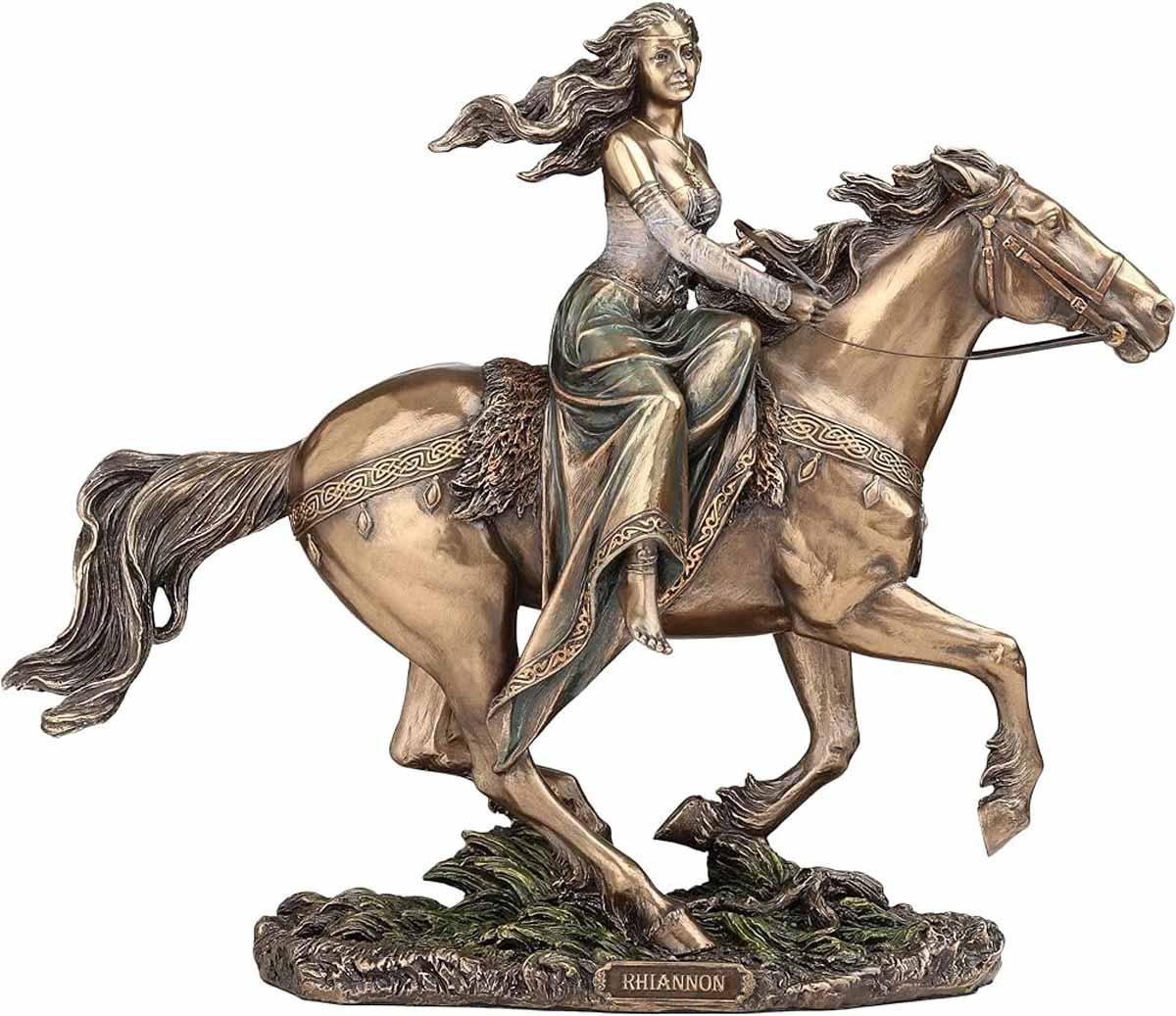
In Welsh mythology, Rhiannon is the archetypal mother goddess. She is a courtly lady, intelligent, wise, and generous with her wealth. As a symbol of sovereignty, Rhiannon shows a great deal of agency by choosing Pwyll, Prince of Dyfed, as her consort, breaking a pre-arranged contract to marry another prince, Gwawl.
Often depicted riding a horse, Rhiannon is closely linked to these animals and can be considered a Welsh version of Epona, an earlier Celtic horse goddess from the continent.
So close is her relationship to horses that in one story, after being unjustly accused of murdering her son, she is forced to act as a horse and carry guests around the royal court. Throughout her tribulations, she maintained her dignity. Ultimately, her son is restored, and her name is cleared.
11. Manannán mac Lir: The Lord of the Sea
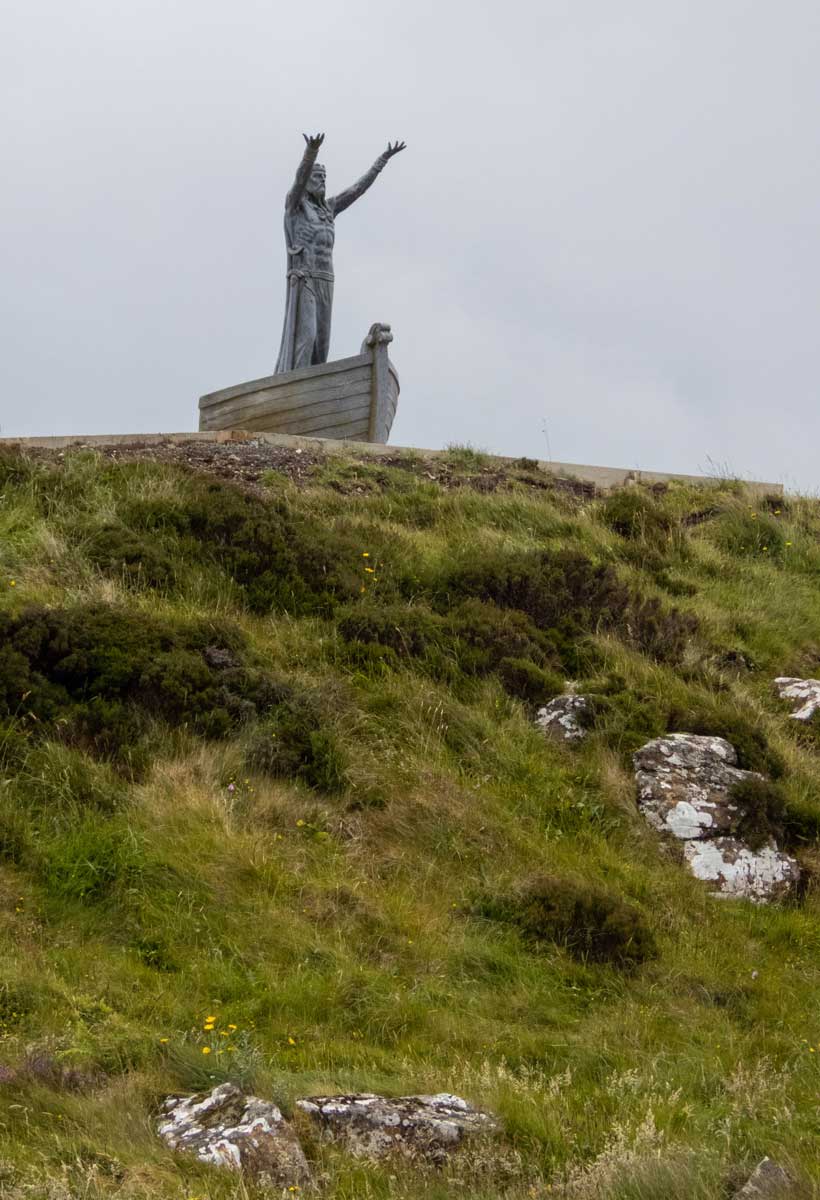
In Irish, Scottish, and Manx mythology, Manannán is a sea god, a warrior, and a king of the Otherworld. He is the lord of Emhain Abhlach (‘Isle of Apple-trees’), an otherworldly realm hidden from mortal eyes by a sea of mist known as the féth fíada.
Among his possessions are a self-navigating boat named Sguaba Tuinne (‘Wave-sweeper’), a sword that saps the strength of its foes and which can not be stopped by armor, and a horse named Aonbharr, which can traverse water as well as land.
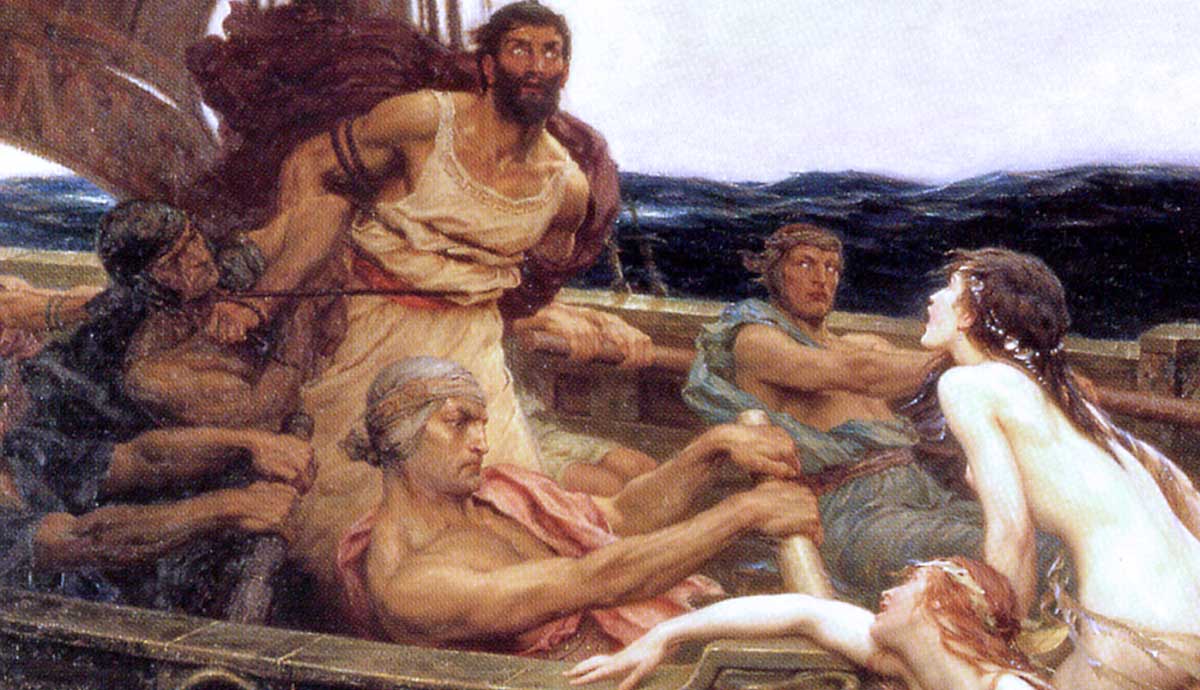
Manannán is the protector of travelers, both on land and at sea, and was widely invoked by those off on a long voyage, especially by sailors, who had to brave the vast and fickle oceans.