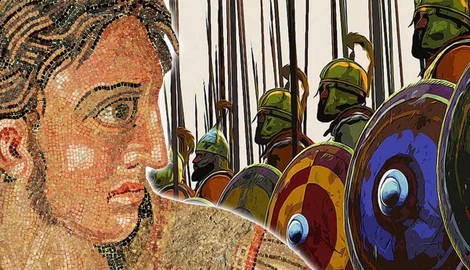

Alexander the Great’s Macedonian army had followed him for over a decade. They had won victories and gone beyond the edge of the known world. They had become one of the most famous and successful armies in history. However, by 324 BC, they had had enough. Their complaint was that he was no longer truly their king. He was becoming a Persian ruler, with Persian followers. The mutiny at Opis showed the divisions between Alexander and his Macedonians. The fact that his speech brought them back shows that they still loved him.
The Army and the Campaign
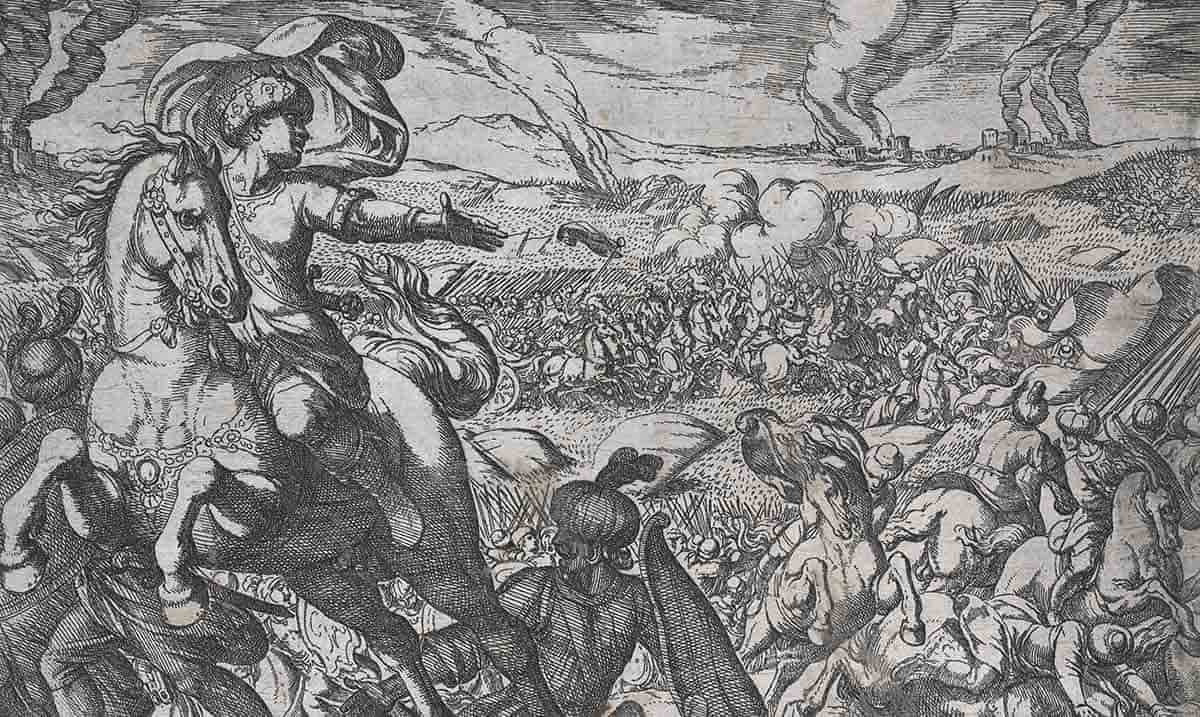
Alexander the Great had been king of Macedon since 336 BC. Asia Minor had been invaded and conquered (or liberated from another perspective) between 334 BC and 332 BC. Egypt had fallen to him by 331 BC, and the Persian heartlands by 330 BC. His army always included allied contingents, but the core was Macedonian. In particular, the infantry phalanx (long pikemen) and the Companion cavalry (an elite part of the army who fought with the king on one flank) were central to their success.
Over the next six years, Alexander and his army campaigned in Bactria and Sogdiana (the wealthy and powerful eastern satrapies of the Persian Empire) and crossed into India. There, they had seen places previously beyond the experience and imagination of Europeans. They had won victories, including over Porus, a powerful leader in the Indus valley. However, the army had turned back. At the Hyphasis River in 326 BC, the army refused to go further.
Weariness, disease, stretched supply lines, and concerns about large armies and organized kingdoms in the Ganges valley meant that they would not continue. India had proved far bigger and more challenging than the Macedonians could have guessed. That prospect was too much for even this army to face.
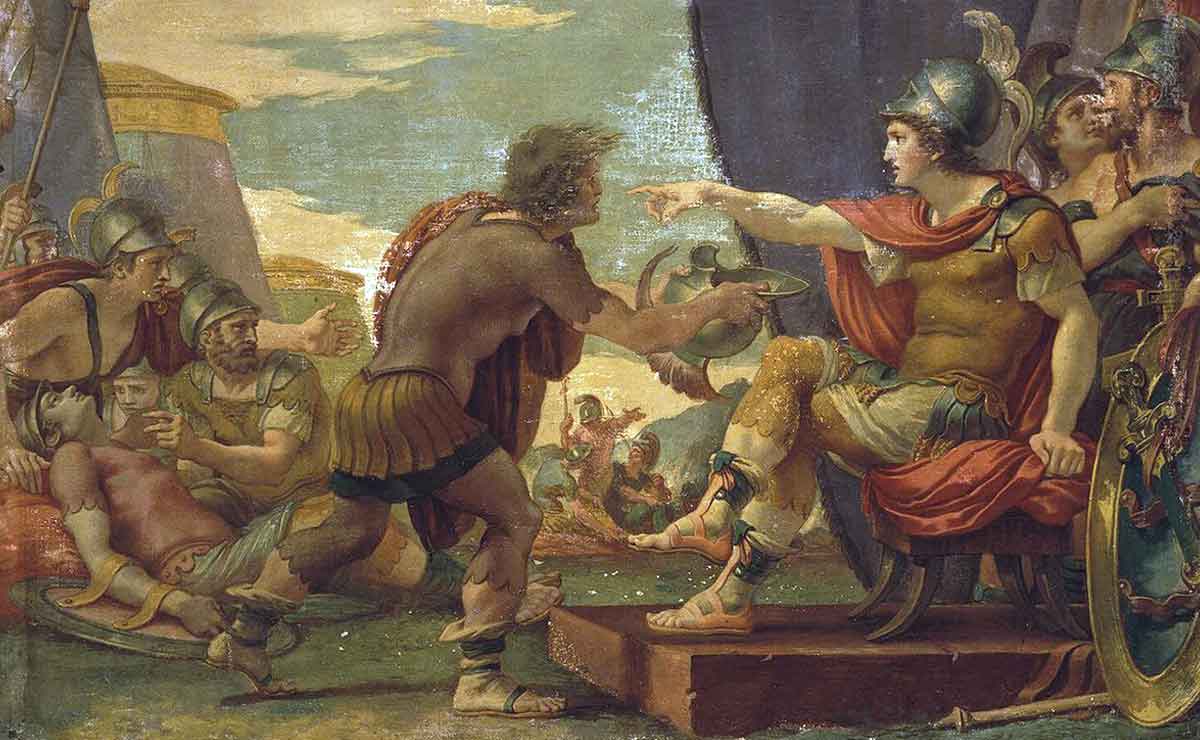
Our sources make clear that Alexander felt betrayed by his army finally balking at the demands placed on them. However, there were further campaigns and challenges to face. The army consolidated control of the Indus valley, leaving Porus in command. To return to Babylon and the center of the empire, Alexander took his army across the Gedrosian Desert. This forbidding area, in Southeastern Iran today, had never been successfully crossed by an army. Our sources, including in accounts of Alexander’s Opis speech, make clear that this was part of the appeal for the Macedonian king. It was another chance to do what no one else had done before. However, the crossing was a disaster. Plans to supply the army from the sea failed, and they suffered heavy (if challenging to accurately estimate) casualties.
This was the recent history of the army when they reached Opis, a town in the Persian heartland. Alexander had plans for the future of the empire and the campaign, which would open up a dangerous rift with the Macedonians.
Our Sources for the Events at Opis
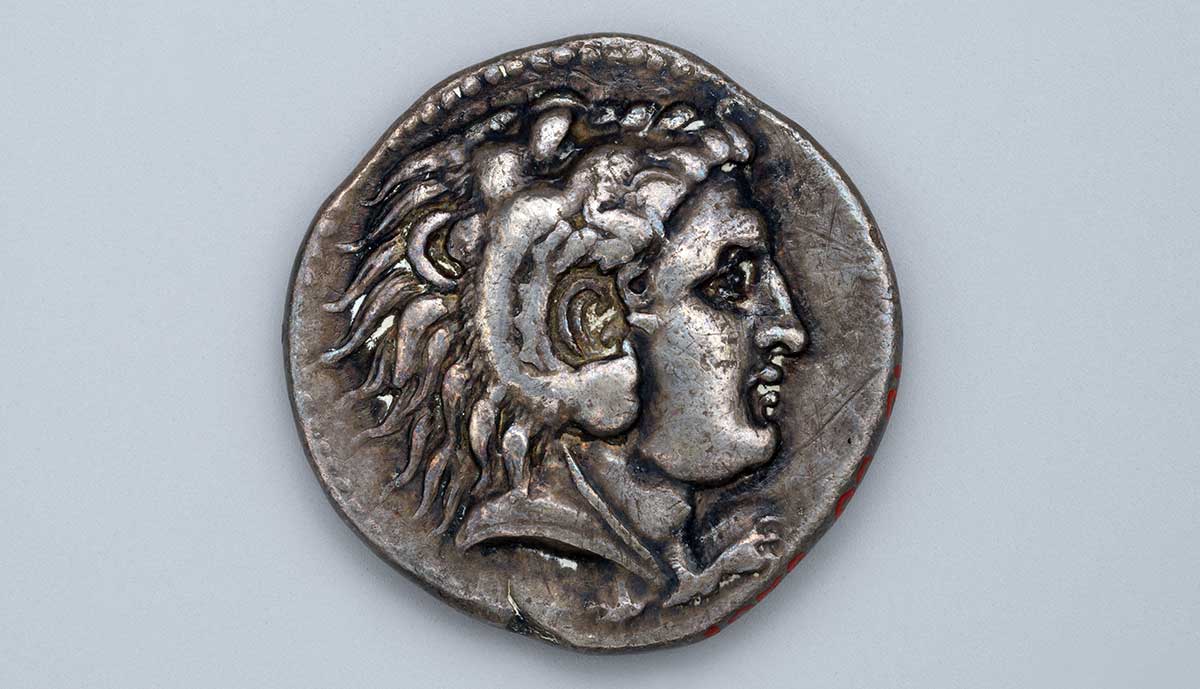
Our surviving sources for the life of Alexander the Great come from centuries after his death. They are at least partially based on contemporary materials that have not survived. However, they still write from a distance of both time and perspective.
Diodorus Siculus, a Greek Historian writing in the 1st Century BC in Sicily, covered Alexander as part of his Library of History. This account seems to be based on Cleitarchus, a contemporary historical source. This represents the so-called “vulgate” tradition, a more critical take on many of Alexander’s actions. Two other historians also thought to be part of this vulgate tradition are Quintus Curtius Rufus, a high-ranking Roman writing in the 1st century AD, and Justin, who wrote an abridged summary of a longer work sometime in the 2nd to 4th century AD. Plutarch, a biographer living in the Roman Empire in the 1st century AD, often has a similar version of events to Diodorus, although his concerns are often more moralistic and comparative than purely historical.
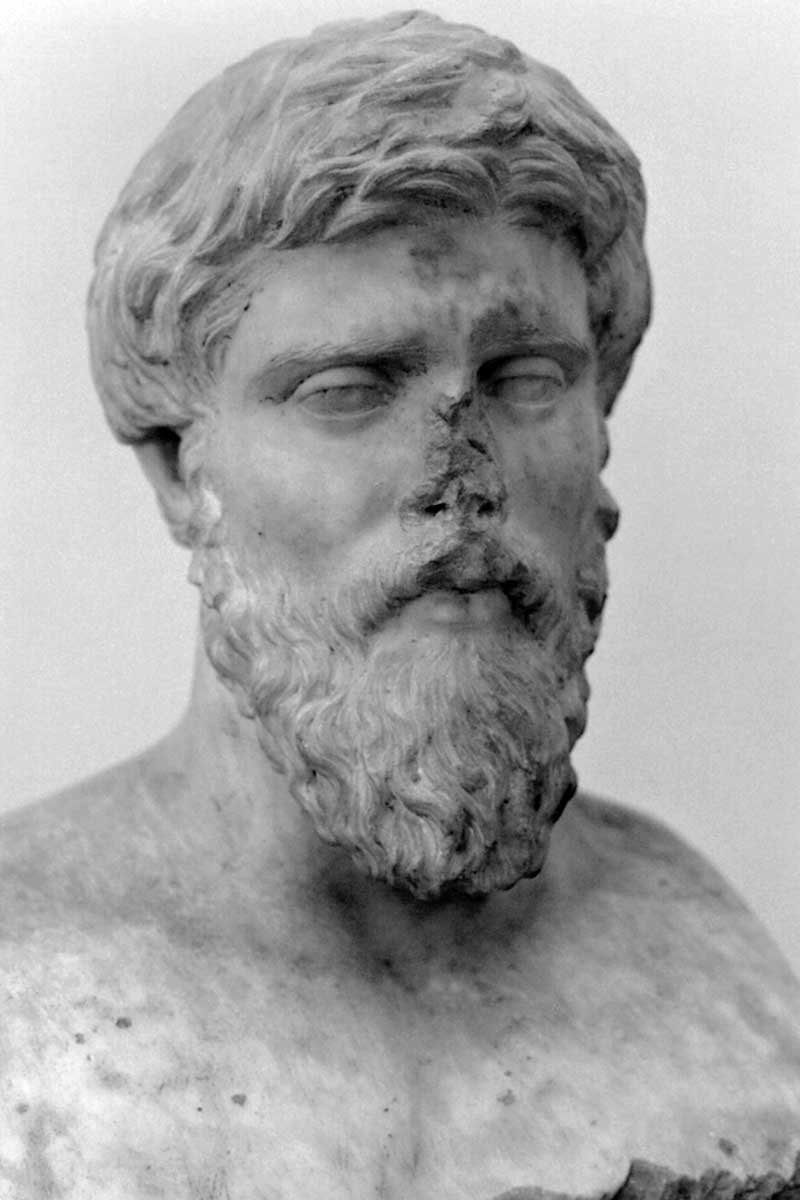
Our other main source and perspective comes from Arrian, a Greek historian writing in the 2nd century AD. He also served as a Roman legate and military commander. His account is even further removed from events but seems to have been based on the accounts of Ptolemy and Aristobulus, both of whom were on the campaign with Alexander. Arrian is open about his admiration for Alexander, and he can be uncritical of his actions, although he provides perhaps the most comprehensive account in his Anabasis.
In this case, there is no fundamental difference in the perspective of our two main traditions. Arrian and Quintus Curtius Rufus have long versions of the speech, which differ in wording but not significantly in meaning. The other sources have summaries that cover some of the same points. Arrian includes a relatively unusual (if mild) criticism of Alexander, while the other sources are not overtly hostile. Arrian’s version of the speech and the events surrounding it are the most famous (and elegantly written) and will be quoted from in this piece.
There is a reasonable question about how far we can consider any reported speech from the ancient world to accurately represent what was actually said. This speech in particular has been subject to this question. Bosworth, often a skeptical modern voice on Alexander, claimed that it can only represent at most an outline of Alexander’s words. On the other hand, Tarn argues that the basis of the speech likely came from Ptolemy and so can be somewhat relied upon (Hammond, The speeches in Arrian’s Indica and Anabasis, 2012). Whether Arrian had an accurate account of the speech or only a rough outline, the fact that all of our sources present similar information suggests that the main aspects of the event can be considered to be somewhat reliable.
Alexander’s Plans at Opis
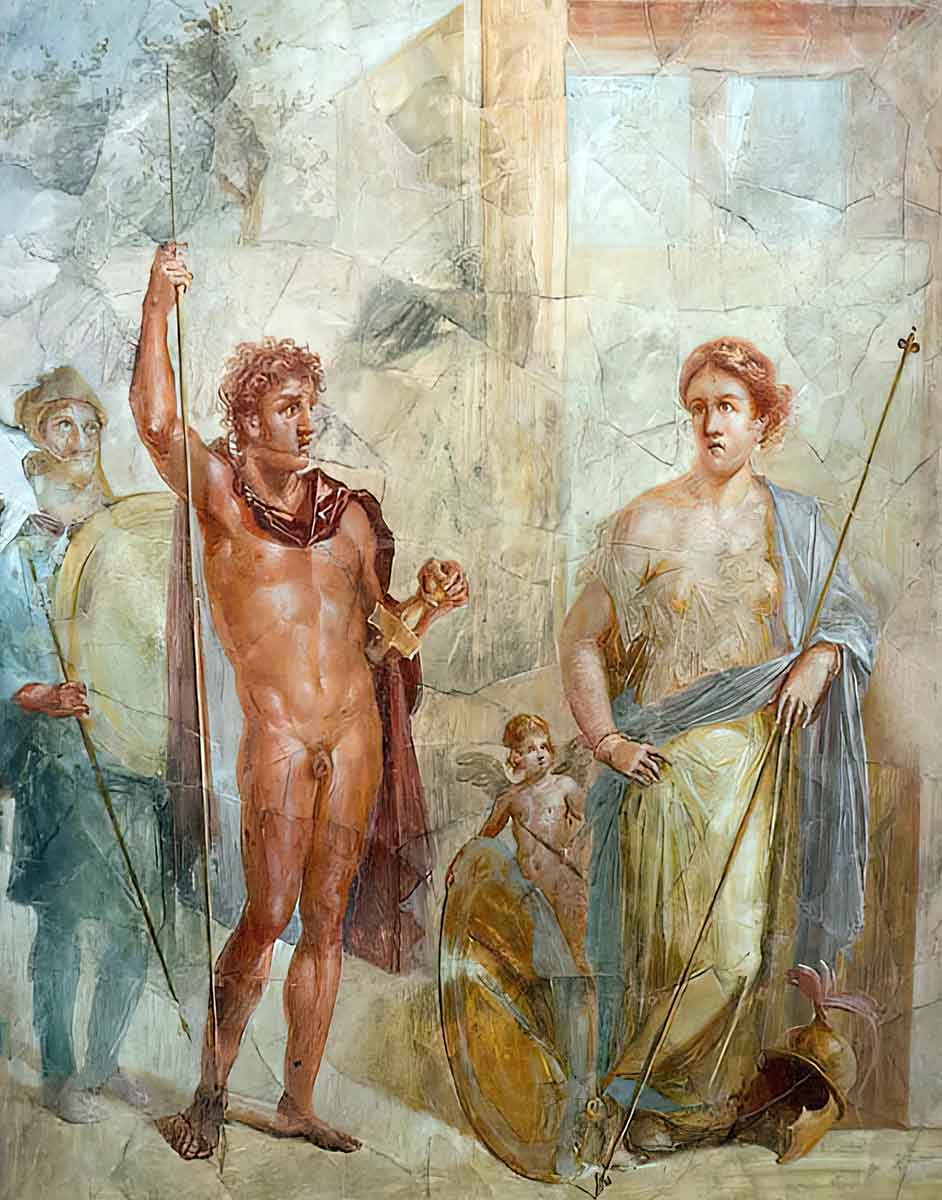
Having returned from India, Alexander seems to have entered into a new phase of consolidating his empire. Our sources tell us that he married a daughter of Darius (Barsine) and possibly another Persian woman as well. Hephaestion, Alexander’s closest friend, also married a daughter of Darius, while 80 other senior Macedonians married high-ranking Persian women.
Within the army as a whole, Arrian tells us that 10,000 marriages of Macedonians to local women were recognized, with gifts given to the men by their king. It may be fair to wonder if all of these 10,000 recognized relationships were seen as marriages by the Macedonians involved.
Beyond this melding of the Persians and Macedonians by marriage, Alexander made changes to his army. 30,000 young men from within the empire were to be trained in the style of the Macedonian phalanx, the backbone of their military success. These new troops were called the Epigoni, or successors, a title unlikely to win any prizes for diplomacy or favor with the Macedonians.
In addition, Persians, Bactrians, and others were allowed to join the Companion cavalry. These new troops were integrated with the Macedonians. Not just an elite military formation, this was a marker of high status, including having access to the king himself. To the Macedonians, they were being replaced by, or at the very least were now in competition with, peoples they saw as enemies and defeated ones at that.
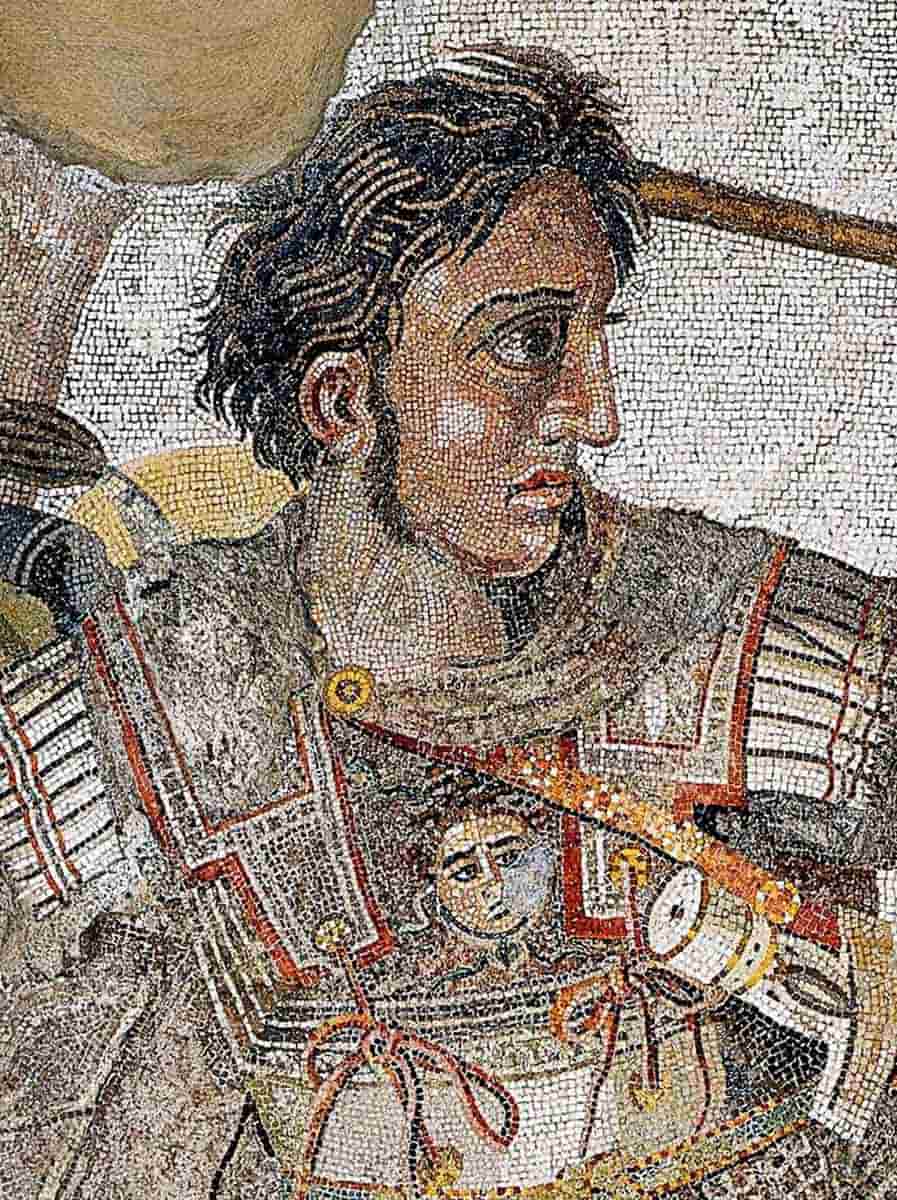
Even Alexander’s attempts at showing generosity to his soldiers seem to have had mixed success. Arrian mentions that he intended to pay off the debts of his soldiers. However, many in the army believed that this was a trick to discover how they had wasted their money and who had borrowed heavily. It was not until debt relief was promised anonymously that the army took up the offer.
In the end, paying this off cost the treasury 20,000 talents, a huge sum. While this story is largely amusing, especially the soldiers’ fear of their king’s disapproval, it is also evidence of a growing lack of trust between them. Arrian has Alexander taking offence at his soldiers’ belief that he would be anything other than sincere.
The Mutiny
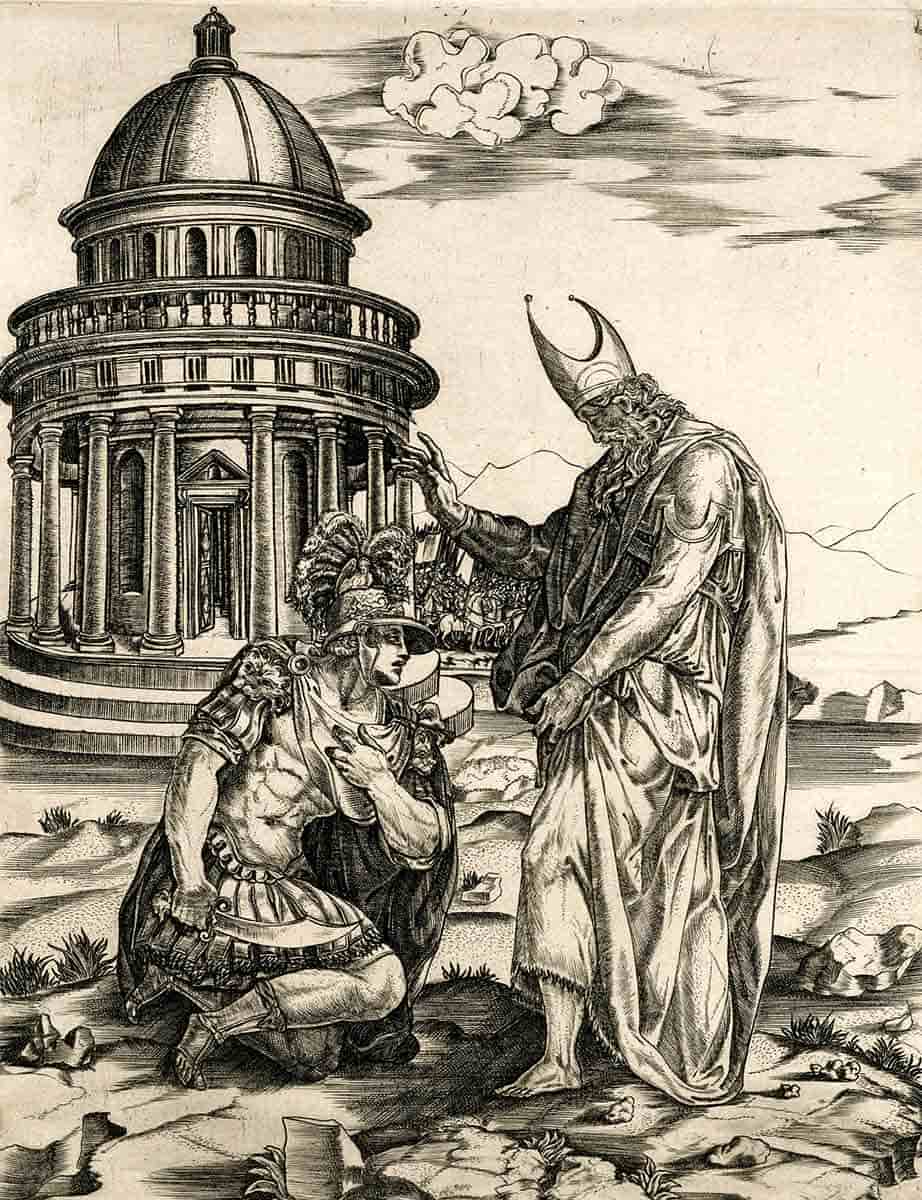
Tensions had thus been building up for years. Concerns about Alexander’s embrace of eastern styles and rituals, his allowing himself to be portrayed as the son of a god in Egypt and beyond, the deaths of Cleitus and Parmenio, the grueling campaigns in Bactria, Sogdiana, and India, the crossing of the Gedrosian Desert, and now the growing prominence of the king’s Persian subjects had reached a point where the Macedonians would not accept Alexander’s will without challenge.
When things came to a head, it was not being asked to do too much that led the army to mutiny, but the idea of being sent away. Alexander addressed the army and declared that those who had suffered serious injuries or were too old were to be sent back to Macedon. In total, this was around 10,000 soldiers. Their return was presented as an honor, accompanied by a generous bonus and well-earned retirement. The returning soldiers would inspire a new generation at home, with Antipater (regent of Macedon) under orders to reinforce Alexander with fresh soldiers.
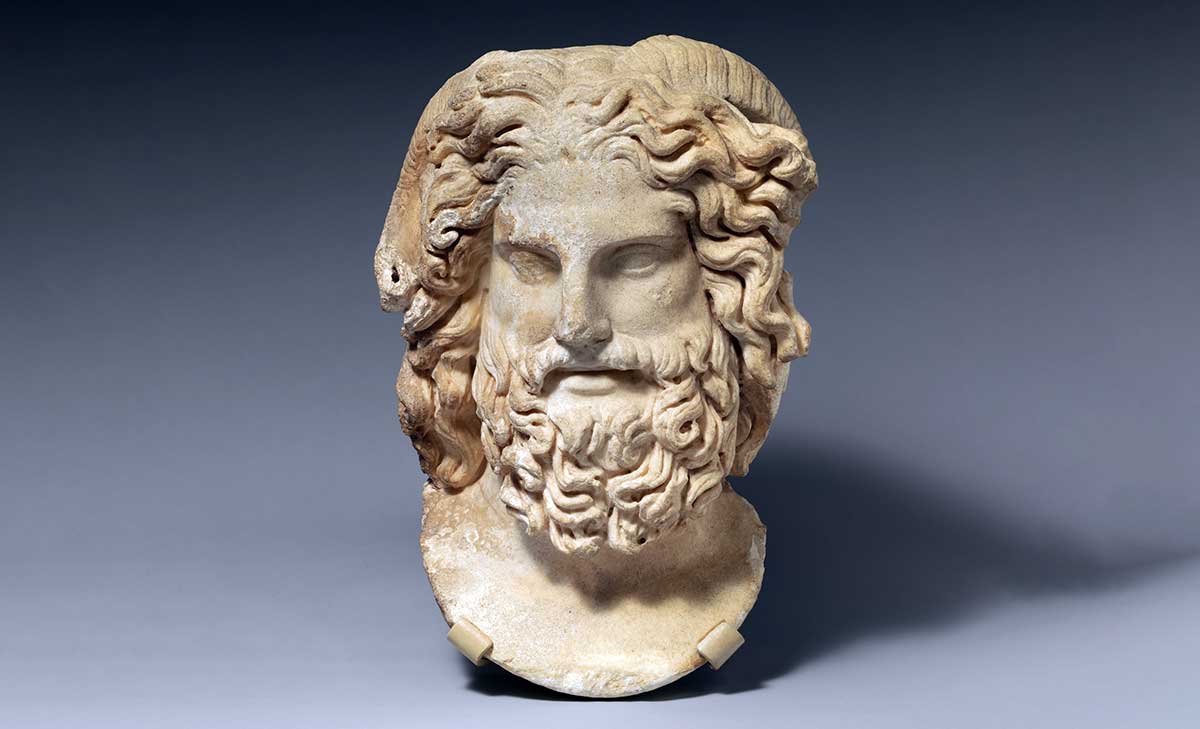
The army rebelled. Believing that this was the final step in marginalizing them, the army began to shout their commander down. They called for him to dismiss them all and “to prosecute the war in company with his father” (Arrian, Anabasis, 7.8.3). This mocking reference to Alexander’s claim to be the son of Zeus-Ammon and the army’s rejection of him provoked Alexander to leap down from the platform into their midst.
Even Arrian’s usually positive perspective here acknowledges that Alexander had become more short-tempered and intolerant by this point in his life (this could well be Ptolemy’s own perspective as a senior figure and friend). 13 ringleaders of the mutiny were seized and taken for execution. Alexander then addressed his army in one of the most famous speeches in the ancient world.
The Speech
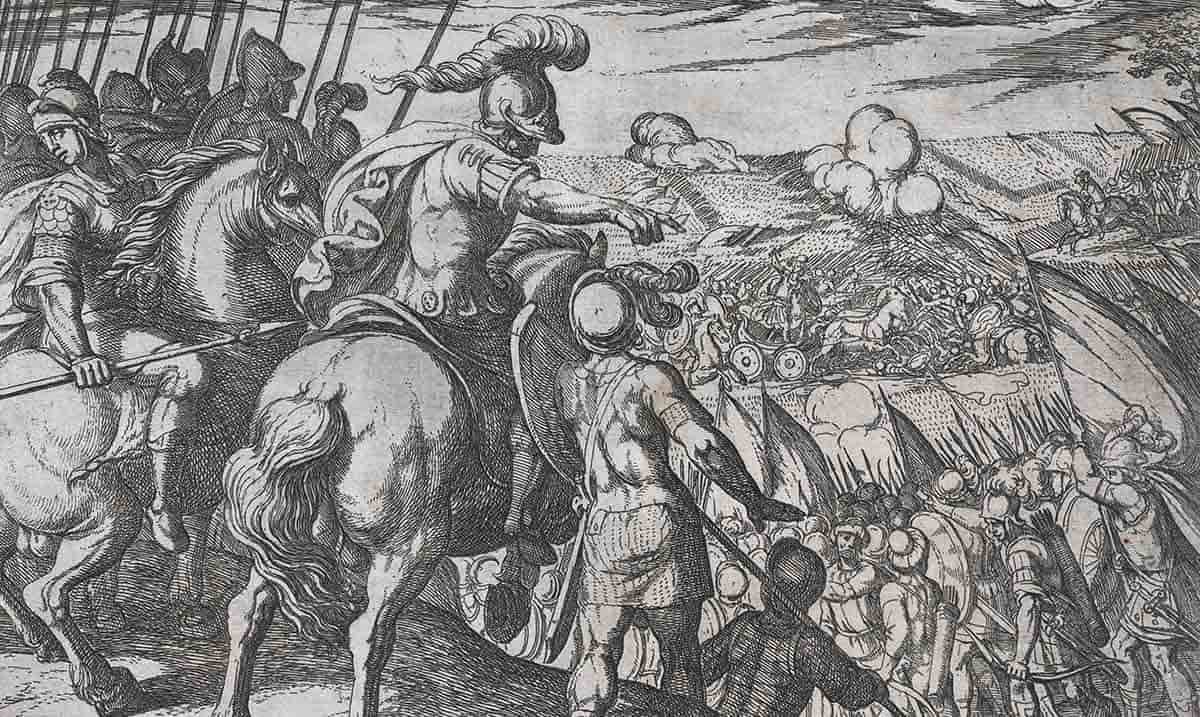
Alexander’s speech is detailed in two chapters of Arrian’s Anabasis (7.9-7.10). He made clear that he was not trying to get the army to stay, “As far as I am concerned, you may depart whenever you wish.” Instead, he sought to remind them of all that they had achieved and how much had changed for the Macedonians.
The speech began with Philip, Alexander’s father, perhaps in response to the references to Zeus-Ammon from the army. Famously, Alexander told the army that “he [Philip] found you vagabonds and destitute of means” (7.9). He went on to describe how the Macedonians had risen from hill tribes to become the dominant power, first defeating their barbarian neighbors and then dominating Greece. Alexander goes on to describe his own achievements, compared to which he claimed that his father’s were small.
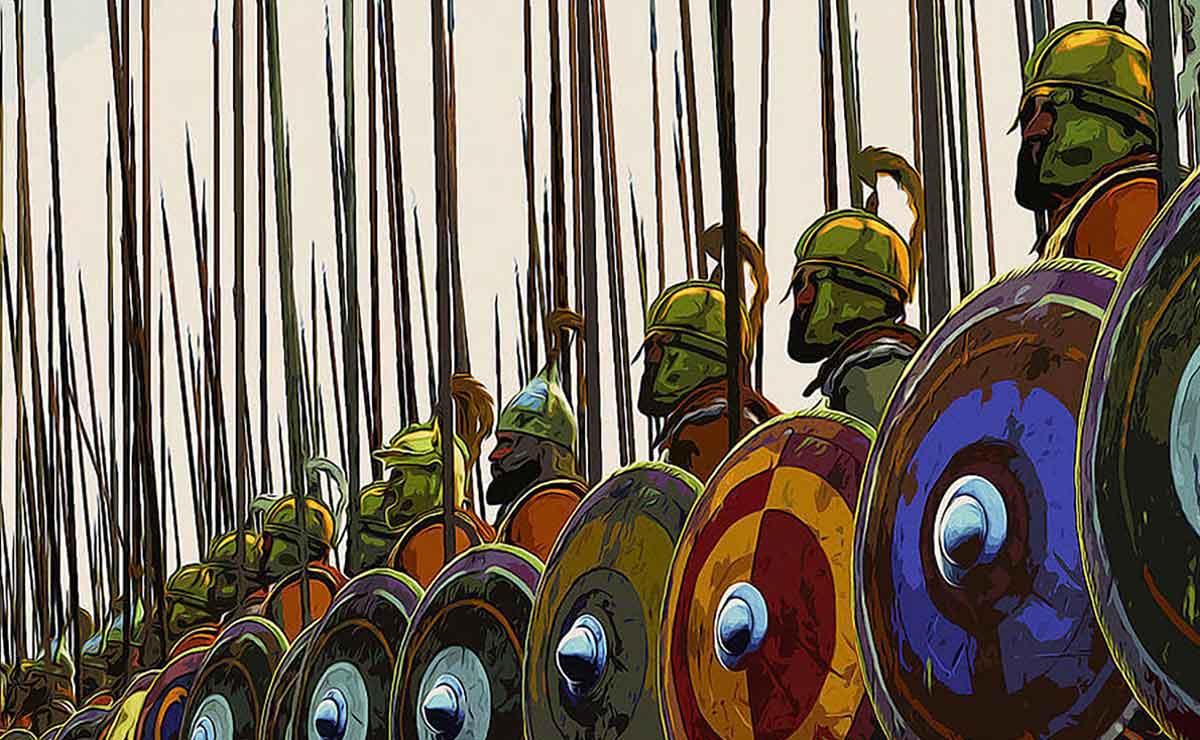
Alexander’s description of his own history with the army is not just a list of conquests and achievements. This is certainly there, both the areas that they had won, and the wealth and glory that the army had gained. However, there is a greater focus on their shared hardships. Alexander claimed that he had not benefited more than the army had and that he had done everything that the soldiers had. He listed his many injuries, the times he had gone without food, and that he had undergone every journey with them.
This criticism of his men is an insight into Alexander’s leadership. He was not a distant commander but one who saw himself as sharing the experiences of his men and fighting alongside them. There are repeated references to things that Alexander had been the first to do: entering India and crossing the Gedrosian Desert with an army.
The speech presents these actions as the justification of his rule, rather than a reference to his right to rule based on a hereditary principle. That element is not entirely absent, but the argument is that of a warrior and an adventurer, disappointed that all he had done and achieved was being rejected.
The speech ends with a fantastically dismissive statement that when his men returned home, “perhaps this report [that they had deserted him] will be both glorious to you in the eyes of men and devout in the eyes of the gods. Depart” (7.10). The speech also made a pointed reference to the army turning back in India. This was not just a disagreement but a personal lament. At times, Alexander comes across as a disappointed father, at others a man let down by the fact that his followers could not match his greatness, while at others a spurned and rejected lover.
Reconciliation
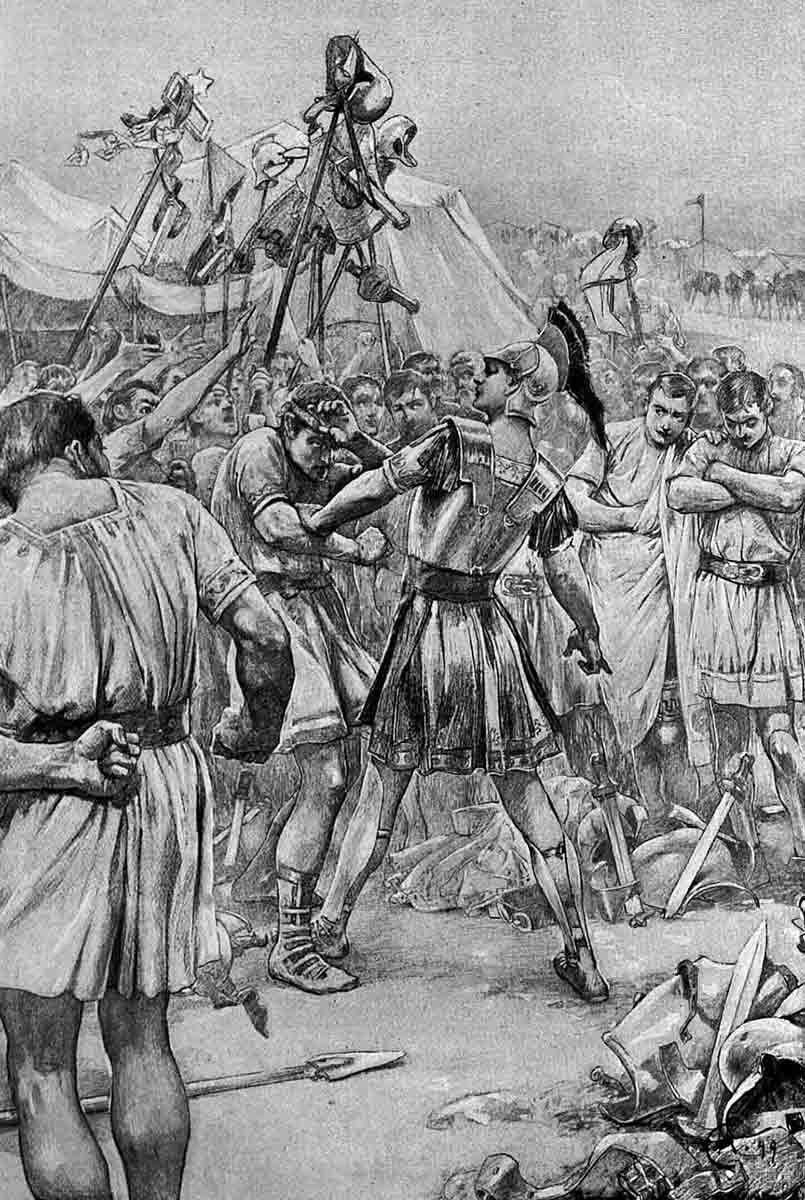
Following his speech, Alexander returned to his tent for three days. At this time, he refused to see any of the Macedonians, even his bodyguards or Companions. On the third day, the army heard that he was meeting with senior Persians, Bactrians, and others. He was reorganizing the army under new, non-Macedonian leadership, including appointing new generals.
The army’s will to resist their king broke. Our sources have them weeping outside of the tent and refusing to leave until Alexander forgave them. He did, himself being moved to tears. He acknowledged all of the Macedonians as his kinsmen, an important gesture. The army was forgiven, and a joint feast was held, attended by Macedonians and Persians, together with joint sacrifices to the gods. Alexander kept the sons of his Macedonian soldiers and their local women with him. He promised to raise them as Macedonians and reunite them with their families once they reached adulthood.
Alexander got his way. The veterans would return home, led by Craterus, Alexander’s most important general. He would take over as governor in Macedon, while Antipater, the current governor, would come to Asia. The remaining troops would accept the new blended army, and his authority would not be challenged. He had new sources of troops: the Epigoni, reinforcements from home, and, in time, his half-Macedonian children.
It is possible that in sending troops home, Alexander was reacting to other serious issues within his empire, in addition to the tensions between Persians and Macedonians. There had been disloyalty among the satraps left in command while Alexander was on campaign. Craterus and Hephaiston (Alexander’s two closest advisors) had clashed violently in India, while Antipater and Alexander’s mother,r Olympias, were in a state of constant bickering conflict back in Macedon. Arrian dismisses the idea that Antipater was disloyal and that this plan with the soldiers was all a way of removing him from power. However, it is clear that there were wider issues at play as Alexander tried to consolidate his control over his vast empire. However, for the soldiers, it was their place alongside Alexander that mattered.
Alexander and His Army
While the speech comes across dramatically at times, the entire affair shows Alexander’s political genius. He was aware of the affection that his soldiers still had for him and was willing to exploit it to the fullest. We can also see how this style of leadership was not only personal but also emotional. Alexander and his men weep, shout, and show their emotions to the full. This was not a culture that valued stoicism but one that wore its feelings openly. In this way, as in others, Alexander was the exemplar of the adventure and openness of the Hellenistic Period.
Alexander would not long survive these events, dying in Babylon the next year. The veterans sent home would not turn out to be beyond fighting and would play a major role in the wars of their successors. We are left not knowing if Alexander’s plans would have worked and stabilized his empire. However, the mutiny at Opis and the remarkable speech that ended it remain historically fascinating. The speech provides a brilliant summary of the achievements that the Macedonians had accumulated in just two generations.
Beyond that, the division and reconciliation of the king and his followers show us the level of devotion that Alexander engendered, as well as how dangerously frayed it had become after years of campaigning. In the end, the army would not follow through on its threat to abandon Alexander. His speech reminded them of why they had followed him so far.