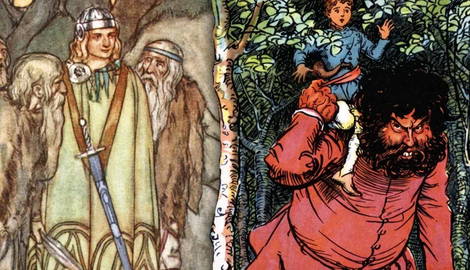

Across Britain and Ireland, myths about giants are ubiquitous and form part of the local identity. Figures such as Albion, Fionn mac Cumhaill, and Bendigeidfran represent primordial power, wisdom, and danger. Their stories explain natural wonders like the Giant’s Causeway and the Ring of Brodgar, while dramatizing moral lessons of cunning, resilience, and leadership.
A Gigantic Background
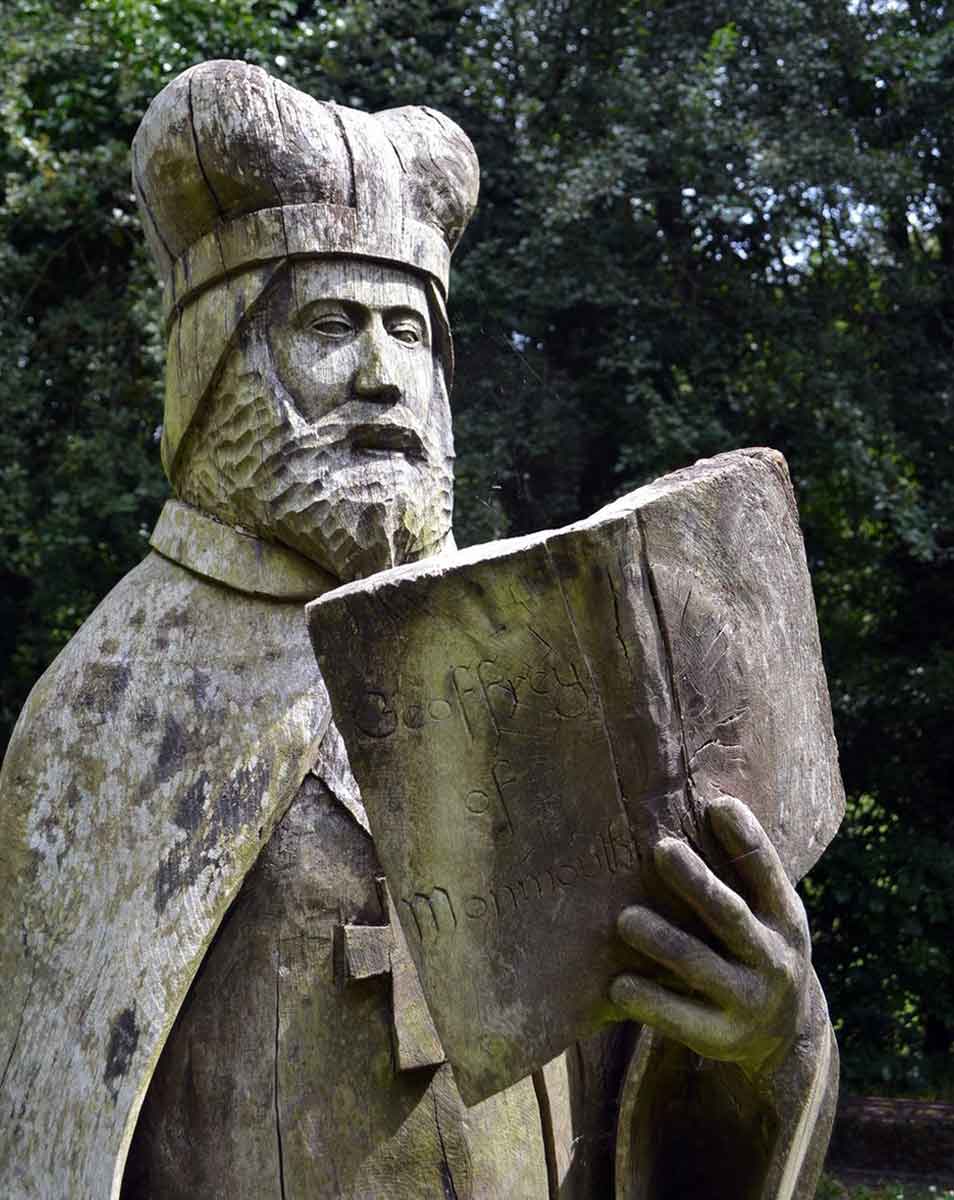
Giants play an important role in British and Irish folklore. Across Europe, they were imagined as the builders of ancient civilizations, but in the British Isles, they were even more prominent as ancestors. Legends describe giants as primordial inhabitants of the British Isles whose “kingdom” preceded the Celtic settlement. Geoffrey of Monmouth’s Historia Regum Britanniae (12th century) amplified this tradition, cementing giants within British myth and imagination.
Unlike the Norse giants, who were imagined to be powerful but not necessarily large in size, British giants were envisioned as towering beings large enough to have created mysterious landscapes such as the Giant’s Causeway. Giants also personified the power of nature and were used to explain unexplainable natural phenomena. Their stories, initially preserved through oral tradition, reflected a belief in a larger-than-life heroic age. When giants rubbed shoulders with humans, they were often antagonists, exposing the fragility of the human body and mortality. Discoveries of oversized prehistoric bones reinforced belief in their existence.
Blunderbore
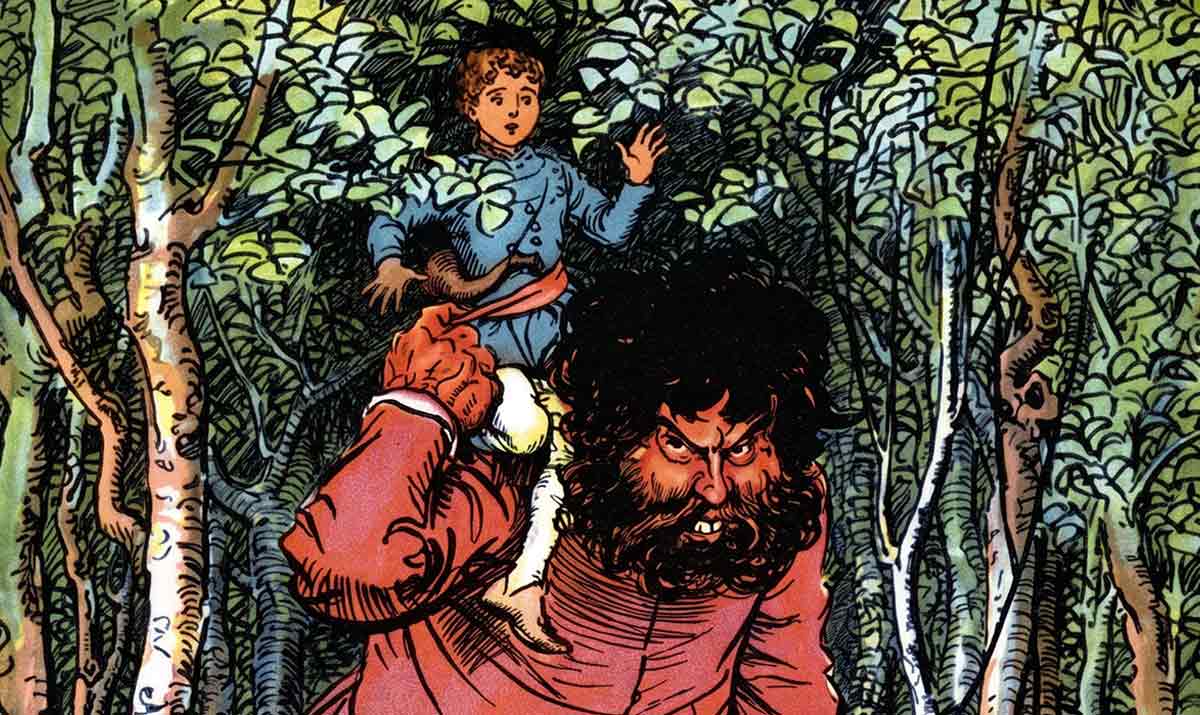
Blunderbore was a prominent figure in English folklore, especially in Cornwall, and exemplifies the role of giants in the traditions of that region. Most famously, Blunderbore appeared in Jack the Giant Killer, and sometimes as the giant in Jack and the Beanstalk. He was associated with the region of Penwith and is typically remembered as a terror of Ludgvan Lese, where he preyed upon travelers.
In his tale, Blunderbore, alongside his brother Rebecks, abducts lords and ladies, intending to consume the men and force the women into marriage. His cruelty, which included hanging the women by their hair until starvation when they resisted his advances, underscores the giant’s role as a monstrous antagonist, without human morality. Jack ultimately defeats Blunderbore through cunning, employing rope nooses to kill both giants.
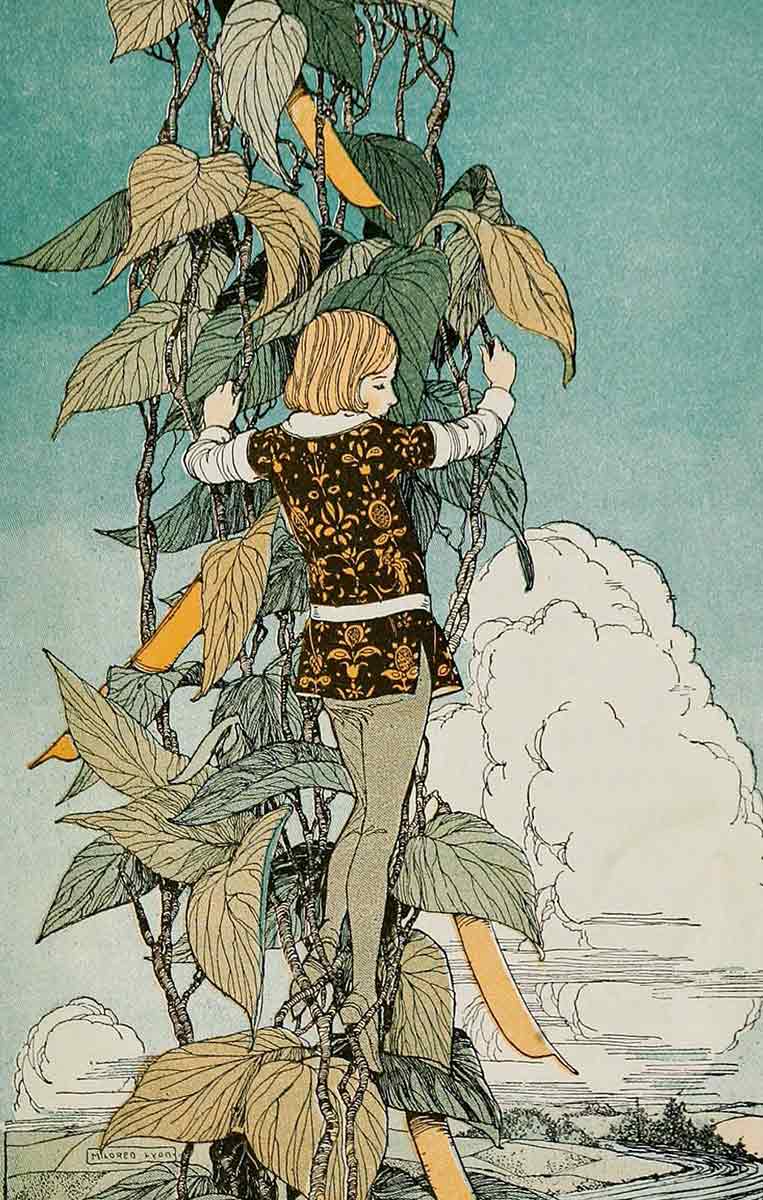
A variant of the legend occurs in Tom the Tinkeard, a Cornish adaptation of the East Anglian Tom Hickathrift cycle. Here, Blunderbore obstructs the King’s Highway, abducts numerous women, and brings chaos to the land. Tom confronts him using a wagon axle as a weapon, fatally wounding the giant, who then bequeaths his wealth to his worthy opponent and requests burial.
These narratives cast giants as embodiments of tyranny, violence, and contested authority within folklore. Furthermore, the parable features a classic “David and Goliath” battle, where the smaller, underdog prevails against the forces of evil despite the odds by using intelligence over brute strength.
Albion
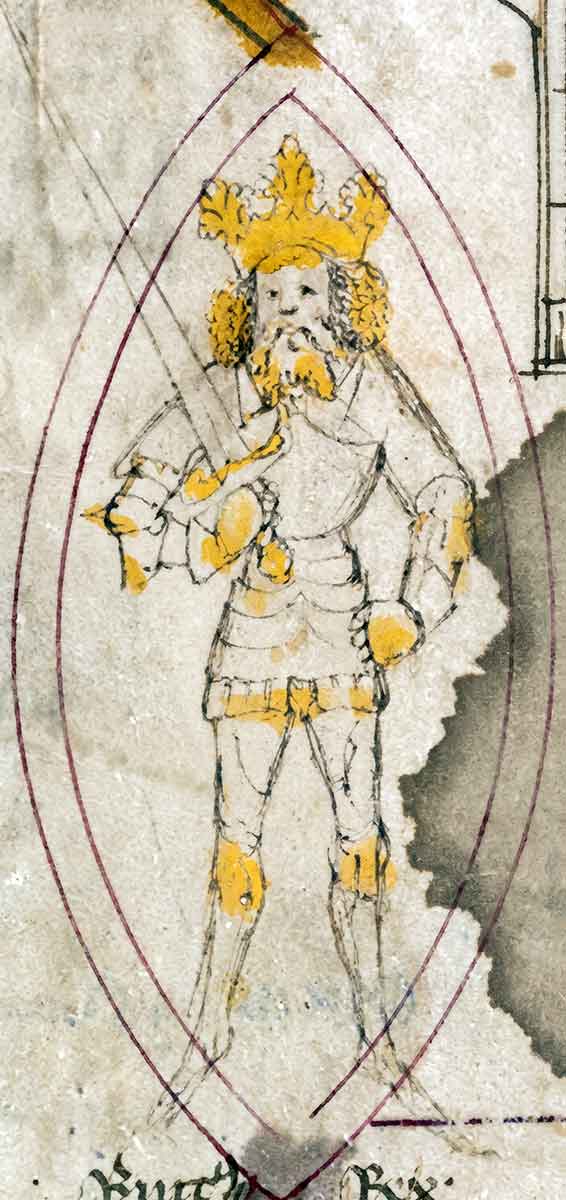
While Blunderbore might be the most famous British giant, Albion is probably the most important, playing a role in the national foundation myth.
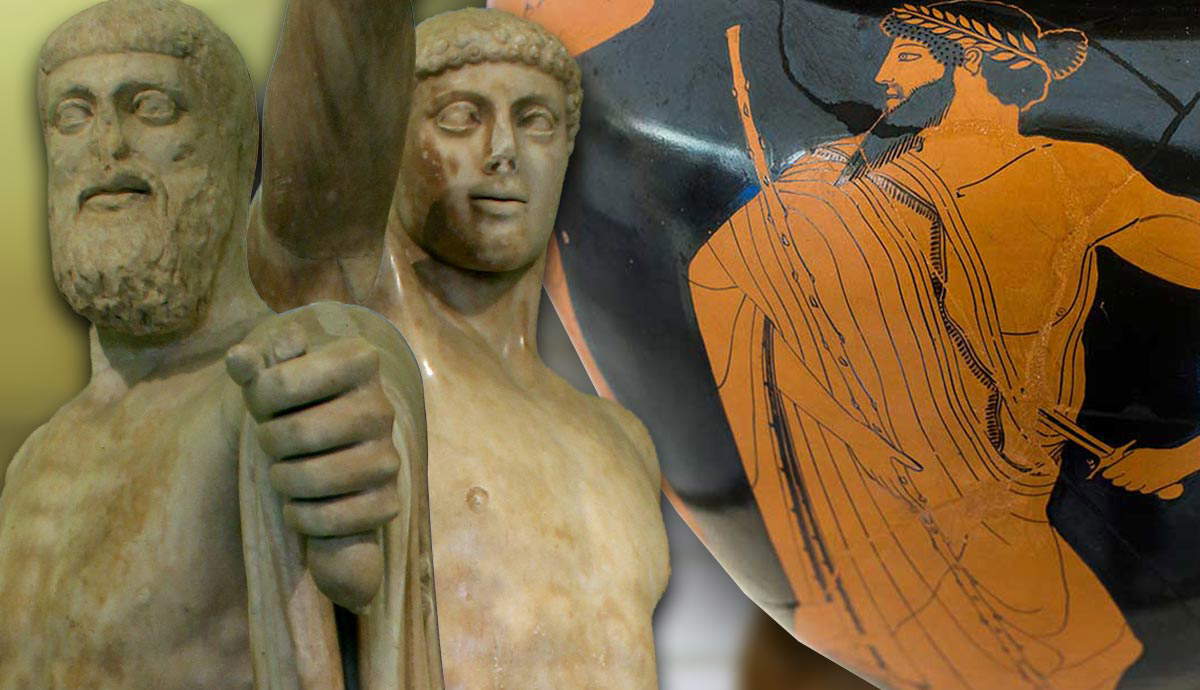
Albion is traditionally described as the tyrannical king who gave Britain its earliest name. He was sometimes described as the son of Poseidon, banished from Greece, who then established dominion over the island. Connecting Britain’s origins to Greek mythology added weight to the story. Early sagas emphasize that Britain’s first inhabitants were giants, sometimes traced to biblical lineages through Noah’s sons Ham or Japheth, reinforcing Albion’s stature as a mythic forefather.
Raphael Holinshed’s Chronicles of England, Scotland, and Ireland recount Albion and his race consolidating power for centuries, until Albion himself was slain in Gaul by Hercules, aided by Zeus’s celestial weapons.
Despite Albion’s defeat, the giant race endured in Britain, particularly in Cornwall, until they were displaced by Brutus of Troy and his followers after the Trojan wars; another connection to the classical world. Geoffrey of Monmouth’s Historia Regum Britanniae describes Brutus’s conquest against towering adversaries.
Albion’s legacy extended beyond medieval chronicles: William Blake reimagined him as a colossal archetype of humanity and the nation, embodying spiritual division and the potential for redemption in Jerusalem: The Emanation of the Giant Albion. Thus, Albion symbolizes both Britain’s mythic ancestry and what it means to be British.
Gogmagog
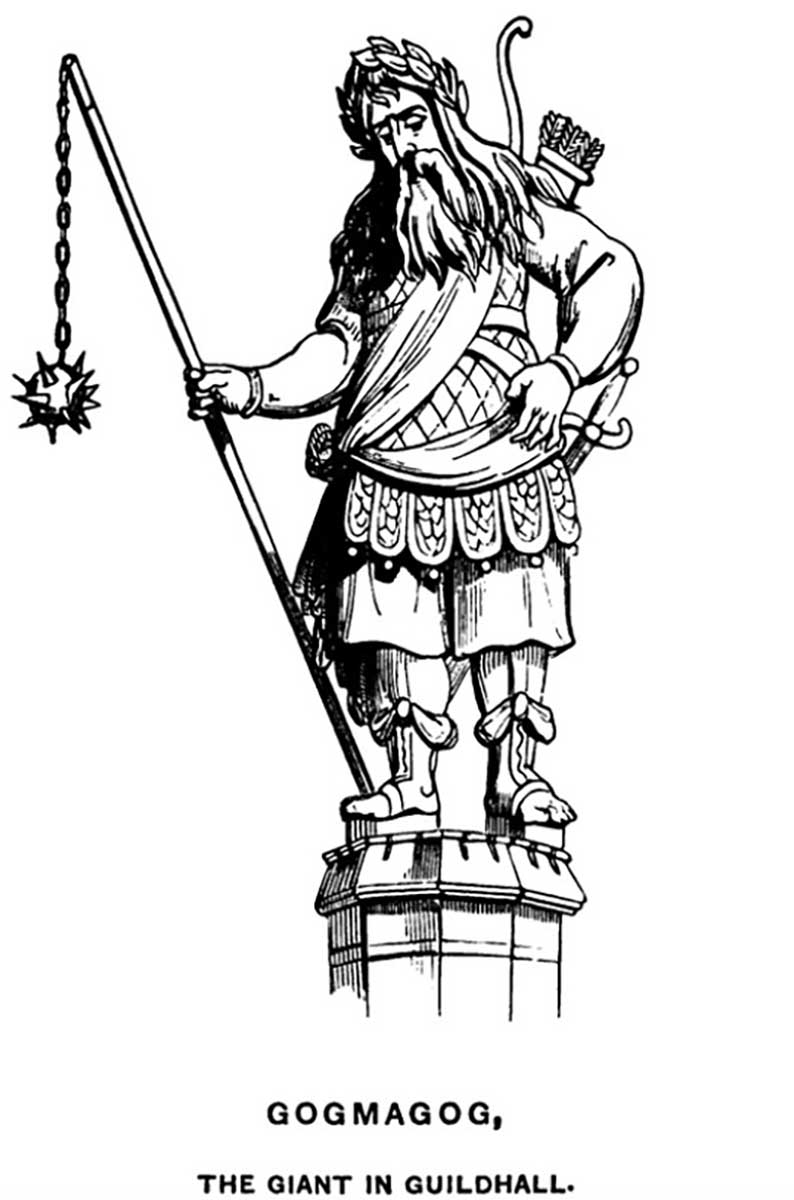
Another Cornish story focused on giants features the giant named Gogmagog. He is most prominently recorded in Geoffrey of Monmouth’s Historia Regum Britanniae. In this work, Gogmagog is portrayed as one of the last surviving giants of Albion, before he attacked the Trojan colonists led by Brutus.
Gogmagog was captured but kept alive to wrestle Corineus, another Trojan soldier, who hurled him from a cliff at the site later memorialized as “Gogmagog’s Leap.” Corineus went on to become the legendary founder of Cornwall.
Gogmagog’s name is traditionally linked to the biblical Gog and Magog, but alternative etymologies, such as Cawr‑Madog, suggest indigenous origins. Later mythological traditions, notably the 14th‑century Albina story, traced his ancestry to Albina (see below). Irish mythological texts, including the Lebor Gabála Érenn, connect the biblical character Magog to the origins of the Irish, Scythians, and other peoples. Interestingly, Gog and Magog have also endured as emblematic guardians of London, symbolically paraded in the Lord Mayor’s Show each November since 1588.
Albina
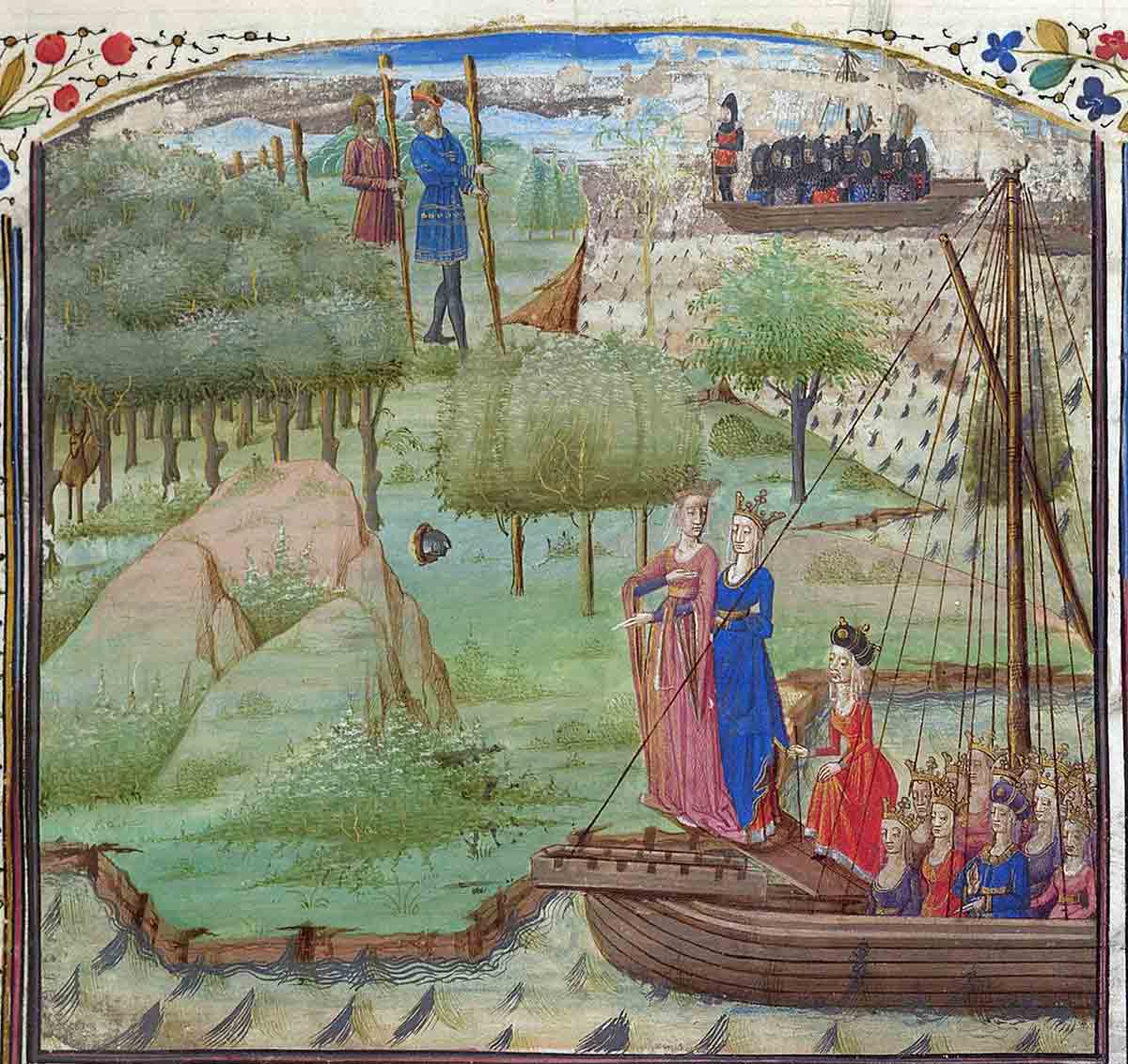
Albina is a central figure in British mythic tradition. According to legend, she was the eldest daughter of Diocletian, who is described as either a Roman Emperor or King of Syria, who fathered thirty‑three disobedient daughters. When forced into marriage, the sisters conspired under Albina’s leadership to murder their husbands. Subsequently, their father had all his daughters banished for disobeying him.
Set adrift, Albina and her sisters landed on a fertile, uninhabited land which Albina named Albion. The sisters initially established a utopian society free from patriarchal domination, yet their isolation gave rise to encounters with demons, who appeared in a male human guise to satisfy their desires.
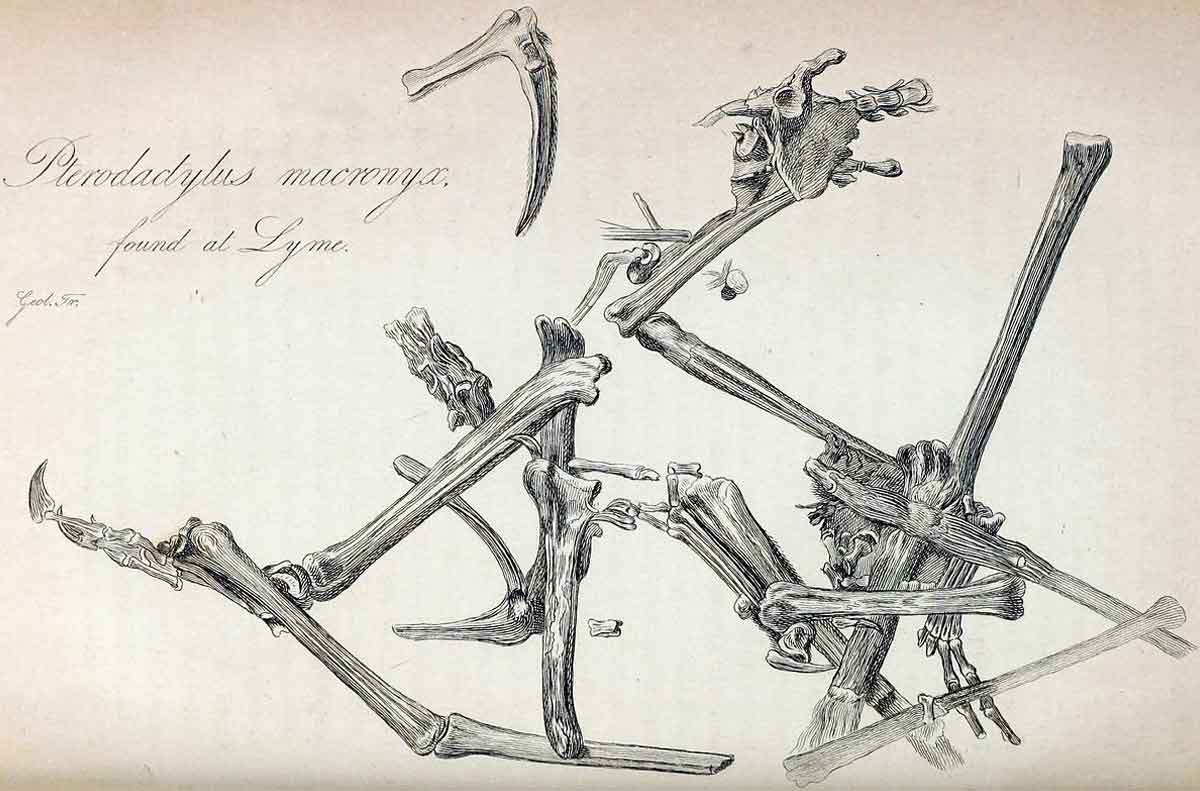
The offspring of these demonic unions grew into giants, grotesque in stature and strength, forming the legendary primordial race of Britain. Reports of unearthed giant bones in the 15th century reinforced the narrative’s perceived historical accuracy. Albina’s story resonates with biblical parallels, particularly the Watchers and Nephilim, situating British folklore within broader traditions around transgression and hybrid progeny. The evil nature of the giants justifies their destruction at the hands of Brutus and Corineus, and the subsequent rise of mankind on the island.
Fionn mac Cumhaill
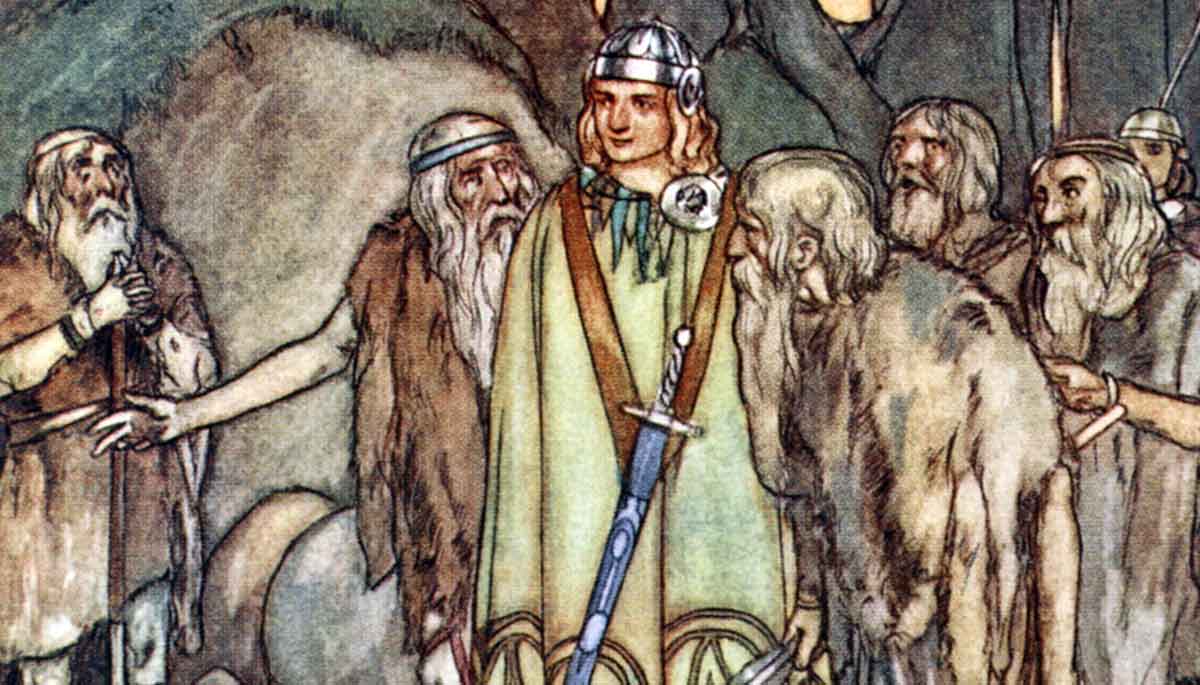
Fionn mac Cumhaill, Finn McCool, stands as one of the most enduring figures in Irish mythology. His exploits, preserved through oral tradition, were later formalized in the Fenian Cycle. Born posthumously to Cumhall, leader of the Fianna, a group of Irish warriors, the giant Fionn was raised in secrecy, acquiring martial skills and wisdom from eating the Salmon of Knowledge before reclaiming leadership and avenging his father. His wisdom and heroic nature set this Irish giant apart from many British giants.
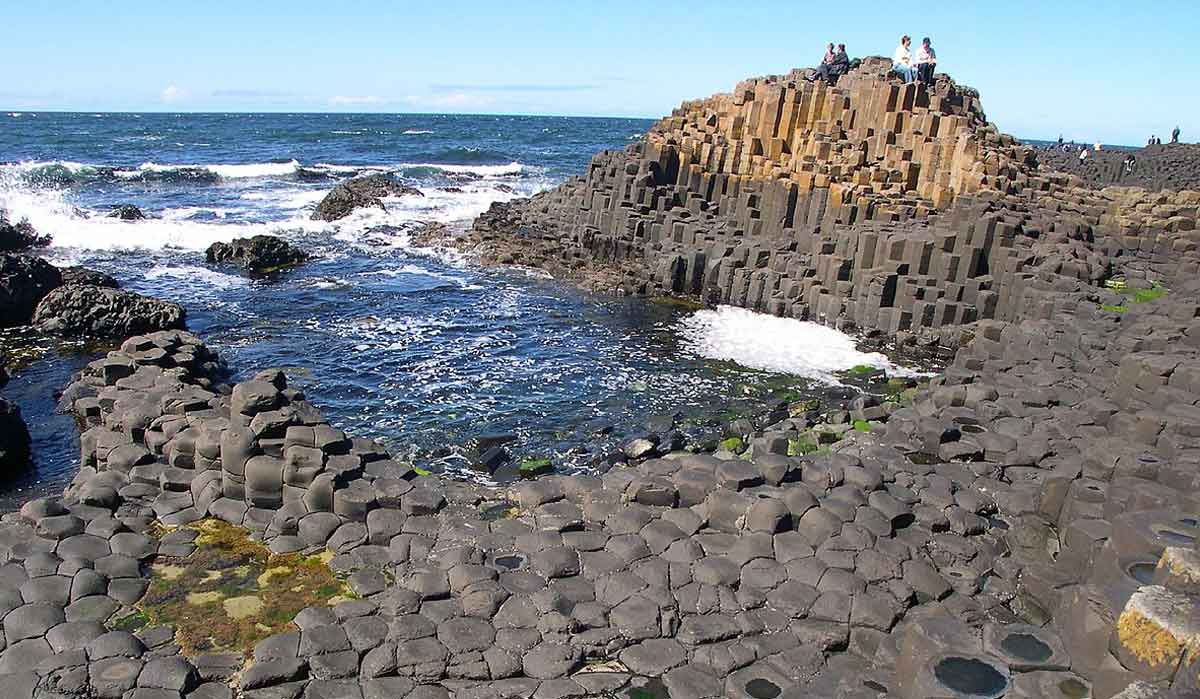
According to myth, Fionn constructed the Giant’s Causeway as a bridge between Ireland and Scotland to face the giant Benandooner. This allowed local communities to explain this striking geological formation as the handiwork of giants.
Before constructing the bridge, the two giants had exchanged insults across the Irish Sea, prompting Fionn to construct the bridge to confront his adversary in person. However, when he arrived, Fionn discovered that the Scottish giant was far bigger than him. Fionn initially retreats in fear, but his wife Oonagh deceives Benandonner by disguising her husband as an enormous child when he crosses the causeway from Scotland to confront Fionn. Terrified of the imagined father’s size in comparison to his child, Benandonner retreats, tearing up the causeway and leaving remnants in Ireland and Scotland.
Benandonner
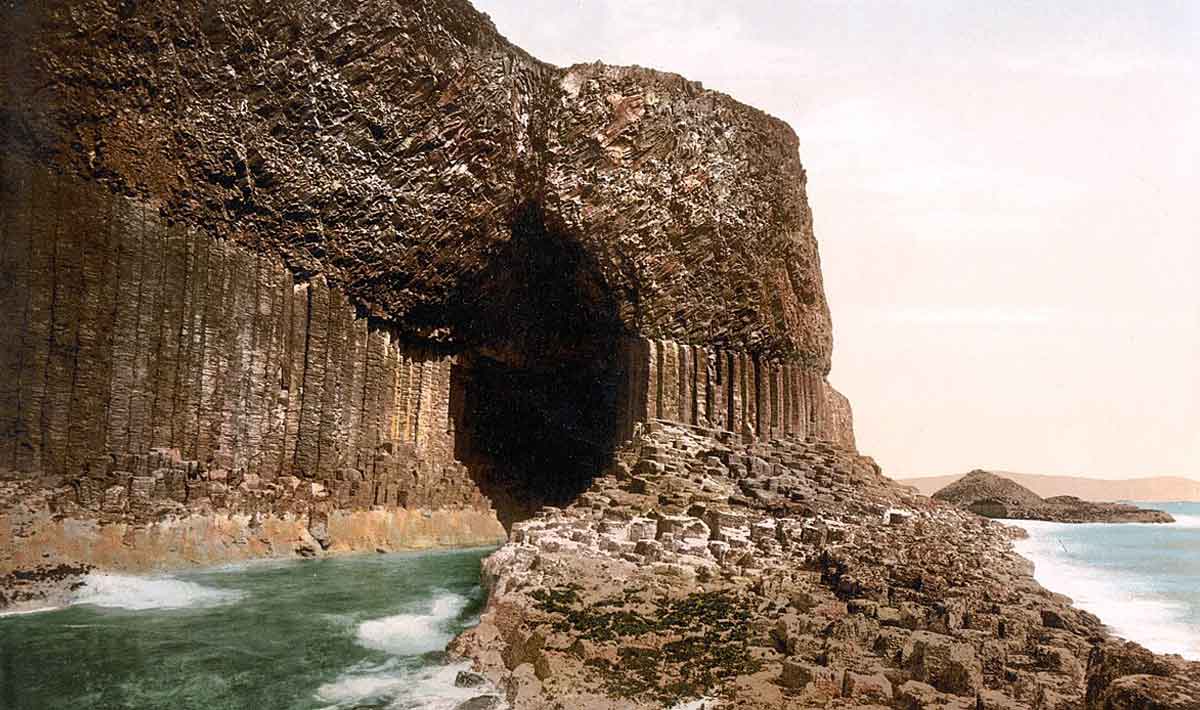
Benandonner brings us to Scottish folklore, where he is portrayed as a colossal warrior giant whose name means “Mountain of Thunder.” He is also known for his striking red hair color, connecting him with the Gaelic communities known for this characteristic.
As well as Giant’s Causeway, Benandonner is associated with Fingal’s Cave on the Isle of Staffa, which was considered the Scottish side of the crossing. Both are formed from basaltic lava flows. Another story of the confrontation between Fionn and Benandonner has the former biting off the latter’s finger and hurling it into the sea, creating the Isle of Man.
Brogdar Giants
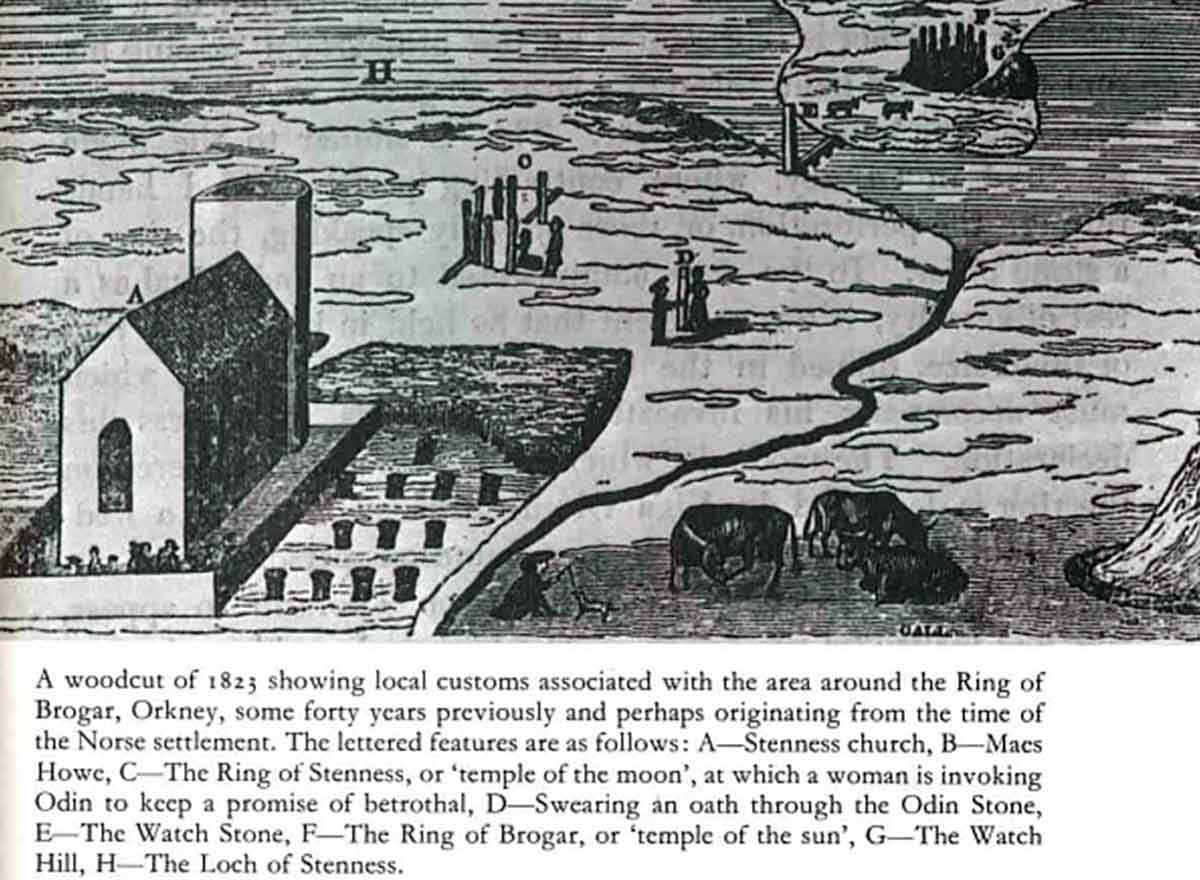
The Ring of Brodgar, one of Orkney’s most significant prehistoric monuments, is an almost perfect stone circle and the largest of its kind in Scotland. Originally comprising sixty stones, this is another part of the landscape that myth attributed to the presence of giants.
Based on local tradition, the stones are petrified Scottish giants, frozen at dawn after a nocturnal revel in the fields. Legends recount that the giants gathered at Brodgar on a summer night, where one played a fiddle while others danced in a circle beneath the moon. Their merriment shook the earth until the rising sun struck them, transforming the dancers into stone. The fiddler, isolated from the circle, became what is known as the Comet Stone, which remains slightly separate from the rest of the preserved dancers.
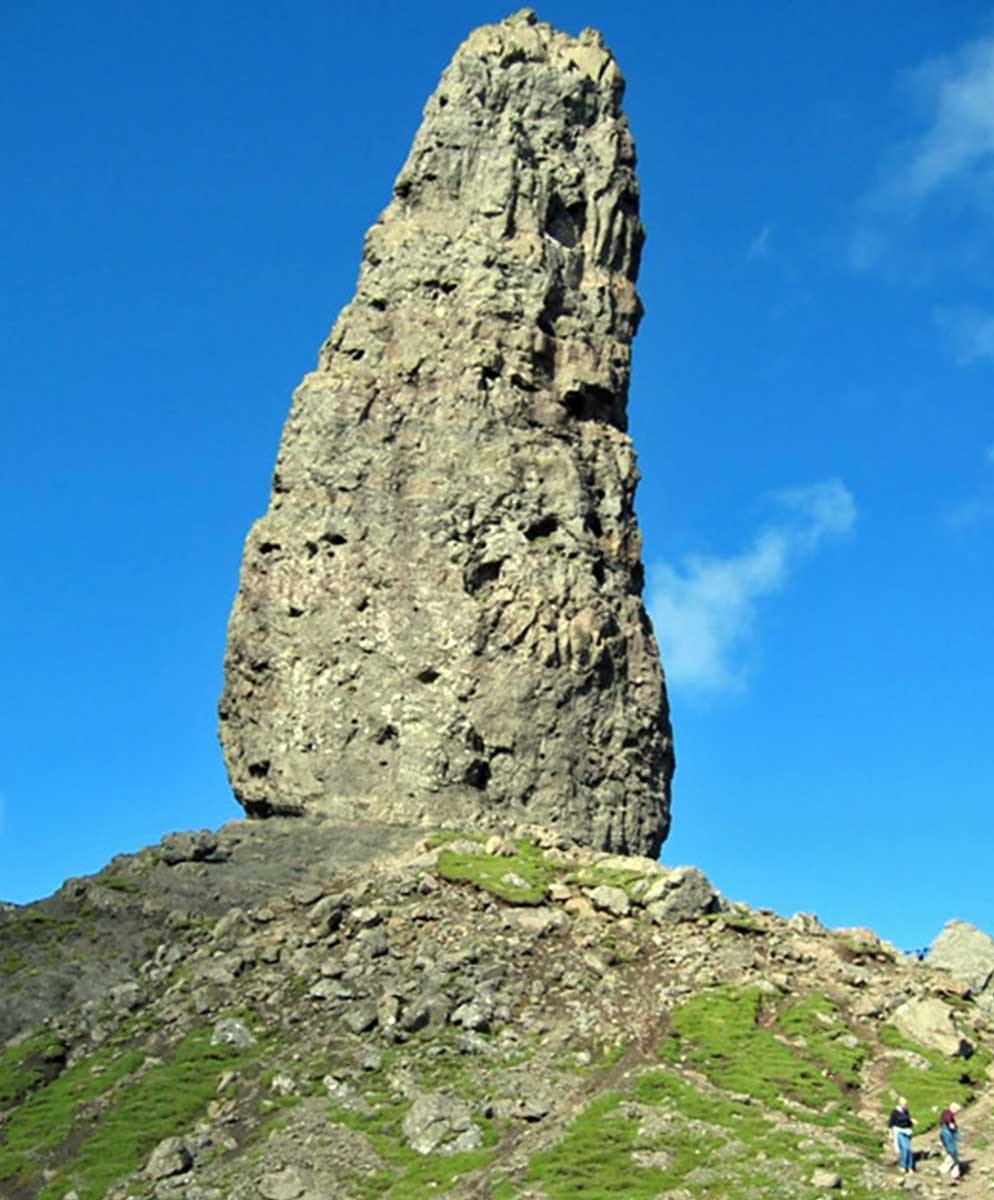
Similar stories to explain megalithic stones survive from across Britain. For example, two giants, Ben and Glen, were reportedly turned to stone to form Ben Nevis. Similarly, another giant on the Isle of Skye died after a great battle. He was covered by earth with only his thumb protruding, visible as the Old Man of Storr.
Idris Gawr
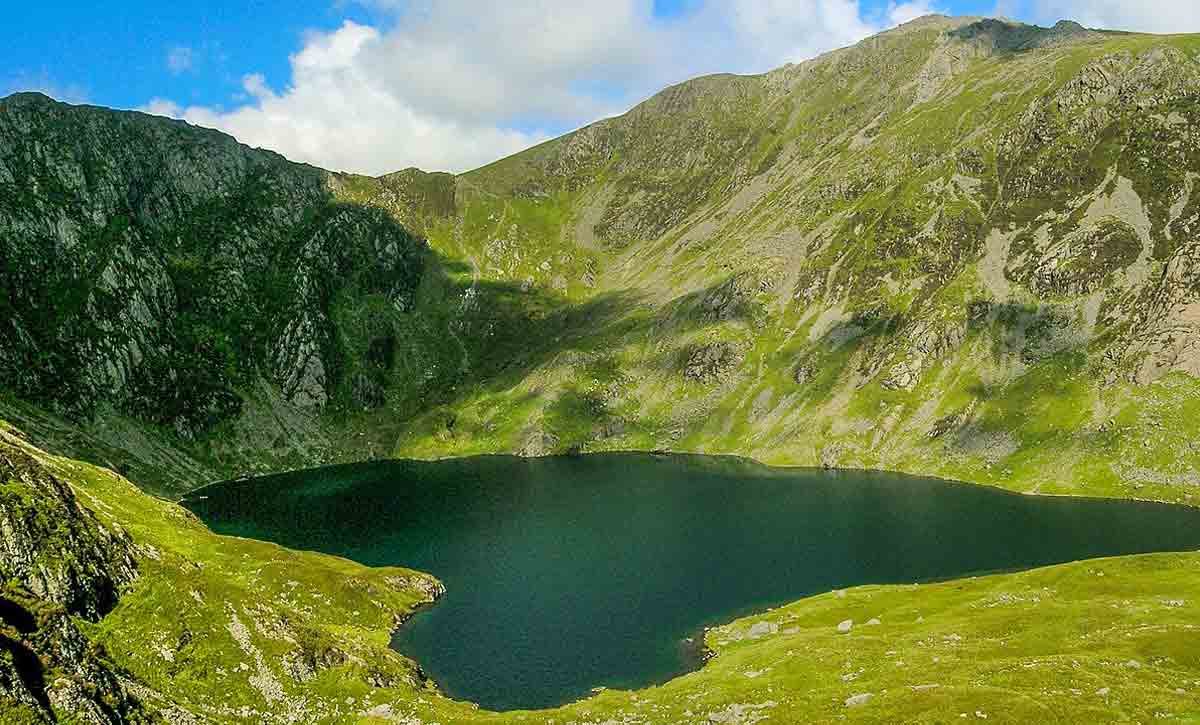
A common theme among giant folklore is their association with mountains. There are many instances of large beings falling asleep or expiring and then turning into the landscape over time. The myth of Cadair Idris, “Idris’s Chair,” is an example from Wales. Central to the tradition is Idris Gawr, a giant who was both an astronomer and a warrior. The mountain’s features, including the seemingly bottomless Llyn Cau lake, are linked to tales of giants, fairies, and celestial observation.
Medieval sources such as the Trioedd (Triads) describe Idris contemplating human existence and society from the ridge. As well as his chair atop the mountain, later narratives were expanded to include boulders at its base, which were merely stones to Idris, who had tipped them out of his shoe. Historical annals identify Idris as the King of Meirionnydd (c. 560–632), whose death in battle with Oswald of Northumbria blurs the boundary between legend and record. His grave, Gwely Idris, is reputedly on the mountain.
Bendigeidfran
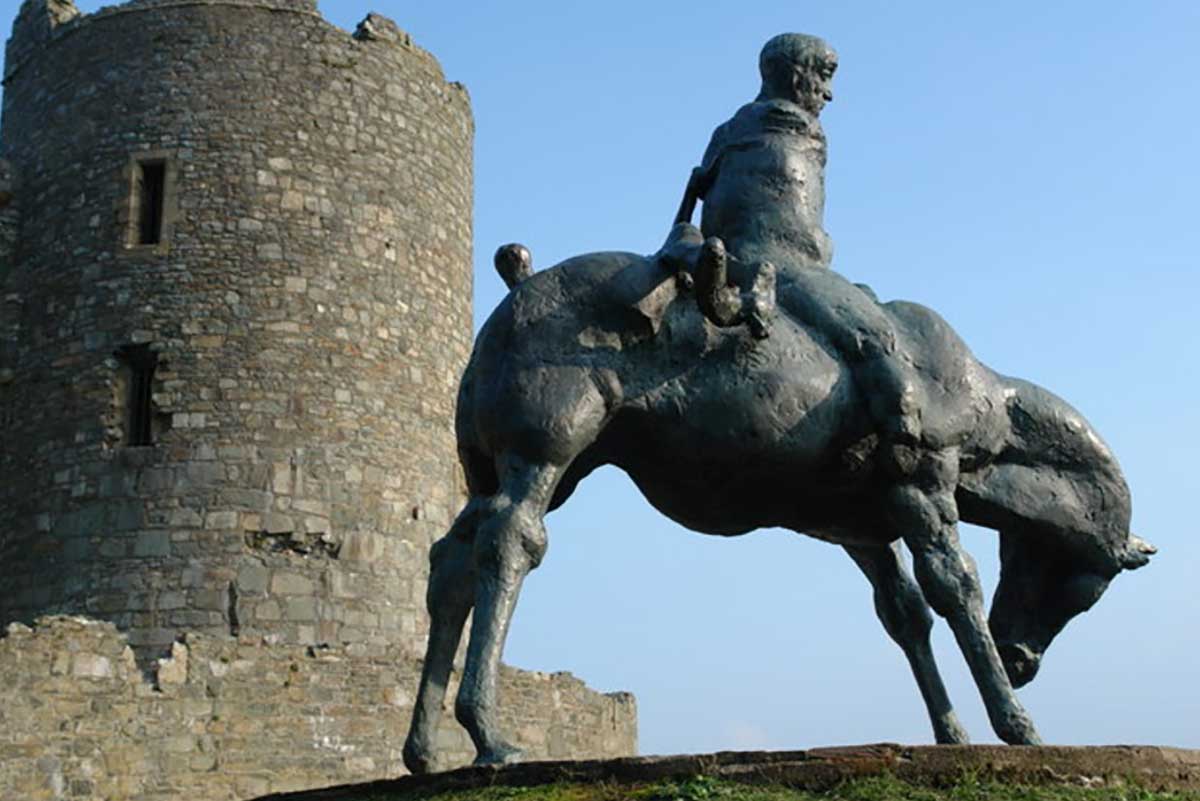
Bendigeidfran, better known as Brân the Blessed, was a giant and king of Britain in Welsh myth. His name literally means “blessed crow.” He is an integral character in Welsh literary culture, most prominently in the Second Branch of the Mabinogi, Branwen ferch Llŷr, compiled in Middle Welsh during the 12th-13th centuries.
Brân’s most notable narrative begins with the marriage alliance between his sister Branwen and Matholwch, king of Ireland, disrupted by a violent insult from Brân’s brother, Efnysien. Brân offers a magical cauldron capable of reviving the dead as compensation for the disaster, which Matholwch is satisfied with.
However, Branwen is consequently mistreated in Ireland. As a result, Brân marches across the Irish Sea with his army following on ships. The Irish attempt treachery, hiding warriors in flour sacks, but Efnysien thwarts them before sacrificing himself to destroy the cauldron. The ensuing battle devastates both sides, and Brân himself is fatally injured.
According to the Welsh Triads, Brân requested that his severed head be buried beneath the White Hill in London, where the Tower of London now stands, a task which his surviving men oblige. Brân’s head was laid in the earth, facing France, which was said to ward off enemies of Britain as long as it remained there. This proved successful until King Arthur unearthed it.
King Arthur and the Giants
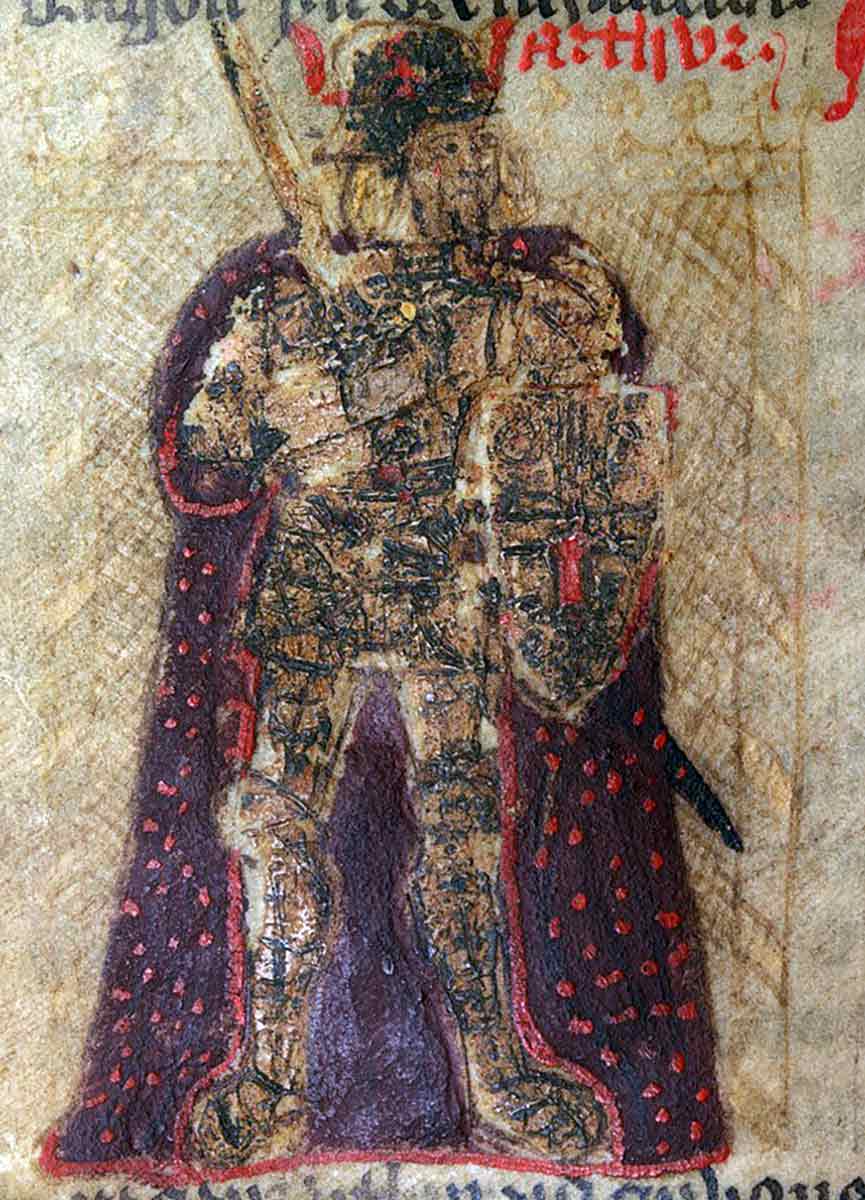
Giants occupy a significant role in Arthurian folklore, in which they serve to personify chaos and violence, and to test sovereignty. In the Historia Regum Britanniae, Arthur repeatedly confronts giants as part of his conception as a legendary hero. Moreover, Arthur’s queen, Gwenhwyfar (Guinevere), is given a giant lineage in the Welsh Triads, though this feature is usually omitted in anglicized versions of Arthurian myths.
The Cornish tale Jack the Giant Killer is connected to the Arthurian legends, with Jack joining forces with Arthur’s son and earning his place at Arthur’s round table through these adventures.
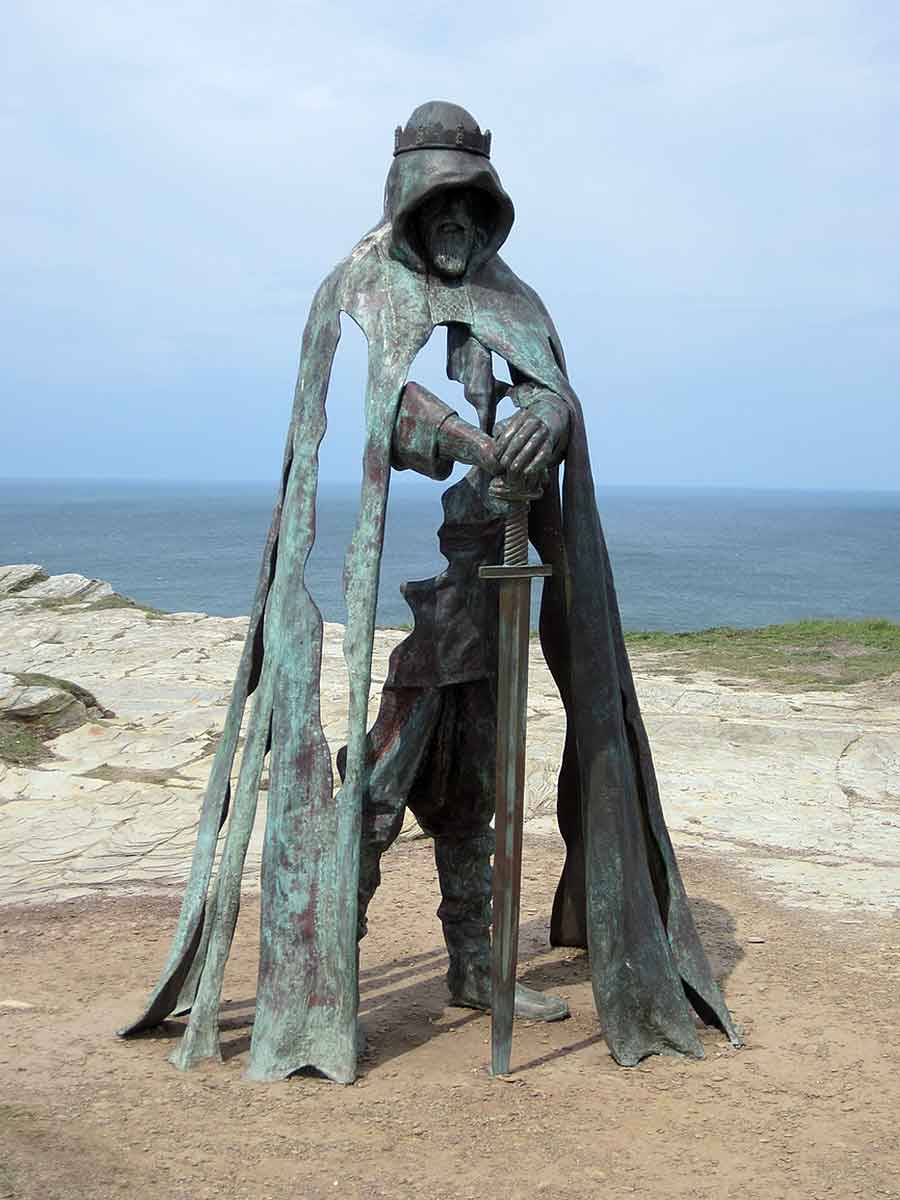
Arthur himself battles with the giant of Mont Saint Michel, a monstrous figure who devastated towns and abducted noble women. Arthur’s duel with this giant dramatizes the clash between human supremacy and giant brutality: though nearly overcome, Arthur strikes decisively, slaying the giant and restoring order.
Such narratives highlight Arthur not only as a warrior but as a cultural protector, whose triumphs over giants symbolize the subjugation of primordial chaos in favor of human residents within Britain.
Giants thus play an integral role in the foundation of the British Isles as its first powerful but chaotic inhabitants who shaped the land, but who were gradually pushed out by new human arrivals who used cunning, valor, and faith to overcome these powerful mythic creatures.