
For the ancient Egyptians, death wasn’t the only prerequisite for the soul to find its way to the afterlife. There were trials and tribulations to overcome. The weighing of the heart was so treacherous that failure resulted in the soul’s annihilation.
To guide the dead on their way, knowledge was important, and this knowledge was written on scrolls known collectively as the Book of the Dead.
What Was the Book of the Dead?
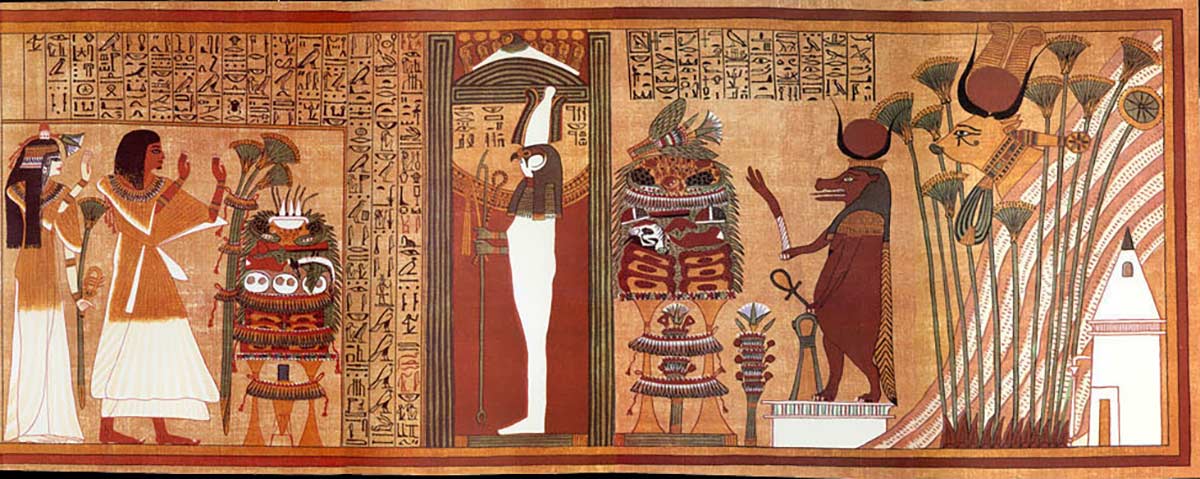
The Book of the Dead was a collection of ritual scripts containing spells and formulas for a person’s journey through the trials after death and into the afterlife. It evolved from the Coffin Texts, dated to around 2000 BC, and the earlier Pyramid Texts from around 2400 BC, usually written on the inside of sarcophagi and on tomb walls. As a compilation, it didn’t have a single author, but was written by prominent priests over the course of around 1,000 years.
Originally known as “Spells of Coming Forth by Day,” the works were given the more ominous title “The Book of the Dead” in 1842 by German Egyptologist Karl Richard Lepsius. The catchier title stuck, and has arguably helped generate much public as well as archaeological interest.
There was no standardized or canonical version of the texts, and versions were personalized for individuals. They were written in hieroglyphic or hieratic and contained vignettes illustrating the various chapters in the journey to the afterlife.
An Afterlife for All?
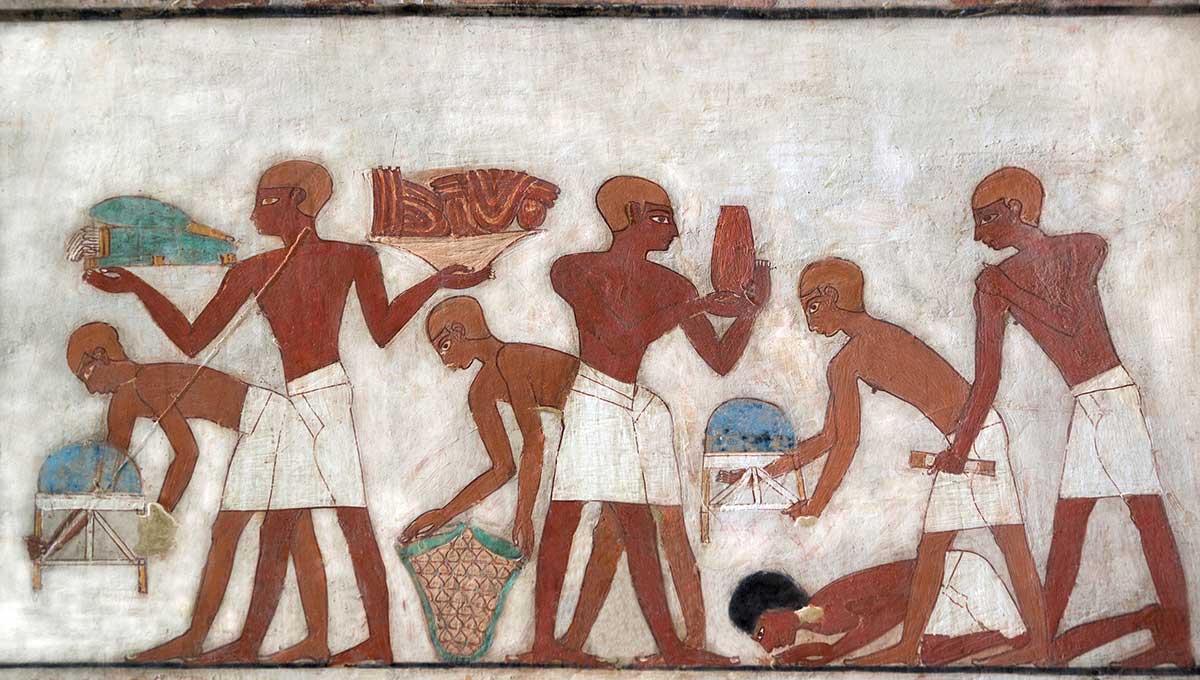
The evolution of the Book of the Dead begins with the Pyramid Texts, which accompanied kings in their tombs. The afterlife was seen as a privilege of the highborn rather than an egalitarian opportunity for all Egyptians. By the end of the Old Kingdom, the texts were incorporated into the resting places of high-ranking officials not related to royalty. These resting places were often rectangular wooden coffins rather than the comparatively elaborate sarcophagi of royalty.
In the Early New Kingdom, the Book of the Dead started to appear, and was written either on papyrus or the linen shrouds in which the deceased was wrapped. Such practices continued until the Ptolemaic Period, over a thousand years later.
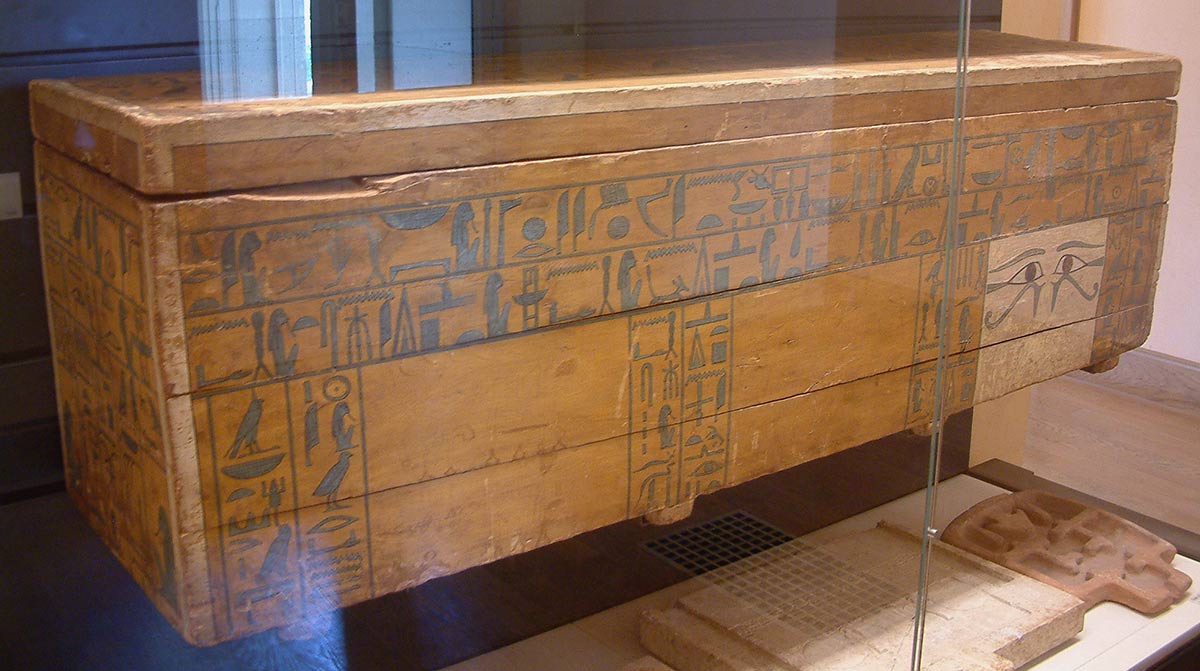
Despite there being no law against commoners owning a Book of the Dead, it was extremely expensive to purchase, and commoners encountered financial barriers. These scriptures could cost as much as half the annual pay of the average laborer. Over time, shorter and cheaper versions of the text were available, and many with the vignettes left out. This made the Book slightly more affordable to the common people, although for most, it was still prohibitively expensive.
Nevertheless, they were in high demand, and since the vast majority of Egypt was illiterate, scribes and their ability to create a Book of the Dead were extremely valuable. Since each Book had to be personalized, scribes often created such scrolls with the names left blank to be filled in later.
Evidence from the Third Intermediate Period (1069-664 BC) shows that around a third of all the owned texts belonged to women, suggesting that Egypt may have been more egalitarian toward women during this era.
The Dangers of the Duat
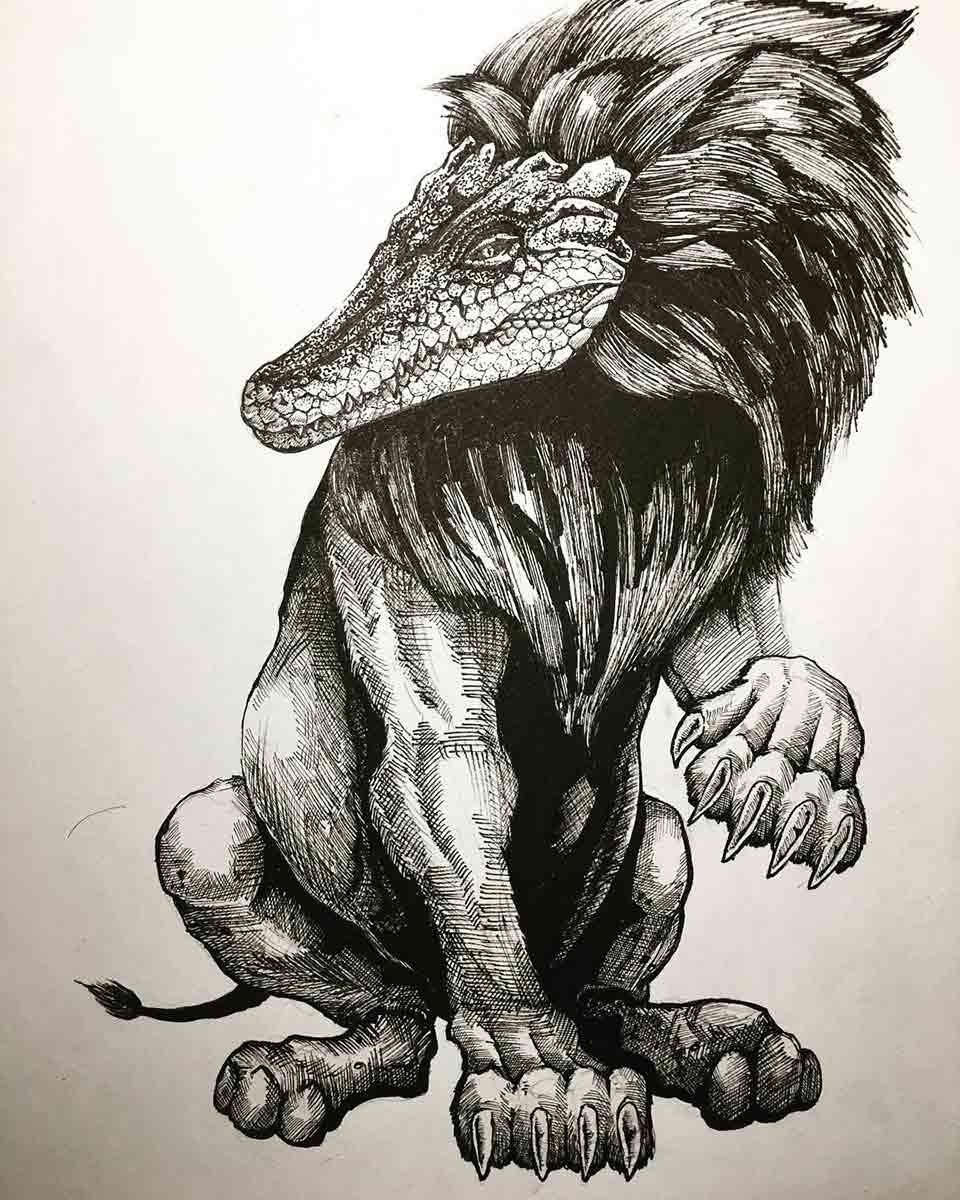
For the Egyptians, death meant entering the Duat, a dark subterranean realm filled with dangers, deities, and the dead. Traversing the treacherous realm and attaining eternity meant facing a series of trials on a journey marked by several chambers and gates or “pylons” guarded by monsters such as venomous or fire-breathing serpents. Each section posed a new challenge, and failing in these trials could mean oblivion. The soul would cease to exist.
Because of the wide variety of non-standardized texts and the immense timespan in which they were composed, the Books differ in many details, but the general trend is that each pylon (the number of which varies according to the text) was guarded by a minor deity whose secret name had to be spoken by the deceased. To pass, the soul had to know the name of the gate and its associated god, as well as the guardians who defended it.
Detailed in the Book of the Dead were spells to help the deceased overcome these obstacles. Among these incantations, there was a spell to drive away insects, a spell to protect against being bitten by venomous animals, and a spell to repel crocodiles. There were even transformation spells that allowed the deceased to take the form of things such as herons, lotus flowers, or even divine beings. In all, there were over 200 spells, but no single version of the Book of the Dead contains them all.
The Final Trial
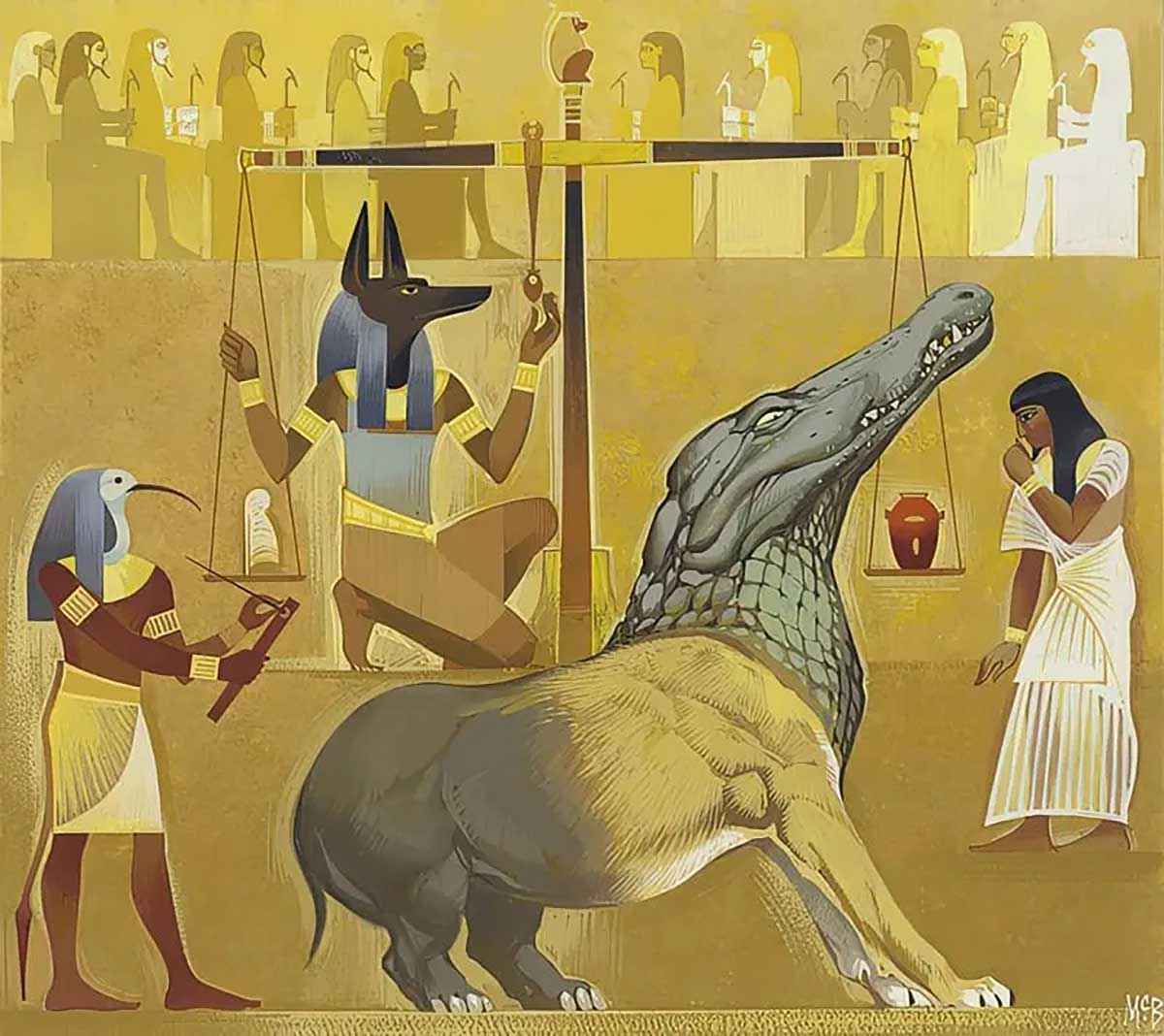
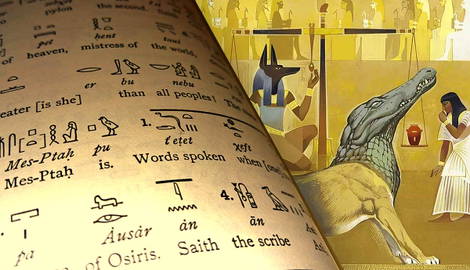
Perhaps the most famous part of the trials was the Weighing of the Heart at the end. For this, there was a spell that prevented the heart from testifying against its owner during judgment. The Weighing of the Heart, also known as the Judgment of Osiris, weighed the deceased’s heart against Ma’at—truth, justice, harmony, and morality, represented by a feather.
In the many Books of the Dead, this scene was laid out as a vignette and was customized for each individual, often with the individual depicted in the scene. As such, there were differences in how the scene was depicted, but the theme and the important details are consistent.
Here, Anubis leads the deceased who appears before Osiris, the god of the afterlife, in the Hall of Judgment. In the presence of the gods acting as jurors, the deceased then recites the Negative Confession, a list of sins which they must claim not to have committed.
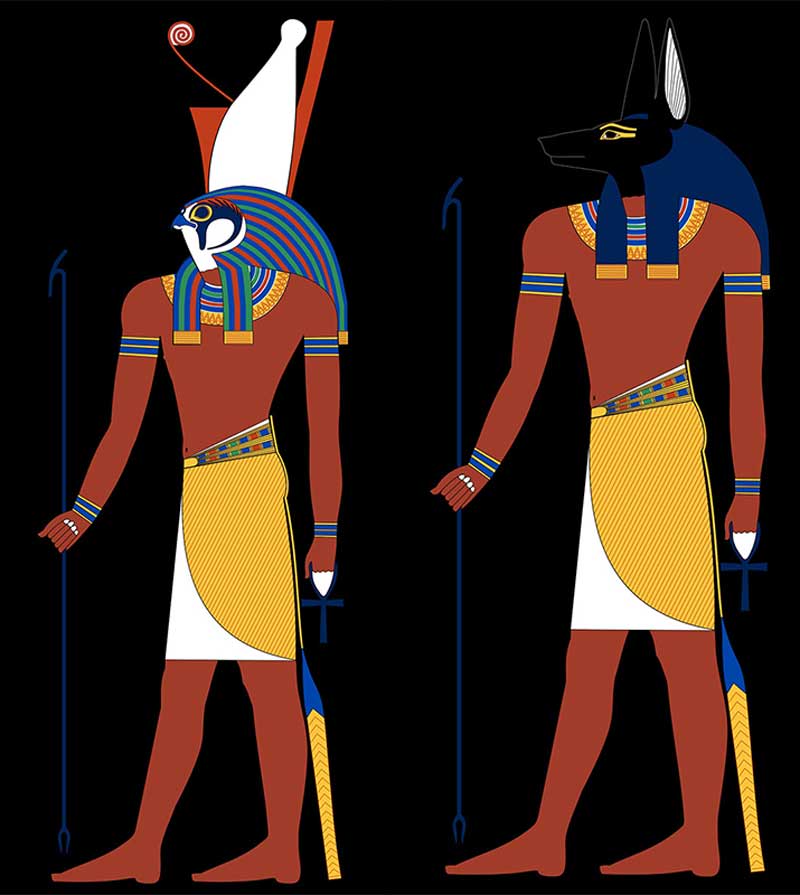
Attending to the scales are the gods Horus and Anubis, who weigh the heart, while the scribe god, Thoth, records the result. If the heart is heavier than Ma’at, Ammut, a fierce crocodile-headed monster, devours the soul. If the scales remain balanced, then the soul joins the company of Osiris in eternity.
Many depictions of the Weighing of the Heart also contain a baboon sitting on or by the scales. This is another form of Thoth representing a separate aspect associated with precision measurement.
The Papyrus of Ani
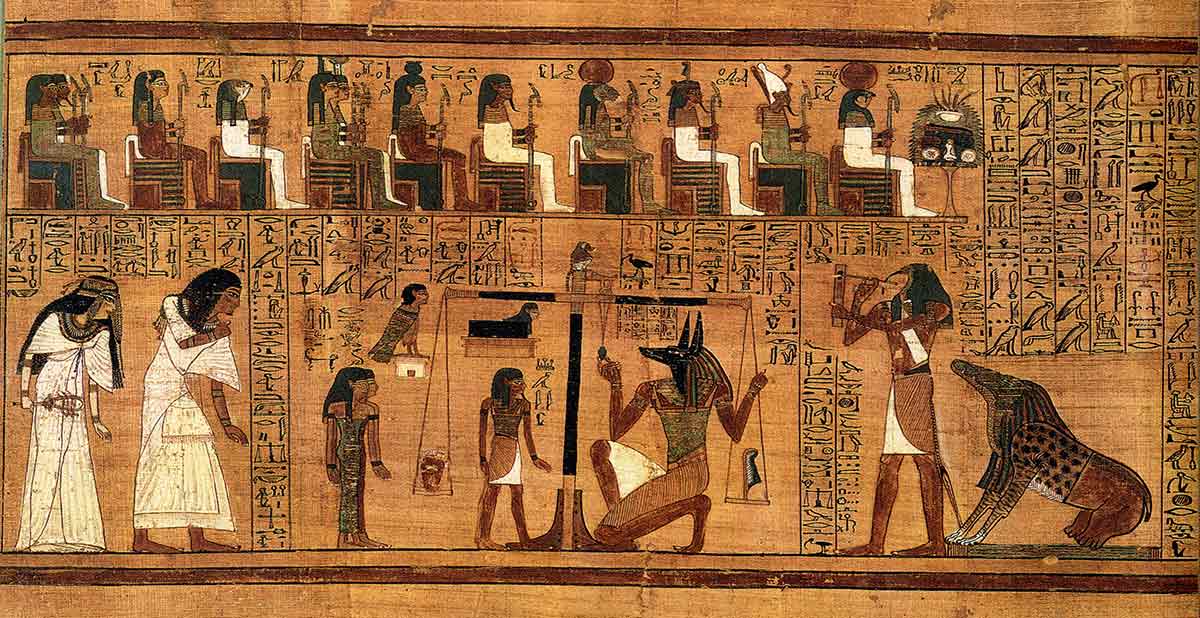
Among all copies of the Book of the Dead, the Papyrus of Ani remains the best-known and finest example, complete with well-preserved images. At 78 feet long, it is also one of the longest, but is still much shorter than the Greenfield Papyrus, which measures 121 feet.
In 1888, the Papyrus of Ani was retrieved for the British Museum by rogue Egyptologist E.A. Wallis Budge, who acquired the scroll through deception and intrigue, trading with illegal dealers, escaping arrest, and tunneling through buildings.
The scroll was created for a Theban scribe named Ani, who lived during the 19th Dynasty (around 1250 BC). Details in the funerary text show that he was married to a woman named Tutu, who was a “Singer of Amun,” a prestigious title afforded to women who held priestly duties in the service of the god, Amun. Her husband, Ani, is portrayed as a devout official within the royal court. His full title was “veritable royal scribe, accountant of the divine offerings of all the gods, overseer of the granary of the lords of Abydos, scribe of the divine offerings of the lords of Thebes.”
The Book of the Dead created for Ani was likely the result of a collaborative effort between at least one scribe and one artist. Budge notes that it was written by three or more scribes. It was a significant undertaking, especially since the recipient was a single person.
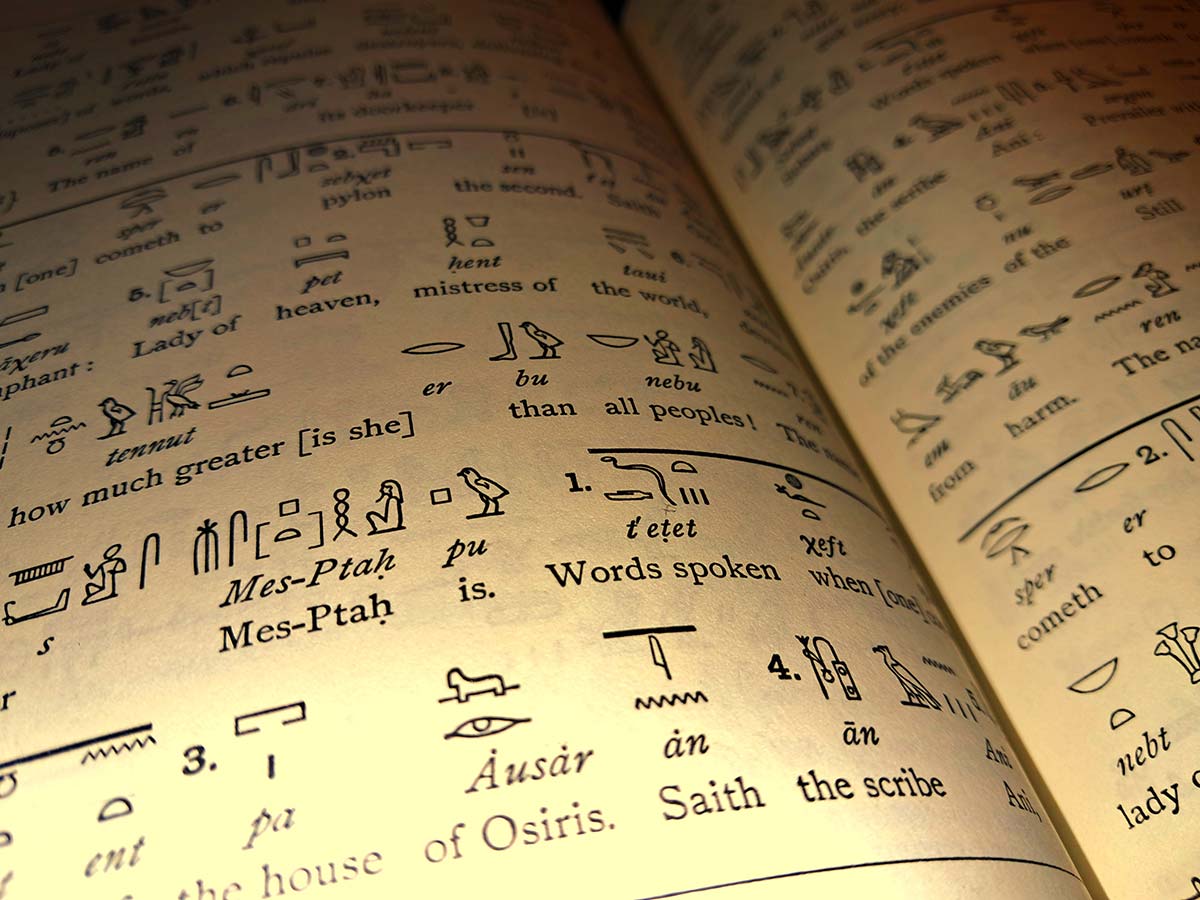
The Book of the Dead remains the prime source for examining ancient Egyptian beliefs about the afterlife. It presents themes that are common among later religious and spiritual ideas and may even have been the progenitor of these themes in some cases. It presents the notion that what we do in life matters in death, and promotes the idea of good over evil. More physical ideas include a lake of fire as one of the dangers of the Duat; an idea consistent with Christian depictions of Hell. By the 21st Dynasty (c. 1077–943 BC), this lake was depicted as containing people, the enemies of the gods and pharaohs.
Most importantly, the Book of the Dead relates the common theme of humanity: the overwhelming desire simply to exist. In a world framed by the unknown, it tries to make sense of life and death in a meaningful way that is just as relatable today as it was 4,000 years ago in ancient Egypt.