Perhaps no secular figure in history is more celebrated than Alexander the Great. He is known as the young Macedonian king who conquered the mighty Persian Empire and never lost a battle. But was he really a more successful commander than Julius Caesar or Genghis Khan? Why is Alexander, in particular, remembered as “the Great”? This title seems to have become popular around 200 BC, about 150 years after his death. What is it about Alexander, his achievements, and the way they were recorded, that gives him his special place in history?
1. Alexander Conquered a Great Empire & Never Lost a Battle
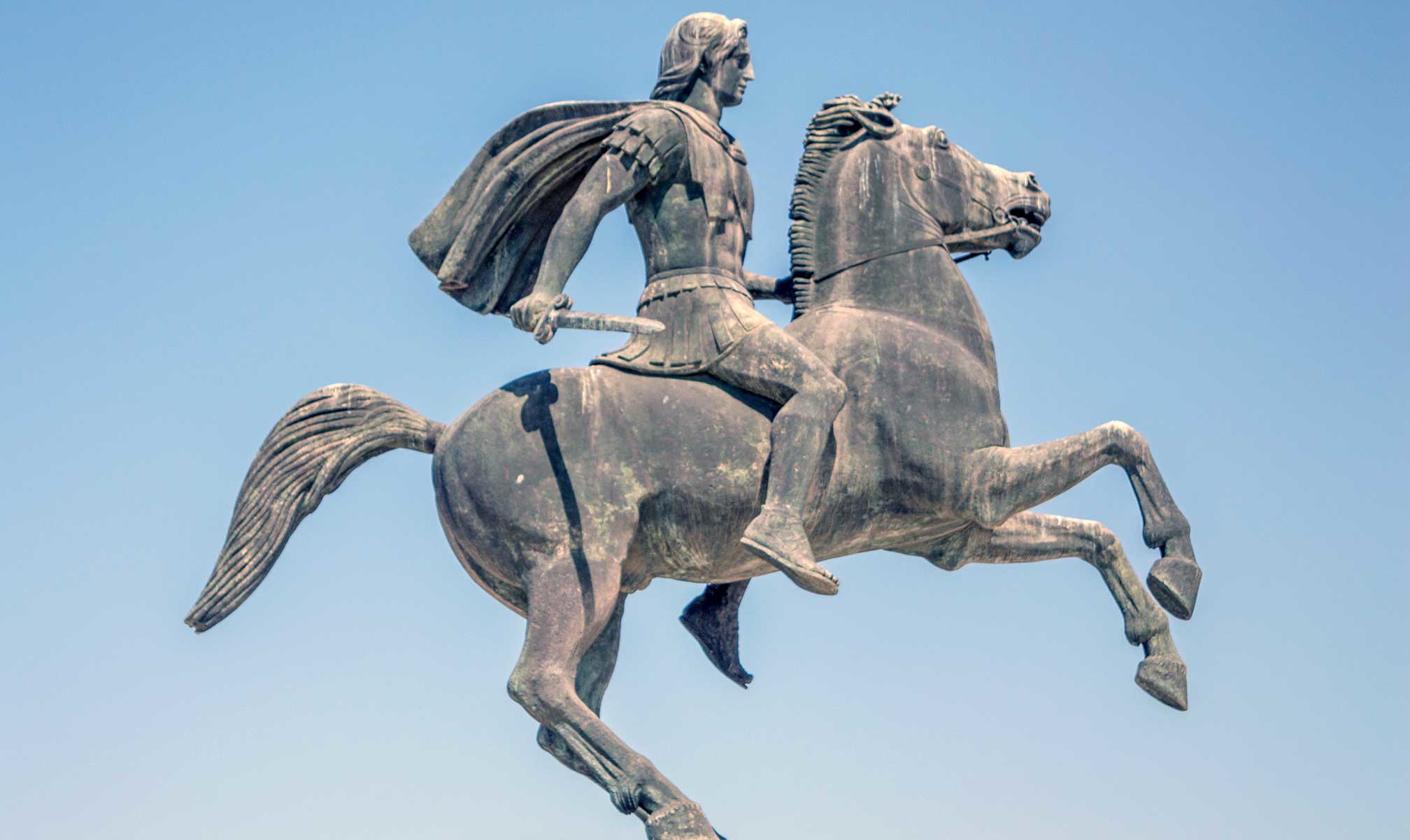
Alexander the Great, or Alexander III of Macedon, was born in 356 BC, a son of King Philip II of Macedon. After a privileged upbringing that prepared him for power, he assumed power in 336 BC. This followed his father’s assassination, which Alexander may or may not have been involved in. His first act was to suppress rebellion against his rule in Greece, culminating in the burning of the Greek city of Thebes, before he set his sights on the massive Persian empire.
The four-year campaign against the Persian Empire included spectacular victories as the battles of Granicus, Issus, and ultimately Gaugamela. His campaign included the conquest of Egypt, where he laid the foundations for the most famous of his many cities: Alexandria. The Persian king Darius III survived Alexander’s soldiers but was eventually betrayed and murdered by his own forces. Alexander then entered the capital at Persepolis and burned it to the ground.
Alexander set up his own capital in Babylon. He continued to suppress revolts in Bactria and Sogdiana and from other Persian nobles. He also mounted a campaign into India, fighting a major battle at the Hydaspes against King Porus, before his men finally stopped at the Hyphasis River and refused to go further. After nearly 10 years of constant campaigning, it’s hard to blame them. Alexander was furious but returned to Babylon, having reached the furthest limits of his conquest.
By the time he was 32, Alexander had overcome incredible odds and built the largest empire the world had yet seen. Moreover, he never lost a battle. He also became famous for “solving” impossible sieges at Tyre and the Sogdian Rock. It was a lack of morale that forced Alexander to turn back. For many, these deeds alone are an obvious reason why we consider him to be “the Great.”
2. Alexander Promoted the Idea That he was Divine
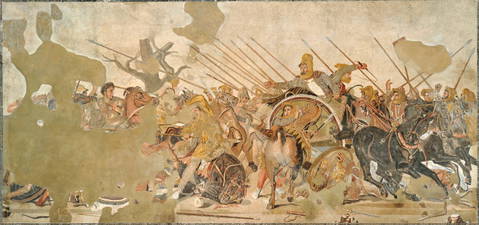
Alexander’s incredible conquests were often attributed to his brilliant military mind as he ignored advice and did the unexpected. It makes his victories seem nothing short of divine. Alexander seems to have believed in his own divinity, and this helped shape his legacy.
One source of Alexander’s belief in his own divinity was his mother Olympias. She allegedly claimed that Zeus was Alexander’s true father. She said that on the night of his conception, she had a vision of a lightning strike starting a roaring fire that burned itself out as quickly as it appeared. Modern audiences are understandably skeptical of the claim that the Lord of Olympus was Alexander’s true father, but the belief certainly existed during Alexander’s lifetime.
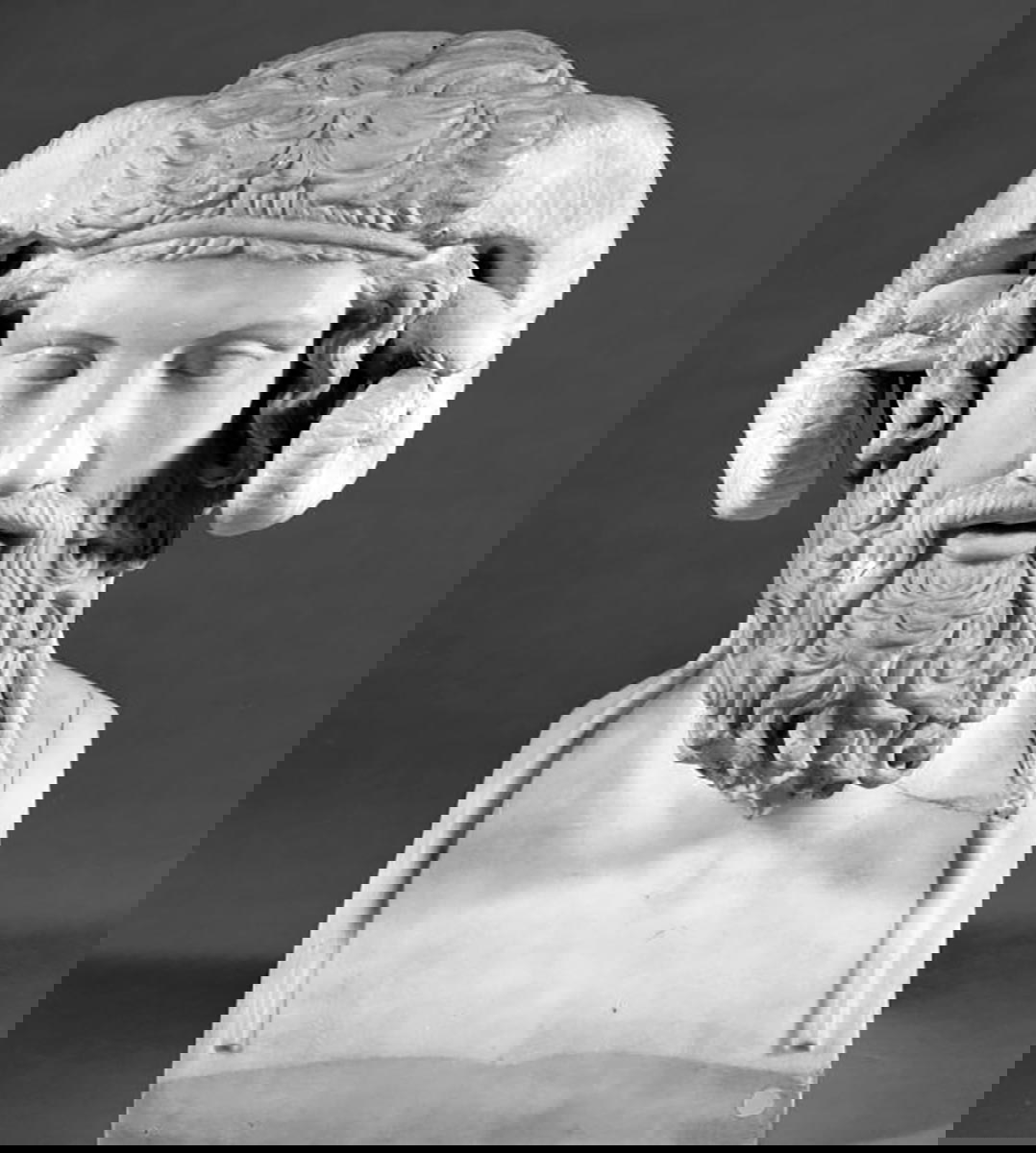
In one famous incident, Alexander traveled to the Oracle of Amun – equated to the Greek Zeus – at the Siwa Oasis in Egypt. Supposedly, birds flew out to guide Alexander’s trek and rain fell in abundance in the middle of the desert, allowing him to reach the oracle where he was hailed as the son of Zeus-Amun. Alexander arguably made this trek specifically to receive this proclamation to promote ideas of his divinity.
Alexander actively promoted his divinity. His coinage makes frequent references to his divine heritage, linking him to Zeus-Amun and other deities or heroes like Apollo, Heracles, and Achilles. In 327 BC, he had some of his companions pay obeisance to him as if he were a living god. This was a Persian court practice called proskynesis, which Alexander adopted when be conquered Persia. While this practice was embraced by Persian courtiers, it was jarring for Alexander’s Macedonian subjects who were unaccustomed to the practice.
Alexander’s official court historian, a man called Callisthenes, refused to offer proskynesis, and then miraculously found himself implicated in a conspiracy and either executed or imprisoned, subsequently dying from illness. It seems Alexander wasn’t just cultivating his special status, but actively persecuting those who denied it.
3. The Men Who Fought to Succeed Alexander Promoted His Memory
By 323 BC, Alexander was planning further campaigns into Arabia, North Africa, and possibly into mainland Europe. However, in June 323 BC he fell ill and died a few days later. It might have been poison, malaria, meningitis, a form of cancer, or any number of other ailments. We’ll probably never know.
Alexander’s new empire was not ready for his death. There was no clear heir and soon the situation degenerated into a civil war. The story of the successor period is long and complicated, full of names and betrayal. Suffice to say, the empire ultimately split into separate Hellenistic kingdoms by 306 BC. The most important were the Antigonids in Greece and Macedon founded by Demetrius Poliorcetes, the Seleucids in Asia under Seleucus, and Ptolemy’s Egypt.
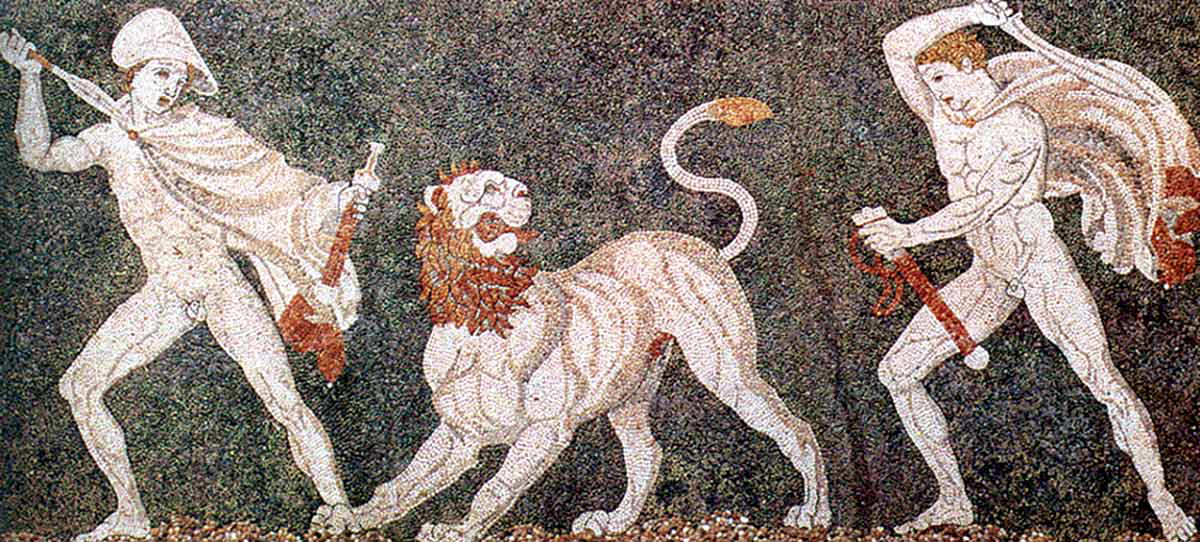
Immediately after his death, Alexander’s legacy became a prize to be warred over. In the following years, all of the major successors would mint coins with Alexander’s iconography, casting themselves as his true heirs. Some, like Cassander, who set up a short-lived kingdom in Macedonia, would marry one of Alexander’s sisters to try to establish a blood claim to him. Another successor, Lysimachus, claimed that he’d become Alexander’s favorite after beating a lion bare-handed and worked that into his propaganda. Ptolemy I took the nickname “Soter” (savior) for supposedly saving Alexander’s life. Ptolemy also stole Alexander’s body and set it up in an elaborate tomb, now lost, in Alexandria. He claimed to be Alexander’s rightful successor by virtue of having the man’s body.
These successors had a vested interest in promoting Alexander’s greatness and legacy. This helped legitimize their claims to power as his successor.
4. Alexander Took Control of His Image with His Intellectual Retinue
Alexander was a pioneer when it came to propaganda. Rather than leaving others to tell his story, he brought historians, philosophers, scientists, and poets on campaign with him to ensure that his story was told exactly how he wanted.
Alexander’s intellectual retinue included Callisthenes, the ill-fated court historian. There was also Aristobulus, a military engineer who also wrote a history. The admiral Nearchus wrote an account of Alexander’s eastern campaigns. Most notably of all, we know that Ptolemy wrote an extensive account that must have been among the first works entered into the Library of Alexandria. Sadly, none of these works survive.
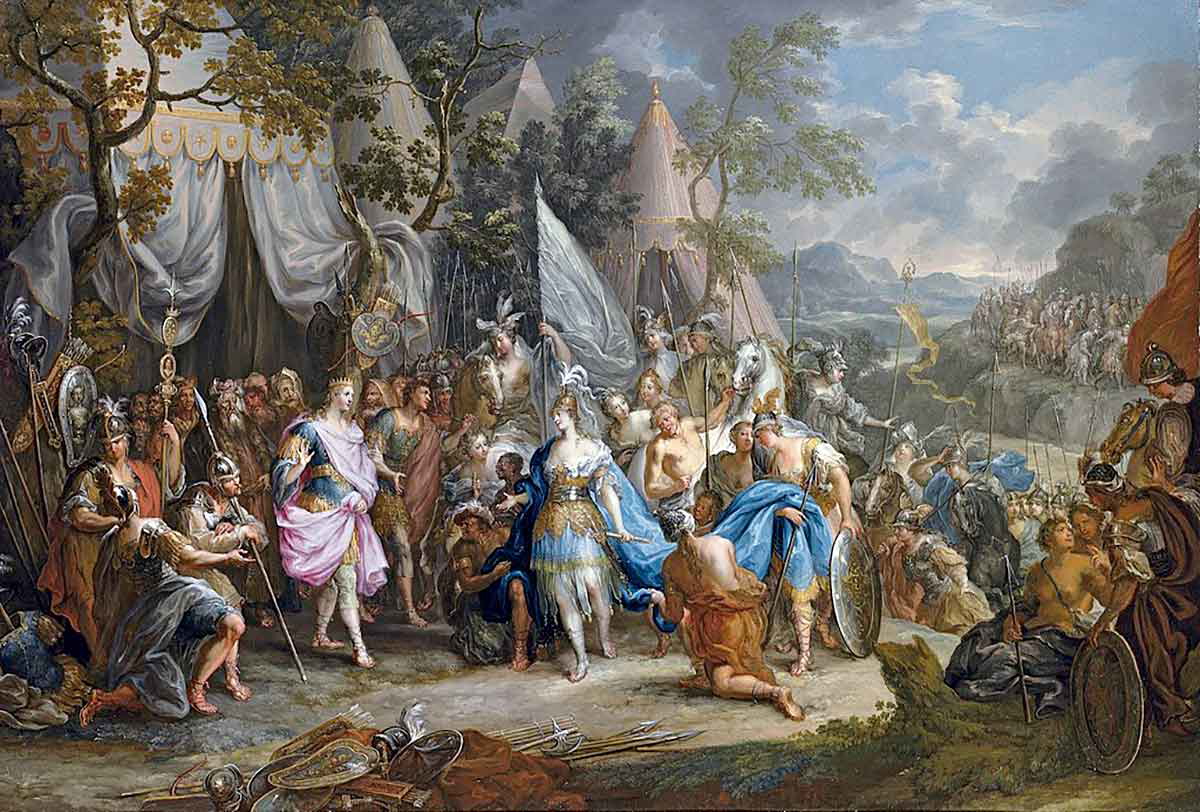
The content of these works can only be inferred from later historians who use them as sources. From these later references, we can tell that the mythologizing and story-crafting around Alexander had already begun within a few years of his death. One anecdote that appeared in these sources described Alexander being visited by Thalestris, Queen of the mythical Amazon warriors, who wanted to conceive a new generation of elite warriors with him. Several historians repeated this story, but it was patently fictitious. Ptolemy debunked the story, and when a historian named Onesicritus recited the story to Lysimachus, he jokingly asked “I wonder where I was at the time?”
From the very beginning, Alexander took control of his story to ensure how he would be remembered. This throws doubt on stories of the youth coming up with brilliant strategies without the aid of his advisors; this might just be how he wanted to be remembered.
5. Ancient Accounts of Alexander the Great Have Survived to the Modern Day
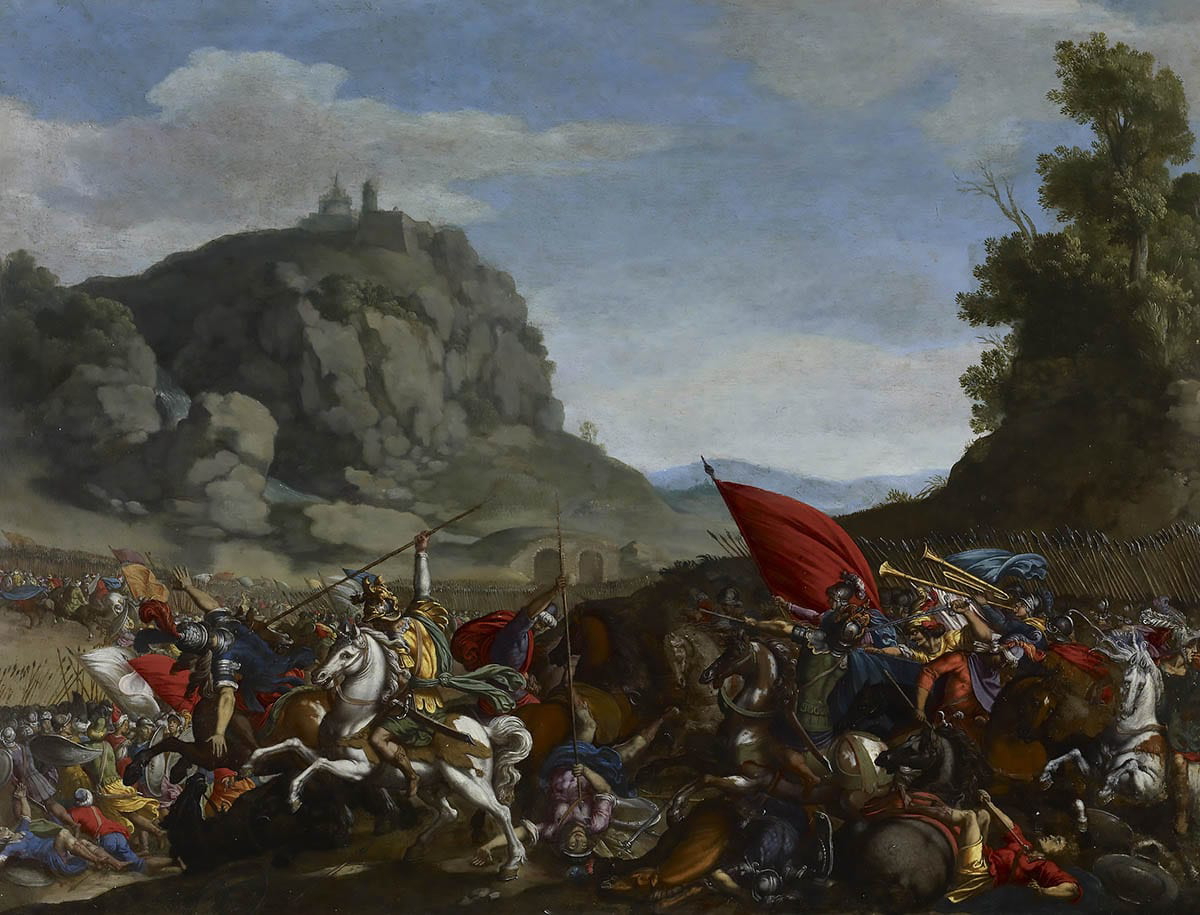
There are five main ancient accounts that provide us with the story of Alexander. The most complete history is written by Arrian, a 2nd-century AD Greek who wrote two works: the Anabasis and the Indica. Most historians consider the Anabasis to be the most reliable account of Alexander’s conquests, while the Indica is the most detailed account of Alexander’s later Indian campaigns. Both works are informative and well-sourced, and most translations are quite readable for an ancient historian. He’s a favorite of historians because he talks through his sources and tells us where the discrepancies are between the writers that he relies on, which has allowed us to reconstruct these earlier lost sources.
Writing around AD 100, Plutarch wrote a biography of Alexander. Rather than focus on the military details, he focuses on anecdotes that reveal elements of the general’s character. His biography is part of his “parallel lives” series that compares great Greeks with great Romans. He pairs Alexander with Julius Caesar. His biography includes stories such as Alexander’s taming of Bucephalus, solving the Gordian knot, and Alexander’s heavy drinking.
Other Alexander historians include Quintus Curtius Rufus, a 1st century AD Roman military officer. He wrote a serviceable history that includes almost nothing that the other sources don’t provide. The 1st century BC Greek author Diodorus Siculus devoted several books of his Library of History to Alexander and his successors. Diodorus’ account of the successor period is the most complete, although it has glaring gaps that still frustrate historians. The unfortunate runt of the historical litter is Justin. One scholar called him “a thorough bungler who does not deserve to be called a historian.”
The fact that these works have survived the millennia for us to read today is one of the reasons why Alexander is still a “household name.”
The Legacy That Made Alexander “the Great”
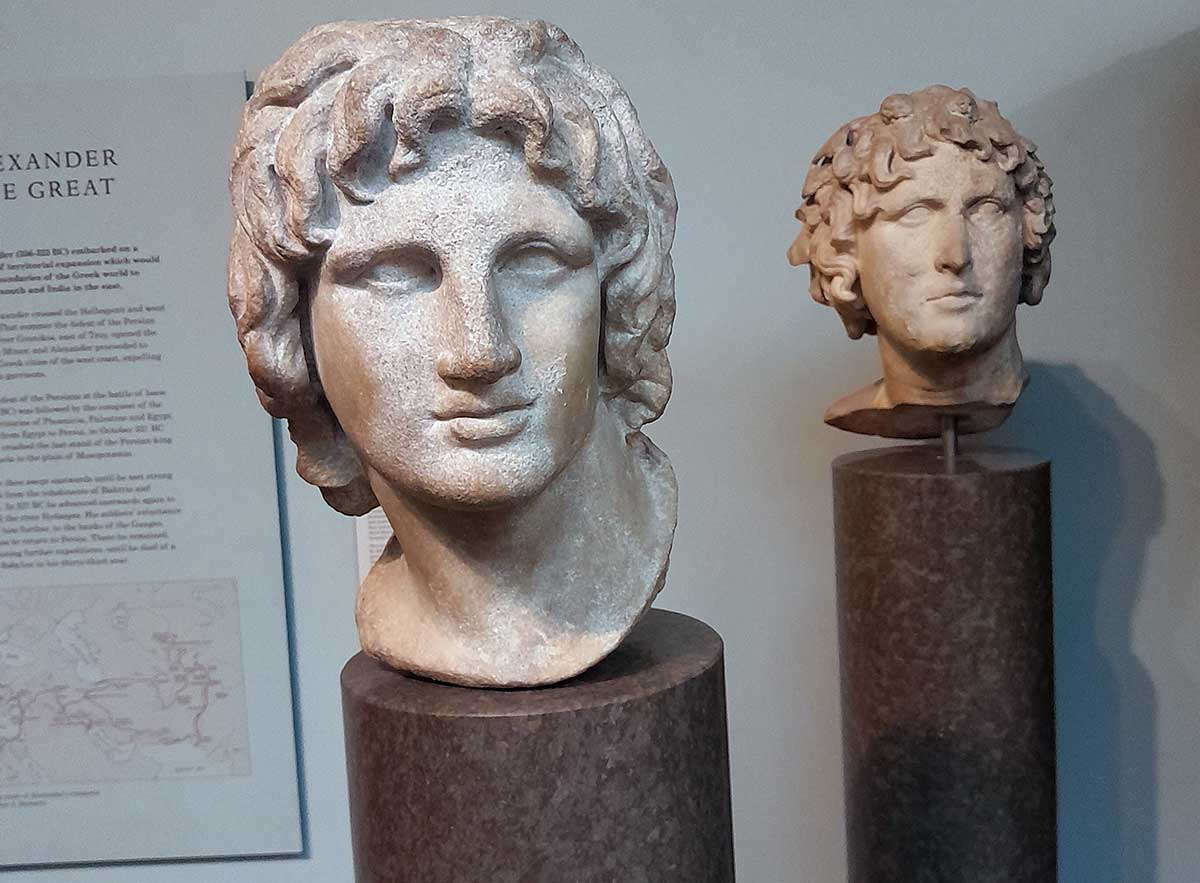
Alexander wasn’t perfect. He failed to establish stability or succession for his empire and it crumbled into bickering kingdoms too quickly. He was wrathful, paranoid, and known to strike down his own friends. Alexander burned great cities like Thebes and Persepolis, committing cultural vandalism that historians lament to this day. Not to mention he was a murderer, slaver, almost certainly a rapist, and a colossal megalomaniac. Nevertheless, his legacy is still as “the Great” general.
Modern historians like to see themselves as seekers of truth. However, Plutarch chose biography because he professed that history is about people and the lessons we learn from them. This idea still holds currency, especially with the general public. Knowing the precise number of troops at Gaugamela, their commanders, positions, and maneuvers can be interesting, but it’s not where history’s value lies. For many, history’s value lies in the possibility of self-reflection
The purely historic Alexander is lost and probably impossible to discover through the surviving sources. All of the material we have is written in the context of centuries of myth-making around Alexander that had already begun during Alexander’s own lifetime. All we have now is “the Great” that has become a cultural touchstone. One historian described Alexander as “a vessel into which any and all vintages can be poured,” which is why he remains a looming figure in history.