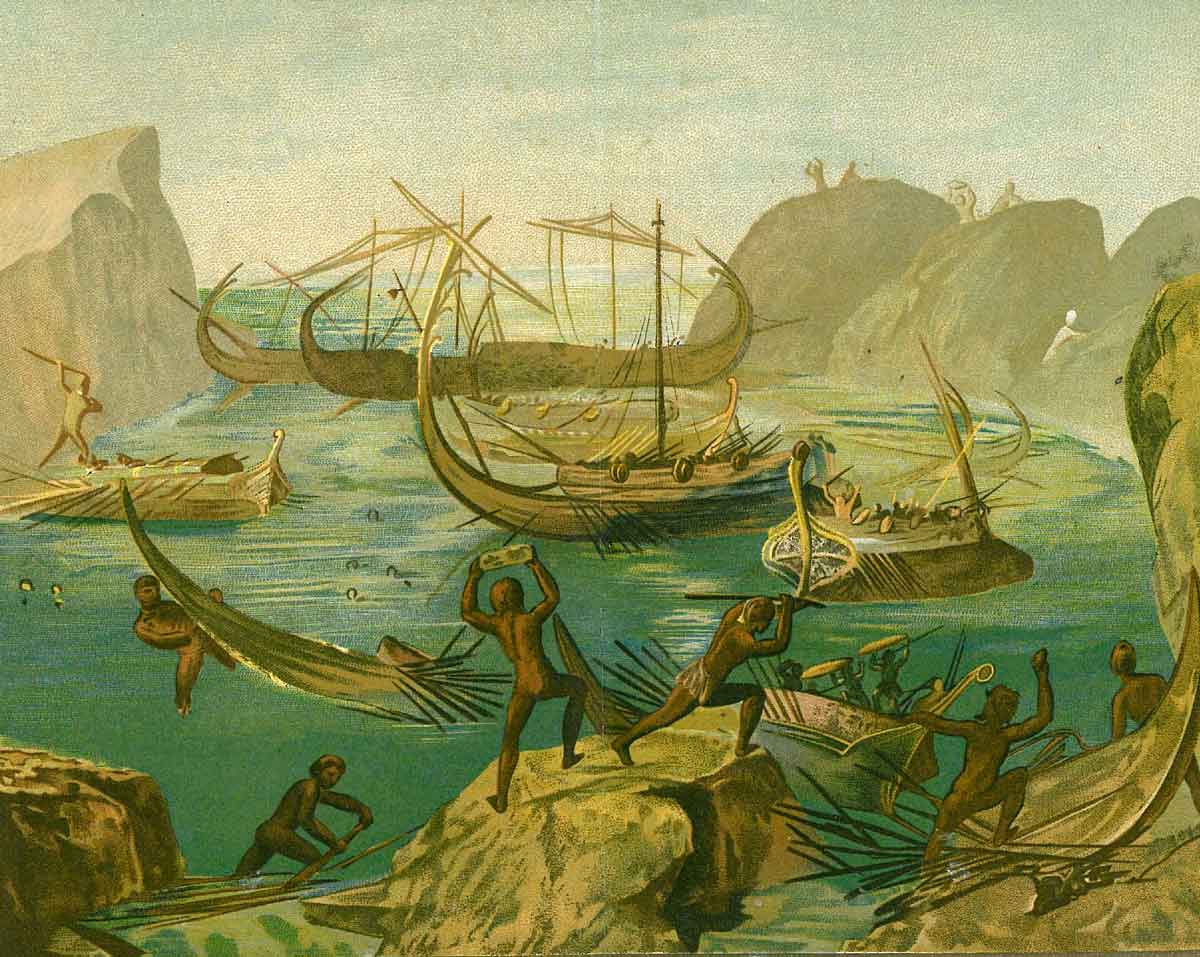
Ships splintered as rocks rained down from the sheer cliffs. The Laestrygonians speared their victims, Odysseus’ men, like fish before becoming a “loathly” meal for the giant cannibals.
This episode wrought devastation on Odysseus’ fleet. It was, by far, the single deadliest event in the Odyssey, and of the twelve ships that entered the scene, only one made it out.
Odysseus survived, but it wasn’t due to pure luck; it was rather a single, quiet decision that was made before the attack began. And while his men died, his survival was far from the heroism one would assume from the eponymous character.
Meeting the Laestrygonians
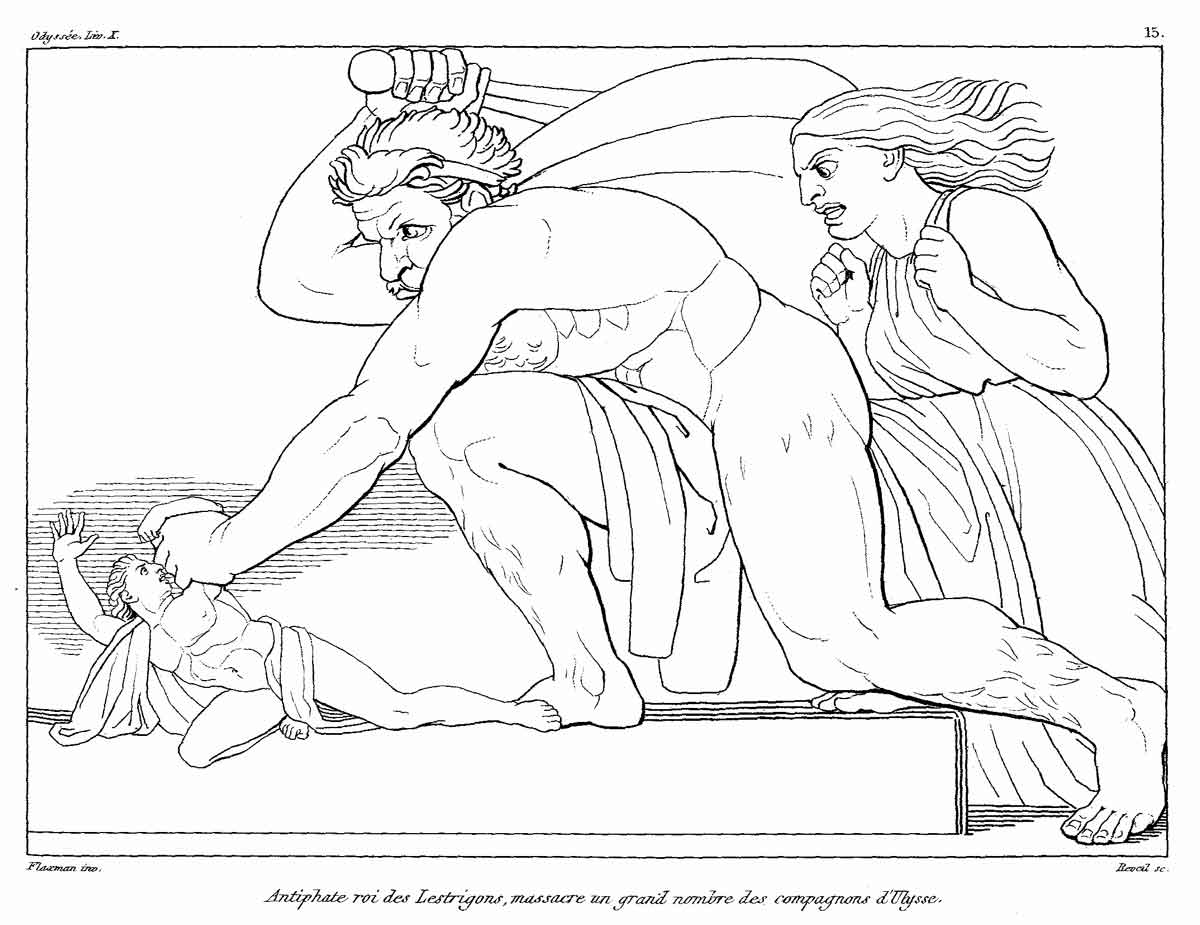
In Book X of the Odyssey, the Laestrygonians are introduced, but not much time is spent on Odysseus’ contact with them. However, the few sentences dedicated to them do a good job at conveying the terrifying nature of these people.
Homer describes them not exactly as giants, but mighty and huge, ‘like’ giants. Odysseus’ three comrades scout out the land and first meet a maiden, the daughter of the Laestrygonian king Antiphates. She is described as “goodly” and leads the men back to the house of her father. At this point, there is no indication of the horror that lies ahead.
Here, Odysseus’ scouts meet Antiphates’ wife, and they are aghast at her size, being as “huge as the peak of a mountain.” Upon seeing Odysseus’ men, she wastes no time in calling for her husband. King Antiphates enters, and he, too, wastes no time deliberating. He immediately grabs one of the men for his meal, and the other two flee towards the ships, while hordes of Laestrygonians pour out of their dwellings in pursuit.
What follows is a lesson in tactical error for the Greeks.
The Deceptive Harbor: A Trap Disguised as Safety
When they arrived at the home of the Laestrygonians, Odysseus and his men, all contained within a fleet of 12 ships, had encountered a harbor off the coast of “Telepylus.” Where exactly this is is open to debate. Homer mentions that the nights here are extremely short, which would indicate that it would be a place close to the Arctic Circle! This, however, does not make sense given the locations in the rest of the Odyssey, as well as Greek geographical knowledge at the time Homer wrote his epic. Thucydides and Polybius placed the Laestrygonians in Sicily, while Pliny the Elder placed them in Sicily and Italy.
Wherever they were, the natural harbor on the coast of their realm was a sailor’s dream. On either side were sheer cliffs, and the mouth was narrow. Inside, there were no waves, and Homer describes it as a “bright calm.”
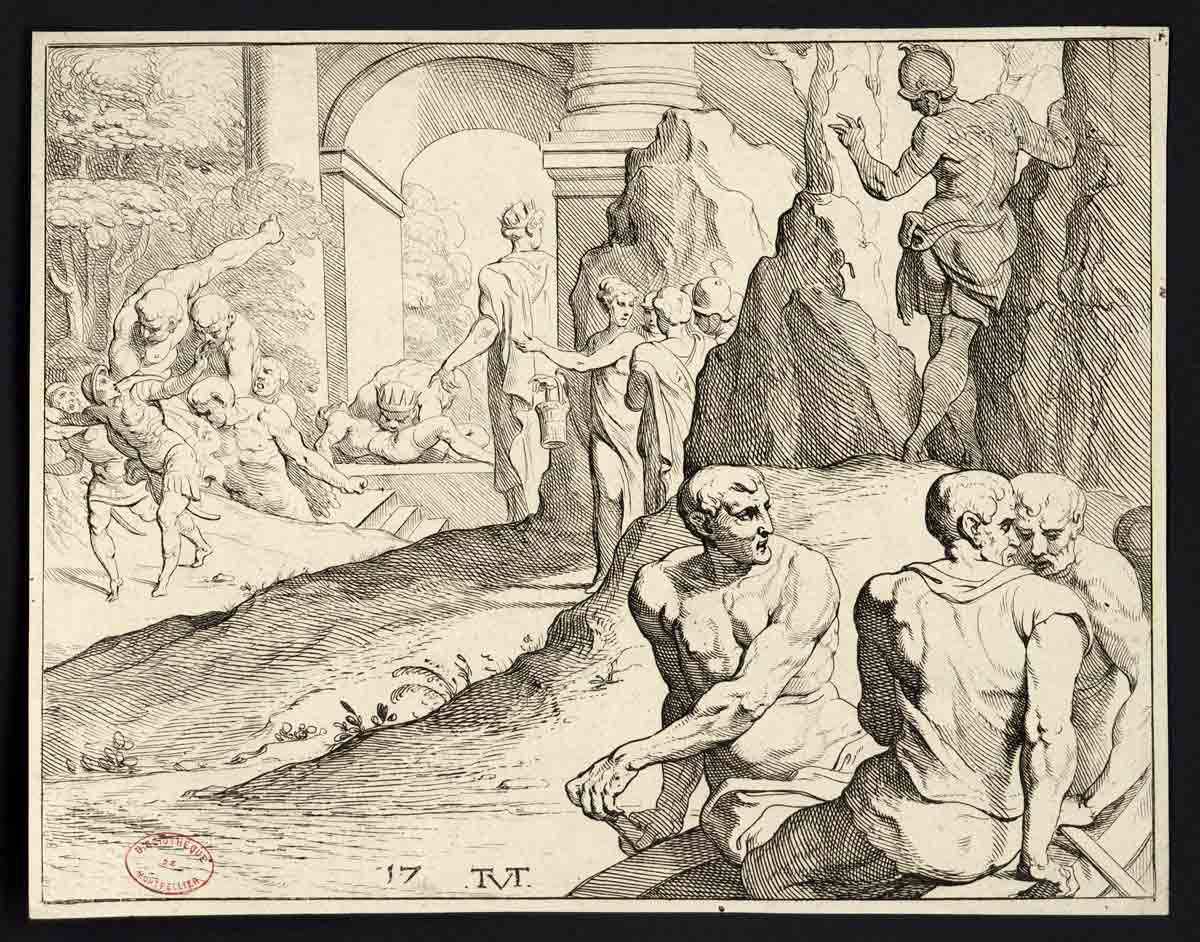
Odysseus alone moored his black ship outside the harbor. The text gives no reason for this. It can be assumed that it is an action informed by Odysseus’ cautious nature, perhaps learned from prior hostile encounters throughout the story. Meanwhile, the other ships sailed into the harbor and were moored close together. Here they were a perfect target for the Laestrygonians, who appeared in great numbers on the cliffside and hurled large rocks onto the vessels below. Ships were crushed, and men were slain.
Odysseus made no effort to save his stricken comrades. Instead, he drew his sword and cut the rope mooring his ship, and bade his crew to row.
Within a few sentences, a minute’s worth of reading time, Odysseus’ men meet the Laestrygonians, are chased to the shore, and 11 of the 12 ships in the fleet are destroyed. Hundreds of men become victims of the cannibal giants.
And the cold, calculating Odysseus leaves them to their fate, knowing that any rescue attempt would be completely suicidal. The curious Odysseus shows his pragmatic side.
What Made Odysseus Different: The Strategic Mind
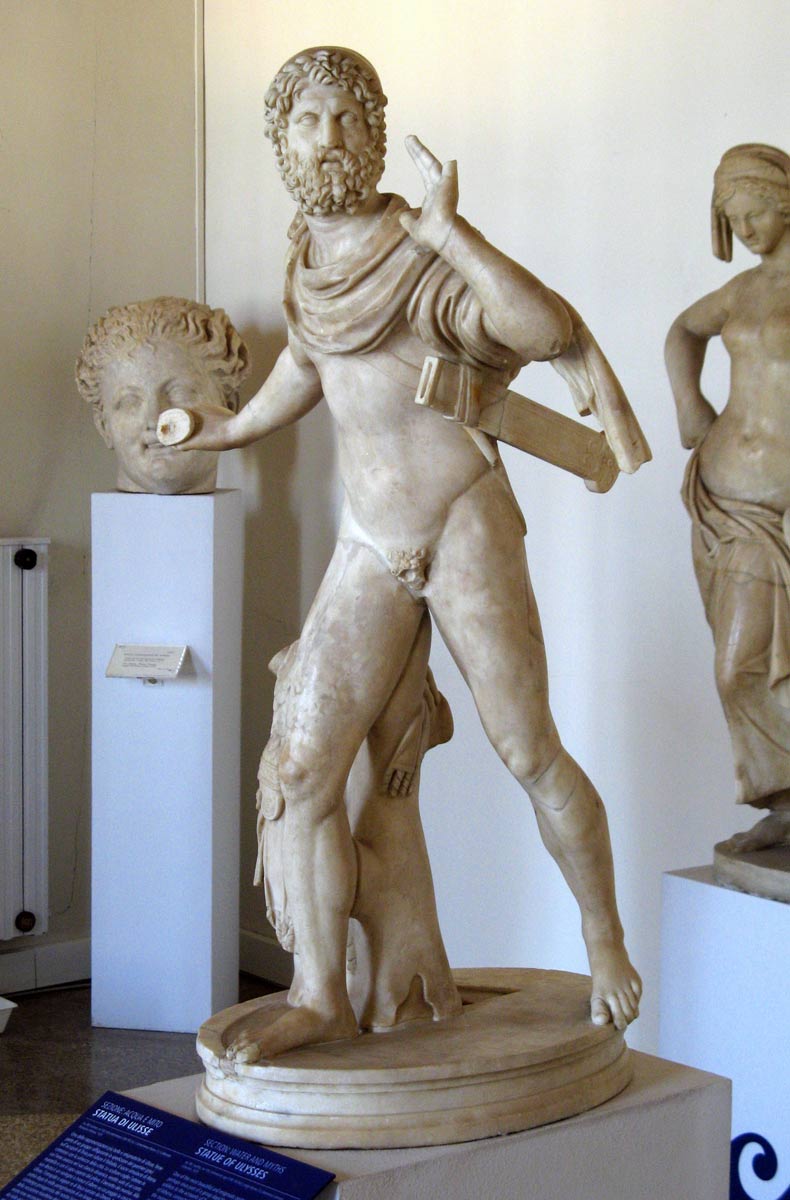
Odysseus’ actions are in contrast to his actions in a previous chapter of the Odyssey, that of the encounter with Polyphemus, the Cyclops. Here, curiosity got the better of pragmatism. Spotting the giant’s cave, Odysseus took 12 men and investigated, finding sheep, goats, and cheese in abundance. The Cyclops, however, was not at home. The men urged Odysseus to take what they could and leave, but Odysseus overruled them, wanting to meet the giant, expecting that the cave’s owner would abide by the custom of xenia and treat his guests well.
When the Cyclops returned, he sealed the cave with a large boulder and found Odysseus and his men. Angered by the intrusion, he told Odysseus that he does not abide by customary rules of the gods, nor does he fear the gods. He then killed two of Odysseus’ men and promptly ate them.
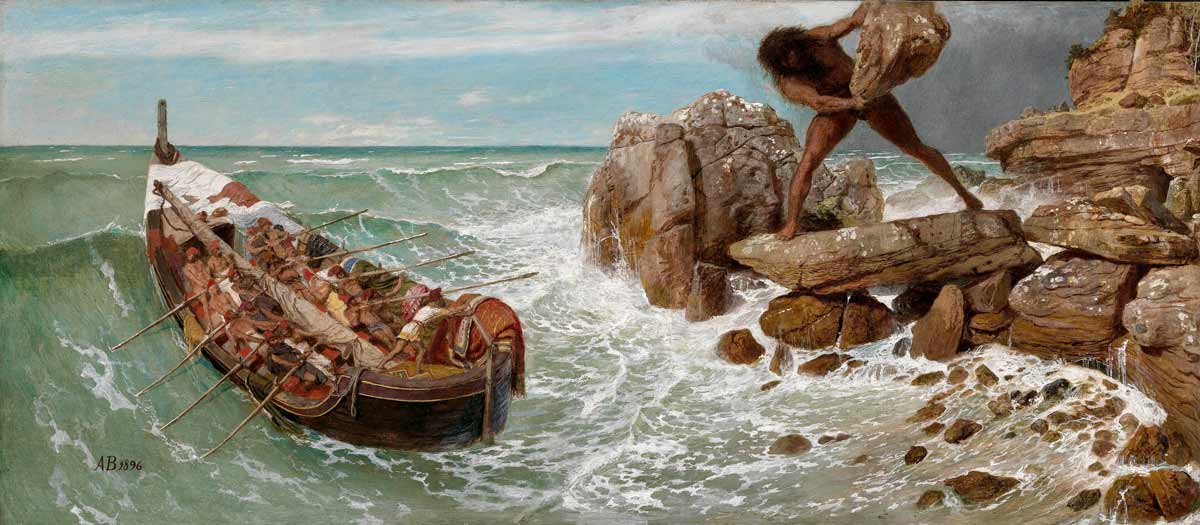
Odysseus and the others do make their escape, blinding and then taunting the Cyclops in the process, but the episode clearly teaches Odysseus a lesson in dealing with unknown giants on strange islands. By the time he gets to the home of the Laestrygonians, he is well aware of the consequences of curiosity and takes caution.
He does not investigate the island himself. He sends three of his men. He does not warn the other captains not to moor their boats in the harbor, yet he moors his boat outside. And when the Laestrygonians are massacring their victims, Odysseus wastes no time in fleeing as fast as possible.
A Changed Man
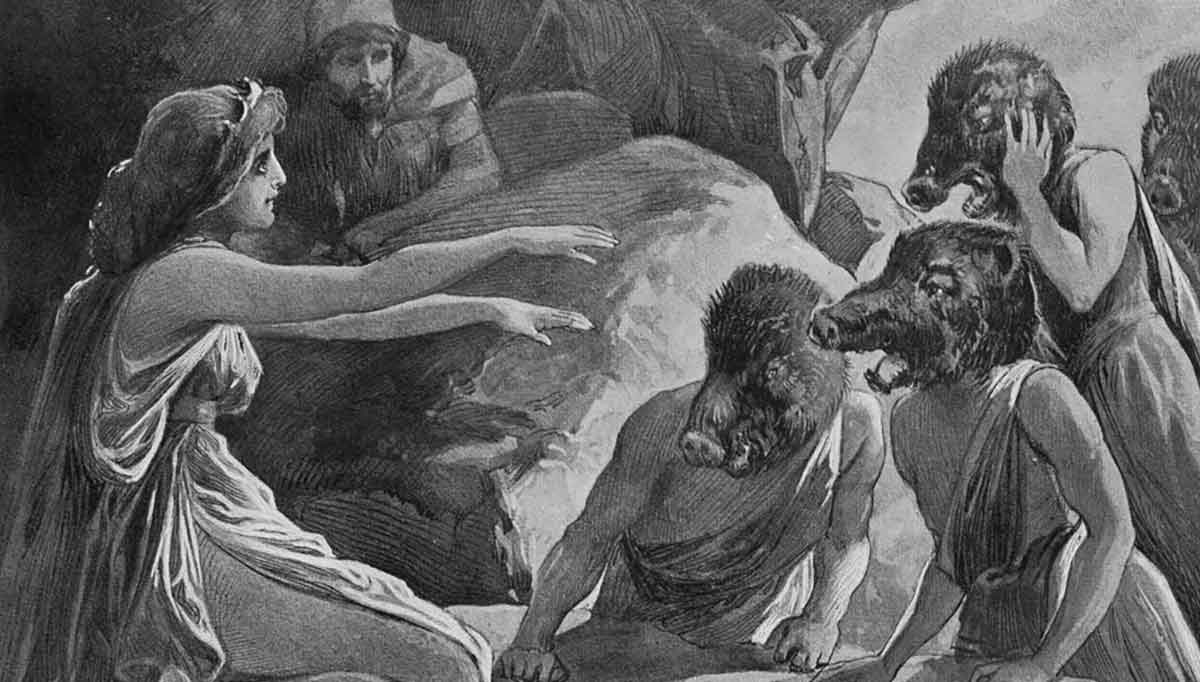
Homer offers little in the way of any deeper explanation for Odysseus’ change of character. Suppositions must be left to the reader in this case. Perhaps Odysseus’ actions are the transformation of a hero relishing in adventure to a weary traveler just wanting to survive and return home.
By the time he reaches Circe’s island of Aeaea, this becomes clear. Odysseus and his men had come within sight of Ithaca before opening the Bag of Winds, blowing the fleet off course in a turn of events that would add many long years to the journey. Such a disheartening misfortune was then compounded by immense slaughter as the Laestrygonians butchered Odysseus’ fleet. By the time Odysseus reaches Circe’s island, he and his men are certainly weary, and likely quite traumatized.
On Aeaea, the enchantress turns his men into pigs, creating yet another trial to overcome. Circe does turn his men back (younger and more handsome than before), but instead of moving on, Odysseus shows no hurry to get back to his beloved Penelope on Ithaca. He spends an entire year with Circe, accepting her hospitality and her intimate company.
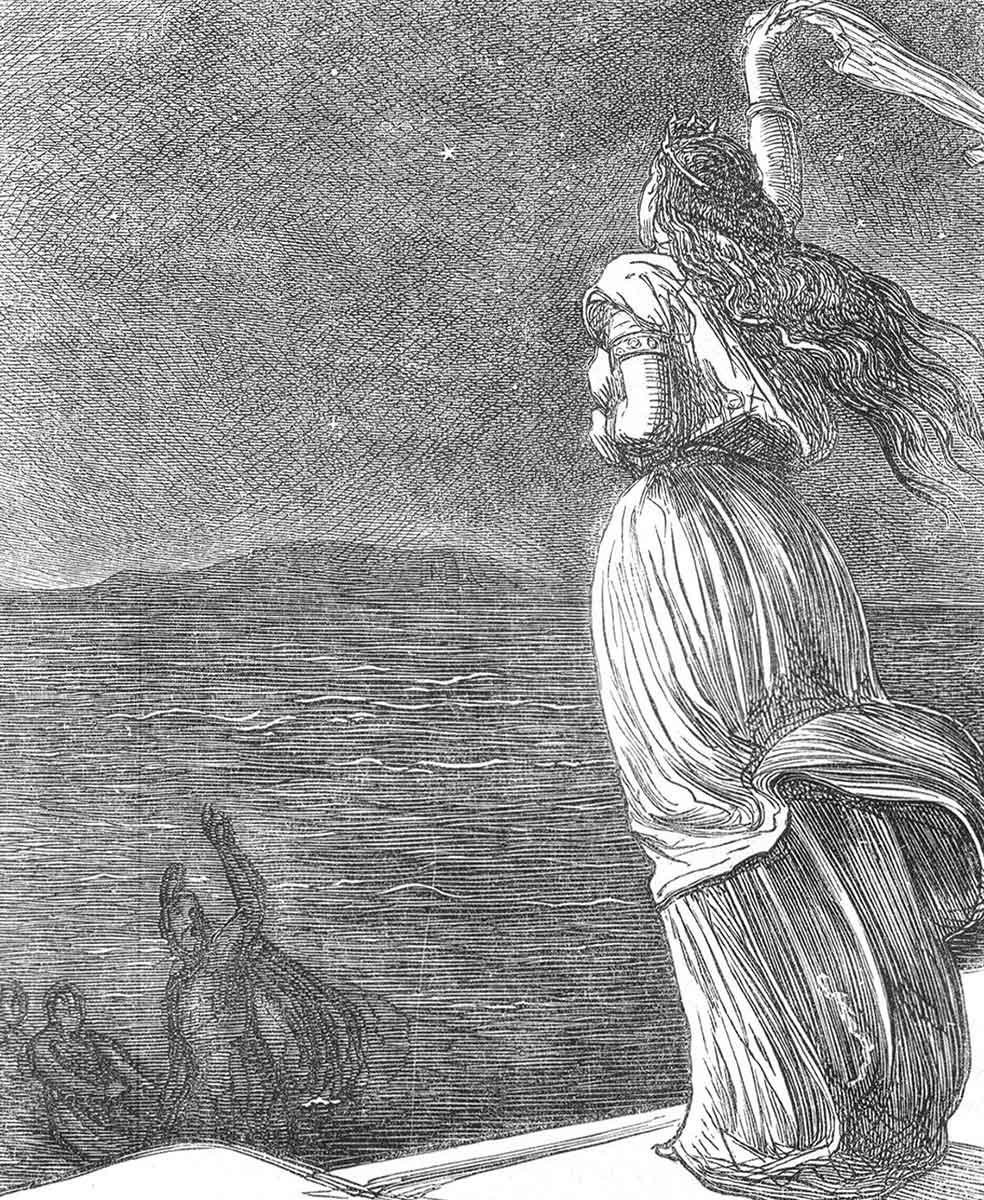
After a year, it is not Odysseus who spurs himself to return home, but rather his men, who convince him to resume his journey. Herein lies the proof of a changed man. There seems to be a lack of regret. Odysseus must be convinced by others. The loss of the vast majority of his men to the Laestrygonians was a very large and heavy proverbial straw that broke the camel’s back.
By this time, Odysseus had had so many hostile encounters that the prospect of more was overwhelming. Odysseus seemed quite content to while away the rest of his life on the island, with ample food and the company of a beautiful woman.
And when Odysseus does finally leave, his fears prove founded, as he must confront more terrifying scenes of carnage and despair.
The Most Expensive Lesson in the Odyssey
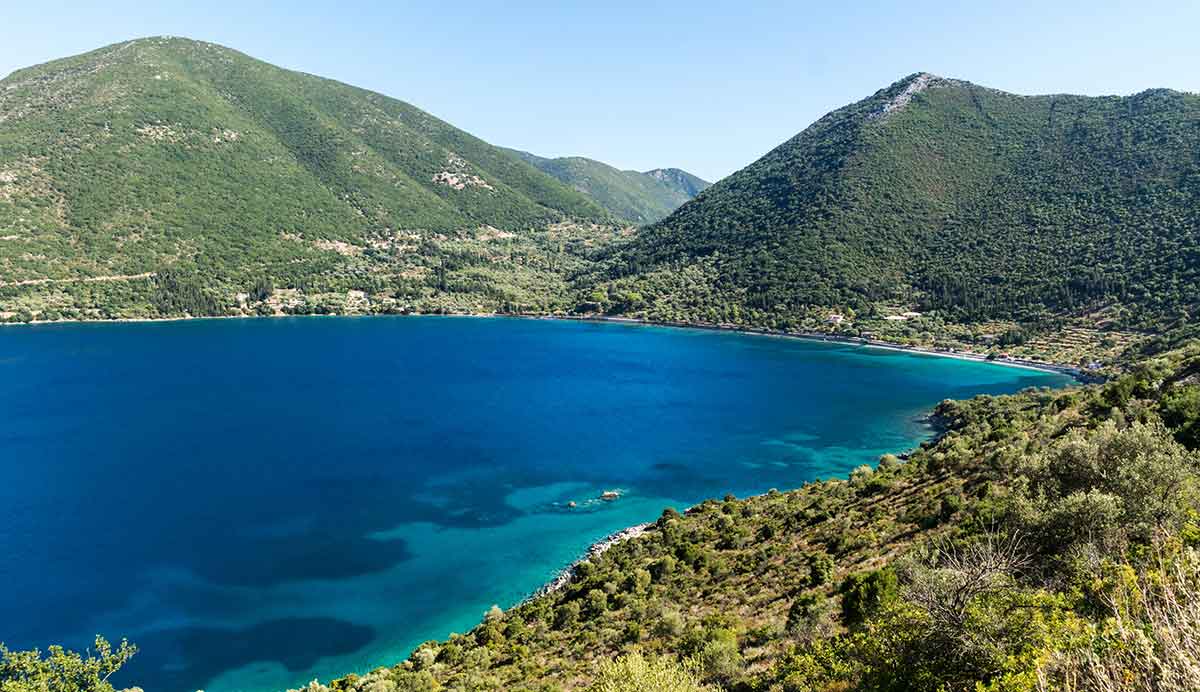
The episode with the Laestrygonians is devastating, both in terms of the loss of life and in terms of Odysseus’ mental state. The difference between those who died and those who didn’t was a simple decision, made before contact with the Laestrygonians was even made.
This scene with the giant cannibals proves the folly of assumptions. Just because something looks safe doesn’t mean it is safe. Most of Odysseus’ men never survived long enough to learn that vital lesson.
For Odysseus, that lesson had already been learned.