
Ovid was one of the premier poets of Augustan Rome, producing both scandalous love poems and an epic on Greek mythology, the Metamorphoses. But at the height of his popularity, in AD 8, Augustus exiled the poet to the ends of the earth, the Black Sea, on account of “a poem and an error.” While Ovid says little about the reason for his exile, he composed 96 poems while in exile in Tomis. His previously whimsical voice takes on a sorrowful tone as he grieves his separation from his family and ostracism from Rome, laments the hardships of living in a strange, barbarian land, and beseeches the emperor for recall. What did Ovid do to see this change in his fortunes, and how did it change his literary style? Or was he exiled at all?
Ovid: The Golden Boy of Rome
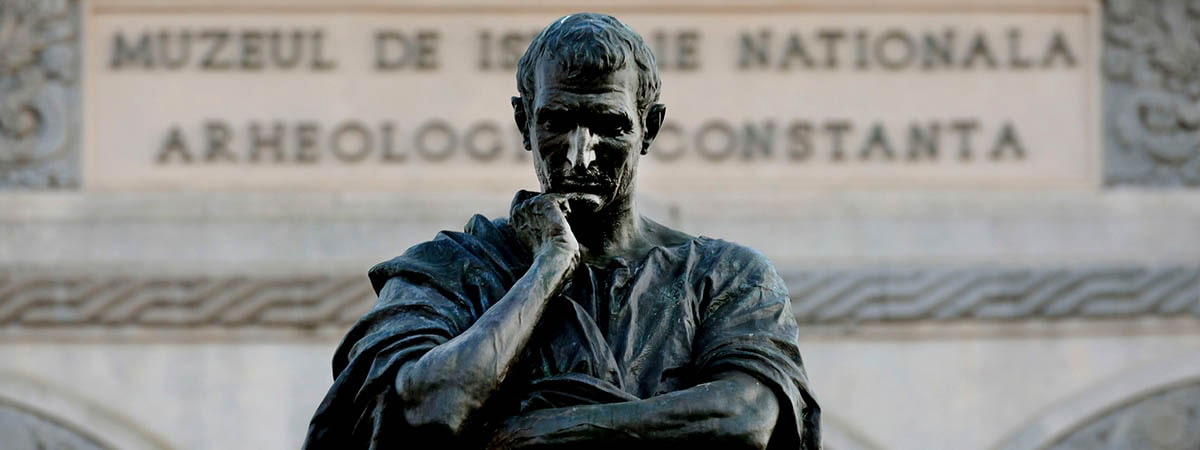
Publius Ovidius Naso, better known as Ovid, was born into a wealthy Equestrian family in the town of Sulmo, just east of Rome, in 43 BC. Like other wealthy and ambitious Italians, he was sent to Rome to study rhetoric, which would lead to a career in the law. According to Seneca the Elder, Ovid preferred a more creative approach. Around 29-25 BC, much to his father’s displeasure, Ovid renounced the law and traveled to Athens, Asia Minor, and Sicily to study poetry.
As Octavian took the name Augustus and was rebuilding Rome as an imperial capital, Ovid returned. He was a younger contemporary of the Augustan poets Virgil and Horace, both of whom enjoyed imperial patronage. Despite disappointing his father, Ovid’s family fortune allowed him to dedicate himself to his art. He quickly became popular for combining Latin mastery, knowledge of classical mythology, and natural wit and humor in his poems. He was a popular guest in the great houses of Rome, called upon to recite his compositions, even before the emperor.
Judging from how often Ovid is quoted in contemporary and later sources, and in graffiti on Roman walls, he was extremely popular. His most popular works were his naughty, mostly tongue-in-cheek, erotic poems about love and seduction. He played with the male gaze, injecting humor, but also composed a series of letters from famous women from mythology addressed to Greek heroes about their poor behavior. His magnum opus was his more serious Metamorphoses, which retold a collection of stories about transformations in Greek mythology through the Roman lens.
| Heroides (The Heroines) | c. 19 BC | 21 poems in the form of letters addressed to famous mythological characters |
| Amores (The Loves) | c. 16-1 BC | Three books of love poetry in elegiac meter |
| Medea (from the figure in Greek myth) | c. 3 BC | A tragedy about the witch wife of Jason, now completely lost |
| Medicamina Faciei Femineae (Women’s Facial Cosmetics) | c. pre 1 BC | Parody poem on beauty treatments for women’s faces |
| Ars Amatoria (The Art of Love) | c. 1 BC – AD 2 | Three books on the art of seduction and love, including picking up married women and keeping a lover happy |
| Remedia Amoris (The Cure of Love) | c. AD 1 | A cure for love and how to avoid the despair of unrequited love |
| Metamorphoses (Transformations) | c. pre AD 8 | A 15-book catalogue about transformations in Greek and Roman mythology |
| Fasti (The Festivals) | c. pre AD 8 | Six books, each dedicated to each of the months from January to June; he probably intended to complete the full year |
| Ibis (The Ibis) | c. AD 11 | Mythic stories to cure and attack an enemy who is harming him in exile |
| Tristia (Sorrows) | c. AD 9-12 | Five books written in exile about his suffering |
| Epistulae ex Ponto (Letters from the Black Sea) | c. AD 12-17 | Books of poetic letters sent to different friends about his time in exile |
The Mystery: Carmen et Error
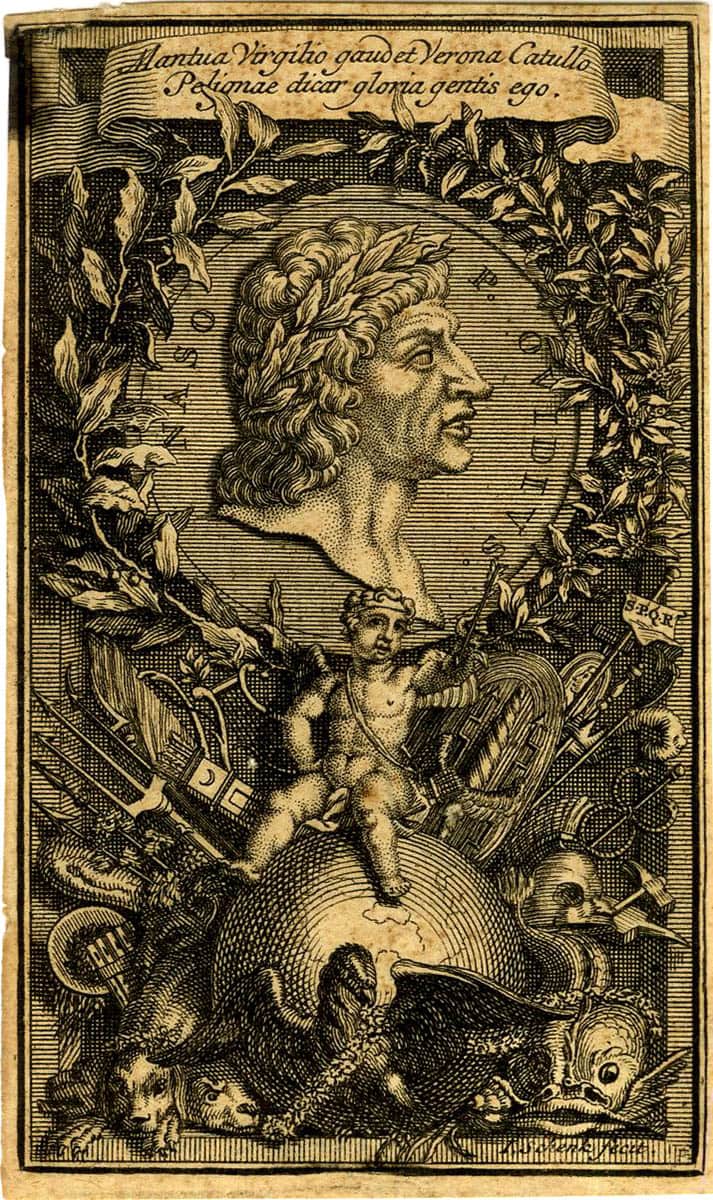
Despite seemingly being at the peak of popularity, in AD 8, Augustus exiled Ovid from Rome. This was the will of the emperor himself, as he personally pronounced his exile without consulting the Senate or any Roman judge.
Augustus passed a form of exile called relegatio, which meant that Ovid’s property was not confiscated and his citizenship was not stripped. But instead of being banished to the usual destinations of Greece, Mediterranean islands, or cities in Southern Italy and Gaul, Ovid was exiled to Tomis on the Black Sea, in the Roman province of Moesia, modern Romania. At the far end of the Roman Empire, this is where people were sent to be forgotten. What could a poet have done to deserve this?
There is much debate over why exactly Ovid was exiled. It is not something Ovid himself addresses beyond stating that:
Through two charges, carmen et error, a poem and an error, ruined me. I must be silent about the second thought: I am not important enough to reopen your wound, Caesar; it is more than sufficient you should be troubled once. The first, then: that I am accused of being a teacher of obscene adultery, by means of a vile poem… (Ovid, Tristia 2.207-252)
A Poem
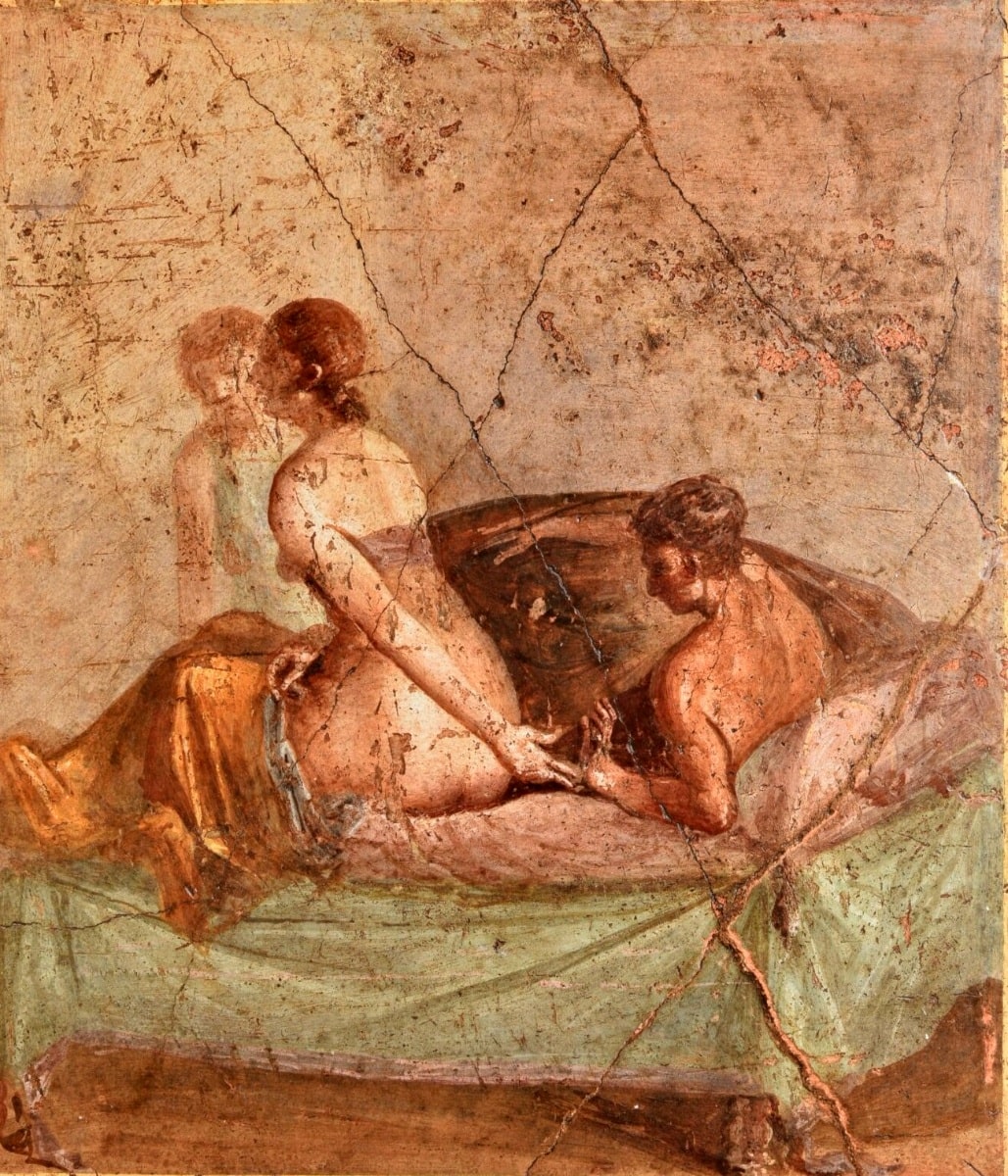
Ovid reveals that he was banished for two reasons: a poem and an error. It seems clear from his text, written while already in exile, that the poem was his Ars Amatoria, as this is where he refers to adultery. He goes on to suggest that Augustus misinterpreted his poems, taking them too seriously, while admitting that this is completely understandable since Augustus is distracted by much greater things, in a similar fashion to the gods.
However, Ovid also explicitly mentions Augustus’ care for the morality of the Roman people through his moral laws, which Augustus began to pass in 18-17 BC. Augustus was still tweaking these laws in AD 9. However, it seems unusual that so much time passed between Ovid’s publication of the Ars Amatoria and his exile. Surely, by this time, the damage was done, and the poems were already widely known.
It is noteworthy that Augustus’ daughter, Julia the Elder, was banished for adultery and treason under the moral laws in 2 BC. This is also when Ovid pivoted from his riskier love poetry to topics of Greek mythology. It is possible that Ovid felt pressure to conform to Augustus’ new vision of Rome to secure his survival and advancement.
An Error
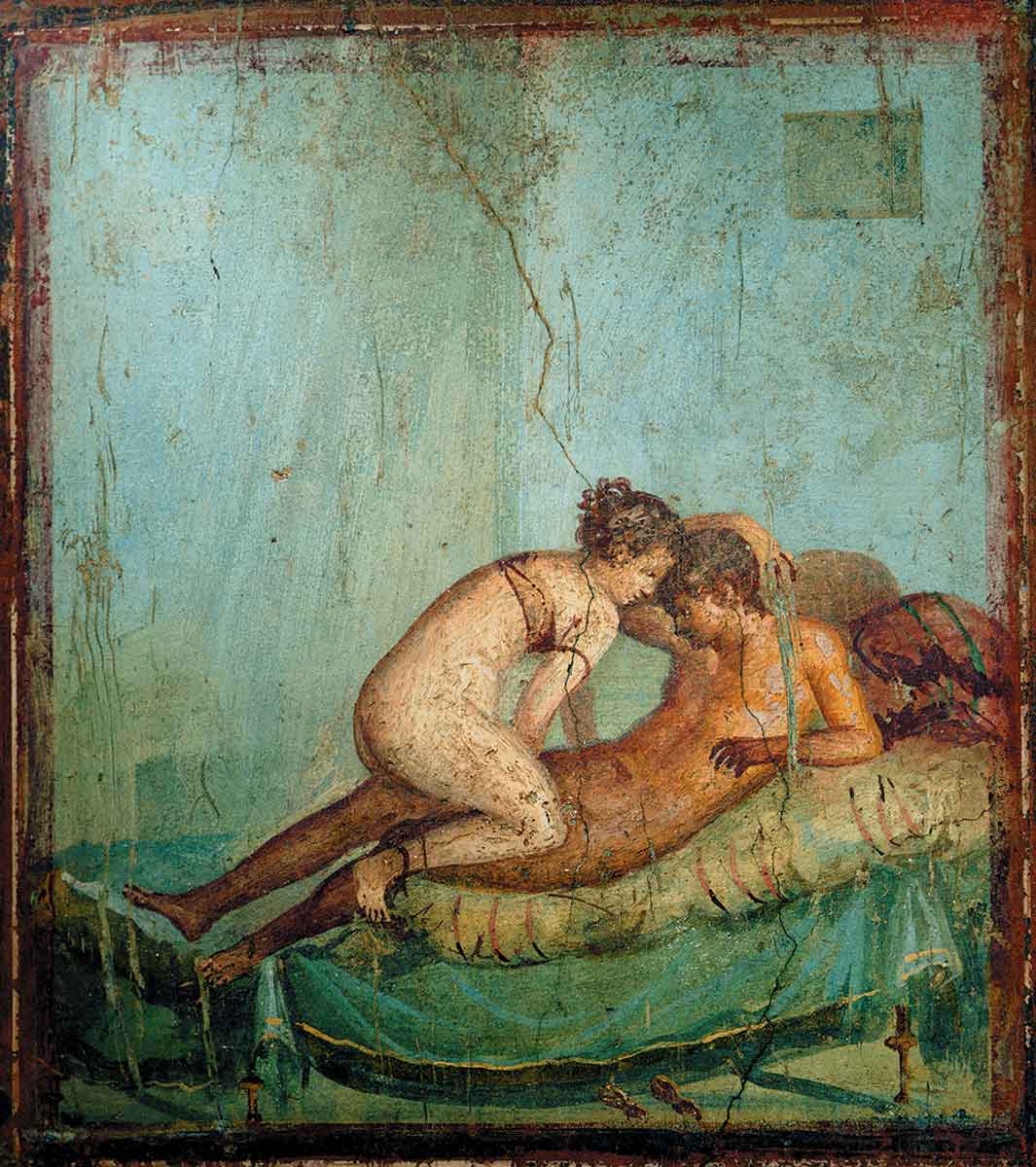
As he promises, Ovid never states what his “error” was, but he implies that it was something he saw.
Why did I see anything? Why make my eyes guilty? Why was a mischief, unwittingly, known to me? Actaeon, unaware, saw Diana unclothed; nonetheless, he became his own hounds’ prey. Even fate must be atoned for, among the powers that be, to a wounded god, chance is no excuse… (Ovid, Tristia 2.103-108)
Based on dating, scholars suggest that Ovid’s exile was connected to the exile of Augustus’ granddaughter, Julia the Younger, also in AD 8. She was accused of having an affair with the senator Decimus Junius Silanus. She was sent to the much closer Italian island of Tremirus, where she gave birth to a child that Augustus ordered exposed. Silanus was also exiled but later recalled under Tiberius. Julia’s legal husband, Lucius Aemilius Paullus, was executed sometime between AD 1 and 14 for involvement in a revolt.
Historians suggest that all these events were connected as part of a plan to replace Tiberius as Augustus’ chosen heir. This is supported by the fact that Augustus’ wife and Tiberius’ mother, Livia, is often accused of plotting against her stepdaughter’s family.
The suspicion is that Ovid was involved in or knew something about this plot, and this was the real reason for his exile. While Augustus may not have appreciated Ovid’s erotic poetry, it was probably secondary to the case against the poet.
A Somber Change in Tone
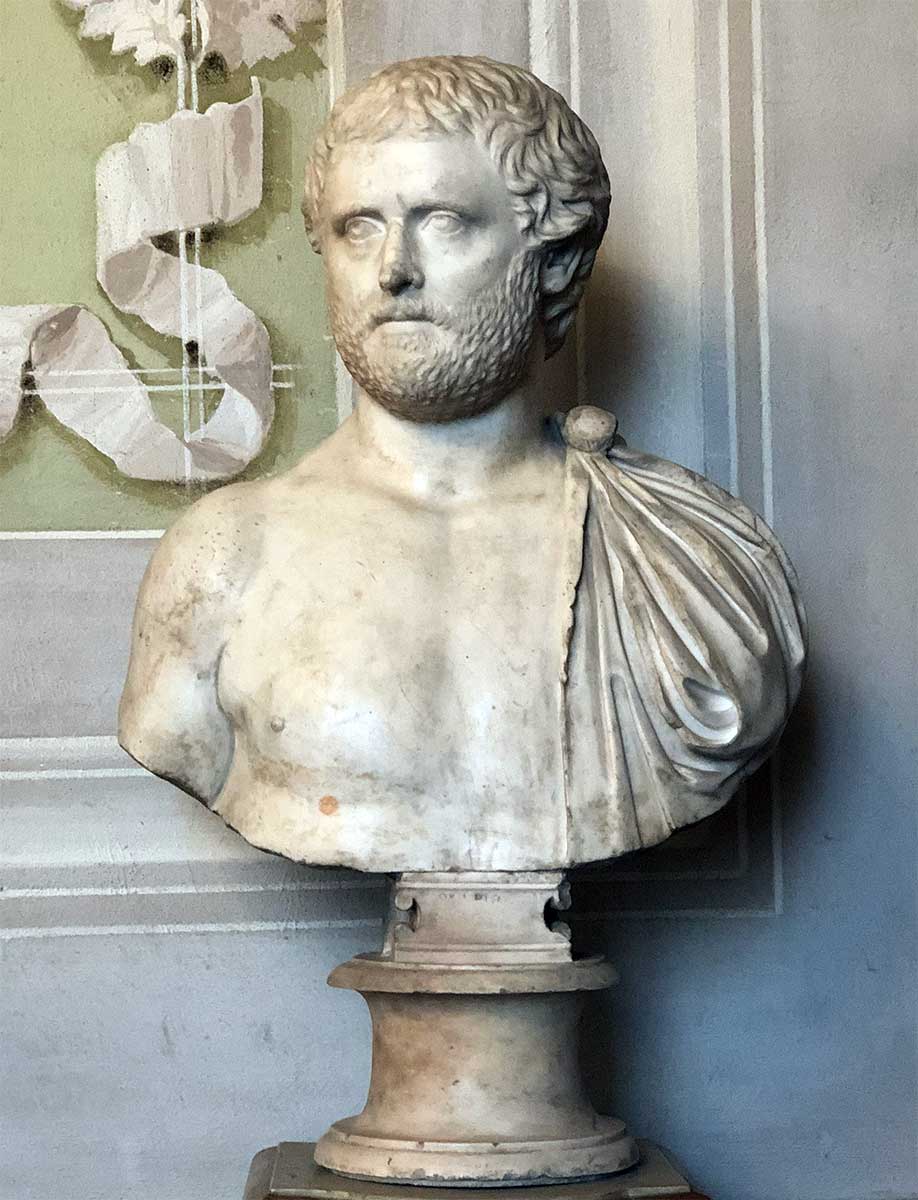
While we may not know exactly why Ovid was exiled, we do know much about his time in exile from his own writings, his Tristia and Epistulae Ex Ponto (Letters from the Black Sea). He produced a total of 96 surviving poems while in exile.
In these works, Ovid wrote bitterly about missing the capital and the hardship of living in such a remote place, asking friends to appeal for his return to Rome, or at least his transfer to somewhere more hospitable.
Cheerful, I once wrote cheerful verses; sad, I now write sad ones, each phase has its matching work. Of what should I write but the faults of this bitter region, what pray for, but to die in a better place? I write the same things so often, yet almost no one listens: my words go nowhere, fall on deaf ears. Yet though the words are the same, I write to different people – one cry for help, but many addressees. (Ovid, Epistulae ex Ponto 3.9.35-42)
His works in exile are a notable juxtaposition to his previous poetry. His works on love were witty and fun, while his works in exile have a notable air of grimness and include repeated complaints about the same problems and hardships.
O [Black] sea, O land never free from cruel enemies and snows, will a time ever come when I shall leave you, bidden to an exile in a place less hostile? Or must I ever live in such a barbaric land? Am I destined to be laid in my grave in the soil of Tomis? (Ovid, Epistulae ex Ponto 3.1.1)
By the time of his exile, Ovid was married to his third wife, who he says wanted to accompany him into exile, but he forbade it. Like Cicero during his brief exile, he told her to stay in Rome and manage their property. He compares her to Odysseus’s wife Penelope, who dutifully awaited her husband’s return for ten years following the Trojan War.
Life at the Edge of the World
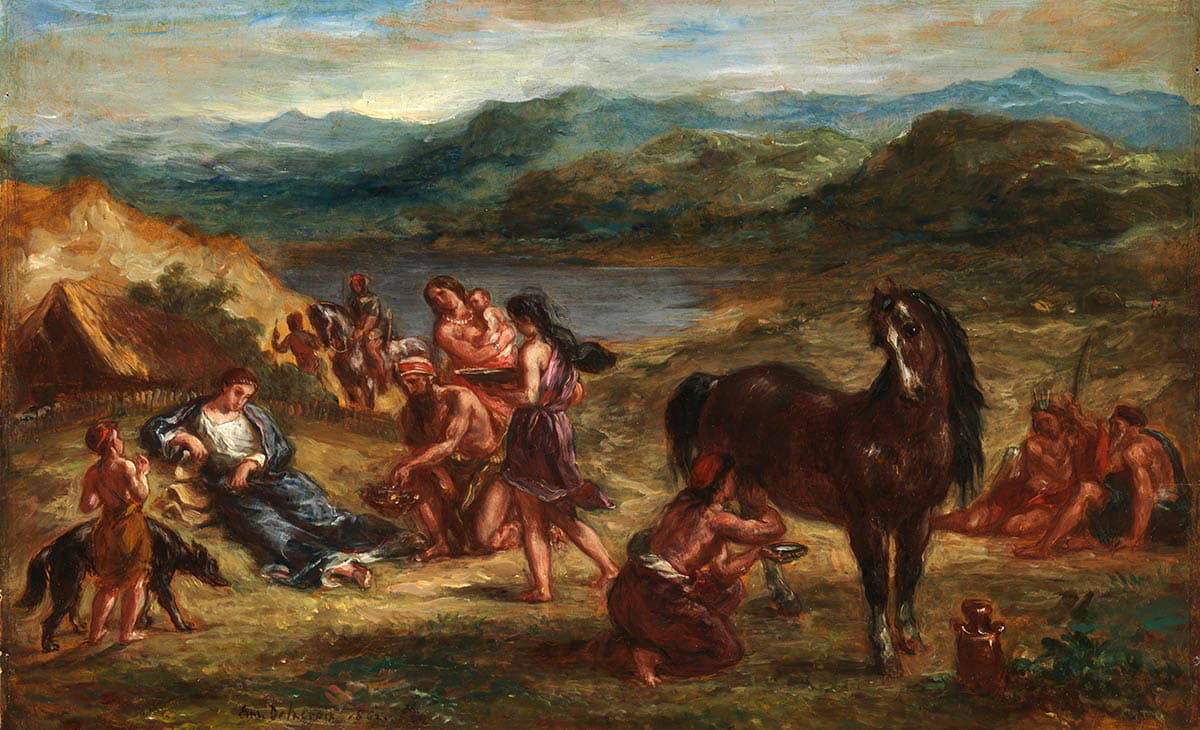
Ovid repeatedly describes Tomis, in the distant province of Moesia, as cold with no warm spring or bountiful grape vines.
You neither feel spring girt with wreaths of flowers nor behold the reaper’s naked bodies; to you, autumn extends no clusters of grapes, but all seasons are in the grip of excessive cold. You hold the flood ice-bound, and in the sea the fishes often swim in water enclosed beneath a roof. (Ovid, Tristia 3.1.5f.)
It is barbaric and constantly under threat of war, and a place completely without culture.
The horde descends, like birds, when you least expect it, and, barely glimpsed, is away again with its spoils. Often, inside the walls, gates shut, their poisoned arrows still reach us: we collect them off the streets. Few dare to farm: the wretches that plough their holdings must do it one-handed (the other grasps a sword). (Ovid, Tristia 5.10.23-24)
While Tomis was settled as a Greek colony in the 600s BC and must have maintained some of its familiar Greekness, by Ovid’s time, it was dominated by natives.
Would you care to learn the nature of the local inhabitants, find out amid what customs I survive? They’re a mixed stock, Greek and native, but the natives – still barely civilized – prevail. Great hordes of tribal nomads – Sarmatians, Getae – come riding in and out here, hog the crown of the road, every one of them carrying bow and quiver and poisoned arrows, yellow with viper’s gall: harsh voices, fierce faces, warriors incarnate, hair and beards shaggy, untrimmed, hands not slow to draw – and drive home – the sheath-knife that each barbarian wears strapped at his side. (Ovid, Tristia 5.7.9-20)
Intellectual Isolation
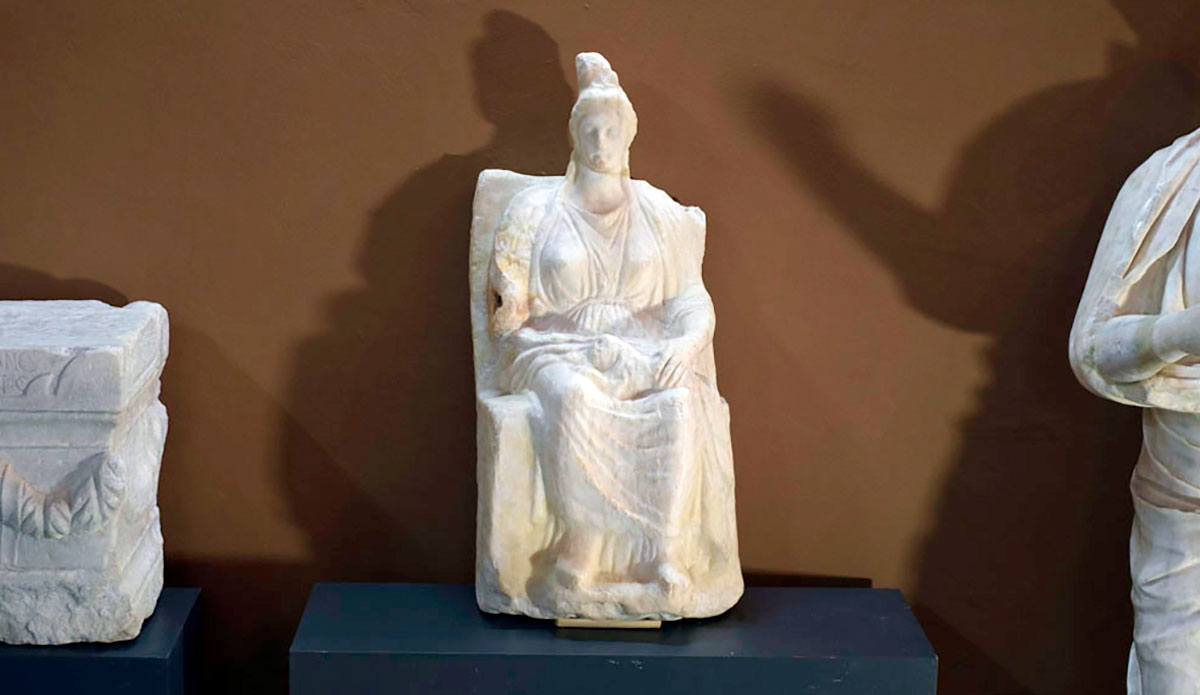
Ovid claims that locals do not even speak Latin, but rather a strange variant of Greek. He complains that his beloved Latin was getting rusty, all while composing excellent Latin, of course.
I haven’t been remiss: idleness hasn’t slowed me, but I live on a far shore of a vast sea. While news gets here, and hasty verse is written and, once made, goes to you, a year can pass. (Ovid, Epistulae ex Ponto 3.4.57f.)
He claims to take refuge in his writing, expressing the hope that his work will continue to circulate abroad, perhaps even in Rome. But realistically, he laments the time it takes for documents to transfer between the sparkling center and his lonely periphery, leaving him very much an outsider.
All around me, Thracian and Scythian voices chatter away: I think I could write verse in Getic. Believe me, I fear you may find my Latin diluted with Black Sea usage, local terms infecting my work. (Ovid, Tristia 3.14.43-51)
Ovid also shows a clear change in his attitude towards Augustus. Back in Rome, Ovid had a reputation as a youthful rogue, writing his erotic poems despite the emperor’s displeasure. In exile, he seems to turn away from blatantly mocking morality and referring to Augustus’ reforms in a tongue-in-cheek fashion. He now openly praises Augustus as a god, asking the other gods to appeal to Augustus on his behalf.
The gods traffic between themselves, Bacchus. Try to influence Caesar’s power with your own. You too, loyal crowd of poets who share my studies, drink the neat wine and make the same request. (Ovid, Tristia 5.3.45f.)
The Great Debate: Was Ovid’s Exile Real?
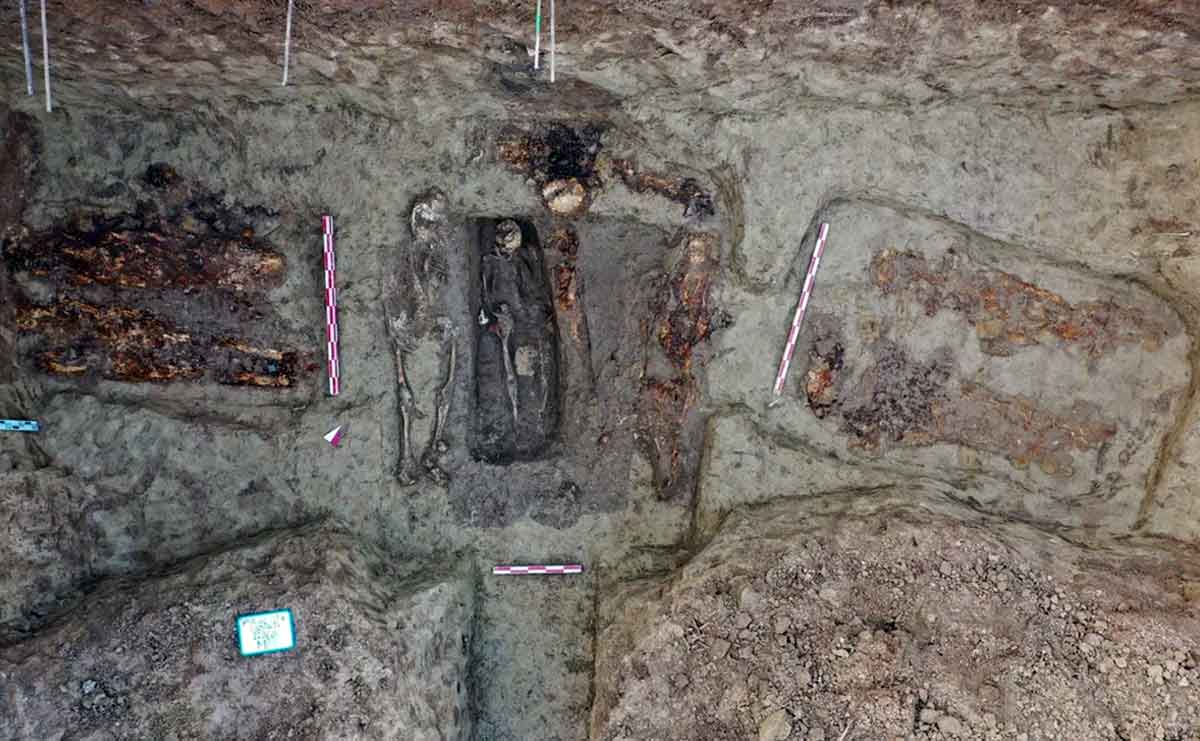
Some readers are skeptical of the honesty of Ovid’s account of his exile. Was Tomis really the barbaric backwater he describes, or is he just playing it up for his audience to garner sympathy, or just to entertain and play on Roman prejudices? Evidence suggests that Tomis may have been a relatively sophisticated Greco-Roman city in Ovid’s time. While certainly colder than Rome and lacking her cosmopolitan sophistication, there were probably Greek intellectual circles that Ovid could have enjoyed.
Some Ovid scholars have gone as far as to suggest that Ovid was never truly exiled to the Black Sea. They suggest that he rather invented the exile to change his literary persona from that of a young and mischievous man of the capital, which dominates his love poetry, to one of an older man whose lot has been dramatically changed by fate, allowing him to explore a new style of poetry in his Tristia and Epistulae ex Ponto.
Scholars such as J.J. Hartman and A.D. Fitton Brown have offered support for this theory. First, except for Pliny the Elder and Statius, no other author mentions the exile of the popular poet until the 5th century AD. Second, Ovid’s descriptions of Tomis feel generic and potentially copied from earlier descriptions of the region by people such as Virgil and Strabo. They also point out that he continued to work on his Fasti, which was published posthumously, which would have been challenging without access to resources in Rome.
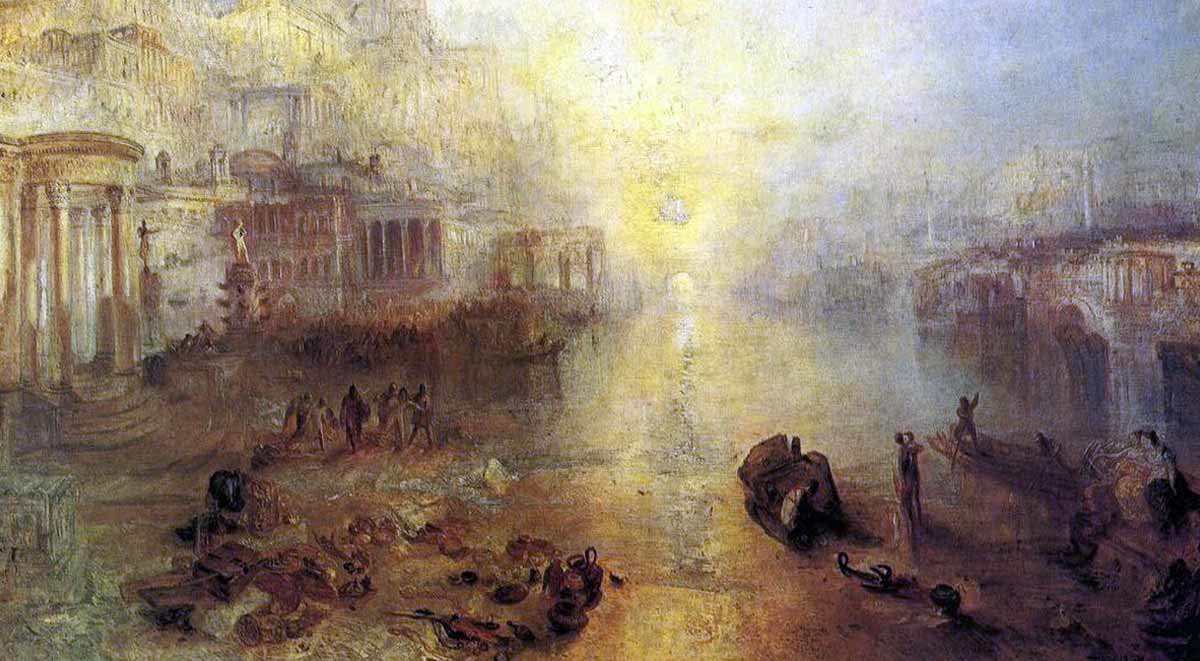
While this is a tempting theory, it is generally rejected. Claiming exile would have been professional suicide for a cosmopolitan Roman writer. The mocking tone that this would give to his beseeching the emperor could also be literal suicide. He also mentions specifics, such as the reason for his exile (carmen et error) and his type of exile (relegatio). Plus, his sorrow seems palpable in some passages, such as when he laments his separation from his wife on their respective birthdays.
While Ovid never abandoned his theme of lament and return, as time passed, he seems to have accepted his fate and “gone native” to a certain extent.
I blush to admit it, I’ve even composed in the Getic language, bending barbarian patois to our verse: among the uncultured natives, I’m getting a reputation as a poet. Congratulate me: I’ve made a hit. (Ovid, Epistulae ex Ponto 4.13.18-22)
Plus, while Ovid may have continued to tweak his Fasti, he never got to the second six months of the year, suggesting he did not have access to the resources he needed to finish the work during his decade in exile.
Death and Legacy
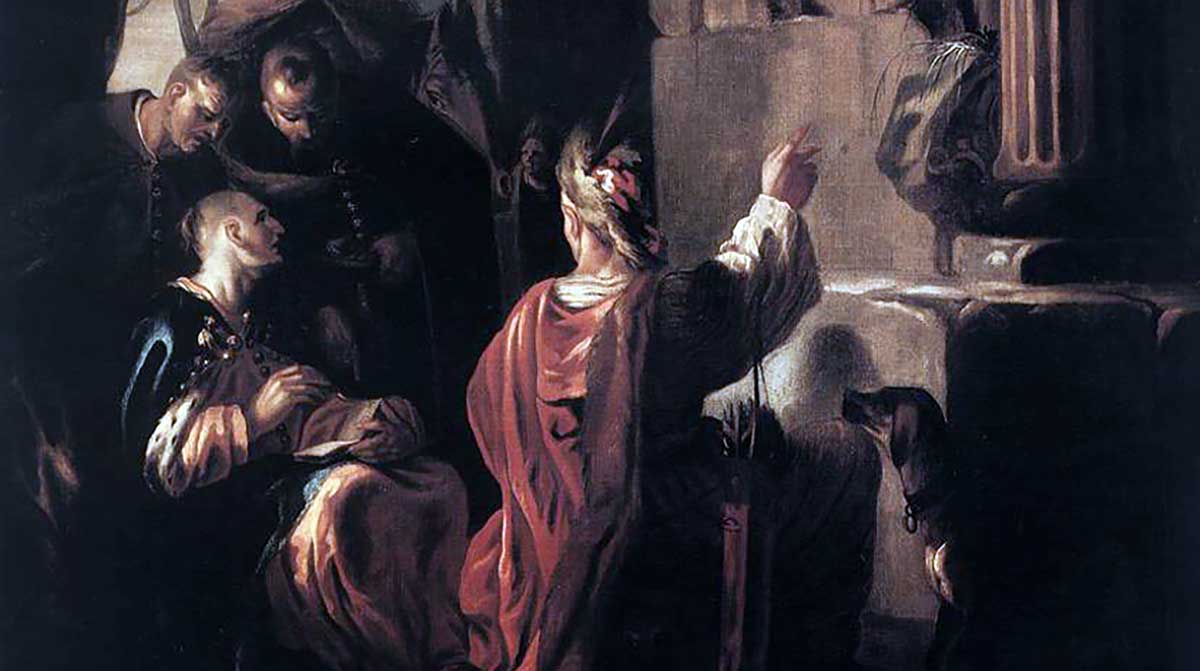
Ovid was prolific in his exile, producing at least 96 books of poetry from Tomis. But his many requests to return seem to have fallen on deaf ears. Augustus never authorized his return, and neither did Tiberius, despite allowing Julia the Younger’s lover to return to Rome.
Ovid died in exile in AD 17 or 18 after a decade of banishment, and he was buried in Tomis. Earlier, during an illness, Ovid had lamented the prospect of burial in exile as permanent exclusion from Rome. He gave his wife instructions for his burial in Rome, imagining his eventual return, even if it was after death. He wrote his own epitaph, but then admitted that:
In fact, my books are a greater and a lasting monument, those, I know, though they’ve injured him, will give their author fame and enduring life. (Ovid, Tristia 3.3)
Ovid’s words proved prophetic, as while his bones would never return to Rome, his words remained popular, despite imperial disapproval. The amount of Ovid’s works that survive is a testament to this, and the fact that central disapproval can feed public interest.

Ovid became one of the most loved Roman poets of the Middle Ages and the Renaissance. His love poems inspired ideas of medieval court chivalry and Chaucer’s representations of women. Medieval church scholars looked to the Metamorphoses for moralizing stories. Shakespeare admitted that Ovid was his favorite classical author. He also inspired later “exile literature” with his melancholy descriptions of himself as a shadow or a corpse. Dante imitated him when he was kicked out of Florence in 1302, as did the 20th-century Russian poet Mandelstam when he was exiled by Stalin.
While we may never know whether Ovid was truly exiled or how truthful his descriptions of his experiences are, he has certainly earned his place among Rome’s greatest writers.