
Written over 2,400 years ago, Plato’s Republic remains one of the most influential and provocative books in human history. Far from a dusty philosophical relic, it tackles questions we are still fighting over today: What is true justice? What would you do if you had a ring of invisibility? Whether you are brushing up on your philosophy or discovering Plato’s Republic for the first time, here are 9 things you need to know about Plato’s masterpiece.
| Key Idea | What It Means |
|---|---|
| 1. Justice | Plato presents justice through a conversation led by Socrates, exploring different definitions before proposing his own. |
| 2. Division of society into three classes | Society is organized into rulers, warriors, and producers, each with a specific role and virtue. |
| 3. The Republic is a literary masterpiece | The work is not just philosophy; it is also a carefully structured and dramatic dialogue. |
| 4. The Theory of Forms | The physical world is only an imperfect reflection of eternal, perfect forms. |
| 5. The Allegory of the Cave | People often mistake shadows for reality, and truth requires a painful journey toward enlightenment. |
| 6. The Ring of Gyges | Plato uses this thought experiment to question whether people are just only because they fear punishment. |
| 7. The Ship of State | Plato compares government to a ship to argue that political power should belong to the knowledgeable. |
| 8. The “Noble Lie” | A myth is introduced to help maintain social order and justify the structure of the ideal city. |
| 9. The Myth of Er | The soul is rewarded or punished after death, and philosophy helps people choose wisely in life and beyond. |
1. The Republic Is a Dialogue About Justice
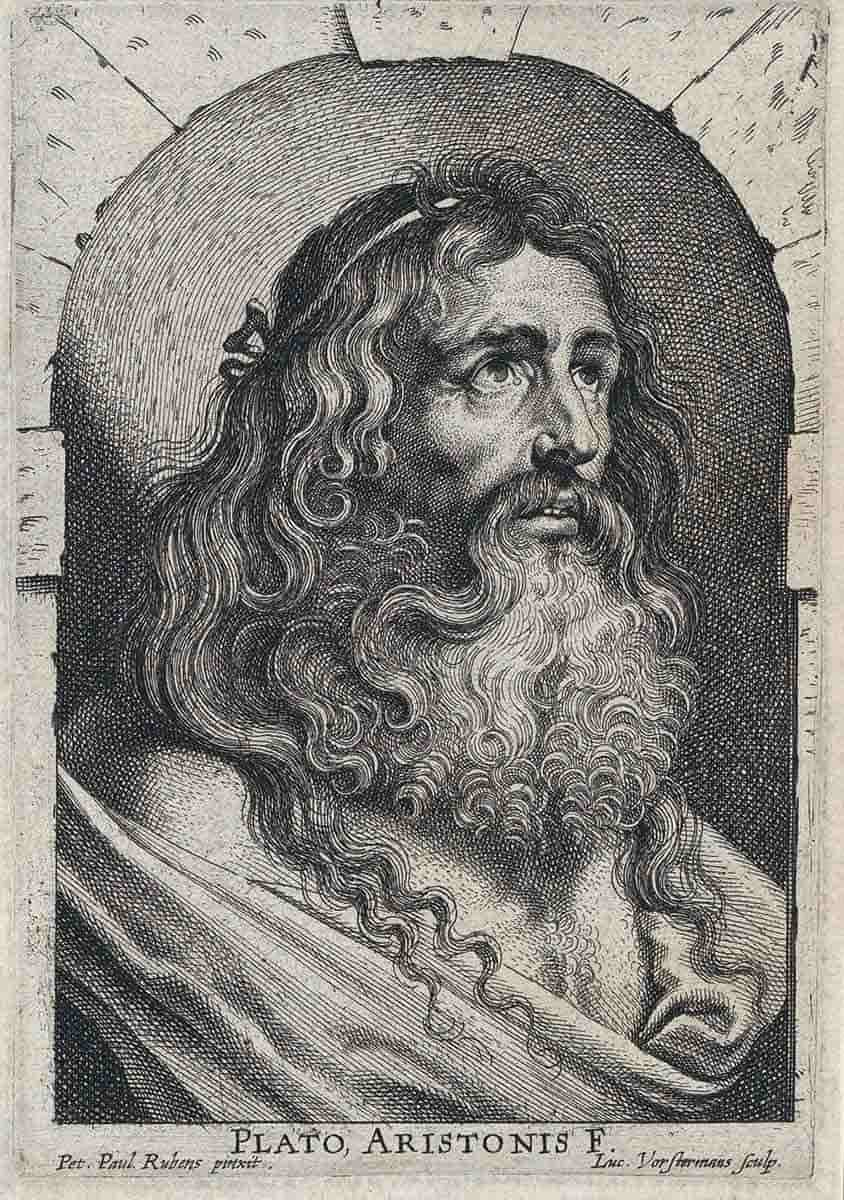
The Republic is one of Plato’s most important Socratic dialogues, i.e., a philosophical treatise presented in the form of a dialogue with Socrates as the protagonist and main conversant.
In the beginning of the work, we follow Socrates and a character named Glaucon, who happens to be Plato’s older brother. After visiting Piraeus for a religious ceremony, they are invited to Polemarchus’ house to discuss justice. There they meet the other conversants and a passionate discussion unfolds.
Initially, Cephalus, Polemarchus, and Thrasymachus define justice as:
- returning what is owed
- helping friends and harming foes
- what benefits the strongest
Unsatisfied with these definitions, the companions seek a new one.
After Socrates claims that justice is good in itself and in its consequences, Glaucon and Adeimantus counter that committing injustices can be more beneficial for one’s life. Then, Socrates urges his fellow conversants to study justice in the larger unit of a city and then, by analogy, apply the conclusions to the individual.
Subsequently, Socrates begins describing an ideal city which he calls Kallipolis (literally “good city”).
2. Plato’s Ideal City Divides Society Into Three Classes
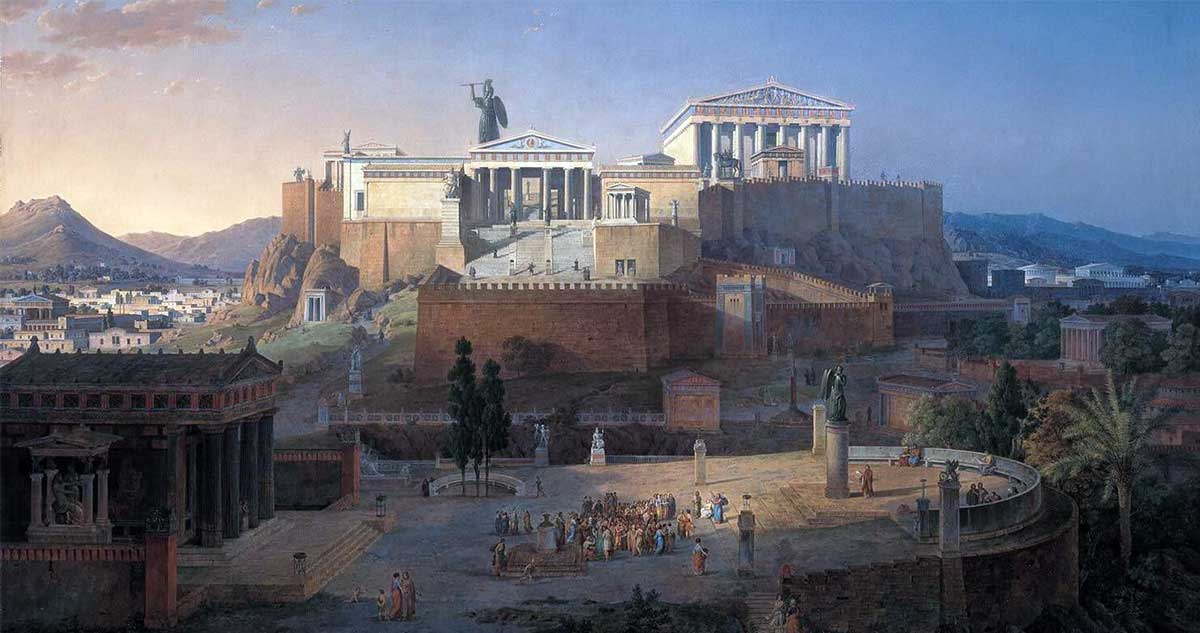
In Kallipolis everyone performs solely the tasks they are naturally inclined towards and are discouraged from working on anything else.
There are three classes in the city, each matched with a core virtue:
- Wisdom with the guardians, the ruling class.
- Courage with the auxiliaries, the warrior class.
- Moderation with the producers (farmers and artisans), the working class.
So far, we mentioned three virtues—wisdom, courage, moderation. The final of the four cardinal virtues, as they are known, is justice, which exists when the classes work in harmony with each other. To achieve this, education is key. Everyone, both men and women, is equally educated and allocated to the class they fit best, based on natural inclination instead of inheritance rights or wealth.
The auxiliaries must be well-educated in body and spirit. Their education includes arithmetic, geometry, astronomy, and music. Poetry and art are censored to tell stories that forge good and courageous citizens who protect the city and its laws.

The auxiliaries, who show an understanding of the Forms of Good—the idea behind the appearance of goodness—become guardians, philosopher kings who receive 35 years of training in philosophy, mathematics, the dialectic method, and political practice until they can lead the city. To ensure their loyalty to the city and not to profit or family, the guardians live communally, have no family, and hold no money or private property.
The aim is to make the whole city happy, not a particular class or individual. As mentioned previously, justice exists when the classes focus on their work and don’t meddle with others’. By analogy, a just individual holds the three parts of their soul—the rational, spirited, and appetitive—in balance. If this happens, the individual may come closer to the form of good and even achieve happiness. For Socrates, philosophy is essential in achieving this goal.
3. The Republic Is a Masterpiece of Literary Dialogue, Not Just a Philosophical Treatise

At first glance, Plato’s/Socrates’ argumentation might seem too abstract, but that’s not entirely true. Socrates constructs a whole world, a way of perceiving reality and, through it, justice. The argument that comes out of this world is a structure that cannot work without its parts; every stone is essential.
Whether you agree with it or not, the Republic is truly a work of art. The dialogue moves back and forth, from position to opposition, in a circle that gives birth to concepts that in themselves support new arguments. It is impressive that Plato presented complex issues in such a vivid manner.
4. The Theory of Forms Argues That Material Reality Is a Shadow of Truth

Central in Plato’s philosophy is the so-called theory of forms or ideas. According to it, the world we experience through our senses is a world of ephemeral appearances and shadows of truth. The truth exists only in the world of forms, where eternal, unchangeable, perfect forms/ideas reside.
Socrates argues that we need to study the form of the good to understand goodness, rather than looking at our world, where scattered pieces of the good survive in different things. Only after understanding the good can we approach the ideas of justice, beauty, etc.
5. The Allegory of the Cave Shows the Painful Journey to the Truth
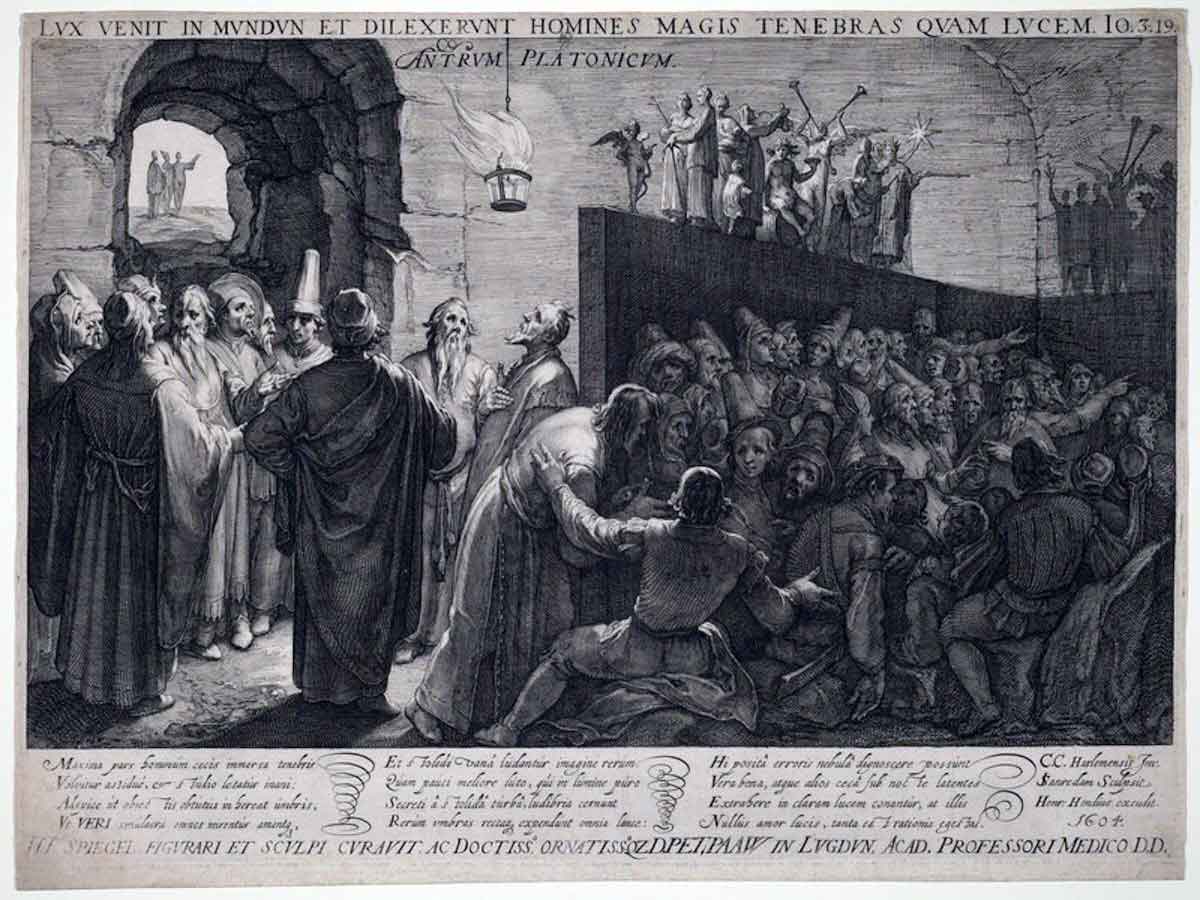
In Plato’s famous allegory of the cave, prisoners in a cave are forced to look at the cave’s wall. Behind, a fire burns. The captors hold objects whose shadows are cast on the wall. The prisoners have no sense of the world other than the objects’ shadows and the voices of their captors. Only if someone is liberated can they discover the truth.
A true philosopher (and leader) in this allegory is the person who will manage to escape the illusion of the cave and confront the true nature of the world. The philosopher will eventually manage to get outside, and face the sun (the Form of the Good, which is the source of all truth). But the philosopher’s moral duty does not stop there. The philosopher must return to the cave and attempt to free the others, even if they don’t want to be freed or be told that they based their lives on illusions.
6. The Ring of Gyges Is a Thought Experiment About the True Nature of Morality
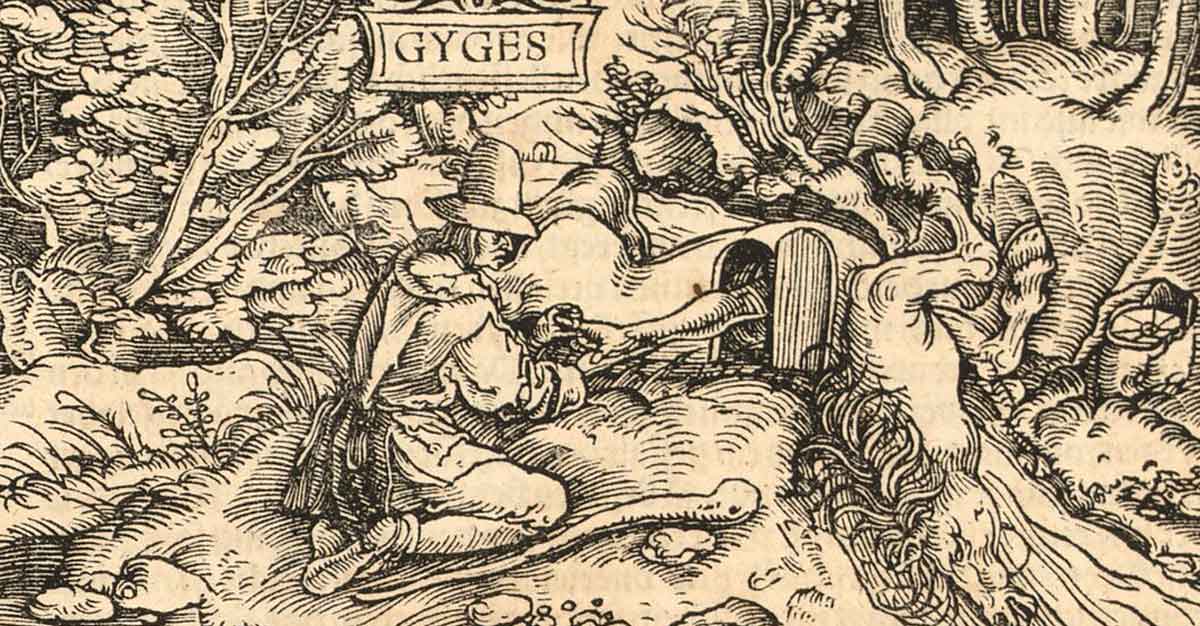
In an attempt to prove that injustice is natural and beneficial for individuals, Glaucon tells the story of Gyges’ ring.
In the story, a poor shepherd named Gyges discovers a magical ring that turns its wearer invisible. Gyges uses the ring to seduce the queen of Lydia, murder the king, and take the throne for himself.
Now imagine that two men receive two such rings. Wouldn’t they also steal, murder, commit injustices of all sorts since their actions are without consequences? Doesn’t this prove that being unjust can benefit someone more than being just?
At the Republic’s end, Socrates claims to have shown that justice is good for the soul. So if a man with the ring sticks to the just path, he’ll have a healthy soul and be happier than someone who chose an unjust path, like Gyges.
7. The Ship of State Metaphor Highlights the Flaws of Democracy
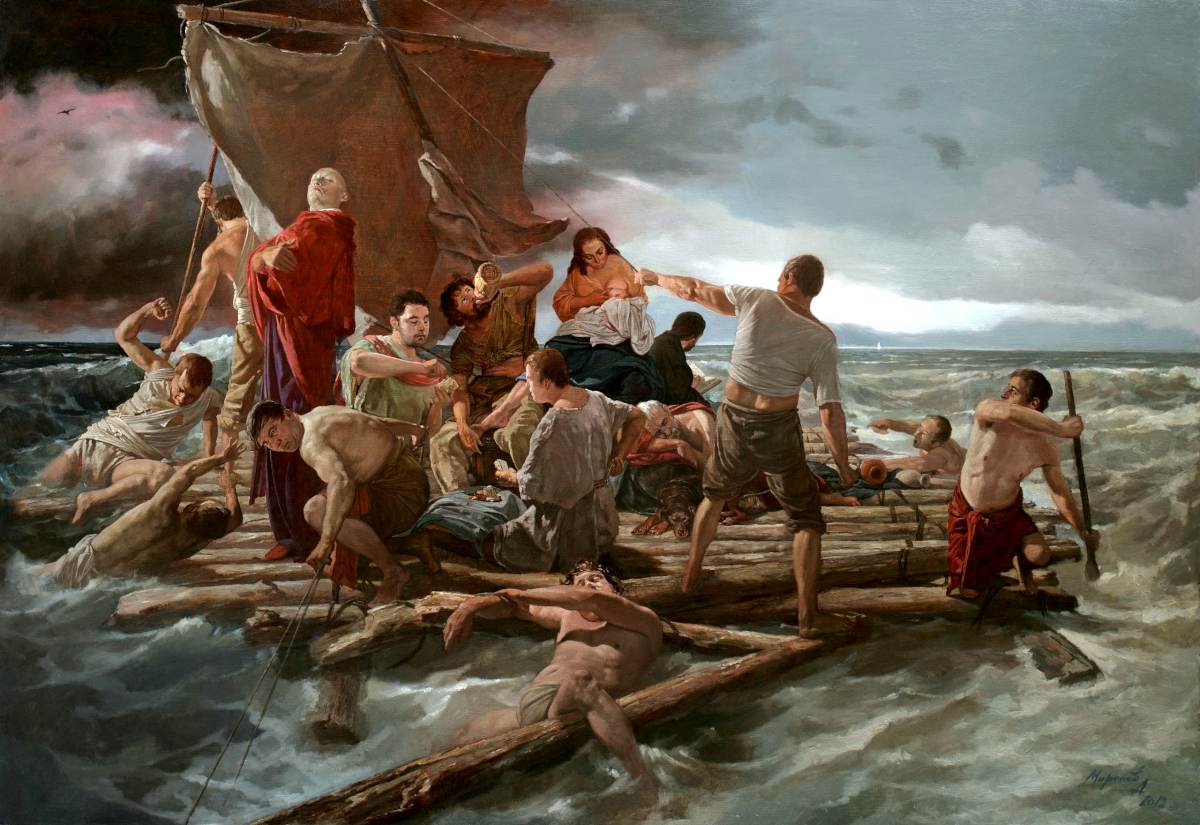
In the ship of state metaphor, the Athenian state is likened to a ship. The Athenians—the ship’s owners—choose captains based on traits like one’s height or strength instead of their expertise in the art of navigation. Everyone believes they are fit to be the captain, seeks to further their personal aims, and doesn’t even think that being a captain can be taught. In such a context, Socrates asks, wouldn’t the real captain—the philosopher—be called a star-gazer?
Democracy assumes that the many can govern themselves. In representative democracy, the many choose who governs. But Socrates believed that the many are not able to make sound choices. In the ship analogy, it is clear that the ones trained in navigation should be captains.
However, this gives rise to many questions:
- If the many cannot choose the best for the job, does this mean that democracy is flawed?
- Is the ship-state analogy even accurate?
- Is governance an art that can be mastered through education and/or practice? And should the experts in this art rule, even if that leads to a non-democratic state?
8. Plato Argued a “Noble Lie” Is Necessary to Maintain Social Order
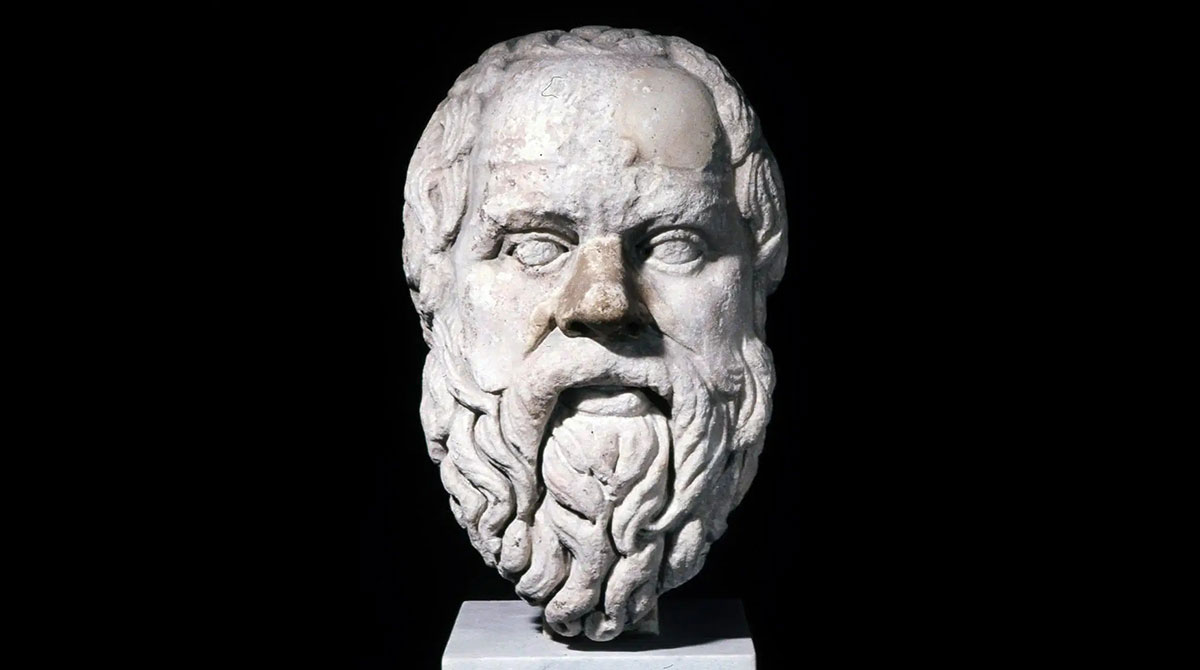
In Socrates’ city, there is no social mobility, while freedom of expression is limited. Also, the guardians are wholly detached from society and its problems. Thus, one can imagine that people would question the guardians’ authority.
To ensure stability, Socrates suggests founding the state on a “noble lie” knowingly perpetuated by the guardians. The lie would claim that everyone comes from the same mother—Earth—and that those fit to become the guardians have gold in them, the auxiliaries silver, the producers iron and bronze.
9. Plato Argues That the Just Soul Is Rewarded in the Afterlife
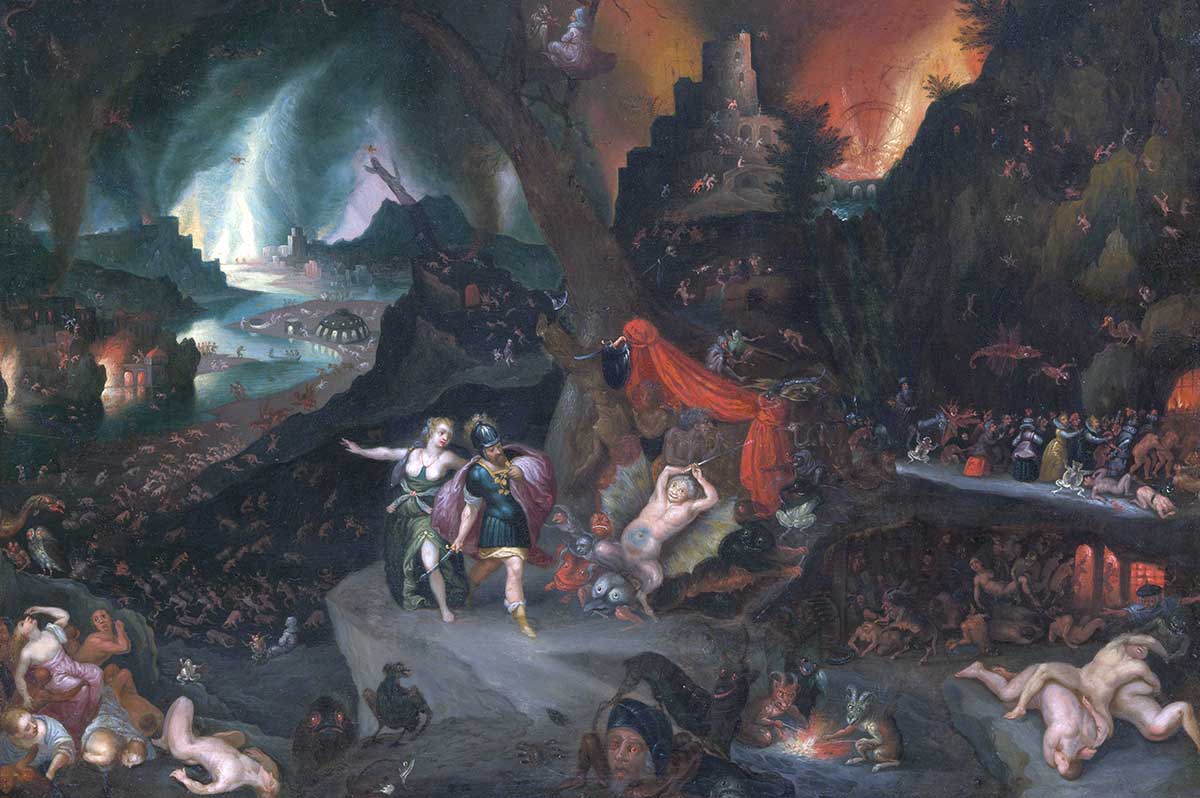
At the Republic’s very end, Socrates tells the myth of Er, a man who is reincarnated but remembers what occurred in the afterlife. He recalls that when the souls chose their new lives, they sought what they didn’t have. The animals wanted to be humans, and vice versa. Those rewarded in the afterlife carelessly chose lives with power and sorrows. Those who were punished chose more carefully.
There was, however, a way to ensure that someone always makes careful choices and even achieves happiness in this and the next life: to study philosophy to base judgment on eternal truths and not on the lies of the ephemeral world.