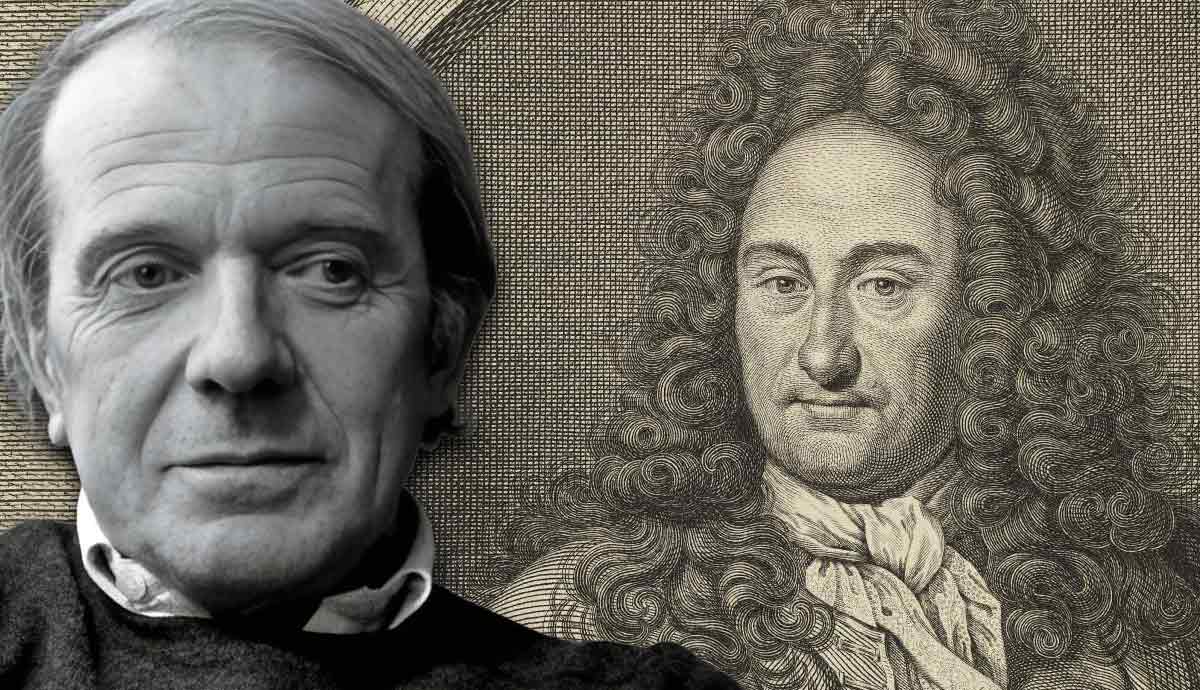

Ian Hacking’s philosophy is best summarized by a title he coined: The Philosopher of the Particular Case. Hacking used this title to indicate that he disliked making generalizations, a trait rare among philosophers. Hacking approached the philosophy of science through a bottom-up, historicist approach previously developed by Foucault. In doing so, he helped shift the philosophy of science away from a top-down view, as set forth by Popper and logical positivism. Heavily influenced by Kuhn, Hacking took science itself as the source for learning about the philosophy of science, not philosophy alone.
Hacking Used History to Explain Why the Present Looks Obvious

Using history to understand the present is one of Hacking’s central tools: the present is obvious, but becomes less so once its history is examined. He employed specific scientific cases and their detailed history to frame philosophical problems, as with the microscope, which he used to investigate the question of scientific realism.
Taking history more seriously than most philosophers and scientists, Hacking emphasized accurate historical anecdotes and evidence, since he saw how history shapes scientific concepts. This often led him to correct other philosophers’ examples when they lacked the sourcing rigor his own work demanded. He wanted his cases to do the arguing themselves, rather than starting from a conclusion and reaching for historical evidence to support it.
So while not a historian by training, Hacking had a historian’s instinct for staying minutely true to sources and for understanding the differences in translation and context that are so often lost, manipulated, or misunderstood in scientific and philosophical work that lacks this level of rigor.
Hacking Showed That Diagnosing a Disorder Can Help Create It

Hacking was particularly interested in categorization. Following in the footsteps of Michel Foucault, who himself followed the footsteps of Georges Canguilhem, Hacking undertook a historicist effort to understand mental health.
Through the lens of statistics, whose history he essentially wrote, human nature came to be understood in statistical terms: averages, deviations, Gaussian distributions. This shaped our present emphasis on normality and normalization in health and mental health.
To explore this, Hacking took up the case of multiple personality disorder: a diagnosis that appeared in a specific cultural context, became a significant societal concern, and then largely disappeared. Transient mental illnesses, as Hacking called them, require an ecological niche to thrive, whether or not they are “real” in any deeper sense.

This is why such classifications can take a long time to emerge and may disappear or change radically. They may need dedicated star therapists or researchers, or simply need to align with the cultural mood of the moment, to become part of the zeitgeist.
Multiple personality disorder became widely accepted alongside the emergence of the modern understanding of child abuse and the concept of dissociation. It is now known as dissociative identity disorder, a diagnosis whose validity remains heavily debated.
The Case of the Mad Travelers and Transient Illness
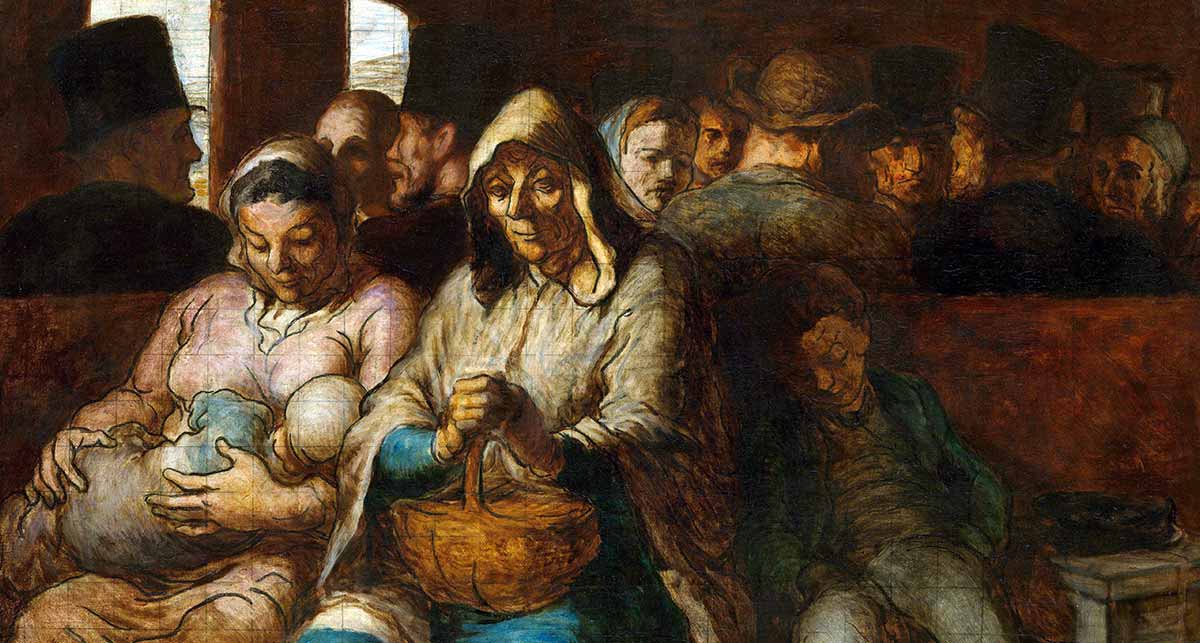
A less controversial case, viewed safely from a distance in time, is that of the mad travelers: the fugue epidemic of 1887 to 1909. Hacking tackles this case in his 2002 book Mad Travelers: Reflections on the Reality of Transient Mental Illnesses. It consisted mostly of men in continental Europe who took off traveling for days on end, with no destination, as if in a trance, driven by an urge, accompanied by the confusion of identity and memory. This was clearly a disorder, as it was self-destructive and often against the wishes and control of the subject.
The ecological niche here was the cultural obsession with travel in literature (as exemplified by Jules Verne’s Around the World in Eighty Days; the ease of travel in continental Europe) and the cultural context of popular romantic tourism and criminal vagrancy. Detecting fugue states was made easier in Europe by the strict policing of travelers. Given that the authorities were constantly hunting for military deserters, any man wandering between towns could have been quickly stopped and questioned.
In Hacking’s account, the ecological niche of a transient illness has four vectors: medical classification, cultural aspects, observability, and release.
This illness, which many today have never heard of, was inducted into the DSM-III in 1980 as psychogenic fugue. It never spread outside continental Europe.
Classifying People Changes the People Being Classified
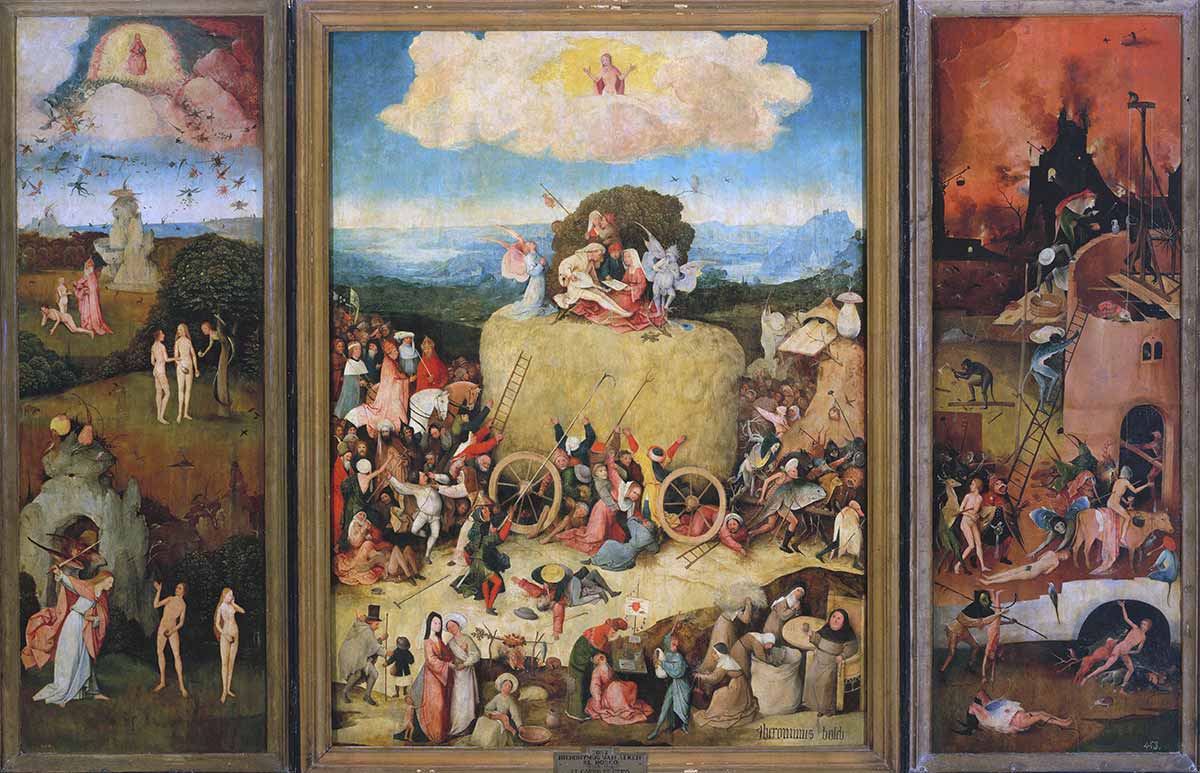
Through the lens of transient illness, Hacking argues that categories produce a looping effect between scientific classification and the people classified: classifications change those who become aware of them. He calls this view of the ontology of categories in the human sciences, medical and social, dynamic nominalism.
This means that there is no pre-existing category simply waiting to be found and labeled. Instead, categories and classifications emerge together, and the classification itself shapes a type of person into existence, a distinctly Foucauldian notion.
The extremely high rates of reported child abuse among those diagnosed with multiple personality disorder illustrate this well: child abuse became a leading diagnostic question, in part because it helped legitimize the diagnosis itself. The classification shapes the disorder; the resulting behavior generates further research, closing the loop. Hacking used this dynamic quality to distinguish the human sciences from the natural sciences.
Such classifications also tend to be morally loaded. The vocabulary the “abnormal” use to describe themselves and their experiences is typically supplied by science or therapy, which is why a common pattern in mental disorders is subjects reclaiming the diagnosis for themselves, as a way of wresting back some control over their own identity.
Hacking Said Experiments Drive Science More Than Theory Does
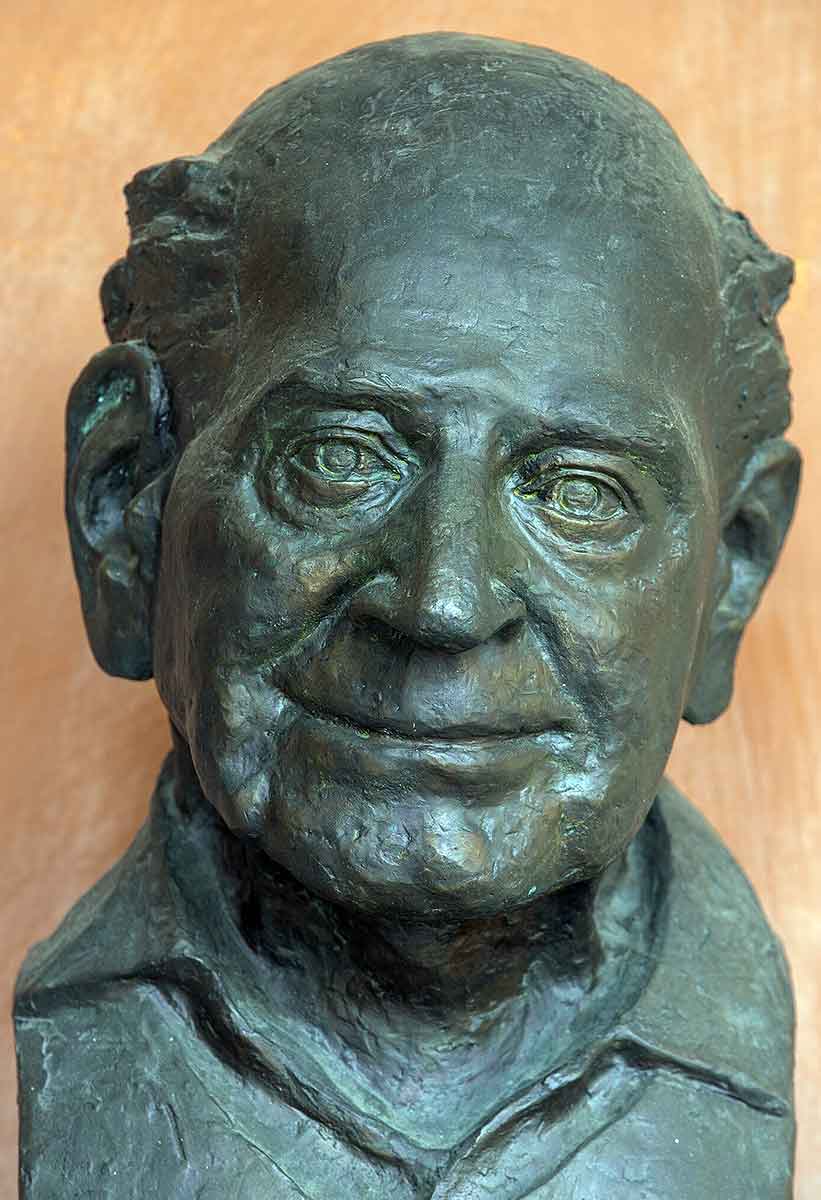
Hacking argues that experimentation is underappreciated relative to theory as the driver of science. The opposing view, that theory drives experiment, is argued most strongly by Popper, the great opponent of induction. Popper held that experiments are theoretically driven to such an extent that experimentalists are largely just confirming or denying theory that already exists.
Hacking distinguishes two levels of deductivism, weak and hard. Weak deductivism holds that all observations are theory-laden, that nothing makes sense without some theory behind it. This is true, but only in an overly general sense: without scientific theory as such, we can still make relevant observations.
Hacking rejects hard deductivism, Popper’s version, because unexplained experimental evidence has repeatedly, throughout history, been a primary driver of scientific understanding rather than a mere byproduct of it.
A Mineral’s Odd Optics Preceded the Theory That Explained It
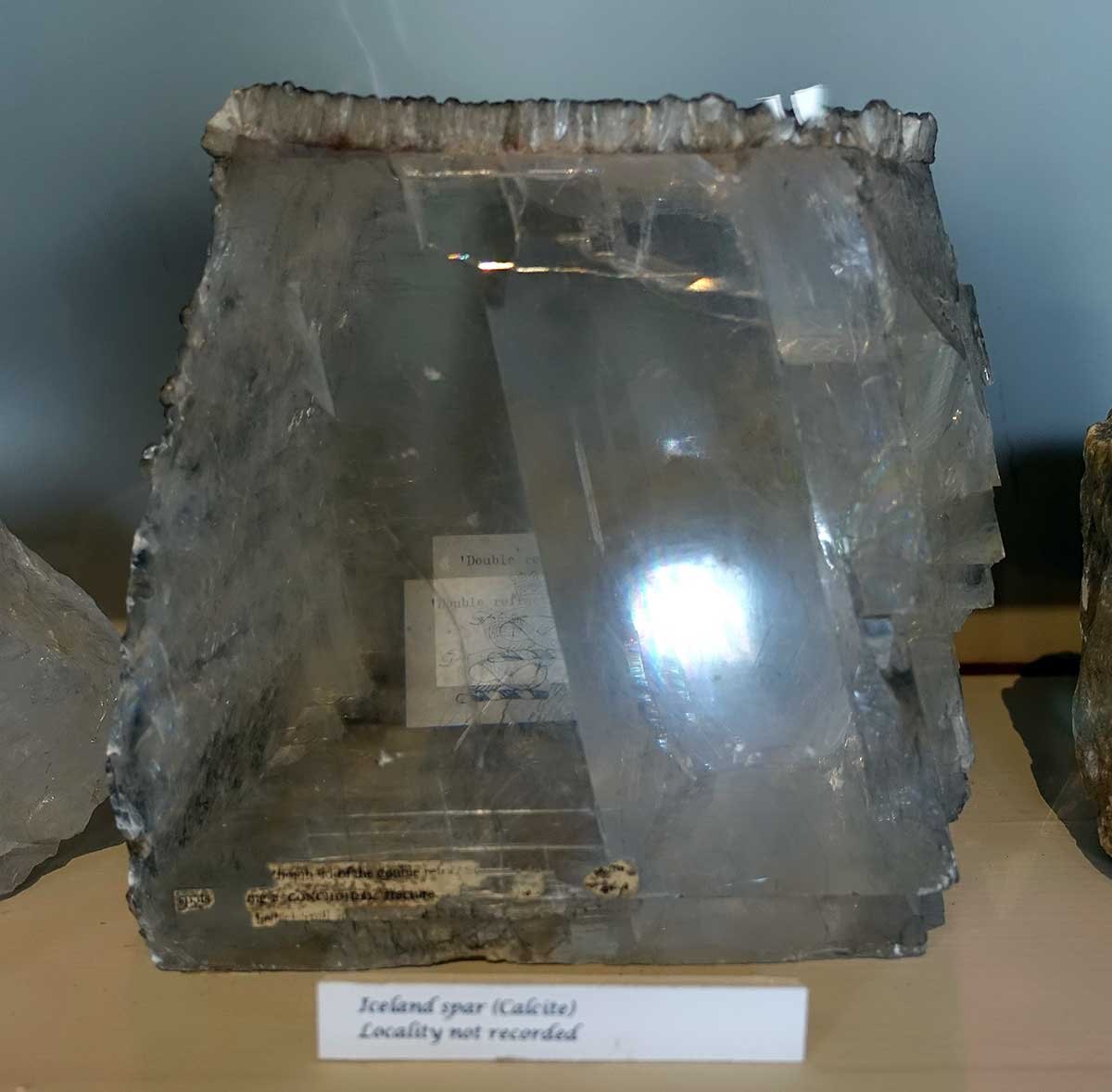
Hacking’s case here is Iceland Spar, a mineral that showed double polarization of light, a phenomenon the optical theories of the time could not explain. The observation and subsequent experimentation led to a new theory, and understanding was shaped not by existing theory, but by what ran against it.
Surprising findings can produce more information than theory predicts. They force scientists to revise their theoretical understanding or redirect their experiments. Exploratory, undirected experimentation is not always a weakness. Many major findings have come from accidents.
Nor is it only initial observations that can run ahead of established theory. Under quantum mechanics, experimenters found viable observations one after another while remaining skeptical of, or outright dismissive toward, the theory itself.
Science can also function reasonably well under a faulty theory, as it did for a time with the aether. Experimental results can speak for themselves and generate further experiments.
In sum, science operates across nearly every possible mix of theory and experimentation, sometimes with almost no theory at all, sometimes shaped mainly by it. Yet history tends to get rewritten as a tidy story of theory informing observation, rather than the messier reality of chance findings.
Hacking Says an Entity Is Real if You Can Manipulate It

Hacking takes a pragmatic view of scientific realism. Specifically, he endorses entity realism: unobservable scientific entities can be real if we can intervene on the world through them.
We cannot observe electrons directly, but we can measure their mass and charge, build devices around their behavior, and use them to predictably intervene on other entities. Treating electrons put to such precise use as a mere theoretical construct, as scientific anti-realists argue, seems overly skeptical. As Hacking (1983) famously put it, “if you can spray them, then they are real.”
An experimentalist rarely stops to ask whether electrons as entities are real. They can remain skeptical about specific theories of what electrons are, or combine several incompatible theoretical models in their working practice, without needing to be a realist about any of those theories in order to be a realist about the entity itself.
A useful contrast is neutral bosons, similarly unobservable but posited by theory. The difference, for Hacking, is that we currently cannot manipulate neutral bosons the way we manipulate electrons, if they exist at all.
Hacking’s realism focuses, therefore, on cause and effect, while anti-realists, like positivists, often focus instead on correspondence to reality. Even without knowing exactly what electrons are, we can still use them. The difference lies in how much weight we place on truth as a label, against how much weight we place on the capacity to cause things to happen.
Sources
- Hacking, I. (1983). Representing and Intervening: Introductory Topics in the Philosophy of Natural Science. Cambridge University Press.
- Hacking, I. (2002). Mad Travelers: Reflections on the Reality of Transient Mental Illnesses. Harvard University Press.
- Hacking, I. (2006, August 17). Making Up People. London Review of Books, 28(16). https://www.lrb.co.uk/the-paper/v28/n16/ian-hacking/making-up-people