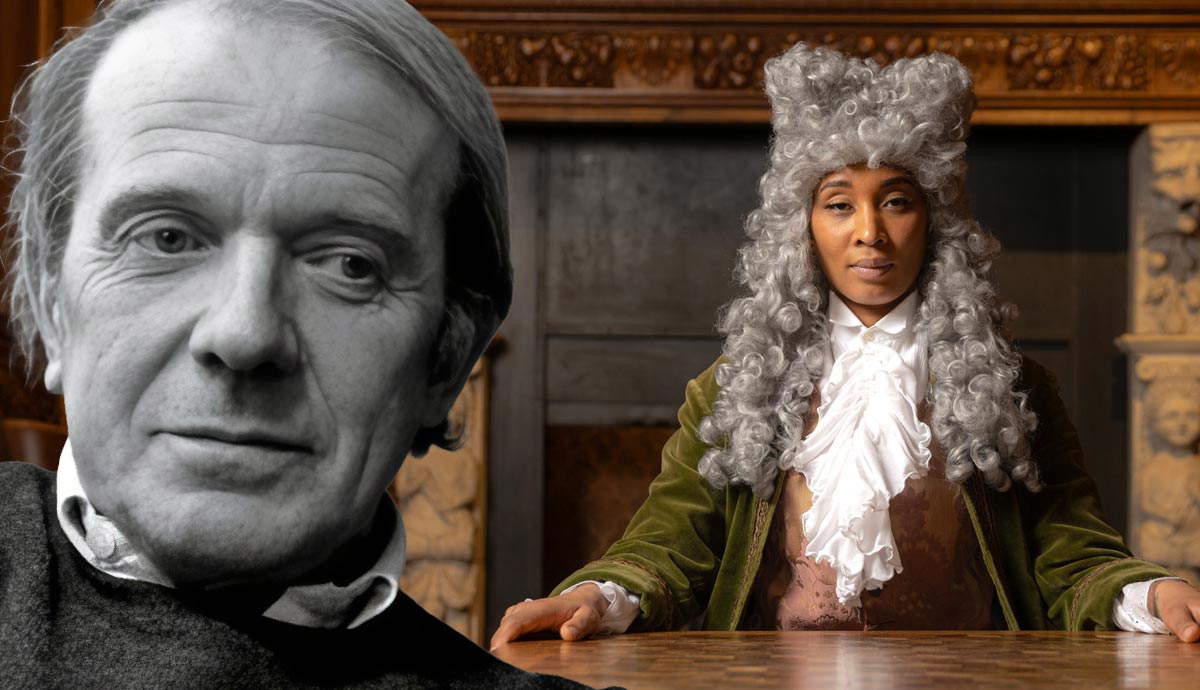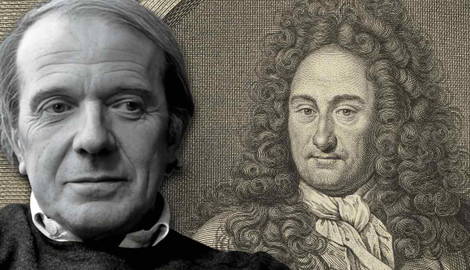

Leibniz invented the concept of possible worlds to explain why God chose this particular universe to exist. Deleuze accepts the concept of possible worlds while dismantling the theology that holds it together. The remainder is what one would term incompossibility without divine arbitration. This is a pivotal move that Deleuze makes in his book The Fold: Leibniz and the Baroque. We will attempt to trace the theoretical arc from Leibniz’s original doctrine to its Deleuzeian reinterpretation. What happens when divergence ceases to mark a boundary between worlds and begins to characterize the very structure of the universe?
Leibniz Said God Chose Our World From Infinitely Many Possible Ones
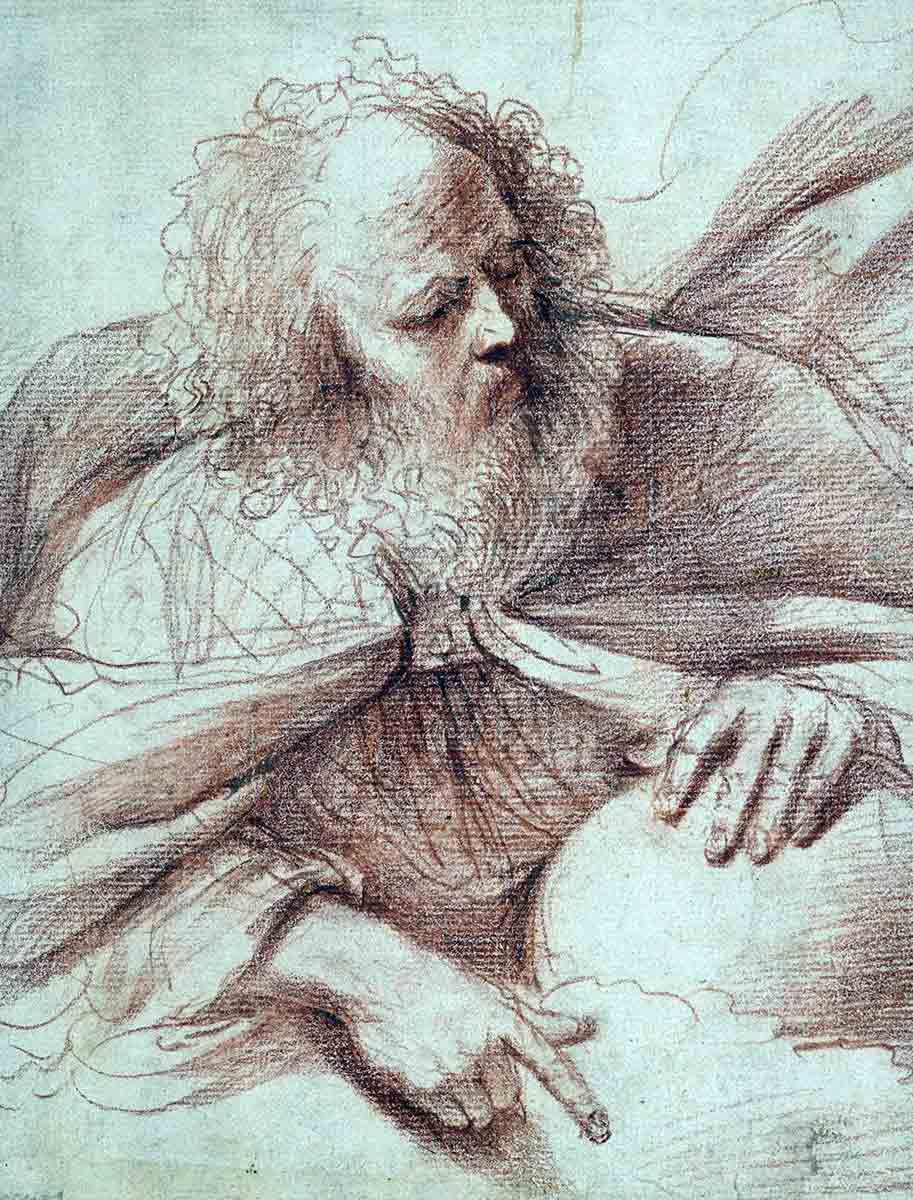
To understand Deleuze’s intervention, we should first reconstruct the original doctrine.
Leibniz elaborates on the possible world as being a coherent logical structure; a set of compossible events that could have existed if God had chosen otherwise. Possibility, in Leibniz’s system, has a very specific weight. It means more than something that can be imagined. It means that something fits within a complete, harmonious whole.
Prior to the selection and creation of one specific world (ours) – infinitely many possible worlds exist in the divine intellect. God surveys them all, calculating which combination of individuals, events, and relations yields the maximum richness, the greatest variety of beings with the greatest order and simplicity of laws. The one world God selects thereby passes from possibility to existence. The rest of the worlds remain as possibilities; they never become real.
It is within the realm of possibilities that Adam never sinned against God, that Caesar never crossed the Rubicon, and the Roman Empire never came into existence. But none of these scenarios belong to the “best of all possible worlds,” which means none were ever going to take place in our universe.
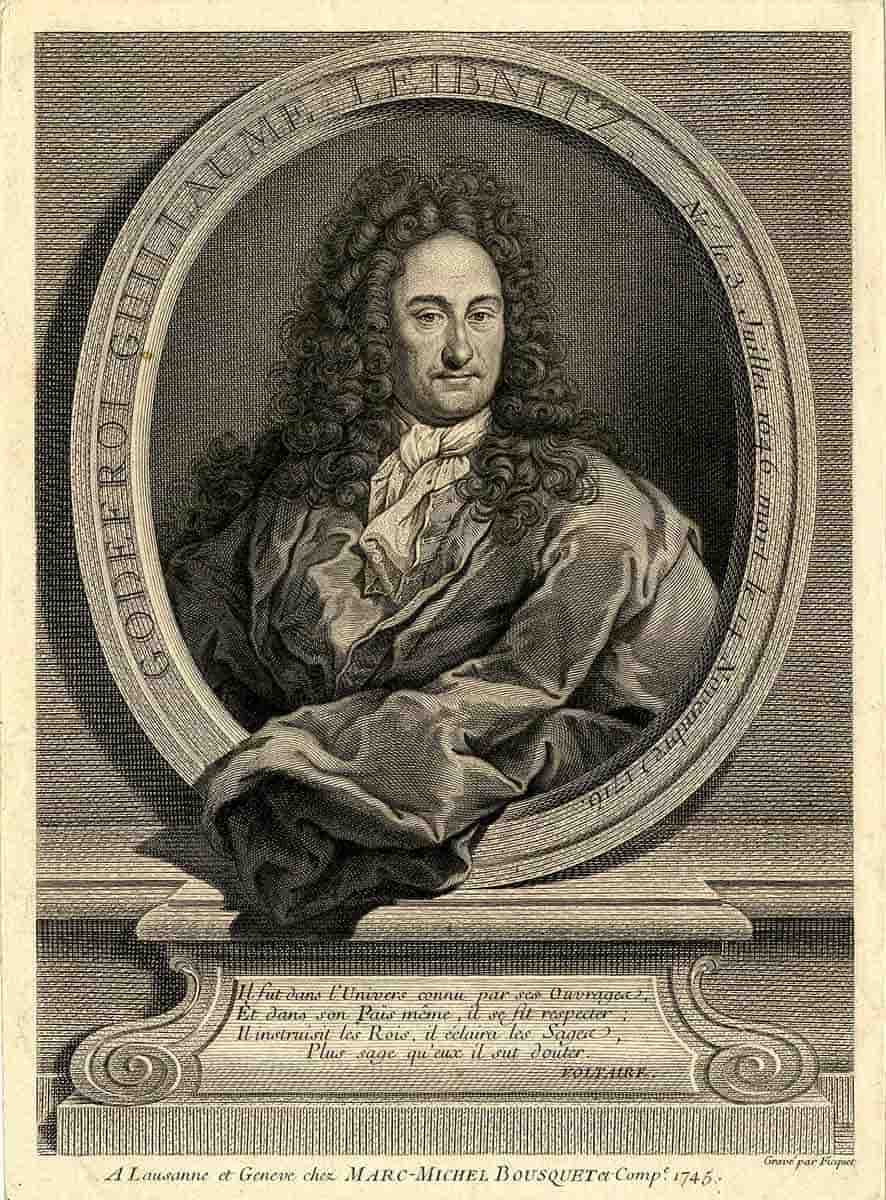
The framework has wider implications. It resolves some ancient problems about contingency. Events that happened need not have happened. Caesar’s crossing was not logically necessary in itself; it was only incompossible with other possible worlds; it was compossible with ours. But this does not make the determinism of events any less real.
The distinction between absolute necessity and relative certainty, a distinction Leibniz labors to maintain against Spinozist determinism, rests entirely on the architecture of possible worlds. What exists is certain relative to God’s choice, but it is not necessary in the metaphysical sense. Alternative scenarios were genuinely available, even if God, in his wisdom, did not select them.
Compossibility Is Leibniz’s Rule for Which Events Can Share a World
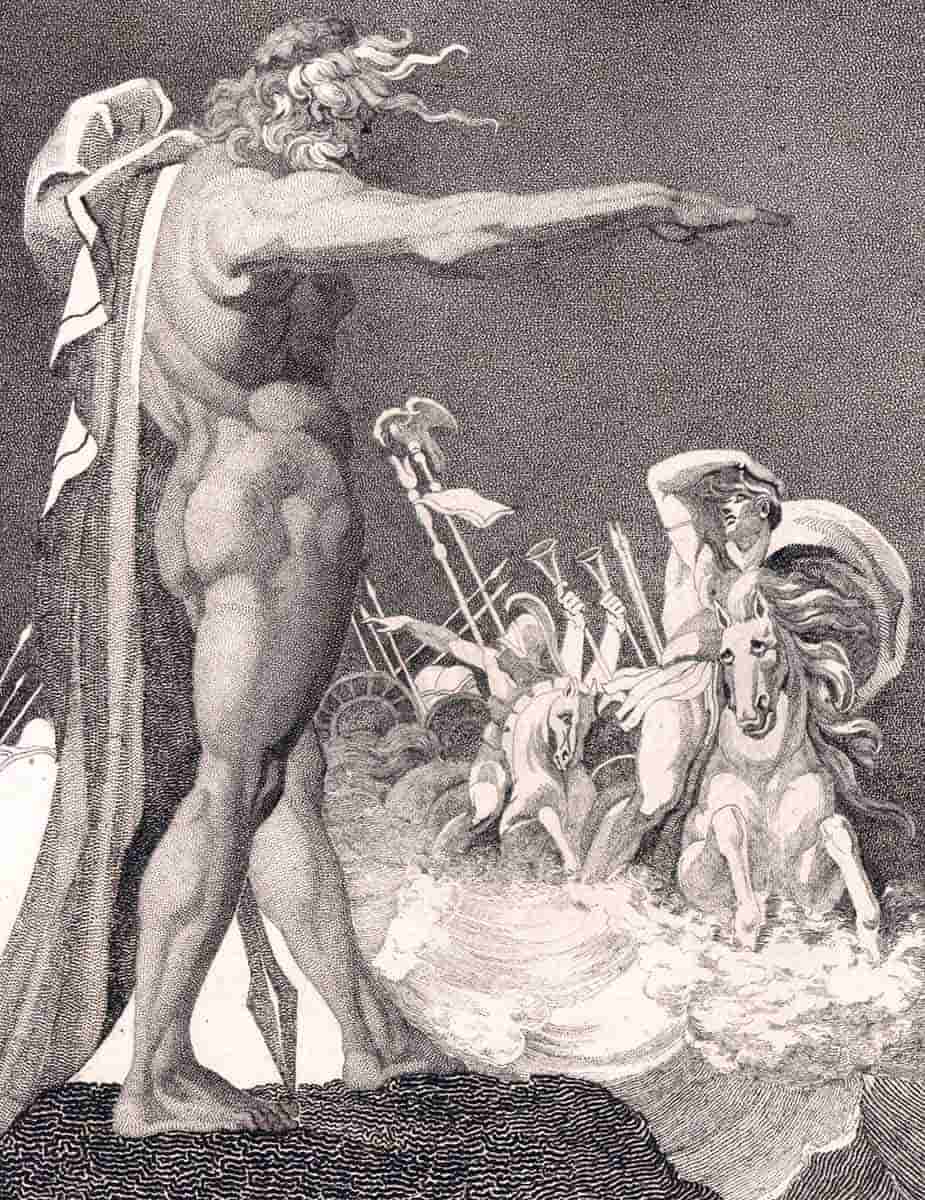
The concept of compossibility is Leibniz’s most distinctive philosophical invention, and Deleuze certainly pays his proper respects. Two events are compossible when they can belong to the same possible world without contradiction. They are incompossible when including both in a single world would produce a logical conflict.
Incompossibility is not just difference. Adam-who-sins and Adam-who-does-not-sin are not simply two descriptions of the same individual under different circumstances. They are, for Leibniz, two distinct individual notions, each belonging to a different possible world, each incompossible with the other. This is quite distinct from possibility in the normal sense.
The foundation for thinking possibility this way is Leibniz’s notion of substance. Every monad contains within itself, as predicates, all the events that will ever happen to it. The monad Caesar includes the predicate “crosses the Rubicon” within the totality of its concept. A different Caesar, though possible, would nonetheless be an entirely different individual with a distinct overall conception, belonging to a different world. It would be a different monad.
Identity is therefore irreducibly tied to the totality of one’s life, to the entire series of one’s predicates. To a world. Changing any predicate ramifies throughout the entire series of events, producing a different world. There is a sense in which Leibnizian determinism encompasses contingency.
What holds a possible world together is the convergence of series. Each monad expresses the entire world from its own point of view, and all compossible monads express the same world from theirs. Their series are convergent: they fit together harmoniously, each reinforcing and completing the others. Chaos, in Leibniz’s cosmological metaphor, is the sum of all possibles pressing for existence.
The world that exists is sifted through what Deleuze, following Leibniz, calls a screen; the screen allows only compossible events to pass through per given world. For Leibniz, God is the screen. God selects the convergent, harmonious, maximally rich world.
Deleuze Cuts God From the System and Lets Worlds Diverge Inside One Reality
Deleuze does not tamper excessively with Leibniz’s logical constructions: the convergent series, the divergent series, compossibility, incompossibility, these remain largely intact. He does, however, sever these structures from the theological function they were designed to serve. In this sense, one could argue, the intervention is quite drastic.
With Leibniz, incompossibility is a border concept. It marks the line separating the possible worlds. It serves as a justification for God’s selectivity and explains the closure of the actual world. Deleuze poses a subversive question: what if divergence does not mark a border between worlds, what if the world itself is in fact divergent?
In The Fold, Deleuze describes this shift as the passage from the Baroque to the neo-Baroque. Classical reason, the one Leibniz attempted to save at a moment of historical crisis, required an immediate resolution of the problem of divergences. The existence of contradictions was attributed to the conflict between different possible worlds pressing against the border of the real one. Within our world, such conflicts were ultimately resolved into harmony; a harmony that was pre-established and God-given.
The Baroque was, for Deleuze, the last great attempt to reconstitute classical reason by “dividing divergences into as many worlds as possible, and by making from incompossibilities as many possible borders between worlds.”
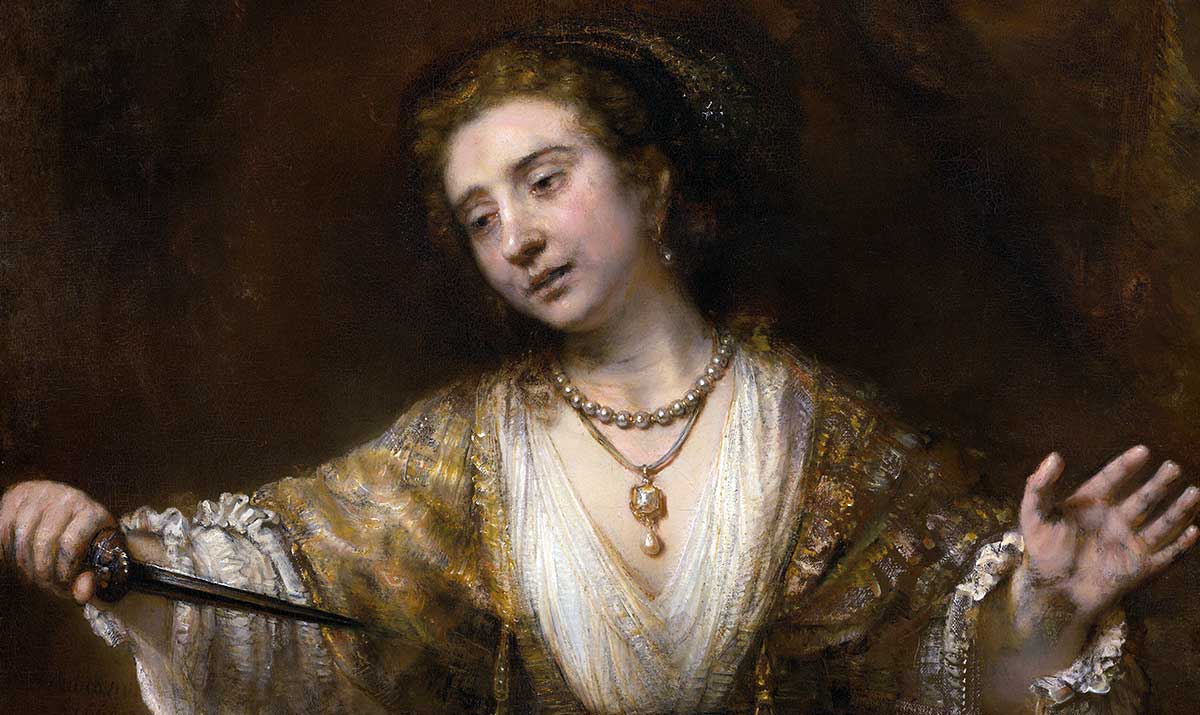
The neo-Baroque abandons this approach. Divergent series are now allowed to unfurl within the same world. Incompossibilities irrupt within the stage of the actual world. Sextus both rapes and does not rape Lucretia, which was the founding crime of the Roman Republic in Leibniz’s view. Caesar crosses and does not cross the Rubicon. These are not alternative scenarios assigned to different possible worlds by divine selection. They are co-present in a world no longer governed by God.
As Deleuze explains, God ceases to be a Being who compares worlds and selects the richest combination. He becomes Process: a process that affirms incompossibilities and passes through them rather than resolving them. This is a radical new ontology and a powerful departure from classical Leibniz.
Deleuze’s Leibniz Runs Straight Into Whitehead and David Lewis
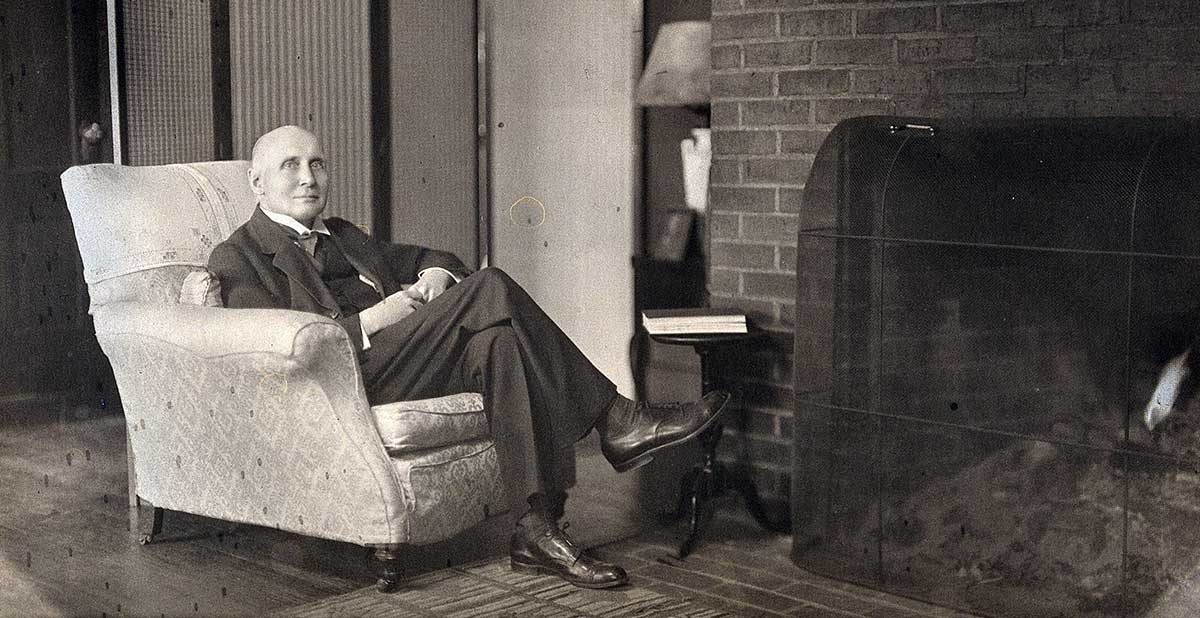
Deleuze shows how the Leibnizian world rippled through analytic philosophy as well. The Fold makes this connection explicit, referencing Alfred North Whitehead as an example.
Deleuze describes Whitehead as the true successor to Leibniz. Whitehead, he says, was a philosopher who independently arrived at many of the same problems as himself. For Whitehead, prehensions, inspired by monads, are not closed like the Leibnizian monads. Each prehension is open onto the world. It is directly connected to some prehensions while excluding others. Whitehead’s picture does not require pre-established harmony; it is clear how this was an inspiration for Deleuze.
The analytic tradition’s engagement with possible worlds runs through David Lewis as well. Lewis established modal realism: the view that possible worlds are as real as the actual world. The only difference is a matter of access. We just happen to be inhabiting the real world, not the possible ones.
Lewis’s framework inherits the basic Leibnizian architecture: possible worlds are maximally consistent totalities, and individuals exist in only one world at a time. What Deleuze does, as opposed to Lewis, is to refuse the assumption that possible worlds must be consistent totalities at all. If divergent series can coexist in the same world, then the very concept of a “world” as a closed, coherent totality is brought into question.
The contrast is sharpest around the concept of transworld identity. For Leibniz and Lewis alike, an individual cannot literally inhabit two possible worlds simultaneously. The Deleuzian neo-Baroque move is to allow the bifurcation to reside within the same ontological space. This is not a logical contradiction. It is an alternative view of reality. The world is thereby understood as an open multiplicity where incompossibilities coexist.
Deleuze Turned Leibniz’s Closed System Into an Open World of Difference
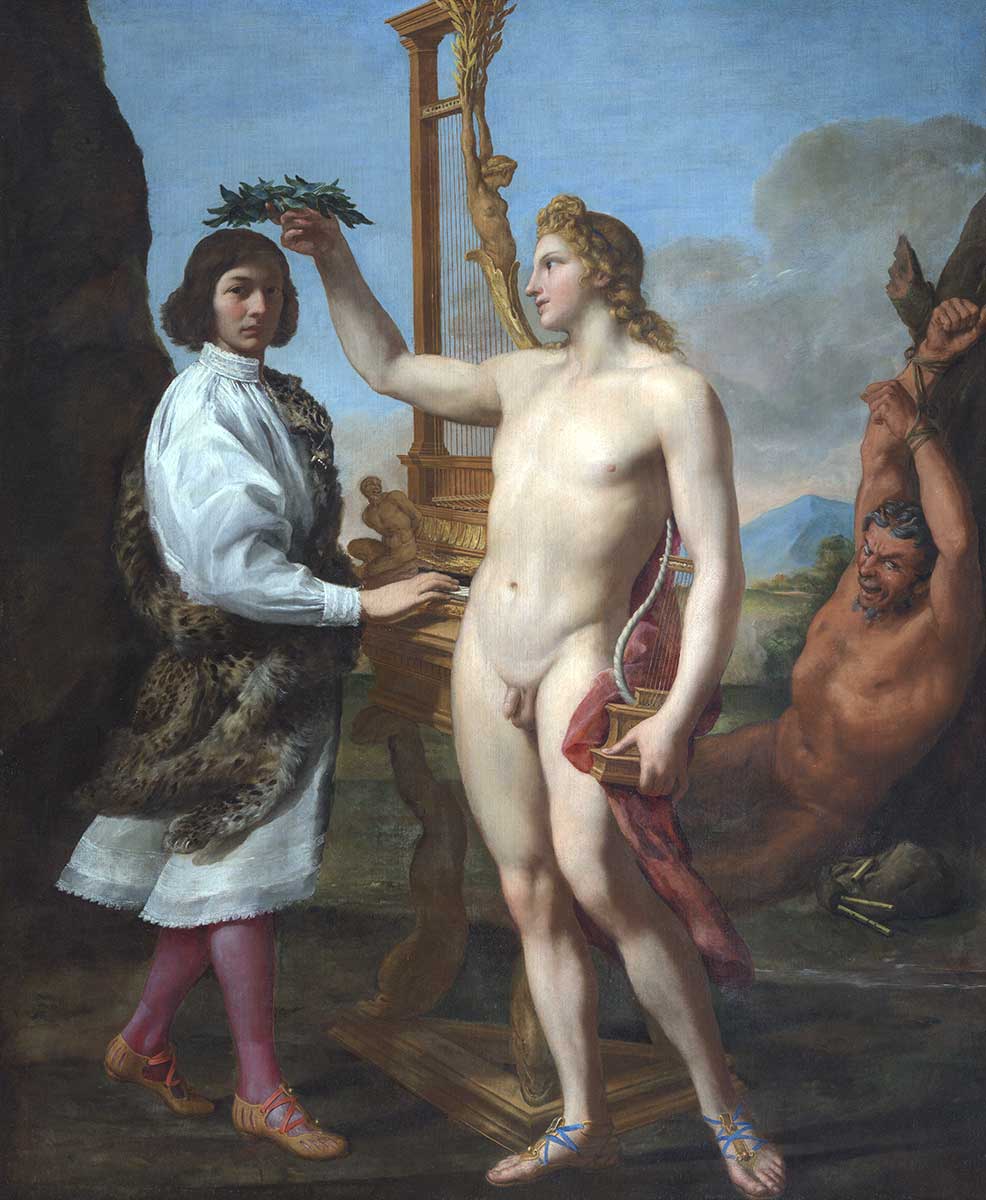
The current series of articles traced a path through Deleuze’s The Fold, moving from the general concept of the fold itself, through the two floors of Baroque metaphysics, the Leibnizian monad, Deleuze’s reshaping of it, and forward onto the question of possibility that grounds and unsettles the whole system.
Leibniz used incompossibility to explain why God chose this world rather than another, and to incorporate the contingency of events into his deterministic world. Deleuze traverses the concept, turning it into a tool for opening up the world.
A world structured by incompossibility without God is a world where identity is liberated from the totality of a closed concept. It is a world where divergence, bifurcation, dissonance, and other rhizomatic tensions become constitutive. We are confronted with a world where novelty becomes possible. Deleuze’s Leibniz is an altogether different creature. It is a philosophical metamorphosis that results from pressing the Leibnizian machinery to its breaking point.
The fold has functioned as the operative concept: it connects matter and soul, inside and outside, the visible and the legible, the possible and the real. With Leibniz, the fold closes possible worlds off from one another. With Deleuze, the fold unfurls, and the worlds communicate.
Deleuze carries not the inheritance of a Leibnizian system, but that of a Leibnizian problem: How does the infinite variety of the world cohere without being reduced to a single principle that eliminates difference? Leibniz’s answer was the screen, God, and pre-established harmony. Deleuze’s answer is a world without closure, a “chaosmos” of divergent series where an irreconcilable, productive polyphony replaces harmony. Reading The Fold is an encounter with a resurrection of Leibniz, so real and animated, that it is almost unrecognizable.