
For Aristotle (384-322 BC), bravery means acting nobly when confronted with danger. He considered bravery in battle the exemplary instance of this virtue, which may make it seem outdated. However, every day, bravery is called for more than ever. He wrote at least two, possibly three (opinions differ), treatises on ethics. The best-known is Nicomachean Ethics, which contains his most important teachings on the art of leading a good life, teachings that remain relevant today.
Understanding Fear, Risk, and How Aristotle Defined Our Response to Danger
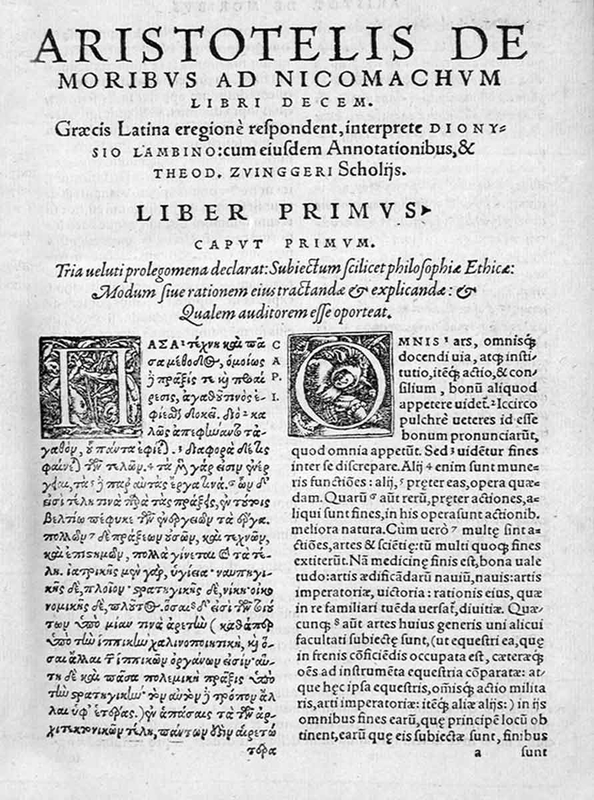
In Nicomachean Ethics (Book III, sections 6-9), Aristotle, discussing the virtue of bravery, explains that bravery is the mean between confidence and fear, these two dispositions being inversely proportional: an excess of fear involves a lack of confidence (and vice versa). Although bravery is a mean, Aristotle explains that it consists primarily in opposing what inspires fear, since it is more difficult to endure pain than to abstain from pleasure.
Fear arises from the anticipation of evil. It is not therefore a mere feeling, but a belief or judgment that anticipates future loss or harm. Not all fears are bad, nor do all concern bravery. It is healthy and beneficial to fear what might harm our character or reputation. Also, one is not brave if they are fearless in the face of just punishment (which borders on shamelessness). Rather, one should feel remorse, and fear the vice that contributed to the crime.
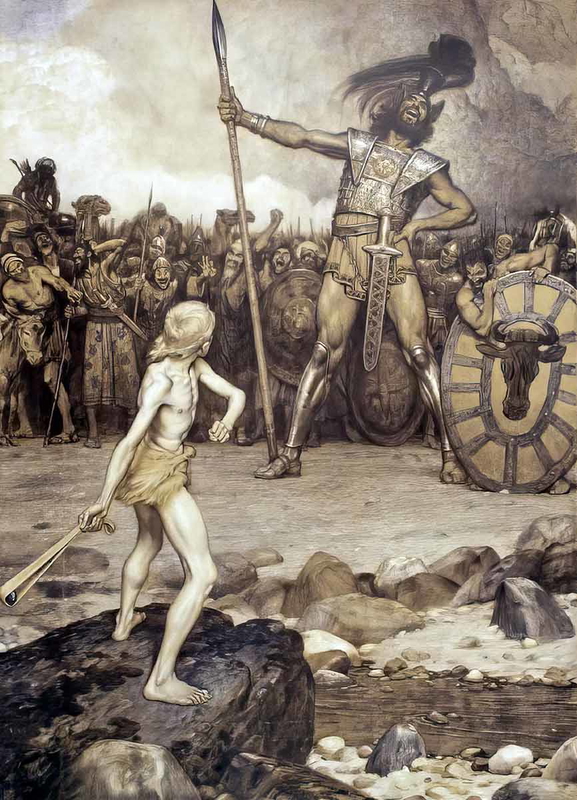
In defining the type of fear to which bravery relates, Aristotle sought the paradigmatic case by identifying the most extreme example of fear: death. He then identified the noblest way to exemplify fearlessness in the face of death, which he thought was bravery in battle, for in such extreme exigencies, one’s qualities of character can shine through. Bravery, therefore, consists of standing firm when one’s all is risked.
Finding the Golden Mean Between Rashness, Cowardice, and True Courage
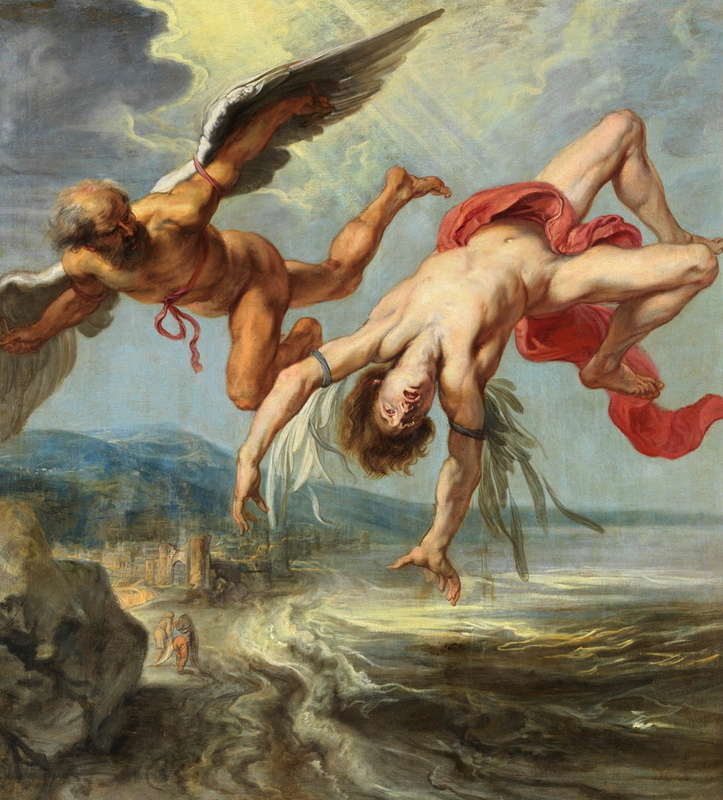
Although we may react differently to terrible situations, some are beyond what human strength can endure (e.g., terrible earthquakes or floods). Bravery concerns only those trials that one can endure. The brave person engages the particularities of an action— duration (how long an act lasts), timeliness (when an act is performed), objects (to whom or what the action is directed), instruments (the tools or means used), manner (how the action is carried out), and motive, appropriately—and for a noble end or because it would be shameful to submit, renege, or flee. Bravery as a mean means that we fear what should be rationally feared (and don’t disregard the risks), but that we nevertheless press forward as reason dictates.
The vice of excess can manifest in two ways: first, while exceptionally rare, is a person who fears nothing at all, whom Aristotle calls mad or insensible; the more common form is rashness. The rash person is not brave because they do not desire to stand their ground for a noble end.
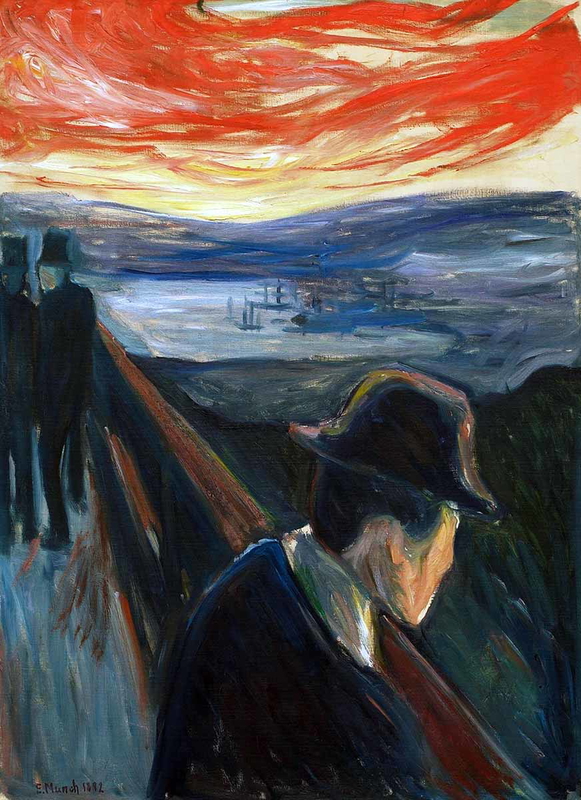
The rash person wishes to appear brave and, from this desire, overextends and overestimates themselves, taking on more than they can handle. For this reason, they do not act as the brave person does, for when faced with difficulties, they are confronted with the truth of their false confidence and falter. The rash person is a mixture of cowardice and the zealous desire to seem courageous.
The vice of deficiency is cowardice. The coward fails by having too much fear or by fearing what should not be feared. Aristotle remarks that such a person may be prone to despair. They may find themselves incapable of acting, moving forward, and meeting new challenges successfully, thus being unable to grow or live life. The coward, rash, and brave person are all confronted with the same facts but react differently to them: the difference between living well and slipping up.
The 5 Types of False Courage, Skill, and Imitation Bravery
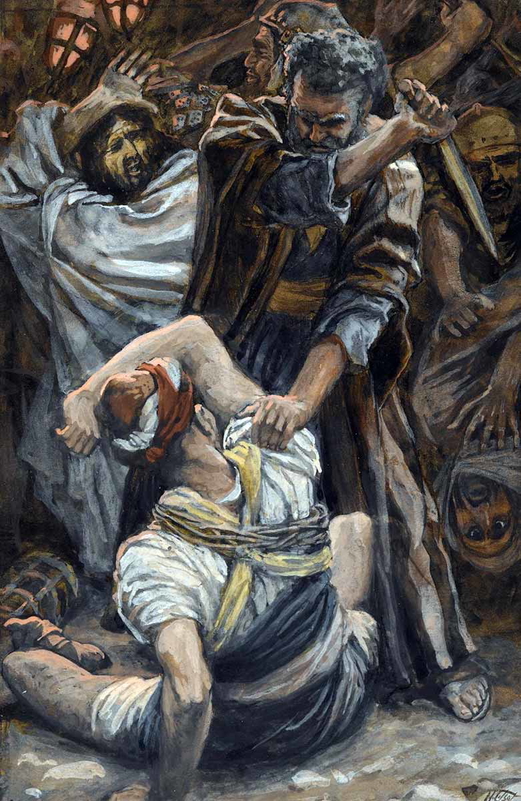
Aristotle separates out false from true forms of bravery. First are those who face danger out of fear of punishment or a desire for glory, but these motives make them unreliable since they are not motivated by a firm commitment to achieving noble ends. Second are those who act bravely due to their experience or skill. But when facing unfamiliar threats, they may hesitate, making their bravery only apparent.
Third are those who passionately defend themselves when provoked. They are guided by emotion, and while passion may aid bravery, it does not define it. Fourth are those who are confident because of past successes and act bravely because they expect to succeed. This makes their confidence situational rather than based on stable character. Finally, there are those who act bravely out of ignorance. But this is not true bravery because virtue requires acting with choice from a place of knowledge.
Everyday Heroes, Resistance, and What True Bravery Looks Like in the Modern World

Bravery, for Aristotle, is about facing danger by choice to achieve what is noble. Acts such as conscientious objection to war, resistance to anti-democratic actions in a democratic republic, whistleblowing, upholding journalistic integrity, fighting against powerful corporations or leaders who threaten the environment, and providing humanitarian aid in perilous situations, therefore, would all constitute acts of bravery.
Bravery is doing what’s right even when confronting overwhelming opposition, defending the good and the true despite pressures to conform to what is ignoble or popular. Bravery is good for us since complicity with evil harms the soul and compromises happiness and integrity. Bravery is also praiseworthy because it demonstrates the priority given to the good despite pressures to cave. The brave person actively opposes adversity and endures suffering, sometimes death, for noble causes, demonstrating to all what nobility humankind can achieve, against what misanthropes might like to think.