
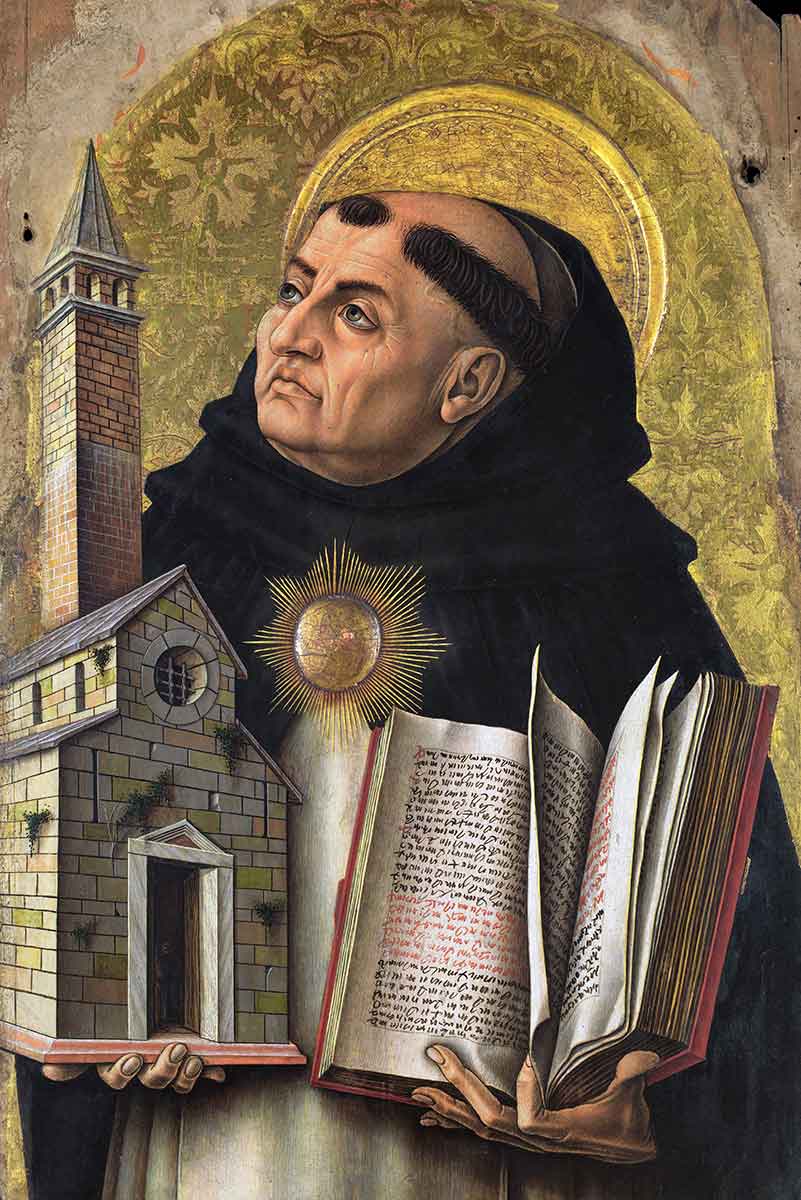
We often suppose that our thoughts and feelings are utterly private and concealed from the view of others. But for medieval philosopher, Thomas Aquinas, the so-called Angelic Doctor of the 13th century, the private fortress of one’s mind is without a ceiling and completely transparent to its Creator, who knows every being by knowing His own essence. Understanding the reasons behind this claim is critical to grasping the Scholastic universe and the connection between God and the human mind.
To Whom Is the Mind Hidden? Aquinas and the Interior Life
Descartes endeavored to prove the existence of other minds and the world by starting with what was inside his own mind, making the contents of the thinking subject the sole ground and proof of truth. Mill’s harm principle says nobody has the societal authority to interfere with one’s liberty so long as one is not bringing about immediate harm to others.
Both epistemic and political views yielded the modern notion of what might be termed “subjective individualism,” wherein knowledge becomes a function of the self, and the “political animal” of Aristotle becomes an isolated individual bereft of social existence. Such views, along with the naturally self-reflective or introspective nature of consciousness, wherein we can reflect upon ourselves and thoughts without limit, easily give rise to an illusion of mental privacy.
Bible Hub’s Topical Encyclopedia defines “divine surveillance” as the idea that “God is omnipresent and omniscient, continuously observing and knowing all things in the universe, including the actions, thoughts, and intentions of human beings” (Bible Hub, 2026). Aquinas agrees that divine surveillance is an essential and necessary feature of reality, being a logical consequence of God’s omniscience.
However, the “grossness of the body,” and the fact that we are prone to hiding our thoughts, make our minds unknown to others in this life (Aquinas, 2017, ST I, q. 57, a. 4). This comes with two qualifications.
First, such concealment is only temporary; when we have glorified, resurrected bodies, the “brightness of the body will show forth the quality of the soul” such that the soul’s interior qualities will be present to others, whereby we will come to know their minds.
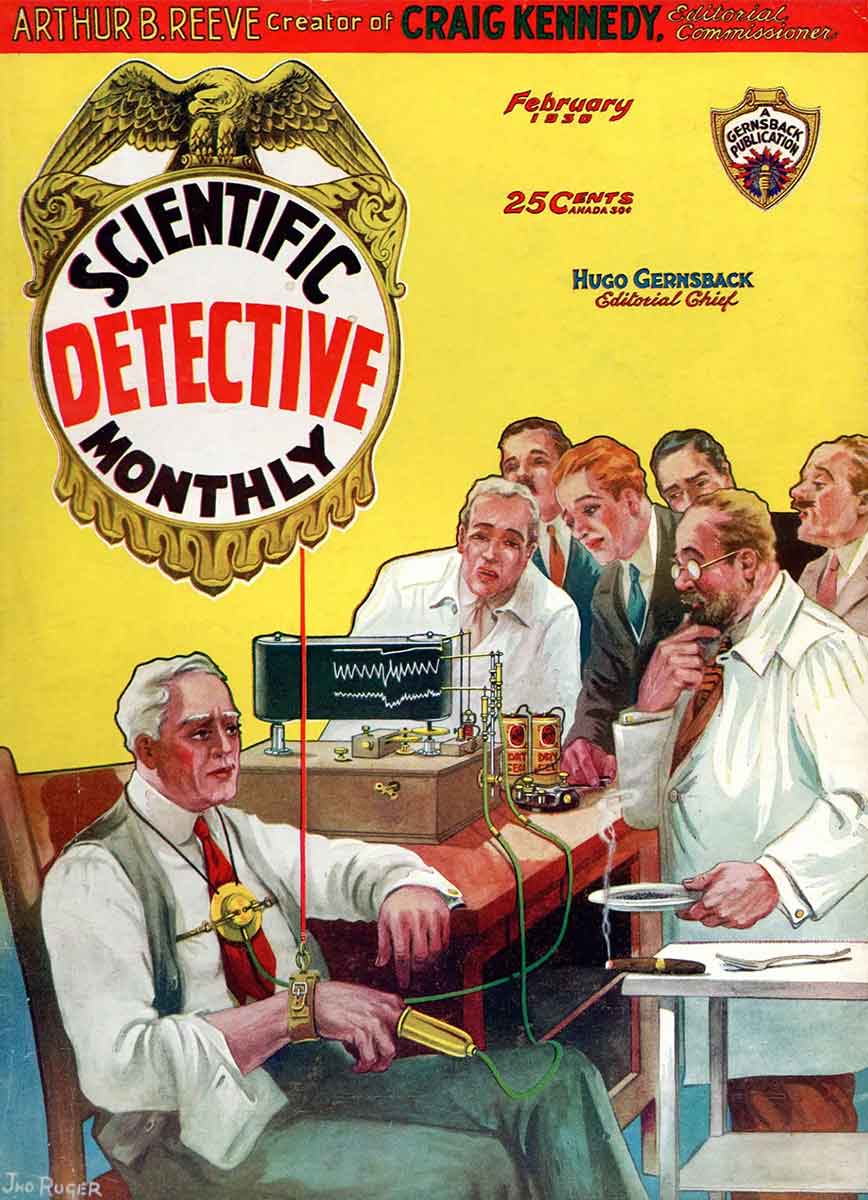
Second, even now, we are not as mentally private as we might imagine, as our countenance, speech, and dispositions often unintentionally reveal our true feelings or inner thoughts. Aquinas adds that even a physician can detect emotions by analyzing a pulse, and that humans (along with the angels and demons with greater skill) can infer our mental states by observing our actions (Aquinas, 2017, ST I, q. 57, a. 4).
Surely, the Human Mind Is Not Hidden From God
But things are altogether different with God. God knows all of us without remainder. All aspects and modes of our dreaming lives and waking selves, both now and in the future, along with every thought of the heart and affection of the will, are laid bare before Him. All motions of the will, and all things, are indivisibly and simultaneously present to Him in His eternal life.
Even more, all things are pre-known to Him prior to their creation, for He knows all things as their first cause. And by knowing Himself, He knows all things as His effects, much as an architect sort of pre-knows a building by being the author of its construction plans.
One may think that this makes us God’s automata. But a fervent Thomist would respond that we are only free because God equipped us with the rational powers and conscious inclinations toward what is good, through which we can choose our ends from among the opposing terms of choice.
A world consisting only of measurable quantities, whose positions and momenta can be predicted exactly given an initial state, could never engineer us in this way. For if two substances share no attributes in common, one cannot produce the other, no matter how many combinations that substance might produce.
Why God Must Know Your Thoughts According to Divine Causality
Your intentions exist in your soul before you act on them, and you are their initiating cause. And God knows them as the first cause of the power to act, experience, or remember, at all. Your inner life, shaped by your thoughts, is even more intelligible to God than your body is.
This is because God knows things through their causes and essence, and your will and intellect are realized acts or essential movements of your soul, which your body then acts out. God’s “knowledge extends as far as His causality extends,” and this includes the created rational soul, its acts, and the power to act (Aquinas, 2017, ST I, q. 14, a. 13).
Aquinas’s metaphysics centers on his arguments for God. The Thomistic universe always traces back to the idea that all causal chains require a sustaining First Cause. Even an infinite series of causes, like a hypothetical perpetual motion machine made up of an endless number of gears and cogs, cannot explain its own existence or the originating source of its power.
Similarly, every secondary or accidental change in a series depends on the simultaneous, ongoing influence of an unmoved and noncontingent mover that is Pure Act, “fully real, complete and perfect” and “first in existence and being,” which constantly preserves the actualization of changes and the existence of contingent things within that system (Kreeft 1990, 23).
Human and Divine Knowledge
For Aquinas, we first apprehend things by assimilating within ourselves the form of the object through the action of our knowing powers upon sense data, which abstracts them to a level of immateriality. This allows us to understand the formal and differentiating essence (“whatness” or quidditas in Latin) of the thing.
God, however, knows forms as instantiated in particular things by being the productive principle of both form and matter. In this way, He necessarily knows individual things as they are in themselves by being their active principle and containing the likeness of all things within Himself (Aquinas, 2017, ST I, q. 14, a. 11).
In other words, the active/passive intellect split that exists in humans, through which we first receive the qualities of external objects via the senses and then use our intellectual powers to discover the essence within them, does not exist in God or angels. Unlike humans, they are not reliant on sense images and do not need to render things intelligible by mentally acting upon sensory qualities.
For God, all is known immaterially and instantaneously as a comprehensive whole within His purely active intellect. Indeed, “His intellect is His own existence” (Aquinas, 2017, ST I, q. 19, a. 1).
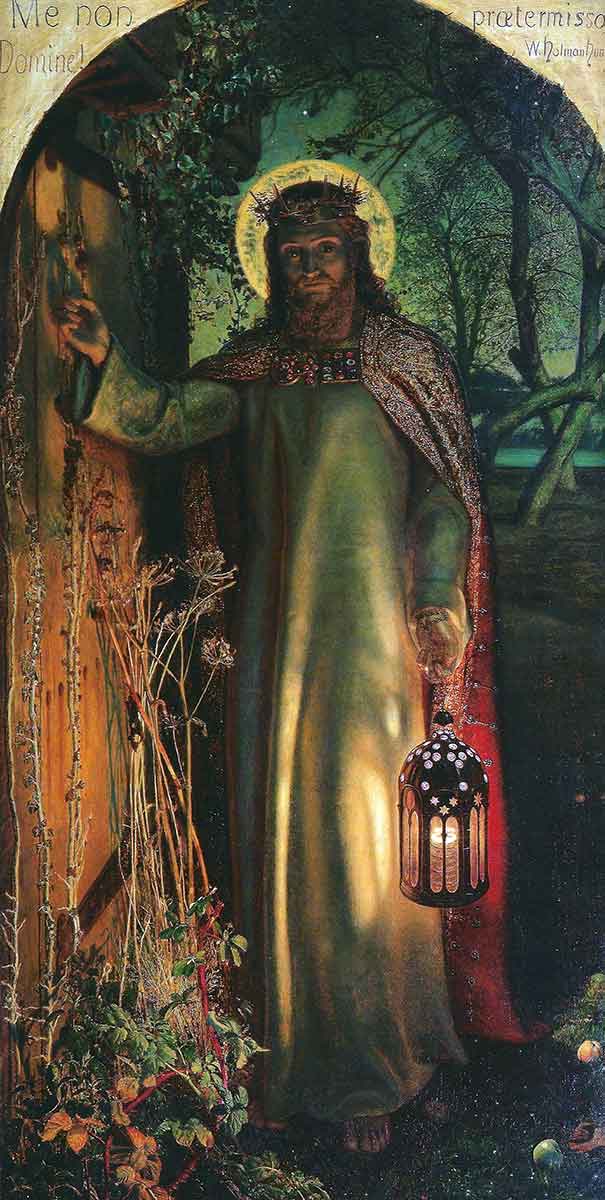
This includes God’s infallible knowledge of free future contingents without eliminating their contingency or freedom. Let us unpack this. Aquinas says that if Socrates is sitting, God sees Socrates sitting in the immediacy of His vision from eternity. This is a conditional fact, namely that “if S is sitting, then S is sitting”, not a logical necessity in which the opposite would be a contradiction. Further, knowing that Socrates will sit in such-and-such a circumstance does not amount to forcing him to sit. Socrates chooses to sit on his own, and God knows, outside of time, that he would freely choose to sit at that moment.
Freedom of the will excludes coercion in Aquinas’s view, but not the influence of a higher cause. God is the cause of our being able to move as voluntary causes. Furthermore, God being the most remote of causes, He can still produce contingent effects if the proximate or secondary causes (the created free acts of rational creatures and the effects of natural laws) are created to bring about effects in the world as contingent causes (Aquinas, 2017, ST I, q. 14, a. 13).
Can Angels or Demons Read Your Mind? The Limits of Created Beings
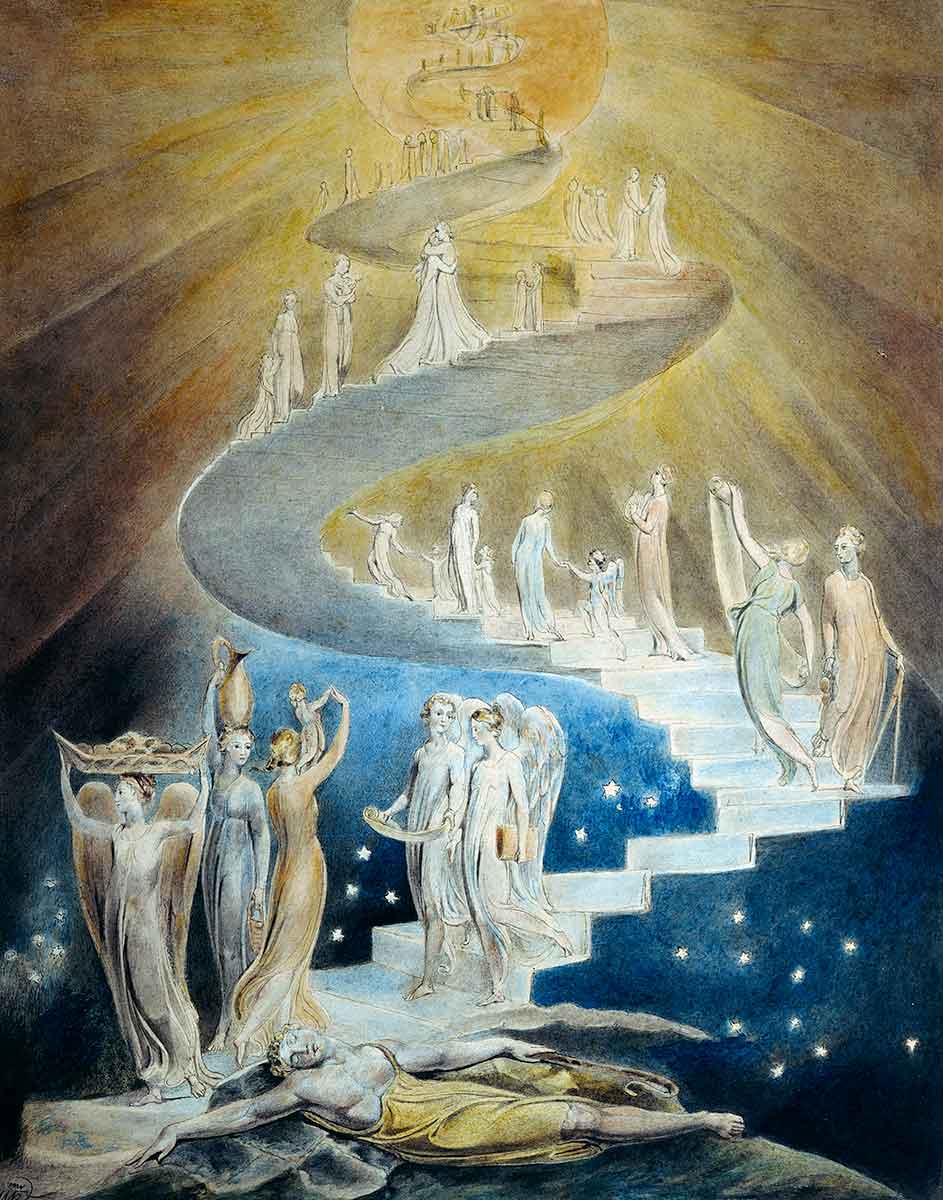
Aquinas devotes an entire section in Summa Theologiae to the study of angels.
Angels are superior intellectually to us and are by nature incorruptible, but finite. They cannot know future contingents that depend on free will, nor the secrets of the divine will, unless revealed to them. They know future events by understanding cause-and-effect relationships, as if they were astronomers who understood all the causal workings of cosmic events in a single intellectual act.
Angels understand things intuitively because God infuses the intelligible species into them, enabling them to grasp realities immediately by their nature rather than through the discursive, step-by-step reasoning of human thought. Lacking matter, each angel is distinct by virtue of being its own species.
Recall that neither angels nor demons, for Aquinas, can directly see into the human will or intellect, as the interior life of the soul is known by God alone. But angels, much like people, can sense changes in us and thereby understand our emotional states or states of mind. An angel likely knows when you are praying, just as a person might, but only God knows and hears your prayer and “knows what you need before you ask him” (Matthew 6:8).
Aquinas does have an account of demonic agency, though. The devil can “incite to sin, either by offering an object of appetite to the senses, or by persuading the reason,” but he does not think a demon can ever force a person’s soul to consent to sin (Aquinas, 2017, ST I.II, a. 80, q. 1). This supports the idea that the buck stops with the individual where moral accountability is concerned.
The Comfort and Terror of Divine Transparency
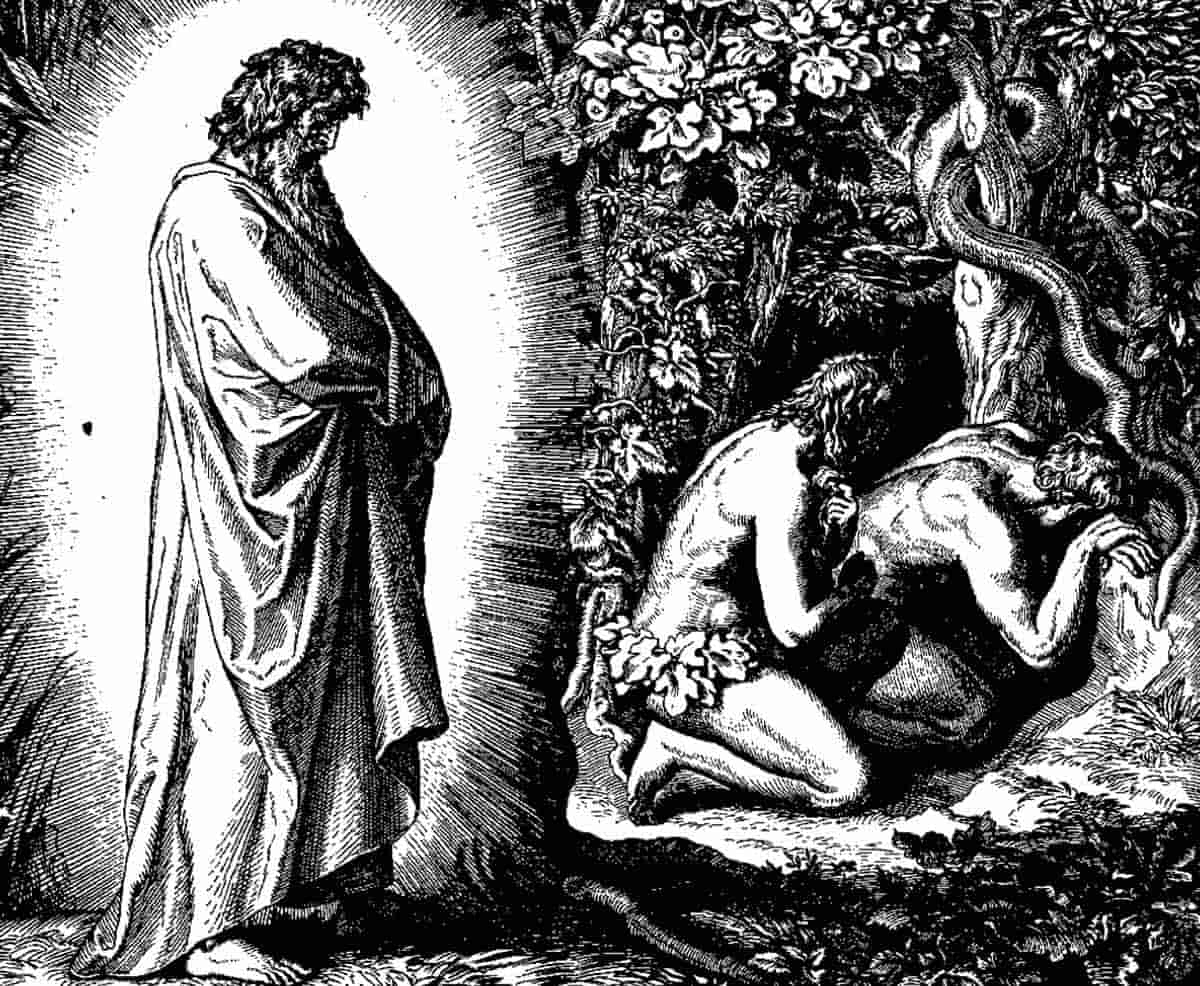
There are some who think God’s all-seeing gaze is a threat to human freedom or autonomy. Kierkegaard wrote on being known by God extensively, showing how it demands exceptionless transparency in one’s relation with oneself and with God. This, in turn, requires rejecting self-deception, which, if left unresolved, leads to despair.
But for Aquinas, it means we are never alone, and it testifies to an active, loving, and providential God who sustains the soul in existence. For the Thomist, what is to be greatly amazed at is that God’s timeless knowledge of our free moral failings does not lead to exclusion but rather moves Him to reveal the depths of His love in Christ, so that the intimacy of being truly known and wholly loved is perfectly realized in one’s relationship with Him.
Sources
- Aquinas, T. (2017). Summa Theologiae (Fathers of the English Dominican Province, Trans.). https://www.newadvent.org/summa/
- Bible Hub. (2026). Divine surveillance. https://biblehub.com/topical/d/divine_surveillance.htm
- Kreeft, P. (Ed.). (1990). A Summa of the Summa: The essential philosophical passages of St. Thomas Aquinas. Ignatius Press.