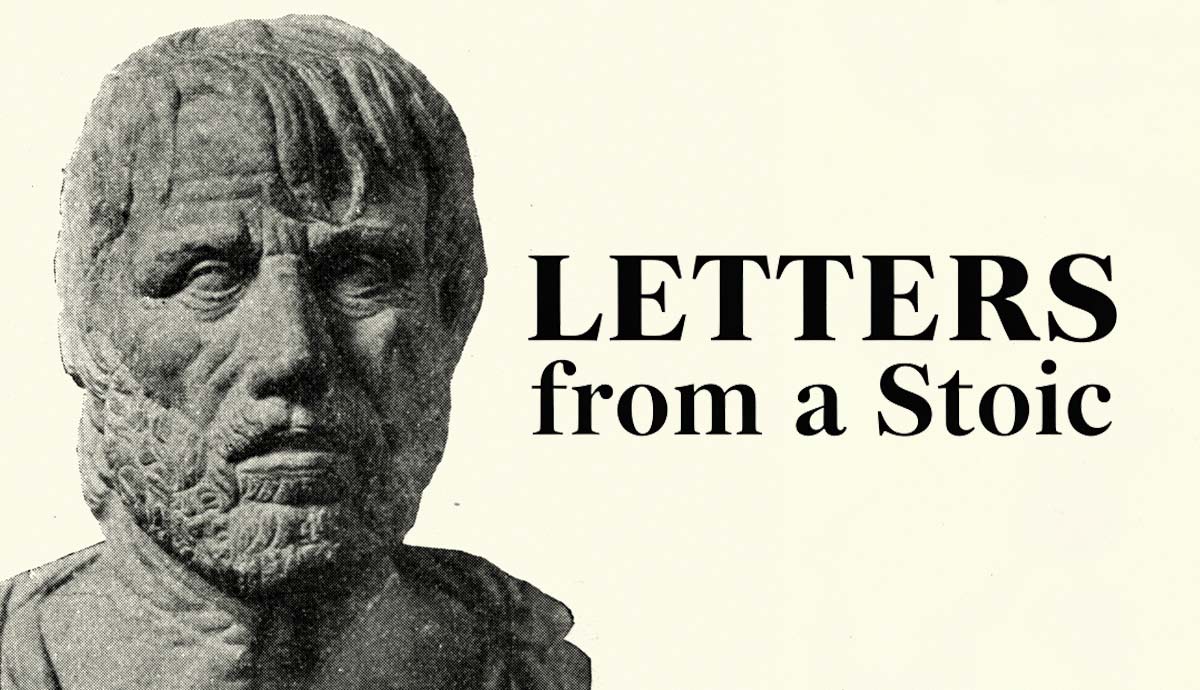

Lucius Annaeus Seneca, known as Seneca the Younger, was a major figure in Ancient Roman philosophy. Like Epictetus and Marcus Aurelius, Seneca was a major proponent of Stoicism and often wrote about the value of philosophy in letters to his young friend Lucilius. An aging statesman at the chaotic court of the emperor Nero, Seneca turned to philosophy to manage his role as advisor to a complicated princeps and the constant threat of execution. Seneca explored how philosophy could be applied as a survival guide in his letters.
Who Was Seneca the Younger?
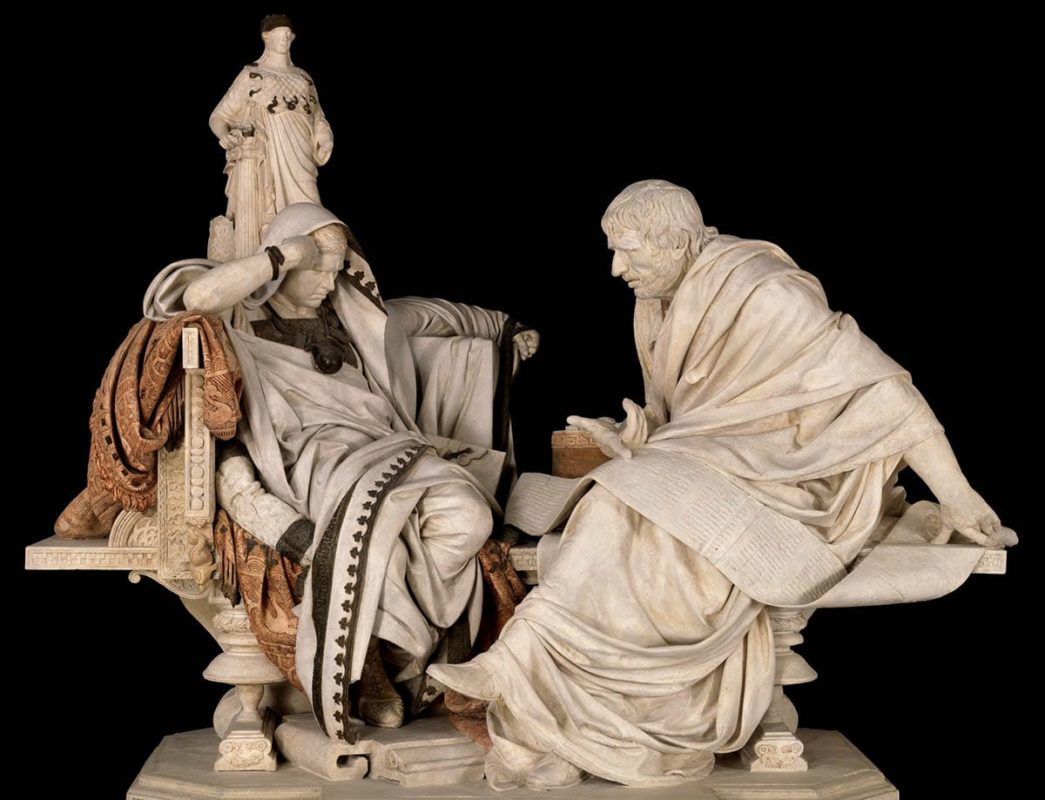
Seneca was born in Corduba in the Roman province of Hispania sometime around 4 BC, the son of the Roman Equestrian, writer, and rhetorician Seneca the Elder. He spent some of his early life in Roman Egypt and was educated in philosophy and rhetoric in Rome. He entered Roman political life as a quaestor and joined the Roman Senate, where he was known as an excellent public speaker.
Seneca was nearly forced to commit suicide by the emperor Caligula, who was jealous of his speaking abilities, and again under Claudius for suspected political intrigue. Instead, Seneca was banished to Corsica, where he remained until he was recalled to Rome to tutor the young prince Nero.
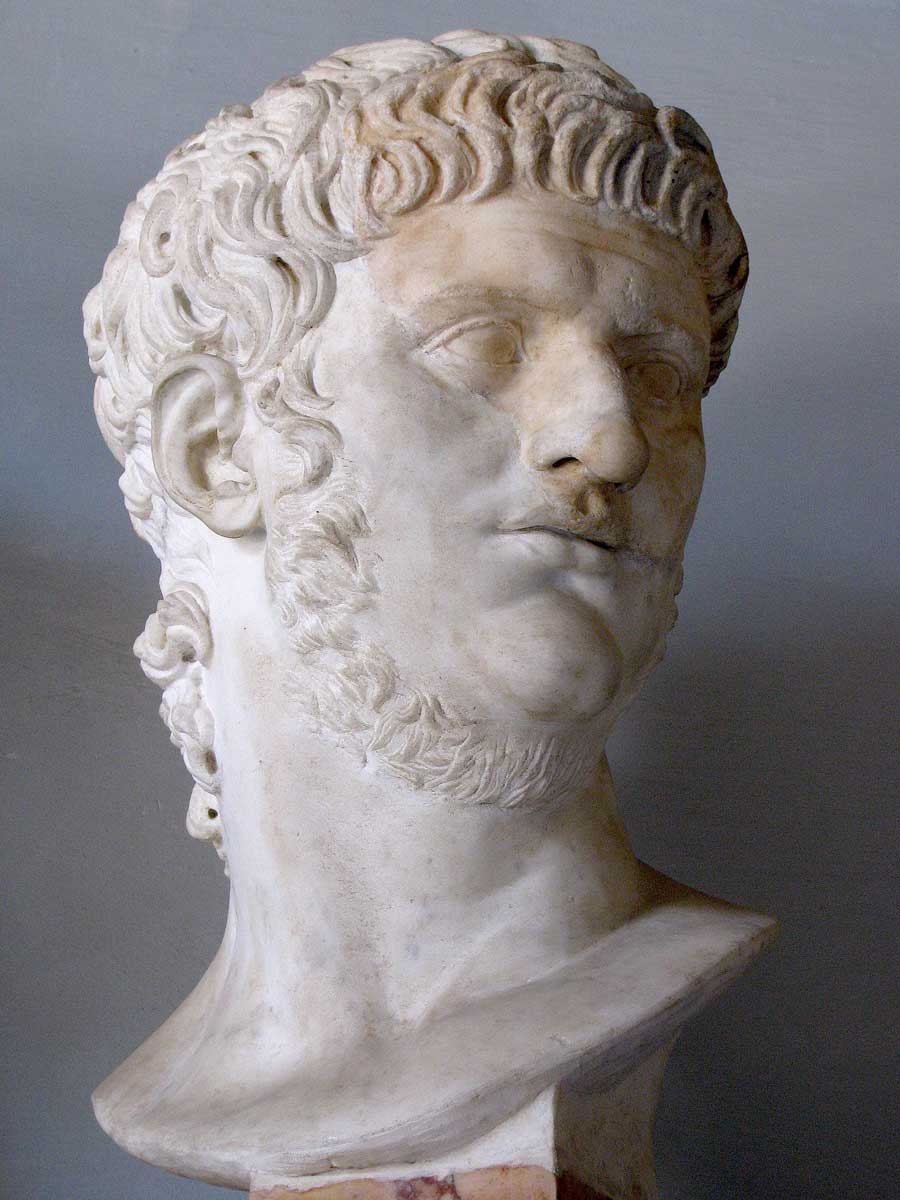
When Nero became emperor in AD 54, Seneca served as one of the 16-year-old’s advisors alongside his mother, Agrippina, and the Praetorian Prefect, Burrus. He is praised for guiding the young emperor through the first five good years of Nero’s reign, known as the Quinquennium Neronis. This involved judicial and tax reforms. Seneca also accumulated considerable wealth during this period.
Seneca’s political fortunes changed when Nero decided he wanted more freedom to act. He had his mother assassinated in AD 59. It was Seneca who composed Nero’s speech to the Senate accusing her of being a traitor to justify her death. Burrus then died in AD 62, leaving Seneca isolated in Nero’s sycophantic court. Seeing his perilous position, on multiple occasions Seneca asked to retire from public life, but Nero refused the request. Nevertheless, he played an increasingly less active role in politics and dedicated himself to his writing.
Finally, he was accused, on flimsy evidence, of involvement in the Pisonian conspiracy against Nero and forced to commit suicide in AD 65.
Seneca and Stoicism
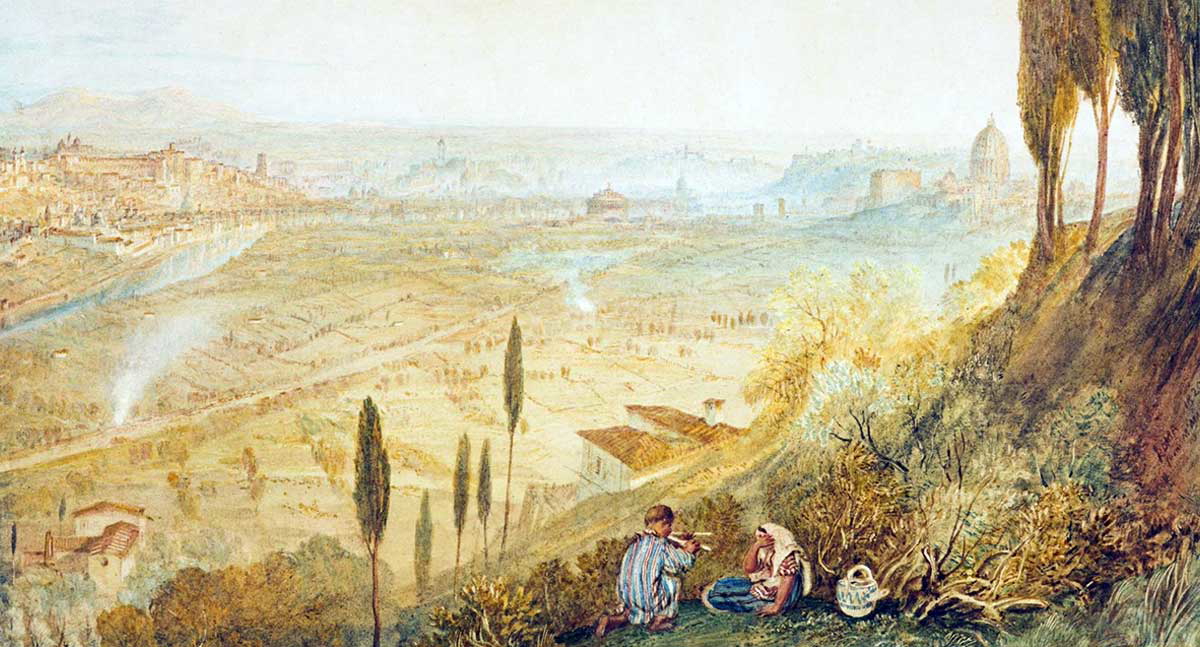
Seneca was a Stoic philosopher, and although Stoicism is often associated with Ancient Rome, it originated in Hellenistic Greece. This was the period after Aristotle, when Athens came under Macedonian rule. It produced two great rival philosophical schools: Epicureanism and Stoicism.
Stoicism was founded by Zeno of Citium around 300 BC. It is a complete philosophical system which covers cosmology, ethics, and investigations in logic. A central Stoic belief is that the universe is composed of and ordered by “logos” or reason. This is taken to be both a form of matter in its smallest degree and as God, nature, fate, or providence. All human minds contain a nugget of reason, and the purpose of an individual life was to discover how to live in alignment with the purpose of the universal logos.
Living in Accordance With Stoic Virtues
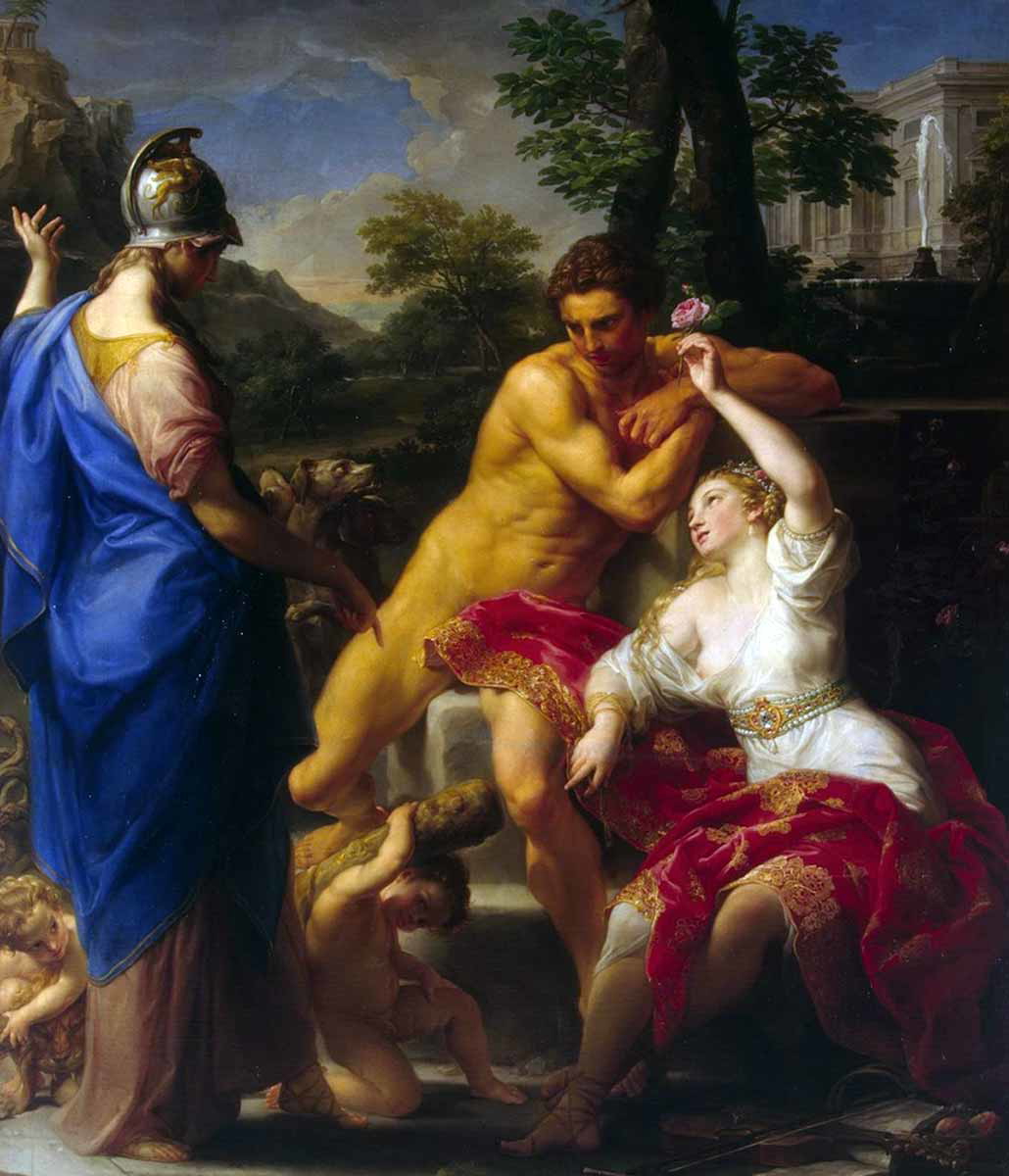
The idea of logos was prominent among the Roman Stoics we are more familiar with today: Seneca, Epictetus, and Marcus Aurelius. But Stoic ethics, with its emphasis on the cardinal virtues of courage, justice, temperance, and wisdom, became a more significant feature of Roman Stoicism. It provided a set of values around which Roman aristocratic life was organized.
In the early Imperial Era, in which Seneca was living and writing, Stoic ethics became a form of resistance to the oppressive Imperial regime. The emphasis on cultivating a life of inner virtue in accordance with logos meant focusing on individual responsibility and detaching from external goods that could be taken away at any time by a capricious emperor. This meant that many Stoics, who were often aristocrats themselves, held values which might clash with the emperor and his rule.
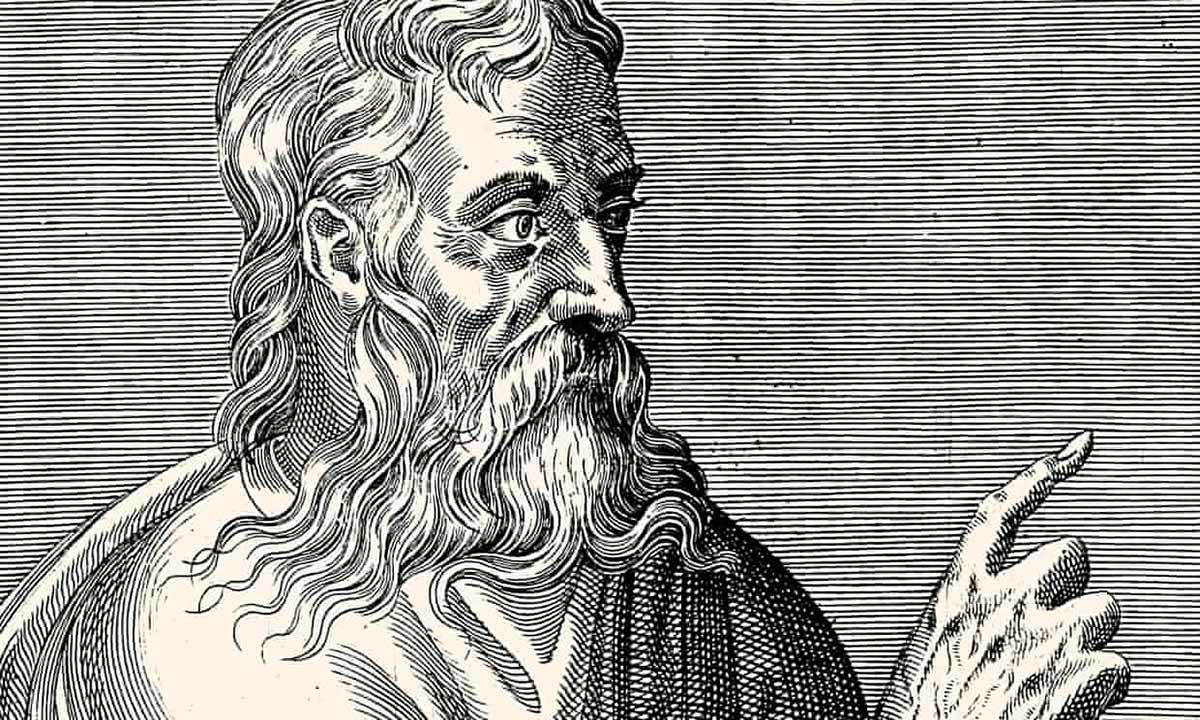
Virtue became of paramount importance. A person’s character and how they conducted themselves was all that was within their control. Inner virtue could not be taken away on an Imperial whim. It is these latter ideas of Stoic ethics that Seneca explores in his letter to Lucilius. Seneca was more interested in the question of how to live a good life than the complexities of metaphysics and logic.
It Is Vital to Study Philosophy
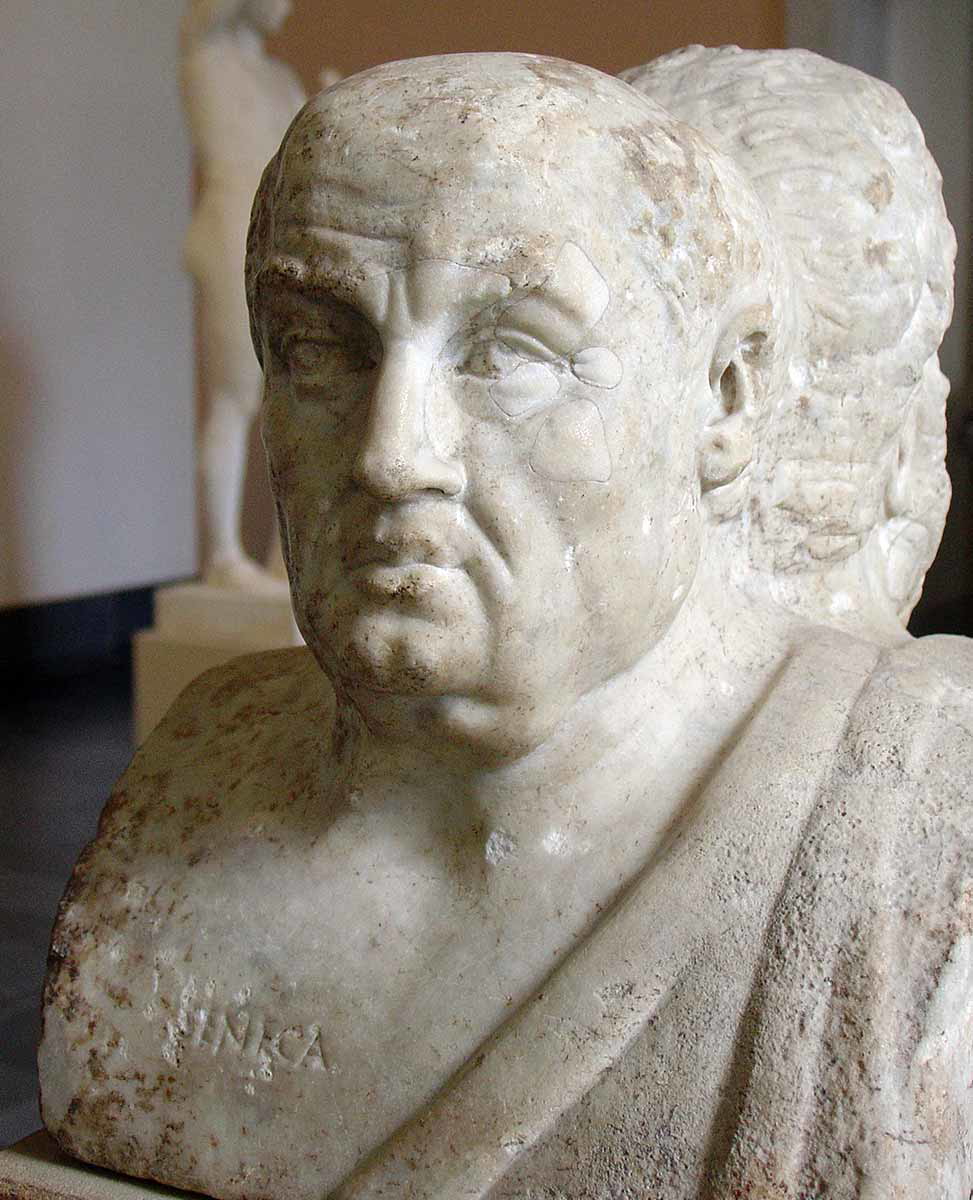
Writing in the last few years of his life, Seneca passionately advocates for the value of studying and applying philosophy to one’s life, and encourages Lucilius to do so as well. He gives several reasons for this.
He argues that the first promise of studying philosophy is “the feeling of fellowship, of belonging to mankind.” This comes during a discussion about not alienating people by being too different from them. Stoicism believes in the unity of all people and promotes cosmopolitanism, understanding that we are all equals, regardless of status. We are all part of nature, part of the logos.

In several letters, Seneca quotes Epicurus, despite Epicureanism being the main rival of Stoicism. But Seneca was eager to learn wisdom, regardless of the source. He argues that wisdom and truth are for all people, regardless of where it comes from. Wisdom is common property. He agrees with Epicurus that being a slave to philosophy brings freedom, because philosophy and true understanding release us from suffering and bring ataraxia, or calmness.
Wisdom Brings a Happy Life
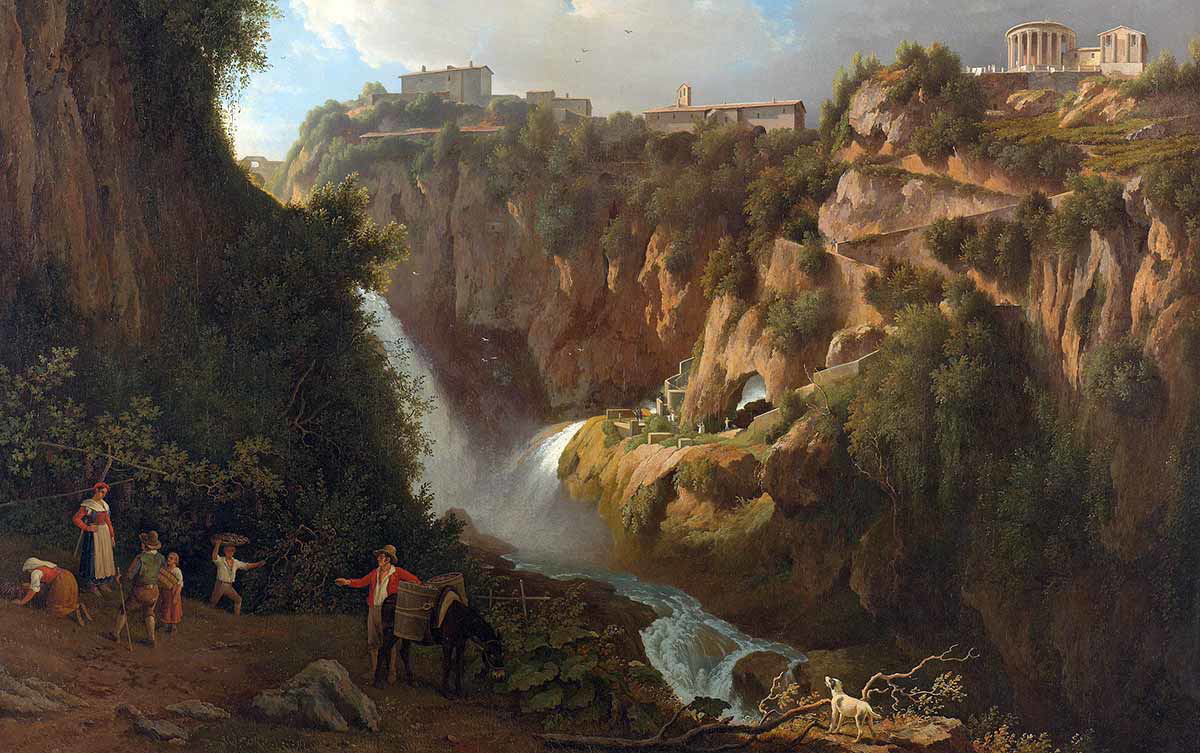
The crucial point for Seneca is that “no one can lead a happy life… without the pursuit of wisdom.” Seneca acknowledges that philosophy is not popular nor is it entertaining, but it is vital for learning how to live a deeper and more meaningful life. It shapes character, brings order to life, and gives guidance on how to act and what to do or not do in different circumstances. It keeps the ship balanced and on course.
Most of all, Seneca highlights that philosophy brings freedom from fear and worry. Because it has the task of uncovering truth in the human and divine worlds, it can offer counsel in times of trouble. We see reality for what it actually is, not for what others assume and tell us it is. And that is where the comfort lies.
Cultivating Resilience
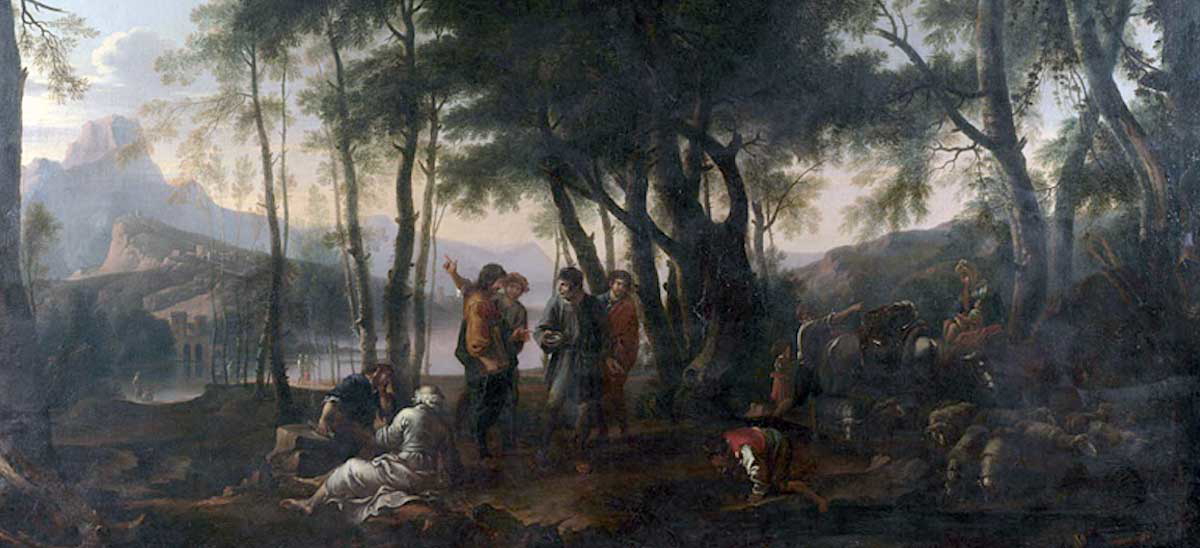
Stoicism is noted for advocating equanimity even during the most trying challenges of life. As remarked earlier, Seneca lived in a particularly unstable era while the relationship between the emperor and the Senate was still settling. In his letters, Seneca often reflects upon the need to cultivate inner virtue and resilience to be free of worry.
Studying philosophy was key to this, but in addition, Seneca recommends facing fears and accepting mortality by focusing on the present moment.
Another of Seneca’s famous writings is On the Shortness of Life. He addresses similar themes in his latter, where he emphasises living each day fully and as if it were the last. He writes, “every day … should be regulated as if it were the one that brings up the rear, the one that rounds out and completes our lives.”
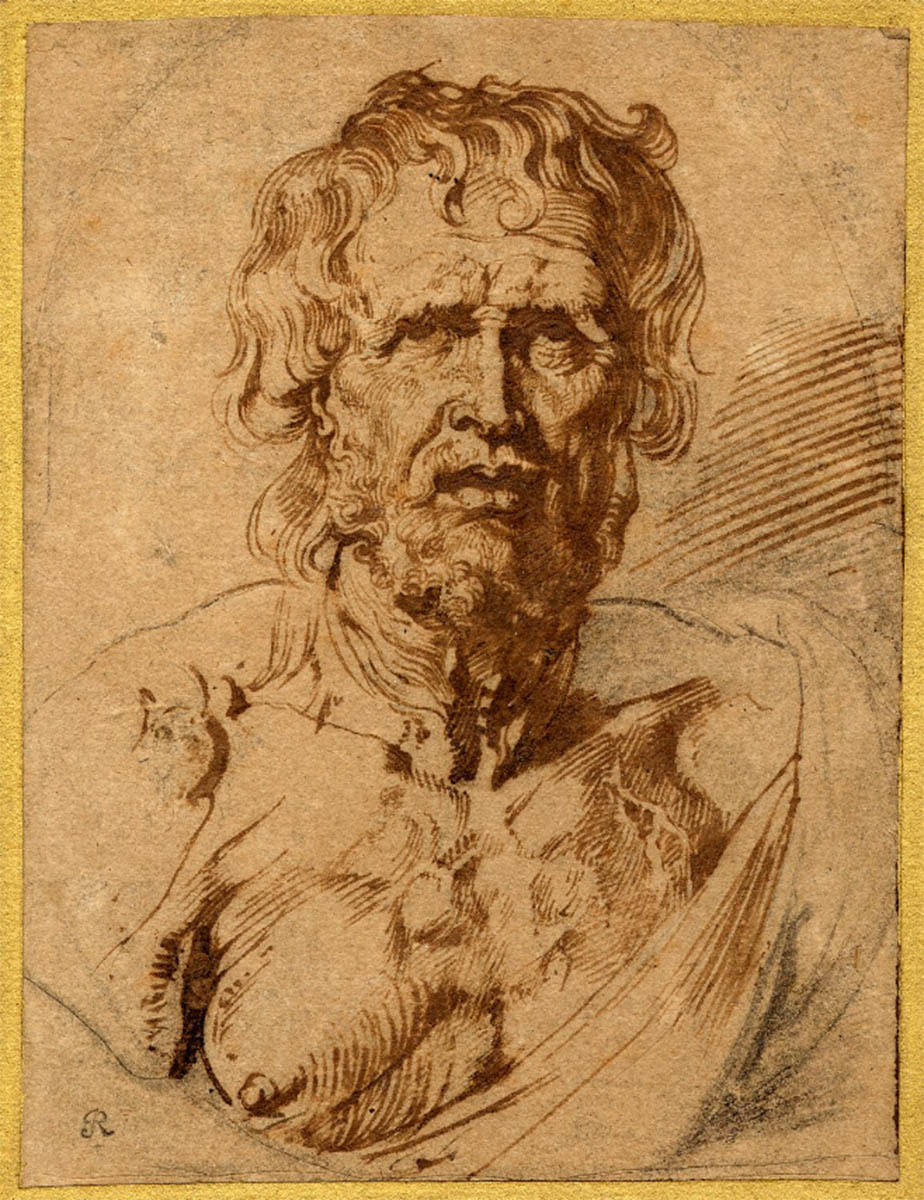
Essentially, this is living with gratitude, knowing that one’s fortunes can quickly change. It also comes from living with virtue and acting from honorable motives.
In practical terms, Seneca recommends a form of ascetic training for people who live in fear of losing their wealth and status. He thought that in order to be resilient in times of crisis, it was necessary to practice this by simulating difficult circumstances. Once a month, a person should practice being poor by adorning rags, eating only bread and water, and sleeping rough. In this way, a person could realise that what they feared wasn’t so bad, and that it is inner virtue, not circumstances, that are the measure of a person.
We Are Troubled by Two Main Things
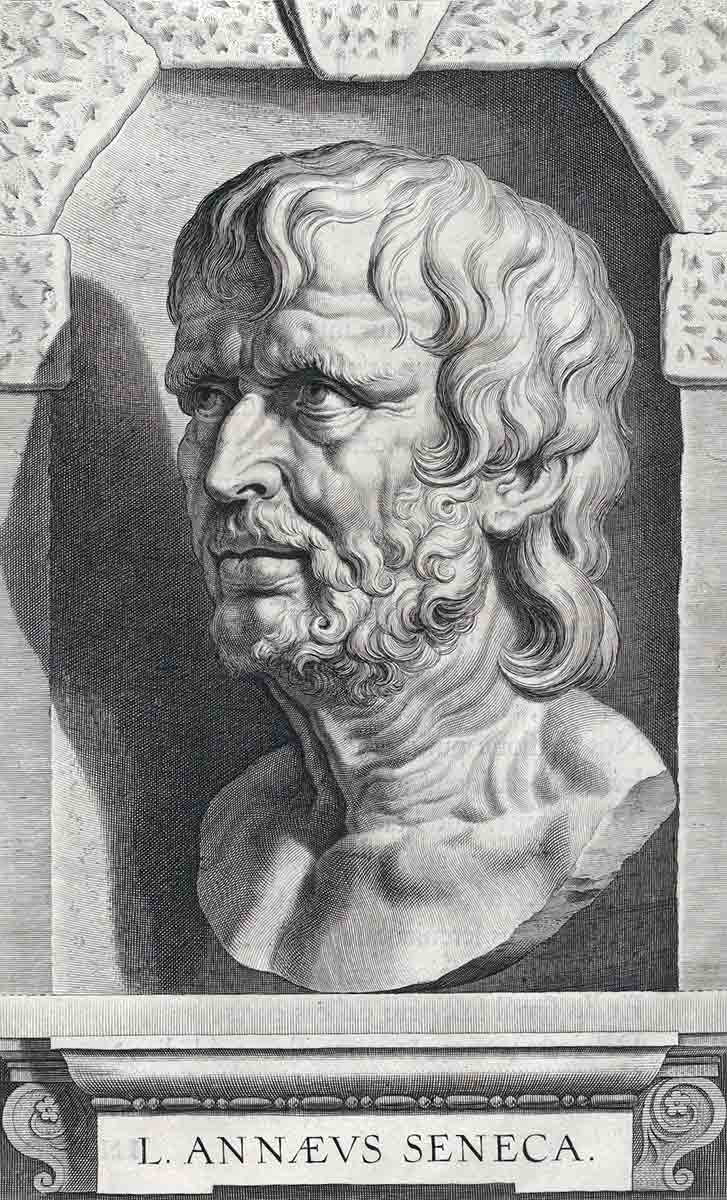
Seneca thinks that we are troubled by two main things. The first is remembering troubles in the past, and the second is worrying about things to come. Seneca aims to remove both of these from his thinking. The past is no longer a concern, and the future is not one yet.
When difficulties do arise, then a person “should put his whole heart into the fight against them.” The reward is not fame or fortune, but in “moral worth” and “strength of spirit.”
Significantly, Seneca says, “everything hangs on one’s thinking.” Trials and tribulations can be made better or worse depending on how a person thinks about them. It was the counsel of philosophy, not following the ideas of the crowd, that guided one into thinking in the right way.
Being Stoic in Facing Death
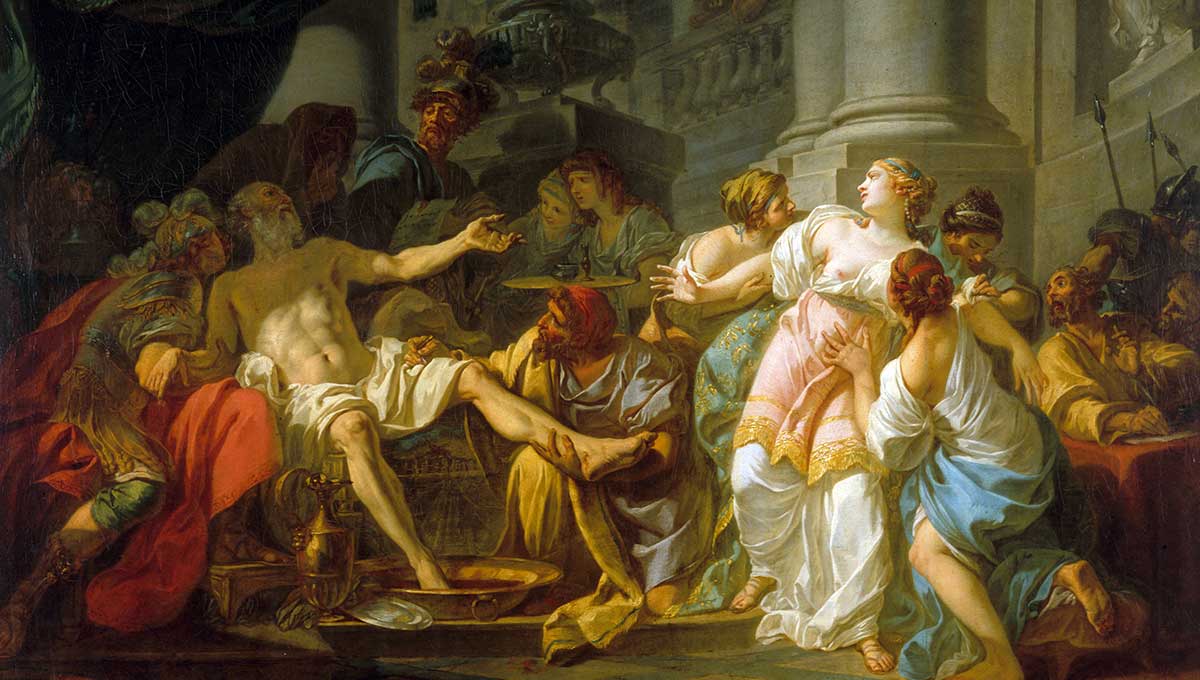
This extended to thinking about death, accepting it and not fearing it. Seneca argued that life is not incomplete if it is an honorable one. It was more important to be a “good man” than anything else, and once this was achieved, the rest was an extra. Death was but a transition to something else. Seneca says that “every journey has its end.”
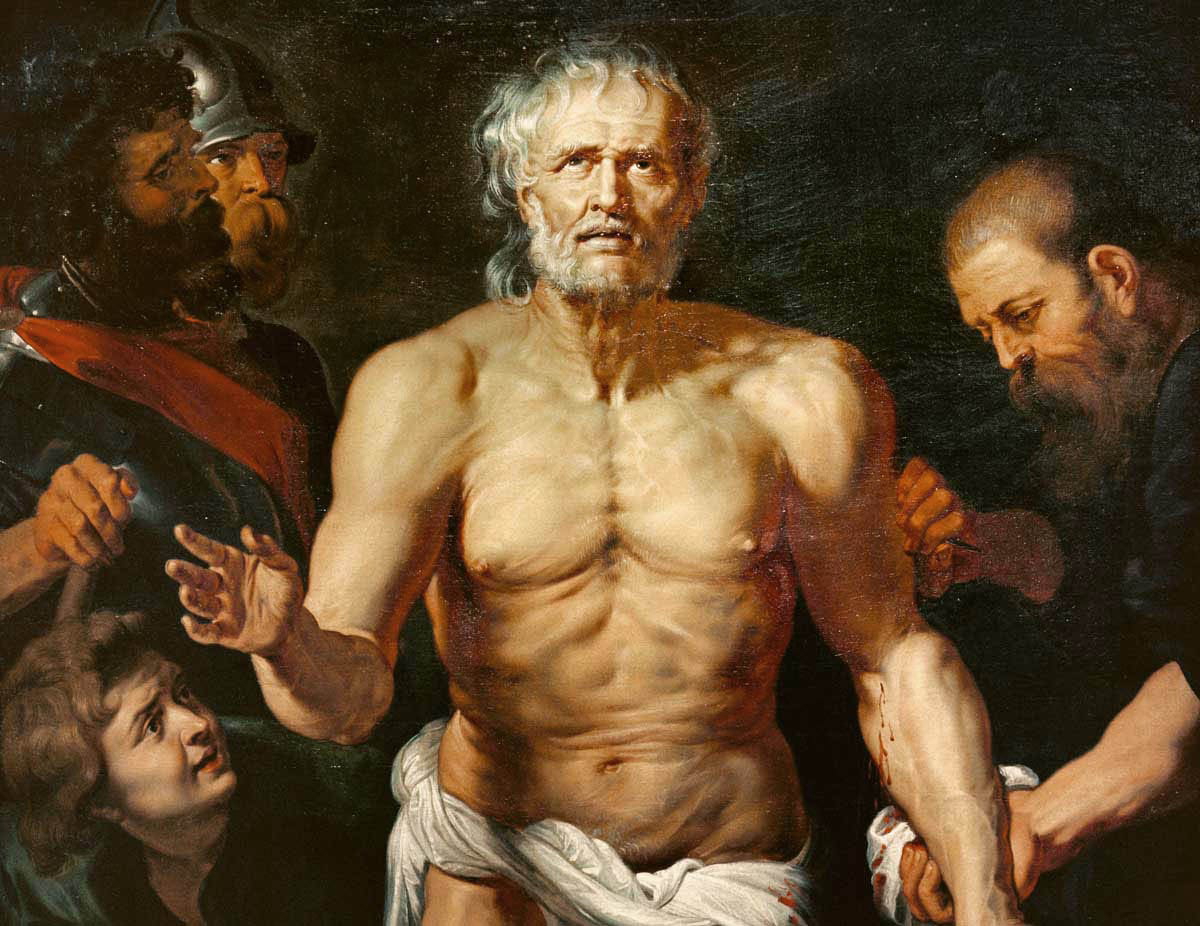
Not long after writing his letters to Lucilius, Seneca had to confront death. He was ordered to commit suicide by Nero.
Much of Seneca’s life was a contradiction, but he appears to have met his death stoically, if somewhat dramatically. It was a staged event where he drank hemlock surrounded by his friends, emulating the death of Socrates.
This article has only touched on two key related elements of Seneca’s philosophy for living in the Letters from a Stoic. Yet, it is easy to see why Seneca appeals to us today. We face many of the same issues of the human condition, not least in understanding how to live a good life.