
Despite its long and storied history, Liberal Arts education has fallen out of favor in recent years. Many people now see it as out of touch and irrelevant in the modern world and the era of specialization. However, the Liberal Arts arguably still has something to offer both students and society today. This article examines the importance of the Liberal Arts education in the 21st century and how it can benefit both students and wider society.
What Is a Liberal Arts Education?

A Liberal Arts Education is a generalist education that is popular in the United States. A four-year Liberal Arts course covers a wide range of topics. Although a student will choose a major, it gives the student a rounded education and a working knowledge of a variety of subject areas.
On a Liberal Arts course, students choose topics to study from four areas: the humanities, the natural sciences, the social sciences, and the arts. Depending on the university, a Liberal Arts undergraduate might study everything from Literature to Logic to Linguistics.
An important aim of the American Liberal Arts is to encourage civic virtue and develop citizens who can participate in a democratic society. This means that students must develop their critical thinking and communication skills through their knowledge of the subject matter.
The Liberal Arts education has its roots in Ancient Greece and Rome. One of the original aims of education in Antiquity was to teach thinking and public speaking.
The Ancient Origins of the Liberal Arts

While the Liberal Arts has changed since Antiquity—it now covers far more subjects—it is worth understanding its ancient origins.
In Western history, the civilization of Ancient Greece is a major starting point. As civilizations developed, the education of citizens became paramount. In societies such as ancient Athens, citizens were expected to participate in public and political life.
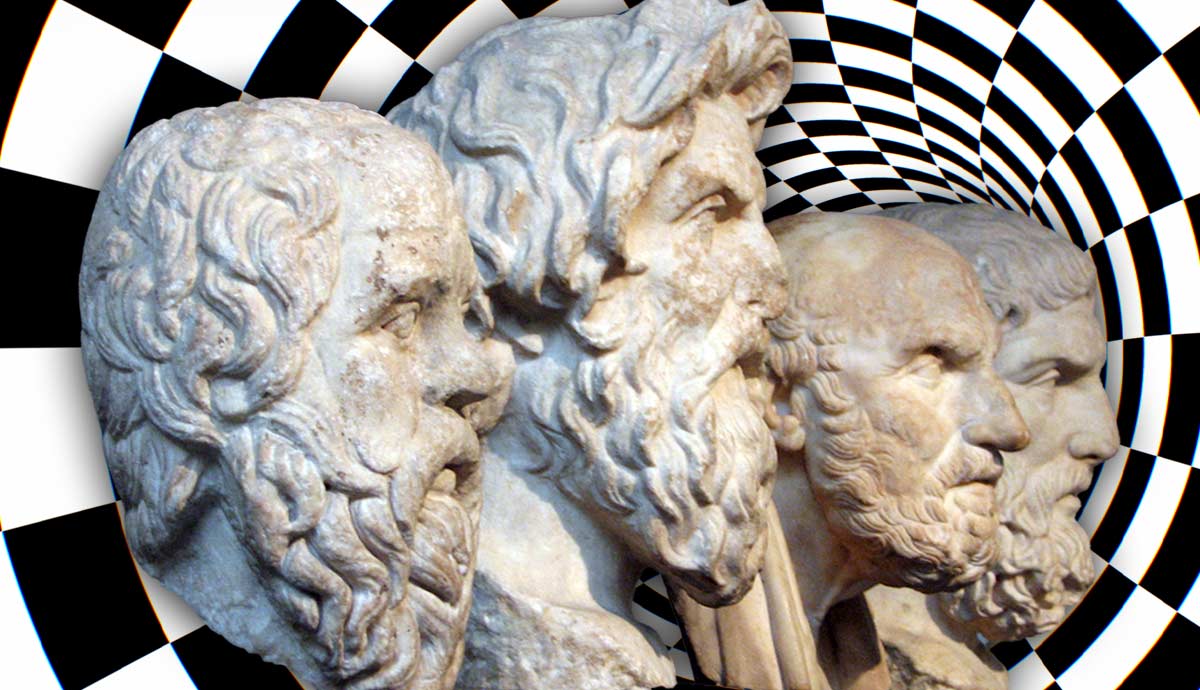
The Sophists are one of the first examples of peripatetic educators and tutors. They traveled around Greek cities offering to teach what they knew for a fee. The Sophists were given a bad reputation by Plato and were often foils to sharp-witted Socrates. Nonetheless, the Sophists served a useful educational purpose in Greek society. They taught philosophy, mathematics, and rhetoric, among other things.
Rather than travel, Plato—and later Aristotle—founded institutions in Athens where people could study. Aristotle taught at the Lyceum. He taught classes to students in the morning and lectured to the public in the afternoon. Aristotle compiled information on and taught rhetoric, and he also made significant contributions to logic.
The Components of the Liberal Arts
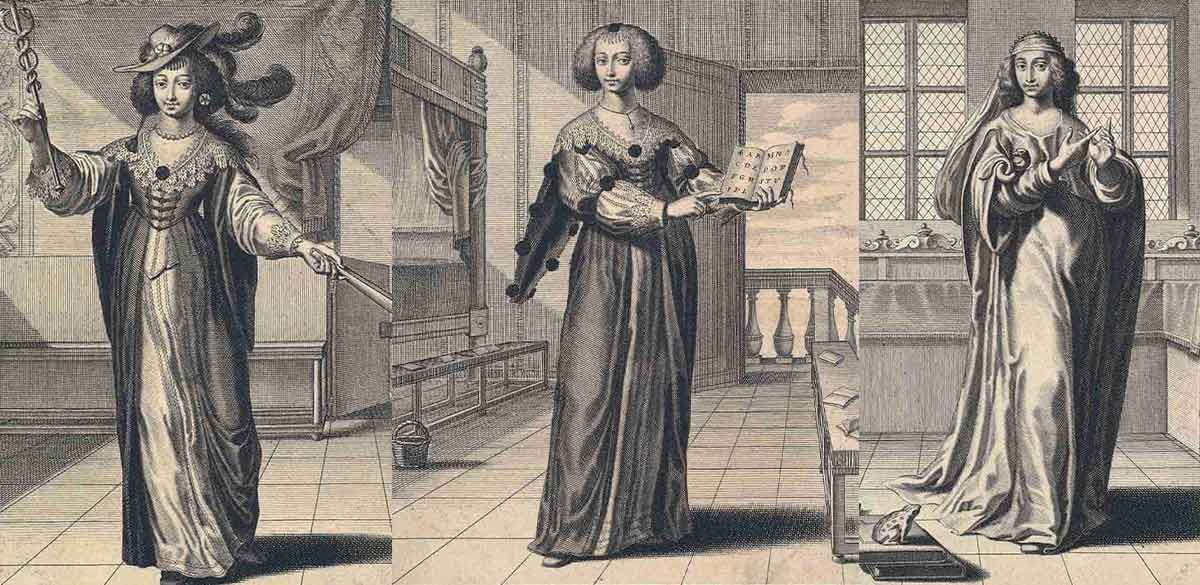
Both rhetoric and logic are important to the traditional Liberal Arts. They form two of the three core topics known as the “Trivium.” The third topic was grammar. Taken together, they give the student a firm foundation in thinking and communicating.
Rhetoric is the master art of communication and persuasion; logic is the art of thinking; grammar is the means of manipulating symbols to express thoughts. All three arts focused on the cognitive capacities of the mind.
The Liberal Arts developed further in Ancient Rome. Marcus Terentius Varro—Julius Caesar’s librarian—wrote the Nine Books of Disciplines. This model for later encyclopedias used the Liberal Arts as an organizing principle. Along with logic and rhetoric, Varro drew together arithmetic, geometry, astronomy, and music theory. These four arts became known as the “Quadrivium” and focused on the physical properties of matter.
A contemporary of Varro, the great Roman statesman and lawyer Marcus Tullius Cicero was one of the first to use the term “liberal arts.” He believed that an education should be broad and argued that to be the best lawyer possible, you had to know all subjects.
Why the Liberal Arts Has Fallen Out of Favor
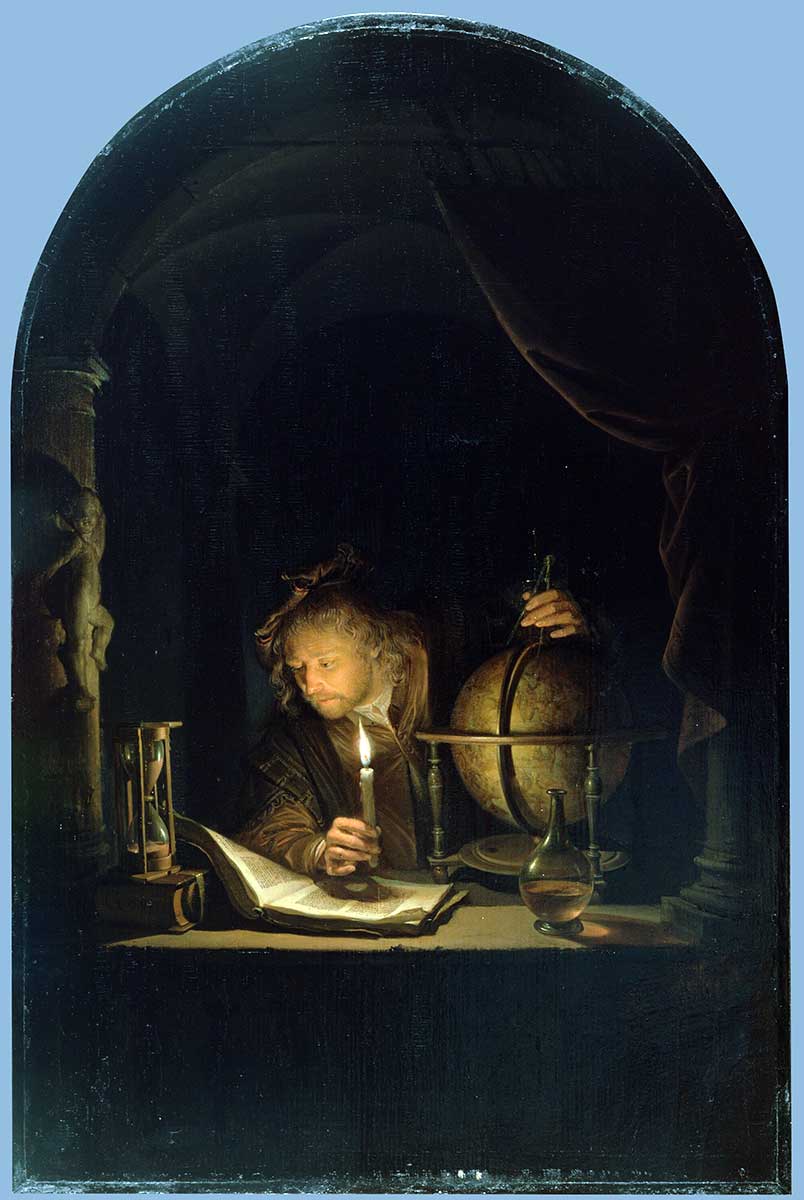
The traditional Liberal Arts education is the combined Trivium and Quadrivium. In Europe, it formed the basis of education throughout the Middle Ages, the Renaissance, and the Enlightenment.
Many of the great minds who contributed to the intellectual development of Western culture were polymaths. They had a broad general knowledge as well as deep knowledge of a few disciplines in which they made significant contributions.
Leonardo Da Vinci and Benjamin Franklin are often cited as examples, but many other great thinkers and scientists—Descartes, Leibniz, Goethe, and Newton, to name a few—were also polymaths. Their polymathy was no doubt helped by the interdisciplinary nature of education at that time.
But, by the mid-19th century, the situation had changed. It became less and less possible for one person to “know everything.” As scientific knowledge grew, science separated from natural philosophy and became a subject in its own right. Furthermore, scientific study divided into distinct disciplines such as chemistry, biology, electro-magnetism, geology, and so on.
Up until this point, many scientists had been hobbyists who conducted scientific research in their spare time. But as the subject became more specialized, this became more difficult. Making meaningful contributions to scientific progress required advanced knowledge, training, and time to research. Science turned from a hobby into a profession.
The Liberal Arts in the United States
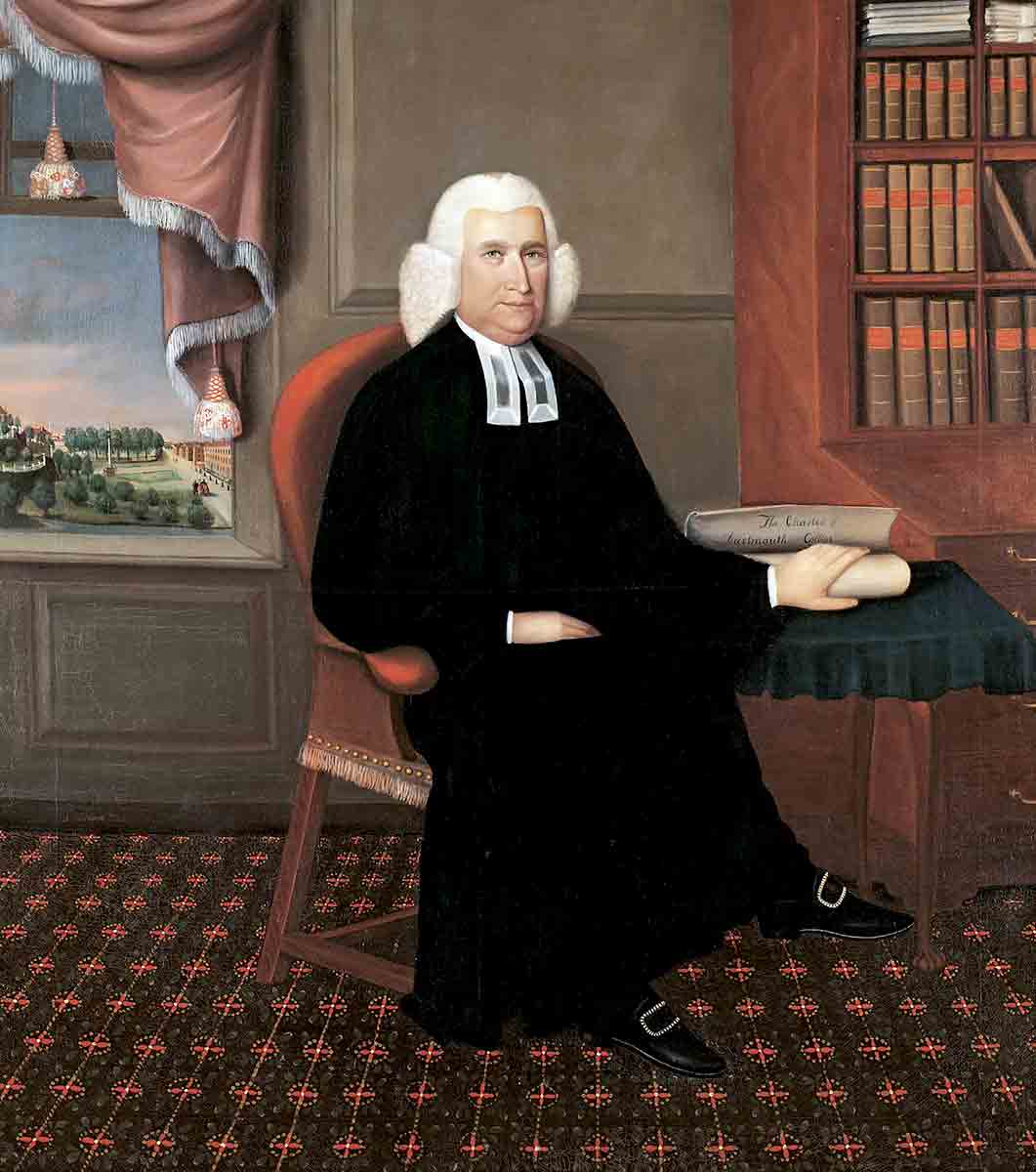
The Liberal Arts formed the core of education in the United States from the 18th Century onwards. Many Liberal Arts colleges were founded around this time, including Dartmouth College and Washington and Lee University.
However, the 20th century saw a rise in expertise and specialization in all areas of the economy, not only science. This trend pushed students towards studying narrower subject matter, particularly STEM subjects (Science, Technology, Engineering, and Math), to the exclusion of the broader humanities. In order to develop expertise and have a successful career, a student had to specialize in one subject area.
The move towards specialization is a major reason why the Liberal Arts has fallen out of favor in recent years. Many see it as irrelevant in the job market and a risky investment. Education is expensive. If a student is looking for the best return on their investment in education, then it makes sense to choose to specialize in a subject area likely to pay back that investment with interest.
Another reason that the Liberal Arts is less popular than it used to be is that it is perceived to be elitist. Many of the Liberal Arts colleges, especially the older ones, are private institutions, and Dartmouth, for example, is an Ivy League College. It is not hard to imagine that many see the Liberal Arts as only for the rich segment of society. Such apparent elitism makes Liberal Arts appear out of touch with the educational needs of everyday people.
Moreover, the Liberal Arts itself has not been immune to the push to specialize. Academics in the humanities are also encouraged to research and teach more in an ever-narrowing niche. They have to stand out and contribute to their fields. This has arguably turned subjects like literature into something arcane and boring rather than life-affirming and interesting.
Is a Liberal Arts Education Still Relevant and Useful?
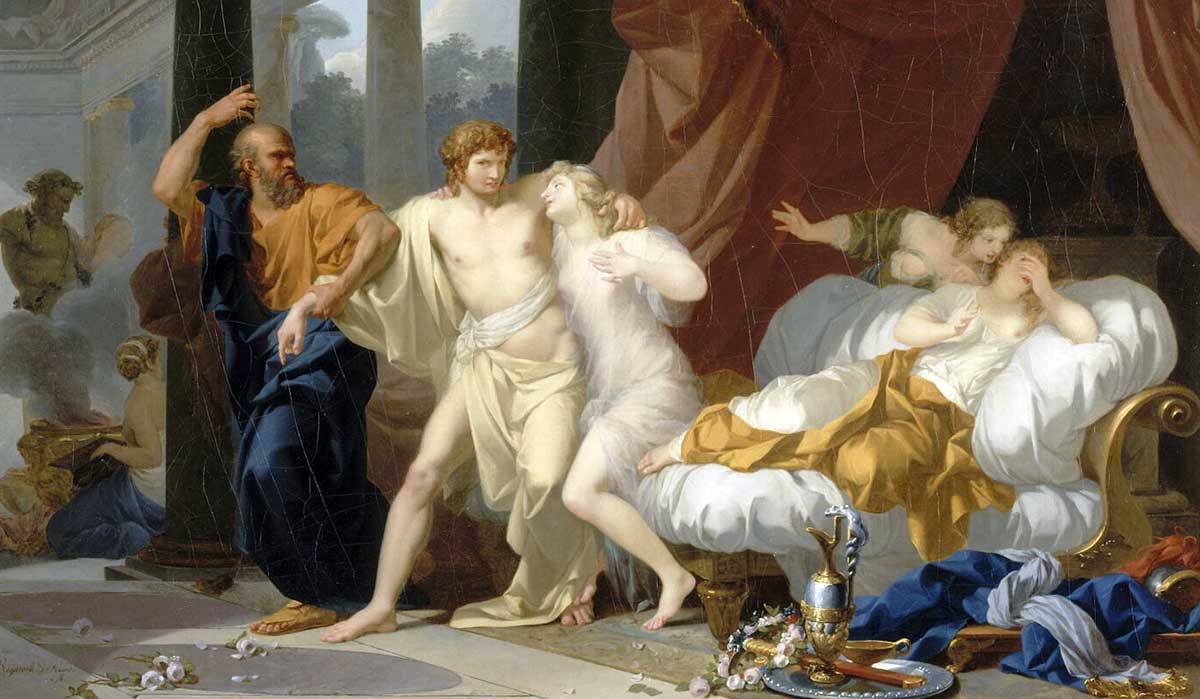
To consider whether a Liberal Arts education is still relevant and useful in the 21st century, it is helpful to consider the aims of education. This is not to ignore the fact that Liberal Arts education needs to be updated; rather, it is to see why, in general terms, it still matters.
Education is currently construed in purely economic terms. This is a misleading perspective. Education is not only about how to contribute to GDP and how to make the most money for oneself.
A major part of education, as it began in Ancient Greece, is developing the ability for civic engagement. The teaching and studying of rhetoric began for this reason. In the first democratic city-states, speaking well and persuading people through the organization of words was necessary. The study of logic and grammar became natural extensions of rhetoric. This is no less true today, even if it is a neglected aspect of the modern curriculum.
Furthermore, such participation in society also requires civic virtue. The values of justice, equity, and truth are seen as necessary goods for the success of society.
The Liberal Arts encourages students to engage with and debate the values and concepts around the public good and human freedom. These ideas extend beyond mere subject specialization and are relevant to all segments of society.
The Liberal Arts Develop a Broad Knowledge
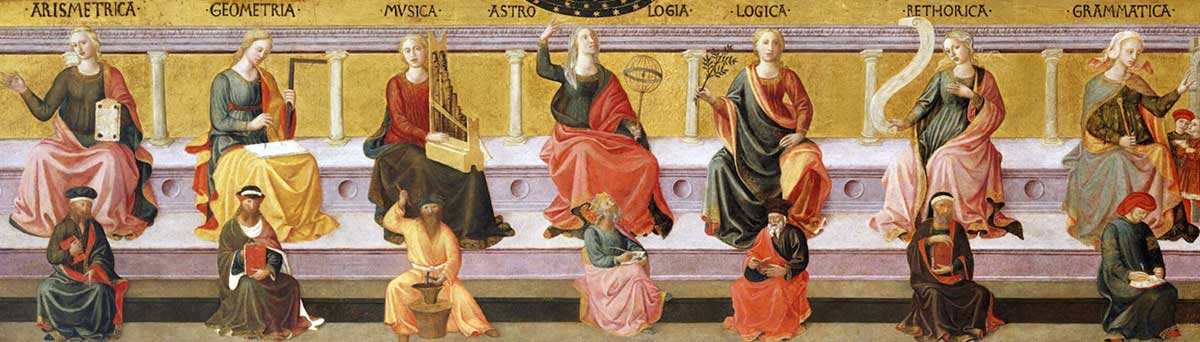
The biggest benefit of a Liberal Arts degree is that graduates have a broader knowledge and a richer awareness of context. Moreover, they develop the core skills of critical thinking (logic), writing (grammar), and communicating (rhetoric), making them very flexible.
In a job market that is changing and being disrupted by technology, flexibility is an asset. Core skills are transferable. The ability to think critically, solve complex problems, and communicate is prized by many employers.
Specialization is valuable. Society needs people with the motivation and intelligence to go deep into a topic and push the boundaries of what we know. But this isn’t for everyone. Moreover, over-specialization can leave aside critical questions relating to the wider cultural and social context. It can also silo information and stifle innovation.
A Liberal Arts degree is more interdisciplinary by nature. It helps people to work across silos, understand connections, and see the wider context. This can fuel creative insights and innovation. The complexity of the problems facing humanity in the 21st century requires people who have those abilities. Society needs both specialists and generalists.
In terms of earning potential, many who take an undergraduate Liberal Arts degree in the US end up earning more over their careers than those who take a professionally-focused degree. This effect compounds when a student studies a specialized master’s degree after an undergraduate Liberal Arts course. Students who study STEM subjects often have higher starting salaries, but a Liberal Arts degree is not a bad investment.
Intelligence Without Wisdom
Some educators suggest that a student should develop T-shaped knowledge. This means to have width—general knowledge, as well as depth—specialist knowledge. Specialization without generalization is intelligence without wisdom. Especially in this era, humanity has become immensely powerful without becoming equally wise, as Carl Sagan said. This is a precarious position, so developing T-shaped knowledge is good advice.
By cultivating a wider understanding of the human condition through studying a wide range of topics, students can develop their wisdom along with their intelligence. This is the ultimate value of the Liberal Arts. It is a value that is not to be underestimated and far from irrelevant for both students and society today.