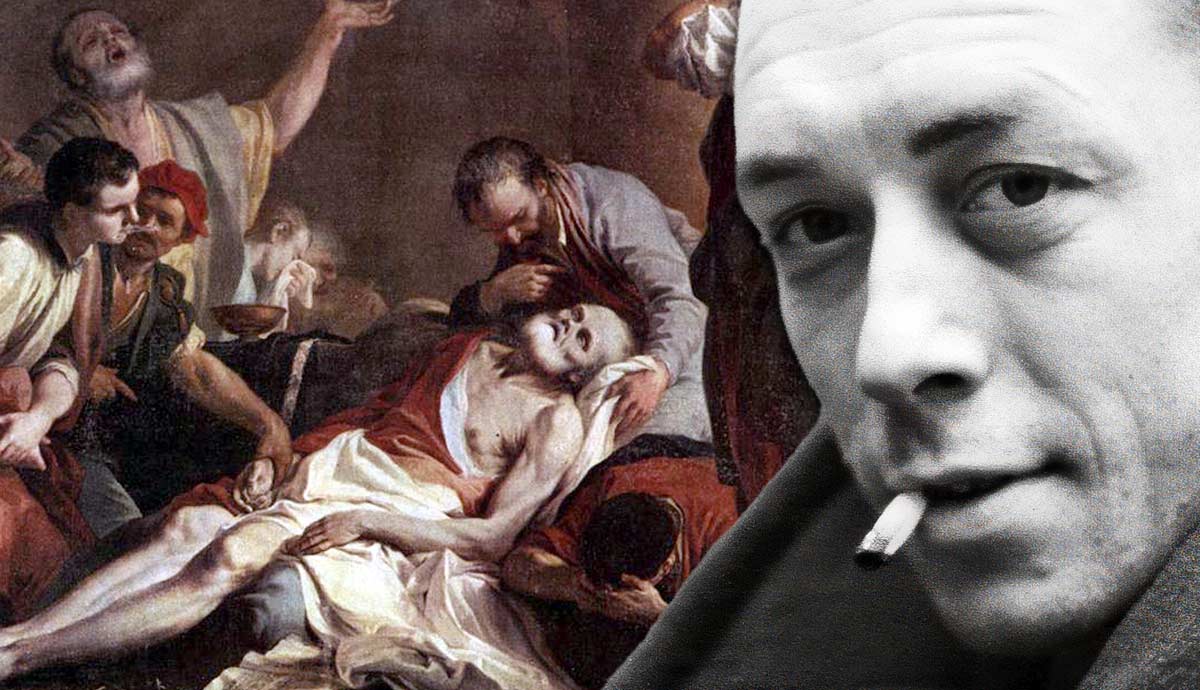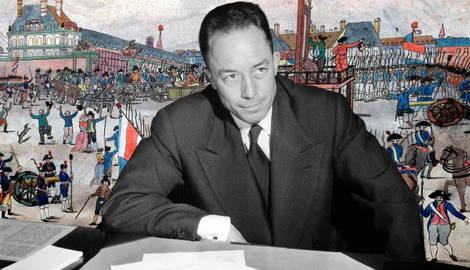

The death penalty was abolished in France in 1981, with the last execution taking place in 1977. Albert Camus wrote ‘Reflections on the Guillotine’ twenty years earlier in 1957. His argument against capital punishment is not primarily based on sympathy for the condemned but on the legitimacy of the state’s right to take life. Camus concludes the essay with a warning against allowing the state the power to decide who in society must die. To do so, he argues, requires the pretense that agents of the state have god-like infallibility.
Sickening Acts of Violence
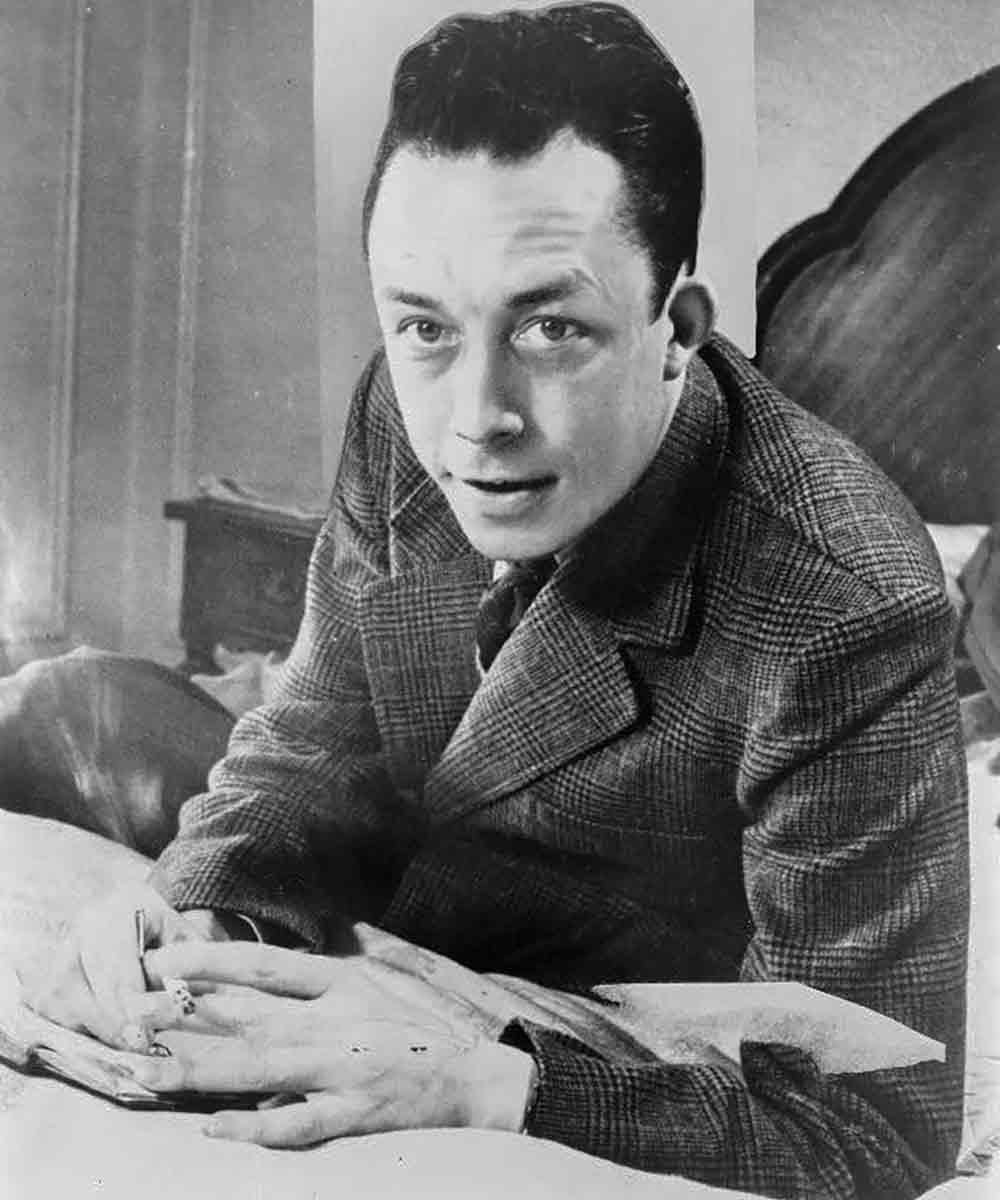
Camus begins his essay by talking about an execution his father had witnessed. The man concerned had brutally murdered an entire family of farmers and then robbed the victims. Camus’ father was particularly outraged, as were many, because the victims included children. Camus was a young child when his father died in the First World War and had no memories of this day; however, his mother told him that when his father returned home, he vomited and said nothing of what he had seen.
Apparently, on the day of the execution, which was to be held publicly, Camus’ father rose early and traveled alone to join the crowds witnessing the murderer receive his punishment. His father could think nothing of justice after witnessing the guillotine in action; all he could see when he closed his eyes was the “quivering body that had just been dropped onto a board to have its head cut off.”
The conclusion Camus draws from this is that if the death penalty as a ritual causes nausea and vomiting in those who witness supposed justice in action, then it is hardly likely to bring peace and order to society. Instead of treating and soothing the repulsion caused by the first crime, a new harm is brought to the social body. Instead of one sickening act of violence, there are now two.
Mythos of the Guillotine
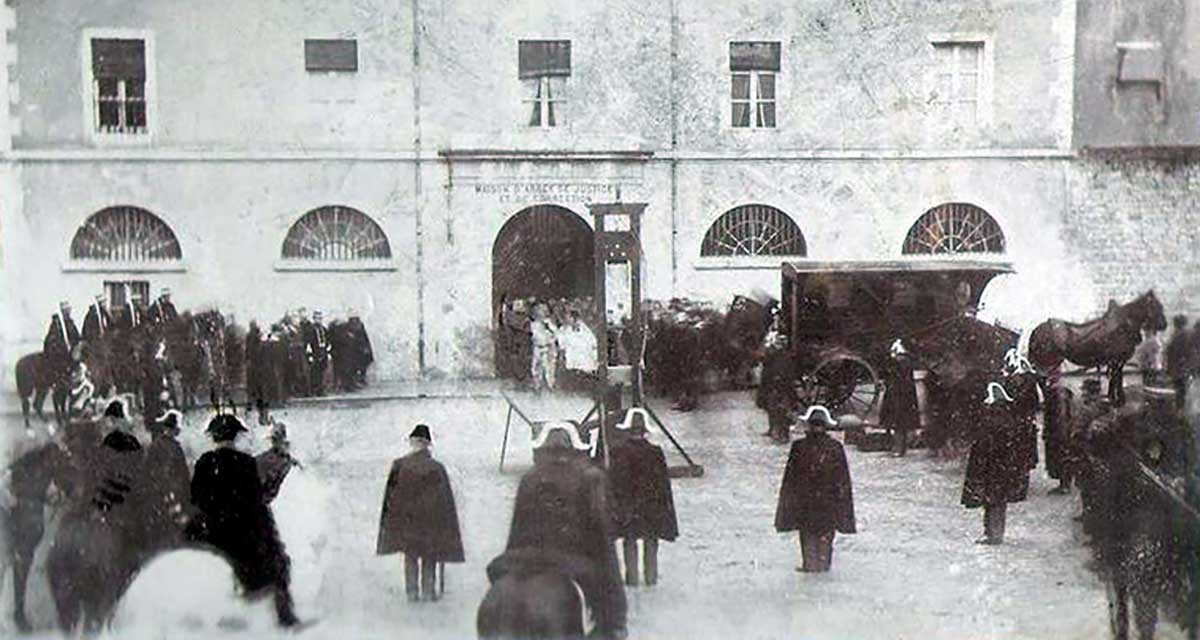
After discussing what he sees as the reality of the death penalty, Camus moves on to the mythos of the guillotine as a means of executing the death penalty. He observes that rather than straightforwardly talking about the guillotine and its effects on crime and society, commentators use “ritual language” and “stereotyped phrases.” That is, after the death penalty has been carried out, the morning papers do not talk about a man’s head being severed from his body but of “the condemned” or “the interested party” or “the patient” having “paid his debt to society.” Sometimes the whole process is described simply as “…at five a.m. justice was done.”
To Camus, this demonstrates a kind of shame over what has actually happened. He says that journalists write “as if they were whispering” about the event. Comparing the Nazi’s executions of Polish hostages and their practice of gagging their victims to prevent them from shouting out rebellious slogans, Camus suggests that journalists and writers in France gag themselves with “padded words” to justify the death penalty.
Camus thus establishes the need to speak openly and accurately about the guillotine and the death penalty, arguing that if it is a punishment the imagination cannot endure, it cannot be carried out justly, and that claims about its social benefits cannot be evaluated unless we think about it clearly.
However, rather than piling up facts and figures to weigh the guillotine’s pros and cons, he states from the outset that he believes “the death penalty besmirches our society, and its upholders cannot reasonably defend it,” before proceeding to present his argument.
Guillotine as a Deterrent
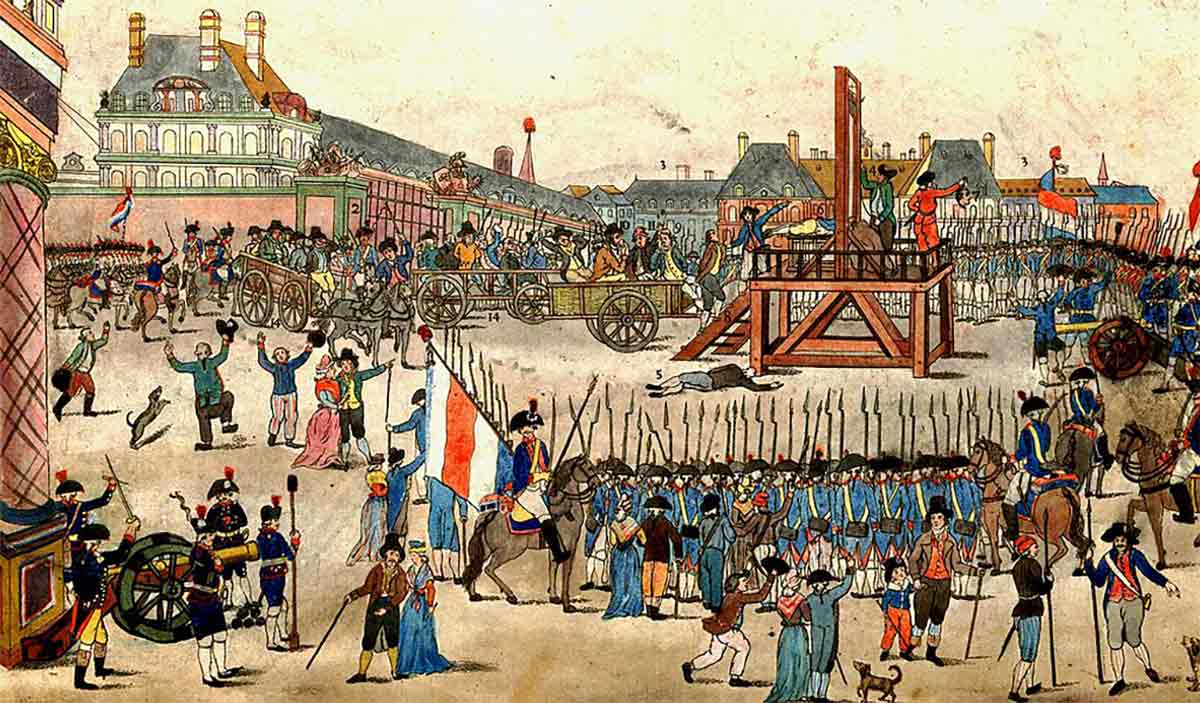
The first argument for the death penalty Camus addresses is the claim that the threat of the guillotine deters would-be criminals. He sums up this argument as, “Society is not taking revenge; it merely wants to forestall. It waves the head in the air so that potential murderers will see their fate and recoil from it.”
Camus offers the points in objection to this claim:
- Society does not believe this is really true.
- There is no proof that this actually works.
- The actual consequences of using the death penalty cannot be predicted.
On the first point, Camus argues that if it were really believed that the death penalty was a deterrent, then Society would openly parade the guillotine and exhibit the severed heads. The last public execution in France was in 1939; Camus is writing almost twenty years later. However, as we have seen, it does not. Instead, executions are hidden away and discussed in euphemisms.
On the second and third points, Camus points out that many murders that would result in the death penalty are committed in the spur of the moment. If the murders are carried out spontaneously, then thoughts of punishment and the guillotine will have no power to stay the killer’s hand. Camus also notes that while many decent people feel sickened by thoughts of the guillotine, many others do not. People still commit capital offenses, and people volunteer to be executioners. It is, therefore, impossible to predict how individuals will react to the idea of capital punishment. If the guillotine is no horror to the bloodthirsty, then what use is it as a deterrent?
Revenge
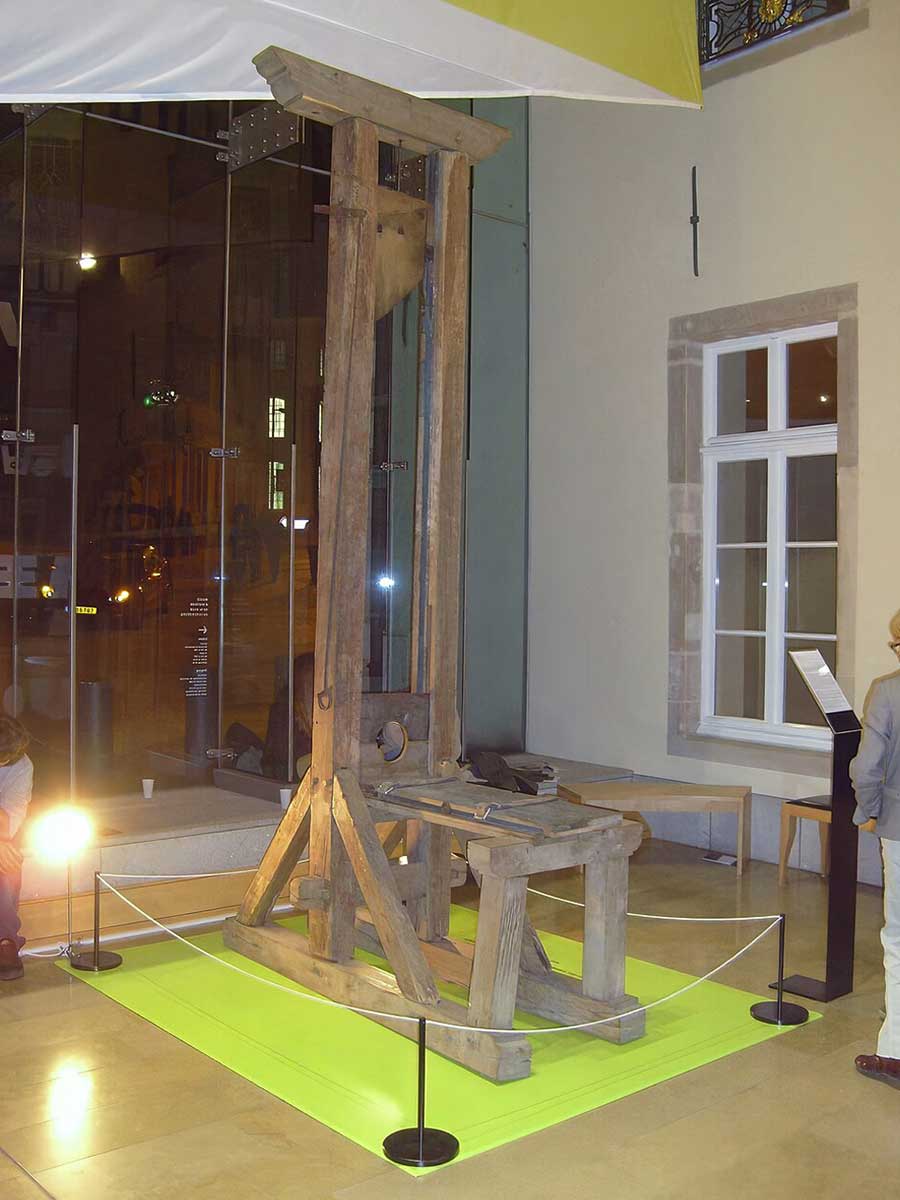
Camus does not buy the argument that the death penalty is intended to serve as a deterrent. He thinks it is far more likely that the motivation for maintaining the death penalty is an ancient one: revenge. The guillotine, he says, is retaliation: an eye for an eye. The problem here, Camus argues, is that the idea that “whoever had done me harm must suffer harm” is a natural instinct. It is an emotional response and a violent one. But the law, he rightly says, is not intended to imitate nature but to correct it.
There can be something shameful about exposing our natural instincts. When our emotions are violent, we feel remorse once the passion has waned. Camus links back here to the idea of shame that seems to surround the guillotine. Why else is it hidden away and only talked about in a whisper?
Suffering
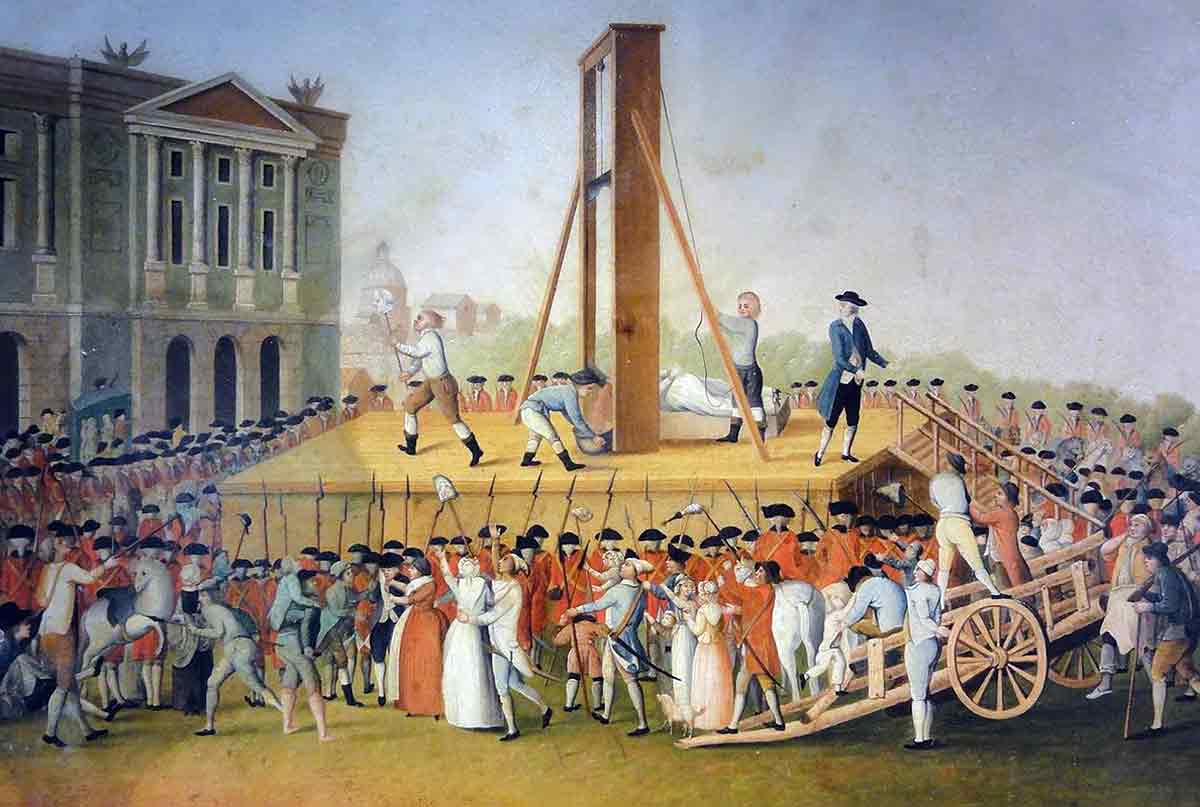
Camus then tackles the idea that quick and efficient executions are humane. The guillotine was designed to be a killing machine that dispatched its victims cleanly. It is often heard by defenders of the death penalty that murderers are treated better than their victims. Camus disputes this idea. He does not downplay the horror of murder or the terrible suffering of the victims, but he challenges the idea that the condemned man’s suffering is minimal.
Those awaiting the guillotine know they will die, but not the date of their death. They go to bed each night in terror, not knowing if the executor will come for them in the morning. In addition, there is the horrible hope of reprieve. Horrible because there is the torturous hope that perhaps the guillotine can be evaded. It is a desperate hope since reprieves are rare.
Camus refers to a euphemism for condemned prisoners often employed by executors and guards, “the parcel.” On the day of execution, condemned men are wrapped up and fed into the machine. They have no choices, not even over whether they will eat (for those who refuse, forced feeding is arranged). Each man is dressed, moved, positioned, and held as he is fed through the machine as if he were actually a parcel. He ends up strapped to a board under the blade of the guillotine.
For Camus, this process seems to kill a man twice: first when his fate is sealed, and he is reduced to an object, and second when his head is removed. He says, “Two deaths are inflicted on him, the first being worse than the second, whereas he killed but once.”
Society Acting on Behalf of the Victim
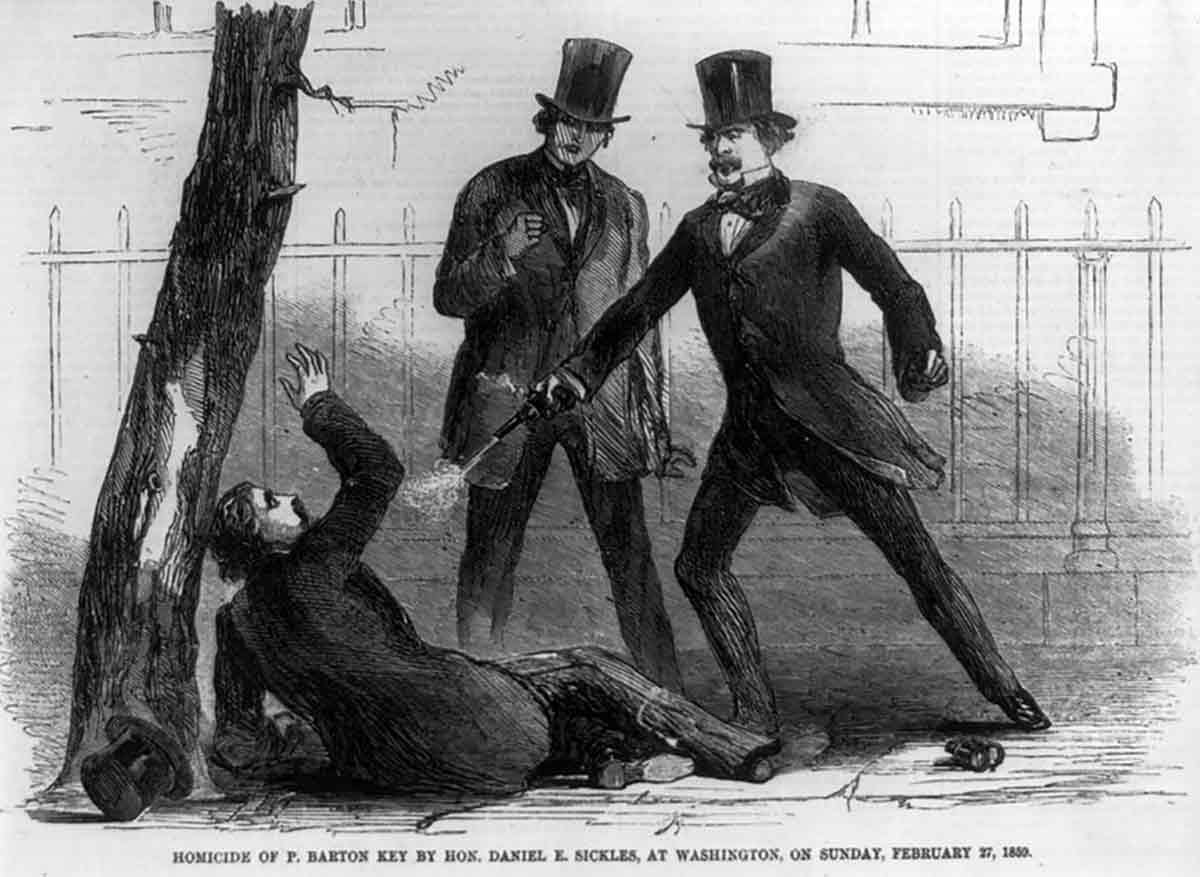
Camus makes an interesting point when he questions the suitability of society’s role when it acts on behalf of the victim. Those for whom revenge seems a good defense of the death penalty must answer why it is appropriate for society to take revenge on a horrific killer.
Understandably, the loved ones of a person brutally murdered might take the opportunity to enact revenge if given half the chance. Put a gun in the hand of the victim’s brother or mother, and they might willingly pull the trigger if faced with their loved one’s murderer. But they are victims too. They are wholly innocent, and the murderer wholly guilty. Can the same be said of society?
Camus is not making excuses for murderers. He does point out, however, that a disproportionate amount of murderers come from impoverished and desperate backgrounds, and a similarly disproportionate amount of murders are fueled, in some way, by alcohol. Both of these are societal problems that are neglected and ignored to a significant degree.
Camus asks if victims of crime have a right to revenge against the perpetrators; do they also not have some right of retribution against those who assisted them or made them more likely? In other words, there is some degree of blame attributable to society. But it is currently society that takes on the role of innocent victim when handing out the death penalty.
Eliminating the Condemned Man
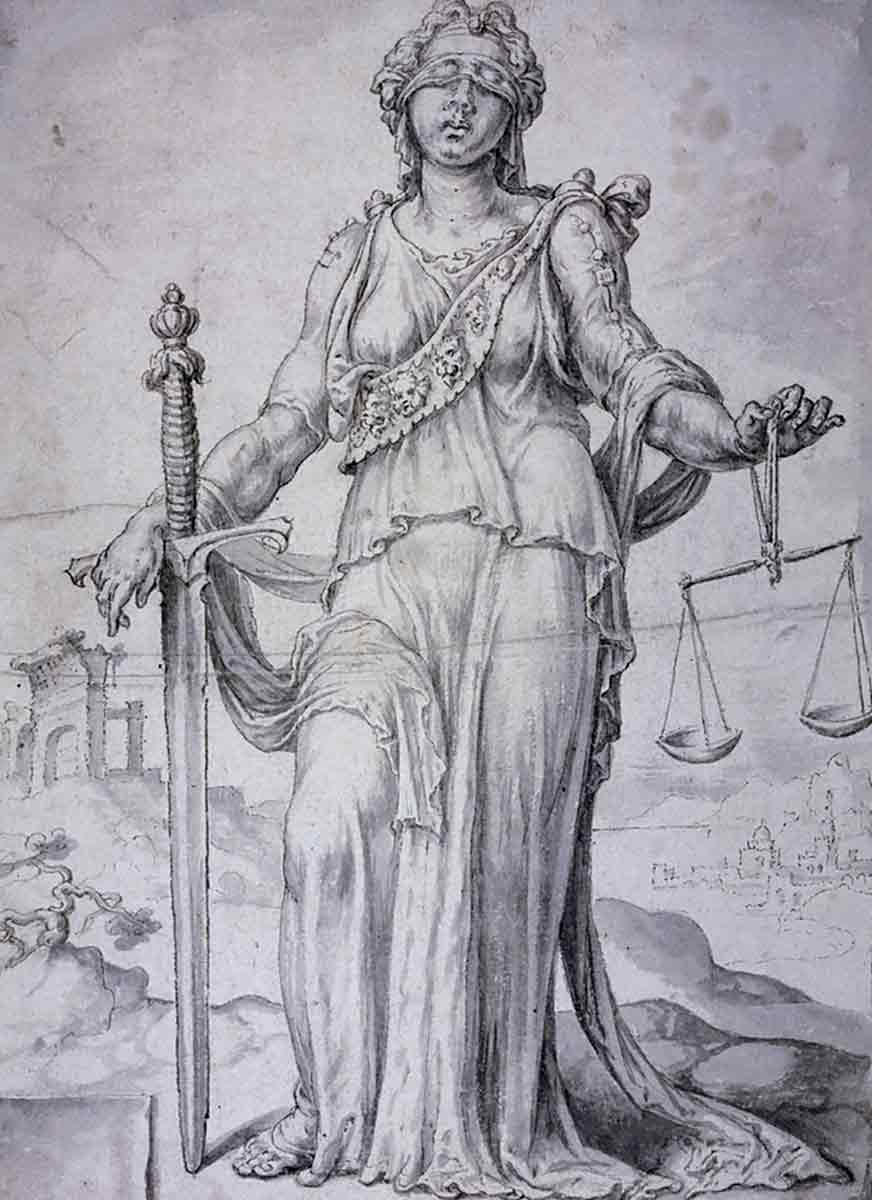
One argument in favor of the death penalty is that it eliminates the murderer. A criminal whose prison sentence ends at the guillotine cannot go on to murder again. But while the guillotine eliminates all condemned men, does it only eliminate murderers, and does it eliminate all murderers? The answer to both questions is clearly no. Camus rightly points out that some innocent people have been wrongly convicted and executed and that, once a sentence is carried out, investigations effectively cease, leaving neither the time nor the effort to establish with certainty whether the condemned person was truly guilty.
There is also an element of chance or luck in the entire process. Camus, who covered many trials as a court reporter, knew well that some defendants simply do better in court, given their looks, mannerisms, or simply due to their knowledge of the system and how to play the game. It seems that, in capital cases, not all men are treated equally. But if justice is not equal, then it is hardly justice at all.
The Problem of Moral Monsters

Camus addresses the subject of moral monsters whose crimes are almost incomprehensible. He gives the example of a young man who returned home one day and took great offense to some passing remark made by his father. His response was to kill him with an axe and then to turn this axe on the rest of the family. Certainly guilty and admitting to his guilt, the young man never displayed any remorse for his crime. One day, on reading that many people turned out for his parents’ funeral, he was pleased. He told a guard that this showed how loved and respected they were.
Camus also discusses people who committed atrocities during World War II. Those, for example, who volunteered to join the Gestapo in occupied France and committed several murders. Many of those recruited by the Nazis were already criminals and murderers.
Here, he raises the question of redeemability. It is difficult to see how men like the bizarre young man who murdered his entire family and the evil men who took part in Nazi atrocities could be redeemed.
It is in these cases that Camus admits those who argue for the abolition of capital punishment are on the weakest ground. Or put another way, monsters are the strongest argument for the guillotine. But the rightness or wrongness here rests on a wager. If we are ignorant as to whether the guillotine is justified in these cases and then we sentence these people to death, it is simply in the hope that this is for the best.
Religious Justifications of the Death Penalty
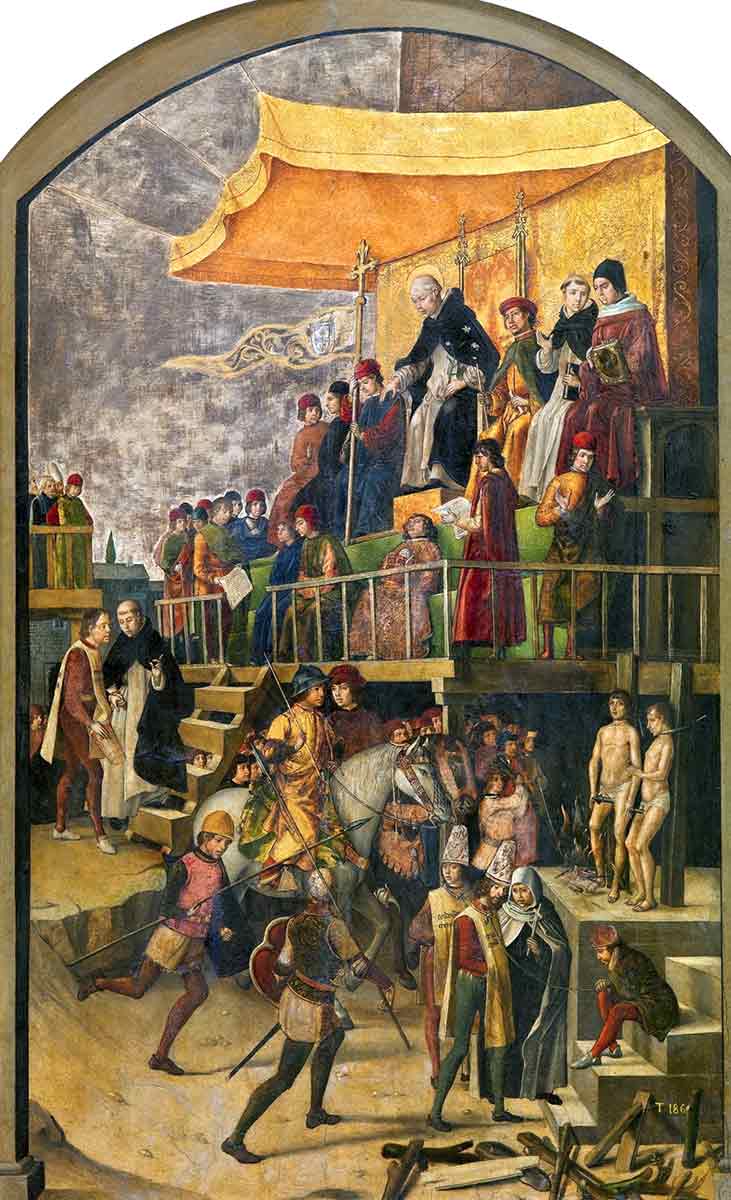
Camus observes that the “supreme punishment,” that is, the death penalty, has always been throughout history a religious form of punishment. Here, when a person is put to death, it is because they have been judged to be outside the divine community. His life on earth is put to an end, but not without the belief that there is another in which he will face another judge and perhaps a chance to make amends. For Camus, there is more justification in the religious use of the death penalty because, according to their reasons, the punishment is neither definitive nor irreparable.
One religious argument on behalf of the death penalty that has been made is that the condemned man, knowing he will soon face his maker, is often moved to repent and take responsibility for his crimes. Without the threat of the guillotine, the man’s salvation might be at risk. Camus thinks that repentance made under the threat of death is a little suspect, to say the least.
Camus is also pointing out that secular society has even less legitimacy and justification for the death penalty than the Catholic Church, or any other church, whose case is already doubtful and suspect. Unlike the religious, who cast members out of the divine community but ultimately leave the last decision to God, secular society takes on the role of ultimate judge for itself. Unlike God, who is infallible, the agents of secular society, such as judges, psychologists, juries, etc., have proved themselves to be fallible time and time again.
Camus Is No Bleeding Heart Liberal
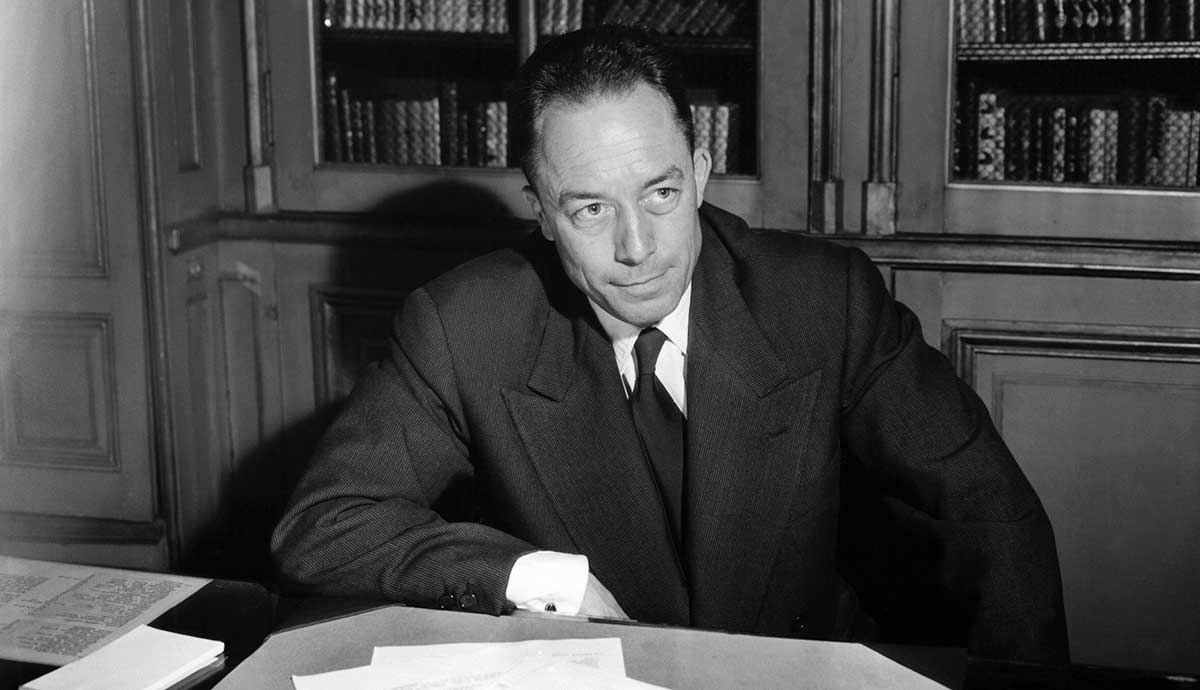
Camus is certainly no “bleeding heart liberal.” And he has no rose-tinted view of humanity. Camus does not believe in any natural goodness in humanity, and he certainly does not think that criminals should go unpunished. Indeed, he sympathizes strongly with the loved ones of the victims who have suffered from the worst crimes and recognizes they are victims too. He understands any desire for revenge they might have. Camus suggests hard labor and full-life sentences for the worst offenders that might otherwise be sent to the guillotine.
What Camus objects to, throughout his essay, is the idea that a society has the right to take the life of any of its members. He cannot find any justification for society or its agents to take on the role of avenger in cases of horrible crimes; nor can he see a justification for claiming the right to cast out people as wholly irredeemable.
Camus finally discusses utilitarian claims that the greater good is served by the guillotine. But he sees no evidence that the death penalty actually serves the greater good. Indeed, he concludes that allowing society to assume the role of absolute judge in human matters causes greater harm. To permit society to take the irreversible and final action of taking a person’s life is to allow the idea that it is itself beyond judgment. Whenever in history we have seen societies in which the law has been considered of higher value than human life, the results have never been good.