
“The Silent Men” tells the story of humiliated workers who are unable to communicate their feelings. Albert Camus wrote it after the fallout that followed the 1951 publication of his controversial book The Rebel. Shocked and dismayed by the vicious criticism he received from those he had previously regarded as friends and allies, Camus felt betrayed and humiliated. He felt that many of his critics were unwilling or unable to engage with his ideas in good faith. Reflecting on narcissism, the breakdown of communication, and the sense of a shared human fate, Camus wrote “The Silent Men.”
Situating the Text
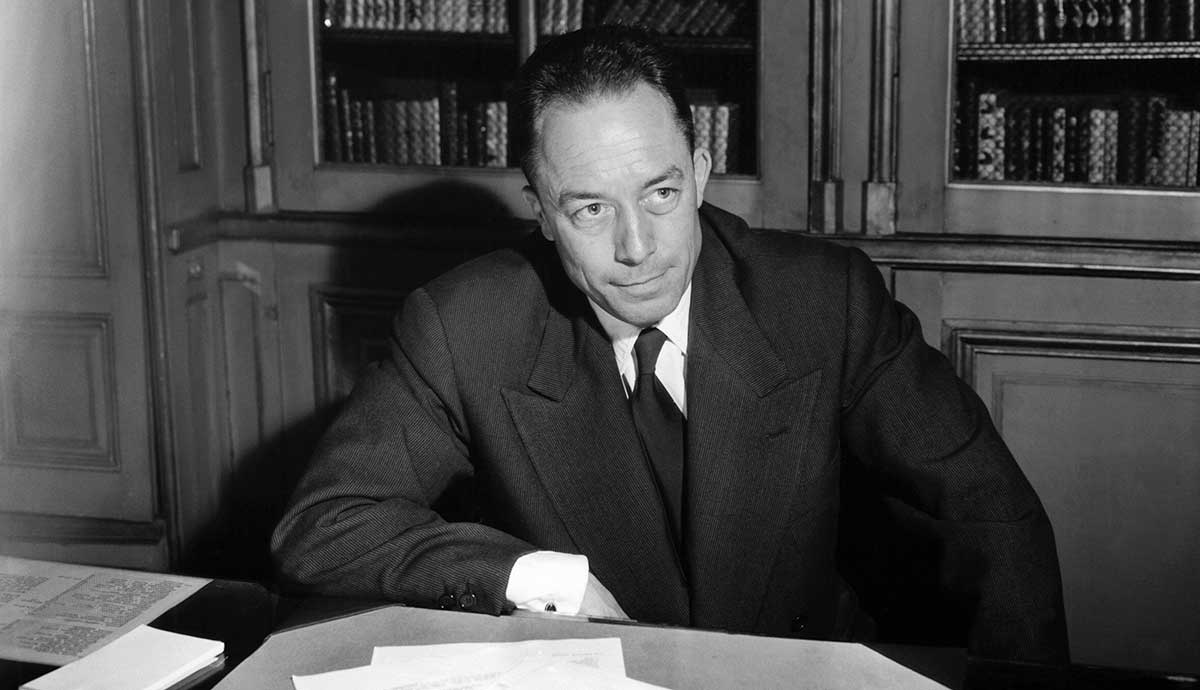
“The Silent Men” is a short story written for the 1957 collection Exile and the Kingdom. Writing short stories was a departure for Camus and contrary to his long-term plan. From the beginning of his literary and philosophical career, Camus planned his work in cycles. Each cycle would contain a novel, a long-form essay, and two plays. These would be dedicated to a single theme.
The first cycle concerned the absurd and consisted of the novel The Stranger, the essay The Myth of Sisyphus, and the plays Caligula and The Misunderstanding. The second cycle, on rebellion, consisted of the novel The Plague, the essay The Rebel, and the plays Just Assassins and State of Siege. The third cycle would have been on love, but Camus was tragically killed in a car accident before serious work could get underway on this project.
So where does “The Silent Men” fit into Camus’s cyclical work? The short answer is that it does not. His essay The Rebel, published in 1951 as part of his second cycle, was met with outrage by some of his left-wing contemporaries in France. Looking at the evolution of rebellion, Camus argued in the essay that modern revolutionary movements had betrayed the original and pure impulse to rebel in human beings. On top of this contentious thesis, Camus was critical of several figures long regarded as heroes of the political left in his essay. He expected criticism but was shocked by the hostile response and personal abuse he received.
Deeply hurt by the response to his essay, Camus took a break from his cyclical plan and worked on other projects. The product of his thinking was the collection of short stories, including “The Silent Men.”
What Happens in “The Silent Men”?
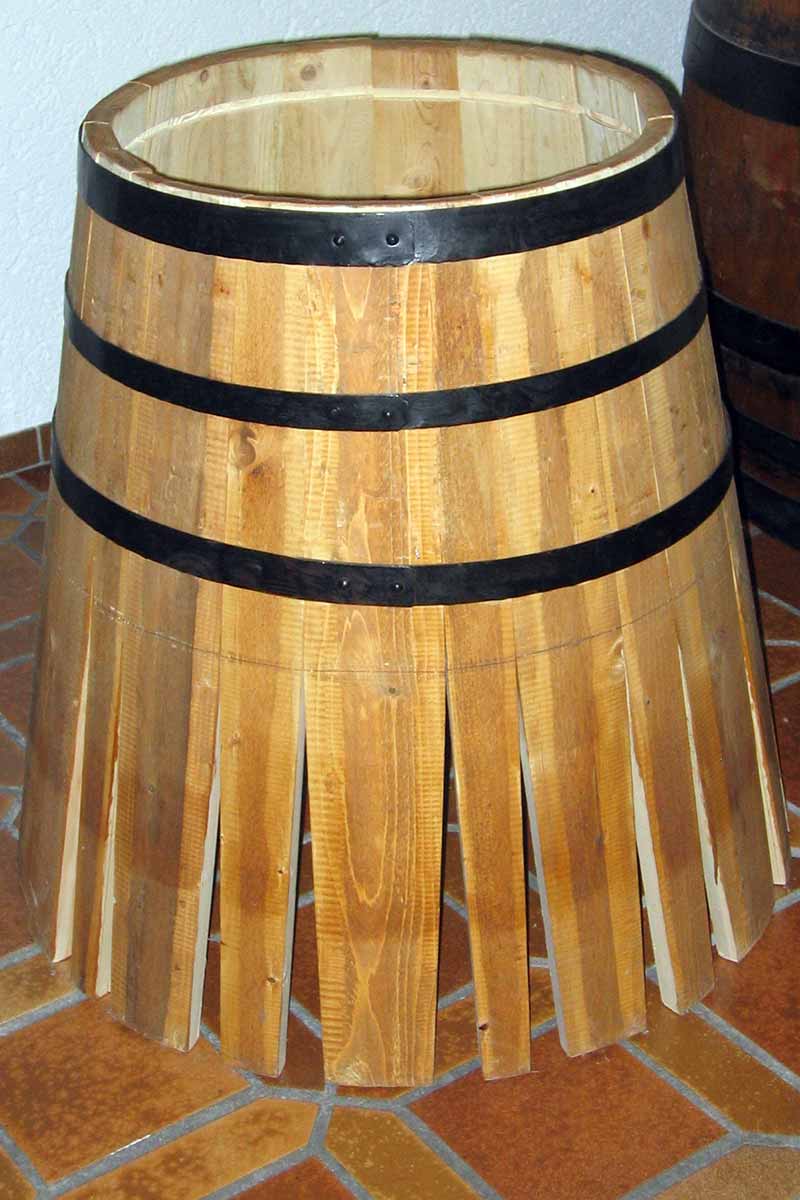
Yvars is cycling to the workshop where he works as a barrel-maker. He is forty years old, and Camus describes him as pedaling heavily. As he makes his way to work, he thinks bitterly about the lunch he has packed in his bag. Instead of a Spanish omelette or a steak between the slices of bread in his sandwich, he has only cheese.
The route to work takes Yvars by the sea, but he chooses not to look at it. Twenty years ago, in the prime of his youth, he loved to go swimming in the sea. Later, after getting married and having a son, Yvars would swim less but still enjoy watching the waters. In the evenings, spending time outside with his wife Fernande and his neighbors, the evenings seem to harmonize with his body. In these moments, he feels like he has “nothing to do but wait.”
This morning is different. Yvars’s head hangs heavy, and his heart feels heavy too. It is not just the anticipation of hours spent at work weighing on him, but the fact that he is returning to work after an unsuccessful strike.
The situation for the barrel-makers is dire. Their trade is becoming obsolete, with fewer and fewer calls for barrels made by skilled craftsmen. The company’s solution to the lack of demand and money coming in is to freeze salaries. With prices rising, the real earnings of the workers are effectively going down. Yvars could change his career, but this is hard to digest. He is a skilled craftsman, a master of his trade, and giving that up is not easy. To add insult to injury, the boss simply says “take it or leave it” when the workers complain about the wages.
The Strike
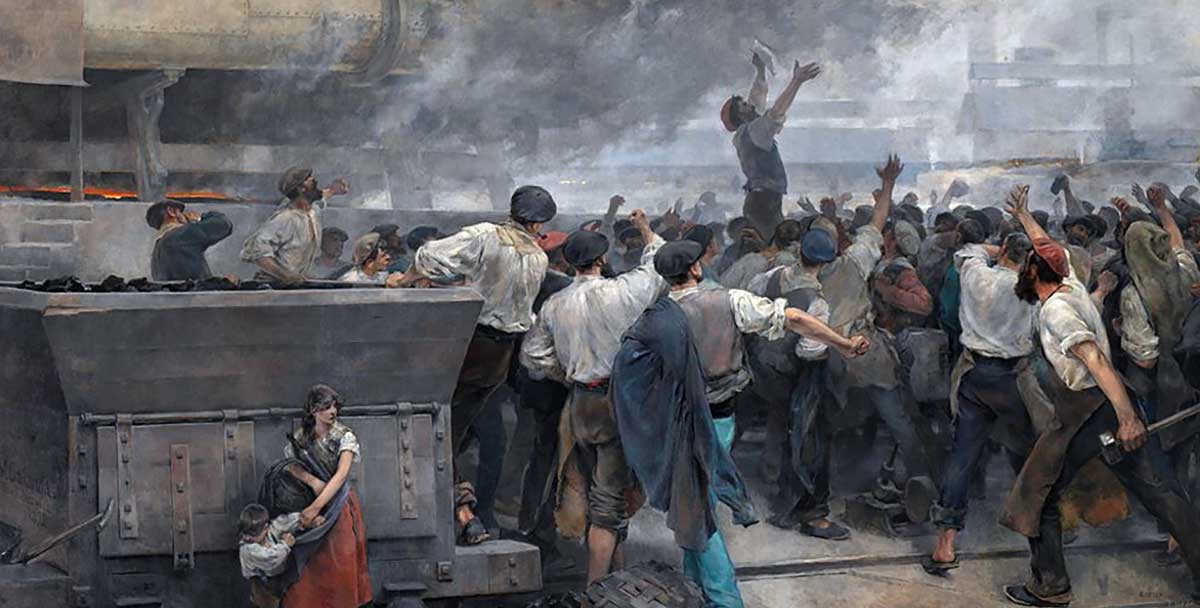
Yvars reflects that the boss himself is not a bad sort. He gave the workers bottles of wine for Christmas and gifts on special occasions. On the birth of his daughter, he brought sugared almonds in for everyone at the workshop. But despite all this, he could never really understand his workers’ point of view.
This lack of understanding goes hand-in-hand with a lack of communication. When frustrations over money arise, the tempers of the boss and the workers boil over. He gives them an ill-judged “take it or leave it” response to their complaints and responds to strike threats by pretending he welcomes them, saying he employs the men only out of charity.
The barrel-makers on strike do not have the support of the union, and there seems little point in not returning to work. They agree to go back to work but are adamant that the situation is not a done deal. This is, however, a bluff. In reality, the strike is lost, and they are going back defeated.
Camus’s reference to Yvars’s cheese sandwich, as opposed to a Spanish omelette or steak, is a hint at his worsening financial situation due to the wage freeze and twenty days on strike.
The question for the workers on this first morning back at work after the defeat concerns what they will say to the boss on their return. The answer is “nothing.”
First Day Back
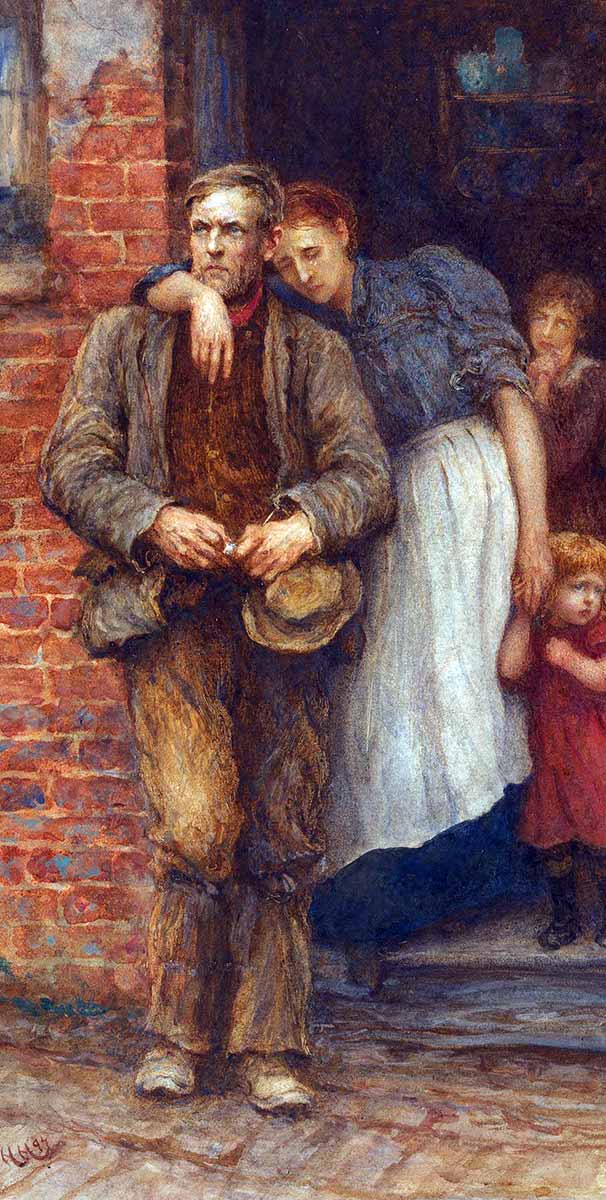
When Yvars arrives at the workshop, he finds the doors closed and the men standing outside. Previously, they had always been open. They all know that this move is a power play by the boss to show that he is the one letting them work. Ballester, the oldest worker, who disapproved of the strike, arrives to open the workshop. As they file in humiliated, nobody says a word. We are reminded of the story’s title, “The Silent Men.”
The workshop looks old and abandoned. The not-yet-finished barrels lay on the floor in the state in which the workers left them before going on strike. Ballester goes from man to man, giving them the instructions for the day. They listen to him in silence.
Work gets going, and after some time, the boss arrives and enters the workshop. He attempts to strike up a conversation with a young worker, but the man glances at another worker and returns to his work without replying.
The boss then tries to speak to the others, but is met with silence from everyone. Eventually, frustrated, he leaves, saying, “Fine, when you’ve gotten over this, let me know through Ballester.”
Later, the boss calls for Yvars and the union steward Marcou. He attempts to be reasonable and friendly, but Yvars and Marcou remain stone-faced. After Marcou refuses to shake the boss’s hand and storms off, the boss tells Yvars he can go to Hell.
The workers take their lunch together and share out the food and coffee they have brought into work. Yvars shares some of his cheese sandwich with Said, the only Arab employed at the workshop. Others pour Said some coffee gifted to the striking workers by a grocer.
The Sick Child
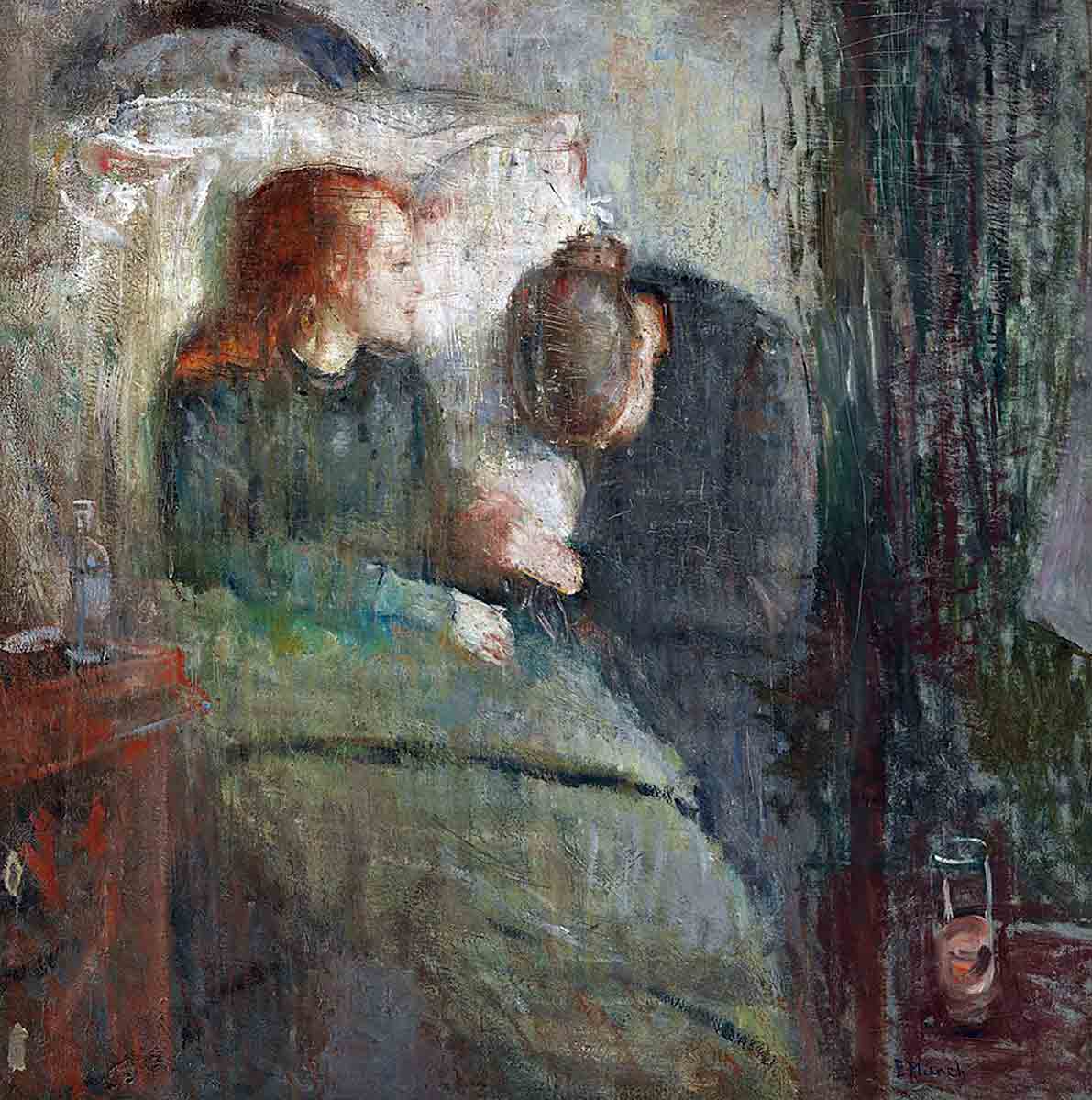
During the afternoon, the bell that usually signals the breaks and the end of the day rings out suddenly and in an unusual pattern. Ballester goes to investigate and comes back with news that the boss’s daughter has collapsed, and the doctor has been called. A little later, they hear the sirens of an ambulance rushing to the boss’s home. The barrel-makers work out the rest of the afternoon in silence.
When Ballester announces closing time, the men put down their tools and make their way to the shower. There is none of the usual camaraderie or jokes about the attempted modesty of the biggest worker, Esposito, who is embarrassed to shower in front of the others.
Suddenly, a door opens, and the boss enters the room. No one says anything. Eventually, he says “goodnight” in a muffled voice and leaves. Yvars thinks they should call out to him, but it is too late.
The story ends as it began with Yvars riding his bicycle. This time, however, he is going home. Home to his wife and young son. He finds his boy home from school, reading comics. Later, he sits with his wife outside, sharing a drink whilst looking at the sea. Yvars recounts to her about everything that happened that day. Afterwards, they sit in silence. Staring out to sea, he wishes they were young again.
The Ending of “The Silent Men” Explained
There are several major themes and motifs in “The Silent Men” that we see frequently in Camus’s work. Firstly, and most obviously, there is the idea of a failure of communication. Even before the furor surrounding “The Rebel,” Camus struggled with the tension between individualism and personal experience on the one hand, and a shared experience of life and the human condition on the other. Thinking about politics in particular, Camus was concerned with how people with dramatically opposing views could come together to agree on important ideas.
In “The Silent Men,” we see an inability to communicate between the boss and his workers. In the text, we read that the boss attempts to get along and be friendly with the barrel-makers, but in the end, as Camus writes, “…he had never gone to their homes, he did not understand.”
We also see ideas that cannot be adequately communicated. The barrel-makers are silent even with each other and cannot express their feelings over the failure of the strike in words. None of them can find the words to communicate anything to the boss about what has happened to his daughter, and, in turn, he says nothing to them.
In addition to the theme of communication, Camus also addresses the idea of common fate shared by all human beings. Yvars is aging, and the effects of age on his body are continually referenced. The story ends with Yvars looking out to sea and wishing he were young again. Human problems, whether they be financial worries or illness, are always set against and put into proportion by death. Camus’s writing on age revisits ideas that appear in one of his earliest essays, “Irony” (1937), written before his cyclical writing. Thus, we see Camus returning to his roots, perhaps wishing he were young again.