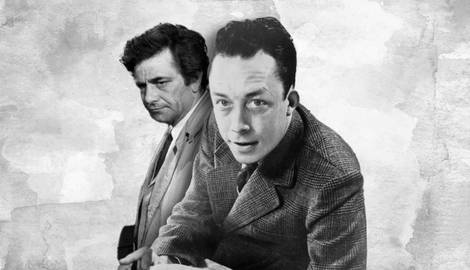

Camus’s novel A Happy Death and the television series Columbo both address, in their own way, the problem of existential guilt. The surprising similarity between the two stems from a shared source of inspiration: Dostoevsky’s novel Crime & Punishment. Existential guilt is thought to arise after the contemplation of human freedom and the painful sense of responsibility for one’s own life that invariably follows. The characters in these books and the TV series seek to overcome existential guilt with varying degrees of success. What lessons can we learn from them?
Columbo TV Series
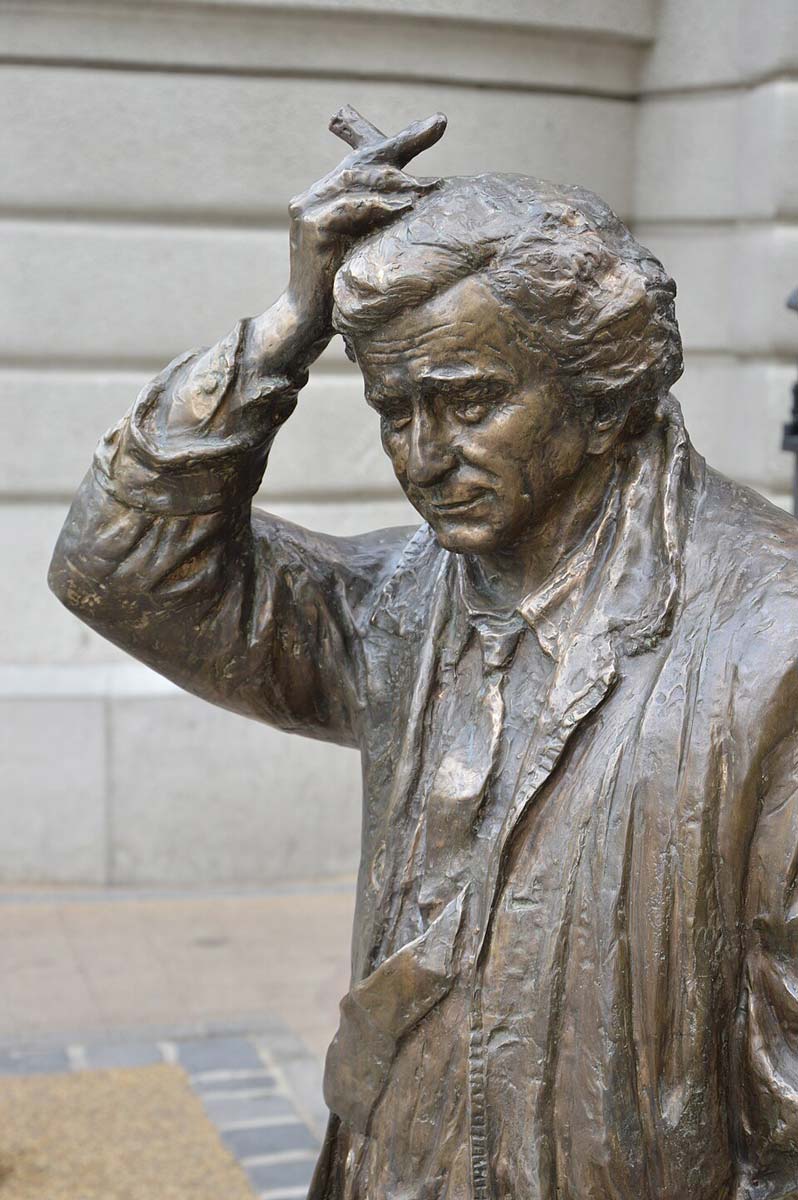
After a couple of pilot episodes, Colombo ran from 1971 to 1978. The show aired again from 1989 to 1990 and sporadically after that until 2003. There were sixty-nine episodes in total, winning Colombo twenty-two awards, including four Emmys and a Golden Globe.
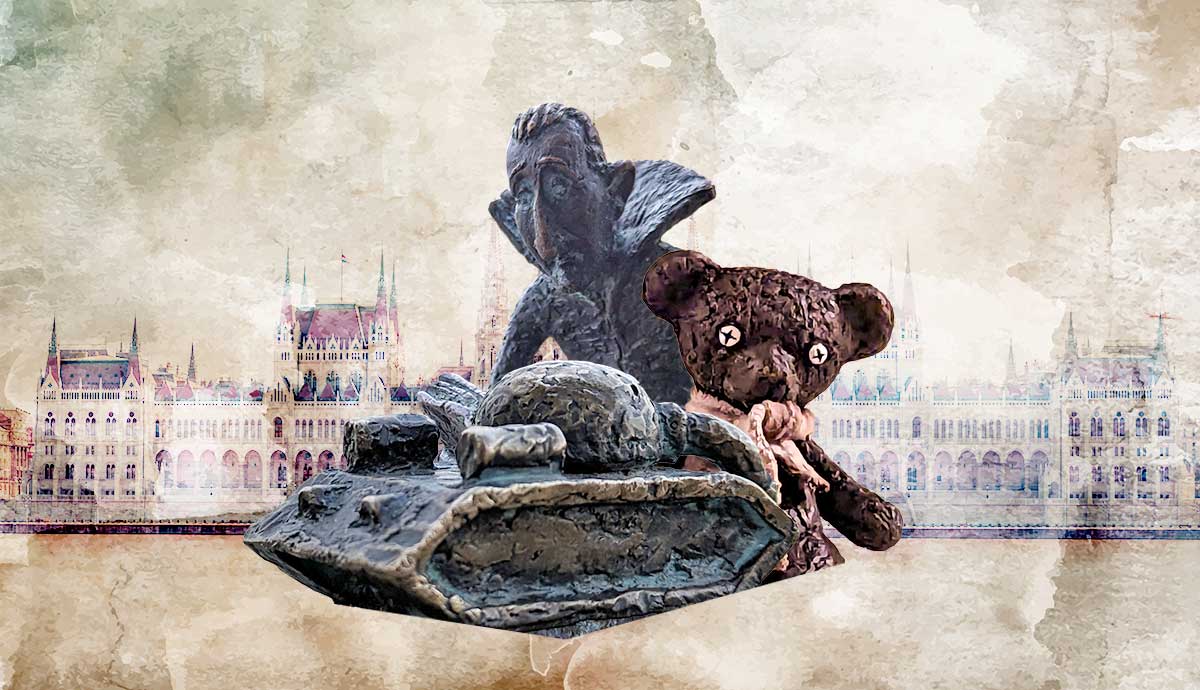
The show was broadcast in forty-four countries worldwide, making Peter Falk, who played the titular detective, an internationally recognized star. Indeed, so popular was Columbo worldwide that today there is a statue of Falk in Budapest. In Romania, when they ran out of episodes in the 1970s, Falk was asked to record a public statement in which homicide detective Colombo addressed the public, appealing for calm. He complied, using a phonetic transcription of Romanian.
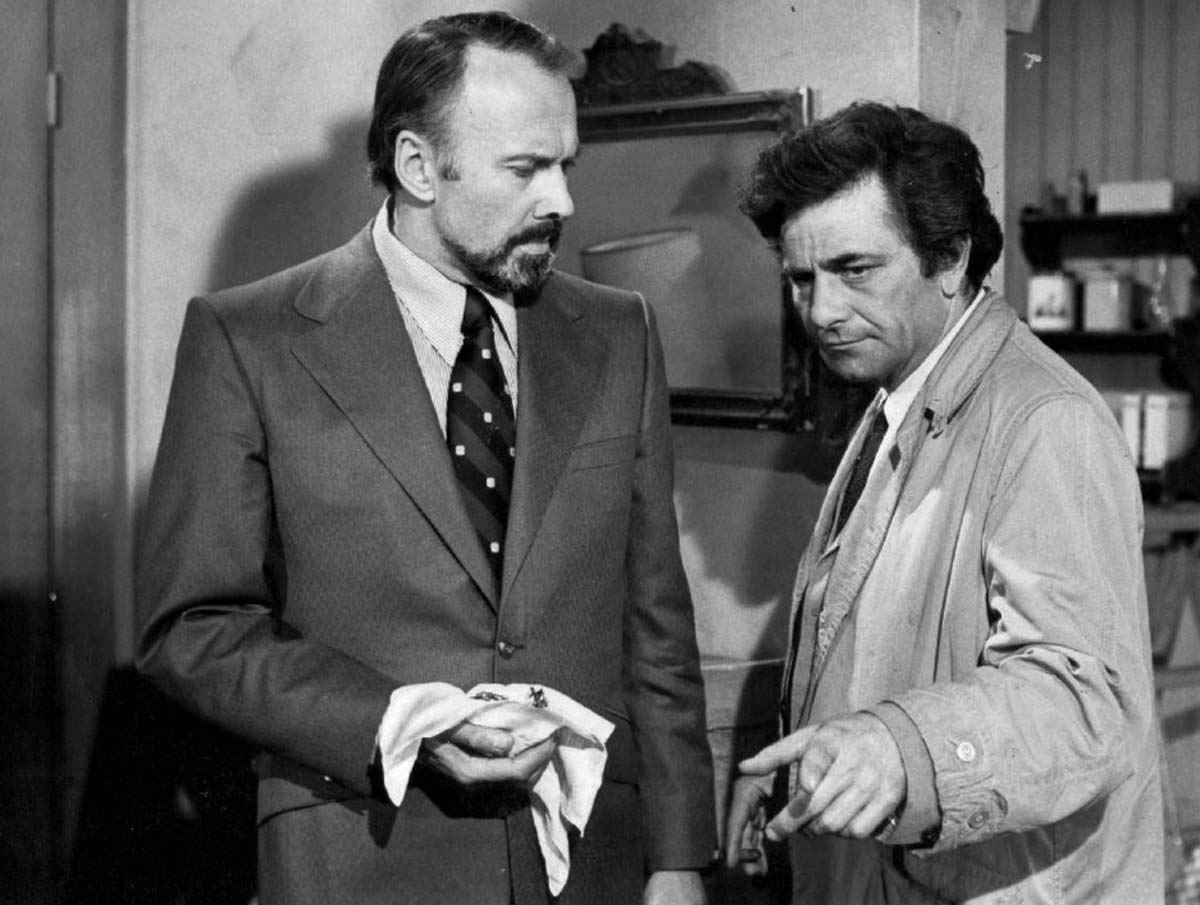
Columbo differed from other police procedurals and detective TV series of the time. Peter Falk was physically small and did not appear to be a macho law-enforcer. In addition, the character looked disheveled with his beige clothes, cheap cigars, and now-famous rumpled raincoat. Falk played him as shambling and unassuming, but viewers quickly came to realize that the little detective was a lot sharper than he appeared.
However, what stood out the most for viewers was that Columbo was not a traditional ‘whodunnit.’ At the beginning of each episode, the murderer-of-the-week was shown carrying out the murder.
Columbo would appear on screen after the murder and spend the rest of the show picking away at the killer’s alibi and excuses until he forced a confession. The murderers in the show were always depicted as intellectually superior types who believed they could pull off the perfect crime, only to be undone by the unassuming Colombo. Indeed, as part of his technique, Colombo would often tell his suspect that they were much cleverer and ask for their help in solving the crime.
Crime and Punishment
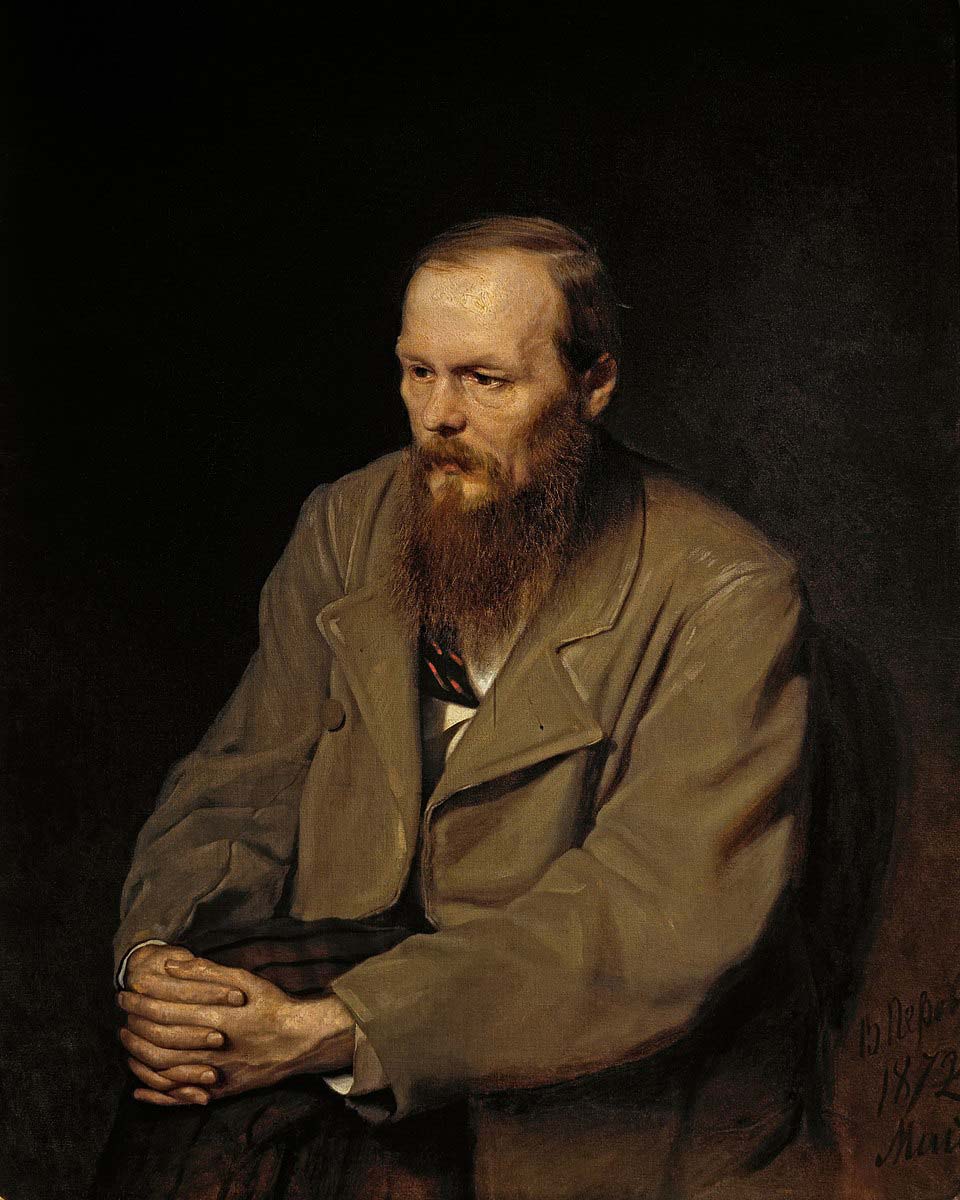
Colombo was created by the writing duo Richard Levinson and William Link. Almost a decade before the first episode of the show was aired on television, Levison and Link conceived the character of Lieutenant Colombo. Their detective was based explicitly on the character of Porfiry Petrovich, the shambling but astute detective from Dostoevsky’s Crime & Punishment.
Crime & Punishment was first published in 1866, in the magazine The Russian Messenger, in monthly instalments, and a year later as a single-volume book. It was Dostoevsky’s second novel, written after Poor Folk (1846) and the novella Notes from Underground (1864).
The crime in Crime & Punishment is the brutal axe-murders of an elderly pawn-broker and her half-sister. The punishment, ostensibly, is eight years of penal servitude in Siberia. However, the real ‘punishment’ of the killer, Raskolnikov, is the mental anguish he suffers before, during, and after the crime. The fact that he only gets eight years for a violent double murder is due to his mental state.
Raskolnikov is a handsome twenty-three-year-old ex-student living in poverty in St. Petersburg. When we first meet the character, he has been obsessing over a plan to murder a wealthy female pawn-broker in order to steal her money. He rationalizes the act by convincing himself that he is doing it for abstract intellectual reasons. Indeed, some time after the murder, we discover that Raskolnikov had months earlier written an article titled ‘On Crime’ in which he defends the right of geniuses to commit crimes in order to further their pursuits.
The actual murder does not go well and becomes something of a bloody mess. The victim’s half-sister stumbles onto the scene, and Raskolnikov murders her too. He is almost caught and only escapes by sheer chance. Furthermore, he fails to steal anything of real worth.
Dostoevsky’s Detective Porfiry Petrovich Compared to Colombo
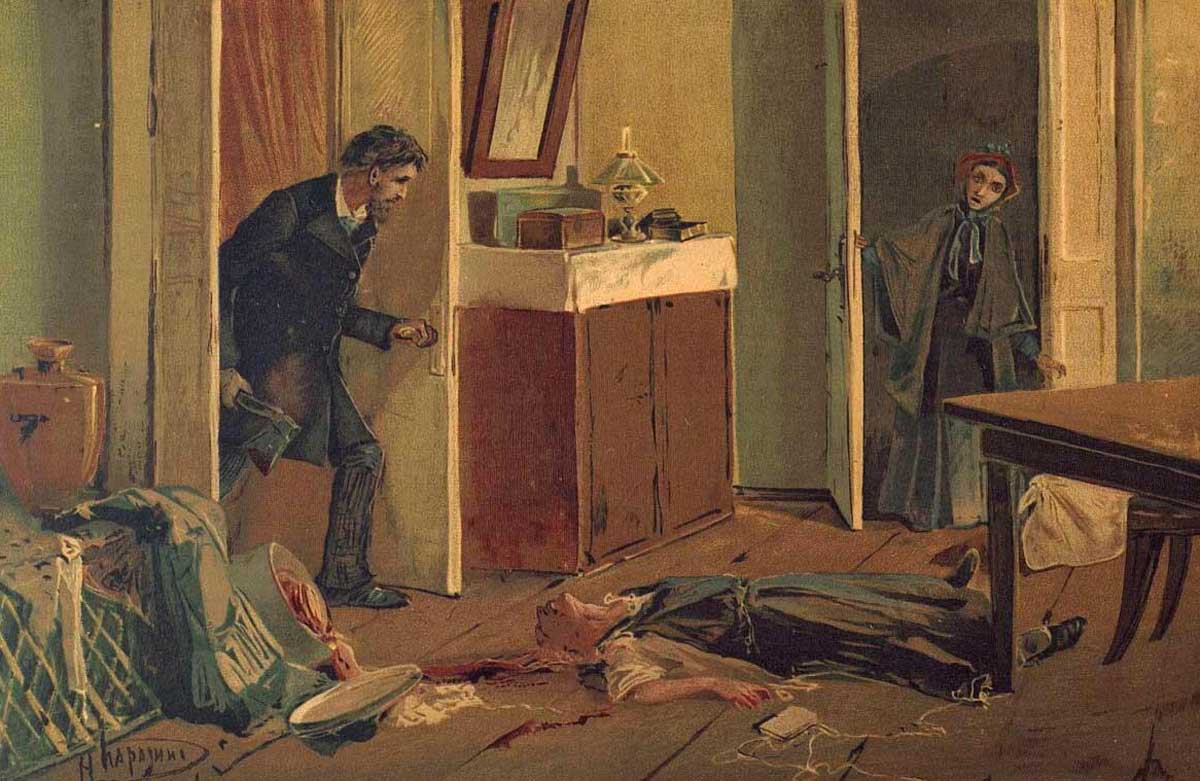
Raskolnikov not only believes himself to be intellectually superior to others, but he also believes that his ‘genius’ gives him the right to commit murder. In fact, he is not quite as clever as he thinks he is. Not only does he mishandle the crime, but he also fails to anticipate the psychological toll it would have on him. It is this criminal hubris that Levison and Link borrowed for Columbo. Every murderer in their show believes themselves justified in killing others because they consider themselves to be intellectually superior and unbound by morality when it comes to securing their ends.
In Crime & Punishment, Raskolnikov is not purely motivated by abstract intellectual ideas. He is penniless, and murdering the wealthy pawnbroker serves as a means of securing much-needed cash. In Colombo, the murderers invariably need to kill their victims to secure something that can only be achieved by eliminating this person. When we come to look at Albert Camus’s novel A Happy Death, we will see that his protagonist Patrice Mersault is in the exact same position. He is in need of money and rationalizes murder in order to acquire it.
The detective in Crime & Punishment is Porfiry Petrovich, the head of the Investigation Department. Just like Lieutenant Columbo, Petrovich never bullies, harasses, or even outright accuses his suspect. Rather, the psychologically astute detective seeks to confuse, provoke, and trap Raskolnikov into confessing. In addition, in Levison and Link’s television series, Colombo also refrains from showing animosity towards the men he knows to be murderers. Often, Colombo sets clever traps designed to force the murderer’s hand and draw out a confession. In Dostoevsky’s novel, Petrovich does so too.
Guilt in Crime & Punishment and A Happy Death
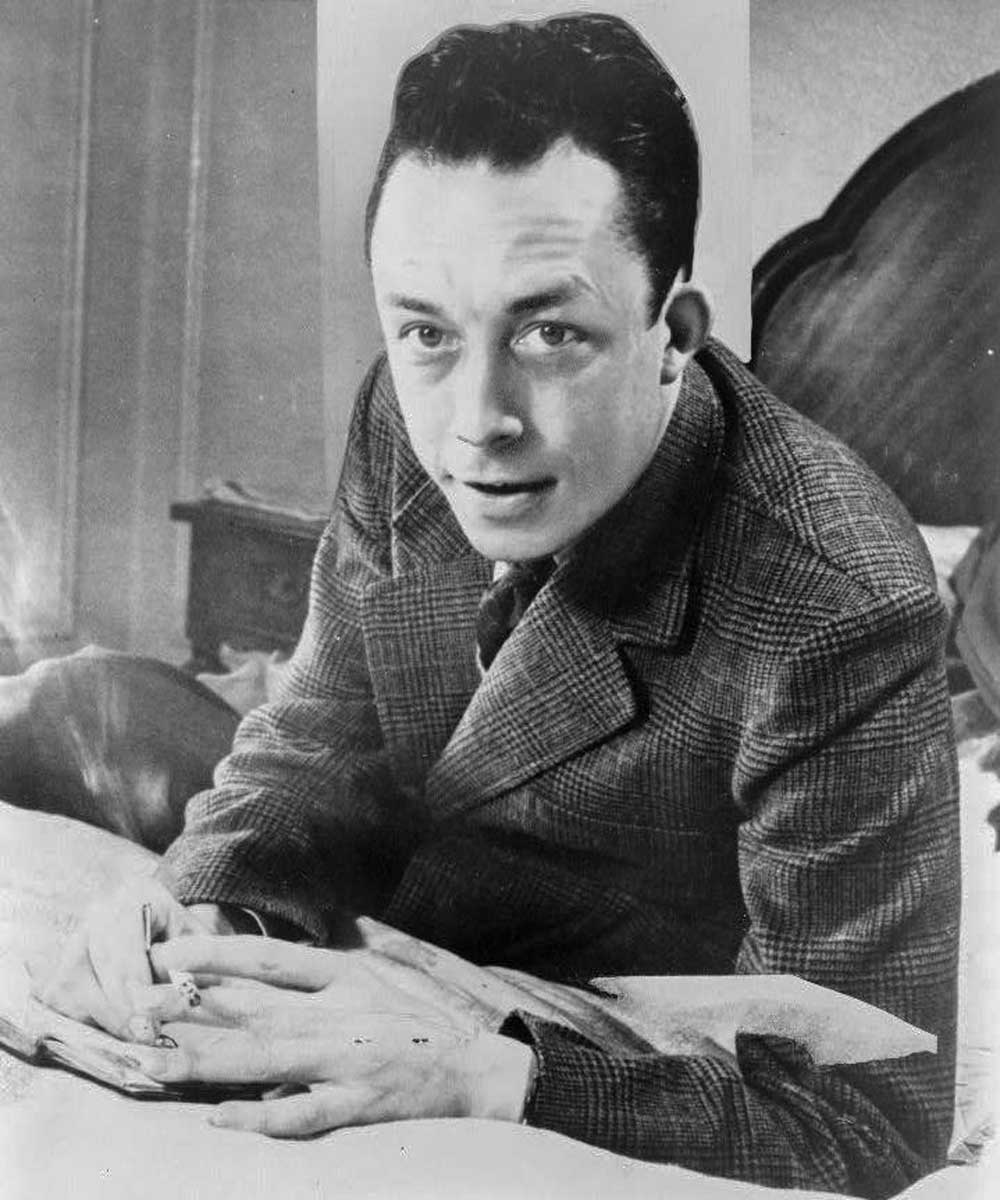
The murderers in the television series Columbo rarely show any kind of guilt or remorse for taking a human life (or lives). Most, in the end, merely display a grudging respect towards the detective Columbo for outsmarting them. Raskolnikov, however, is plagued with guilt and psychological stress over the murders. He also feels compelled to confess his crimes. As we turn now to Albert Camus’ A Happy Death, we will see quite a different and far more curious reaction to guilt from his character Patrice Mersault.
Today, Camus’s most well-known novel is The Stranger (1942), in which the narrator, Meursault, murders an Arab man on the beach for seemingly no reason. However, before this, Camus worked on A Happy Death, which he later abandoned in favor of The Stranger. The protagonist, Patrice Mersault, has a very similar name to the narrator of The Stranger, shares many biographical details, and experiences some of the same events.
However, the murders in the two works are markedly different in both execution and motivation. Meursault kills the Arab man for mysterious, almost mystical, reasons, whereas Patrice Mersault plots and carries out the killing of a rich amputee very much in the style of Raskolnikov (and how the murderers in Columbo will do in the future).
In The Stranger, Meursault infamously never experiences guilt for killing a man. In A Happy Death, Patrice Mersault manages not only to overcome guilt but also to discover a strange kind of innocence.
Columbo-Style Murder in A Happy Death
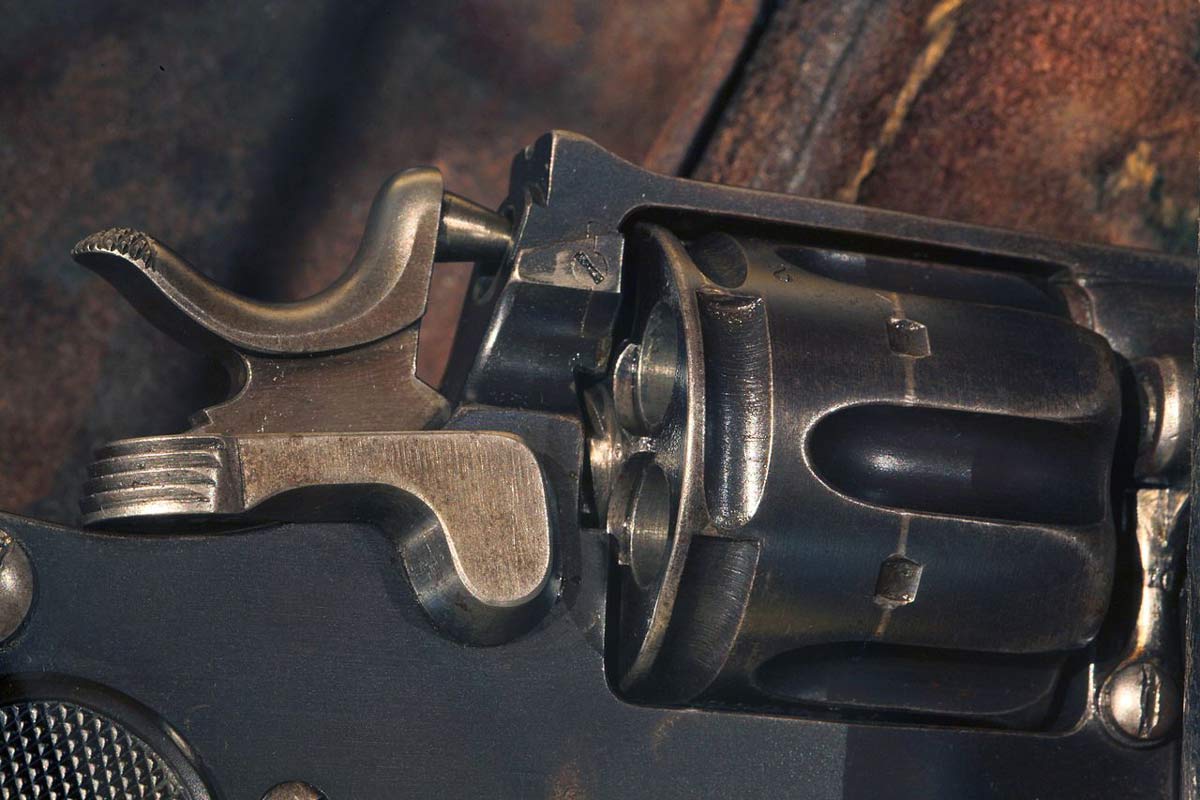
In the opening scenes of Columbo episodes, viewers see the murderer meticulously carry out their plans. Typically, they set the scene to ingeniously avoid detection. The murder in A Happy Death is shown in the same way. Patrice Mersault enters the home of his victim and carries out the murder with ruthless efficiency while staging the scene to look like a suicide.
His victim is a man named Roland Zagreus, a former lover of Mersault’s girlfriend. Initially, Patrice seeks a meeting with Zagreus out of sexual jealousy, but when he sees that the older man is now a double amputee, he no longer feels threatened. He even comes to enjoy spending time with the man. Zagreus was once a criminal and made his fortune, but lost his legs. He now spends his time alone with his money, relying on visiting nurses for basic hygiene.
In their discussions, Zagreus taunts Mersault, who has expressed frustration with his life, constrained by poverty and limited opportunities. He tells Mersault that if he wants to be happy, he must be prepared to take what he needs and do whatever he must in order to get what he wants out of life. Fatefully, he tells Mersault about the pile of cash he has in the house, as well as a loaded gun and a pre-written suicide note. It turns out that whenever Zagreus feels depressed, he reads the note and puts the gun in his mouth, then chooses not to fire, thus choosing life.
Mersault, after spending much time brooding over it, decides to kill Zagreus and take his money in order to make a life for himself free of the need to work. Thanks to the note and Zagreus’s clearly miserable living conditions, the police easily accept the death as a suicide.
Differences Between Patrice Mersault and Raskolnikov
There are many similarities between Patrice Mersault and Raskolnikov. Both of them are young and good-looking. Both are poor and extremely resentful of their poverty. They are also both intelligent, former university students who think deeply about life. We discover that Raskolnikov has published an article, some time before the novel begins, in which he argues that great people are entitled to ignore moral and legal constraints in order to achieve their ends. This lesson is taught to Patrice by Zagreus.
Zagreus was a criminal who lived by his own rules and made himself rich. However, due to his accident, he now considers himself to be robbed of a life and spends his days awaiting death. Patrice is disgusted by the sight of Zagreus both physically and psychologically. He justifies murder by convincing himself first that it was a kind of assisted suicide and later as an act carried out in the service of life (Camus here was responding to Nietzsche and his ‘Morality for Doctors’ from Twilight of the Idols).
Raskolnikov is plagued by guilt and feels compelled to confess his crime. In the immediate aftermath of murdering Zagreus, Patrice suffers but manages to overcome his feelings of guilt, even coming to consider himself innocent. There is a point near the end of the novel in which he almost tells a friend his secret. However, he stops himself. Not because he feels guilty, but because he is concerned that his friend will not understand.
Although Raskolnikov and Patrice experience guilt in different ways, both characters address what we could call ‘existential guilt.’ This is the profound unease brought on by the realization of our ultimate freedom to do what we want and of our responsibility to ourselves to exercise it.
Existential Guilt
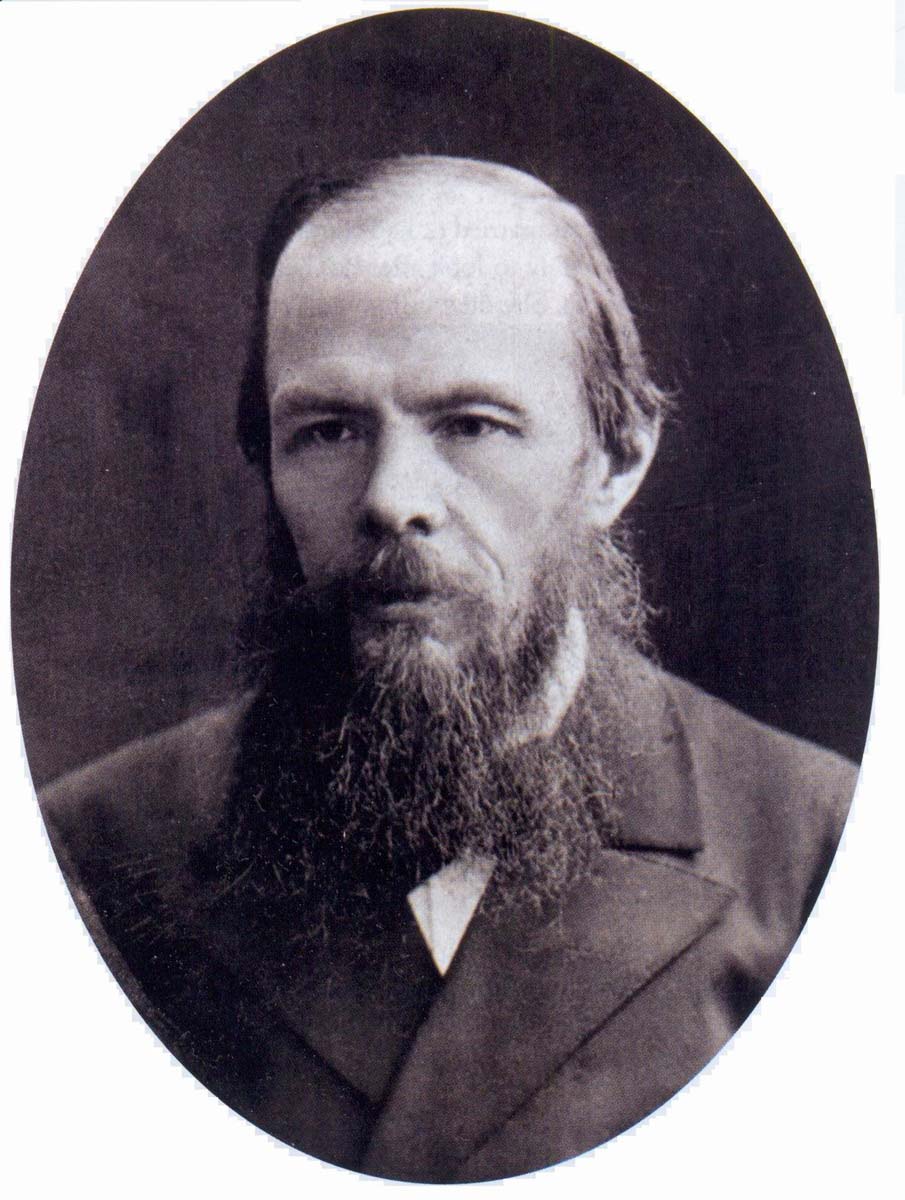
Raskolnikov and Patrice both see their society’s laws and moral restrictions as obstructions to be overcome by superior people. For them, people are ultimately free to do what is best for them and have a responsibility to take control of their own lives. Both characters consider themselves to be stifled by a lack of funds and take it upon themselves to acquire what they need without concern for other people’s rules. The murderers in Columbo all think the same way.
These are extreme examples, but existential guilt is something all of us experience to varying degrees. Of course, most people do not consider killing others in order to pursue the lives they want. Most would never come close to murder, even if they knew for certain they would get away with it.
The likes of Raskolnikov, Patrice Mersault, and the murderers in Colombo all make the claim that the moral and legal prohibitions on murder only apply to the weak and inferior. They think people who do not have what it takes to go and get what they need for themselves hide behind morality and the law to justify their weakness and cowardice. Clearly, they are wrong. But there are many other excuses people have for not taking advantage of their freedom to act and for not taking responsibility for their own lives.
When we read Crime & Punishment or A Happy Death, or watch an episode of Columbo, we are confronted with the idea that the moral and legal rules we abide by may only be excuses to justify inaction. This can prompt a re-evaluation of morality and our behavior. If we discover that actually we were correct to follow these rules, we can continue to do so; if not, we create better ones.