
Greek philosophers are often called the fathers of philosophy. They are regularly quoted not just by philosophers, but by anyone looking for a deeper understanding. What made this all possible came from the early shift from myth to reason and widespread literacy that enabled the sharing of ideas. What are some of the most inspiring, influential, and mind-bending quotes from ancient Greek philosophers, and what do they mean?
| Philosopher | Quote |
| Heraclitus | “No man ever steps in the same river twice…” |
| Socrates | “The only true wisdom is in knowing you know nothing.” |
| Antisthenes | “If there were no absurdity, there would be no wisdom.” |
| Democritus | “Nothing exists except atoms and space; everything else is opinion.” |
| Epictetus | “First say to yourself what would you be; and then do what you have to do.” |
| Aristotle | “We are what we repeatedly do. Excellence, then, is not an act, but a habit.” |
| Diogenes | “He who has the most is content with the least.” |
| Pythagoras | “No man is free who cannot control himself.” |
| Xenophanes | “If horses or oxen or lions had hands… horses would paint the forms of gods like horses.” |
| Empedocles | “The nature of God is a circle whose center is everywhere and circumference is nowhere.” |
1. “No man ever steps in the same river twice, for it’s not the same river and he’s not the same man.” – Heraclitus
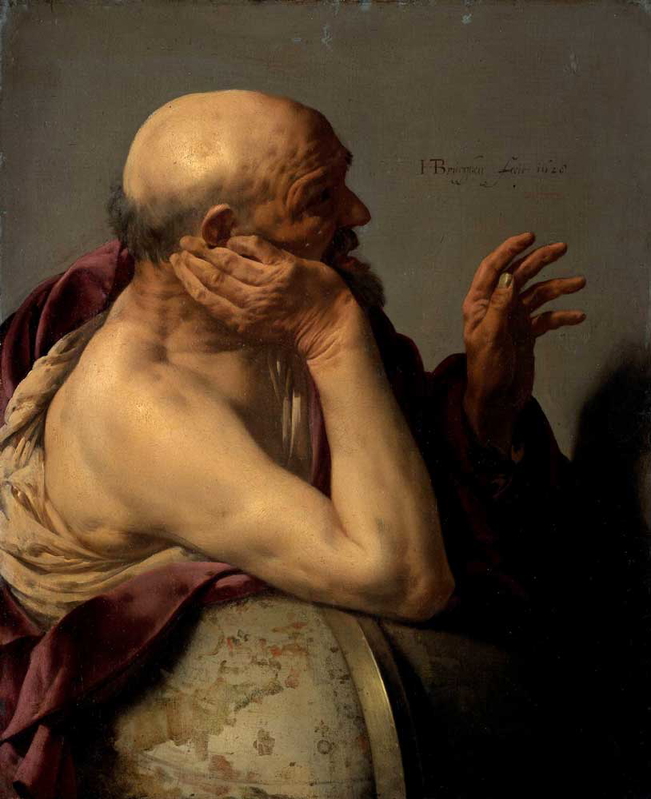
Nicknamed “The Obscure” for his inscrutable writing, Heraclitus of Ephesus (c. 475-535 BC) believed in panta rhei, or “everything flows.”
So, what makes his quote so mind-bending? The quote sticks to his philosophy of constant flux. Once one steps into the river, the water one touches swirls away. As for man, his awareness, thoughts, and feelings change constantly. Time can’t be stopped or returned to. The world is constantly moving, constantly changing.
2. “The only true wisdom is in knowing you know nothing.” – Socrates
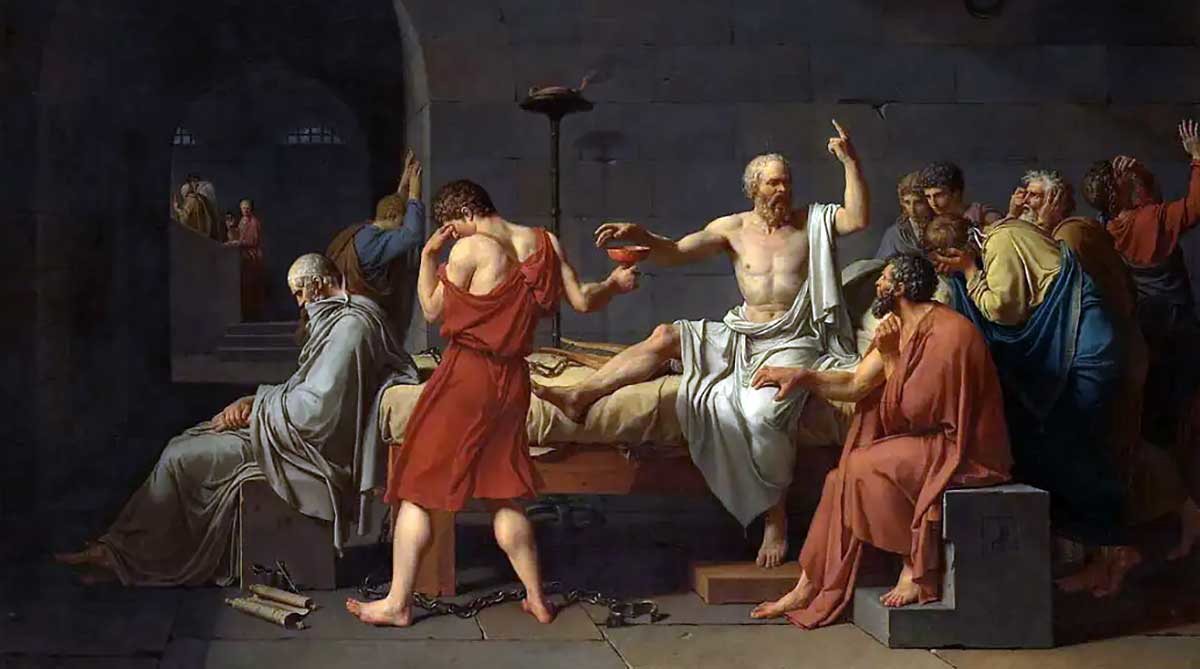
Creator of the aptly named Socratic method, Socrates developed this disciplined questioning to explore ideas, spark serious thinking, and discover fundamental assumptions. Socrates‘ approach was to question everything and remove assumptions to create a deeper understanding. This saw him challenge the status quo, resulting in his execution for “corrupting the Athenian youth” in 399 BC.
But that is the heart of this quote: when we assume what we know is correct, we stop examining and being open to new answers. Knowing that nothing you assume may be true allows you to truly explore the world and pursue wisdom.
3. “If there were no absurdity, there would be no wisdom.” – Antisthenes

Antisthenes (c. 445-365 BC), a student of Socrates, founded the Cynic philosophy movement. He advocated for a simple life and encouraged the exploration of what was really required to live.
His quote suggests that the opposite of wisdom is absurdity: “the state or quality of being ridiculous or wildly unreasonable” (Oxford Dictionary). For him, absurdity was the act of seeking things like fame and luxury over virtue and simplicity. But this quote recognizes that we can not identify what has value (wisdom) without the absurd as a contrast.
4. “Nothing exists except atoms and space; everything else is opinion.” – Democritus
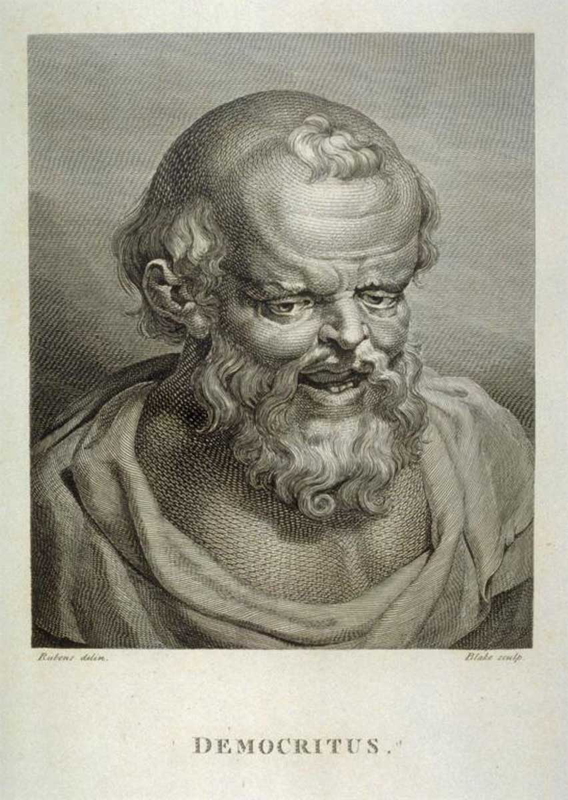
A pre-Socratic scholar (c. 460-370 BC) with a large body of work, Democritus is best remembered for his atomic theory of the universe. Known as the “Laughing Philosopher” due to his cheerful nature, he suggested that wisdom involved joy.
Democritus considered only atoms and empty space to be real. Things like morality, color, taste, and emotion are just interpretations. It is how one’s senses interpret their reaction to atoms, not the actual thing. One is forced to tackle what’s true and not perception.
5. “First say to yourself what would you be; and then do what you have to do.” – Epictetus
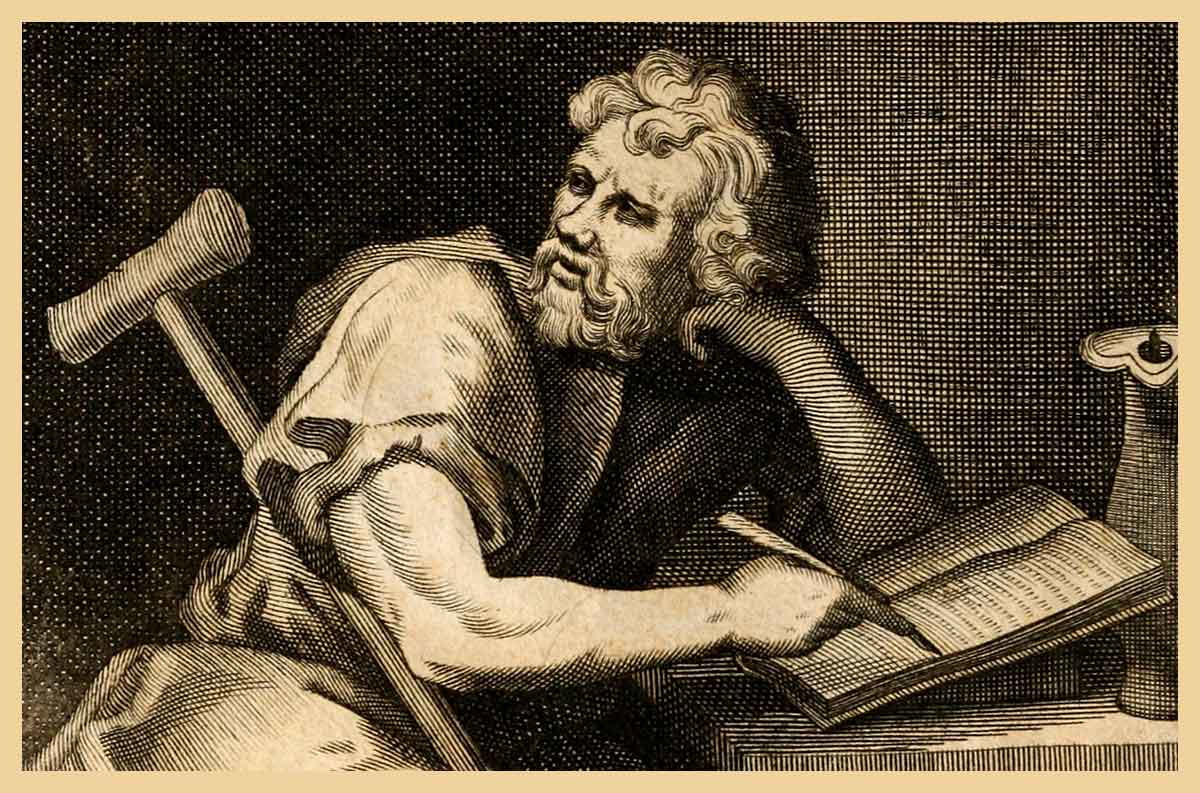
Unlike other Greek philosophers, Epictetus‘ life began in slavery. He gained permission to study philosophy with Stoic thinkers, who profoundly influenced him. Upon being freed, Epictetus opened a Stoic school in Greece. Physically impaired with a lame leg, he was known for his Stoic endurance.
How does this Epictetus quote baffle the reader? The first part says, “first say to yourself what would be.” The individual is required to intentionally choose goals and values. Or in short, don’t drift through life. The second section of the quote, “then do what you have to,” urges one to follow that vision. Epictetus believed that people acted first and then rationalized later. Such a trait can be overcome with discipline and consistency.
6. “We are what we repeatedly do. Excellence, then, is not an act, but a habit.” – Aristotle
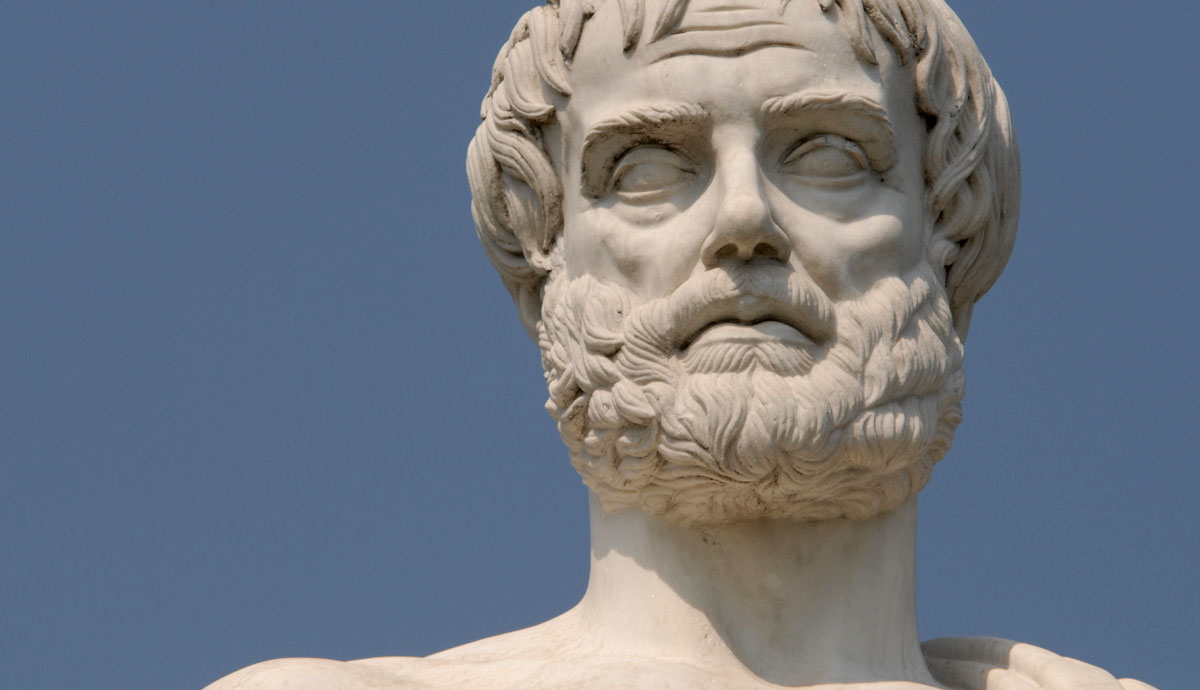
As one of history’s most famous philosophers, Aristotle (384-322 BC) was a student of Plato and tutored Alexander the Great. He believed greatness wasn’t momentary, but rather an accumulation of what a person did daily.
Success in life can be achieved through consistency and discipline. With his quote, he states that excellence is not an event but a routine. You are what you do repeatedly, and you get good at what you do with consistency.
7. “He who has the most is content with the least.” – Diogenes
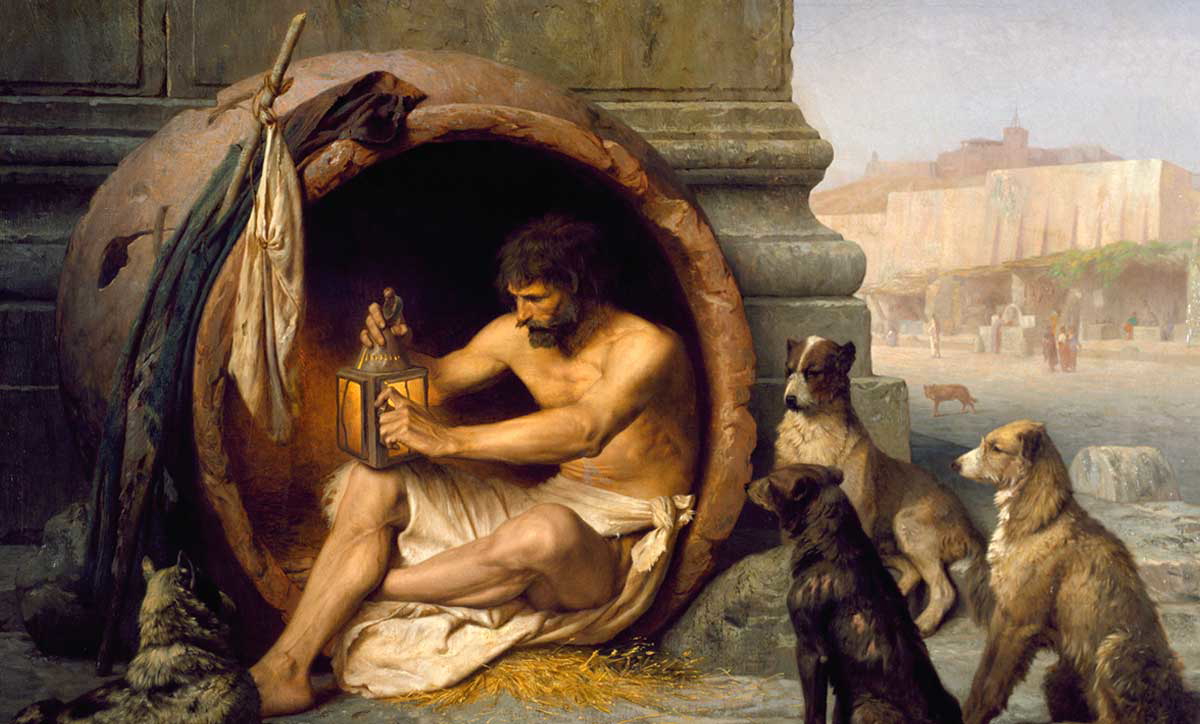
Diogenes of Sinope was an influential Cynic philosopher in the 4th century BC. But rather than create a great school or teach kings, he chose to live with as little as possible, in a wine jar, as a living experiment and active embodiment of his beliefs.
His quote captures the cornerstone of cynicism. Desire, whether it be for wealth of power, is a trap that weighs us down. Once you get something, you will always want the next thing, and you will never be fulfilled. Letting go of desire and being satisfied with what you have is the path to freedom.
8. “No man is free who cannot control himself.” – Pythagoras
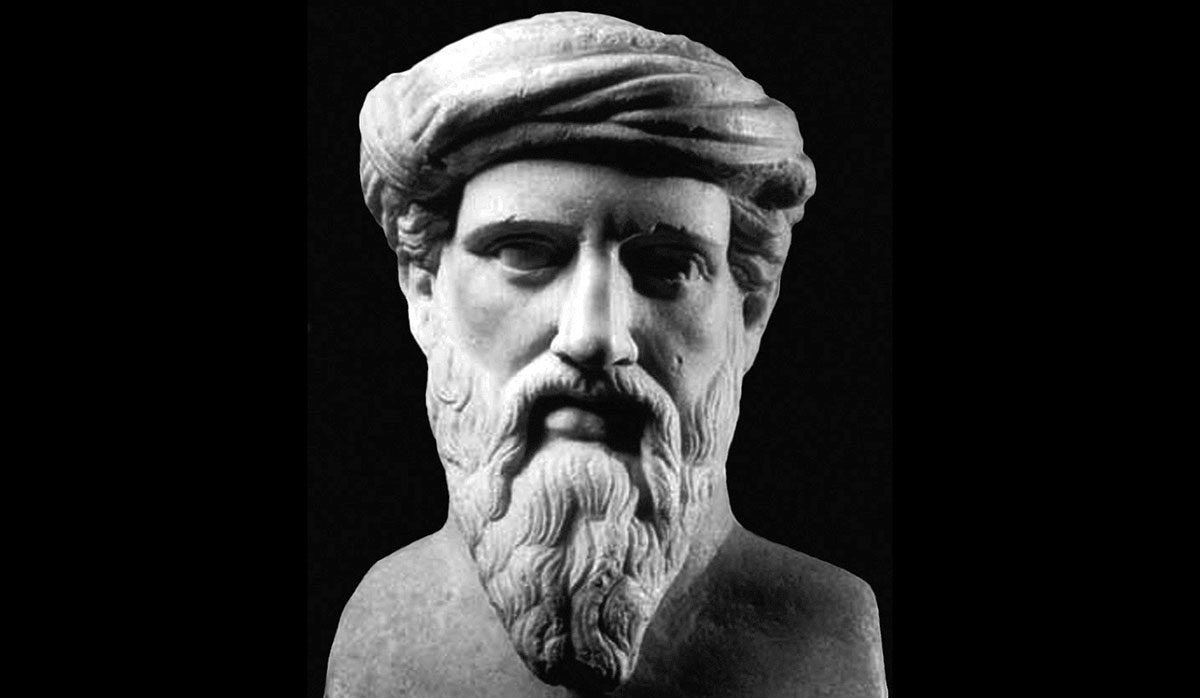
Pythagoras of Samos is best known for his mathematical formulas, but he was a philosopher, and his followers treated him like a semi-divine prophet.
This quote captures how Pythagoras lived: he valued discipline and asceticism. He believed that if you are a slave to your emotions or your bodily needs, such as hunger, you can never be truly free. He argued that the rational soul allowed men to rise above these base drives, granting true freedom.
9. “If horses or oxen or lions had hands and could produce works of art as men do, horses would paint the forms of gods like horses.” – Xenophanes
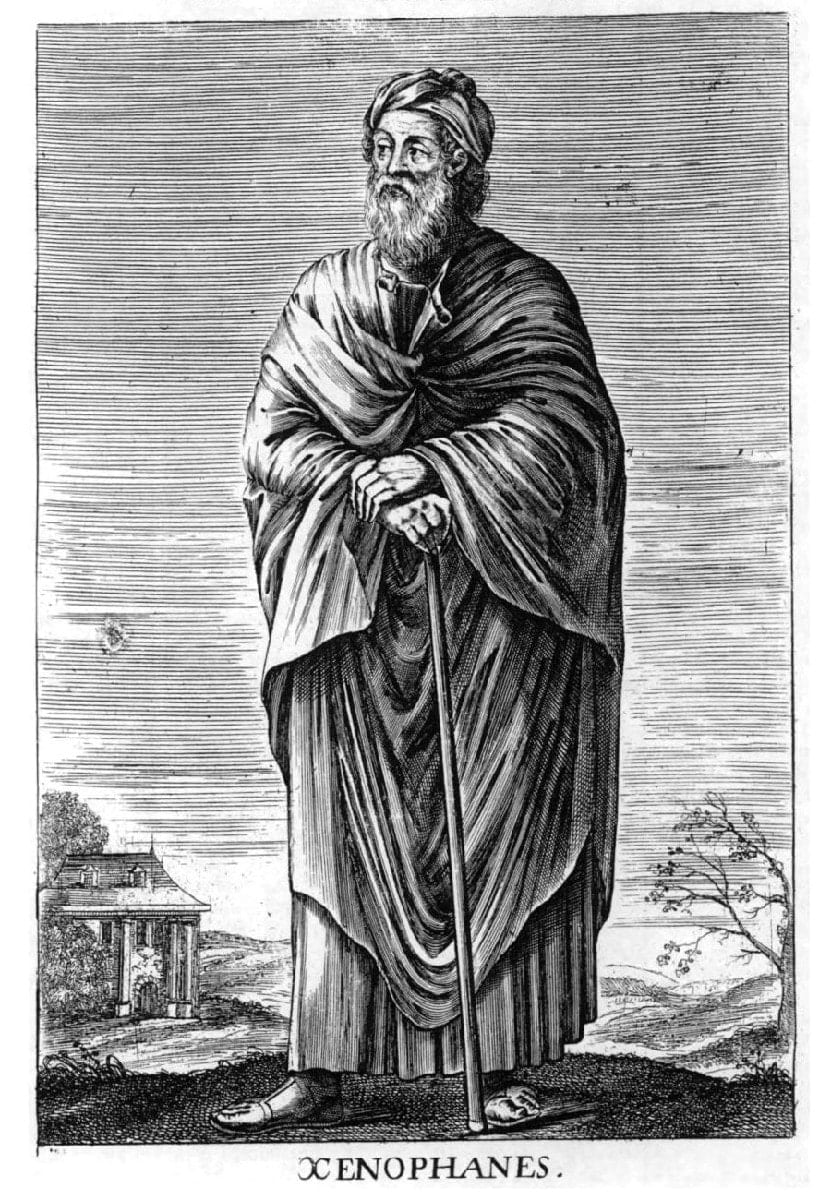
Living in the 6th century BC, Xenophanes of Colophon noticed that the gods of Greek myth looked a lot like men, not only in their appearance but also in their actions and motivations. For this, he was considered one of the first theologians.
His quote contains satire and critical thinking. Instead of the gods creating man in their image, he suggested that the worshipers imagined their gods in their own image, in an act of creation. He drives this point home by suggesting that if horses created gods, they would seem like horses. While his example is theological, Xenophanes is highlighting that we understand the world from our own, limited perspective.
10. “The nature of God is a circle whose center is everywhere and circumference is nowhere.” – Empedocles
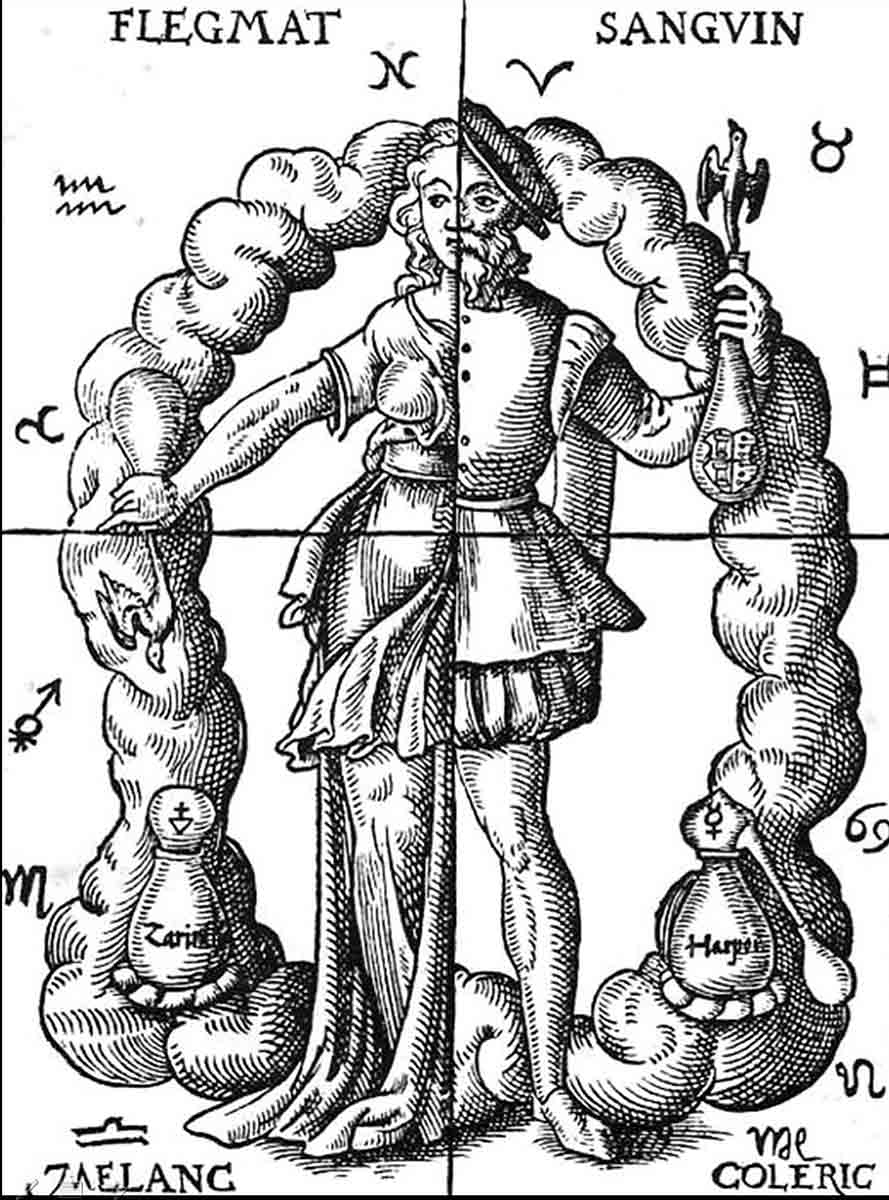
Unlike the cynics, Empedocles of Akragas (c. 490–430 BC) was flamboyant, reportedly dressed in purple robes with a golden belt and bronze sandals. He is most famous for identifying the four classical elements: Earth, Air, Fire, and Water.
With this quote, Empedocles is addressing the nature of the universe. In a standard circle, there is one specific point in the middle. Empedocles suggests that in the divine “Sphere,” every point is the center. This means that divinity isn’t located in a distant heaven; it is fully present in every atom, every person, and every moment. But if there is no center, there is also no circumference, and the universe is not bound.