
Many think of pleasure as inherently bad: something that leads individuals to behave selfishly or stupidly, or else denotes a life spent chasing short-term thrills through overindulgence or material consumption. But does it have to be this way? Indeed, two competing schools of thought from antiquity take quite different stances on the issue. Both agree that pleasant experiences are good in and of themselves. But when it comes to recommending a lifestyle designed around maximizing those experiences (or a certain kind of them), they diverge sharply in their advice.
What Is Hedonism?

The notion that pleasure is the greatest good is known as hedonism. If an action produces pleasure, it should be done. If it results in pain, it should not. This was the belief of Aristippus of Cyrene, a pupil of Socrates, who thought individuals should try to maximize their total lifetime happiness: moments of sensory joy from things like beautiful music or a lovely meal, as well as physical comforts such as the warmth of a soft bed. Pleasure did not just make life more enjoyable for Aristippus. It was the only thing that had value.
However, there were philosophers who disagreed with him. Plato felt strongly that seeking immediate pleasures might enslave you to your desires, which were not always sensible. He believed his own theory of Forms offered plenty of alternative sources for a worthwhile existence, ones not dependent on constantly feeling pleased.
Nowadays, hedonism is frequently mistaken for living carelessly. Think of the YOLO mentality: splurging on shoes, gorging on cake, and clubbing till dawn. Yet classic hedonism doesn’t have to be like this. It is more a matter of working out which pleasures are really worth having and which pains are really worth avoiding. All the same, critics argue that the philosophy is in danger of appearing selfish or superficial if one lacks a deeper reason for living this way.
In essence, hedonism is about feeling good. But it can sometimes be difficult to decide what will bring the most satisfaction. Also, not every enjoyable experience is wise. The crucial question is: Is pleasure all there is?
What Is Epicureanism?
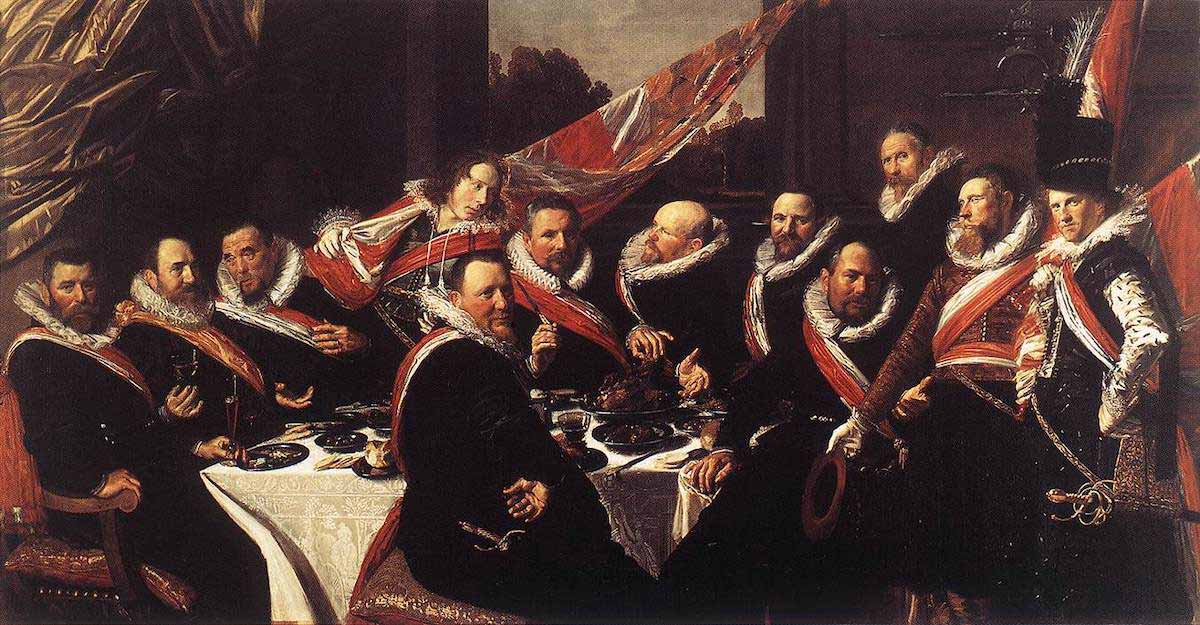
Epicurus founded Epicureanism to champion tranquility over all else: the greatest pleasure isn’t the joy of hosting wild parties or eating gourmet meals, it is the state of being contented day in, day out. Epicurus distinguished neatly between two types of indulgence. There is kinetic pleasure, which we feel when a desire is met (like drinking cold water when thirsty). And then there is katastematic pleasure: the feeling of well–being that persists once no particular desire has been fulfilled. It was this second kind of satisfaction that he rated most highly.
Instead of urging people to seek each and every pleasurable experience, Epicurus believed they should aim for a life free from physical pain as well as mental anguish. He called this condition aponia (absence of distress) and coined the term ataraxia to describe serenity undisturbed by worry.
Epicurus also believed that friendship, simple living, and contemplation were key to a good life. He advised his followers to control their cravings by questioning what they really needed; a practical emphasis on temperance that was also mirrored by thinkers of the rival Stoic school, such as Seneca, who warned against being ruled by runaway desires.
Far from promoting self-indulgence, Epicureanism teaches balance for a happy life. In modern terms, it doesn’t say “live it up.” More like: enjoy yourself if it won’t make you miserable later. True happiness, Epicurus believed, comes from inner peace and quiet joy, not constant excitement.
Pleasure vs. Happiness: Short-Term Thrill or Lasting Peace?

Although pleasure and happiness may be thought of as synonymous, they are different. For example, pleasure, like enjoying a delicious meal or buying an iPad, can feel great at the time. But the feeling may not stick around. Happiness, on the other hand, is more about feeling good for a longer period of time.
A way to understand this distinction is via ideas linked to hedonism. The Greek philosopher Aristippus used to say that if something makes you feel good, then it is good. However, it’s hard to keep up such pleasures for any length of time: they can soon fade away or just become routine (think of eating chocolate every day). His teacher, Socrates, had a different view. He believed that what people really wanted, above all else, was eudaimonia (often translated as happiness). This wasn’t the same as having one enjoyable experience after another, though. For him, true well-being came from leading a life filled with meaning and doing things because they’re important rather than simply fun.
Epicureanism offers a different type of pleasure, one that comes from being at peace. If we can avoid feeling anxious or dissatisfied, we’ll be happier overall: more likely to be contented than thrilled.
To use today’s language: do you want to feel good (because strangers on Instagram “like” your photos), or to worry less? There’s a distinction between dopamine hits and feeling secure in yourself.
Of course, both things are nice, and of course, they don’t feel the same. Sure, having fun puts a grin on your face… but does it give you a deep sense of contentment as well? It’s worth asking whether solid happiness appeals more than feeling good for just an hour, then terrible for the next two hours.
Ethics and Consequences: Are All Pleasures Equal?
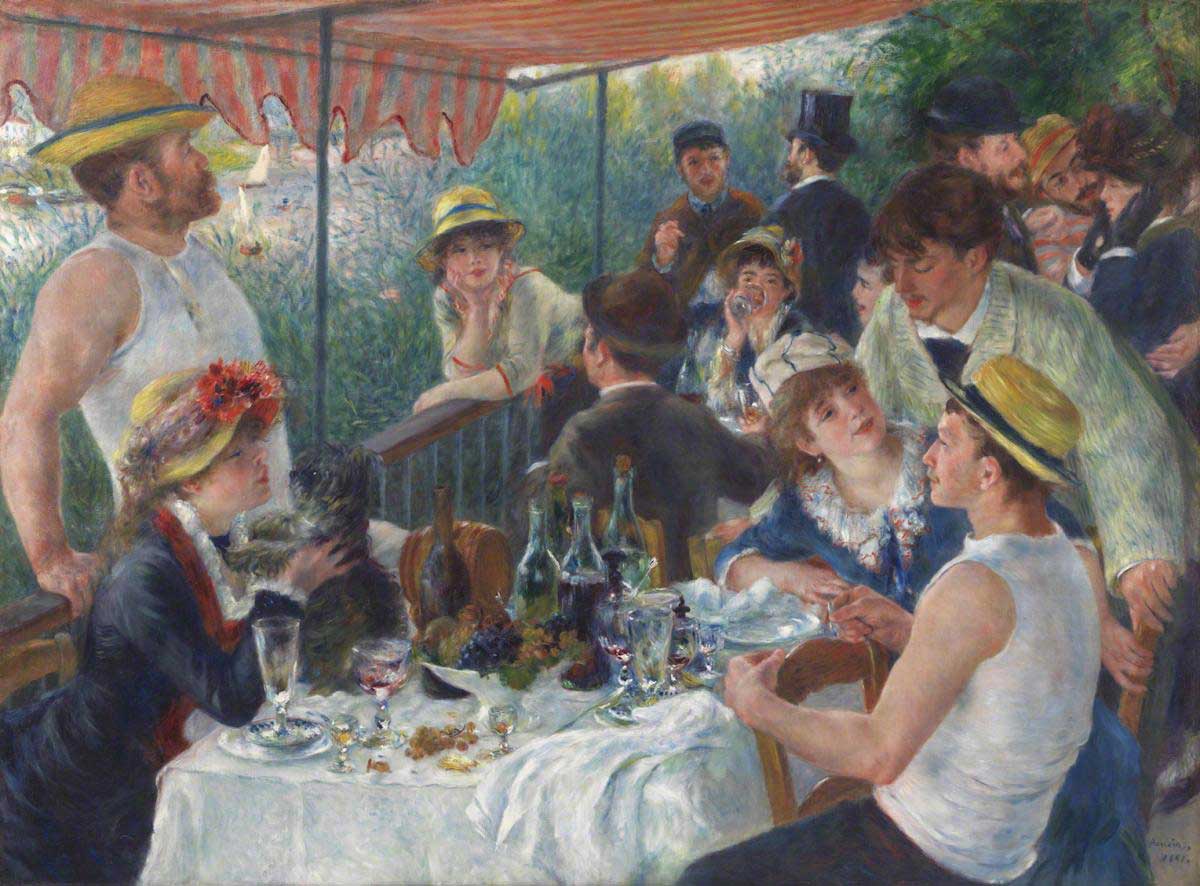
Indeed, different kinds of pleasure do not all have the same value. We might enjoy some things to begin with, but later regret them. For instance, if we lie to someone in order to get something that we want, or eat enough candy to make ourselves ill. This is where ethics come into the picture. Hedonism is a philosophy often criticized for being selfish because it places so much importance on one person’s happiness over everyone else’s.
Minds like Immanuel Kant argue that using feeling good as a guide to making moral decisions cannot be right. Instead, they believe individuals should act out of duty alone, without thought for personal gain or whether what they do will be enjoyable.
Epicurus offers an alternative perspective. If you behave honorably, he says, you’ll be able to enjoy peace of mind. Hurting your friends’ feelings, or lying to your parents (which would also hurt them), can cause inner turmoil as well as social tension. There’s nothing that will stop you from having a good time more reliably than feeling anxious and worrying about whether what you’re doing is wrong.
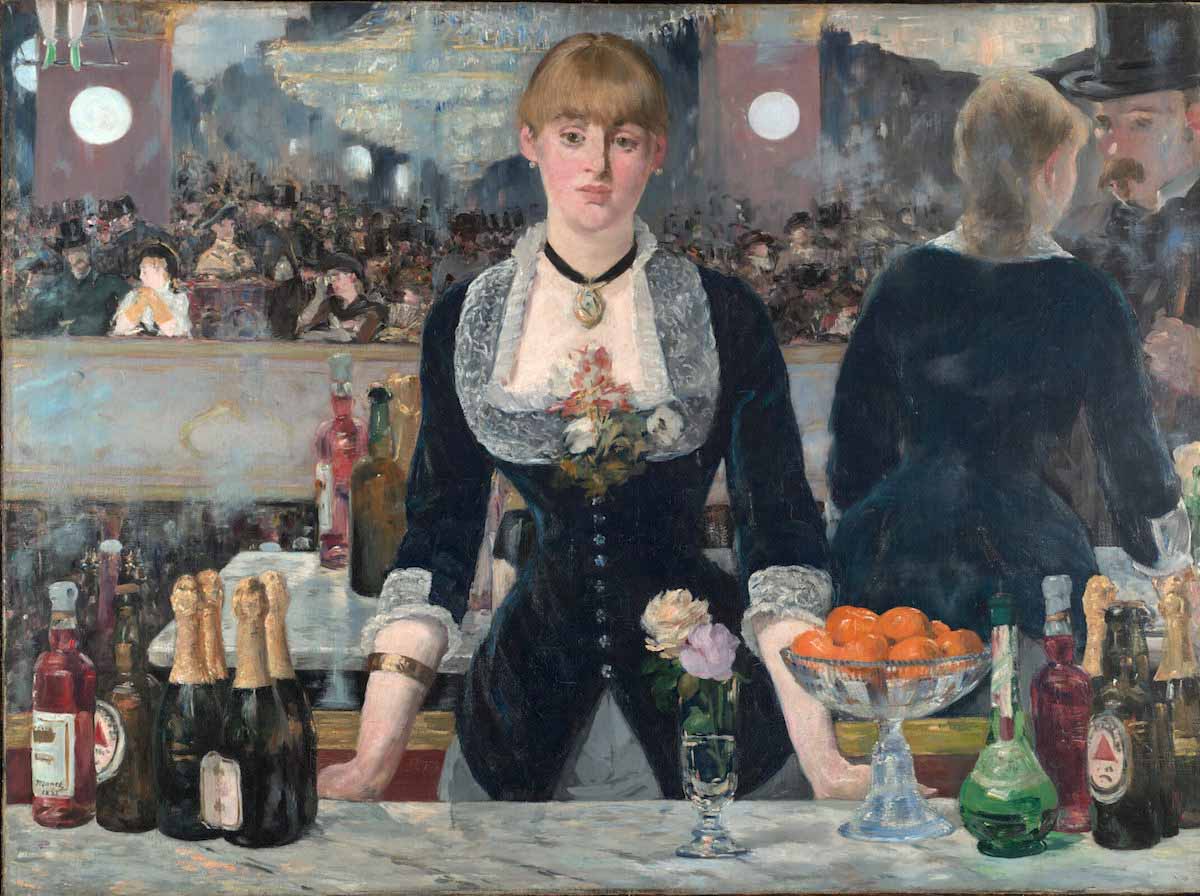
According to Epicurus, sensible people spend their lives working out how to make good choices and have a “prudent” existence, one that doesn’t simply involve going after whatever things you fancy at any particular moment because some of them might lead to trouble later on. Even more intriguingly, Epicurus thought that pursuing pleasure might not just be good for you (and lead to a tranquil life full of friends, free of distress). It could have a positive effect on society as a whole. In other words, doing good things feels good.
This idea was later taken up by the philosopher John Stuart Mill, but he added that some kinds of pleasure are worth more than others: “It is better to be a human being dissatisfied than a pig satisfied; better to be Socrates dissatisfied than a fool satisfied.” Mill asks us to consider not only whether an action will bring happiness (or pleasure) but also whether it has value in other ways.
The Modern World Through a Hedonic and Epicurean Lens

Everywhere you look nowadays, you can spot hedonism and Epicureanism, even though these terms may not be part of your everyday vocabulary. Scroll through social media, tap for likes, go on an online shopping spree: such activities are typical of modern-day hedonists. They seek a brief rush of pleasure (from a new item of clothing, say, a post that goes viral, or a slice of cake after a tough day), and these fleeting kicks make them feel good, although not for long. Philosophers such as Nietzsche have warned that if we constantly chase such thrills, we will become deadened to their deeper meaning.
On the flip side, the fact that concepts such as mindfulness, minimalism, and wellness have become so popular suggests there is a growing desire for stability, calmness, and non-materialistic pleasures.
The trends show Epicurean beliefs, too: choosing peace over a racket, simplicity over extravagance. People who write journals, do yoga, or go offline are after calm and freedom as well as, not instead of, thrills. Most of us don’t think about it in philosophical terms, but actually, we make decisions based on these two ideas all the time. Do you want an evening of undisturbed reading or would you prefer to go to a big party? Spend money on something that excites you or save up because it gives peace of mind? Whether we realize it or not, we’re weighing up short-term enjoyment against long-lasting contentment, just as those ancient thinkers were doing!
Hedonism or Epicureanism: Which Philosophy Offers a Better Life?

So, when it comes to deciding whether hedonism or Epicureanism offers the best life, which way of seeking pleasure should you go for? Well, it depends on what you’re after. Hedonism tells us to maximize our pleasure and avoid discomfort: its advocates say we should just go for it. This approach is bold and can appeal to people who want excitement in their lives, those who live for the moment. But there’s a risk that taking things too far will leave you feeling burned out (worn out by excess), empty, or full of regrets.
As Plato’s teacher Socrates suggested, someone who never stops to reflect on their existence might find there’s little to it beneath all the superficial fun, a point worth bearing in mind if you’re tempted by team H’s party lifestyle.
Nevertheless, hedonism has its positives. Watching a sunset, hearing an amazing song, dancing spontaneously, these things all count for something. And life isn’t only about quietude. There are times when joy lies in movement. Even Aristotle agreed that feeling good has its place alongside behaving well. Perhaps, then, the most satisfactory existence blends a little low-level fun (as the Epicureans might have said) with deeper pleasures whose intensity we don’t so much heighten as learn to control.