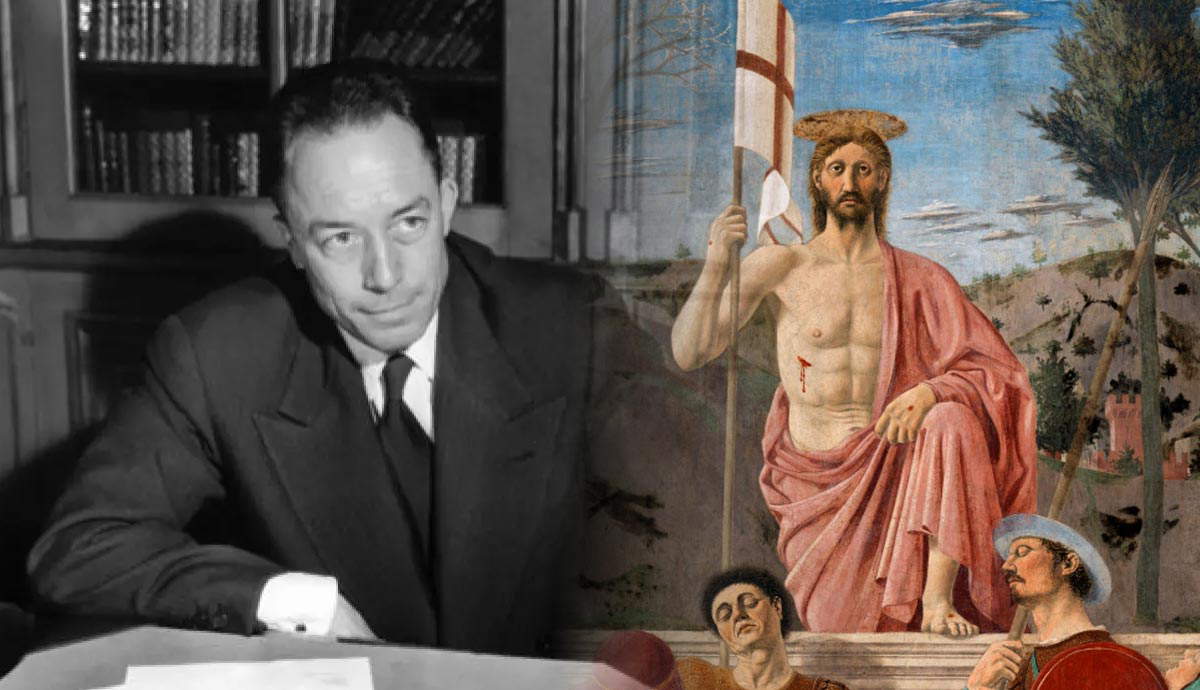

The Misunderstanding is an inverted take on the parable of the prodigal son. In Luke’s Gospel, Jesus tells a parable involving a young man who leaves home rich and is greeted with joy on his return home poor. In The Misunderstanding, Jan returns home rich and is murdered by family members who fail to recognize him. Albert Camus’s play was met with a mixed response when first performed. Many failed to understand the nuances of the story. Luckily for you, we got you this article.
Overview of the Play
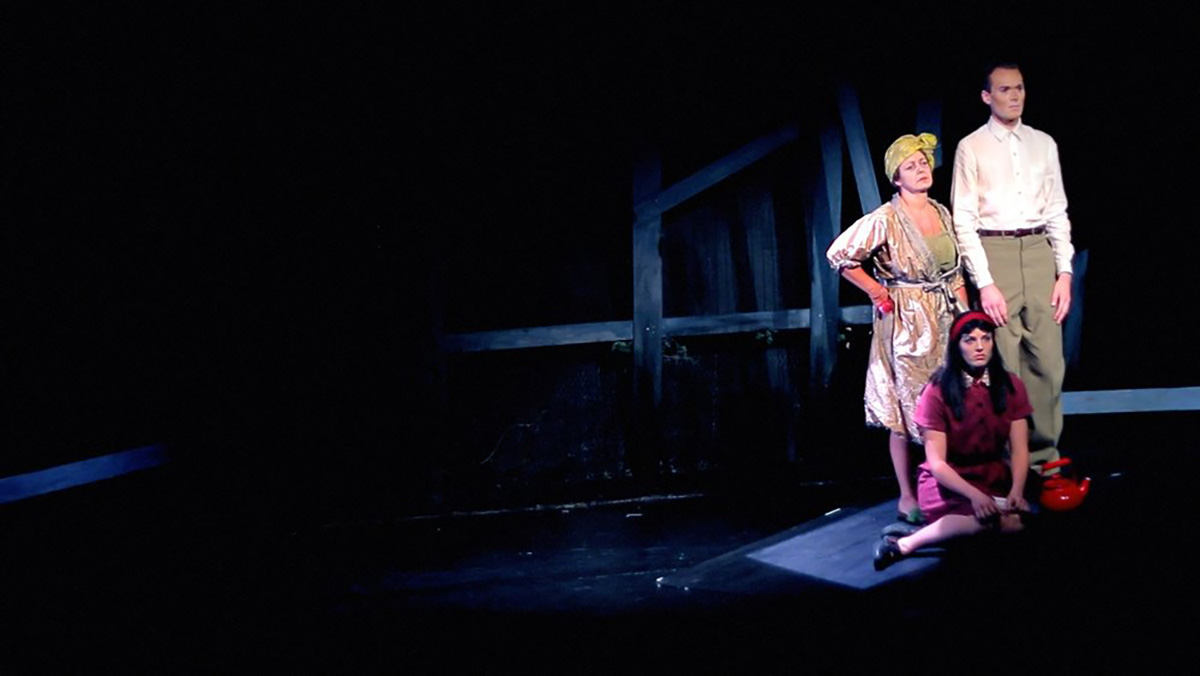
The Misunderstanding is a play in three acts with five characters. There is Jan and his wife, Maria, a couple in their thirties. Martha and her mother are both owners of the hotel where Jan and Maria spend the night. Finally, there is the Old Servant, a mysterious and mostly silent man in his seventies.
Jan and his wife, on one side, and Martha and her mother, on the other, are both keeping secrets. Neither Jan nor Maria knows that the two hoteliers have a sideline in murdering guests and stealing their money. What Martha and her mother do not know is that Jan is, in fact, Martha’s long-lost brother. What’s more, he is returning home having made his fortune, which he intends to share with his family.
The driving force behind the murders is Martha. She is desperate to escape the hotel she feels trapped in. It is situated in a dreary, landlocked area of Europe, and she yearns to escape to somewhere warm to relax and enjoy life by the sea.
This is, in fact, what her brother managed to do. Jan is returning with his wife from North Africa, where he moved to after leaving home years previously. Martha certainly has had a deprived life, living alone with her mother, save for the occasional business traveler stopping by to spend the night at the hotel. During the play, she reveals that despite being thirty, she has never even kissed a man.
Her mother is tired of life, getting towards the end of hers. She half-heartedly goes along with Martha’s murderous activities but never really believes they will ever escape the hotel and move southwards to sunnier climes. Her reluctance to help Martha comes not from any moral concerns, she is too apathetic to care about morality, but from the strain on her back caused by helping to carry the bodies.
On the face of it, everything seems to have turned out nicely, so where do things go wrong?
Jan’s Plan
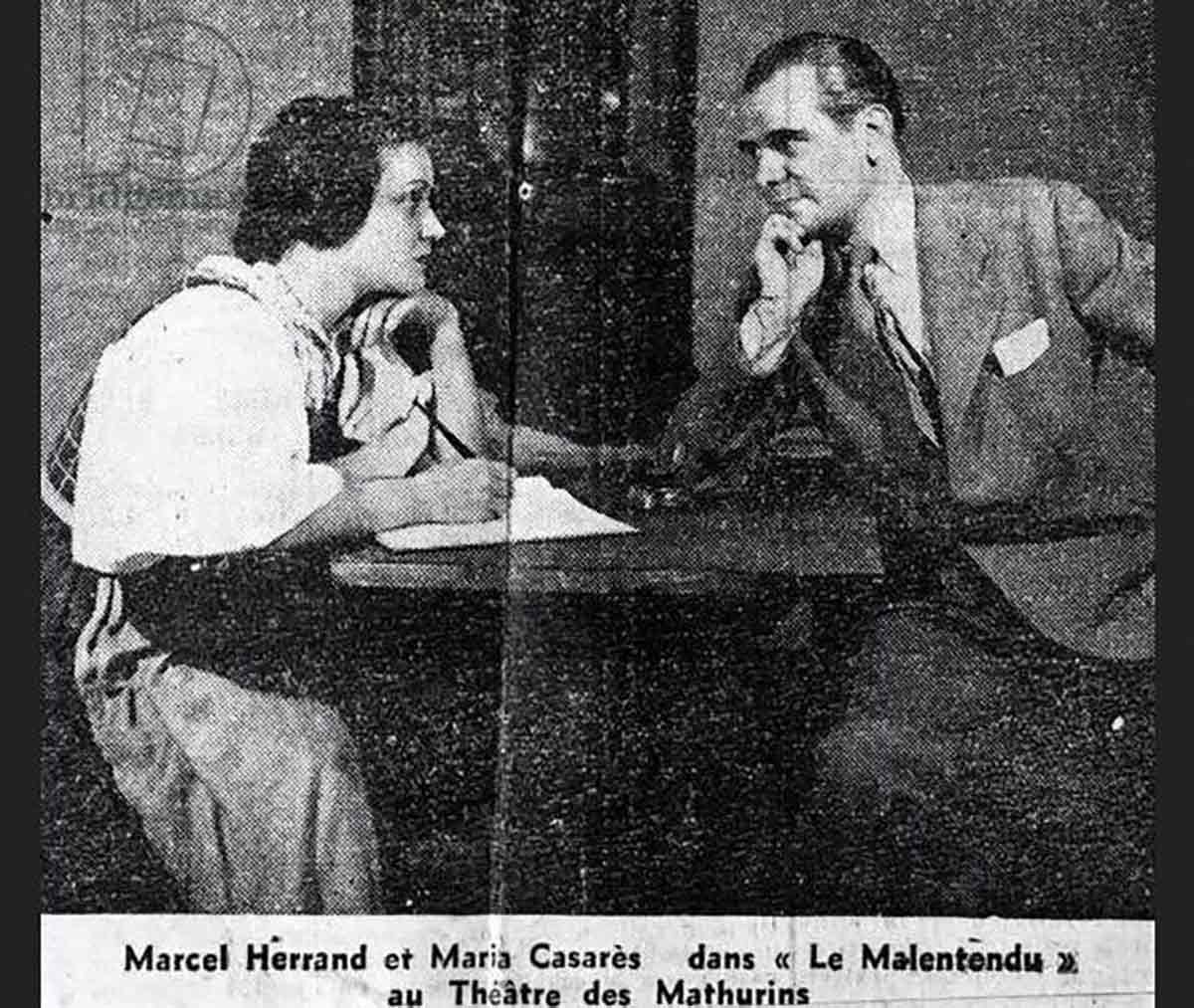
Jan has been away from home for twenty years. When he left, Martha was only eight years old. It would be unrealistic to expect her to recognize him. But Jan thinks his mother might. They were both adults when he left home, and (he hopes) a mother should recognize her son. When he checks into the hotel, he does so under a false name in order to test his mother. Jan needs to know she recognizes him.
Maria understands why her husband would want to reconnect with his family. But she cannot understand why he did not simply write to them and say he was coming. He says that if he treats them as strangers, he will discover the real them and what they need to be happy. Once he has discovered this, the mask will come off, and the family will be reunited properly. From there, he can use his money to genuinely help them.
Jan pretends he is motivated by a sense of duty towards his mother and sister, but his real intentions are clear. We discover, however, that Jan’s mother never recognizes him. In addition, her apathy and fatigue have left her unable to love anyone. This includes her own daughter, Martha.
In the first act, Jan unwittingly does almost everything he can to make it easier for the murderous hoteliers to dispose of him. As well as not revealing his true identity, he checks in alone, telling his wife that he is scared she will give the game away.
Martha now believes her guest is traveling alone. He also tells her that he has no family, which makes Martha think he will not be missed. Jan reveals that he is independently wealthy, and money is no problem for him. Martha now knows that he has lots of money. In the second act, he fills Martha’s head with talk about his life in sunny North Africa, inadvertently reminding her of her plan and why she commits murder.
Without realizing it, Jan sets himself up as the perfect victim for Martha’s particular modus operandi.
Let us now take a closer look at the crime itself.
Murderous Martha
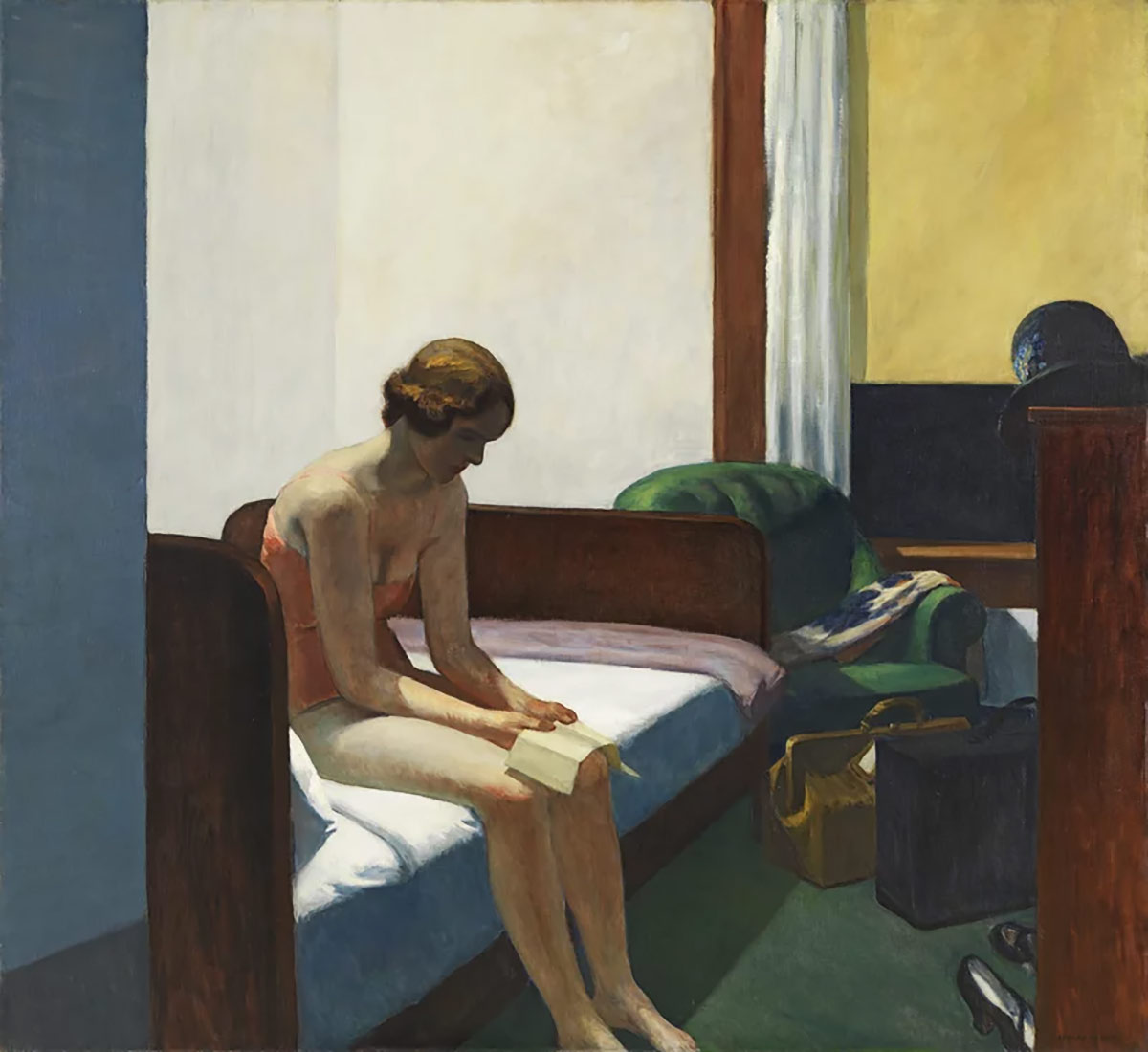
As murderers, Martha and her mother are ruthlessly efficient. They first select the right kind of victim. The victims usually have no friends and family who will miss them when they disappear. Such an existence might seem poor, a lonely life perhaps. They attempt to justify their actions by claiming they are doing these men a kindness by painlessly removing them from life. As well as this justification being pretty feeble, it seems unlikely that Martha or her mother really needs a moral justification for murder.
For practical reasons, the guests doomed to be murdered are put in rooms closest to the front door. This is simply to avoid having to carry their bodies down the stairs. In a chilling bit of foreshadowing, when Jan offers to help his mother out of her chair, she waves him off, saying she’s not an invalid, and her hands tell him, “They could lift a man up by the legs.”
There are two stages to the actual murders. First, the victims are given a drink laced with sedatives. Once they are in a deep sleep, Martha and her mother carry them down to the dam and throw them, still asleep, into the water to drown. In another piece of twisted logic, Martha claims that it is not they who murder their guests because the guests are still very much alive when they leave their hands.
One final practical point is that Martha and her mother usually murder their guests on their first night at the hotel. They do not want to give their victims a chance to meet people in the village and tell them where they are staying. The first act of the play ends with Martha reluctantly agreeing to delay Jan’s murder for one night because her mother is too tired.
Jan’s Murder

Martha comes to Jan’s room with fresh towels. The two engage in conversation in which Jan waxes lyrical about his new home in North Africa. Jan is, of course, oblivious that he is helping Martha make up her mind to kill him. After she leaves, he realizes that he will never get through to her or his mother, and the recognition he was hoping for will never happen.
Alone in his room, all he can think about is his wife and how this hotel, despite being where he grew up, will never be a home to him. Feeling anxious and sensing he is calling out for something or someone who will never answer his call, Jan impulsively rings the bell in his room. Moments later, the Old Servant knocks on his door, and Jan says he rang the bell just to see if it worked. The old man leaves in silence.
Shortly afterward, Martha arrives with a cup of tea. It contains the sedative. She has decided to go ahead with murder after all. To explain why she is bringing a drink Jan did not order, Martha says that the servant is old and often gets confused. Jan accepts the tea and drinks it when he is alone.
His mother then comes to the room to see if he has drunk the tea. She has discovered that Martha has broken her word and administered the drug despite agreeing to give their guest one night’s reprieve. When she finds out the tea has already been drunk, she says nothing. Jan regretfully informs her that he made a mistake coming to the hotel and will be leaving after dinner. Before he falls unconscious, he tells himself that he will return tomorrow with Maria and reveal his true identity.
Martha, her mother, and the Old Servant come into the room and prepare to take Jan to his watery grave. The mother tells her daughter that their guest was planning to leave. Martha replies that this changes nothing because she has already made up her mind to kill him. They reflect once again on how their victims are better off because they die peaceful deaths and how the present victim is, in a way, lucky. Martha does not seem to notice when her mother says she envies Jan’s eternal sleep.
The Truth Comes Out

The final act opens the morning after the murder. The mother is exhausted from the effort of disposing of the body, but Martha’s mood is upbeat. She feels reborn and ready to live a new life in a faraway land. At this point, the Old Servant arrives and hands Martha a passport, which she reads impassively. It belonged to Jan and had fallen out of his pocket.
Martha, who has recognized the name inside, tells her mother who they have murdered. The mother merely sighs with resignation and tells her daughter she knew that one day something like this would happen. With indifference, she tells Martha that she has reached the end of her life and will now commit suicide. Martha is distraught at the revelation.
The mother explains that knowing she failed to recognize her own son and then murdered him has ignited some spark of feeling within her. Over time, after years of habitual apathy and indifference, she became completely dead inside. But now how can she carry on living knowing she killed her son? She is determined to join him in his grave.
Martha feels no remorse for killing her brother, albeit without knowing who he was. She has no feelings for him whatsoever because he abandoned the family years ago. Jan lived his life and experienced all the world had to offer, whereas she was trapped in the hotel.
Without deliberate cruelty, but nevertheless torturous for Martha to hear, the mother explains that her daughter’s love is not enough to keep on living. That even though Jan left them and never made contact until now, a mother’s love for her son is much stronger than that for her daughter.
Devastated, Martha does not resist as her mother pushes past her to go off and take her own life.
Maria Comes Looking for Her Husband

Martha, alone after her mother’s final departure, has her own realization. She knows now that her mother does not love her. She hates Jan, but more than this, she hates the world and the life she was condemned to. Despite now having the money to move abroad, there is nowhere on earth she wants to live. Martha resolves to commit suicide.
At this point, Maria enters the hotel looking for Jan. She is anxious and worried. Martha, who at first takes her for a guest seeking a room, coldly turns her away. When Maria says she is looking for Jan, Martha tells her he is not at the hotel. Maria persists, saying he must be, and Martha continues to deny it, telling Maria he left in the night. Finally, Martha tries to get rid of Maria by telling her that her husband’s whereabouts have nothing to do with her. At this, Maria reveals Jan’s secret and tells Martha the man she is talking about is actually her long-lost brother. To Maria’s shock, Martha not only says she already knows but also that Jan is dead.
Maria cannot believe what she is hearing and thinks Martha is joking. But Martha proceeds to calmly and coldly explain how she and her mother murdered Jan. She also tells Maria about how they have been committing similar crimes for years. When Maria tries in horror to get Martha to see what she has done, she only succeeds in making her angry, not repentant.
Before she leaves to commit suicide, Martha has one last thing that she wants to do: make Maria realize that the world is a cruel, indifferent place in which nobody really has a home.
Maria is left broken and bewildered, distraught in her loss and grief. After Martha goes, Maria calls out in despair for someone to reassure her that Martha’s words are not true. Crying out to God to have mercy on her, she is interrupted by the Old Servant. She begs him to help her and, in the final line of the play, he says, “No!”
Remorselessly Bleak or a Message of Hope?
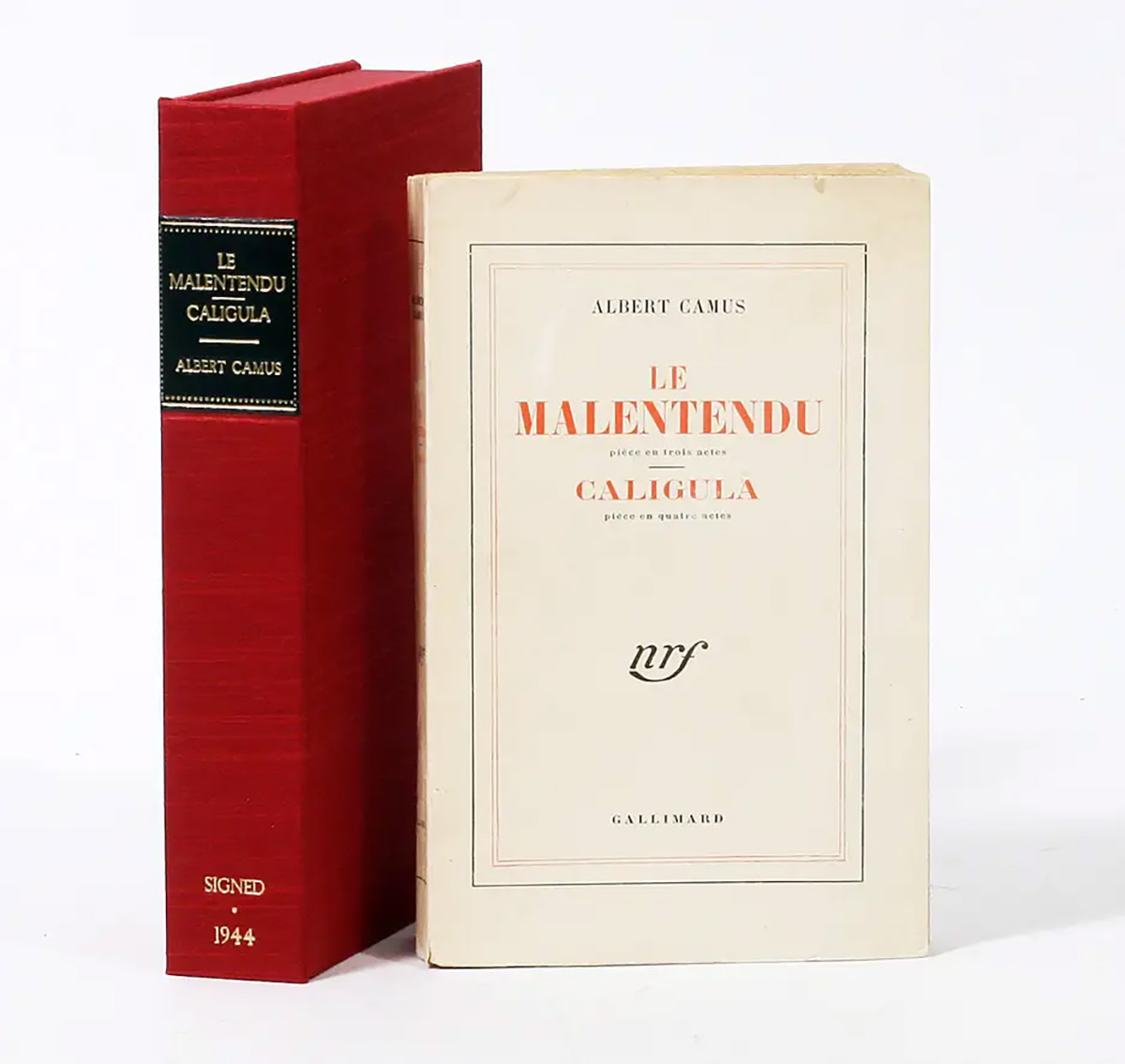
The Misunderstanding received mixed reviews when first performed in 1944. There are several reasons for this. Firstly, Camus wanted the play to be in the style of an ancient Greek tragedy. As with other plays, he chose to have his characters speak in a highly stylized literary manner.
He also uses specific phrasing in the actors’ speech to draw out the dramatic irony and themes of misunderstanding and talking at cross-purposes. This technique was lost on many theater-goers, however, who found it hard to accept characters who were supposed to be sheltered, country folk, but who spoke highly formal French rarely encountered outside classical literature.
People were also unprepared for the existential and absurdist themes within Camus’s play. Several decades later, audiences are more familiar with these ideas and prepared to encounter them on stage. However, Camus believed it contained a message of hope. To understand what this could be, we need to consider Camus’s broader project.
The play is part of a cycle of works devoted to Camus’s exploration of the absurd and the search for meaning in a meaningless universe. Its companion pieces are the novel The Stranger, the essay The Myth of Sisyphus, and another play, Caligula.
In all these works, Camus is attempting to understand how we know, for sure, that some things in life are meaningful. After all, if we live in a meaningless universe, then the only things that can be meaningful are those we give meaning to. But there is a problem. If we simply choose to say something is meaningful, how can we truly believe it to be so? In his absurd works, Camus is interested in awareness gained from revelatory experiences.
In the play, Martha’s mother is apathetic and completely indifferent to life. After realizing she has killed her son, she suddenly realizes there is something meaningful and valuable in life: a mother’s love. This is not something she chooses to believe. Far from it. The realization is devastating, and she ends up taking her own life as a result. Not because she would rather live in a world without love, but because she has discovered there is love in the world and cannot live with the knowledge she desecrated it.