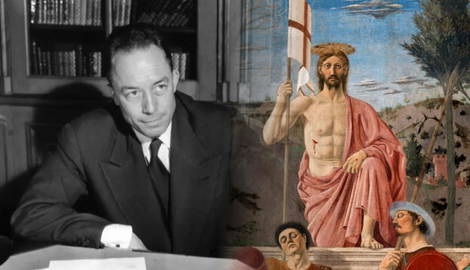

During a trip to Tuscany, Camus saw a fresco of the Resurrection of Christ painted by the Renaissance artist Piero della Francesca. This piece is considered one of the most important artworks surviving today. While Camus is not a Christian, he saw in this fresco a truth about humanity that he could build a philosophy on. When we look at della Francesca’s The Resurrection of Jesus Christ, we too can look upon the face that Camus took to be the fierce grandeur that underlies the human resolve to live.
The Resurrection of Jesus Christ
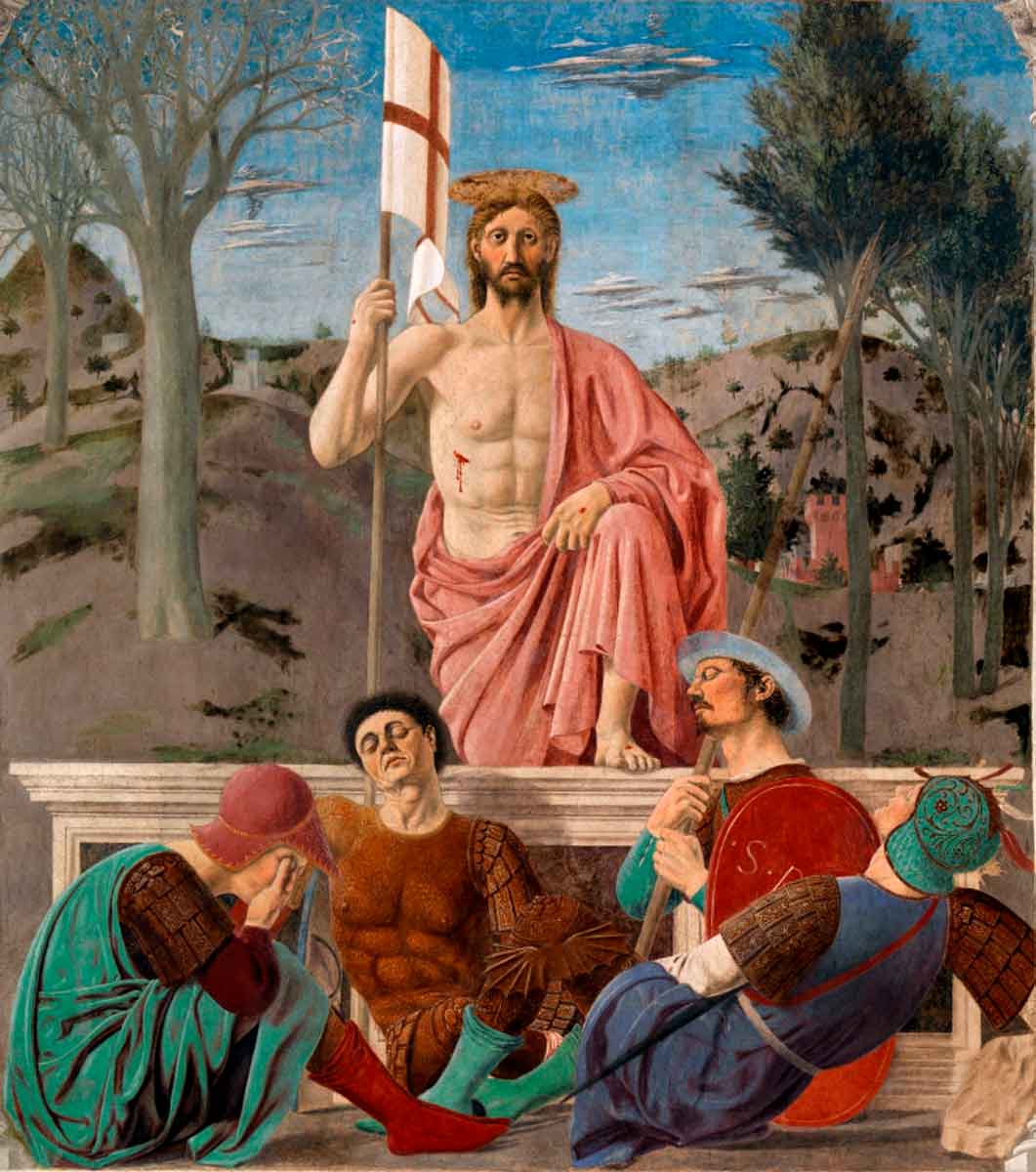
The Resurrection of Jesus Christ is a fresco painted by Piero della Francesca. In the 1460s, he was commissioned by the local authorities of his hometown of Borgo Santo Sepolcro, in Tuscany, to produce an artwork for the town hall. The fresco survives, although it was nearly destroyed during the Second World War. Albert Camus saw it during a visit to Italy and was greatly taken by the work. Towards the end of his essay ‘The Desert,’ he writes:
As he emerges from the tomb, the risen Christ of Piero della Francesca has no human expression on his face – only a fierce and soulless grandeur that I cannot help taking for a resolve to live. For the wise man, like the idiot, expresses little. The reversion delights me.
Camus is certainly not alone in his admiration for the fresco. Della Francesca’s Resurrection is often included near the top of lists of the greatest artworks in the world. Indeed, when the work was saved from destruction during the war, it was due to the refusal of British artillery officer, Anthony Clarke, to shell the town. Clarke had read an influential essay on the fresco and was moved to defy orders to preserve the work.
It was the face of Christ that particularly moved Camus. But it is worth mentioning in passing an unusual feature of the fresco: it has two vanishing points. One is Jesus’s face, but the other is the center of the sarcophagus. It means that when viewing the artwork, the eye is drawn up and down without a fixed point of focus. This would have particularly appealed to Camus, who was fascinated by doubleness and opposing viewpoints.
We have mentioned Camus’s essay ‘The Desert,’ in which he writes about della Francesca’s Resurrection. Let us now take a brief overview of these essays.
Camus’s Early Essays
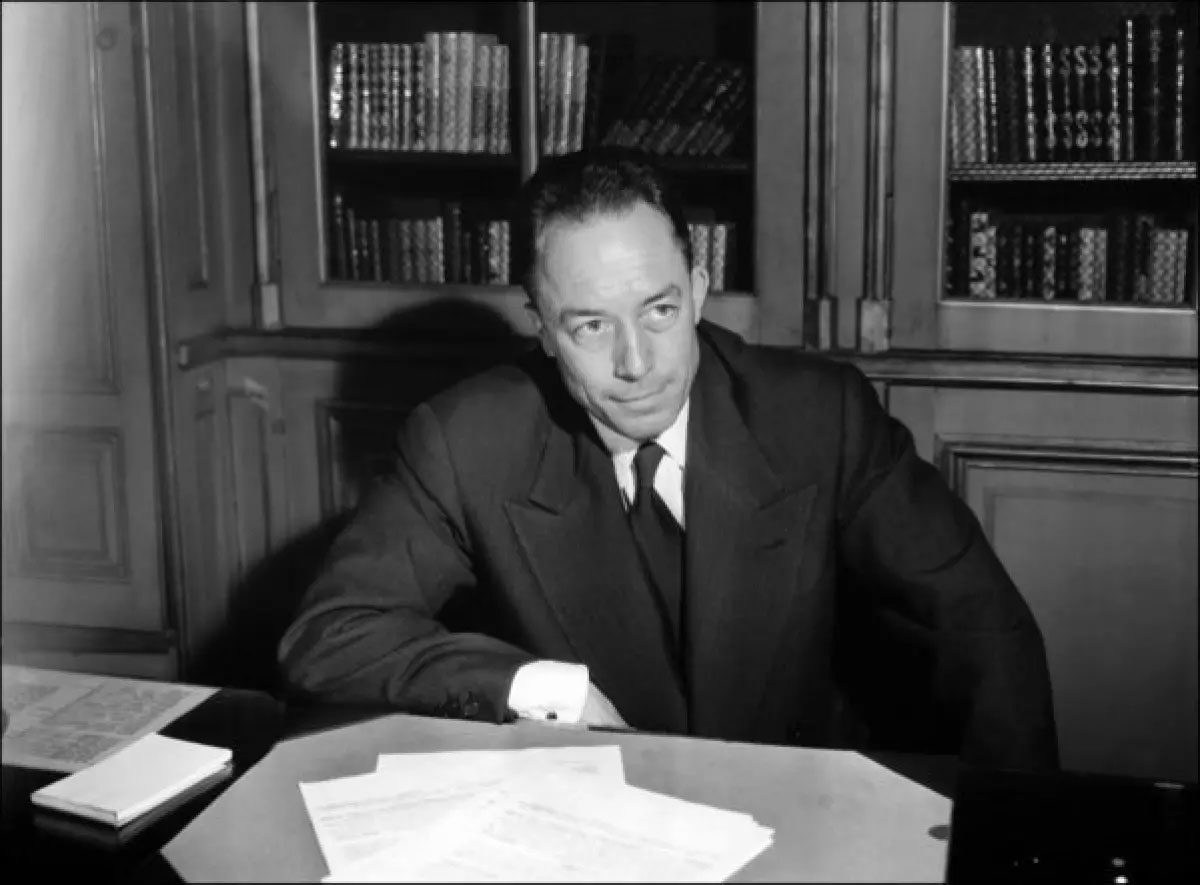
Camus published two collections of essays while still living and working in Algeria. The first, published in 1937 as L’Envers et l’endroit, is known in English as The Wrong Side and the Right Side (note the doubleness, mentioned above). Camus scholars cherish these essays not only for their primitive and youthful freshness but because so much of Camus’ early influences are laid bare in these texts. He too cherished these works, commenting toward the end of his career that these essays contain the source of his entire philosophy.
Worthy as these essays are, his second collection, published in 1938 under the title Noces (Nuptials in English), is generally seen by Camus scholars as superior. Each of the four essays sheds light on important themes widely considered central to Camus’ philosophy.
Indeed, the title alone, Nuptials, captures an idea deeply imbued with meaning. Camus is interested in the mythopoeic idea of a ‘wedding’ between God and humankind that is central to both Christianity and Judaism. Although not widely recognized, these early essays by Camus can be read as theological works.
Camus was an atheist, or more accurately an agnostic, but he was very familiar with, and even fascinated by, Christian theology. One only needs to see the titles of his works to see the Biblical connection: The First Man, The Rebel, The Fall, Exile and the Kingdom, The Plague. A great deal of his work overlaps with that of Christian thinkers, but from a non-Christian perspective.
Religions at their core attempt to answer two closely related questions. The first concerns why we exist, and the second why our existence is important. In short, religions seek the meaning of life.
Indifference
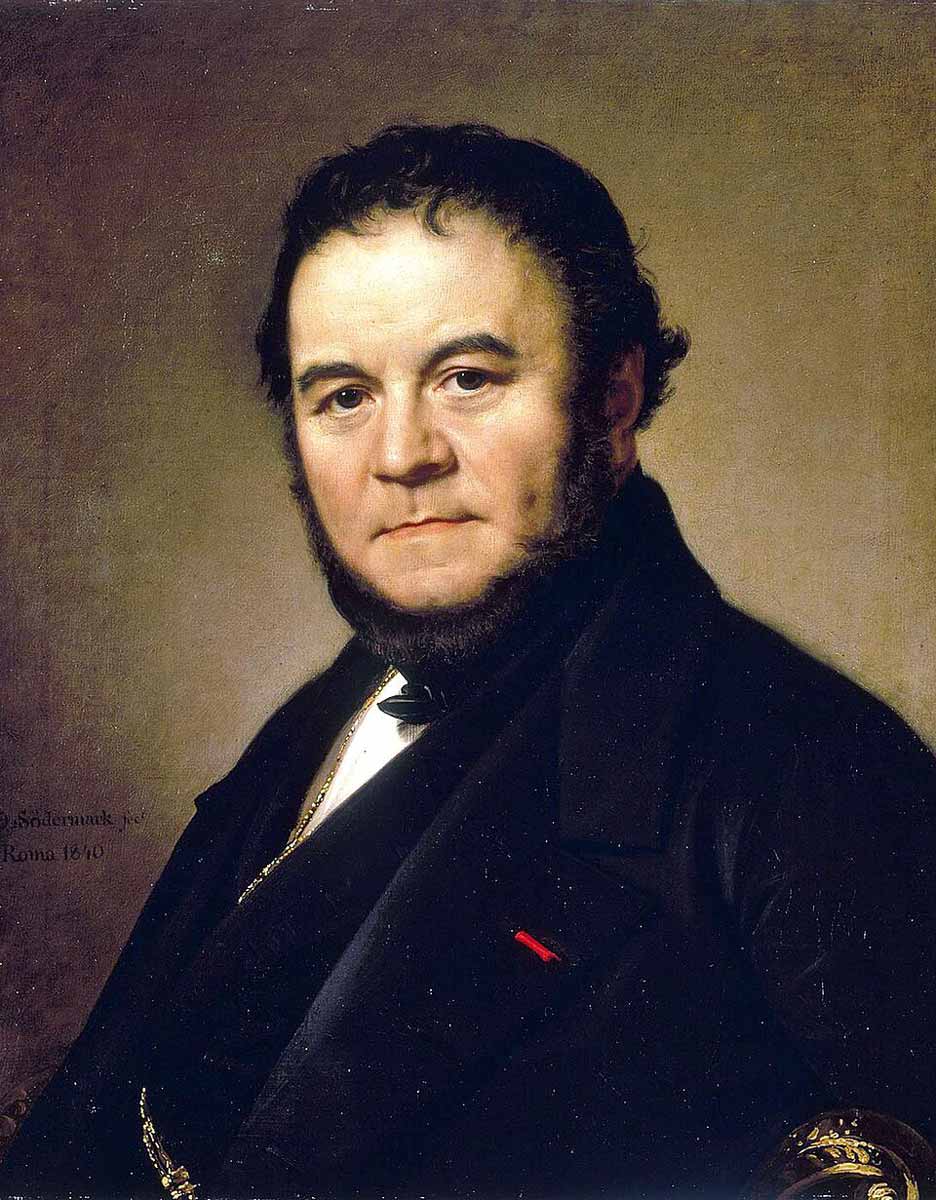
A major recurring theme in Camus’s philosophy concerns the idea of indifference. It is therefore interesting that he chose to greet the readers of Nuptials with a quotation from the French author Stendhal. Taken from his 1838 novella, The Duchess of Paliano, the quote reads as follows:
The hangman strangled Cardinal Carrafa (sic) with a silken rope that broke: two further attempts were necessary. The Cardinal looked at the hangman without deigning to utter a word.
Stendhal’s work concerns real people from 16th-century Europe. Camus is interested in one in particular, Carlo Carafa, and especially his death. The real-life Carafa had an interesting life and career. Born in 1517, he began as a mercenary, then joined a Catholic military order and was elevated to cardinal by his uncle Pope Paul IV in 1555. Charged with multiple crimes, he was executed by strangulation in 1561.
But we need not know anything about the actual Carafa or indeed much at all about Stendhal’s depiction of the man. All we need to trouble ourselves with is the quotation Camus takes from the novella. What is of interest is the manner in which Carafa faces death: with indifference.
We can see from the quote that Carrafa is sentenced to death by strangulation via a silken rope. Historians tell us that the real-life cardinal was indeed executed by strangulation in March 1561. The detail given in the quote is that it took three attempts to strangle the man. Horrific as this experience must have been, the detail that captured Camus’ imagination was Carrafa’s attitude and demeanor: he says nothing.
There is pride in Carrafa’s indifference.
The Myth of Sisyphus
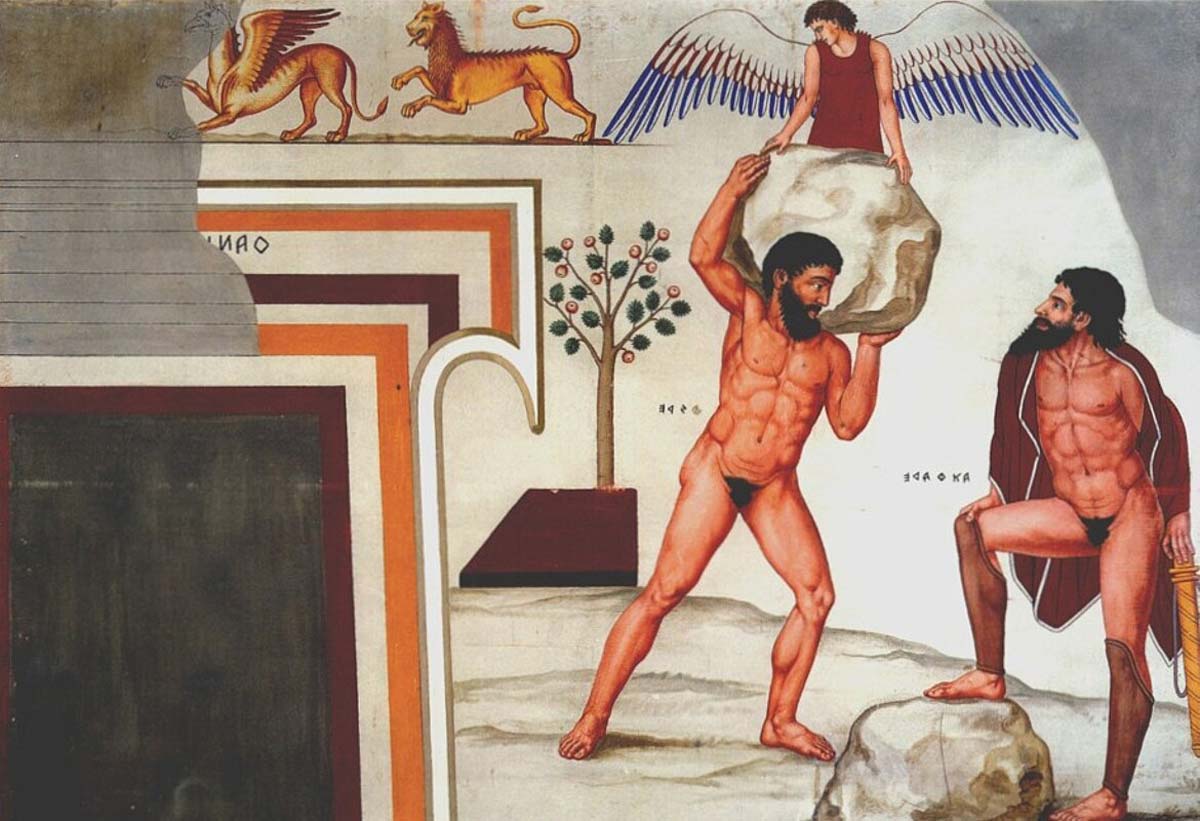
Camus makes several references to indifference in his 1942 essay on the absurd, The Myth of Sisyphus. This essay is one of the most important philosophical texts on absurdity and the meaning of life. Before tackling indifference, let us take a brief look at absurdity.
The concept of the absurd is complicated, but it can be understood in simple terms as the unpleasant experience of finding oneself bereft of meaning while at the same time feeling strongly that one’s actions and beliefs are meaningful.
Consider the closely related religious questions mentioned above concerning why we exist and why our existence is important. We stated that these two questions concern the meaning of life (or its absence). The absurd is experienced when someone finds themselves at a loss to explain why human beings exist and why it is important that we do, while at the same time feeling utterly convinced that human life is meaningful.
Note that the absurd is not a problem for religious people or nihilists. Those with faith in God believe we exist because it is God’s will that we do. They also believe our existence is important because it is important to God. The absurd does not arise because there is no contradiction between these views and the belief that life is meaningful. Nihilists who believe we exist by chance and that our existence is unimportant do not also hold the contradictory belief that life is meaningful. Therefore, they too have no problem with absurdity.
We might think that if Camus praises indifference, he must be advocating for some kind of nihilism. After all, nihilists appear to be indifferent to life. But he is not. It is important to note that Camus holds that life is meaningful. There can be no absurd if it is not.
Is a Life Without Meaning Preferable?
There is an infamous passage in The Myth of Sisyphus that causes confusion among scholars. At one point, Camus seems to suggest that a meaningless existence is better than one with meaning. In other words, we are better off if our lives are meaningless. Let us look at the passage.
It was previously a question of finding out whether or not life had to have a meaning to be lived. It now becomes clear on the contrary that it will be lived all the better if it has no meaning.
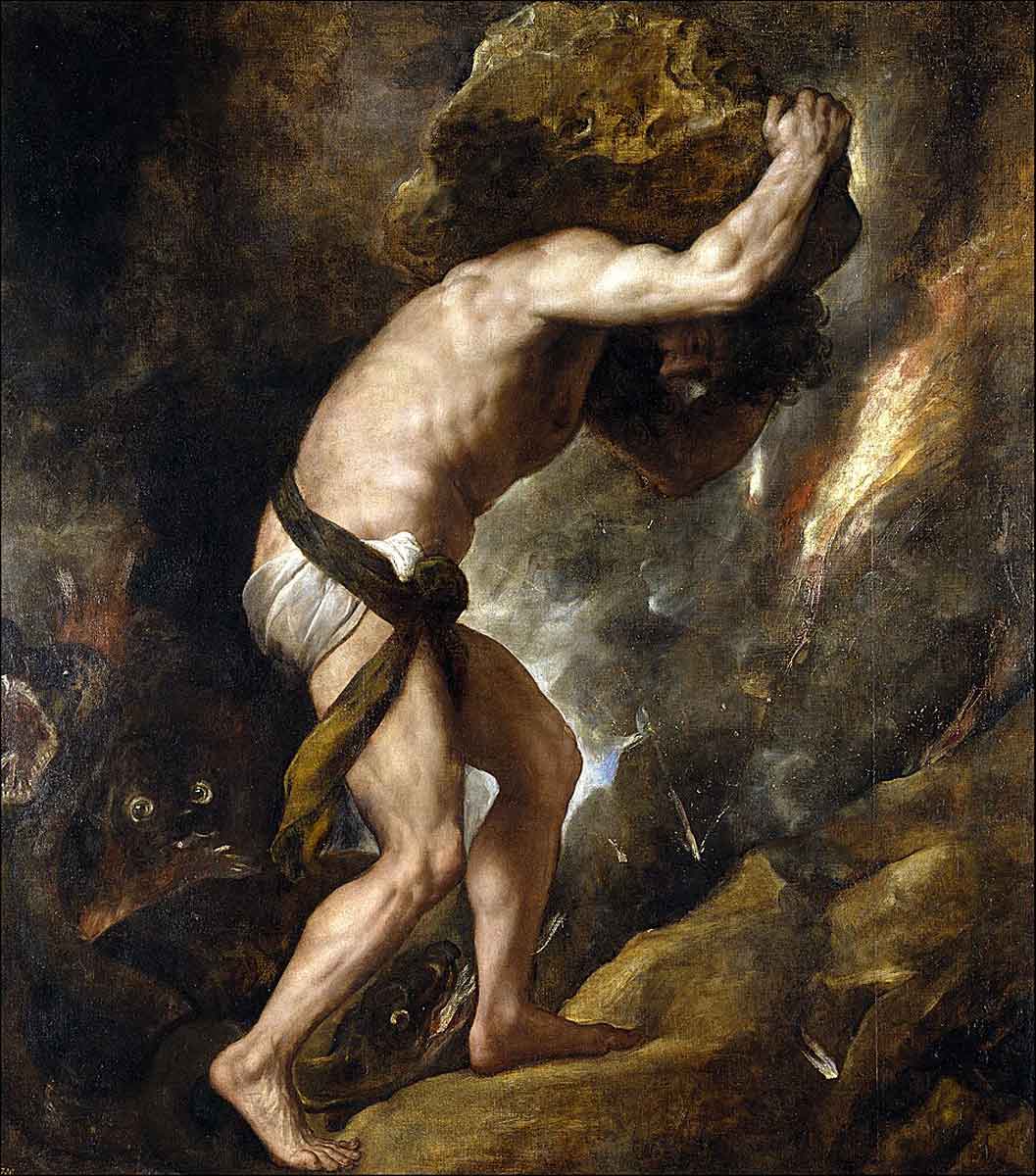
On the face of it, it does seem like Camus is suggesting that lives lived without meaning are preferable. However, this interpretation does not fit with the conclusion of the essay. Famously, Camus uses the myth of Sisyphus, a man condemned by the gods to endlessly roll a rock up a mountain only to have it roll back down again just before reaching the summit, to argue that we must ‘imagine Sisyphus happy.’
Sisyphus is happy, according to Camus, not because his life is meaningless but rather the opposite. Yes, he is condemned to perform a pointless task that will be eternally frustrated, but that is not Camus’ focus. He is interested in Sisyphus’ descent down the mountain to retrieve his rock. This time is Sisyphus’ own, and he is free to find meaning for himself. The point is that Sisyphus is happy because he can find meaning in an otherwise pointless existence.
When Camus says that life will be lived better if it has no meaning, he means that life is better if it comes with no pre-existing meaning. This is because if life does not come with a built-in meaning or purpose, we have the opportunity to find our own.
So where does indifference fit in?
The Wine of the Absurd and the Bread of Indifference
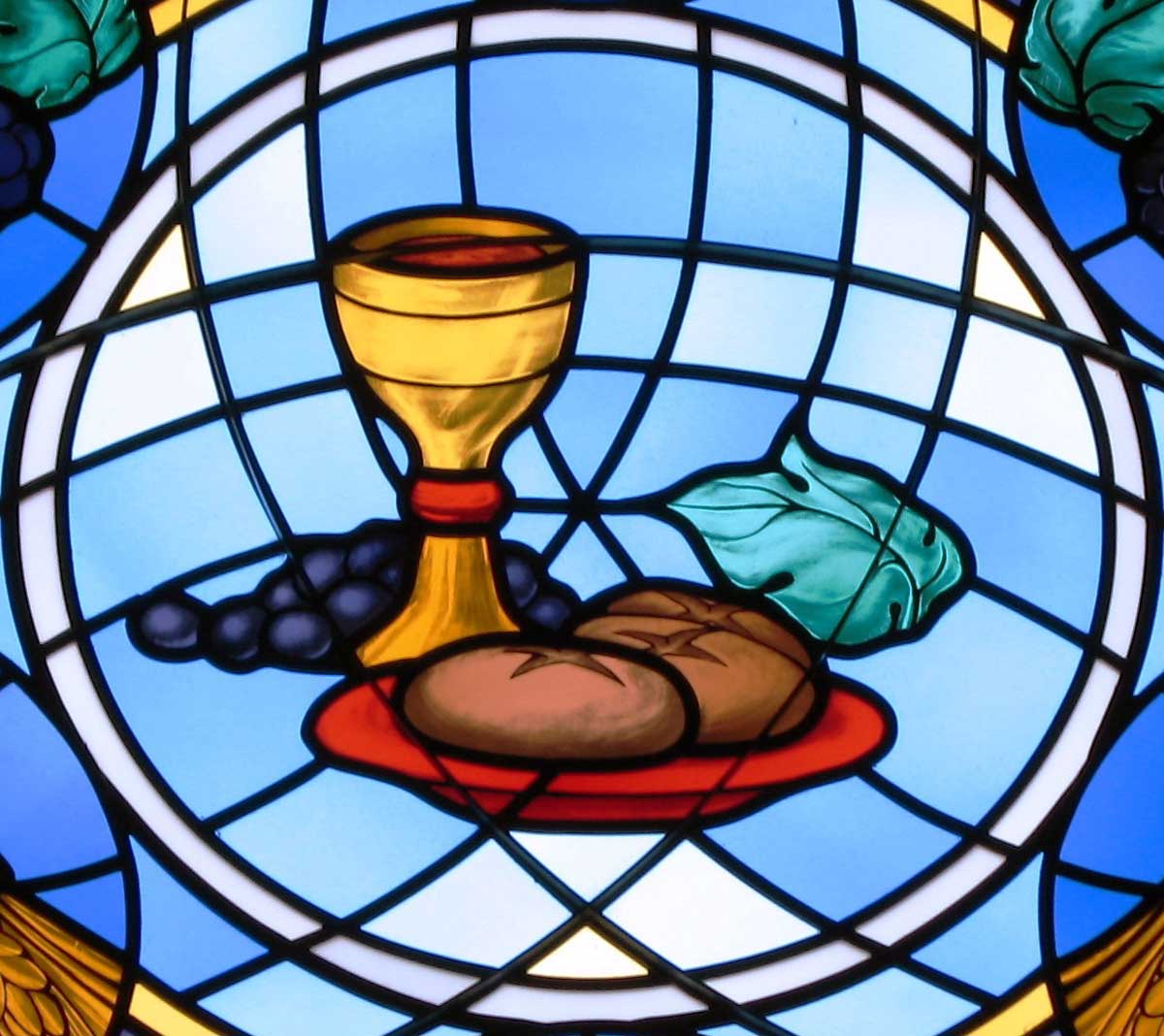
In The Myth of Sisyphus, Camus talks about a state of mind in which a person becomes fully aware of the absurd. He says: “At last man will again find there the wine of the absurd and the bread of indifference on which he feeds his greatness.” In the same essay, he also talks about “the profound nobility that is found in indifference.” “Everything,” he says, “begins with a lucid indifference.”
We can note the obvious religious overtones. When Camus speaks of bread and wine, he is clearly referring to the Christian Eucharist. Jesus told his disciples that every time they broke bread and drank wine they should think of him [Luke 22: 19-21].
Breaking bread is a daily practice; if future disciples of Christ take his message seriously, they will keep him and his teachings in mind daily. For Camus, it is imperative that we keep the absurd in mind. For Christians, Jesus is the way and the truth and the life [John 14:6]. Camus, who was not a Christian, believed that the absurd was the truth. For him, it was imperative that we keep the truth of the absurd in mind every day.
In fact, for Camus, the absurd, the idea that we cannot help believing that life is meaningful, put against the inability to explain why this is the case, is the only solid, concrete truth we human beings have. He believed that our awareness of this, coupled with our determination to live and thrive, made us, as a species, great.
The visual expression of this human greatness, for Camus, is expressed in Piero della Francesca’s The Resurrection of Jesus Christ. In the painting, he sees in Jesus’s face a steely resolve to live. We can see, quite clearly, that Christ’s face in the artwork is almost emotionless. There is a kind of magnificent indifference to his resurrection.
Camus was inspired by this fresco before fully articulating his philosophy of the absurd. It is not his philosophy in pictorial form, but we can perhaps get closer to Camus’s understanding of the world through appreciation of this artwork.