
Search online for Albert Camus, and you will inevitably find numerous memes in which the idea is expressed that Camus believed life to be meaningless. Indeed, Camus did not believe life comes with a purpose, but he also believed it is impossible to live a meaningless existence. In his philosophy, we must find meaning in our lives for life to be possible. To better understand Camus on this topic, we must make a distinction between “meaning” as in comprehension and “meaning” as in significance or meaningfulness.
A Life Lived Without Meaning?
There is a key passage in The Myth of Sisyphus that has led to much unnecessary confusion amongst scholars in the secondary literature. Not reading carefully, and possibly too heavily under the sway of a few very influential commentators, they have misread this passage as Camus suggesting that a meaningless life is better than a meaningful life. Before discussing why this interpretation simply cannot be accurate, let us look at the passage in question.
Found within the “Absurd Freedom” section of the essay, Camus writes that the idea of life comes with a meaning already built into it, so to speak. According to many of the world’s religions, the world is not devoid of meaning but only appears so. Let us look briefly at this idea.
For Christians, life also comes with meaning. God created the universe and everything within it for a purpose. His purpose may be a mystery, and many Christians consider it their duty to discover and fulfill God’s purpose. Nevertheless, whether we know what the meaning of life is or not, there is still a meaning to be found according to this religious belief. In other words, life comes with a meaning (and you have to find it).
Camus is not a Christian, and therefore, he does not believe that life has meaning. How, then, does he believe this allows life to be lived all the better? The answer is that because life does not come with a meaning, we are free to create and discover meaning for ourselves. And this, for Camus, is what makes life valuable. Note that by talking about value, we are now thinking of life as important, significant, or meaningful. Before we move on to this idea, let us first take a quick look at Camus’s influences.
Inspired by Nietzsche, Camus on Living a Meaningful Life
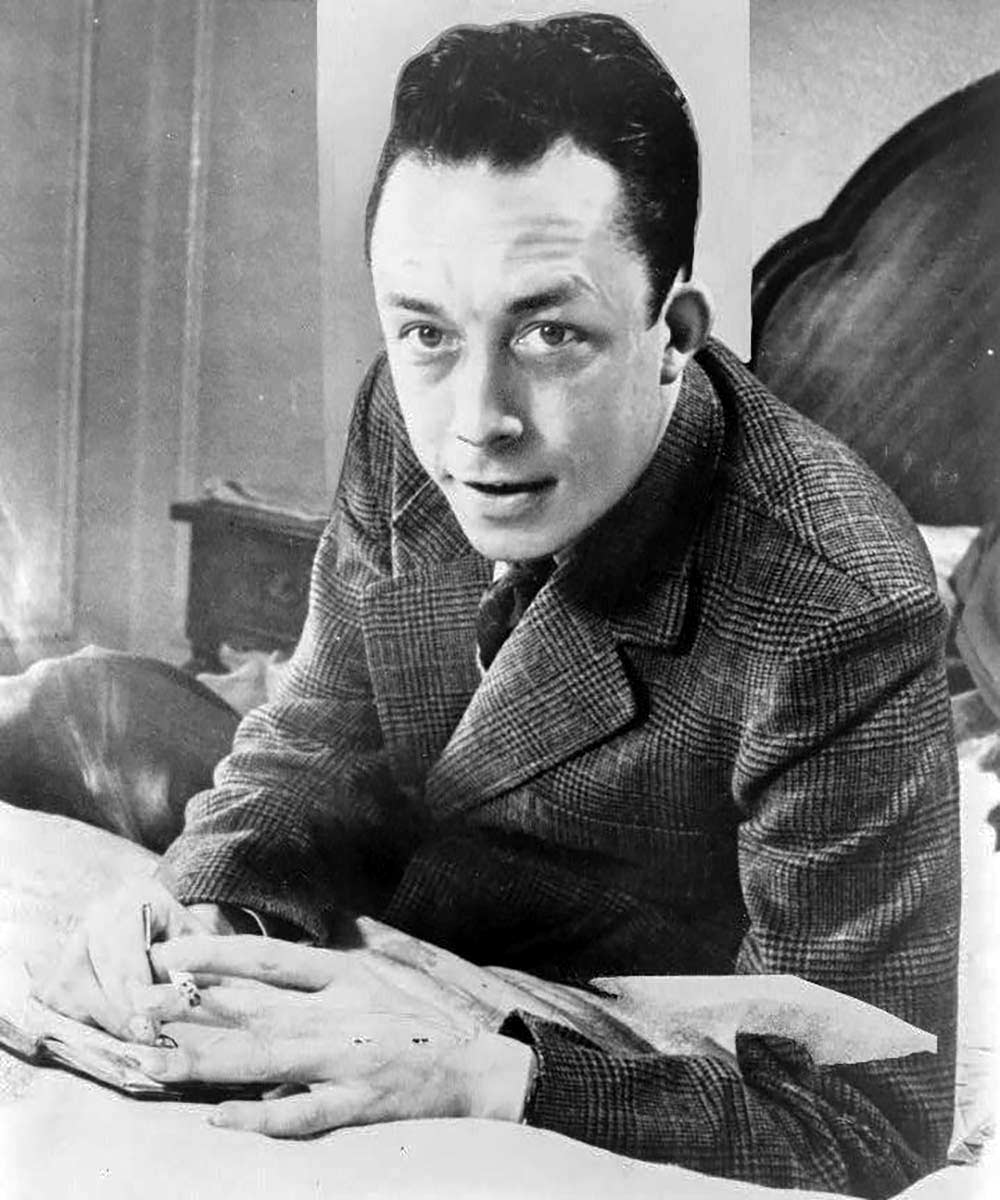
Friedrich Nietzsche greatly inspired Albert Camus. Indeed, we would not be going very far wrong at all if we were to read The Myth of Sisyphus as a response to a challenge set by Nietzsche in his writings. At the end of the first, longest, and most philosophical section of his essay, Camus states directly that Nietzsche shows us the way. While his relationship with Nietzsche is too complex to explore here, two texts by Camus’s mentor and spiritual interlocutor provide useful context for the present discussion.
Nietzsche wrote mainly in aphorisms, short observations not usually more than a few paragraphs, intended to draw out a particular idea for further reflection. We are interested in two of his aphorisms here. The first comes from his 1882 book, The Gay Science, and the second from Beyond Good and Evil, published in 1886. In both, Nietzsche expresses a peculiar view about Christianity.
Nietzsche’s aphorisms are numbered and often given titles as well. In Nietzsche scholarship, we typically refer to them with the initials of the book from which they are taken and their number. Some very famous aphorisms are also known by their title or even their main subject.
The first one we will be looking at is GS 125, also known as “The Madman” and Nietzsche’s “God is dead” aphorism. Here we will see an idea that is also central to Camus’s The Myth of Sisyphus.
Nietzsche contends that while many people consider themselves atheists, very few understand the consequences of atheism. In brief, if God does not exist, then every value and belief that has been previously justified needs to be re-examined and new justifications found if these beliefs and values are to remain meaningful.
We have seen that Camus does not believe in God and that life has no meaning. Consequently, since he knows that we cannot live without meaning, once meaning has been lost we must replace it with a new belief. As we shall see dramatically played out by Nietzsche in GS 125, this is no light undertaking.
God Is Dead, and We Have Killed Him
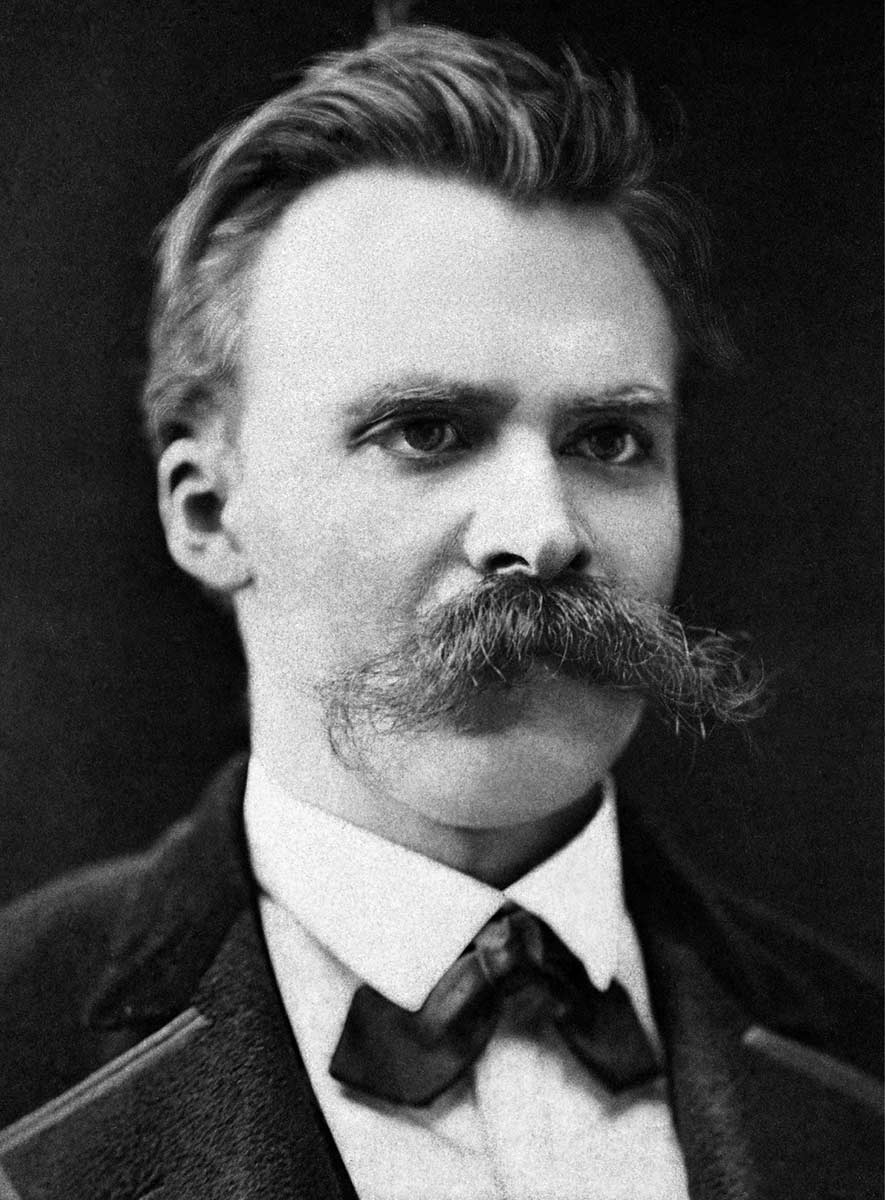
GS 125 opens with a madman running around the marketplace with a lantern, claiming to be looking for God. The atheists observing him mock the man and jokingly shout out suggestions as to where God might have gone. Finally, the madman cries out that God is dead and that “we have killed him.” What Nietzsche means by this is not that God has literally been killed but that people have ceased to believe God exists. This is why he makes a point of saying that the people in the marketplace are atheists. What the madman says next holds the most interest for us in this present discussion.
In the aphorism, Nietzsche contrasts the reaction of the “madman” to the death of God with that of the marketplace atheists. While he is distraught, lost, and entirely disoriented, the atheists are at ease and even joking around. At first, the “madman” is shocked by their reaction, but soon the penny drops: they do not believe in God, but they do not yet know what this means.
What they fail to realize is that without God, all beliefs and values that were previously justified by appeals to the existence of God are no longer justified.
In GS 125, Nietzsche is making the point that life does not come with a meaning already built into it and, therefore, the necessity of creating meaning for ourselves. The “madman” acknowledges this when he asks the crowd: “What festivals of atonement, what holy games will we have to invent for ourselves?” Here he is talking about the creation of a new set of myths to replace the ones lost when we “killed God.” For Camus, this requirement to create meaning for ourselves is part of what makes life worth living.
New Horizons
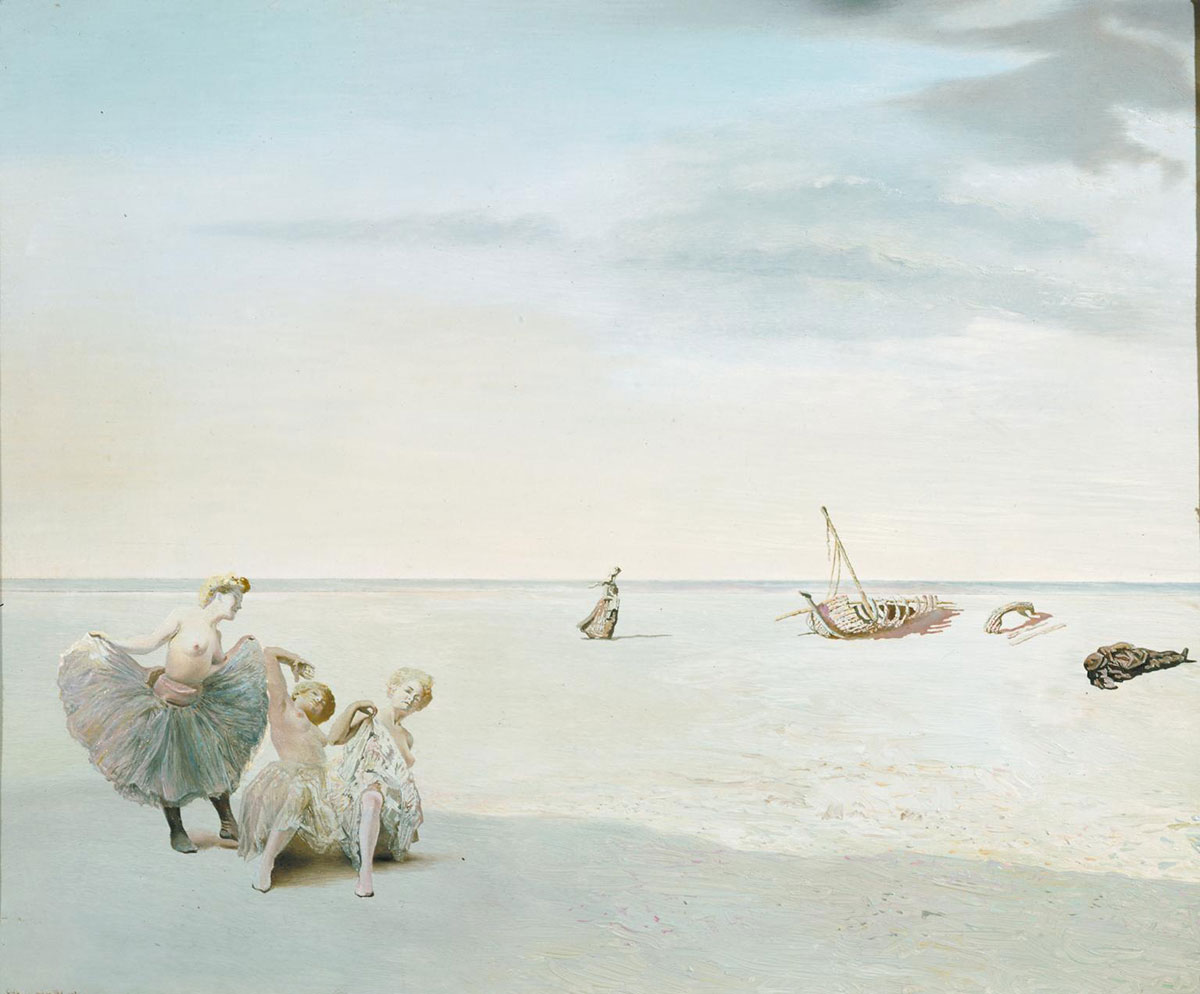
The horizon is often used as a metaphor for the limits of a person’s experience and understanding; we often advise people with sheltered or too restrictive outlooks that they ought to “widen their horizons.” The German philosopher Hans-Georg Gadamer, in his magnum opus Truth and Method, has this to say about the horizon, which expresses neatly what we are discussing here:
“The horizon is the range of vision that includes everything that can be seen from a particular vantage point. Applying this to the thinking mind, we can speak of narrowness of vision, of the possible expansion of the horizon, of the opening up of new horizons, and so forth […] A person who has a horizon knows the significance of everything within this horizon, whether it is near, far, great or small.” (Gadamer, 313)
The significance of something relates to its importance. When considering whether a thing is significant or not, we ask ourselves what it signifies or, in other words, means. But how do we know if something is important, significant, or meaningful? We can determine that something is a useful means to an end, but this only puts off the question. Now we have to ask ourselves why this end, to which this thing is a means, is itself important and so on. In asking these questions, we can notice a difference between meaning and significance.
Simply comprehending the meaning of something does not make it meaningful. Imagine seeing a photograph of a poster written in a strange language and having it translated for you, only to discover it says something like “no parking between 8 am and 5pm.” You now know the meaning, but it is not something that you would ordinarily refer to as meaningful.
A key problem that Camus addresses in The Myth of Sisyphus is how to make something significant or meaningful. But how can we invent a meaning for life and really believe that what we have invented is important and significant? Here is where Nietzsche’s second aphorism comes into the story.
Nietzsche Shows the Way
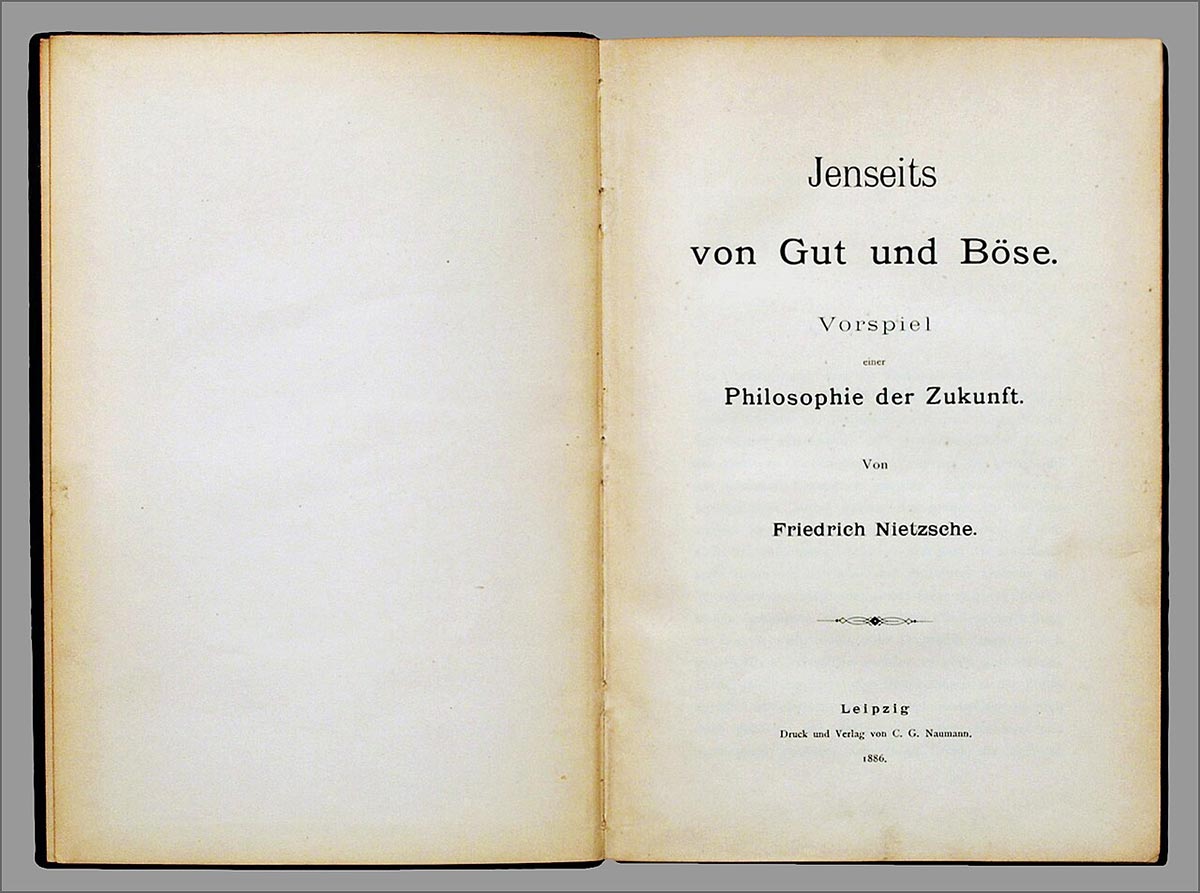
I said previously that in The Myth of Sisyphus, Camus credits Nietzsche with showing him the way. What he says in full is:
“Nietzsche writes: ‘It clearly seems that the chief thing in heaven and on earth is to obey at length and in a single direction: in the long run there results something for which it is worth the trouble of living on this earth as, for example, virtue, art, music, the dance, reason, the mind – something that transfigures, something delicate, mad or divine,’ he elucidates the rule of a really distinguished code of ethics. But he also points the way of the absurd man.”
Camus is quoting from aphorism 188 of Beyond Good and Evil. “The absurd,” for him, is the unpleasant experience of finding yourself bereft of meaning in a given situation. However, it is not simply that you cannot comprehend what you are experiencing, but that the old meanings have somehow fallen away, leaving you painfully aware of their absence. The experience of the “death of God” is the absurd writ large.
When Camus talks about Nietzsche pointing the way of the absurd man, he means what someone who takes the idea of the absurd seriously should do next. And we can clearly see from BGE 188 that, for Nietzsche, the next step is to find something that makes life worth living; in other words, something that makes life meaningful.
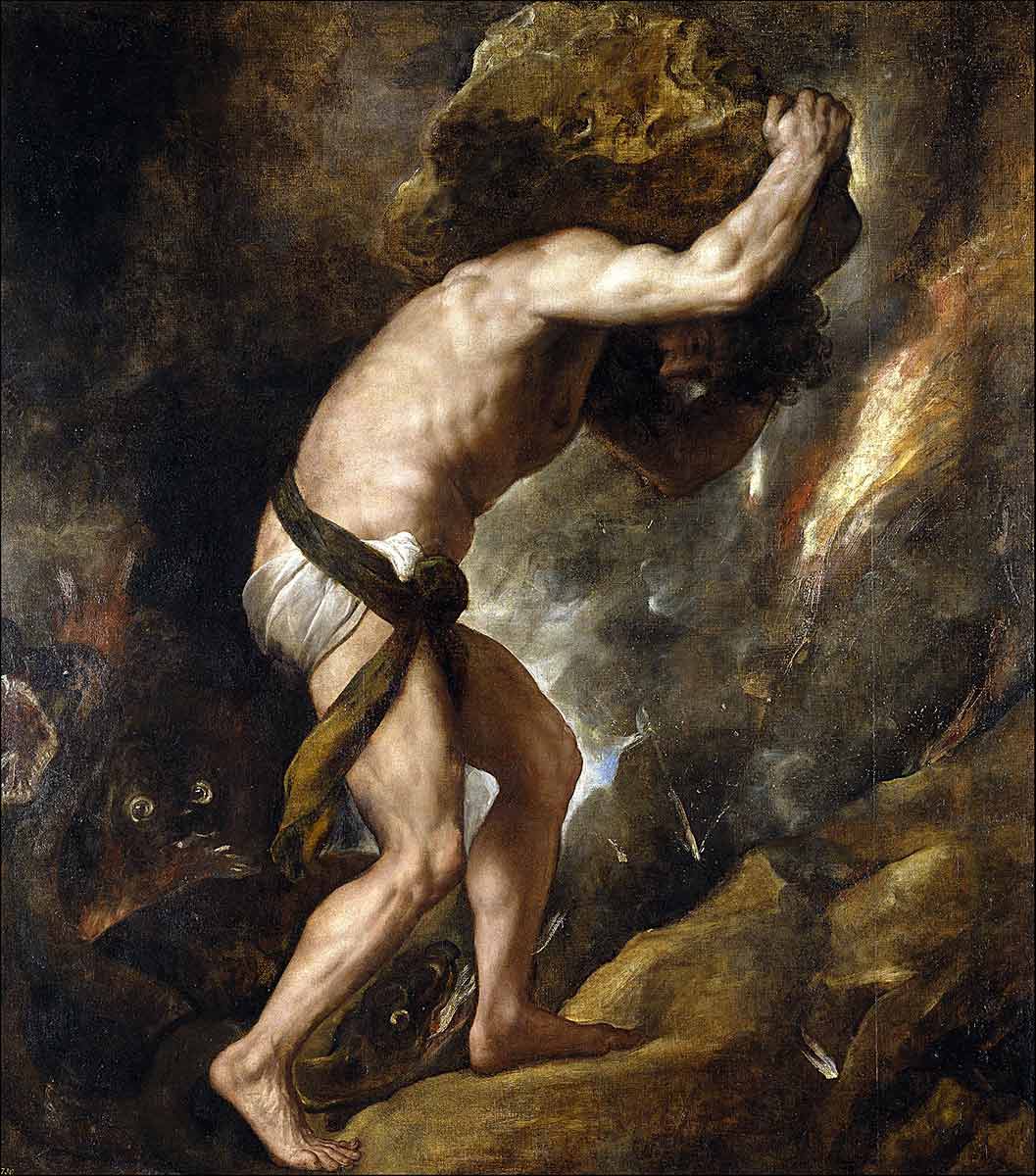
The rest of The Myth of Sisyphus is Camus’s exploration of whether this can actually be achieved. He concludes with his version of the Sisyphus myth and tells us in the very last sentence that “One must imagine Sisyphus happy.” If we imagine Sisyphus happy, we must surely imagine his life as meaningful.
One of the most important questions Camus asks in his essay is whether it is possible to create myths that make us feel that things in life and the world are significant, valuable, and meaningful. Often, we simply feel like we know (perhaps without knowing why or how we know) that certain things are meaningful, but how can we be sure we are not kidding ourselves? The atheists in Nietzsche’s GS 125 thought they knew, but they were simply relying on Christian justifications without realizing it. The problem is this: if we make up stories intended to show how life is meaningful, how can we trust them, given that we just made them up?
Camus on Meaning and Meaningfulness in Life and the World
We have seen that in The Myth of Sisyphus, Camus is interested in two kinds of meaning: meaning as comprehension and meaning as significance. Since he does not believe in God, he does not believe that life comes with a built-in meaning. For Camus, however, this is a good thing, and life will be lived all the better because of the opportunity to create our own meaning and make our lives meaningful.
Taking his lead from Nietzsche, Camus sets himself the goal of finding something to live for that makes life worth living. For life to be worth living, it must be meaningful. However, a problem he encounters is how one can invent a reason why something is valuable and really believe it is true, knowing it is an invention.
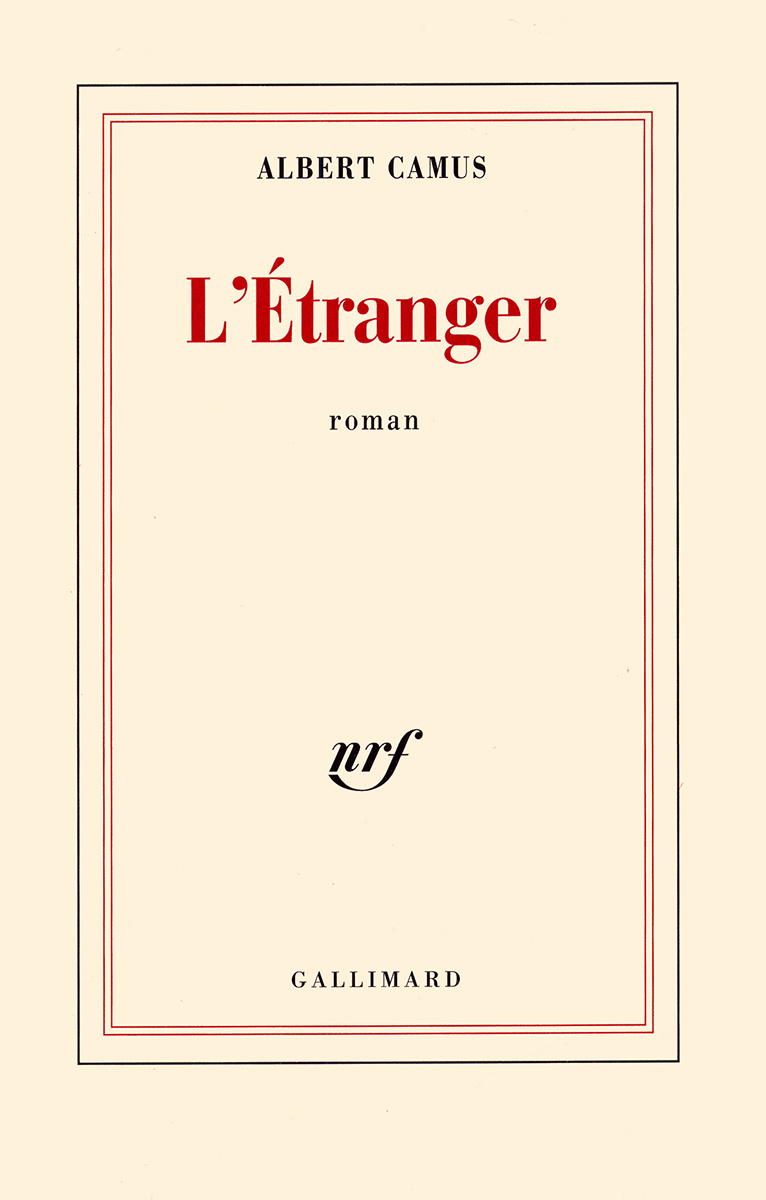
Camus believed he solved the problem. It is beyond the scope of this article to explore Camus’s solution here; however, one thing should now be clear: Camus believed that life is meaningful and The Myth of Sisyphus is his case for the value of life. For a greater understanding of Camus’s solution, his companion pieces to the essay are a great place to start. These are the novel The Stranger and the plays Caligula and The Misunderstanding.