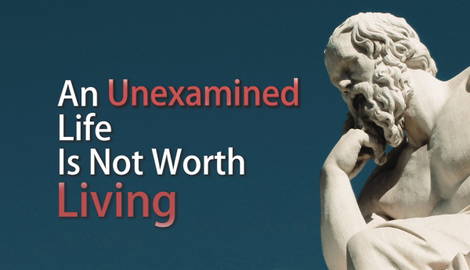

While he may have lived 2,500 years ago, Socrates is still one of the most quotable people who ever lived. A philosopher in 5th-century BC Athens, Socrates’ thoughts have shaped modern Western philosophy. He is often quoted in modern philosophical treatises and daily life. Here are some of his most famous quotes and what they mean, so you can recognize them when you see them, and maybe even quote him yourself!
1. “The Only True Wisdom Is in Knowing You Know Nothing”
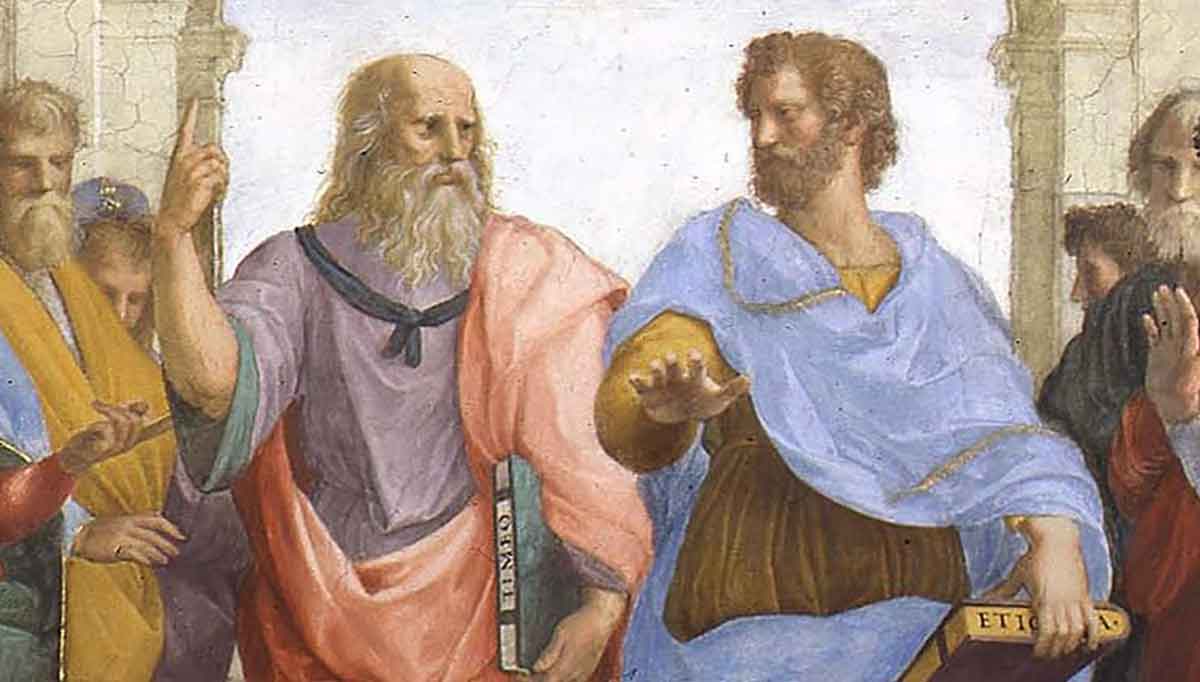
What it means: Wisdom starts with admitting you don’t know everything.
Socrates was known for his relentless pursuit of knowledge and his willingness to question everything; even things most people took for granted. He knew that knowledge was not stagnant and that there was always more to learn. Therefore, wisdom meant not assuming you know everything and being open to new ideas and possibilities.
Imagine someone convinced they know everything about a subject. They might become complacent, closed off to new perspectives. By contrast, someone who acknowledges their lack of knowledge stays open, curious, and ready to learn. This willingness to question everything, including himself, set Socrates apart and laid the foundation for real intellectual growth and discovery.
2. “Prefer Knowledge to Wealth, for the One Is Transitory, the Other Perpetual”
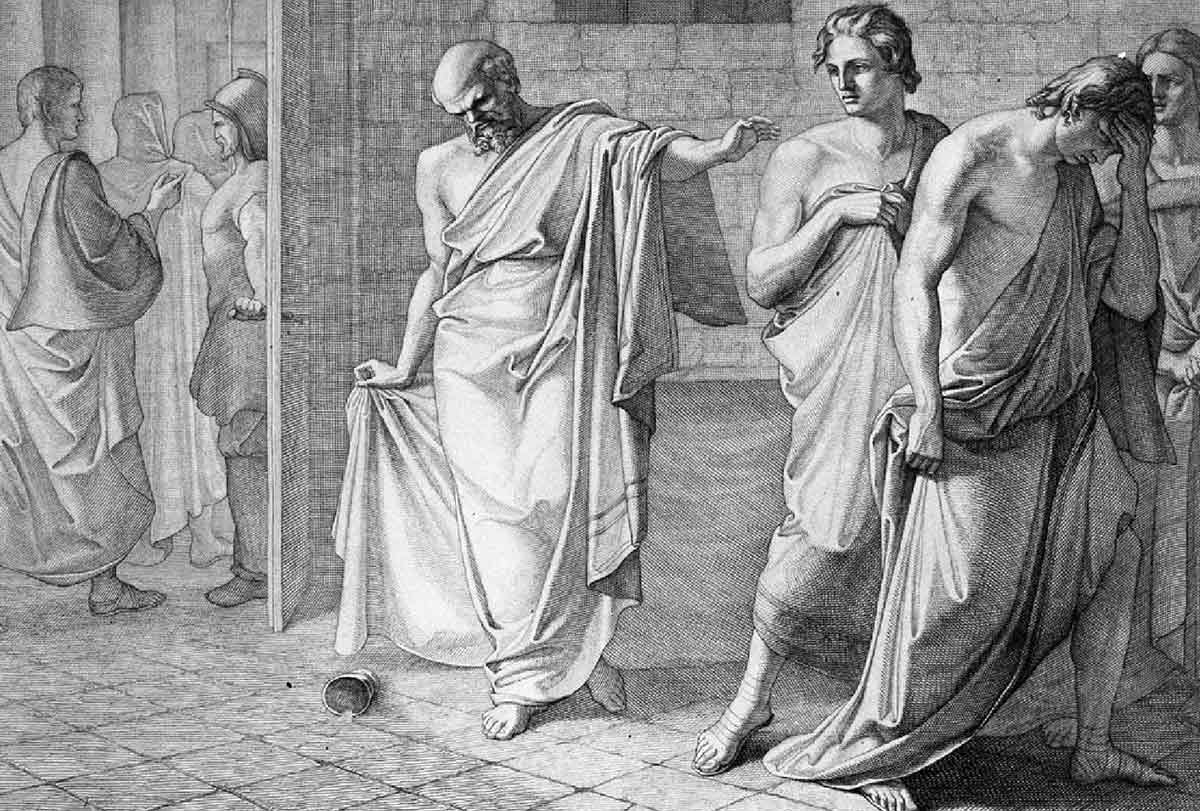
What it means: Wealth fades, but wisdom endures.
This quote urges us to consider what really matters in life. For Socrates, that was knowledge. Once gained, it cannot be lost and only grows when nurtured. In contrast, wealth and material possessions are temporary. They are easily lost, and you certainly can’t “take it with you.” Moreover, it is knowledge that shapes your understanding and interactions with the world, which can be a catalyst for prosperity.
Consider a wealthy person who finds contentment only in material comfort. Without curiosity or a desire to learn, that comfort may feel hollow. In contrast, a person who values knowledge enjoys growth, fulfillment, and perspective, no matter their financial situation.
3. “An Unexamined Life Is Not Worth Living”
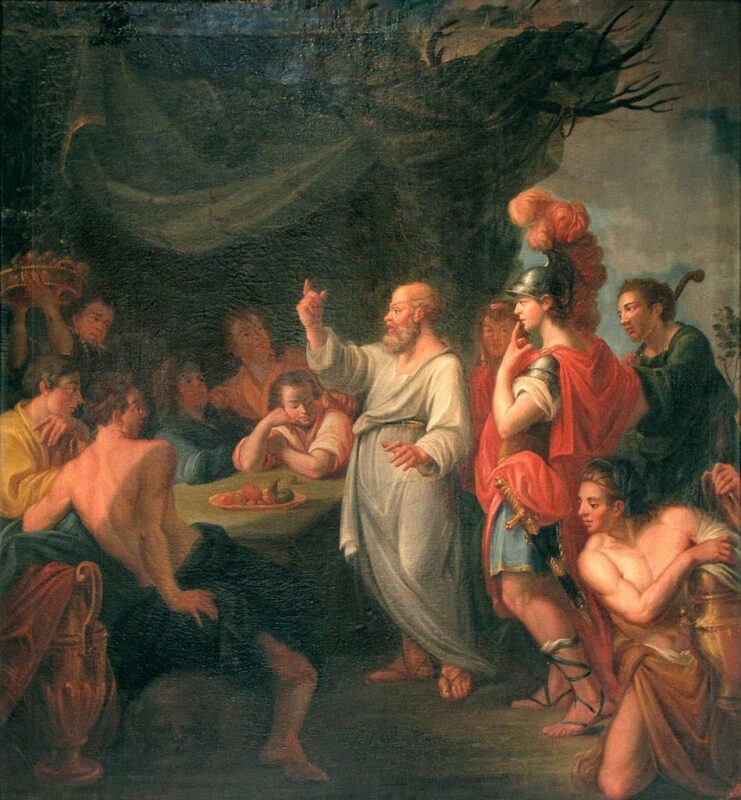
What it means: A meaningful life requires reflection and self-awareness.
This is one of Socrates’ most famous challenges. It urges us to stop rushing through life without questioning why we act, think, or believe as we do. Socrates was relentless in questioning not just others but himself. He believed that without reflection, life loses its depth, and we lose the chance to understand ourselves.
Imagine walking through a beautiful garden but never pausing to look at the flowers. You miss the beauty because you never slow down to notice it. Self-examination is what allows us to connect experiences into a bigger picture, like fitting together the pieces of a puzzle to see the whole image.
4. “Wisdom Begins in Wonder”
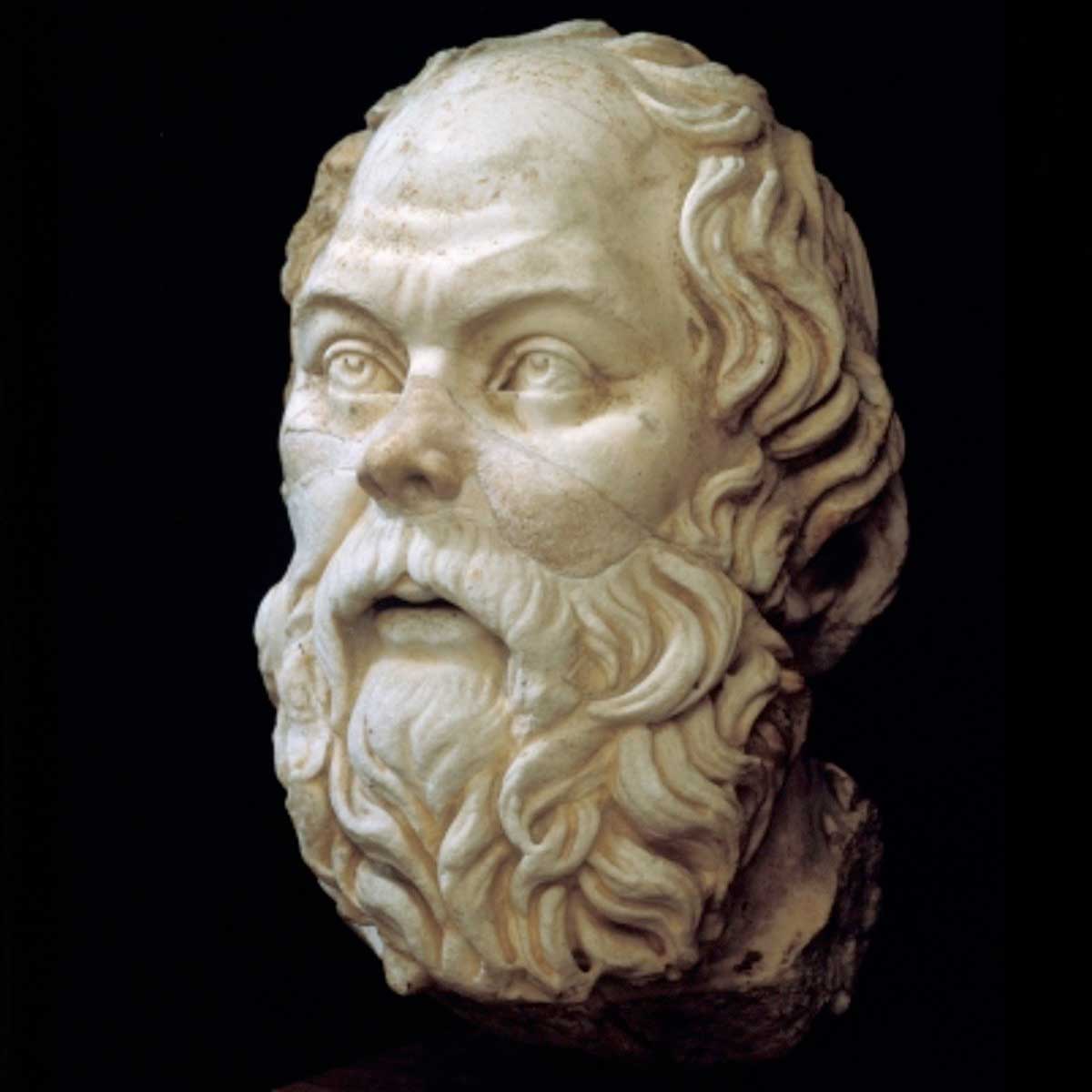
What it means: Stay curious. Wonder leads to wisdom.
For Socrates, wonder was the spark that ignited learning. It’s the sense of awe and curiosity that makes you want to ask questions, explore ideas, and see beyond the obvious.
Think of a child seeing a rainbow for the first time. That moment of amazement inspires them to ask, “Why does this happen?” and “How?” Wonder encourages an open mind, challenges assumptions, and pushes us toward discovery. Socrates approached every conversation with that same curiosity. Without it, he wouldn’t have reached the profound insights we still study today.
5. “The Only Good Is Knowledge, and the Only Evil Is Ignorance”
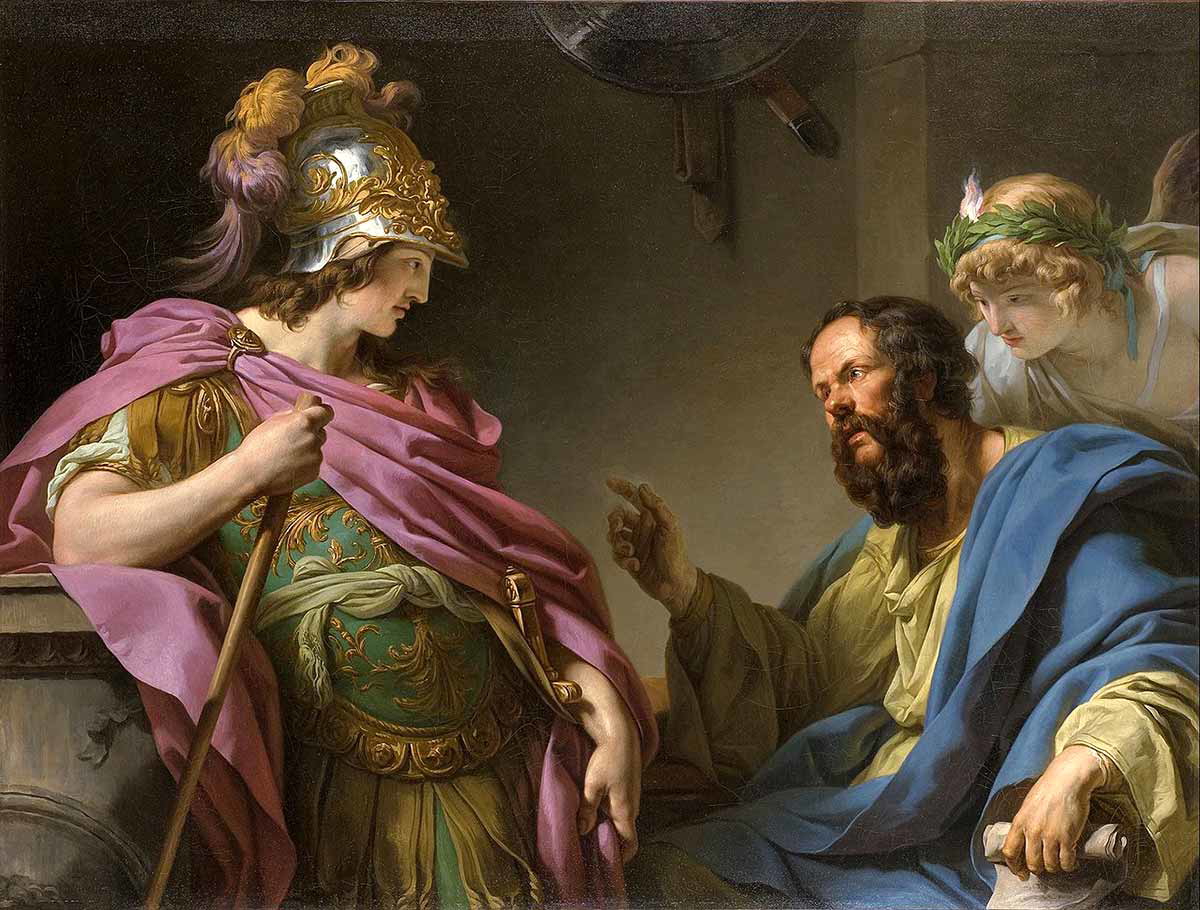
What it means: Knowledge fosters good, while ignorance breeds harm.
With this bold statement, Socrates reframed the idea of good and evil. To him, goodness came from understanding, while ignorance led to harm. Knowledge enlightens our minds, broadens our perspectives, and helps us make rational, ethical decisions. Ignorance, on the other hand, breeds prejudice, injustice, and division.
Think of how misinformation can spread, fueling stereotypes or even violence. Enlightenment dispels these shadows and replaces them with empathy, fairness, and truth. For Socrates, real knowledge wasn’t just knowing facts. It was knowing yourself, your values, and the world you live in.
6. “Be as You Wish to Seem”

What it means: Your external behavior should be in line with your internal moral character.
Most people worry about their reputation, so how they seem to others. Socrates suggests that the focus should be on their character, who they really are. Trying to project an image without substance behind it requires constant maintenance, deceit, and performance. Embodying the quality directly eliminates the need to perform.
If you want people to think you are honest, be honest. If you want people to view you as wise, seek wisdom. If you want to be regarded as a reliable friend, act reliably.
7. “He Who Is Not Content with What He Has Would Not Be Content with What He Would Like to Have”

What it means: Contentment should be an attitude, not measured in numbers.
If satisfaction depends on obtaining the next goal, promotion, or possession, acquiring it won’t fix the underlying restlessness. The goalposts simply move. Once you reach what you thought would make you happy, a new desire immediately fills the void.
Someone who cannot find peace in their present state will carry that same habitual dissatisfaction into any future scenario, no matter how abundant.
8. “To Find Yourself Think for Yourself”
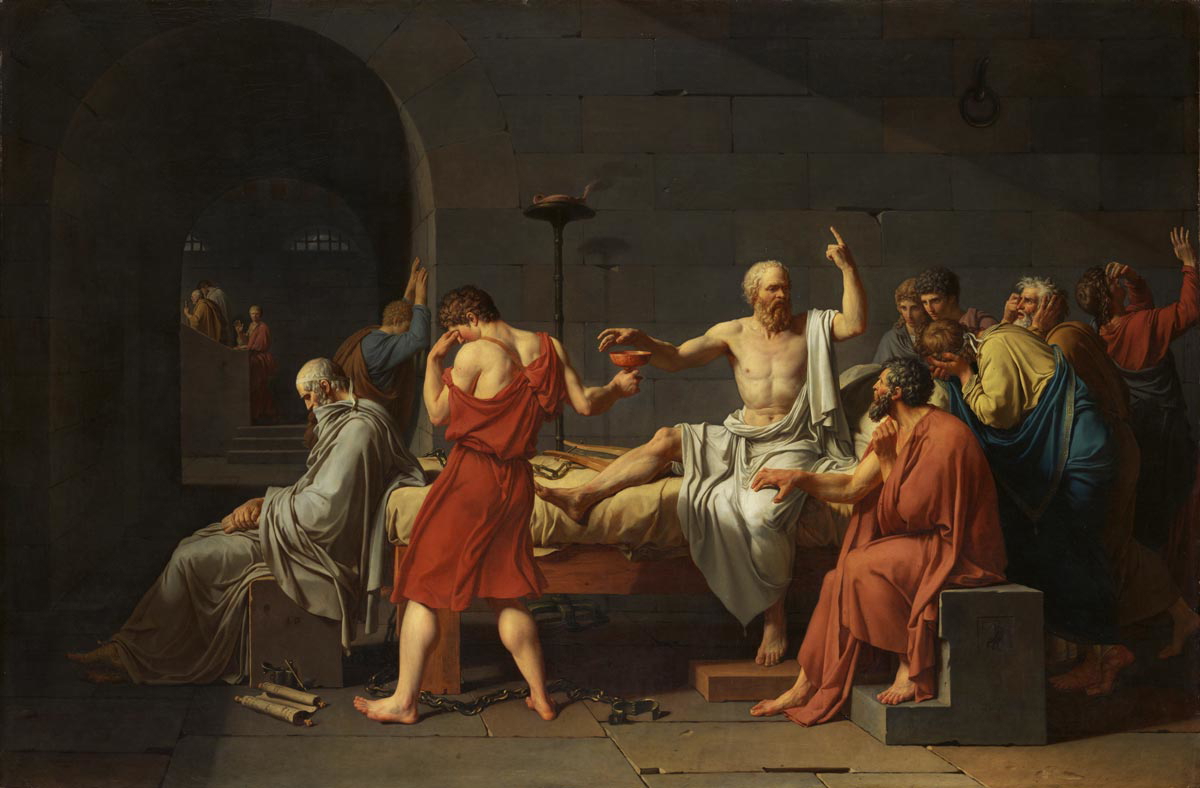
What it means: You must decide what is right and important yourself, rather than relying on groupthink.
In ancient Greece, society relied heavily on tradition, religious dogma, and public consensus. Socrates argued that passively accepting societal opinions leads to living a “life on autopilot.” To know who you really are, you must strip away borrowed beliefs and decide what you believe based on reason.
This statement is often used in reference to modern tragedies, where harmful government policies are passed, and people accept them, standing by and doing nothing as tragedy unfolds. It is dangerous to accept something as right just because it comes from an authority or “tradition.”