
Feeling overwhelmed by all the notifications on your smartphone? Do you sometimes forget to appreciate life’s simple pleasures because you’re too busy scrolling through your social media feeds? Digital minimalism could be the answer. This new way of thinking about our relationship with technology might help us regain control, find contentment, and make time for the things that really matter. We can create room for deeper connections with others and ourselves by stepping back from constant stimulation. Let’s analyze the philosophical background of this phenomenon in detail.
What Is Digital Minimalism?

Digital minimalism is a way of life: using technology with purpose and intent. Every app, each notification, and each device serving something is nothing more and nothing less than this.
In essence, it is not about abstaining from using technology but about gaining back one’s control. Instead of being controlled by the screen, you do this at your own free will.
The idea comes from minimalism, a philosophy of simplicity. Think of Henry David Thoreau retreating to Walden Pond. He wanted to strip life down to its essence. Digital minimalism does the same thing for the digital age: What truly adds value to my life? What can I let go of?
Philosophy emphasizes autonomy. Great philosophers like Immanuel Kant advocated freedom through rational choice.
Digital minimalism is a return to this. It’s about stepping back from the extant motion of technology demands: algorithms lose their grip, the endless scrolling loses its grip, and you decide your priorities, not your devices.
Disengage yourself from the world of social media apps. Whereas earlier, one scrolled listlessly, no one can spend more time with one’s loved ones. The moments spent offline grow richer. There is more depth in conversations. Result? A life focused on what truly matters.
Digital minimalism is not an action point. It’s a philosophy. In spaces opened by living deliberately, there’s room for the meaningful things in life. That’s the radical act amidst a buzzing world full of distractions.
The Philosophy of Presence: Living in the Moment

Living in the moment has never been harder as constant pings yank our attention from what’s real. Digital minimalism challenges this. It means stepping back and embracing mindfulness.
This resonates with Heidegger’s notion of “Being” through life in sobriety and with the world around us. Digital minimalism sends a similar message—it cuts through all the noise. It asks us to pay attention to life’s little details: rustling leaves, the laugh of a friend, the taste of morning coffee.
Constant connectedness disrupts awareness. Notifications yank us from meaningful conversations. Our scrolling numbs us from the beauty around us. We turn into spectators rather than participants.
Digital minimalism flips that. It amplifies presence and focus. Philosophers, such as Kierkegaard, discussed the idea of the “now” and implored us to seize it. Digital minimalism tries to get us thinking about the present once more.
Now, imagine a technology-free weekend. No cell phones. No noise, in a sense. You watch the colors of a setting sun. You listen to the quiet rhythm of nature. You connect deeper with people close to you—listen without pause. Every moment feels fuller, richer.
This is a gift of presence. In unplugging, we rediscover the art of living. Life slows down, and its immediacy becomes a treasure, not an afterthought.
The Value of Solitude: Reflection and Self-Knowledge

Solitude is powerful. It is where thoughts go deep and self-awareness thrives. For centuries, philosophers have praised its value. Socrates said, “The unexamined life is not worth living.” He believed reflection was integral to knowing oneself.
Nowadays, that quiet place is taken by constant online interactions. Notification sounds interrupt our thoughts, and lifting the screen with our fingers automatically introduces a never-ending scroll. Without a little bit of solitude, one hardly asks oneself, “Who am I? What truly matters to me?”
Digital minimalism makes room for introspection. In unplugging, we plug ourselves back in. Great thinkers like Descartes cleared their minds in solitude. His famous line was born in great reflection: “I think, therefore I am.” Without solitude, such insights may never come.
Unplugging is a small act that is deeply profound. Visualize devoting one hour daily to it: no screens, no distractions, nothing but a notebook and your thoughts.
You can review goals, process your emotions, or see new angles. This act shall birth clarity over time, as well as self-understanding.
The philosophical dividend is huge. By embracing solitude, we return to our core values. Unshackled from noise and distraction, we come to a place of real motive. Solitude in a hyperconnected world isn’t loneliness; it’s freedom.
Reclaiming Autonomy: Technology as a Tool, Not a Master

Who’s in control—you or your devices? After all, technology is supposed to serve us, but it feels increasingly like the other way around.
Algorithms hijack our attention, coaxing us to scroll a little longer, tap a little more, and hold on a little tighter. Is this inconvenient? Yes. Is it an ethical problem? Absolutely.
Immanuel Kant supported autonomy: the freedom to act according to due reason, not to external force. In today’s world, this is under threat from digital manipulation. Every time an app decides what you see or a notification disrupts your train of thought, your scope of autonomy shrinks. You react, but you don’t choose.
Digital minimalism is about reclaiming that power. Technology should be your tool, not your master. And you set boundaries around technologies to make that happen.
You might disable notifications, limit your time on an app, or delete platforms competing for your attention. In these cases, every decision is deliberately considered instead of impulsively followed.
The philosophical bonus is clear: autonomy enables intentional living. Unplugging lets you decide how you spend your time and energy. You choose what aligns with your values, not what an algorithm suggests.
Imagine spending the day free from digital distractions. You would be present in conversations, focused on your goals, and clear-headed in your decisions. This is autonomy in action: living life on your terms.
Deep Work and the Pursuit of Excellence
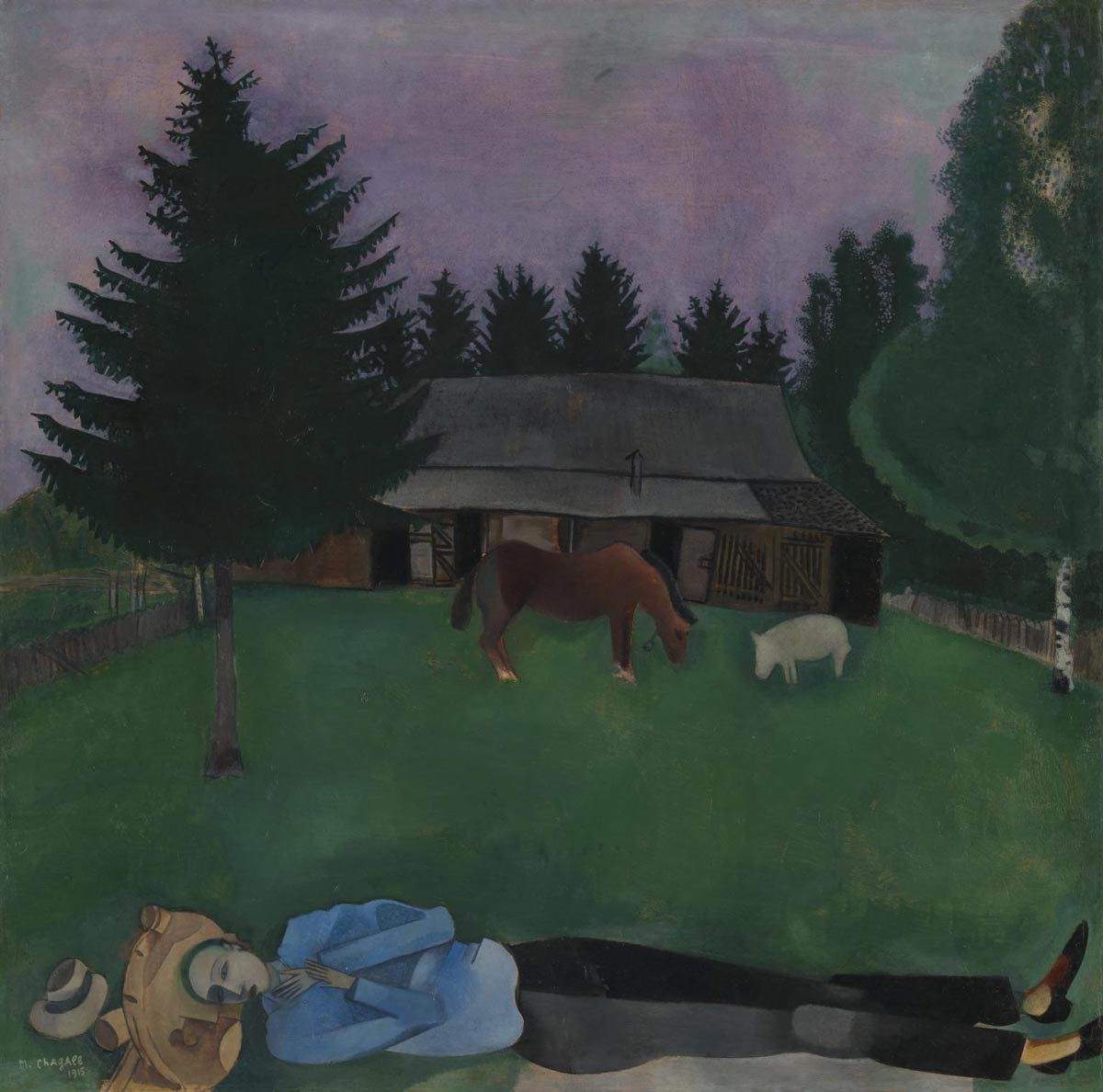
Excellence requires focus. Finding mastery is much harder in a world of unending notifications, messages, emails, social media, and that one really important cat video. Digital minimalism offers a solution: reclaiming focus and pursuing what truly matters.
That’s where Aristotle’s idea of eudaimonia fits in. He believed in flourishing through purposeful action and the good life through the pursuit of excellence.
Digital minimalism supports that by creating space in the head for deep work. When you unplug, you will find yourself deeply focusing on the tasks at hand, which will nourish the growth of your skills and creativity.
Distractions hollow out productivity. They fragment thoughts, making simple tasks take a lot more time. Worse, they limit deep thinking, which is the very foundation of innovation and problem-solving. Digital minimalism restores this depth.
Imagine you can schedule chunks of time where you work undisturbed. Your phone is shut off, and your inbox is closed. The silence is yours when deciding on the projects that matter.
The result? Better output is not the only reward; you also go home with a feeling of accomplishment aligned with your higher intentions.
The philosophical dividend is more straightforward. Being unplugged is not only about higher productivity; it’s about mastery and living purposefully. It means dedicating your energy to what truly matters, precisely as Aristotle envisioned.
Building Authentic Connections: Quality Over Quantity
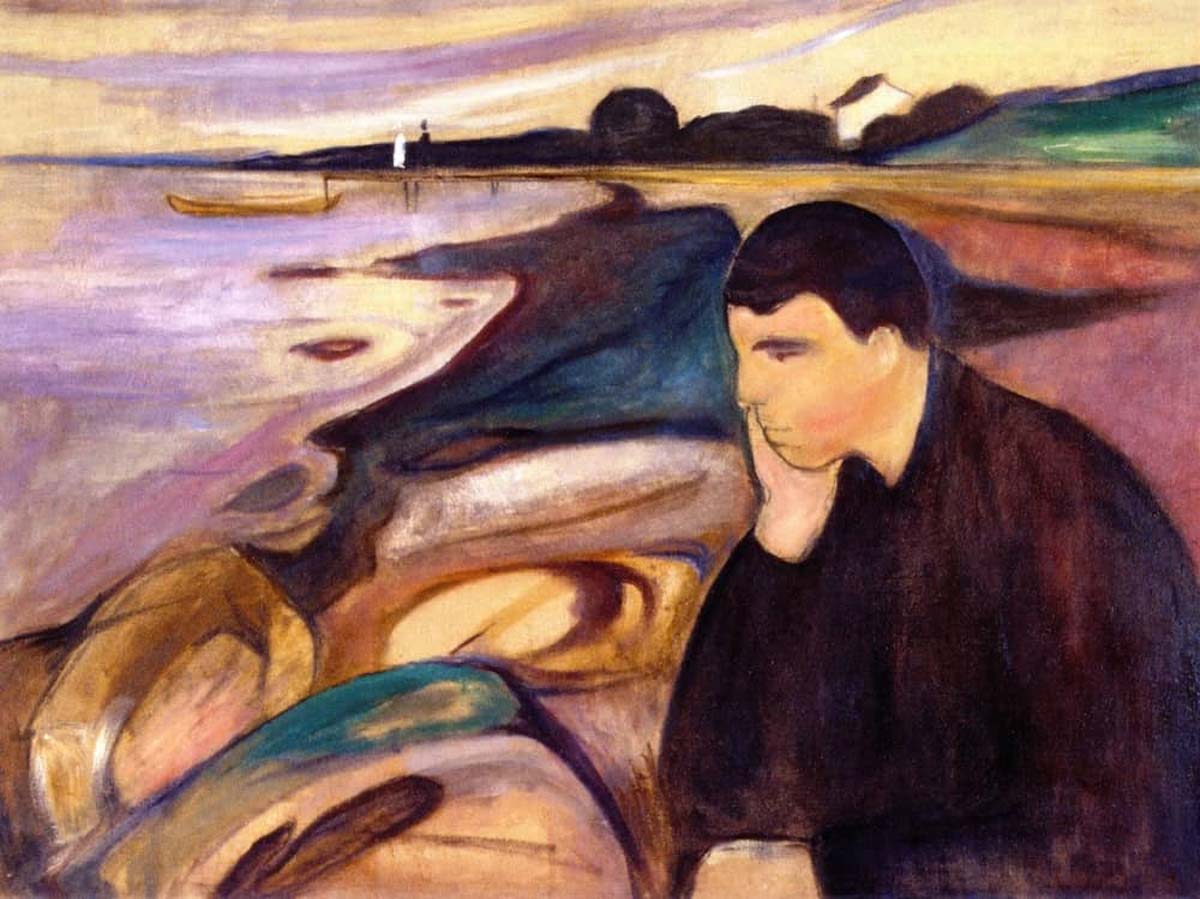
Relationships are the heart and soul of a life worth living. Yet, in the digital age, they’re regularly boiled down to thumbs-ups, emojis, and shallow exchanges.
Digital minimalism resists this poverty, focusing on depth instead of superficiality. It is not about having a large number of friends or followers but about substantial bonds.
This, if anything, finds its most fitting capture in the philosophy of “I-Thou” relationships, according to Martin Buber. He believed that real connection happens here and there when we relate to the other person as an integral, individual entity, not as an object or means to an end.
In most digital interactions, this hardly happens; it is transactional in nature, with perhaps not much room for real presence or empathy.
Digital minimalism means deeper connections. And in so doing, once the screens go off, that opens up space for meaningful conversations, shared moments, and activities.
Instead of scrolling through updates, you might meet a friend over coffee or call a loved one. Such moments build trust, understanding, and joy.
Of course, the philosophical benefit is that better relationships build empathy and ultimately improve our social lives. Can you imagine coming away feeling connected, understood, or valued after a night of senseless browsing instead?
By embracing digital minimalism, you can regain what is truly important: the people around you. Relationships are no longer reduced to a screen profile; they are real, human, and transformational.
So, What Is Digital Minimalism?

Digital minimalism is an approach to and philosophy of using technology. Instead of being controlled by devices and apps on how to consume your time, it means that you are in control.
You should be able to decide what truly adds value to your life. Cleaning up your digital space means keeping only what serves a purpose.
It’s rooted in a greater philosophy of minimalism, and digital minimalism vibrates in harmony with ideas from thinkers like Thoreau in search of a simple life to focus life on the essentials.
It is about reclaiming one’s agency, if one may invoke Kant, and setting oneself free from the manipulative pull of algorithms and notifications.
We restart our attention, make room for deeper involvement, and further breed a sense of presence. For instance, it takes time to shut down social media, a time when focus can be placed on more offline relationships that allow for more fulfilling moments.
Ultimately, digital minimalism isn’t about rejecting technology but using it wisely to live deliberately and authentically in a noisy, hyper-connected world. This would mean always having time for whatever we feel is truly important.