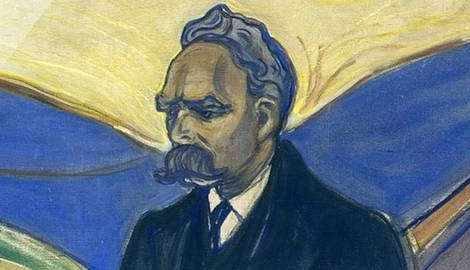

Picture waking up to a headline blaring, “God is Dead!”—and it’s not clickbait. That’s what Friedrich Nietzsche did when he made the infamous statement. He wasn’t announcing that a deity had fallen over dead but was highlighting that conventional morality was collapsing. Society had outgrown religious values, and individuals were left lost. Nietzsche was a rebel, taking on everything from morality to power. His ideas make us ask ourselves: are we free thinkers or herd followers? What now that old beliefs are dead? Let’s get into Nietzsche’s head.
The Death of God and Its Impact on Society
Let’s first analyze the claim that “God is dead.” Nietzsche did not say he killed God. He simply observed that society had evolved to act without following what it believed were the moral mandates of religion, which aimed to reveal essential facts about right and wrong.
The victory of science and reason over tradition had made existing ethics seem passé—or so he thought.
But here’s the catch: when you remove a moral framework people have depended upon for centuries, you don’t necessarily substitute it with something superior. What you’re left with instead is nihilism—a euphemism for “nothing matters anymore.”
Without a good sense of right and wrong, humans can lose their way, become confused, and even become somewhat reckless. It’s as if somebody erased all the driving regulations overnight—yes, freedom would be hailed by some, but most would collide with one another in no time.
Modern society is still grappling with this crisis of existence. That’s why self-help books and motivational gurus are so prevalent. Everyone is looking for meaning in a world where previous answers no longer work.
Nietzsche‘s challenge to us is this: rather than continuing to depend on outdated beliefs, why don’t we create our own values? It’s scary, certainly—but also liberating.
Master and Slave Morality: A Critique of Social Values
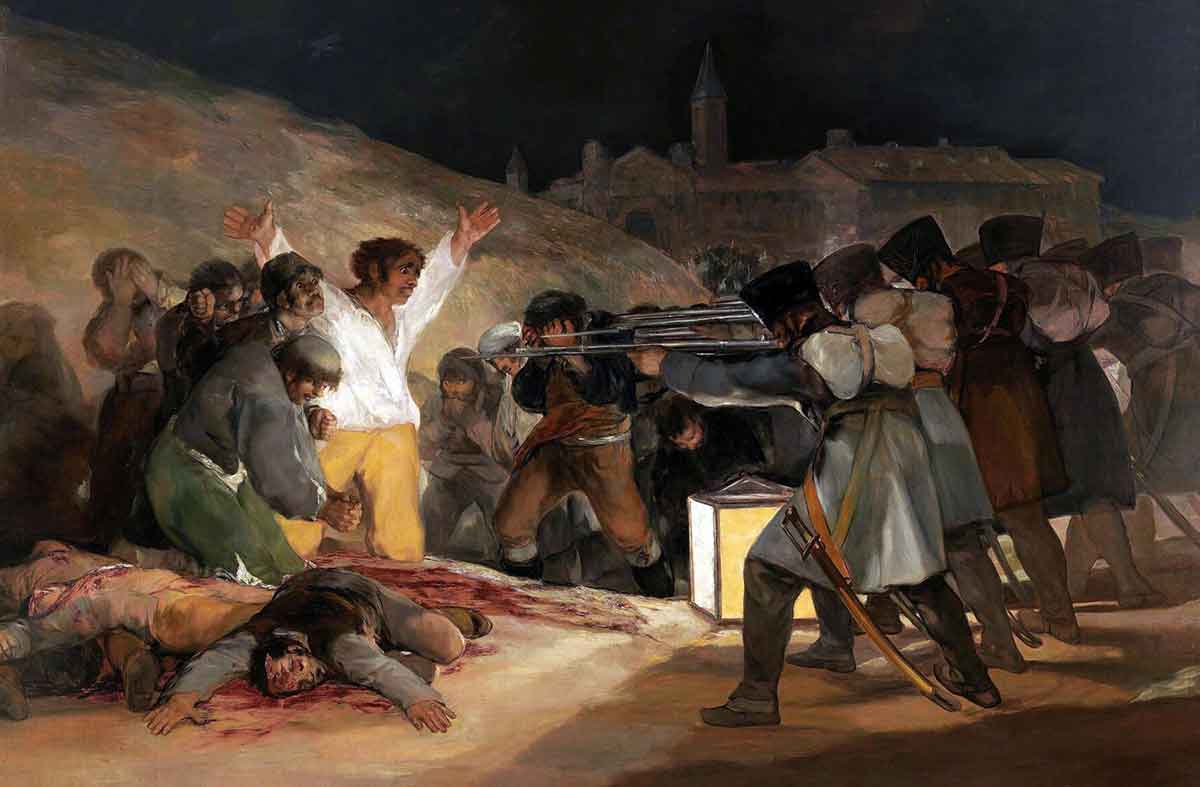
Nietzsche had a bone to pick with morality. He believed that most of what we deem “good” and “evil” wasn’t based on some absolute truth but was actually a power play. He divided morality into two categories: master morality and slave morality.
Master morality is everything about strength, ambition, and self-assurance. Think of a warrior, a ruler, or even an entrepreneur who takes risks and will not be limited by other individuals’ expectations.
Slave morality, on the other hand, relies on virtues like humility, kindness, and self-denial—sounds virtuous, doesn’t it? Well, Nietzsche thought it was really just a way for the weak to feel better than everyone else by making strength “evil” and meekness “good.”
Flashback to high school. The cool, self-assured kid creates a business, and another kid who resents him says, “Money doesn’t even matter. He’s probably a terrible person anyway.” That’s resentment—resentment in disguise as a virtue. Nietzsche saw this happening on a large scale in society.
We witness this today in politics, cancel culture, and even online debates. Instead of striving for greatness, people try to bring others down in the name of goodness. Nietzsche’s challenge? Refuse to be the victim. Create your own values. Decide success on your own terms.
The Will to Power: Society’s Driving Force
Nietzsche’s motto, if he had one, would not be “live, laugh, love”—it would be “strive, dominate, create.” He believed that everything in life is driven by the Will to Power—an internal urge pushing us to expand, overcome obstacles, and leave our mark on the world.
As opposed to Darwin’s survival of the fittest, which is only concerned with survival, Nietzsche’s Will to Power is concerned with defining existence itself. It’s why artists create masterpieces, athletes break records, and billionaires don’t merely amass wealth—they try to colonize Mars. It’s not survival—it’s thriving, setting limits, and leaving a mark.
You see this with social media now. The highest-level influencers don’t chase trends—they create them. They create culture, dictate conversation, and build entire industries from scratch.
Love them or hate them, they’re not waiting for the stamp of approval from society. They’re actively exerting their Will to Power—taking control of their fate, authoring their own success.
Nietzsche’s call to us? Don’t wait for permission. Don’t let convention or fear dictate your choices. Instead of floating passively through life, get up, take a risk, and create something of yourself. The world is not given to you—you have to take it.
Herd Mentality and the Danger of Conformity
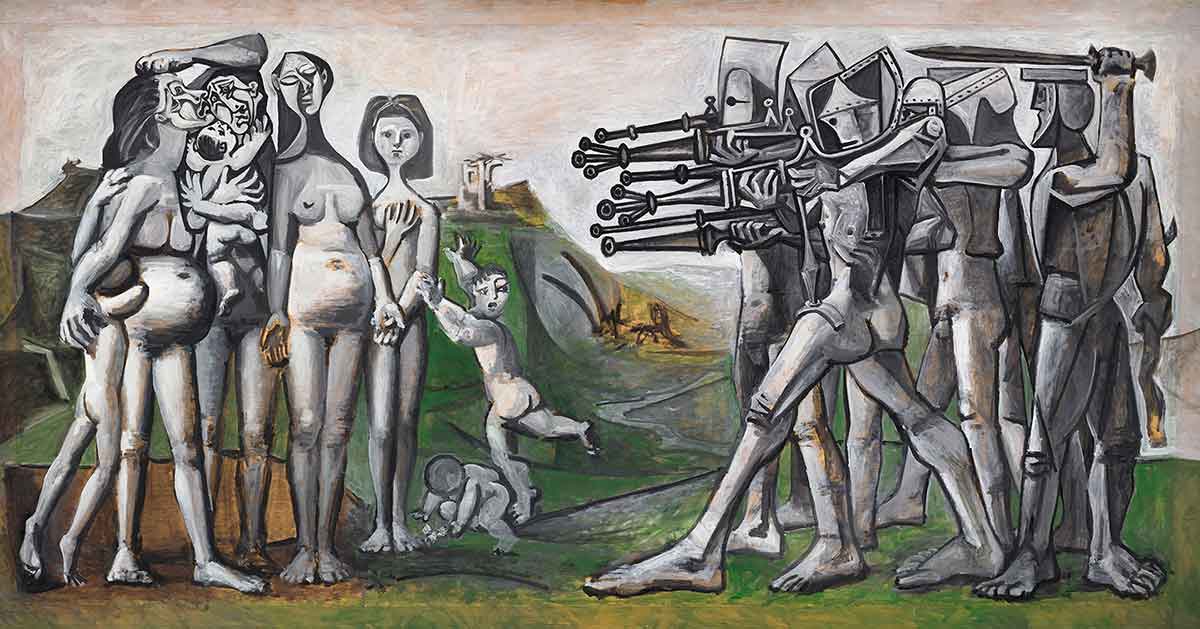
Have you ever seen Twitter blow up over some random controversy, and thousands of people pounce on someone they didn’t even know? Nietzsche would call that a herd mentality—when people put aside independent thinking and just follow along blindly with the group. And honestly, Nietzsche wasn’t a fan.
Conformity is society’s staple diet. It obeys authority, shames disagreement, and convinces us that safety lies in blending in. Schools teach us to follow the rules; our jobs push us to be “team players,” and social media pressures us to align with prevailing opinions—or risk being ostracized. But Nietzsche asks: is blending in the goal?
Think about fashion, music, and pop culture. Nerds were mocked in the early 2000s—now everyone wears Marvel t-shirts and binges on anime.
Did people really change their hearts, or did they just go along with the shift in social acceptance? Most people don’t critically examine what they believe, they simply accept whatever the majority accepts at the time.
Nietzsche’s advice? Become a lion, not a sheep. Stand apart, question what’s “normal,” and don’t let the crowd dictate your values. Just because something’s popular doesn’t make it true. The herd is cozy, but real fulfillment comes from thinking for yourself—even if you must walk alone.
The Overman: Beyond Societal Limitations
If Nietzsche had a superhero, it would not be Superman—it would be the Übermensch, which is sometimes translated as “Overman” or “Superman”.
But don’t expect capes and laser eyes; this is not a save-the-world thing. The Übermensch is someone who exists outside of social norms, creates their own values, and lives unapologetically on their own terms.
This is not to say one should turn into a dictator or an egotistical lone figure. The Übermensch is not necessarily about revolution—it’s about mastering oneself. Rather than acting out of outdated conventions or societal moral laws, they create their own purpose and propel humanity forward.
Think of names like Steve Jobs or Picasso. They were not bound by conventional wisdom. They broke the rules, ignored skeptics, and revolutionized industries. Love them or hate them, they were not waiting for society’s permission—they forged their own success.
The Übermensch never says, “Is this allowed?” He says, “Is this strengthening me?” He doesn’t shrink to fit into society’s norms—he shatters them and creates something novel.
What does Nietzsche want us to do? Avoid being approved. Do not anticipate a third-party confirmation of your morality. Instead of following the crowd, invent thy table of morals, define your own aims, and forge your own path. This world belongs to those ready to change it.
Nietzsche’s Relevance in Modern Society
You might be thinking, “Okay, but Nietzsche lived in the 1800s. Why should I care?” Well, because his philosophy is more relevant than ever.
- Social media promotes herd mentality. Have you ever wondered why people jump on trends or bully others on social media just to fit in? Nietzsche foresaw this—most people do not think for themselves. They just follow the crowd.
- Political movements are still involved in conflicts of master and slave morality. One side sees power and ambition as tyranny, and the other side rejects humility as weakness. Sound familiar?
- Nihilism is widespread. Ever laughed at an “existential crisis” meme? Nietzsche foresaw this: without solid personal values, individuals often fall into despair or indifference.
But the twist is this: Nietzsche did not intend to depress us. He was challenging us to take responsibility for our own beliefs and actions. He did not offer easy answers—he was challenging us to create our own. Instead of waiting for society to tell you what to do, start living with purpose.
Whether you’re navigating your career, relationships, or life philosophy, Nietzsche’s ideas offer a way to break free from societal constraints. His challenge? Think for yourself. Don’t follow. Create. The world is noisy—what does your voice have to say?
So, What Do We Take Away From Nietzsche?
Nietzsche wasn’t an angst-filled philosopher; he was summoning us to think, to doubt, and to live without fear. Society will always try to mold us into something useful, but Nietzsche urges us to be useless and to seek truth beyond what’s handed to us.
Instead of blindly accepting what’s “good” or “bad,” ask yourself: is this something I believe, or did I learn to believe it? Instead of following the herd, ask yourself what you really want. Instead of fearing failure, affirm the Will to Power and create something worthwhile.
Nietzsche’s ideas aren’t for the faint of heart—but for those who dare to think for themselves, they just might be the secret to a life well lived.