
Philosophy can influence how we see the world, question our beliefs, and develop as individuals. In this post, we look at eight well-known philosophical quotes that might alter your outlook on life. These pieces of wisdom from some of history’s greatest thinkers provide guidance, contemplation, and inspiration about what it means to be human. Prepare to be fascinated, enlightened, and possibly changed forever as we explore the deep truths and challenging ideas contained within these famous quotations. So, what are these eight famous quotes?
| Philosopher | Quote |
| Socrates |
“The Unexamined Life Is Not Worth Living”
|
| Tenzin Gyatso |
“Happiness Is Not Something Ready Made. It Comes From Your Own Actions”
|
| Friedrich Nietzsche |
“What Does Not Kill Me Makes Me Stronger”
|
| René Descartes |
“Cogito, Ergo Sum”
|
| Heraclitus |
“There Is Nothing Permanent Except Change”
|
| Marcus Aurelius |
“The soul becomes dyed with the color of its thoughts”
|
| Jean-Paul Sartre |
“Man is condemned to be free; because once thrown into the world, he is responsible for everything he does”
|
| Albert Camus |
“The struggle itself toward the heights is enough to fill a man’s heart. One must imagine Sisyphus happy.”
|
1. “The Unexamined Life Is Not Worth Living” (Socrates)
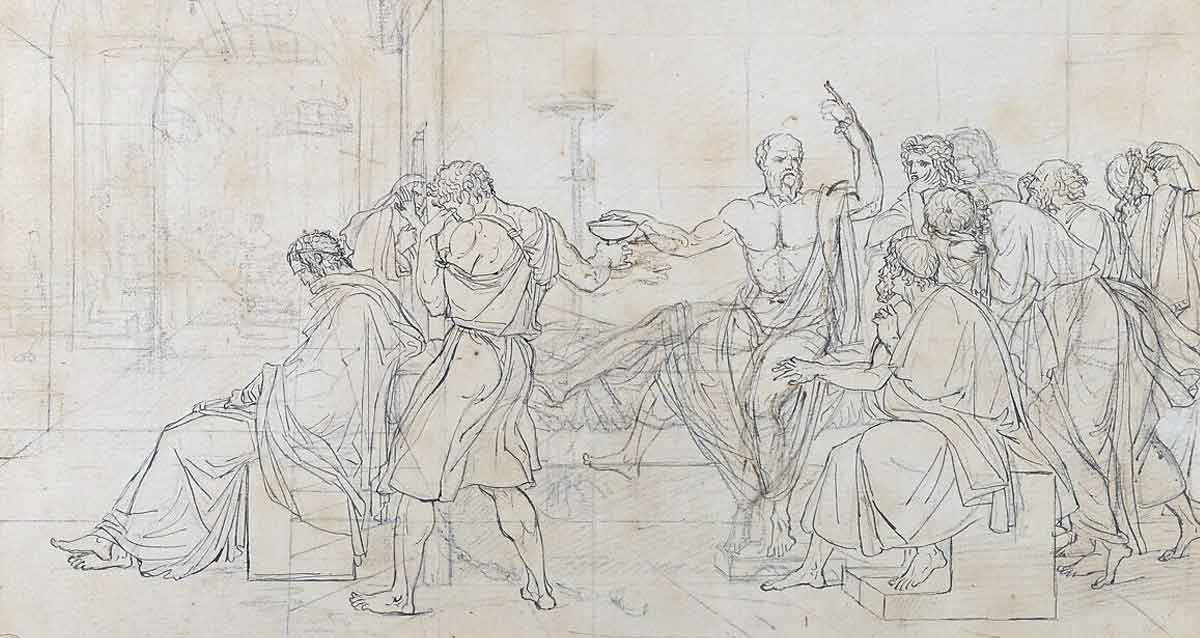
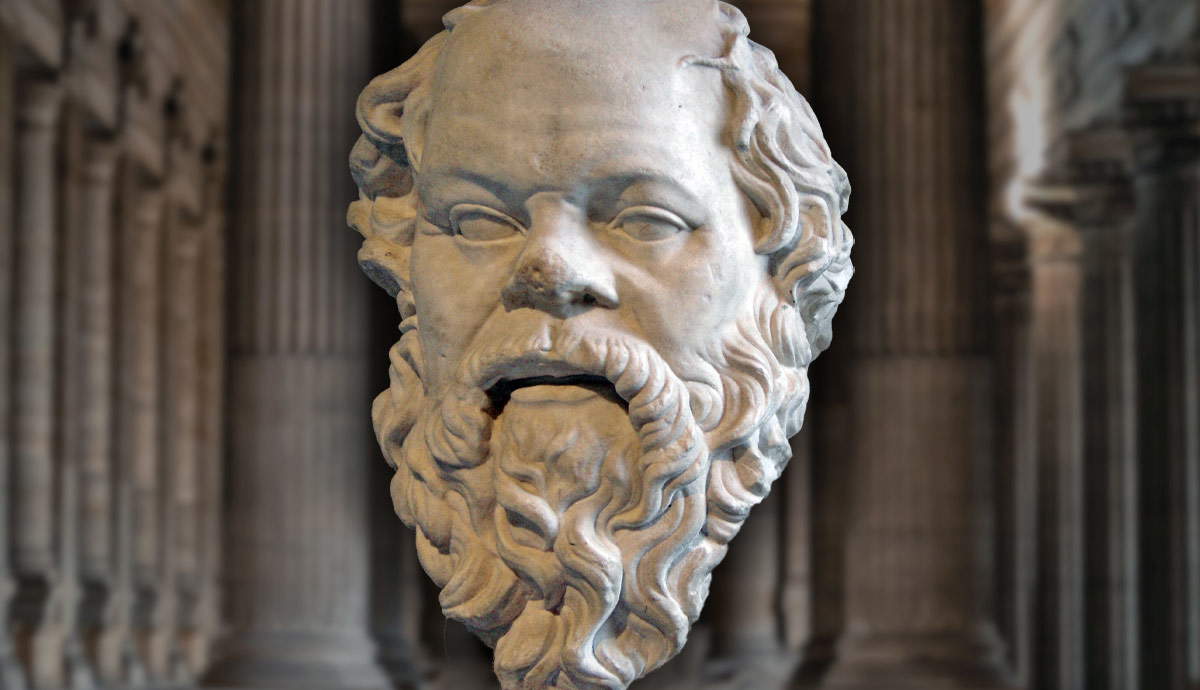
The quote “The unexamined life is not worth living” is attributed to the ancient Greek philosopher Socrates, who was a seminal figure in the history of Western Philosophy. Socrates is notably known for the Socratic method of inquiry, in which he employed a manner of questioning that inspires the clarification of thought and, at best, fosters critical reflection on the issues under consideration.
This quote basically means that self-reflection and introspection play a mandatory role in human life. According to Socrates, it is human beings’ obligation to keep examining their thoughts, beliefs, values, and actions. This is how wisdom is developed.
Looking at our lives helps us discover who we really are, what we value the most, and how we want to operate in the world. Accordingly, we grow personally and discover new things about ourselves, leading to a better understanding of our motivations and yearnings.
For instance, consider someone who constantly feels unsatisfied in their job but never pauses to think about why that might be. If they follow Socrates’ advice and examine their choices more closely, they may realize that their true passion lies elsewhere and decide to strike out on a different path that better aligns with their values and aspirations.
In short, living by this Socratic wisdom means regularly checking in with yourself about what you’re doing and why. This way, you act purposefully rather than just going through the motions: an existence versus a life.
2. “Happiness Is Not Something Ready Made. It Comes From Your Own Actions” (Tenzin Gyatso)

The following quote is from Tenzin Gyatso, the 14th Dalai Lama. He is the spiritual leader of Tibetan Buddhism and is known for teaching about inner peace, mindfulness, and compassion.
The Dalai Lama believes in non-violence and works to foster dialogue among religions. He also encourages individuals to take responsibility for their actions and change themselves through self-reflection.
According to this statement, we create our own happiness through how we think and what we do rather than having it happen to us from the outside. It suggests that our actions, attitudes, and intentions significantly affect how happy and satisfied we feel with life, more so than what is happening around us.
For example, someone might think they will be happy if they can get enough nice things or if others will always approve of them. The Dalai Lama’s quote challenges this idea by saying that real happiness doesn’t come from outside circumstances. Instead, it starts inside us and grows outwards when we are mindful and kind and practice gratitude and compassion.
If we want to feel content and happy, we should develop good qualities like love, generosity, forgiveness, and empathy, rather than expecting things outside ourselves to make us happy. We can put this into practice by prioritizing our mental and emotional health. This might include habits such as meditation, self-care, and spending time with people who treat us well or do good for others.
The Dalai Lama’s advice also suggests that happiness is not just a fleeting feeling but something we can work on over time. It’s about what we do as much as how we think. By deliberately choosing positive actions, such as being kind more often or helping someone out, we might find we are happier.
3. “What Does Not Kill Me Makes Me Stronger” (Friedrich Nietzsche)
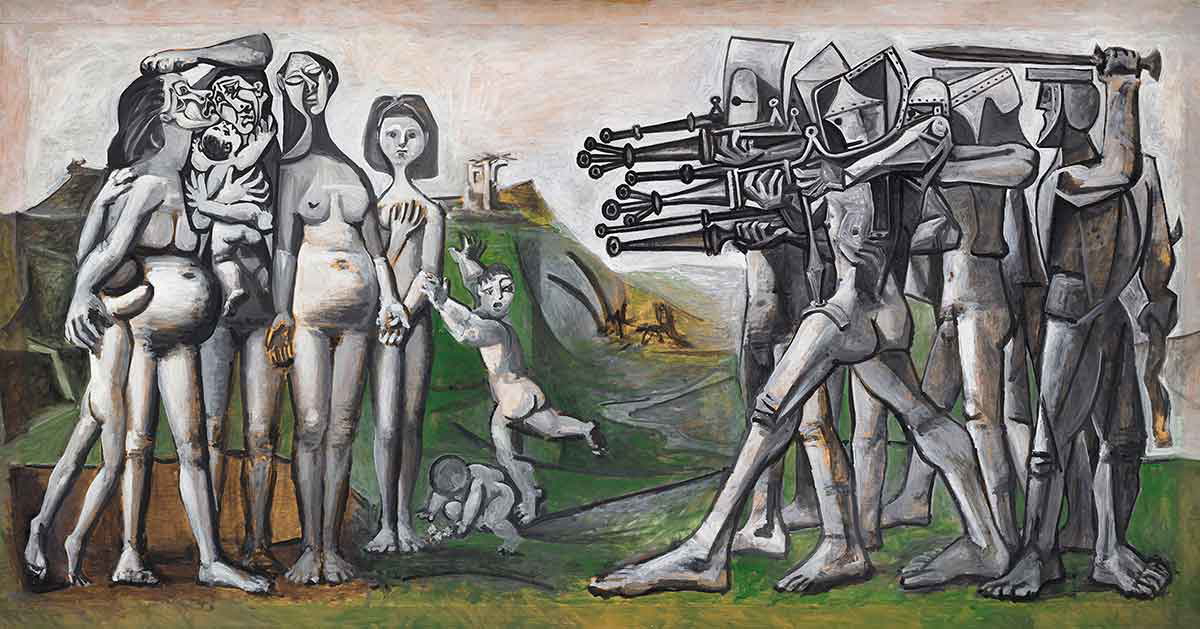
This important quote is from Friedrich Nietzsche, a German philosopher noted for his work on human reason, morality, and existence. “That which does not kill us makes us stronger” best articulates the resilience, growth, and transformational ability that adversity brings forth.
This quote basically means that, one way or another, challenges and other adversities add to the character, resolve, and grit of a person. Such things really do not break one, and one could harness adversity to come out stronger and more resilient.
For instance, failure often sidetracks people in their careers or personal lives. But rather than dwell on disappointment or failure and see it as the end of something, it can be an opportunity to grow, learn, and change, building inner strength and fortitude. Therefore, Nietzsche challenges us to view struggles and setbacks as chances for personal growth.
Remembering Nietzsche’s words enables us to reframe problems or hardships. Yes, these things happen, but if we learn from them rather than let them beat us, who knows what is possible.
4. “Cogito, Ergo Sum” (René Descartes)
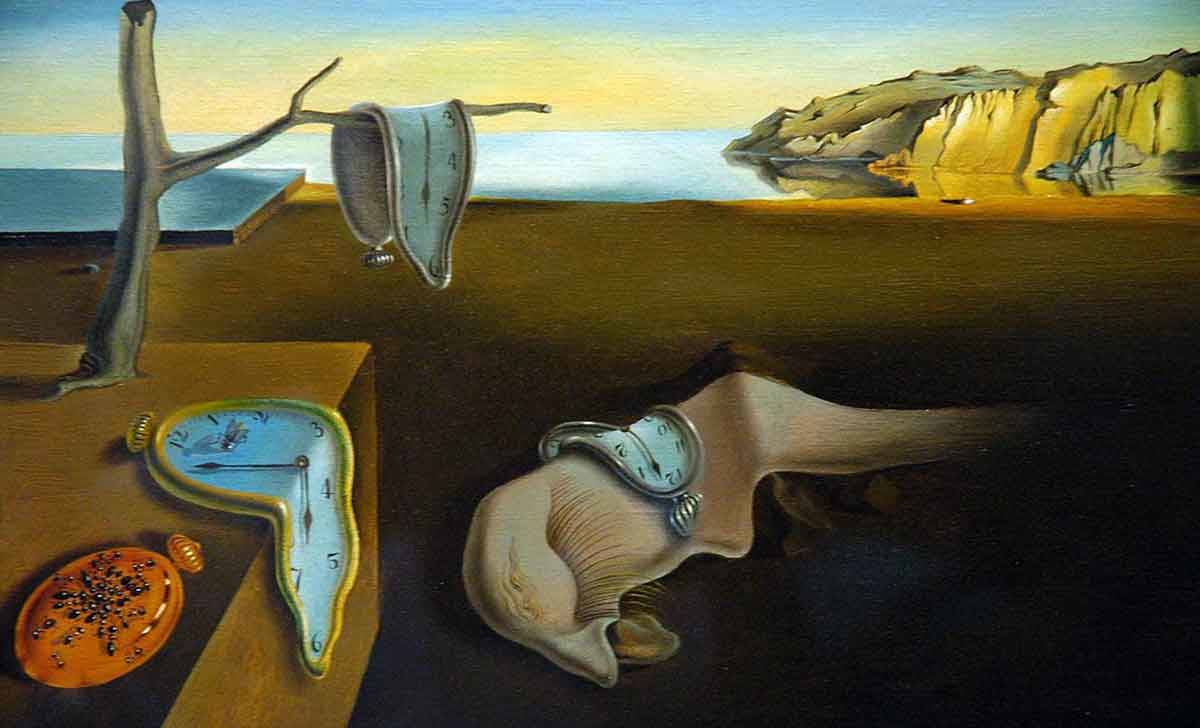
One cannot discuss philosophical quotes without mentioning René Descartes’ famous assertion, “Cogito, ergo sum,” or “I think, therefore I am.” A French philosopher and mathematician widely regarded as the father of modern philosophy, Descartes made significant contributions to metaphysics and epistemology.
This concise statement captures Descartes’ method of doubt as he sought a basis for certainty in a world replete with skepticism. By recognizing that the very act of thinking demonstrates existence, he argued that if one can doubt, question, or think about their own being, this is proof enough for their existence as a thinking thing.
The implications behind “Cogito, ergo sum” are profound. It calls upon individuals to carefully consider the fundamental aspects of nature, such as conscious experience, when constructing truths about reality. It provides affirmation not only of self-awareness but also of rationality itself, demonstrating how intimately connected thought is with one’s facticity in the world at large.
Consider someone grappling with doubts about why they exist or what they’re meant to do. If they take on board Descartes’ maxim and recognize that just the fact of thinking shows they are alive, it can be comforting: It gives them a sense of power and importance.
Descartes’ saying also leads people to consider what is genuine when everything might be doubted, even very basic things like whether we have a body. If individuals can rely on their thoughts when nothing else seems certain, this principle helps them work out what they really think or value (which can bring greater clarity).
5. “There Is Nothing Permanent Except Change” (Heraclitus)

This quote comes from Heraclitus, an ancient Greek philosopher known for his deep thoughts on the nature of reality and the constant change in everything in the universe.
It suggests that because life constantly changes and flows, nothing lasts forever, including difficult situations or bad feelings. Understanding this can help people grow and become better at dealing with stressful events.
For instance, imagine someone who’s just moved to take a new job in another city. At first, they might feel nervous or unsure about all the significant changes coming their way. But if they think about what Heraclitus said and remember that everyone goes through this kind of stuff, it’s part of life! Maybe they’ll feel better knowing they have it in them to adapt.
In addition, recognizing and embracing the temporary nature of things can motivate people not to hold onto strict hopes or desires for specific outcomes, which can encourage them to be open-minded and accepting of new possibilities.
This mindset might also help individuals become more resilient in the face of life’s inevitable fluctuations. Rather than fighting against change or insisting upon what’s familiar, adapting Heraclitus’ idea of impermanence could lead to personal growth, transformation, and an increased ability to adjust.
At its core, Heraclitus’ theory is a timeless reminder that flux shouldn’t be viewed with trepidation. It’s simply part of how existence unfolds, potentially giving us the power to gracefully navigate uncertain waters with bravery and poise.
6. “The soul becomes dyed with the color of its thoughts” (Marcus Aurelius)

The Roman emperor Marcus Aurelius is just as well known for his Meditations on Stoic philosophy as he is for ruling the Roman Empire. While he has many notable quotes, this is one of the most interesting.
It expresses the idea that what we engage with and what we think about shapes who we are. In this way, we have the power to shape our personality through what we read, who we spend time with, and what thoughts we choose to focus on.
The philosopher emperor clearly believed in a “growth mindset,” which is one that can grow, change, and develop, over a “fixed mindset,” which is one that we are born with and set in our early years.
This idea is more important than ever in the modern age as we are bombarded by content, and often specifically “soaked” with content designed to shock or create an echo chamber that reinforces our existing beliefs. Marcus Aurelius would advise us to carefully curate what we choose to consume.
7. “Man is condemned to be free; because once thrown into the world, he is responsible for everything he does” (Jean-Paul Sartre)
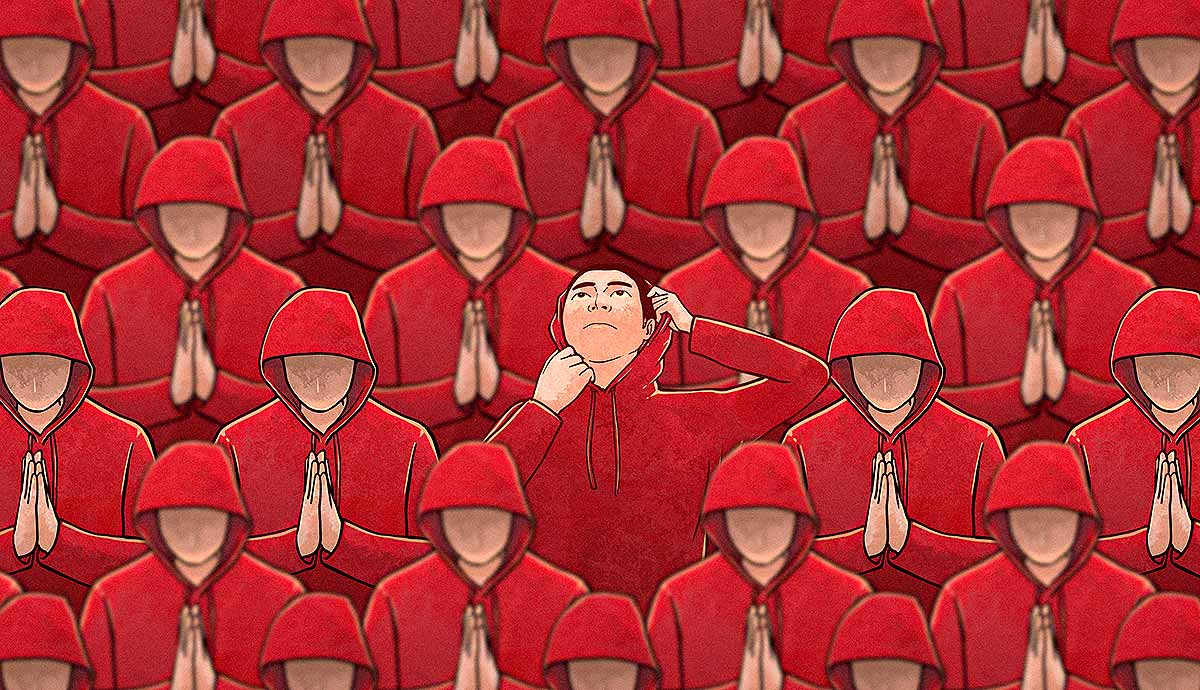
French philosopher Jean-Paul Sartre is one of the most famous French philosophers of the 20th century and was greatly influenced by the German invasion of France in World War II and the rise of communism.
Sartre argues against the existence of a higher being or predetermined fate, and therefore believes that our lives are completely ours to do with as we will. While this is freeing, it is also a terrifying concept because we are 100% responsible for what happens to us through our actions and choices.
He argues that most people live in “bad faith,” perpetuating the idea that they do not have a choice. Have you ever said, “I have to go to this job I hate,” or “That’s just the way I am”? Sartre would say you’re lying to yourself.
Embracing this philosophy can feel like self-recrimination, as the current state of your life is the result of your previous actions. But at the same time, it is a liberating perspective. You also have the power to shape the life you want in the future.
8. “The struggle itself toward the heights is enough to fill a man’s heart. One must imagine Sisyphus happy.” (Albert Camus)

Albert Camus was an Algerian philosopher who thrived in France at the same time as his sometime friend and sometimes foe, Sartre.
He embraced Absurdism and the idea that life has no greater purpose. Searching for one was fruitless. But for him, that means finding fulfillment in the here and now, the day-to-day, and the mundane.
To drive this point home, in this quote, he refers to the Greek myth of Sisyphus, who is cursed to spend all his days pushing a rock up a hill only to have it roll back down on him when he approaches the peak, forcing him to start the process over. Many people believe that their lives look like this, as they work hard without seeing the desired results.
Cadmus argues that to embrace life, one must embrace and find joy in the things that we do. Therefore, we must imagine that Sisyphus is happy in his plight and finds fulfillment in his actions, even though he will never get to the top.
In other words, focus on the journey and not the destination.