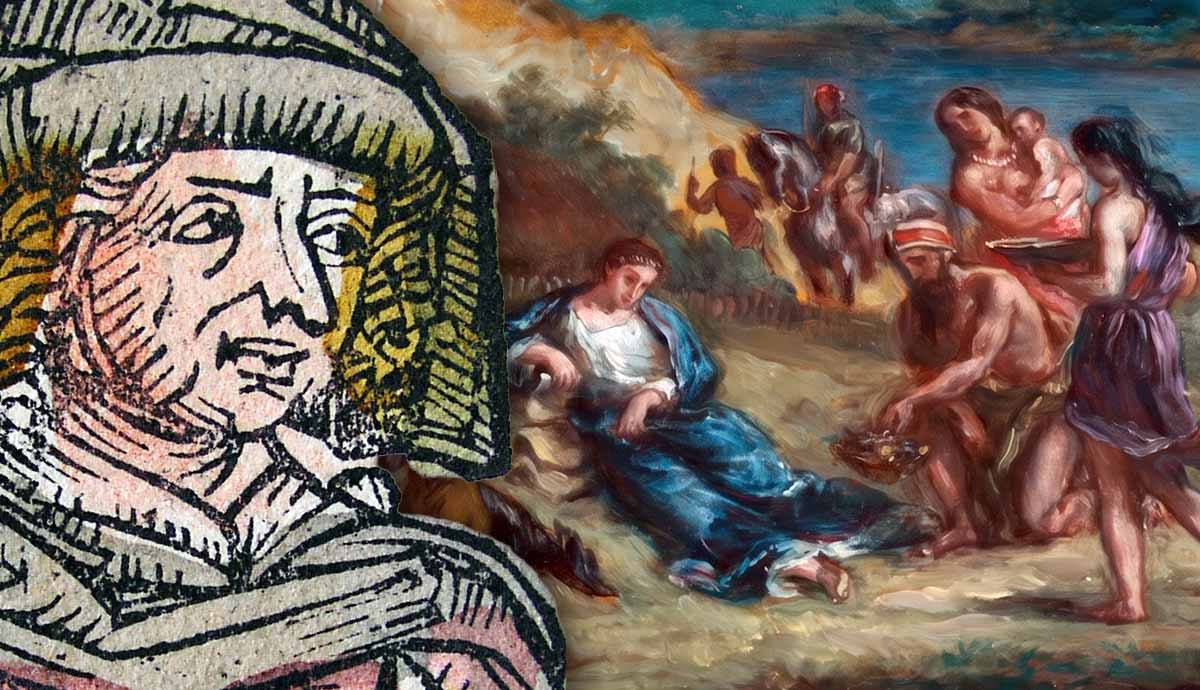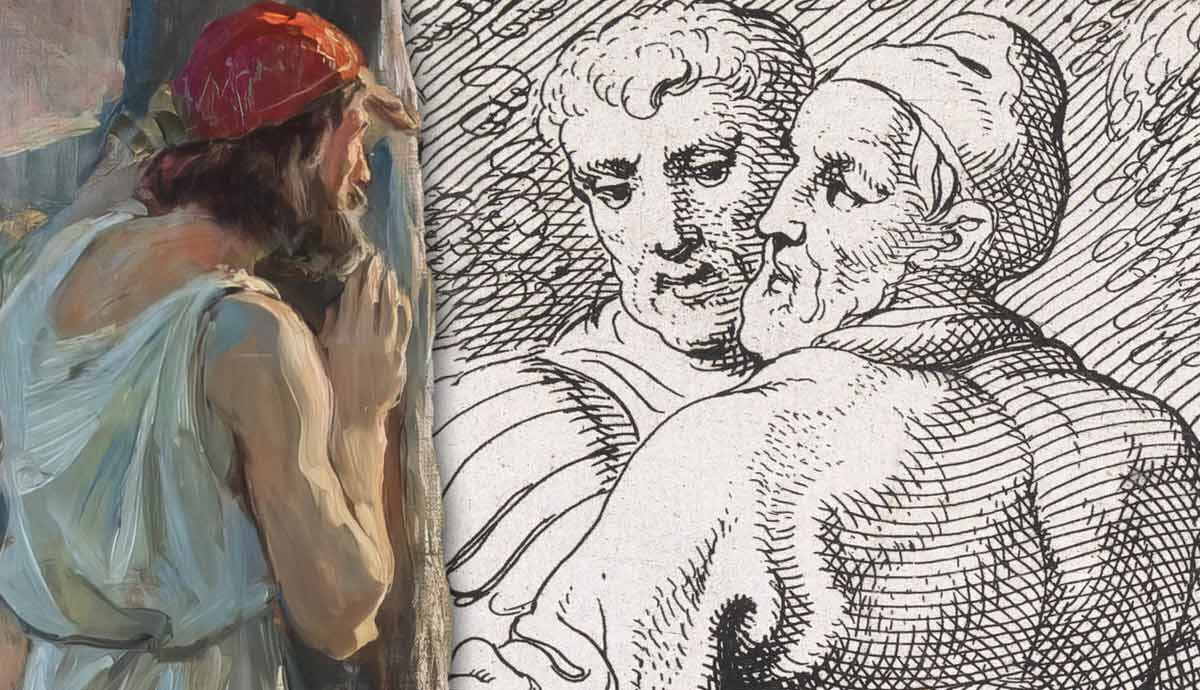

Socrates, the legendary Greek philosopher, faced death in Athens for impiety and corrupting the youth. Yet he defended himself with a remarkable claim: an inner voice, his so-called “daemon,” guided him away from wrongdoing.
Unlike the demons of later mythology, Socrates’s daemon wasn’t a malevolent spirit. Rather, it was a daemonic sign, a mysterious inner warning. But what exactly was this enigmatic voice, and why did it matter so much to his life and philosophy?
Who Was Socrates and What Was His Daemon?
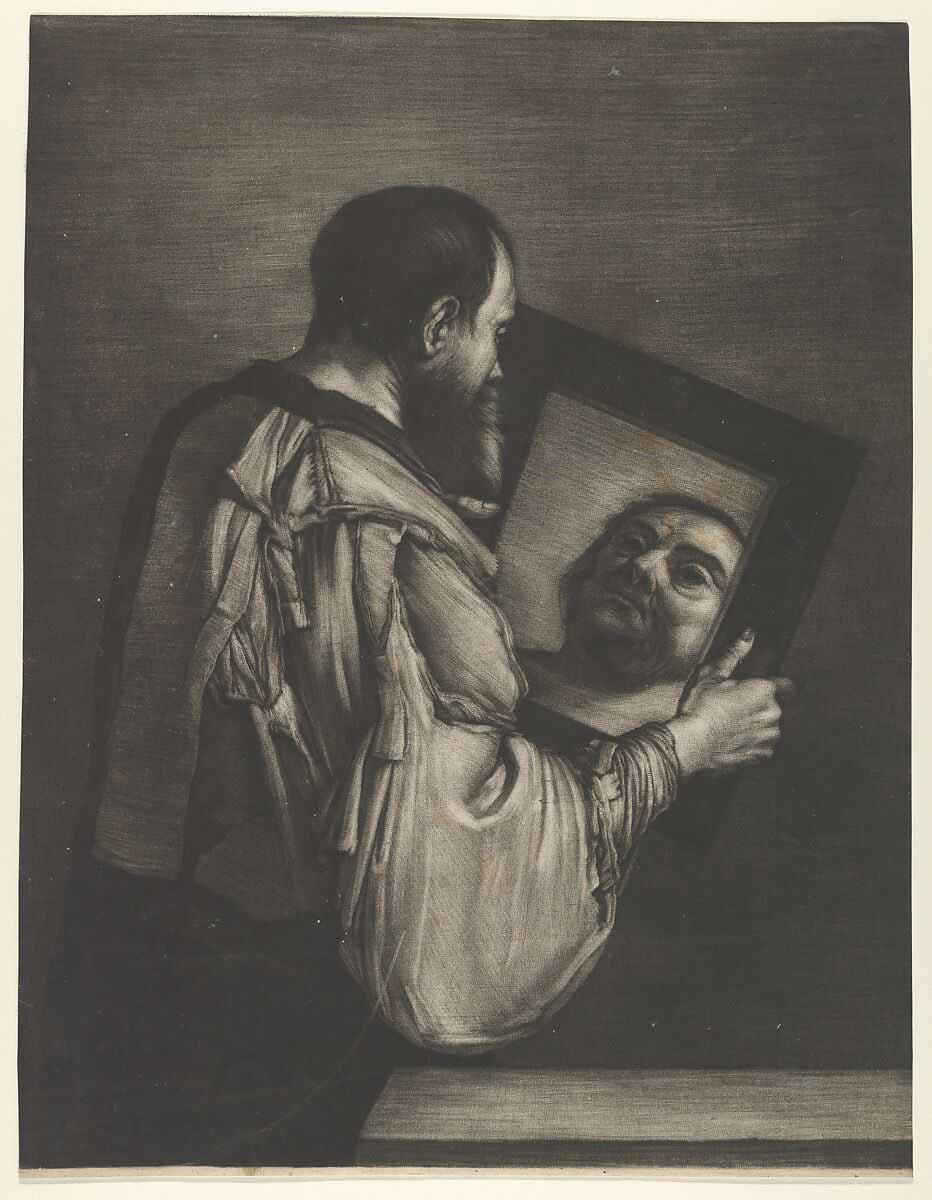
Socrates was an ancient Greek philosopher and is revered as the father of Western philosophy. He used conversation in his philosophy, rather than written text, like many modern philosophers. These conversations involved pointed questioning that blended logic and myth, a method many philosophers still practice, now known as the “Socratic method.” His most famous student, Plato, wrote dramatic dialogues about his teacher’s philosophical conversations with notable citizens of Athens.
Socrates’s death at the hands of the Athenian Empire is well known because it sets the dramatic background to four important works by Plato: Euthyphro, Apology, Crito, and Phaedo. These four dialogues tell the story of Socrates’s last days as he was sentenced to death by representatives of the ancient Greek city-state.
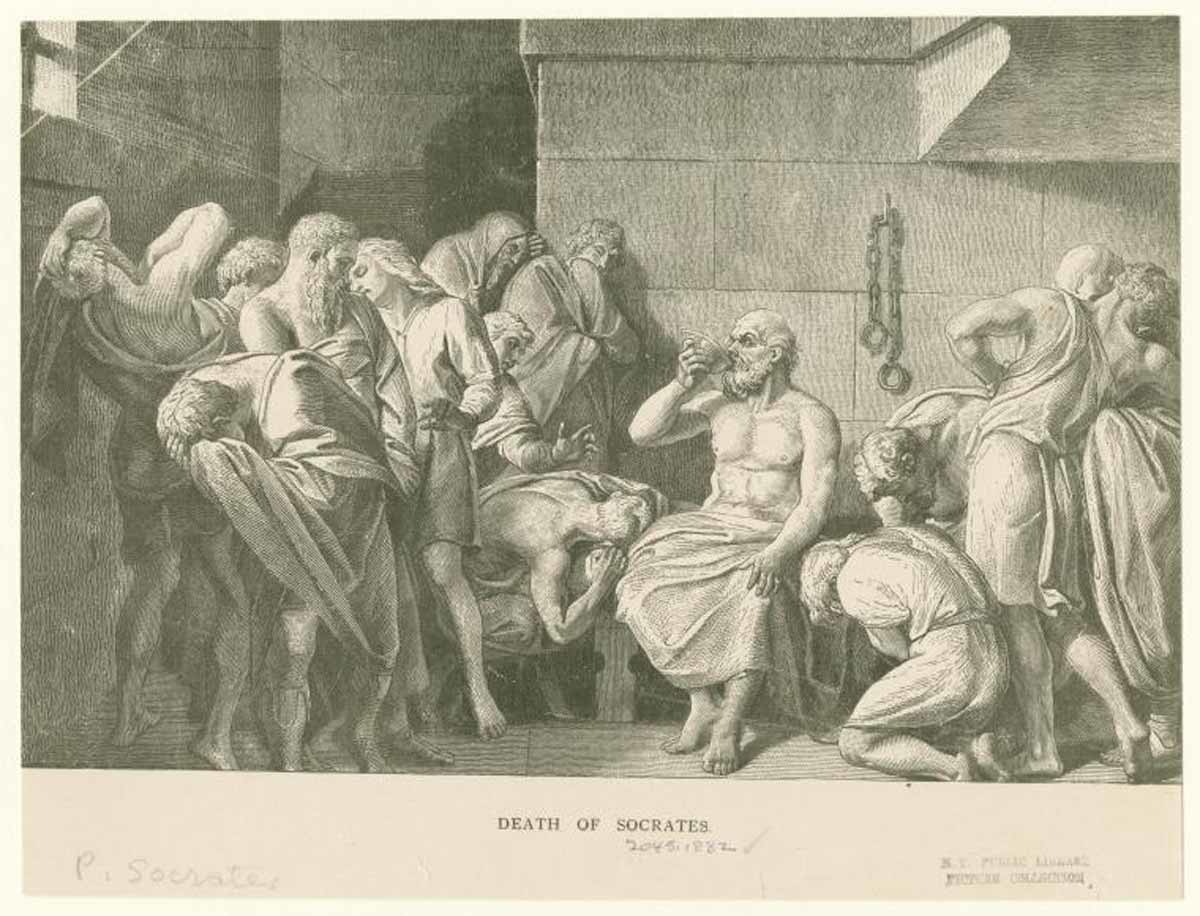
When officially questioned about his motives, Socrates testified that daemonic signs inspired his actions. Many people think of Socrates’s daemon as a guardian angel or the inner voice of his conscience, rather than as an evil demonic possession.
Socrates testified that his daemon was responsible for many of the charges brought against him and instructed him to remain and face them rather than flee. Socrates trusted his daemon with his life, piety, and philosophy.
Daemon vs. Demon: Clearing Up the Misunderstanding
There are two ways that contemporary philosophy uses the word “demon” that may misrepresent Socrates’s daemon. First, modern philosophy, beginning with Descartes, has used demons as thought experiments: Descartes imagined a demon constantly tricking him; Laplace imagined a demon that could know the positions and movements of every molecule; and Maxwell imagined a demon that could test the laws of thermodynamics.
The second use of “demon” in philosophy involves Christianity and fallen angels. The word “daemon” is similar to “demon,” although the special spelling signifies that the word daemon is used only in the classical or Hellenistic sense, not the contemporary Christian sense.
While “demons” are malevolent beings within Christian mythology, daemons may represent benevolent or malevolent beings because they are defined by the mythology of the time. Unlike in Christian mythology, Greek mythology involved many deities with a variety of altruistic and selfish motives.
Divine Sign or Spiritual Entity?

Plato was very careful in choosing the words of the Socratic dialogues. The phrase “Socrates’s daemon” may not be a true translation of the Greek because it implies the existence of an entity like a demon or an angel.
Just as English can represent entities (“demons”) and qualities (“demonic”) through related words, so too does ancient Greek represent both entities and qualities. Plato used the “daemonic” quality to describe signs, voices, or something in relationship with Socrates, but he never used the word “daemon” to represent a spiritual entity.
Plato also uses the word “daemon” in his Symposium, which may help us determine whether Socrates’s daemon was a divine entity or merely a sign considered to have divine qualities.
The character Diotima applies the word “daemonic” to intermediary activities between humans and the divine, such as prayers, sacrifices, and oracles. Therefore, daemonic signs, voices, or things arise from the gods, even if the gods or divine beings are not directly present as entities. Using the phrase “Socrates’s daemon” may still be appropriate because daemonic signs imply a daemon or deity.
The Apology: Key to Socrates’s Inner Voice
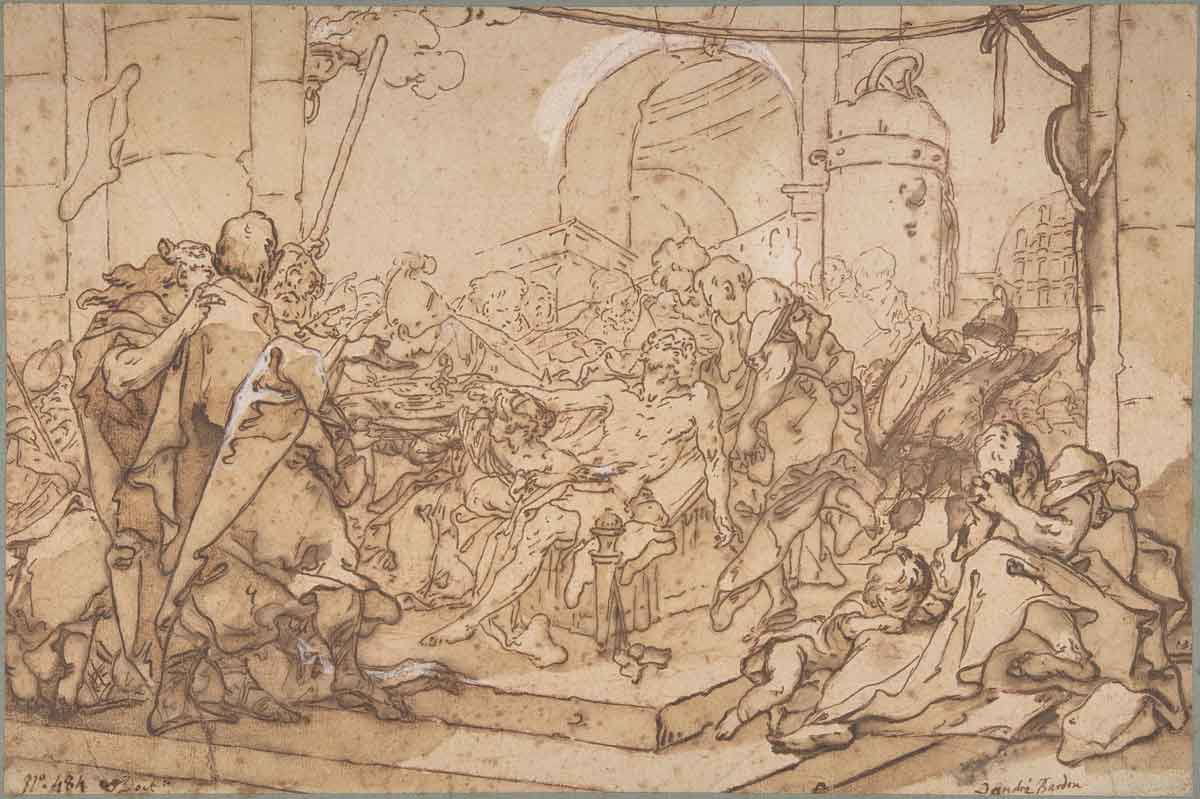
Of the four dialogues by Plato that deal with Socrates’s last days, the Apology provides the clearest arguments about Socrates’s daemon and its role in his defense.
Socrates testified to the importance of his daemonic sign, which he described as an inner voice that prevented certain actions. By the end of the dialogue, the Athenians vote and sentence Socrates to death.
The Athenian accusations center on impiety and corruption of the youth, and the impiety accusation is relevant to our inquiry into Socrates’s daemon. The Athenians accused Socrates of not believing in the city’s gods but in other spiritual things. Interestingly, the accusation associates the word “theos” with the gods of the city and the word “daemonic” with Socrates’s impious practices.
Socrates is forced to defend himself by describing his relationship with his daemon, and so the legal proceedings depicted in Plato’s Apology may be the key to understanding Socrates’s Daemon.
The Oracle of Delphi and Socrates’s Prophetic Guidance
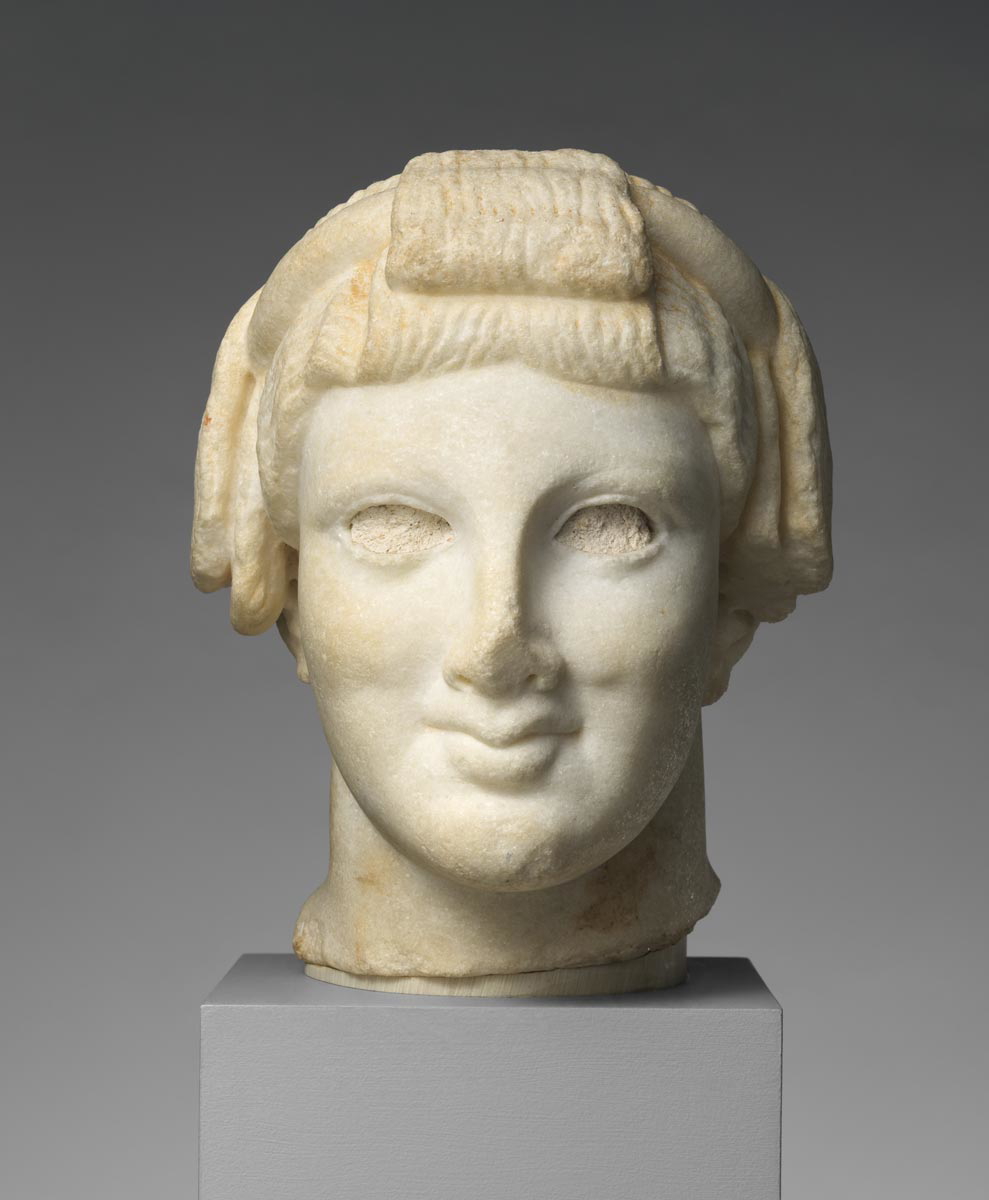
Socrates defended himself against the Athenian accusations by testifying that his philosophical activity was in part caused by the Oracle of Delphi. The Oracle of Delphi was a priestess at the Temple of Apollo in Delphi. Years earlier, the Oracle had said that Socrates was the wisest man in Athens. In response to the puzzling oracle, Socrates sought the wisest man in Athens and offended some citizens through his direct line of questioning.
In response to the accusation of impiety, Socrates testified that he would rather obey the god of the Oracle than the men of Athens because philosophy will lead to piety and the perfection of the soul. Socrates used his commitment to philosophy and the gods’ will as a defense against the charge that he was an atheist and impious. Apollo, the god of truth and prophecy, presided over the Oracle at Delphi; we may assume that Socrates’s daemon was ultimately related to Apollo.
Was Socrates’s Daemon a Form of Prophecy?
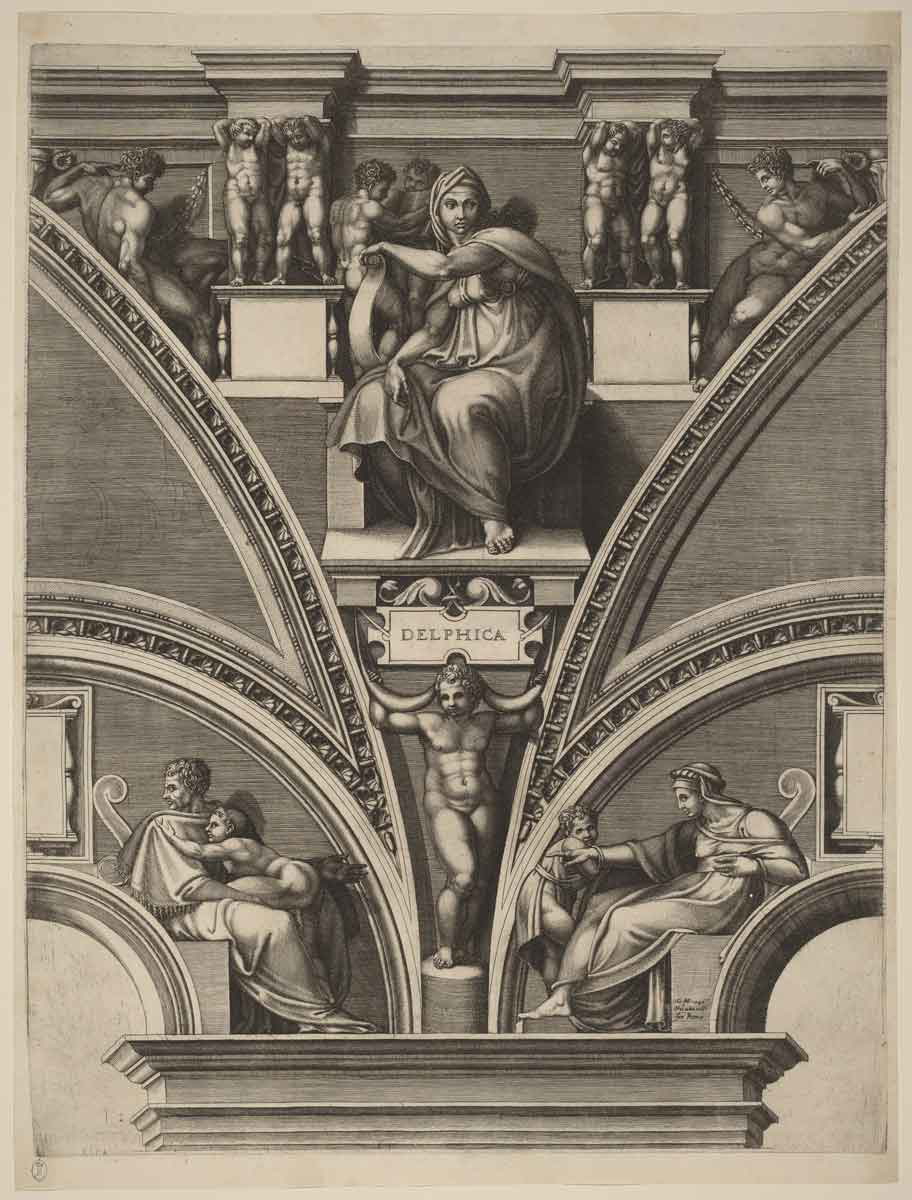
In Plato’s Apology, Socrates testifies that his daemon would prevent him from taking certain actions, like fleeing Athens or teaching certain students. Socrates said that the daemon was with him since childhood. The daemon would speak through an inner voice to oppose certain courses of action. Socrates describes the daemon in impersonal terms as a negative voice.
Socrates’s daemon has been interpreted as the inner voice of conscience or the unconscious, perhaps not even a spiritual being at all. Our reading of the Apology demonstrates Socrates used impersonal or adjectival phrases like “something divine” or “daemonic,” but never personal or objective phrases like “god” or “daemon.”
However, Socrates repeatedly connected his daemonic signs with prophetic power. The root word of “prophecy” is “mantis,” which is why it is sometimes called a “mantic art.” Socrates said that his inner voice was a small type of prophecy, and the word “mantis” directly connects Socrates’s daemon with the Oracle at Delphi, which also uses that root word.
The Mythological and Spiritual World of Socrates’s Daemon
The connection between Socrates’s daemon and prophecy also aligns with core Socratic mythology, such as the transmigration of the soul or the world of the forms. The sequel to Plato’s Apology is the Phaedo, which recounts Socrates’s death and discusses myths about the soul’s immortality.
While it may be tempting to interpret Socrates’s daemon as a personification of his conscience, Plato describes it as prophecy. The word root “mantis” was used to describe the means to perceive the realm of the immortal soul, i.e., the world of forms, as well as Socrates’s daemonic inner voice. Socrates himself admitted that he had little prophetic power, perhaps compared with the Oracle at Delphi. Therefore, there is a spectrum of prophetic powers from Socrates’s little voice to the powerful oracle of Apollo.
Socrates’s inner voice was his peculiar way of relating with the divine, perhaps directly to the mythical god Apollo, whom he called as a witness during his defense in Plato’s Apology.
Mount Olympus, Gods, and the Nature of Daemonic Signs

It is tempting to imagine that the ancients naively believed their own mythology, as if Zeus physically lived on top of Mount Olympus as Homer described. We have seen that it is easy to confuse daemonic things with daemons. On the one hand, daemonic things are impersonal, like Socrates’s inner voice or the oracles from Delphi. On the other hand, daemons are personal beings, such as Apollo or Asclepius. Apollo was the god of prophecy. Asclepius was Apollo’s son and the god of dreams.
Did Socrates believe that Apollo really spoke to him through his inner voice? In Plato’s writings, Socrates avoided directly addressing such a question. In the Apology, he invoked the god of the Oracle of Delphi as a witness to his piety. Socrates also testified that a daemonic inner voice guided his actions and prevented both impiety and atheism, the charges against him. The voice was not the personification of his conscience, a thought experiment, or a spiritual entity like an angel or demon. Rather, Socrates testified that his daemon was a small prophetic skill that spoke through daemonic signs, voices, and things.
Socrates’s daemon is a shorthand term for prophetic experiences involving an inner voice. While it is easy to imagine that Socrates was possessed by a literal or figurative demon, the words Plato used suggest that Socrates testified to prophetic skills upon the spiritual authority of the Oracle of Delphi
Prophecy, Not Possession: The True Role of Socrates’s Daemon
Socrates never speaks of an entity or a god in association with his inner voice. Rather, he testified that his inner voice was a daemonic prophecy or spiritual communication. Plato’s writings contain many references to daemonic things, such as Socrates’s inner voice. In contrast, Plato’s writing contains few references to daemons themselves.
The difference between “daemon” and “daemonic” is the same as the difference between “angel” and “angelic.” On the one hand, angelic things may include light in clouds, beautiful music, and sentiments of charity, but angels are spiritual beings who have personas that act in this world as we do. Socrates did not testify to encounters with spiritual beings. Rather, he testified to his own prophetic inner voice.
Daemonic vs. Divine: Lessons from the World of Forms

The distinction between “daemon” and “daemonic” is subtle, but powerful. Socrates testified only to daemonic things in this world, such as oracles and prophecy. He invoked Apollo as a witness to his piety. However, he offered no direct testimony of having interacted with the god or other spiritual entities.