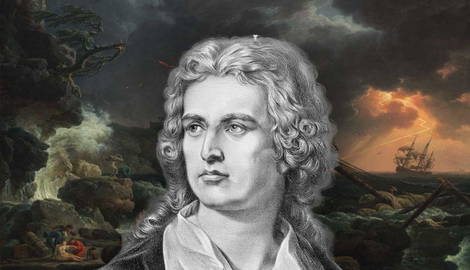

If you’ve ever heard the Anthem of Europe being sung at major political or sporting events, you will already have some acquaintance with the words of Friedrich Schiller. Ever since his Ode to Joy was set to music by Ludwig van Beethoven in the early 19th century, Schiller, along with Beethoven, has been seen as emblematic of cosmopolitan unity and peace. Although Schiller resisted being defined by Ode to Joy, an overall message of harmony and freedom from despotic forces is a good summary of this giant of German literature.
Quick Facts About Friedrich Schiller
| Fact | Detail |
| Born | 1759 – Marbach, Duchy of Württemberg (Germany) |
| Education | Military Academy (the Karlsschule) in Württemberg |
| Occupation | Professor of history and philosophy at the University of Jena |
| Major Works | The Robbers (1782), Don Carlos (1787), Maria Stuart (1800), The Maid of Orleans (1801), William Tell (1804), and Ode to Joy (1785) |
| Philosophy | Believed that art is “the daughter of freedom” and that encountering art makes individuals better equipped to live in harmony. |
| Themes | Political conflict, the desire for freedom from oppression, and the corrupting effects of power. |
| Impact on Literature | Along with Goethe, he formed the cornerstone of Weimar Classicism and advanced German drama by writing in blank verse. |
Friedrich Schiller’s Background
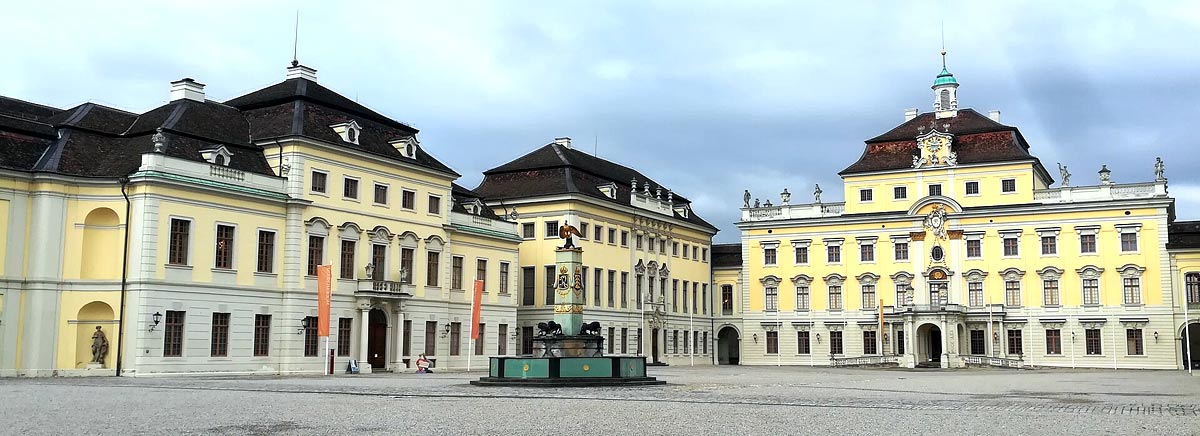
The Enlightenment was a double-edged sword for thinkers like Friedrich Schiller, born in 1759 in the Duchy of Württemberg (later to become part of Germany). It was a time of major advancements in both the sciences and the arts, when it seemed that all that could be thought and known was finally coming within humanity’s reach.
It was also a time of enlightened despotism, when wealthy nobles controlled what access ordinary people might have to all this learning. These rulers’ fondness for absolute power meant they could take away patronage from artists, philosophers, and scientists as quickly as they had bestowed it.
Schiller’s political thinking was shaped by his experiences as a young man, enrolled in a military academy overseen by the Duke of Württemberg. When it came time for the young Friedrich to pursue a specialty, the duke chose law for him, against his own and his parents’ wishes. Although he was later allowed to pursue medicine instead, this early taste of the effects of power on ordinary people’s lives informed everything Schiller wrote in adult life.
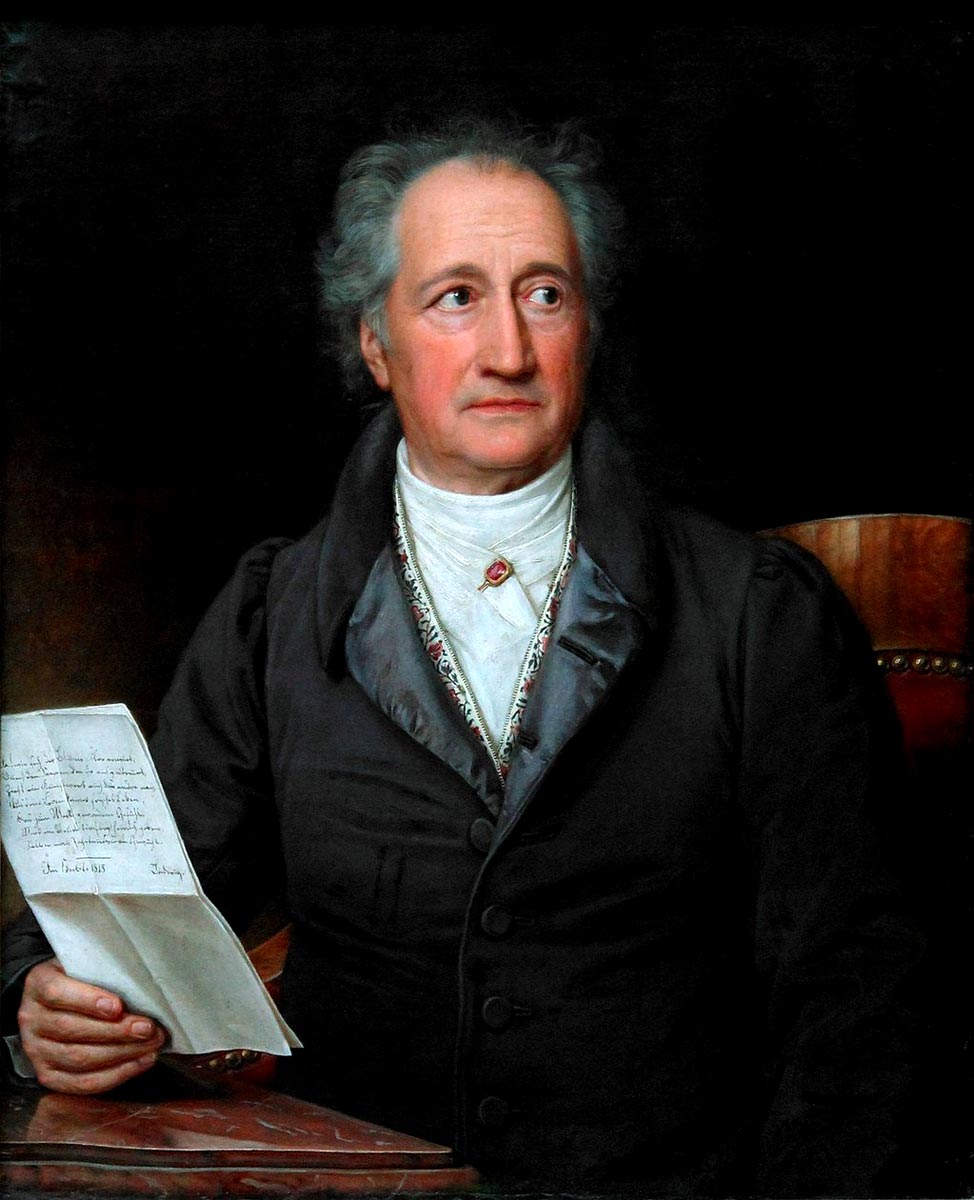
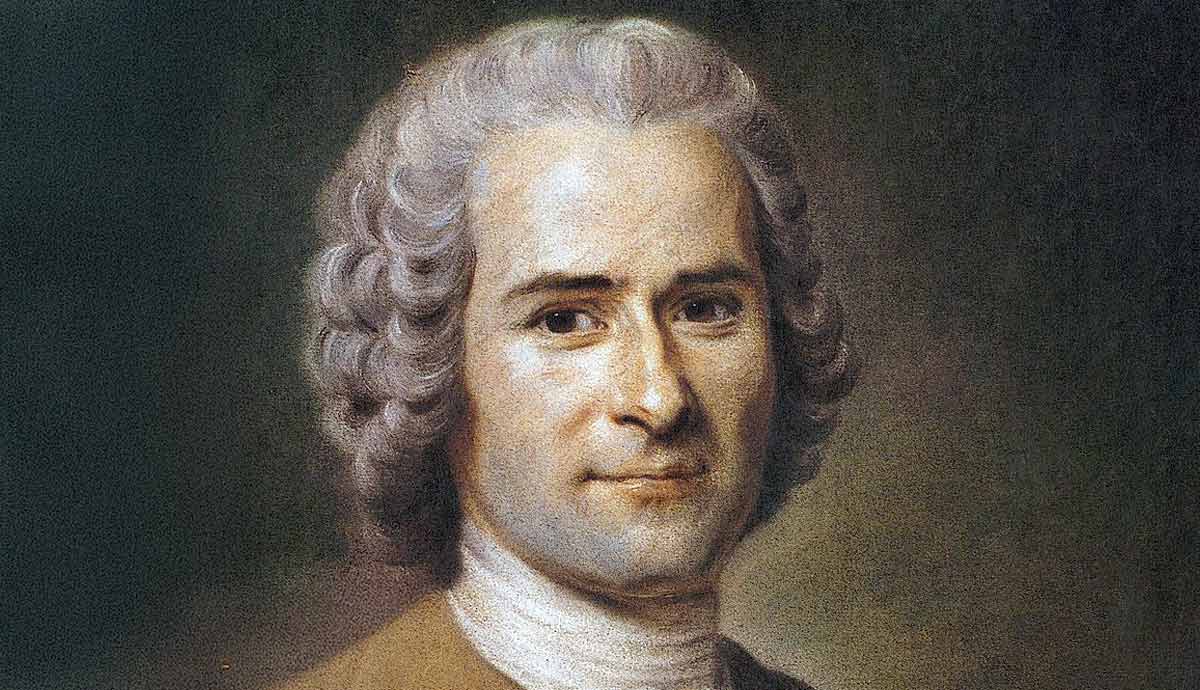
Also influential was the reading material that Schiller encountered in his formative years, which included Jean-Jacques Rousseau and Johann Wolfgang von Goethe. By the time he came to write poems and plays himself, Schiller was well-versed in the conventions of Enlightenment literature and, as a counterbalance, the contemporary movement known as Sturm und Drang.
Literally translating to “storm and stress,” Sturm und Drang was about overturning the cold rationality of the Enlightenment and getting to the core of the human soul: the emotions, as informed by our experience of the world around us. Goethe’s 1774 novel The Sorrows of Young Werther, an instant sensation, was one of the foremost novels of the Sturm und Drang movement, dramatizing the irreconcilable conflict between moral absolutes and the complexities of human feeling.
Schiller’s Early Writing
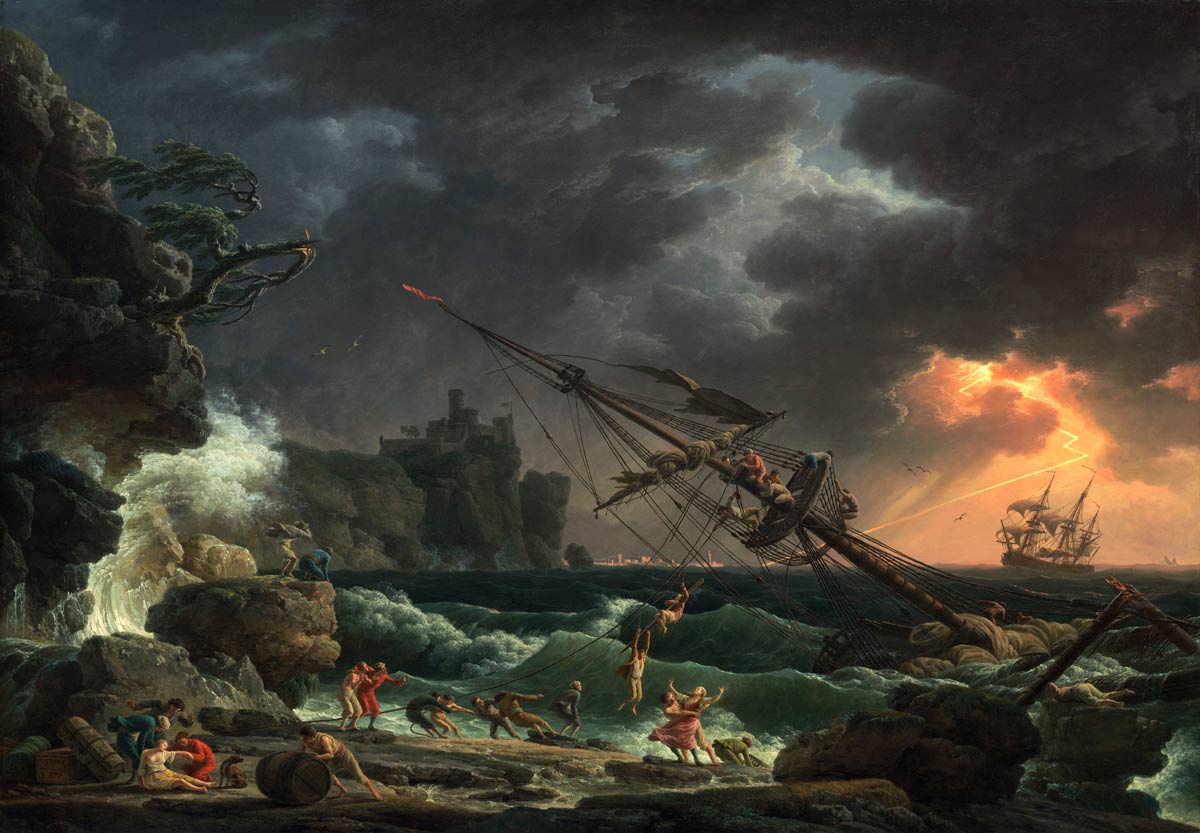
The name Sturm und Drang came from a play of the same name by Friedrich Maximilian Klinger, first performed in 1777. Plays were a hugely important medium in this movement, allowing audiences to witness a hero’s inner turmoil as a vivid drama played out on stage.
Schiller’s first play, The Robbers, premiered in 1782 and instantly propelled him to fame. What Schiller brought to the melodramatic conventions of Sturm und Drang was an acute political consciousness. Karl Moor, the protagonist of The Robbers, wages a battle against his father, with the domestic setting acting as an analogy for the political state.
The familial structure—or society—corrupts Karl and his brother, pitting them against each other in a struggle for power. Karl becomes an outlaw, joining a gang of robbers, turning to violence and anarchy to fight injustice. When Karl turns himself in, Schiller ultimately questions the usefulness of these modes of resistance against despotic forces: should we feel content that the law has won the day, or should we sympathize with this so-called “noble criminal?”
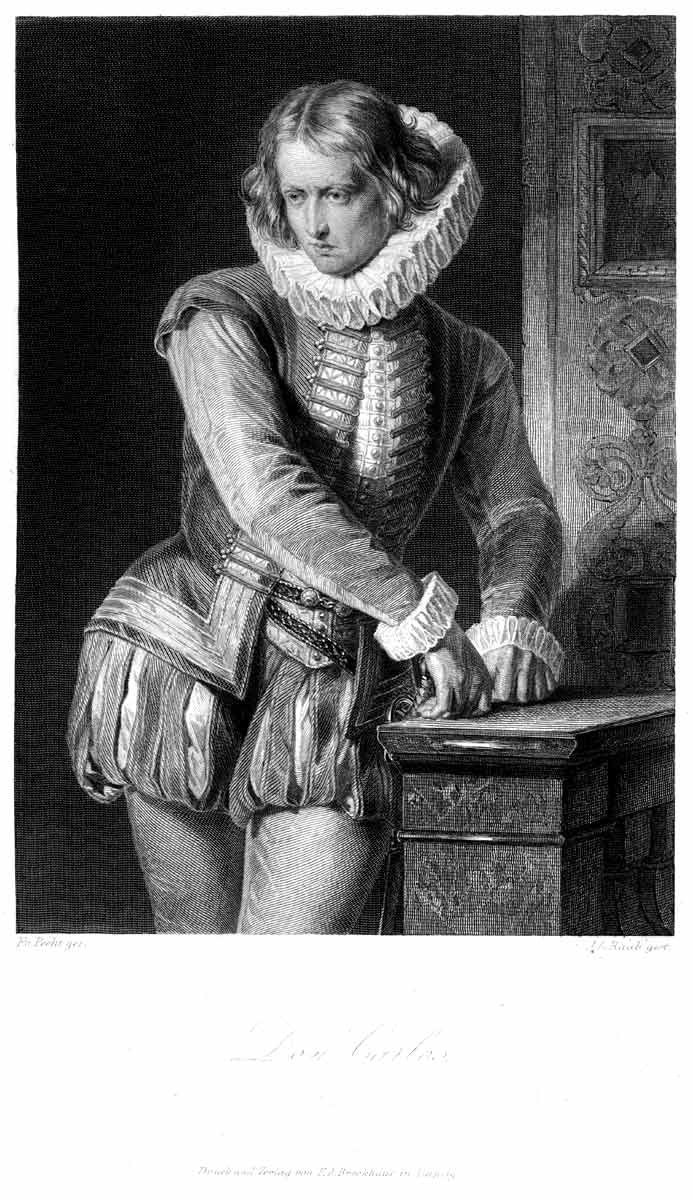
The same questions drive Schiller’s Don Carlos, which premiered in 1787. This time, the domestic setting is a more overt representation of the state, as the play centers on a royal family: the 16th-century King Philip II of Spain and his son Carlos. Again, the plots, crimes, violence, and insurrections in the play are driven by the people’s desire to be free from oppression, although in this case, the conflicting oppressive forces are the Catholic rulers of Spain and the Protestant rulers of the Netherlands.
Don Carlos draws on Schiller’s interest in history, and he published history books alongside his plays, becoming professor of history and philosophy at the University of Jena in 1789. Schiller’s historical works share themes with his plays. Indeed, in researching 17th-century conflicts, such as the revolt in the Netherlands against Spanish rule or the Thirty Years’ War and decline of the Holy Roman Empire, he pursued his political concerns.
For Schiller, states must allow their individual citizens to be free thinkers: free to develop rationally, morally, and aesthetically, guided by a sense of the good and true, but unhindered by restrictive systems of thought. His first lecture as a professor of history and philosophy took place just months before the outbreak of the French Revolution, an event which bore out Schiller’s conviction that the political struggles of his plays and historical writings were not a thing of the past.
From Playwright to Poet and Critic
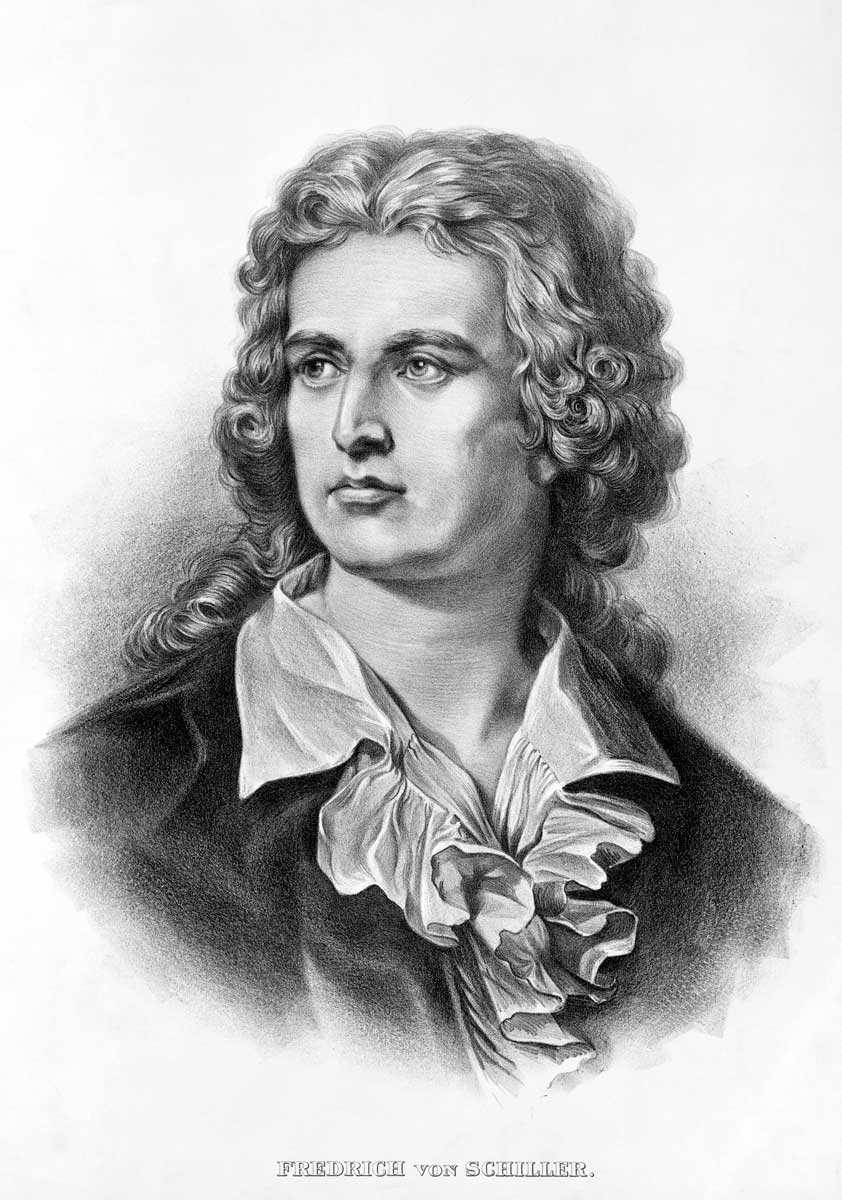
Inextricably linked to Schiller’s values concerning the freedom of the individual are his ideas about aesthetics, which he wrote about in various letters and articles, largely written after a period of ill health in 1790. Despite the fact that his health remained poor until his death in 1805, Schiller managed to devote himself to studying the philosophy of Immanuel Kant and synthesizing it with his own ideas.
Inspired by Kant’s writing on aesthetics, in 1793, Schiller produced a collection of letters usually titled On the Aesthetic Education of Man. The work is a triumphant riposte to the idea that questions of art and beauty are removed from politics. As Schiller argues, individuals who are free to encounter the sublime and the beautiful through encounters with art are ennobled and, thereby, better equipped to live in harmony with one another.
Moreover, Schiller writes that art is “the daughter of freedom.” To have the most valuable effect on people, art must be unrestricted. It must be free so as to encourage those who engage with it to be free.
Schiller’s own art was intended to demonstrate these ideas about harmony and unity. From his fourth play, Don Carlos, onwards, he wrote in blank verse and iambic pentameter. This was a significant development in German drama, bringing it closer to the art of William Shakespeare, who was revered in Germany at the time. Goethe’s play, Iphigenie auf Tauris, premiered like Don Carlos in 1787, also employed blank verse.

Schiller also wrote poetry, largely lyrics inspired by his work in other modes such as philosophy, drama, and history. Like the poetry of his English contemporary, William Wordsworth, these poems are reflective and contemplative, musing on human nature and the natural world together. However, Schiller’s best-known poem takes up his familiar theme: freedom.
It has been suggested that Schiller originally intended the title of Ode to Joy to be Ode to Freedom. Even if this cannot be proven, it is at least plausible to think of “joy” as a shorthand for “freedom” in Schiller’s mind, especially given the poem’s rousing invective and its urge to the audience to seize joy even when they are crushed by oppressors. When Leonard Bernstein conducted Beethoven’s setting of the poem in Berlin in 1989, shortly after the fall of the Berlin Wall, the singers significantly sang about Freiheit (freedom) rather than Freude (joy).
Schiller originally wrote Ode to Joy in 1785, around the time he was writing Don Carlos, and the poem shares that play’s spirit of hopeful revolt. However, Schiller later turned on the poem. He eliminated a final stanza about heroes and villains alike deserving release from tyranny. In 1800, he told a friend that Ode to Joy “appealed to the flawed taste of the time,” perhaps feeling that its pre-French Revolution optimism no longer suited the world around him.
Friendship With Goethe
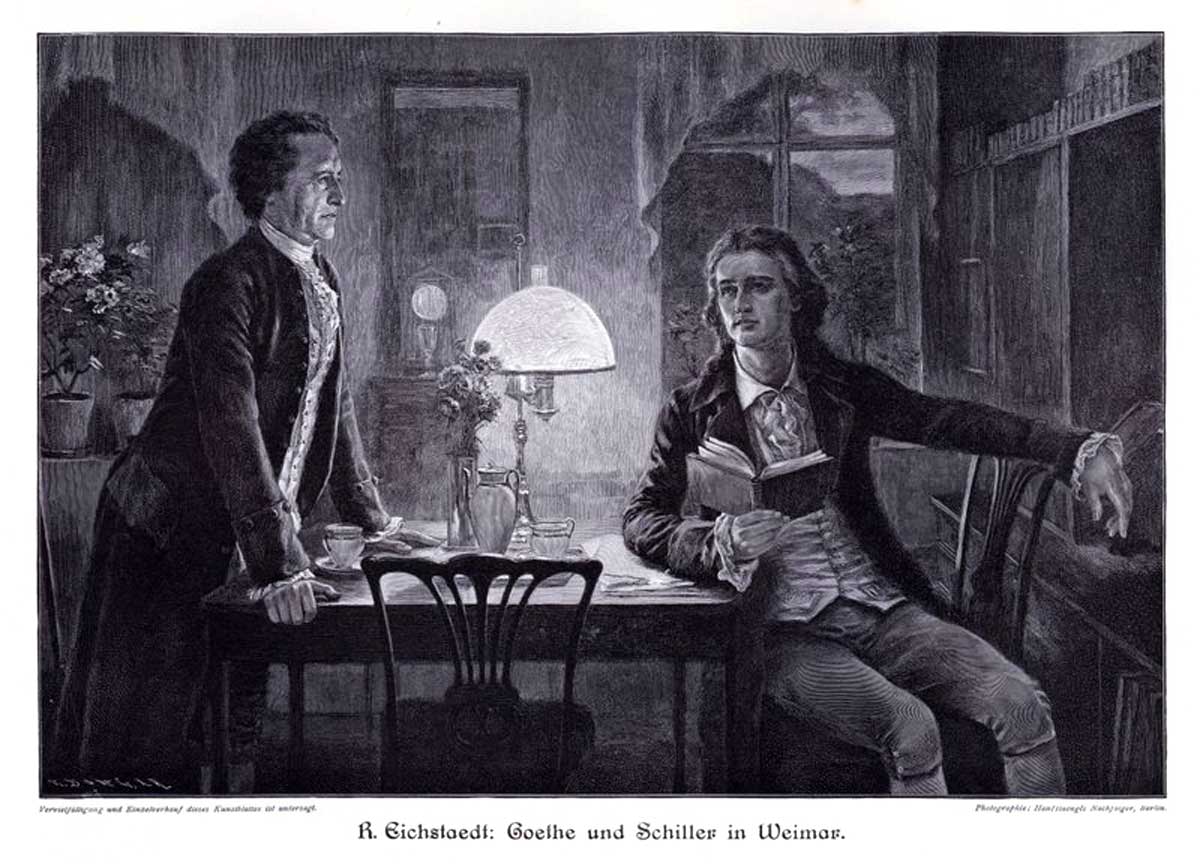
Together with Goethe, Schiller is regarded as one of the defining figures of a blossoming period in German culture, when movements such as the Enlightenment and Sturm und Drang came together amid the beginnings of Romanticism.
The two writers’ friendship also formed the cornerstone of a movement called Weimar Classicism, centered on Weimar, the city in Eastern Germany which they transformed into the nation’s literary capital. Goethe had been living there since 1775, serving on the local privy council and helping to implement reforms at the nearby University of Jena. He was the one who recommended Schiller for the post of history and philosophy professor at Jena, and Schiller moved to Weimar in 1787.
Although Goethe was traveling in Italy when Schiller, hoping to make the acquaintance of a man who was already something of an intellectual hero, arrived, the two eventually struck up a friendship in 1794. Together, they attracted many of Germany’s major thinkers to Weimar, hosting literary salons and facilitating collaborations on important works of literature, philosophy, art criticism, and history.
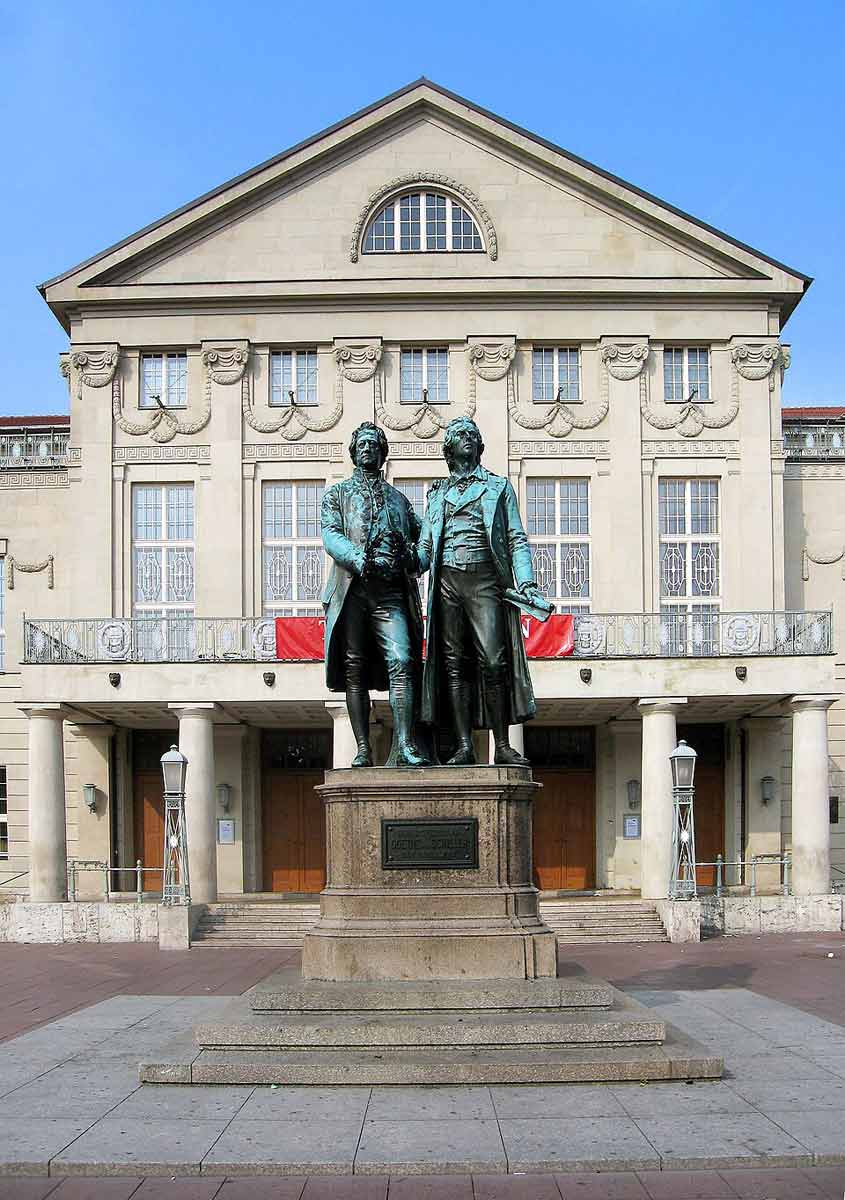
The pair’s most significant achievement over the ensuing eleven years (until Schiller’s death) was their promotion of the German National Theater in Weimar, of which Goethe had been director since 1791. This is where Weimar Classicism flourished, where theater companies staged plays that returned to classical (ancient Greco-Roman) principles, synthesized with a modern emphasis on feeling.
Goethe and Schiller are commemorated with statues outside Weimar’s theater. It was thanks to them that Weimar became an intellectual center which, even after their deaths, attracted figures such as Franz Liszt (who became music director there in 1842), Felix Mendelssohn, George Eliot, and George Henry Lewes.
Around this time, Schiller wrote Wallenstein, a cycle comprising poetry and a trilogy of plays, based on the Thirty Years’ War. Like many of his dramas, Wallenstein centers on a rebellious hero who takes on a corrupt regime, but whose own morality is not crystal clear. As so often in his work, Schiller investigates the corrupting effects of power, not only on individuals entangled with a dominant regime, but also on those attempting to overthrow it.
Final Years and Legacy
The chest trouble, ultimately tuberculosis, which plagued the last 15 years of Schiller’s life, did not stop him from producing masterly works of literature, history, and philosophy. In fact, the last five years of his life saw Schiller write four plays in quick succession, including those for which he is best known today.
Each play, like his earlier work, dealt with political conflict between heroic individuals and oppressive regimes. By then, Schiller’s friendship with Goethe and work at the Weimar Theater had taken his stagecraft to new levels, and these works adhered to classical principles about tragedy and heroism.
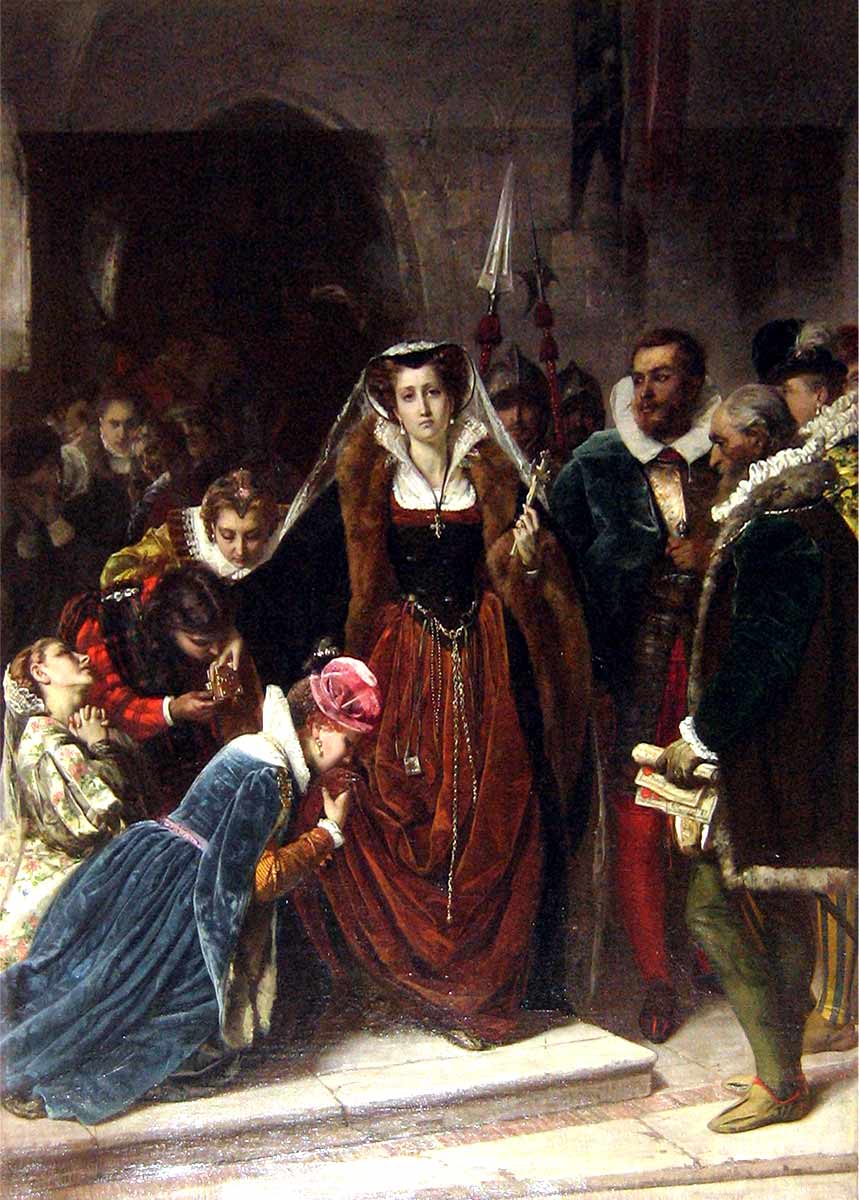
Maria Stuart (1800) takes the audience into the mind of Mary, Queen of Scots as she awaits execution, knowing that her death is necessary for the Elizabethan regime to continue, but reconfiguring the judgment upon her as punishment for her sins—thus achieving a moral rebirth unintended by judge and jury. The play captured the imagination of the opera composer Gaetano Donizetti, whose Maria Stuarda was first performed in 1835. (Giuseppe Verdi, a younger Italian composer greatly influenced by Donizetti, turned Schiller’s Don Carlos into an opera in 1867.)
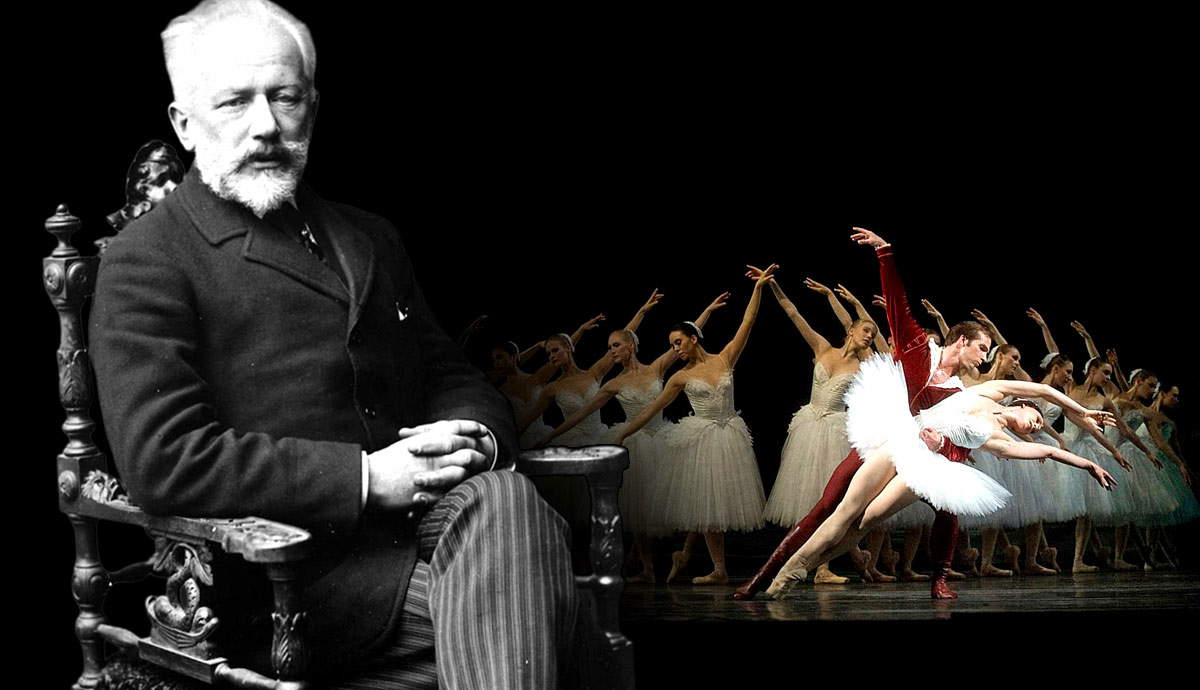
The Maid of Orleans, in 1801, played fast and loose with history by having its heroine, Joan of Arc, die on the battlefield rather than on the stake. The play formed the partial basis for an 1881 opera by Pyotr Ilyich Tchaikovsky. The Bride of Messina, in 1803, saw Schiller living out his commitment to classical principles by infusing modern drama with elements from Greek tragedy. It inspired an overture by Robert Schumann.
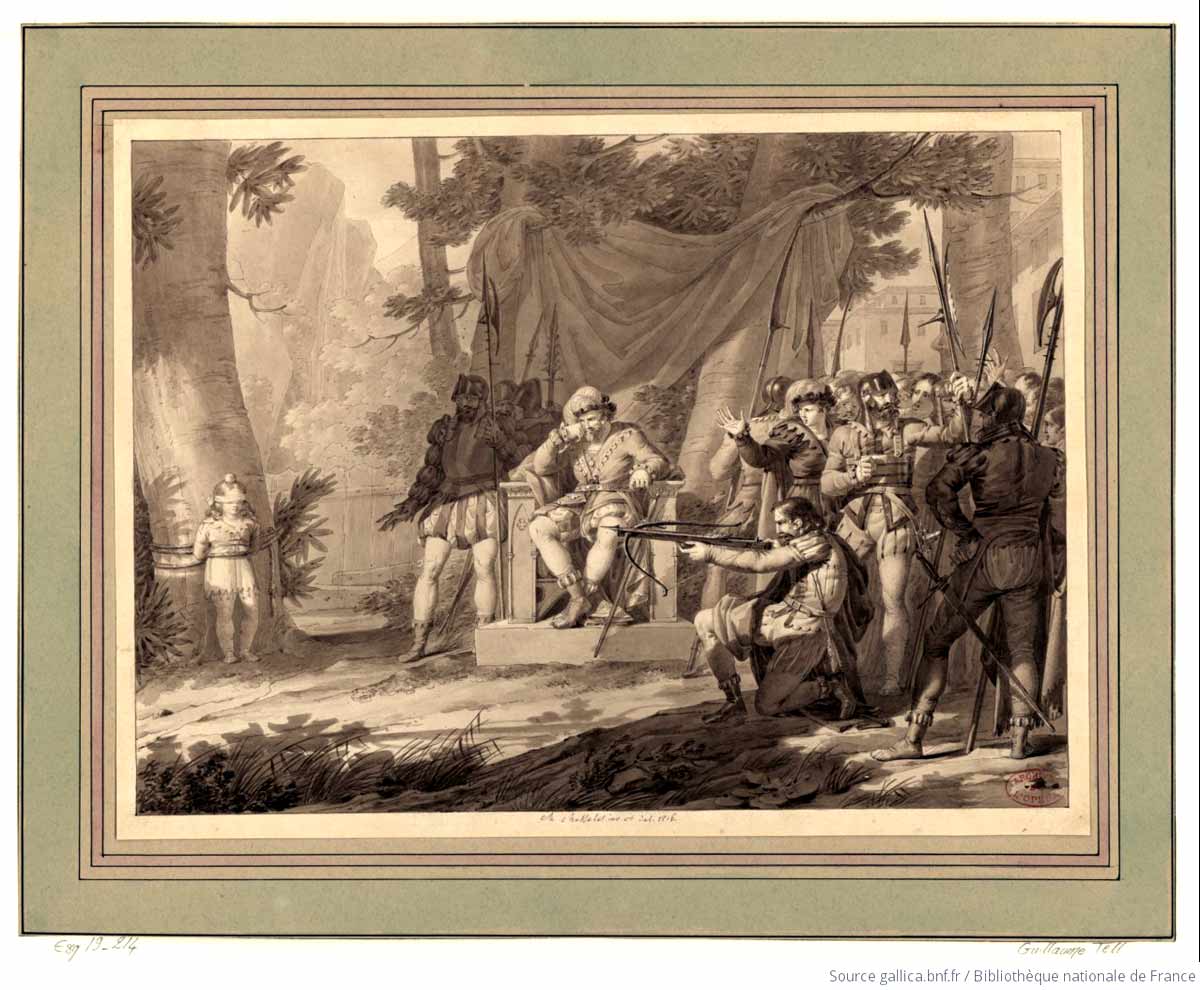
Finally, just a year before his death, Schiller wrote William Tell. In many ways, it was a return to where he had started with The Robbers. Indeed, both plays focus on a noble outlaw who leads a band of rebels, and both question the means used by these outlaws to achieve justice. William Tell was a figure from Swiss mythology, whom Schiller may have discussed with Goethe following the latter’s travels in Switzerland in 1779.
As the years passed and Europe was swept up by Romanticism and revolutions, William Tell became more and more popular, its hero an emblem of individualism and resistance to authority. The play, adapted into a French libretto, furnished Gioachino Rossini with the story for his sprawling opera, which premiered in 1829. Dogged by censorship in its early years because of its dangerously revolutionary content, William Tell is now one of the best-known operas of the 19th century—particularly its much-performed overture, which conjures up images of Swiss soldiers on the march.