
From Gombrich to Pollock, several books have made waves and started conversations in the art world. In the rich tapestry of discussions on art, there is something fascinating about entering the minds of artists themselves. In written form, many artists have given their interesting inputs on life, art, creativity, and society.
If you enjoy a good book about art, why not try some writings about artists in their own words? Here is a list of some iconic books written by famous artists to add to your reading list.
1. “The Interaction of Color” by Joseph Albers
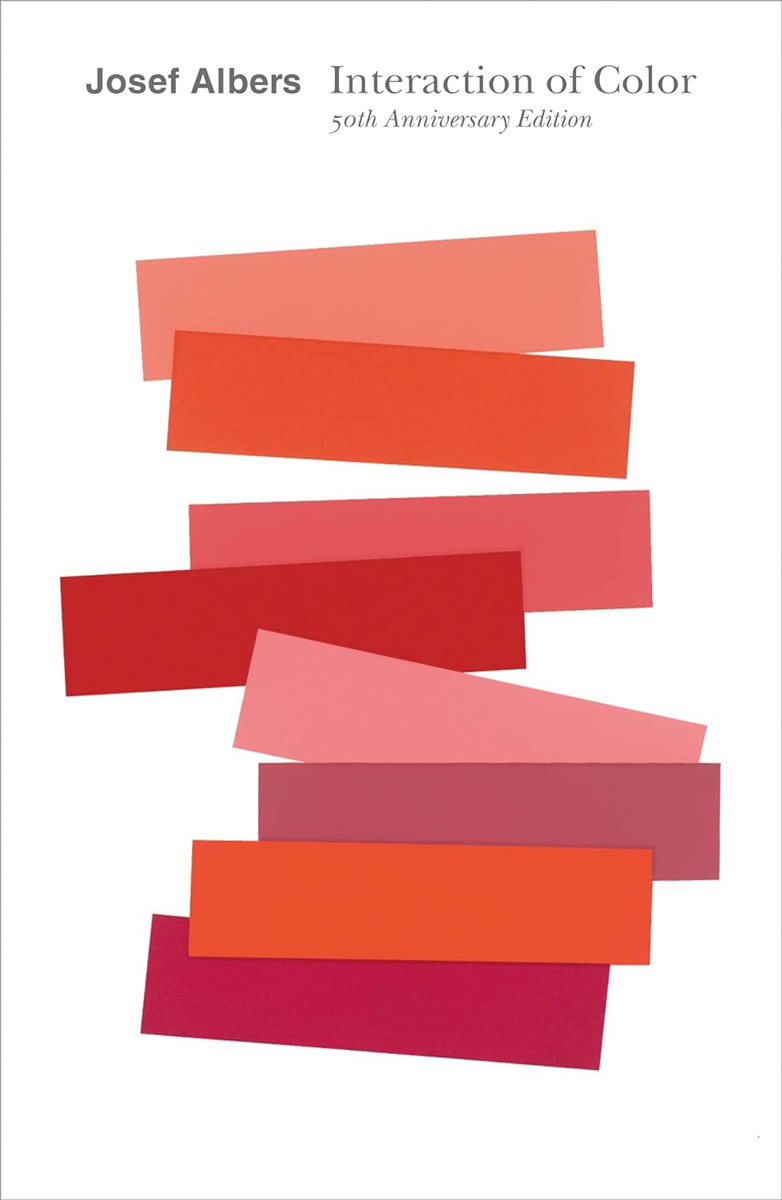
To start things off, let’s go with a classic. Joseph Albers’ The Interaction of Color is a well-known work among painters, students, and professors—so many people even read the book before becoming familiar with Alber’s own work as an artist. First widely published in 1971, at a time when painting was losing space to the innovations in conceptual art, The Interaction of Color was a work that took color theory to new depths. Filling a complicated space between technique and philosophy, science and poetics, Albers’ book remains fresh and relevant decades later. It’s a book recommended not just for artists but for anyone looking to understand in greater depth topics such as the nature of human perception, vision, and our relationships to a uniquely relevant aspect of life—color.
2. The Letters of Vincent van Gogh
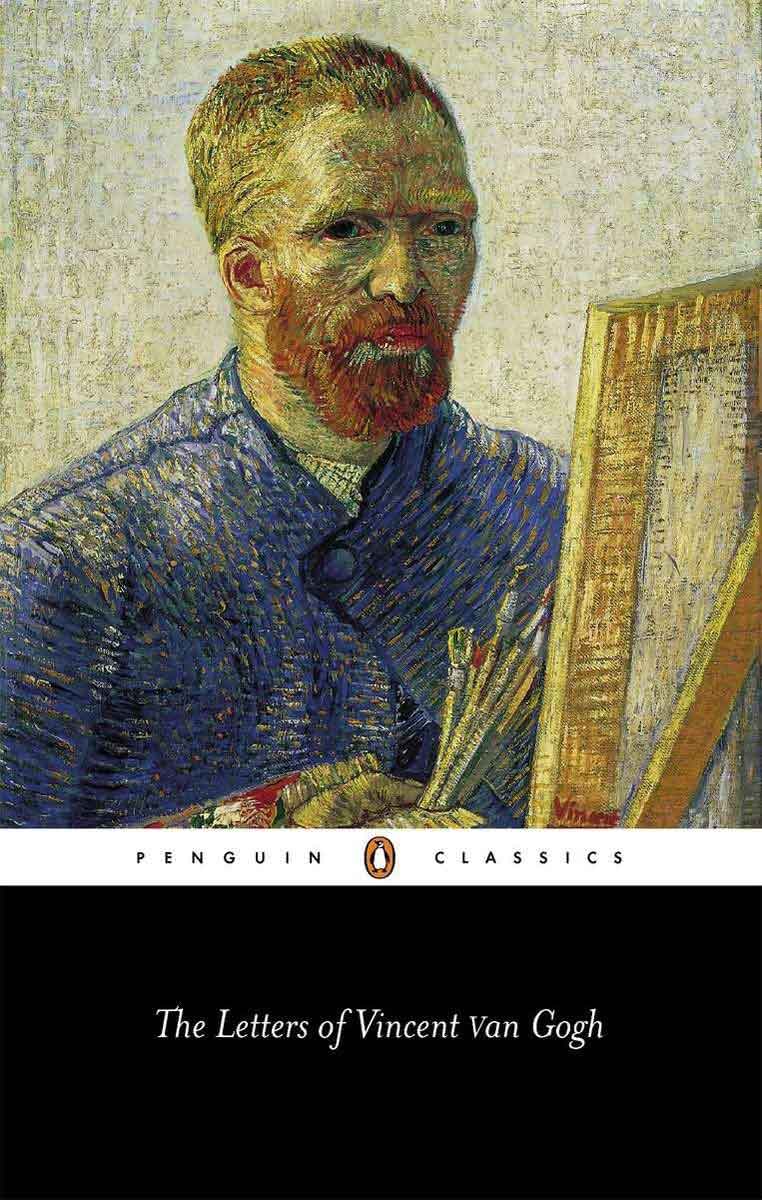
Vincent van Gogh is one of the most beloved names in the history of art. The often beautiful, often harrowing bumps in his life are well-known, and one particular aspect of his character was that Van Gogh was a prolific letter-writer. Historians believe he wrote over three thousand letters in his life. Luckily for us, many of them have lasted to tell tales.
Most of Van Gogh’s surviving letters are communications with his brother, Theo van Gogh. In them, the artist reveals fascinating insights into his troubled life, his views on love, happiness, malaise, and, of course, art. His letters are a fascinating window into the process of his paintings and the evolution of their production. It is not only his work that is highlighted in Van Gogh’s writing; in them, we get a unique view of the time period and the revolutions happening in art and society. It is an incredible read for anyone interested in 19th-century art and the changes that the century brought.
Many different compilations of Van Gogh’s letters have been published over the years, the most popular being Penguin Books’ The Letters of Vincent van Gogh. In the 2000s, the Van Gogh Museum published many of his surviving letters and documents, which can be accessed through the museum, in their book Vincent van Gogh: A Life in Letters.
3. “Between Lives: An Artist and Her World” by Dorothea Tanning
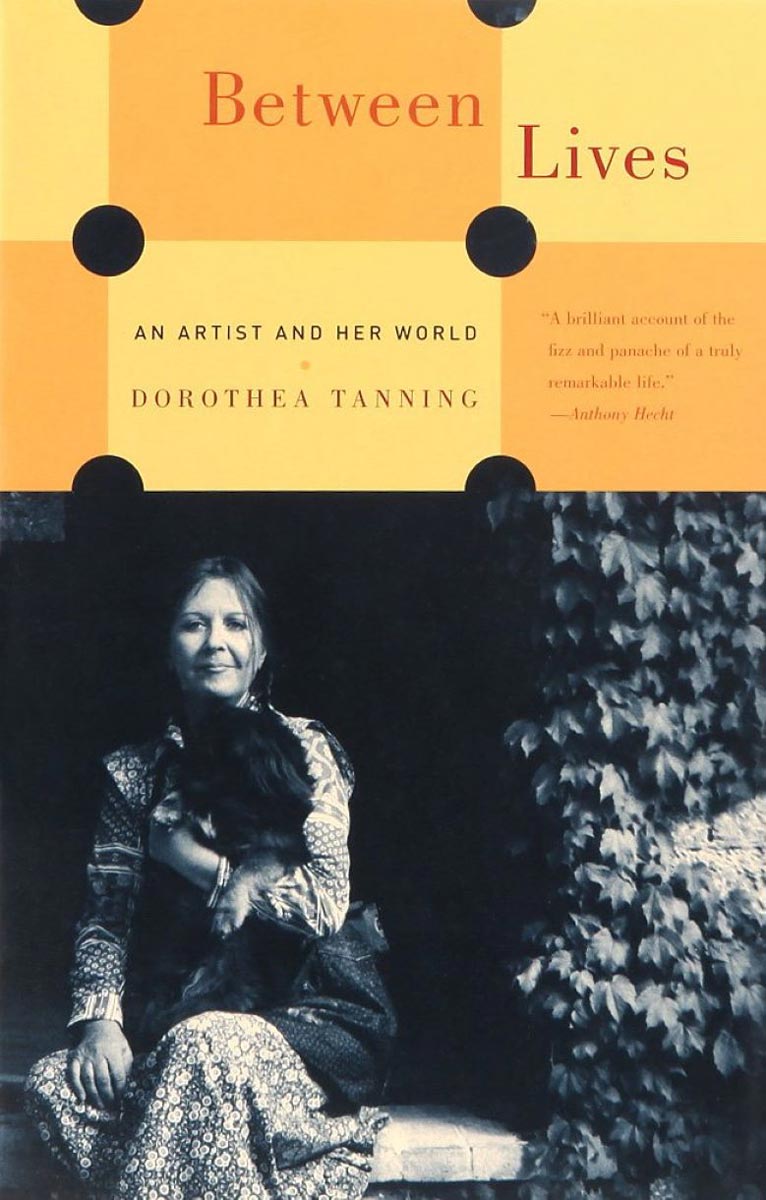
Known for her beguiling paintings and sensorial sculptures, multi-technique Surrealist Dorothea Tanning also wrote a handful of books. Like her visual work, Tanning’s writing is similarly sensual and involving. Tanning, who lived to be 101 years old, was one of the last and most interesting Surrealists we ever had. Her books ranged from poetry to memoirs to fashion and the in-between. In 1986, she released her first memoir, Birthday, which mostly relates to her relationship with fellow artist and surrealist Max Ernst. In 2001, Tanning released an expanded version of Birthday, named Between Lives: An Artist and Her World.
Larger in scope and even richer in language, Between Lives takes the reader into the mind and significant life (and loves) of Dorothea Tanning. Much like her art, Dorothea Tanning’s writing has a deep influence from Gothic romances and fairy tales: her writing is highly imagistic, layered, and sumptuous, whether Tanning is talking about her restrictive upbringing or recounting enduring and passionate relationships. The words certainly do come alive in this fascinating look into the mind of a great artist.
4. “How to See” by David Salle
David Salle’s 2016 book How to See: Looking, Talking, and Thinking About Art is more than a purported collection of essays. Salle, a preeminent painter since the 1970s who works in multi-layered, multi-textured images, brings those layers to his writings to create a singular art book.
Through the eyes of the artist and with input from others such as Jeff Koons, John Baldessari, Roy Lichtenstein, and more, How to See inverses the usual logic of art criticism; Salle’s How to See is less concerned with the concepts, the why and the what does it mean, and more interested in the what it is and how and what is the impact of an artwork. It has been compared to critic John Berger’s book Ways of Seeing, as a response to the conversation between critics and artists.
How to See is an almost immersive experience. It looks at art and the world the way a scientist might reverse engineer a machine to understand what makes it work, all the while traversing art history and theory in a humorous and approachable way.
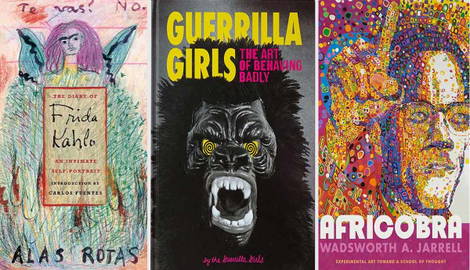
5. “AFRICOBRA” by Wadsworth A. Jarell
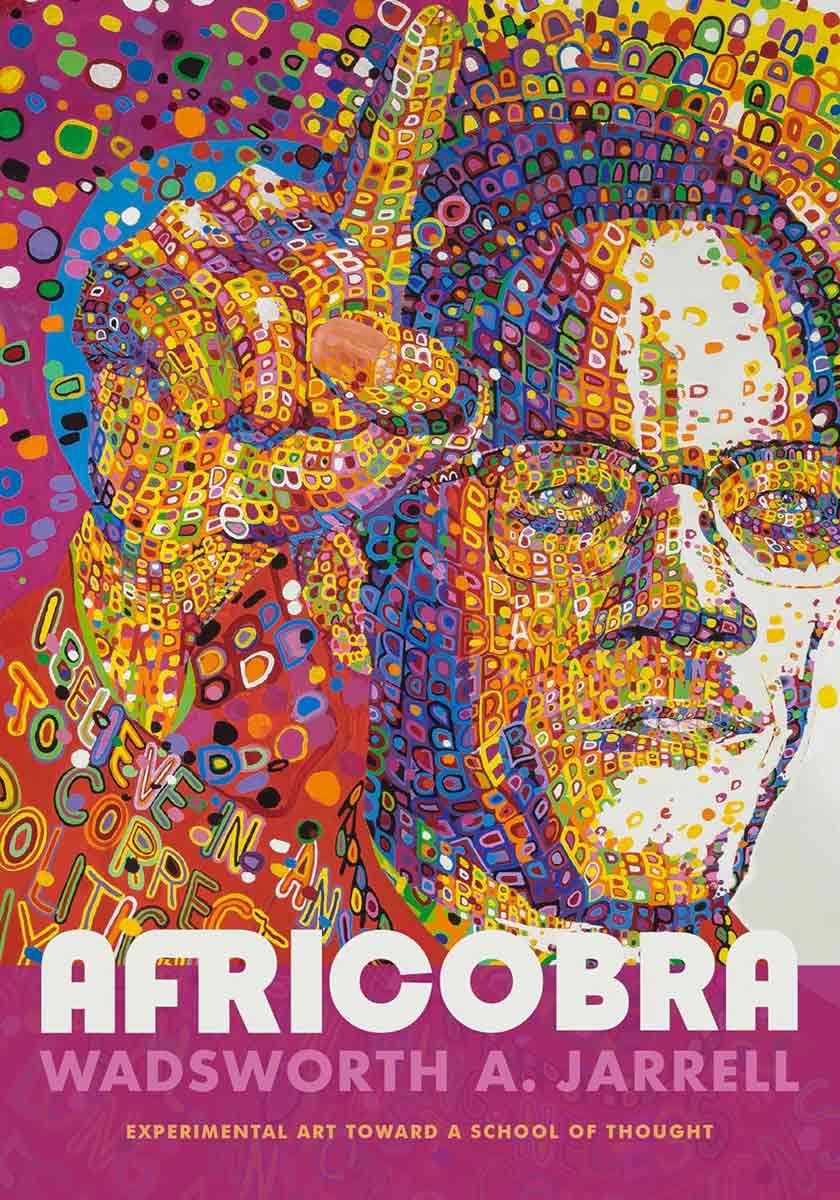
The AFRICOBRA Collective was a collective of Black artists founded in Chicago in 1968 that redefined the standards of what the largely white art establishments dictated in the midst of civil rights movements in the United States. Painter, printmaker, sculptor, and founding member of AFRICOBRA, Wadsworth A. Jarrell tells the story of the collective, spanning its history, practices, philosophies, and impact on the art scene of the 1960s and beyond.
AFRICOBRA, the novel, is not merely a biography of a collective but a testament to their work, the recognition of Black American culture and art, and an insight into the artists’ views on different forms of art, society, justice, and life. A highlight is a close look at the creation of the famous Wall of Respect mural in Chicago, a paradigm-shifting work that predates even the foundation of the collective.
6. “Secret Poetics” by Helio Oiticica
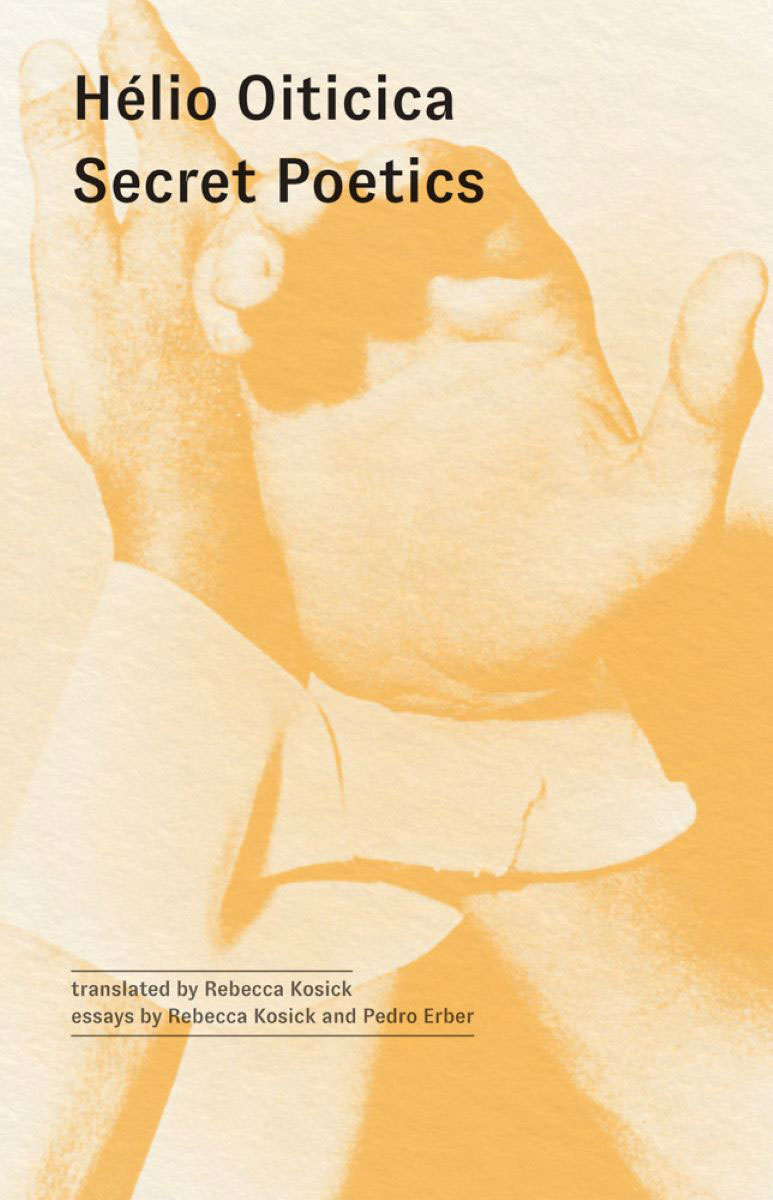
Helio Oiticica was a highly influential contemporary artist of the 20th century who helped shape interactive art and installation in its earliest forms. He’s had a tremendous impact on painting, film, and sculpture in Brazilian art. Though his penetráveis, bólides, and wearable parangolés became well-known pieces that marked contemporary art, Oiticica’s writing is less familiar to audiences at large. Oiticica wrote many essays, which have been featured in many art books and overviews. But one book stands out: his collection of poems, Secret Poetics.
Secret Poetics collects different types of writing. It comprises secret poems the artist wrote by hand between 1964 and 66, during a time of many transitions in his life and his artwork. Translated into English for the first time in a bilingual edition, Secret Poetics shows us an almost unknown facet of an artist of many faces and sheds light on how these musings on memory and human relations intertwine with his later work. Secret Poetics was translated and edited by Rebecca Kosik with commentary by Pedro Erber, who further reflects on the nature of Oiticica’s written art and its influence on the artist’s own body of work.
7. “The Art of Behaving Badly” by The Guerrilla Girls
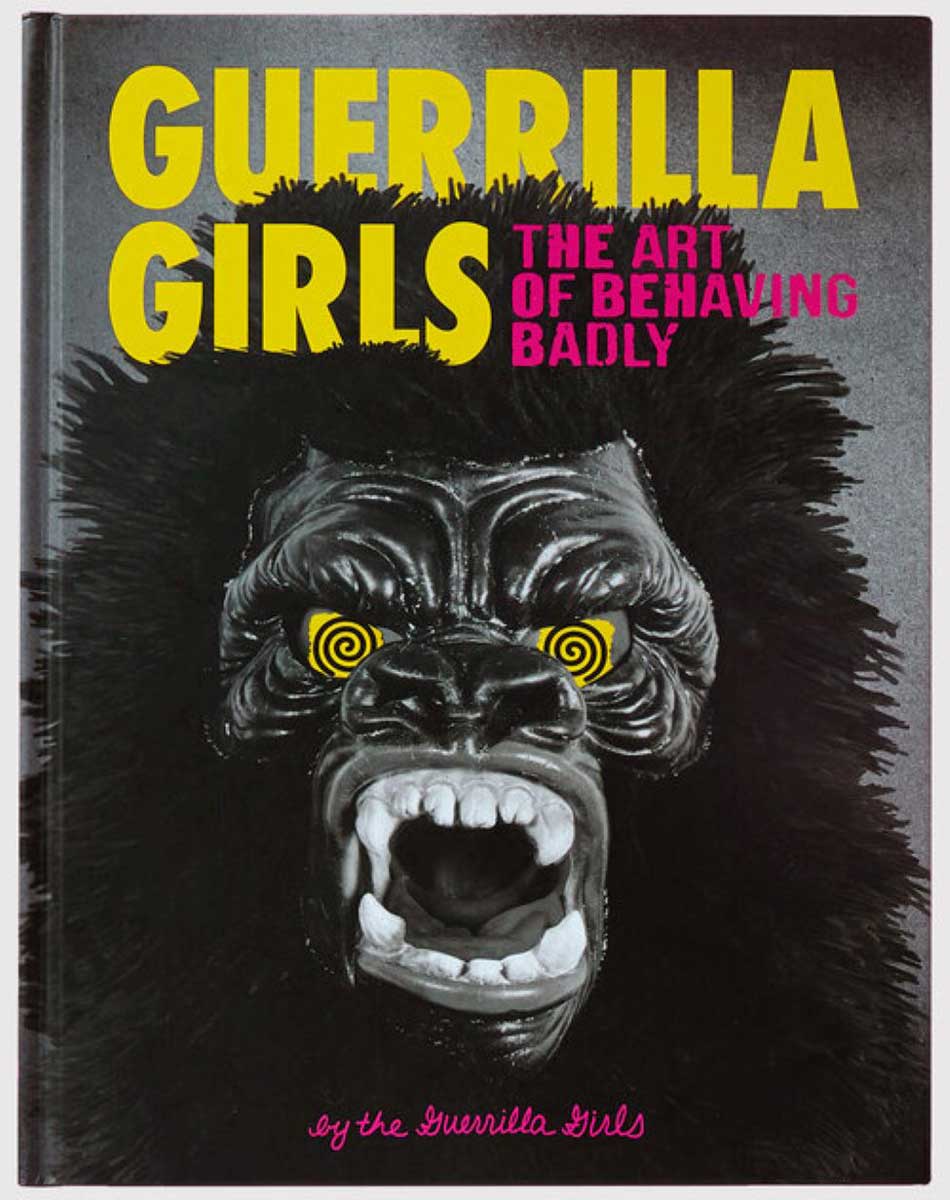
The Guerrilla Girls is an anonymous artist collective formed in 1985 in New York City. The collective is comprised of feminist artists who dedicate themselves to criticizing the patriarchal and oppressive contradictions of the art world, seeking to “expose gender and ethnic biases and corruption in art, film, politics and pop culture.”
Well known for their interventions, urban or otherwise, and protest art, most readers will probably be familiar with their groundbreaking Do Women Have to Be Naked to Get Into The MET. Museum? banner, but the Guerilla Girls also have quite a few books under their gorilla masks. In the 1990s, they tackled art history and its biases in The Guerilla Girls Beside Companion to the History of Western Art. They even wrote about the medical history of hysteria in The Hysterical Herstory of Hysteria and How It Was Cured: From Ancient Times Until Now (2016). Their latest book, Guerilla Girls: The Art of Behaving Badly is characteristically fun and subversive. The Art of Behaving Badly is a panorama of the collective’s impressive history, giving us insight into the past 35 years of art, activism and their always creative ways of fighting social biases.
8. The Diary of Frida Kahlo: An Intimate Self-Portrait
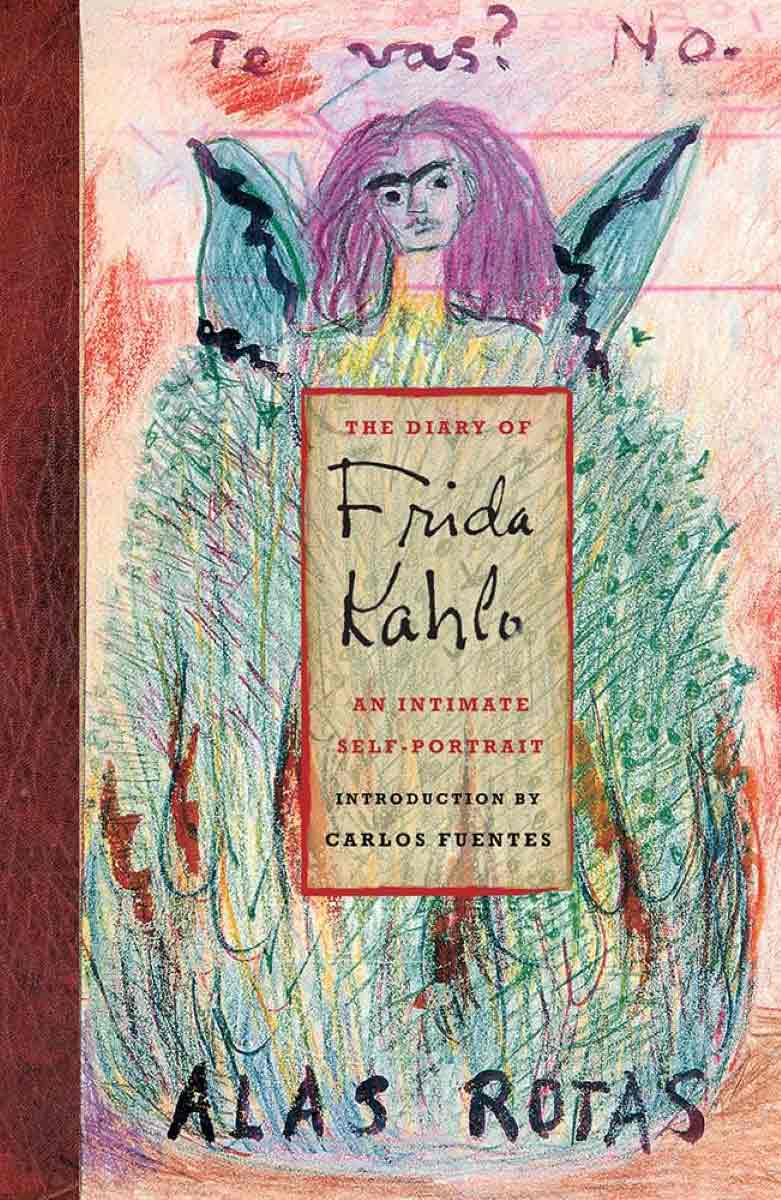
With an artist as immortally famous as Frida Kahlo, it can be hard to distinguish fact from fiction and not get caught in myth-making. Much like Van Gogh’s letters, in Kahlo’s Diary, we get to see in a multimedia format the self-portraits of the likes of Frida Kahlo painted in life—and even deeper.
A collection of stunning illustrations, notes, musings, journals, and essays, The Diary of Frida Kahlo spans the last ten years in the life of the artist, a work that is both human and larger-than-life. Through both writings and drawings, we are brought into Frida Kahlo’s innermost thoughts. We flow through words about her art, her tumultuous marriage with fellow artist Diego Rivera, her feelings on her peers in the art world, her philosophy, politics, and her country, and we get deep insight into Kahlo’s humor, her pain, and resilience. The edition includes editing and a foreword by Carlos Fuentes, who provides further insight and reflections on Frida Kahlo’s history and legacy, as well as lesser-known illustrations painted by the artist.