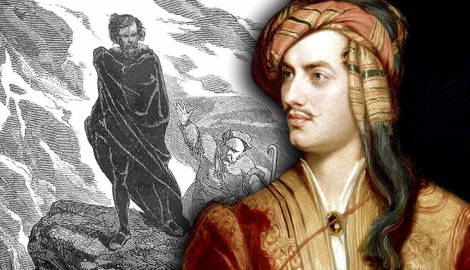

A poet whose work is as frequently autobiographical as Lord Byron’s could hardly be surprised that his 21st-century reputation rests as much on his scandalous private life as on his verse. He is colloquially known as a notorious womanizer, an egotist, and a misanthrope, with more than the usual affectations of any English aristocrat: a real-life Gothic antihero who mythologized his own villainy before seeking safer climes in Europe. Faced with absolute social ruin, Britain’s greatest Romantic poet fled his homeland in 1816, never to return. This is the true story of the outrageous scandals that drove Lord Byron into permanent exile.
The Meteoric Rise of a Literary Celebrity
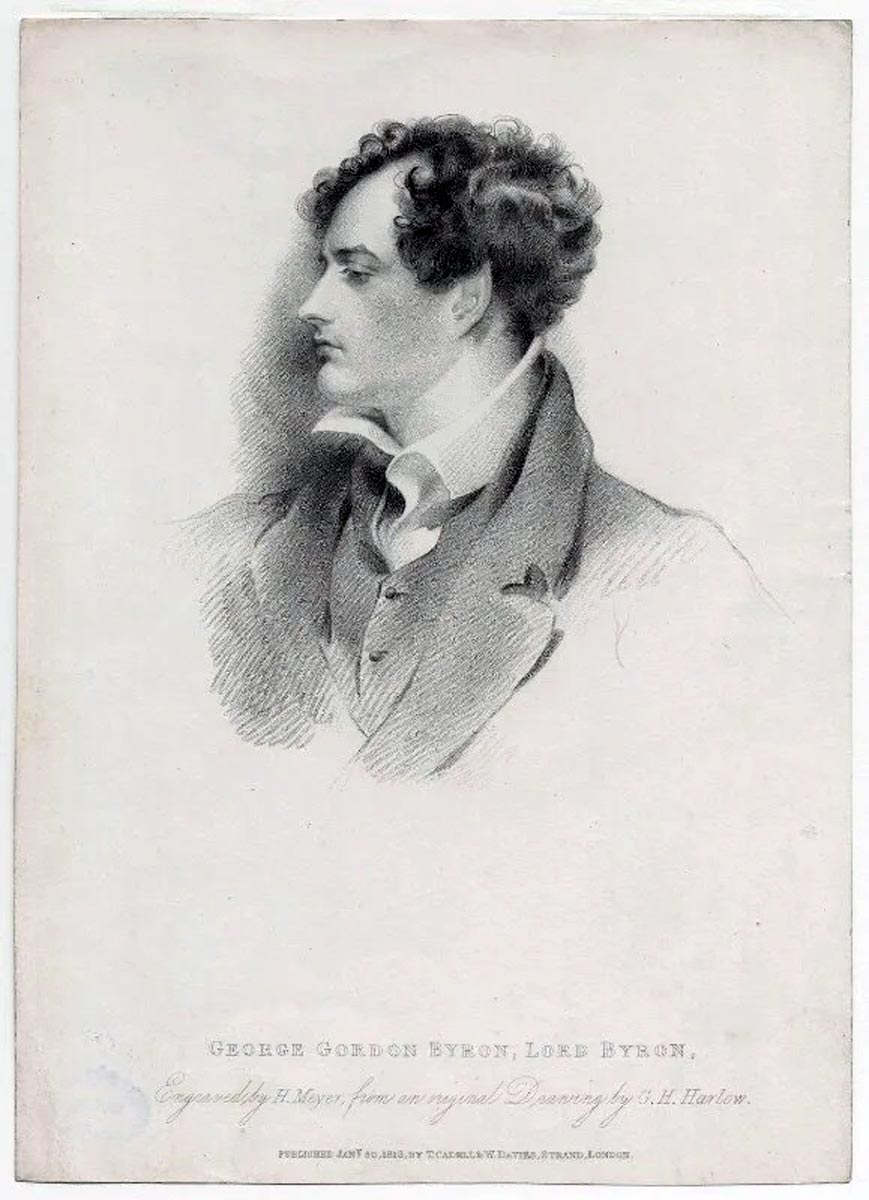
“What is the end of Fame? ’tis but to fill / A certain portion of uncertain paper: / Some liken it to climbing up a hill, / Whose summit, like all hills’, is lost in vapour, / For this men write, speak, preach, and heroes kill, / And bards burn what they call their ‘midnight taper,’ / To have, when the original is dust, / A name, a wretched picture, and worse bust.”
George Gordon Byron was destined for fame and fortune. He had auspicious parentage: the swashbuckling Captain Jack Byron, later dubbed ‘Mad Jack’ in an obituary of his son, and Catherine Gordon, heiress to a castle and fortune in Aberdeenshire in Scotland. Byron’s paternal grandfather was another seaman, who had set the record for fastest circumnavigation of the globe by sea.
Byron’s father did not stick around for long. He died in 1791 when Byron was just three, leaving him to be raised by a formidable mother who drank heavily (possibly to deal with the pressures of raising her son alone) and was not always sympathetic to his bouts of self-conscious anxiety, partly caused by the club foot he had been born with and his fluctuating weight.
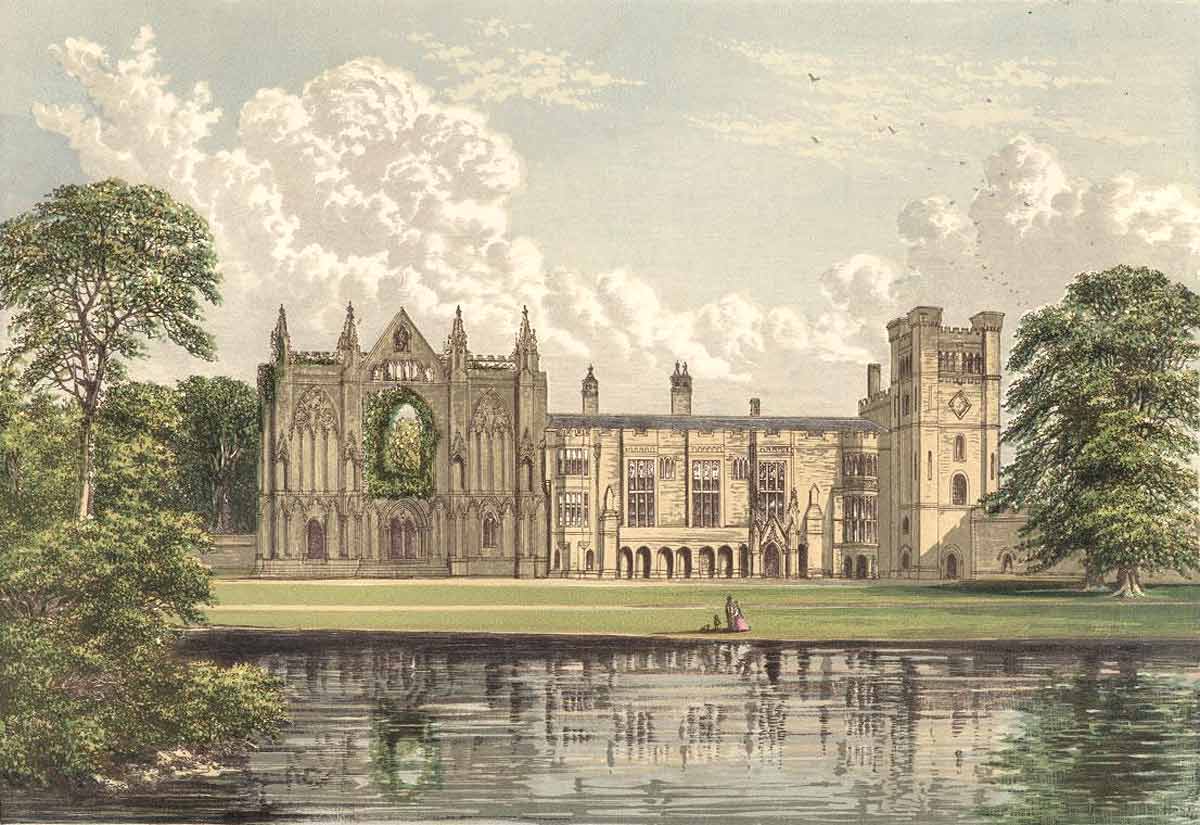
When Byron was only ten, he became a Lord, inheriting a baronage and the ancestral home of Newstead Abbey in Nottinghamshire on the death of his great-uncle. The young Byron mostly grew up in Aberdeenshire, the outskirts of London (including the private school Harrow), and eventually Trinity College, Cambridge (where he notoriously kept a pet bear, as a protest against the college’s rule against pet dogs).
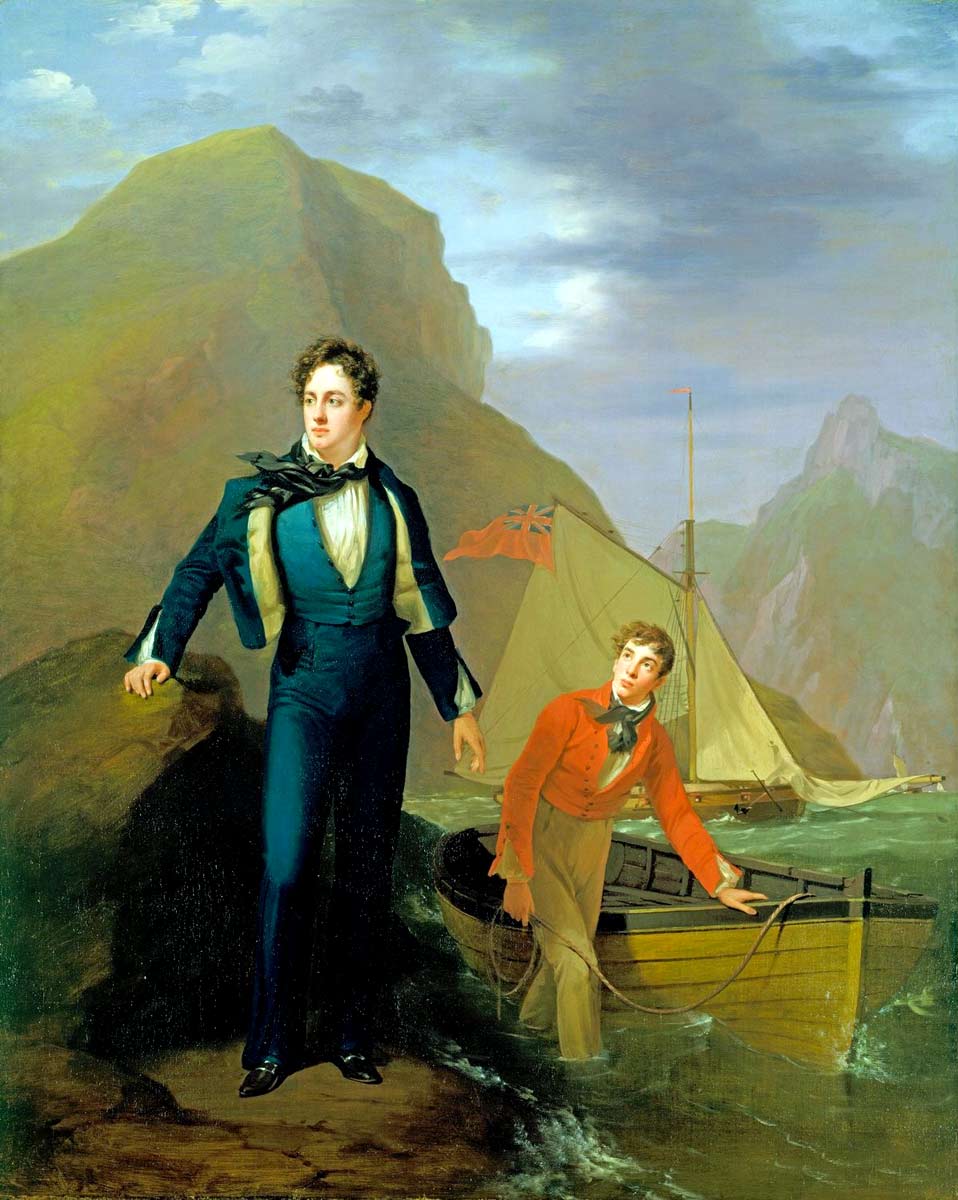
Byron’s early life set the scene for an uneasy relationship with the fame that would soon envelop him. Not only were there the unusual circumstances of his parents, but he was sexually abused by adults (women and men) from the age of nine. Undoubtedly traumatized, Byron found life at Harrow difficult, compounded by problems participating in sports because of his foot, and the dawning realization of his attraction to men. At Cambridge, he fell passionately in love with a choirboy, John Edleston, to whom he later wrote several poems.
After Cambridge came fame. The usual story is that he published the first two cantos (sections of a long narrative poem) of the semi-autobiographical Childe Harold’s Pilgrimage in 1812 and, in his words: “I awoke one morning and found myself famous.”
In reality, he had already done a good deal to become infamous, publishing a few volumes of youthful verse, making himself known around London, and in 1809, publishing the satire English Bards and Scotch Reviewers. This was in the vein of Byron’s main inspiration, Alexander Pope, whose poem The Dunciad had lampooned poor taste in 18th-century literary London, particularly the area known as Grub Street and associated with hack writers.
Byron took aim at fellow poets, including William Wordsworth and Samuel Taylor Coleridge, with whom history would later bracket him as members of the English Romantic school, but his main target was the critics. He then went on his first flight of refuge from English society, traveling across Greece and Turkey. He poured all of these experiences into Childe Harold’s Pilgrimage, published it on his return, and the stage was set. Readers and critics praised the book in their droves, and all eyes were on Byron.
He Lived the Dissolute Life of a Lord
“Whilome in Albion’s isle there dwelt a youth, / Who ne in virtue’s ways did take delight; / But spent his days in riot most uncouth, / And vexed with mirth the drowsy ear of Night.”
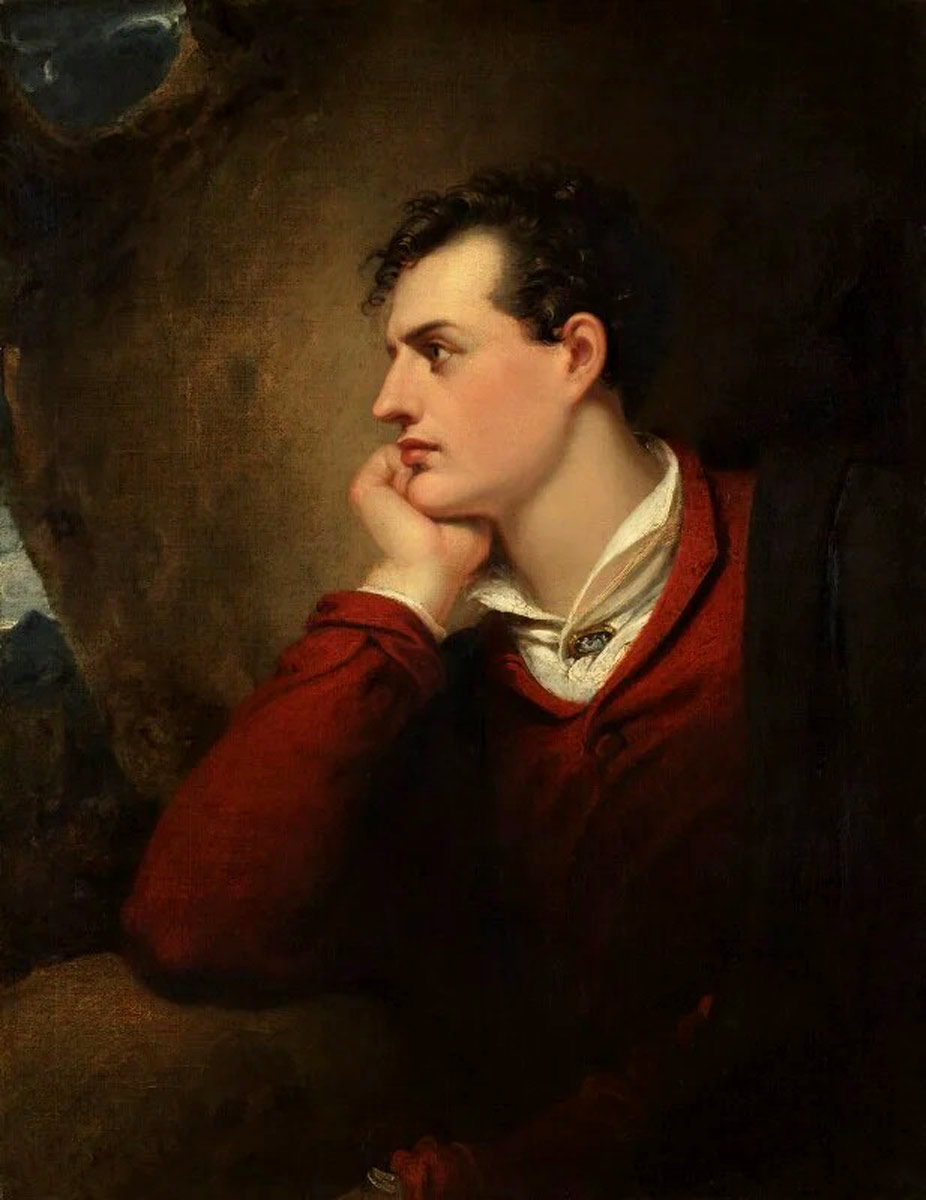
Regency London was aflutter with stories about the handsome young poet. He had been in debt since his Cambridge days. He was fiercely fussy about portraits of himself. He was learning boxing. He intended to enter Parliament as a radical politician. He drank wine out of a human skull at Newstead Abbey. He had swum the Hellespont (now called the Dardanelles), as Leander does in order to be with Hero in the Greek myth. He was having an affair with the married Lady Caroline Lamb.
All of these were true to an extent, although the skull cup story is difficult to verify and is primarily based on a poem he wrote called Lines Inscribed Upon a Cup Formed from a Skull. What is certain is that Byron made a name for himself as a complex figure combining liberal politics, sensitivity, and passionate fervor for poetry as a craft with misanthropy, cruelty (especially towards women), and a flair for dramatic scenes and self-mythologizing.
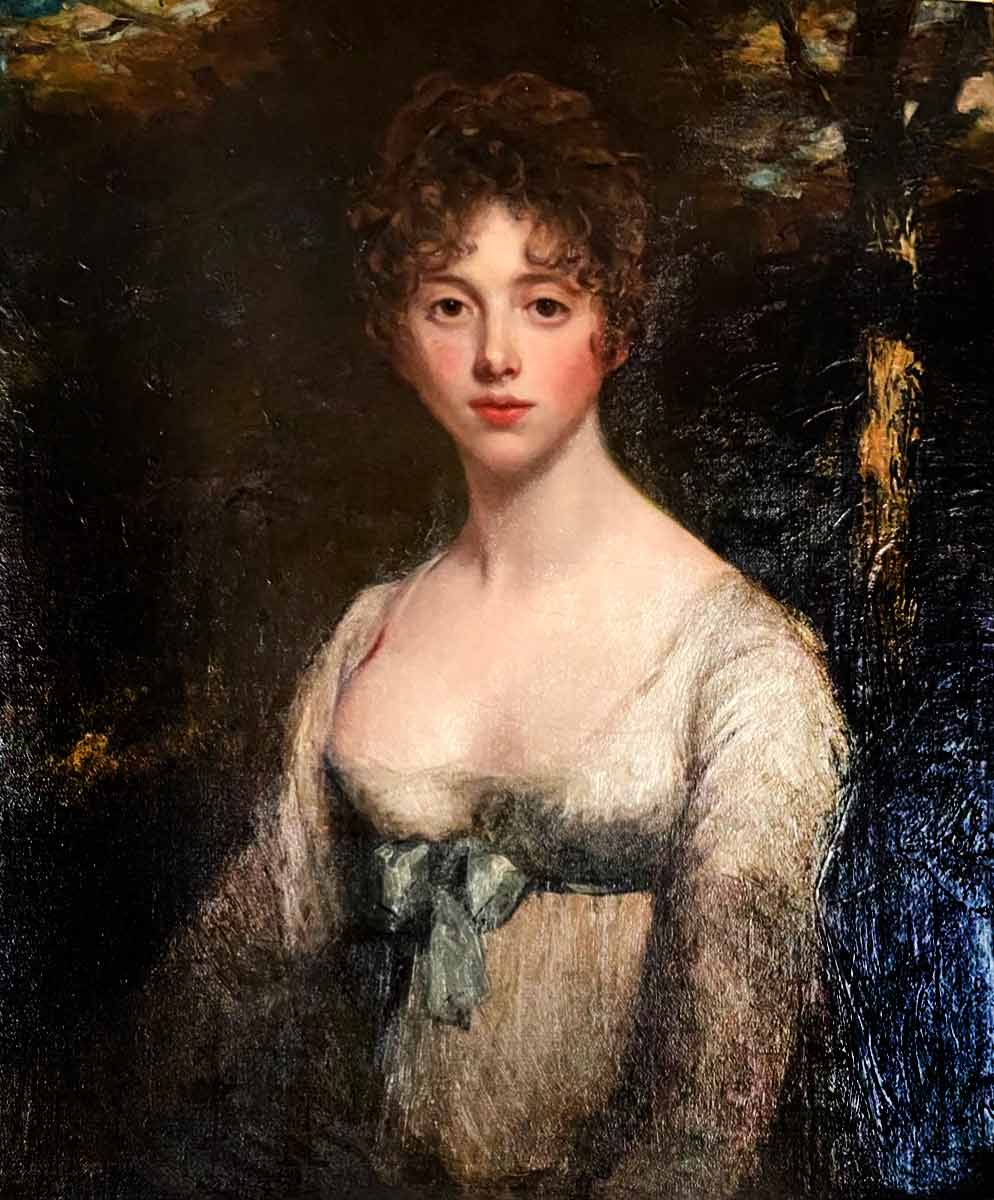
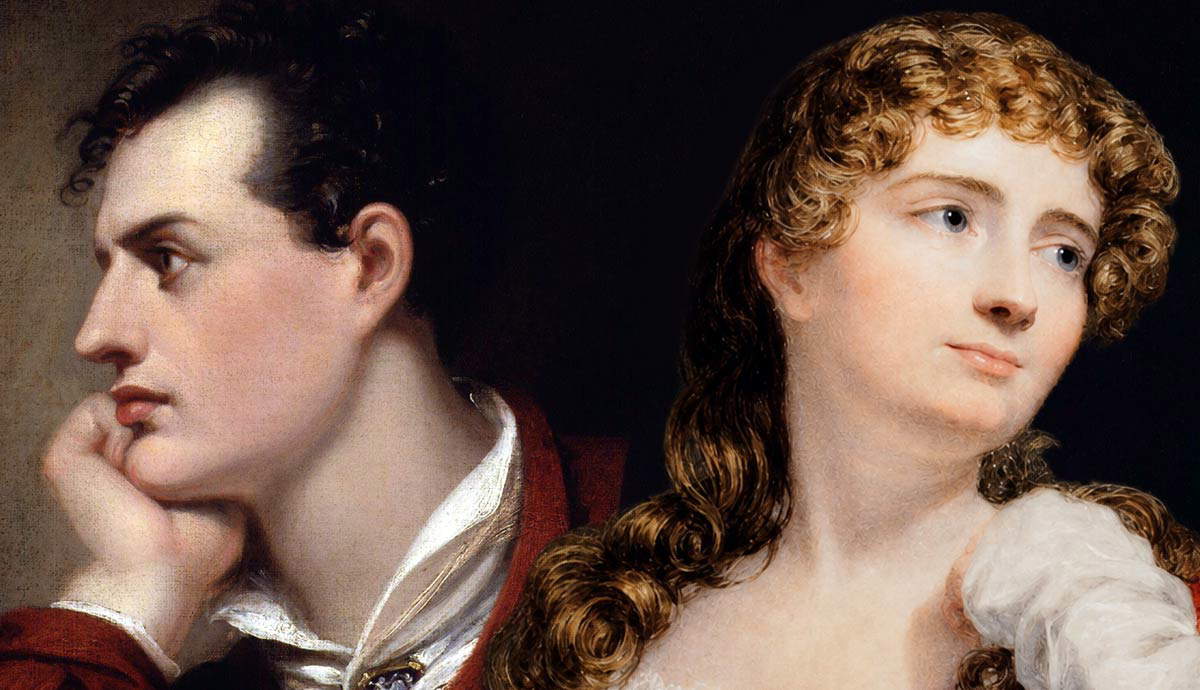
Another famous catchphrase associated with Byron is “mad, bad, and dangerous to know,” attributed to Lady Caroline Lamb after their stormy affair in 1812. In a period full of romans à clef (novels with a key), in which authors depict thinly veiled caricatures of well-known friends and associates, Lamb’s Glenarvon, published in 1816, is particularly notable for its portrait of Byron as a faithless lover. This was the first of many, many works (besides his own) to feature Byron as a character.
Other affairs abounded, some with noblewomen, others with actresses, including at the Drury Lane Theatre, where Byron briefly pursued theatrical aspirations by serving on its sub-committee in 1815. Although he took his seat in the House of Lords, he ultimately made just three speeches: one opposing the death penalty for workers who destroyed new weaving machinery in the throes of the Industrial Revolution, one advocating for Catholic Emancipation, and one urging prison reform.
Incest and Infidelity Behind Closed Doors
“He through Sin’s long labyrinth had run, / Nor made atonement when he did amiss, / Had sighed to many, though he loved but one, / And that loved one, alas, could ne’er be his”
The most scandalous rumor to plague Lord Byron was the charge of adulterous incest. Augusta Leigh was Byron’s half-sister, daughter of Jack Byron and his first wife. Jack was absent from both children’s lives, and they were not raised together, meeting very infrequently until they were in their twenties.
Reports swirled that, whenever they were at parties, the two would retreat into a corner, laughing and joking. Byron later wrote her an epistle (a dedicated poem), suggesting that only with Augusta did he feel he could be his true self. Had they fallen in love, or was it a connection of a different kind?
Despite his reputation, Byron is recorded elsewhere as being no great fan of parties, and perhaps Augusta offered a sympathetic listening ear to her bisexual half-brother amid a social circle which, although Byron was fêted in many ways, could not countenance two men being in love.
One piece of evidence for the relationship being incestuous is a letter Byron wrote shortly after Augusta gave birth to a daughter in 1814, expressing relief that the child was not deformed. Did this betray a worry about children born of incest, or of passing on his club foot, or is there a more innocuous explanation?
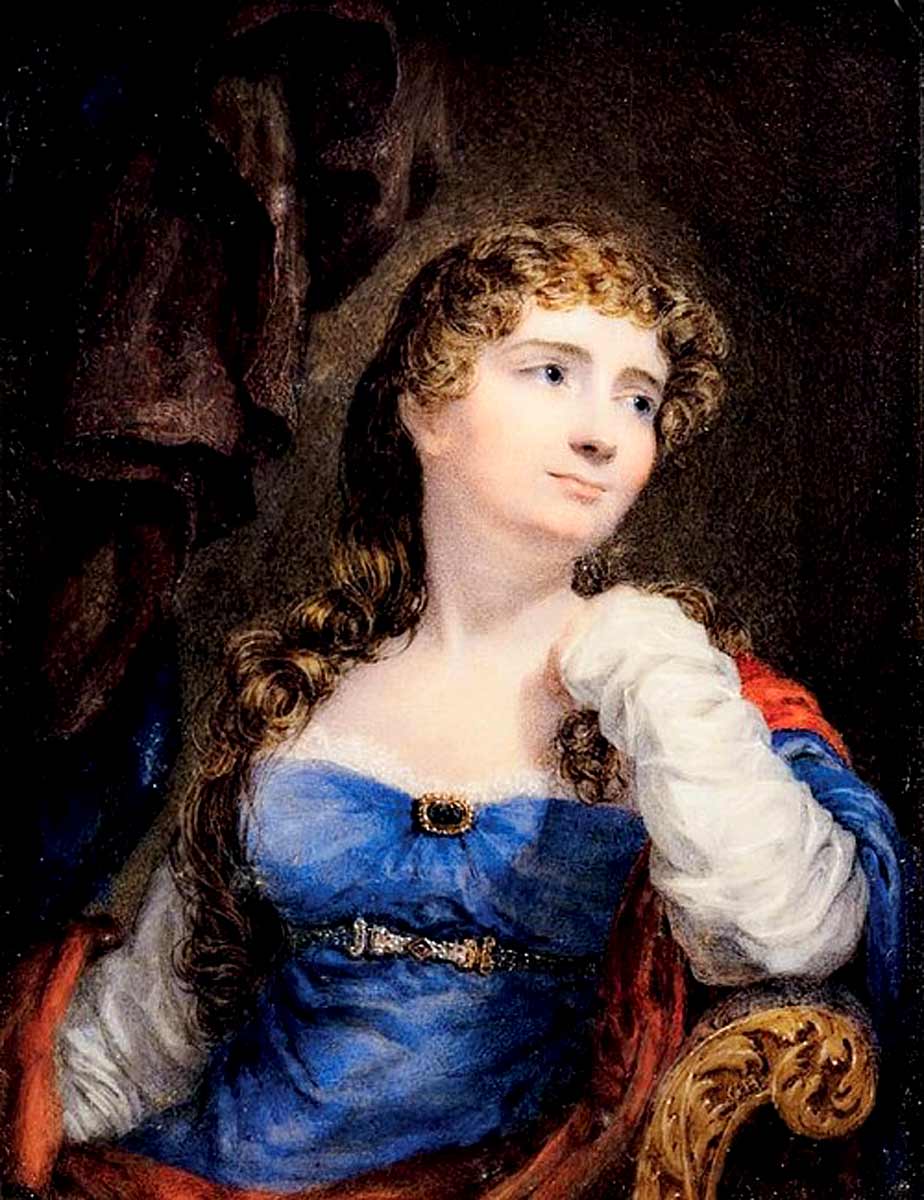
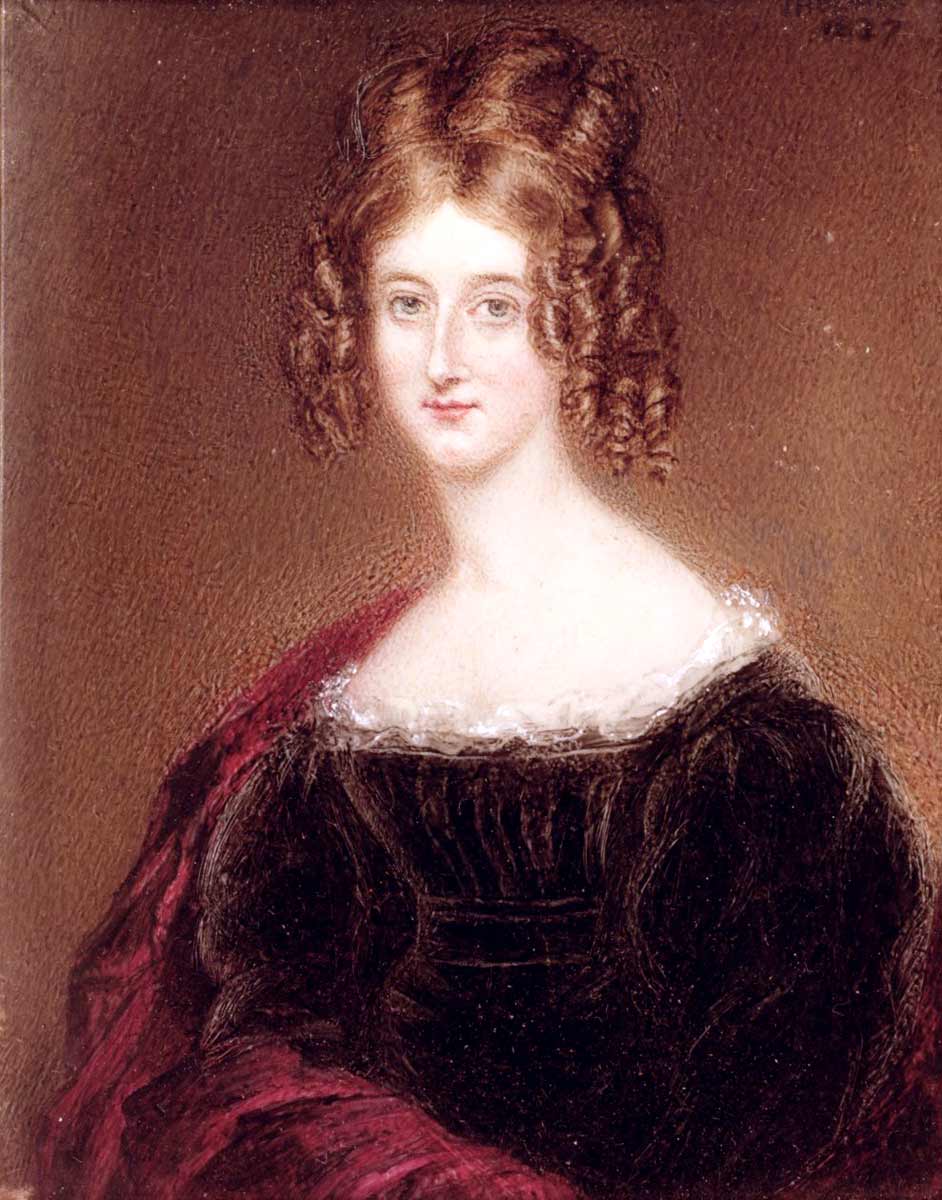
The incest accusations were all the more shocking, and may even have come about in the first place, because Byron continued this alleged affair during his short-lived marriage to Caroline Lamb’s cousin, Annabella Milbanke. A prodigiously intelligent woman, she had set out with the intention to reform Byron’s faults.
But Milbanke soon found herself agreeing with each one of Lamb’s epithets for Byron: mad, bad, and dangerous to know. His moods were volatile, he drank and continued to pursue affairs, and he tormented her during her pregnancy by throwing bottles at the ceiling below the room where she was sleeping. Their daughter Ada, later the renowned mathematician Ada Lovelace, was born in 1815, but the two separated a few months later. (One story alleges that Annabella, now a single mother as Byron’s had been, hid the remaining portrait of Byron behind a curtain and forbade Ada from looking at him.)
Seeking a divorce, Milbanke claimed that Byron was verbally and physically abusive, subjected her to nonconsensual anal sex (although, with or without consent, it was then illegal), and was committing incest with Augusta. Some elements of this are harder to prove than others, and it seems that one of Milbanke’s sources for the incest charge was her cousin Caroline, who had her own reasons for resenting Byron.
Whatever the truth of the matter, the scandal, coupled with mounting debts, which eventually led Byron to sell Newstead Abbey, was enough to make him flee Britain again in 1816, never to return in life.
Public Backlash and the Flight From England
“The world is all before me; I but ask / Of Nature that with which she will comply— / It is but in her summer’s sun to bask, / To mingle with the quiet of her sky”
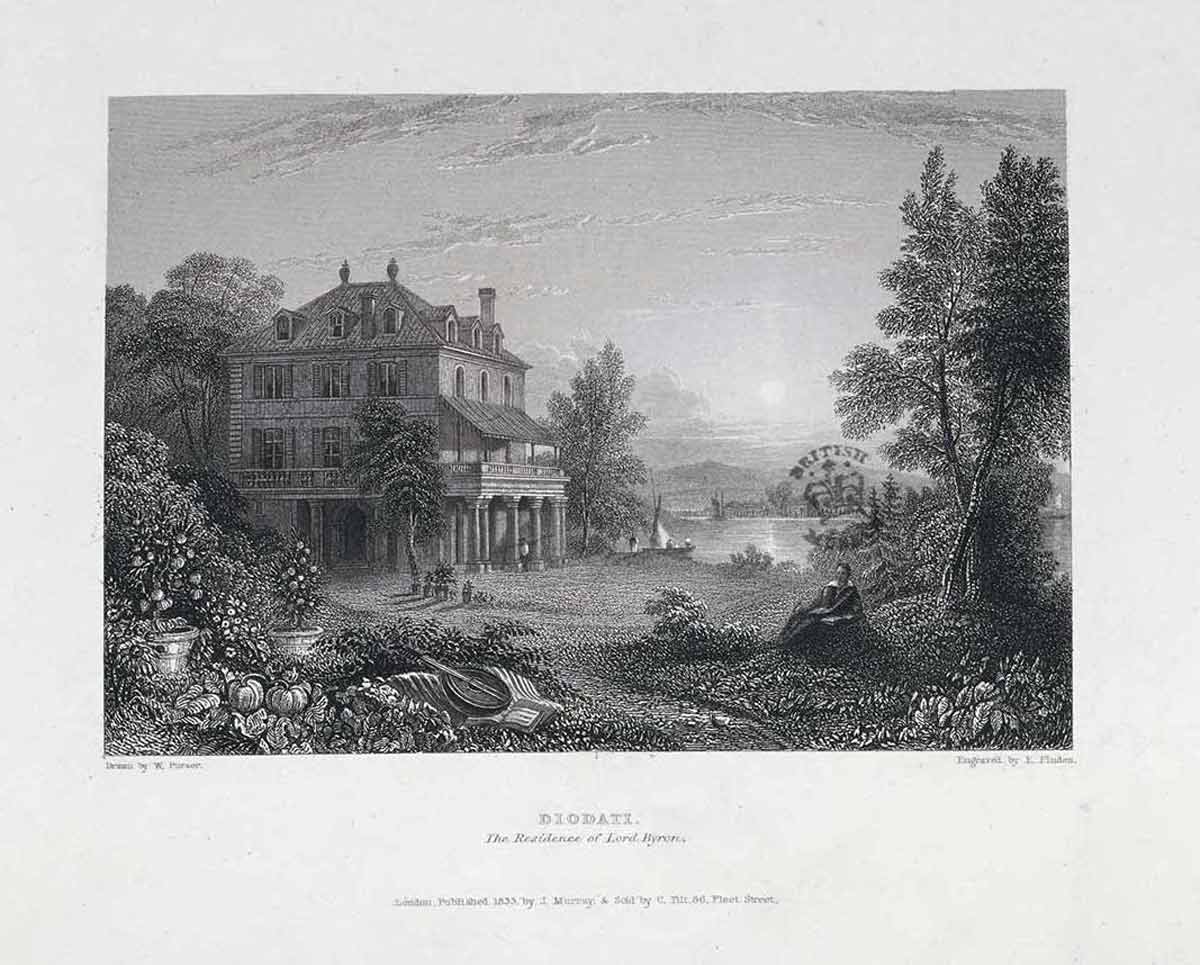
Scandalous reports followed Byron after he left Britain for Geneva. Soon after he and his doctor, John Polidori, settled at the Villa Diodati on the shores of Lake Geneva, they welcomed the poet Percy Shelley, his soon-to-be wife, Mary Godwin, and Godwin’s stepsister, Claire Clairmont.
It was thanks to Clairmont and her literary-theatrical aspirations that the group came into contact with Byron. She had corresponded with him during his stint at Drury Lane Theatre, and when the Shelleys were driven into exile because of their own scandals and debts, she suggested chasing up Byron.
At the Villa Diodati, Byron had an affair with Clairmont which resulted in a daughter, Allegra, whom Byron initially ignored, then arranged to have placed in a convent, where she died of a fever aged just five. Clairmont is quoted, possibly apocryphally, as saying that her affair with Byron gave her “a few minutes of pleasure, but a lifetime of trouble.”
Also at the Villa Diodati, the group held a ghost story contest, whiling away the time when the weather (1816 was the ‘Year Without A Summer‘) kept them indoors. This contest produced, famously, Mary Shelley’s Frankenstein, as well as Polidori’s The Vampyre (more on which below), and a fragmentary vampire story by Byron, later published alongside his poem Mazeppa.
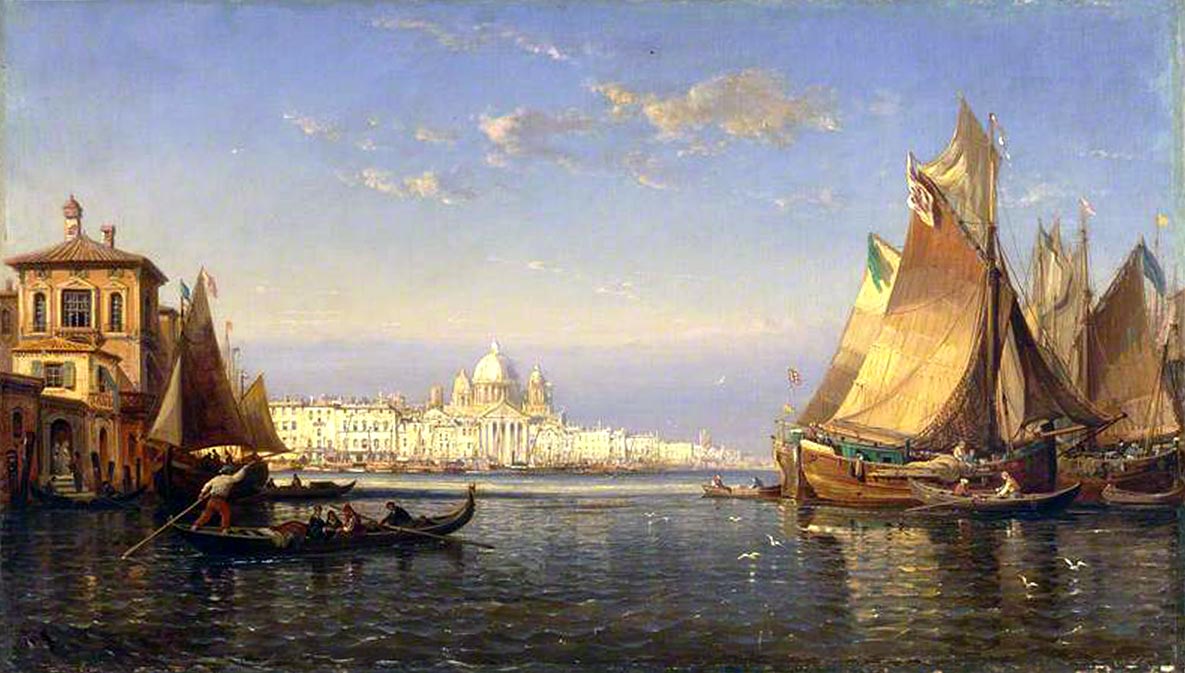
In his customary balancing act, Byron continued to work hard while scandalizing half of Europe. In Geneva, he wrote the third canto of Childe Harold’s Pilgrimage. In Venice, where he pursued affairs with men and women, he also immersed himself in Turkish and Armenian history and culture. This led to his work helping to compile an Armenian-English dictionary in 1821 and, in the same year, his drama Cain, which drew on the Armenian telling of the Biblical story.
From 1817 to 1823, Byron moved around Italy, living in Rome, Venice, Ravenna, Pisa, and Genoa. He wrote another drama, Manfred, which was a Gothic-tinged version of the Faust legend, in which the (again) semi-autobiographical hero, mysteriously plagued by guilt after his beloved’s death, seeks supernatural intervention to redeem himself. (Neither Manfred nor Cain was written for stage performance; these are called closet dramas.)
Illustration for Byron’s Manfred by Juliusz Kossak, 1859. Source: Wikimedia Commons/Polona
In Ravenna, Byron fell for a young aristocratic woman, Teresa Guiccioli. He channeled his now inescapable reputation as a womanizer into another semi-autobiographical long narrative poem, Don Juan, started in 1818 and left unfinished, with seventeen cantos published, on his death in 1824. The hero, Don Juan, is also known in art as Don Giovanni, the insatiable philanderer of Mozart‘s opera.
Yet in Byron’s poem, which returned to the satirical style of English Bards and Scotch Reviewers from a decade earlier, Don Juan is comically revised as a feckless young man, more seduced than seducing. Like Childe Harold in Byron’s earlier poem, Don Juan is an adventurer, his travels on the high seas reflecting the wanderlust instilled in Byron since birth. (Through a happy accident, he missed out on the boating trip in which Percy Shelley drowned in 1822.) Wherever Don Juan goes, he meets a beautiful woman who seems determined to possess him. How can he resist?
Greek Revolution and the Final Act of Valor
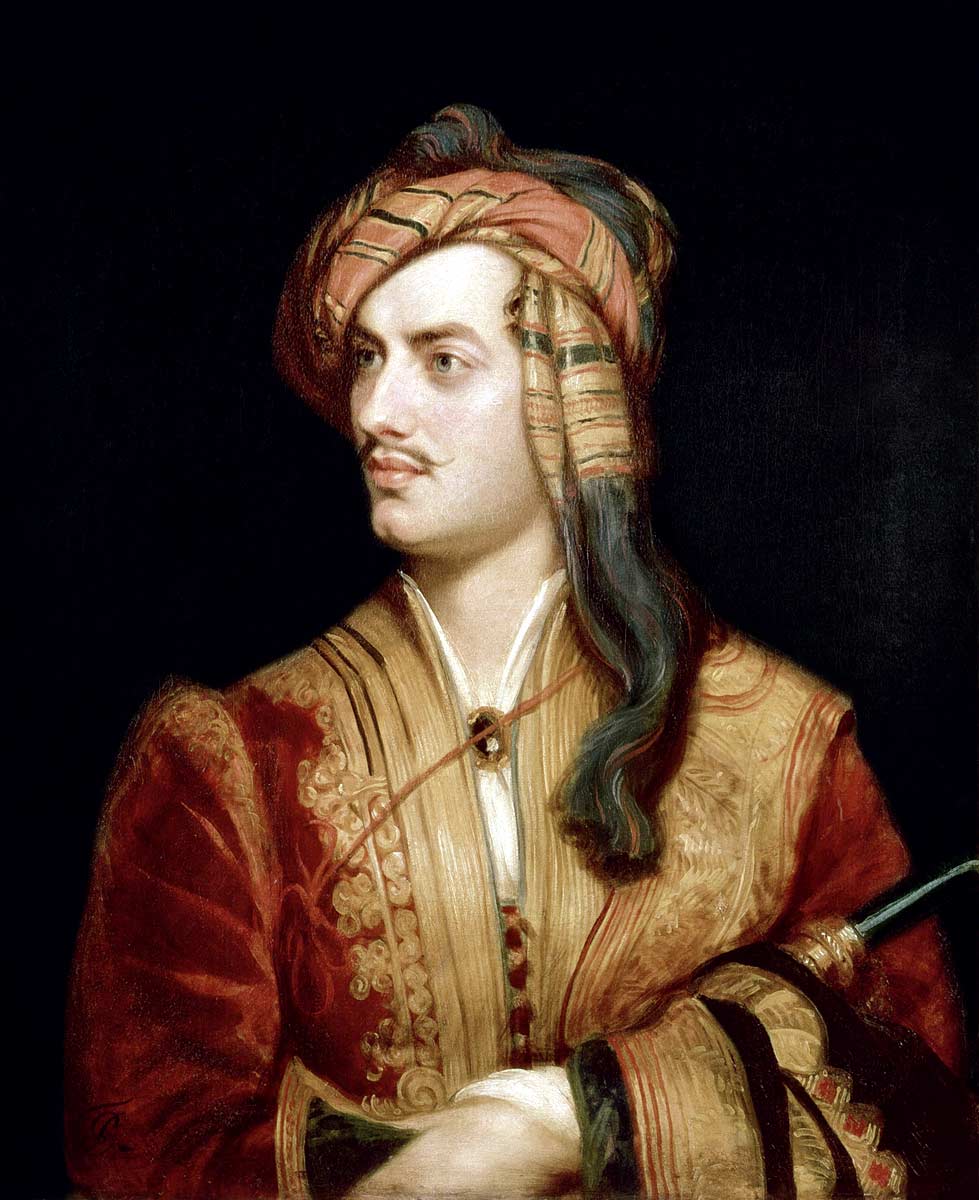
“Seek out—less often sought than found— / A Soldier’s Grave, for thee the best; / Then look around, and choose thy Ground, / And take thy rest”
Byron’s interest in radicalism and revolutions, combined with his interest in the history of Greco-Turkish conflict, inspired him to take up the cause of Greek independence in 1823. He had grown comfortable with Guiccioli, who had left her husband to be with him, and it is tempting to suggest that Byron, like his father, simply could not stay in one place or one relationship for long.
Greece had featured in Byron’s travels and his poetry documenting those travels since as early as 1809. When a revolution broke out in 1821, with Greek forces striking out against the Ottoman Empire, many people back in Britain espoused the Greek cause as Philhellenism, an enthusiasm for Greece rooted in reverence for ancient Greek culture, spread. In 1823, the London Greek Committee was founded. Eventually, they convinced Byron that he might be able to help the cause.
On arrival in Greece, Byron found himself pulled in all directions by rival factions. He primarily provided financial support, although he also got involved with preparing military and naval equipment and made diplomatic efforts among the factions. He was keen to help more practically, and in early 1824, planned to join an expedition to attack Turkish forces at Lepanto.
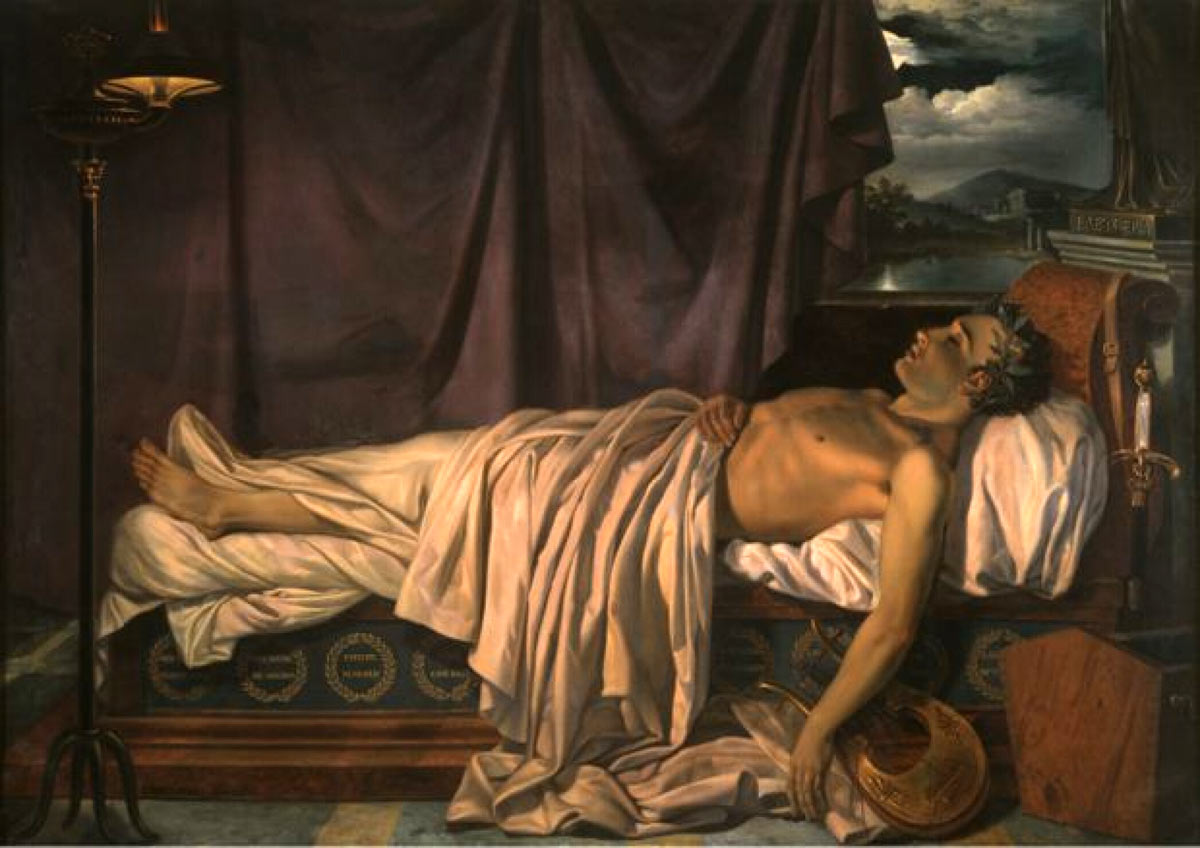
Byron’s final poem, written on his birthday in January 1824 at Missolonghi before the expedition set sail, captures both his military ambitions and his looming awareness of his own mortality, though he was only 36. Despite the poem’s valiant call to action, Byron himself did not reach a “Soldier’s Grave,” as he fell ill with fever before the Lepanto expedition departed. Local doctors bled him with leeches, which only weakened him, and he died in April without seeing battle.
Against his wishes, his body was returned to England. Nevertheless, he was mourned as a hero in Greece, recognized for the symbolic (and financial) contribution he made to Greek independence.
The Eternal Myth of the Byronic Hero
“But I have lived, and have not lived in vain: / My mind may lose its force, my blood its fire, / And my frame perish even in conquering pain, / But there is that within me which shall tire / Torture and Time, and breathe when I expire: / Something unearthly, which they deem not of, / Like the remembered tone of a mute lyre, / Shall on their softened spirits sink, and move / In hearts all rocky now the late remorse of love.”
Few poets have become immortalized in adjectives as meaningfully as Lord Byron. To be ‘Byronic’ is to encapsulate the myriad complexities of this charismatic, cruel, conflicted, and compelling poet.
Thanks in part to fictionalized portraits by Caroline Lamb, John Polidori, and Byron himself, literature gained the stock character of the Byronic hero: brooding, mysterious, haunted. Polidori’s portrait of Byron as the vampire Lord Ruthven in The Vampyre was significant in transforming literary vampires from the monstrous creatures of folklore into all-too-human, aristocratic charmers, an image they have been unable to shake off ever since.
The heady combination of scurrilous rumors and insistent self-mythologizing in Byron’s life and works also created a lasting idea of the Romantic poet. While Percy Shelley, John Keats, and others also influenced the stereotype, the notion of the Romantic poet as a dashing young man in an open-collared shirt, composing his verses in the open air, scandalizing mere mortals wherever he goes, and hurtling headlong towards a tragically untimely death, owes in large part to Byron.
His poetry is sometimes overlooked in favor of stories about his life, especially the underestimated extent of his reverence for 18th-century poetry, unlike his more radical contemporaries in Romanticism who departed from what they considered outmoded traditions. But this poetry is inextricable from his life story, since he made his scandalous life into art.