
It’s hard to separate life, legend, and literature when it comes to Mary Shelley. As the author of Frankenstein, she created a monster which outgrew the pages of her novel and took on a huge stature (often greenish, seamy, with bolts in its neck) of its own. While many know Shelley as the inventor of this proto-science fiction tale, plenty of people also know her as the young woman who was swept into the world of English Romantic literature by Percy Shelley. Is there more to the life of this remarkable Romantic?
Mary Shelley’s Illustrious Parents
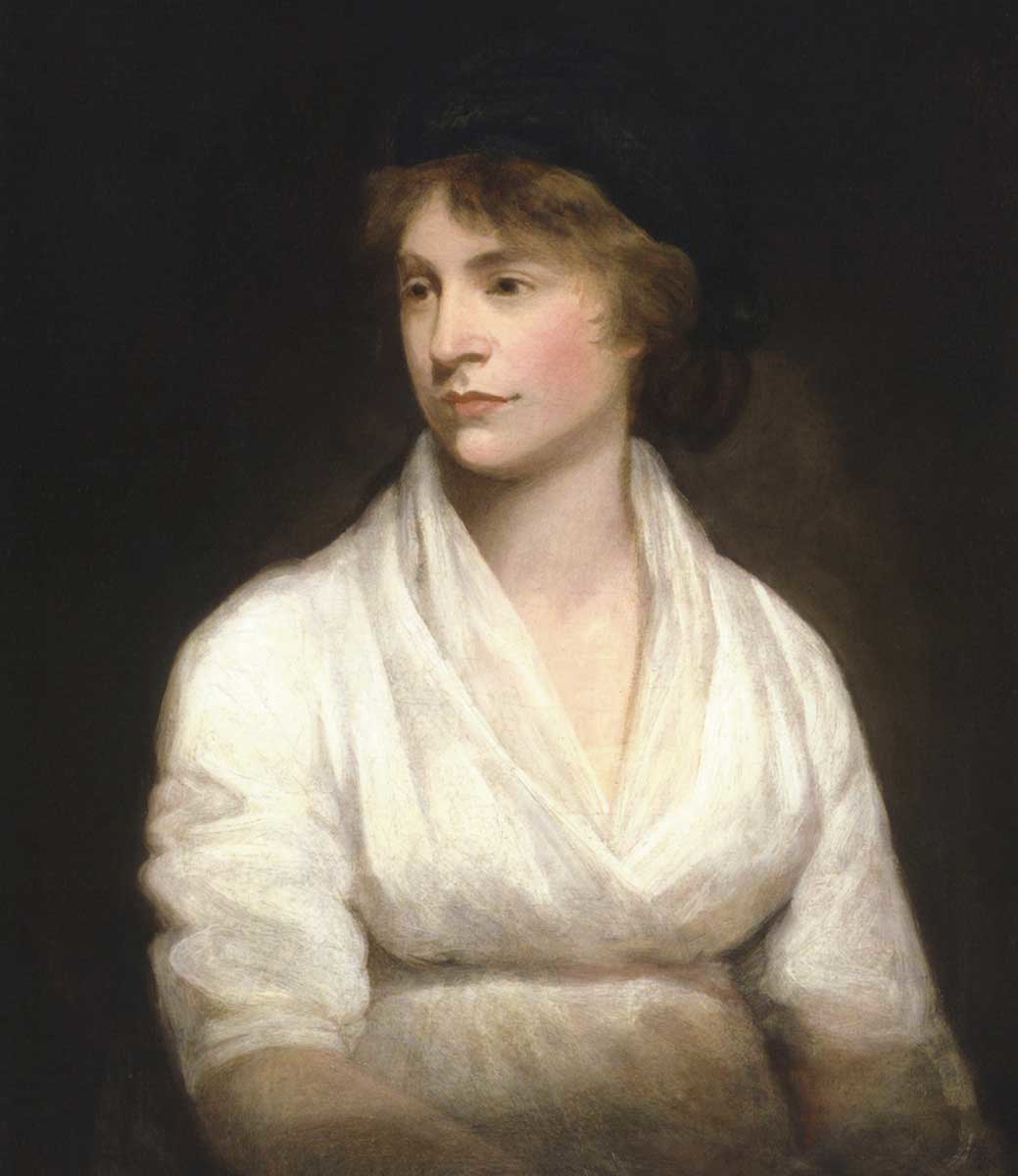
With parents like hers, Mary Shelley was destined for literary fame. She wasn’t a modern-day ‘nepo baby’ so much as a child of pure intellectual radicalism. Mary Wollstonecraft Godwin, as she was named at birth on August 30, 1797, was the only child of a short-lived marriage between two of Britain’s most prominent enlightened thinkers: Mary Wollstonecraft and William Godwin.
The marriage was short-lived (just five months) for two reasons. Firstly, Wollstonecraft and Godwin had known each other for years before they married. From a stormy start after a heated debate at a mutual friend’s dinner, they fell in love when they were reintroduced a few years later. Initially, there was no question of getting married.
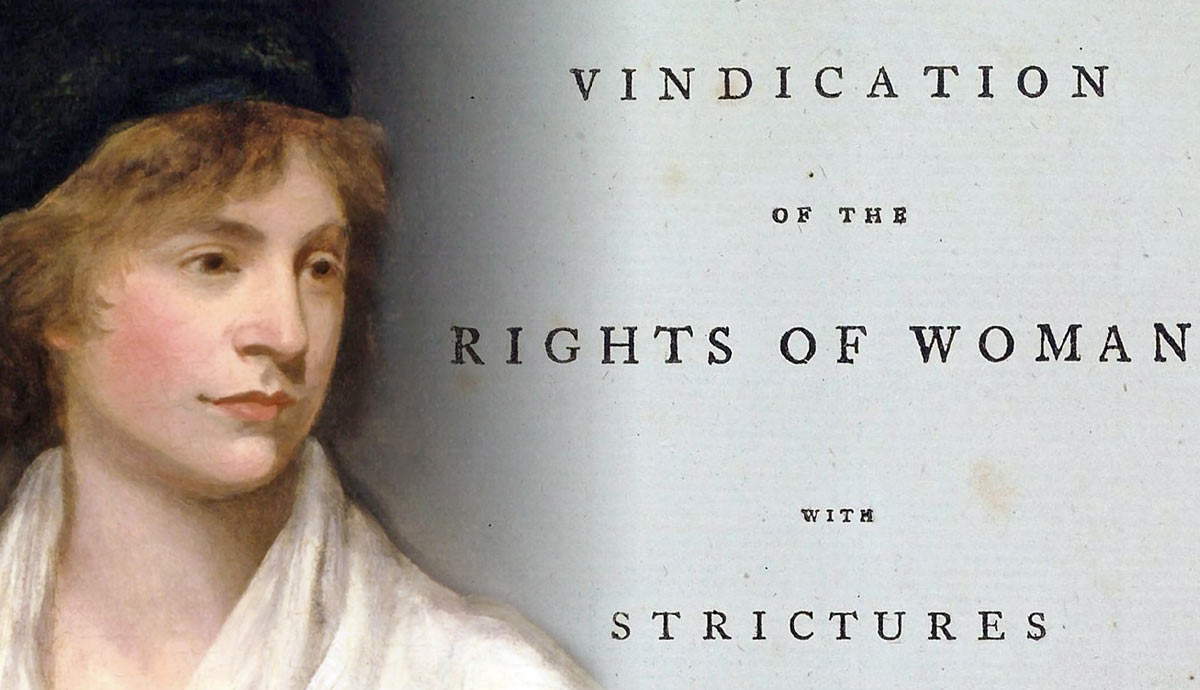
Most know Wollstonecraft nowadays as a pioneering feminist and the author of A Vindication of the Rights of Woman (1792). In this tract, Wollstonecraft argued that women were restricted by the expectation to make an advantageous marriage at all costs. What little education they received was aimed at making them decent wives rather than useful members of society.
Although she was not against partnerships between men and women, marriage, in its current state, struck Wollstonecraft as an unequal contract. Pursuing a relationship outside marriage—even a sexual one, contravening the moral standards of her society—was not unusual for Wollstonecraft. Before Godwin, she had attempted to found a partnership of equals with the painter Henry Fuseli (who was already married) and the explorer Gilbert Imlay (with whom she had a daughter, Fanny).
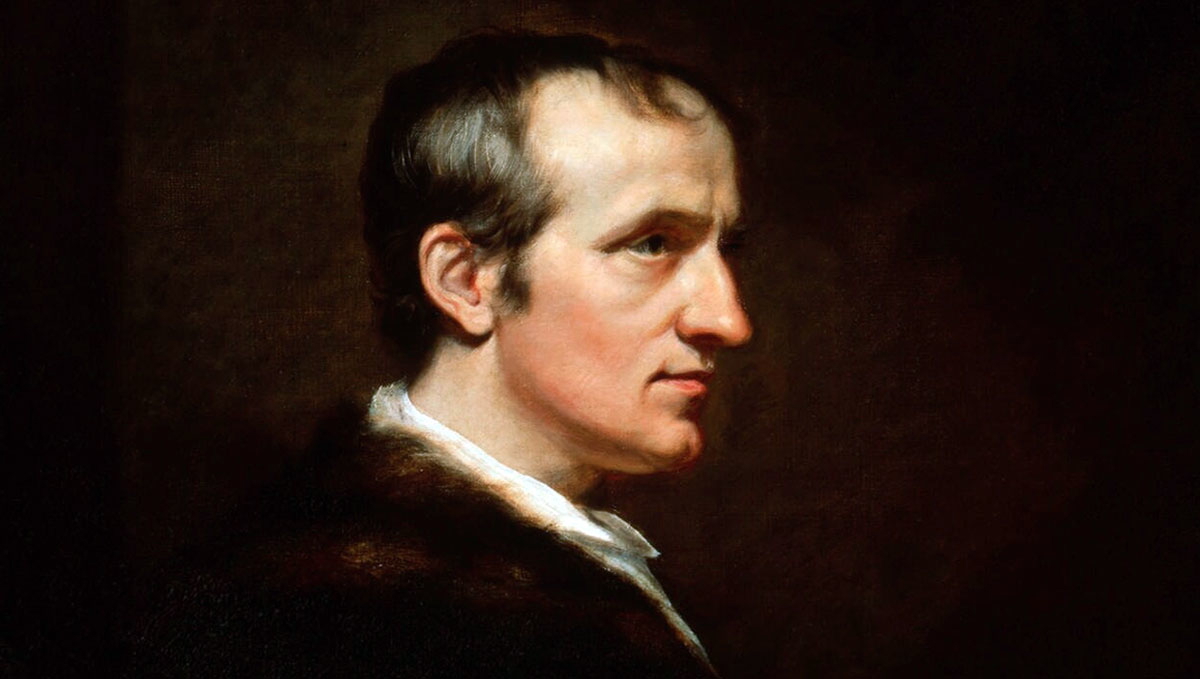
Godwin was also interested in living outside established norms, putting into practice the ideas in his best-known work, An Enquiry Concerning Political Justice (1793). The notion of free love was just one facet of the book’s anarchism. Godwin believed that any exertion of state control over the individual ought to be scrutinized, from monarchy to property ownership to marriage.
As it turned out, the couple bowed to convention, getting married once Wollstonecraft discovered she was pregnant, so that their child would be legitimate. Although this cost Godwin several of his more radical supporters, far more importantly, he lost Wollstonecraft soon afterwards. On giving birth to Mary, she contracted a childbed fever and died within a fortnight.
Young Mary Godwin would never know her mother, though she may have heard scandalous gossip following the publication of William Godwin’s memoirs about her, which made publicly known her extramarital relationships. Aged four, Mary gained a stepmother when Godwin married his neighbor, Mary Clairmont, and a stepbrother and stepsister, Charles and Claire, joined the household along with her half-sister, Fanny Imlay.
Although Mary had no formal education, her father made sure she was well-read in literature, history, philosophy, and the sciences. Godwin may not have been the most present father, with his attentions increasingly drawn in multiple directions by the demands of his new family, but he was set on Mary becoming a writer. For a while, Mary enjoyed a level of parental support many female writers of the period did not receive.
She Ran Away With a Romantic Poet
Ironically, Mary lost her father’s support by living up to the radical principles he and Wollstonecraft had instilled in their daughter.
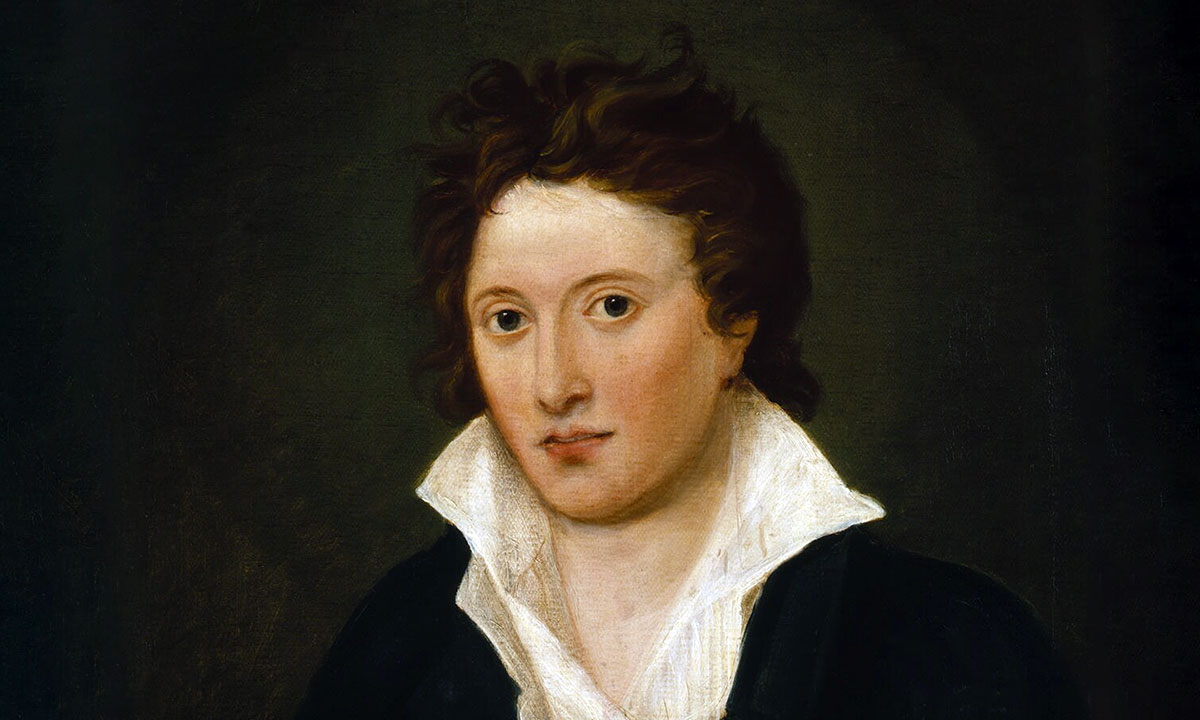
Percy Bysshe Shelley was 21 when he began visiting the Godwin household frequently, drawn by the prospect of conversation with the author of Political Justice, a work he considered formative. By this time, Shelley had already begun circulating poetry that some publishers rejected as too radical and had been expelled from University College, Oxford, for distributing a set of poems and tracts titled The Necessity of Atheism.
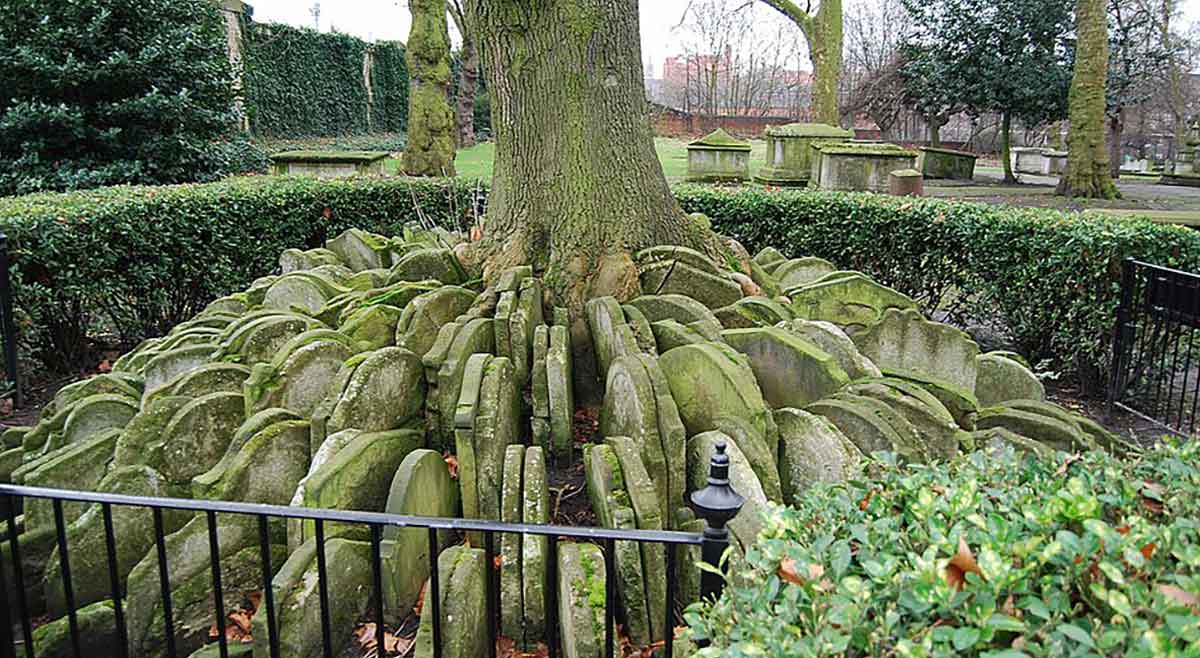
It’s not clear exactly what happened in the churchyard of St. Pancras, at Mary Wollstonecraft’s grave, in summer 1814. The story is shrouded in the kind of speculation that fuels our ongoing fascination with the figures of the Romantic period. Some say this was where Mary Godwin, aged 16, first declared her love to Percy Shelley. Some say this was where they first slept together.
Undoubtedly, St. Pancras’s churchyard had become a place of solace for Mary, who went there to think, read, and write, undisturbed by her stepfamily. Writing was her favorite hobby. What she loved most, she later recalled, was “the formation of castles in the air—the indulging in waking dreams” (Shelley 1831, introduction). She had learned to read by tracing her hand, with Godwin’s help, over the letters on Wollstonecraft’s gravestone. The place couldn’t have been closer to her heart.
In a rerun of her mother’s entanglement with Fuseli, however, Mary and Percy faced an important barrier to their relationship—he was already married. Despite his advocacy of free love, Percy had convinced the 16-year-old Harriet Westbrook to join him in re-envisioning what marriage might look like. All of this idealism became more complicated when he met and fell in love with Mary.
Godwin was not pleased at the prospect of his bright, brilliant daughter living with a political firebrand and spendthrift who had already displayed a tendency to flit from one woman to another. When Godwin tried to prevent the relationship, the couple decided to elope. They set their sights on France, accompanied by Mary’s 16-year-old stepsister Claire.
The Infamous Ghost Story Contest
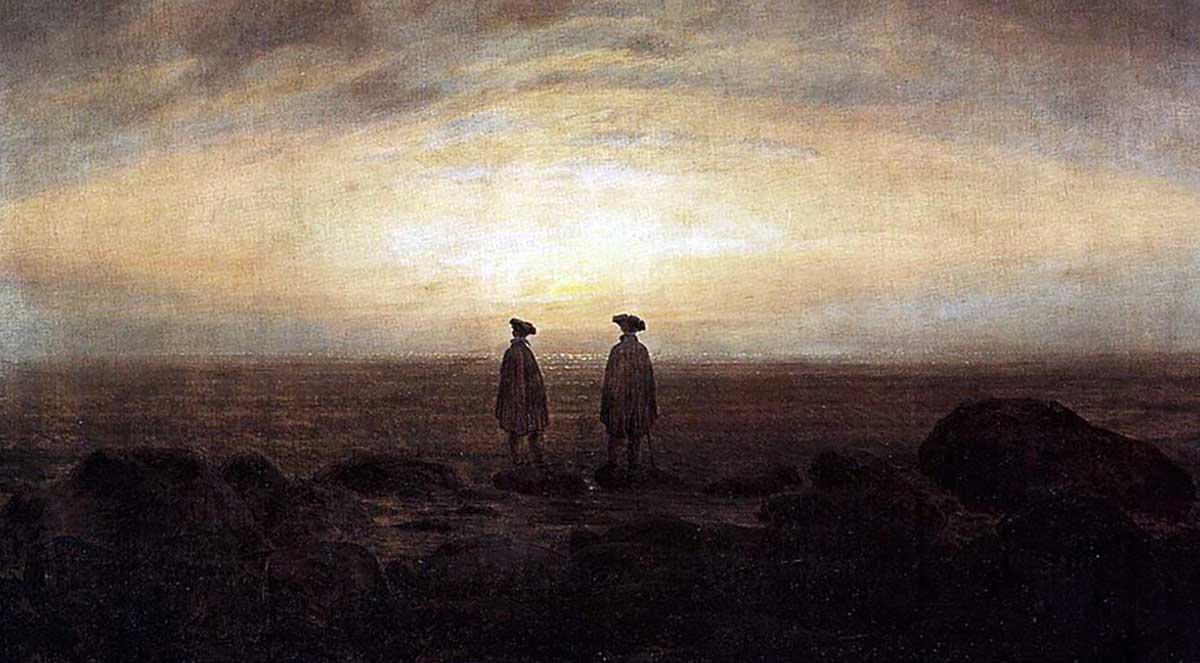
Thanks to Claire, the Shelleys ended up making a return trip to the Continent in 1816. They had gone back to England the previous year, low on funds, Mary about to give birth. Her daughter was born prematurely and died within a couple of weeks. Depressed, she and Percy remained in London, and before long, they had a son, William, born in January 1816.
In the meantime, Claire was pursuing a poet even more infamous than Percy Shelley. Hoping to become a writer or actress, she began sending letters to, then visiting, Lord Byron at the Drury Lane Theatre, where he briefly served on a committee. Their blossoming affair need not be hindered, Claire felt, by Byron’s separation from his wife (amid rumors of abuse and incest with his half-sister) and self-exile in Europe. No, she and the Shelleys would follow him.
By May 1816, Byron was staying at the Villa Diodati, on the shores of Lake Geneva in Switzerland, with his doctor, John Polidori. Mary, Percy, their months-old son William, and Claire took up residence nearby.
It was a “wet, ungenial summer,” Mary later wrote, “and incessant rain often confined us for days to the house” (Shelley 1831, introduction). 1816 has since been famously termed a ‘year without a summer,’ the skies clouded and temperatures cooled by the aftershocks of the eruption of Mount Tambora in Indonesia the previous year. What could these five literary lights—all, to a greater or lesser degree, aspiring authors—do but hole themselves up and tell ghost stories?
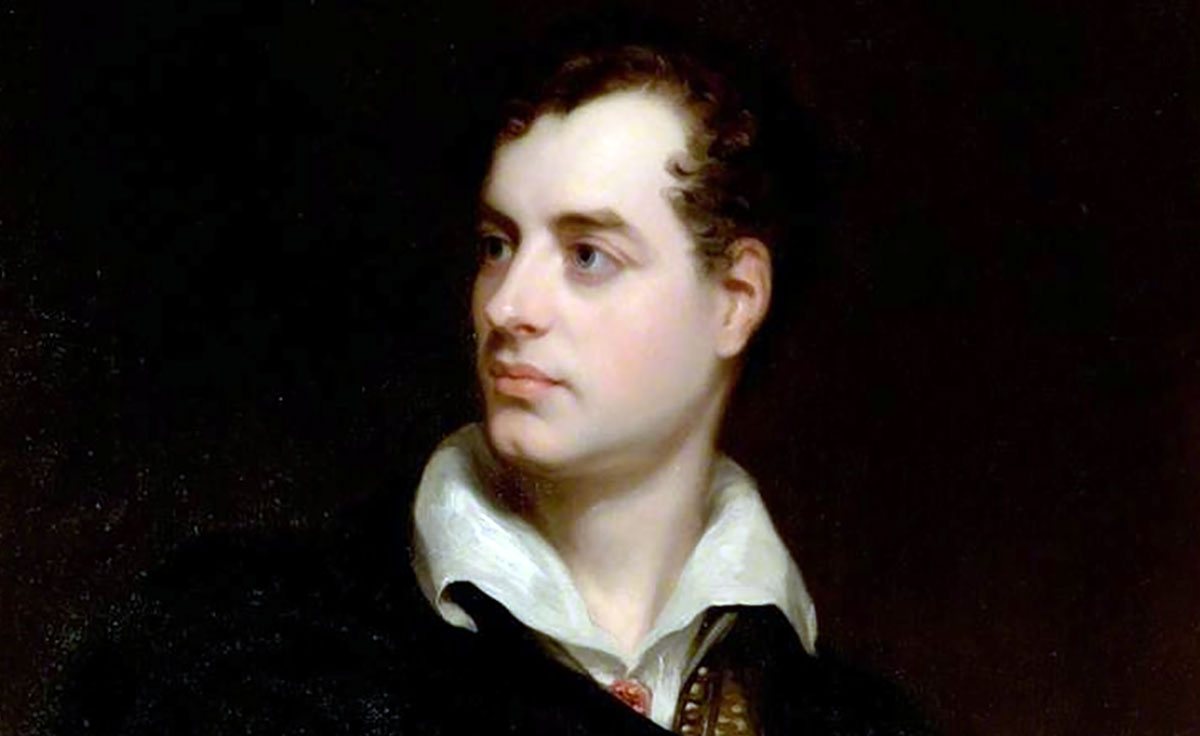
After they had warmed up with a German collection called Fantasmagoriana, Byron suggested they each try to write their own ghost story. A sense of competition sprang up among them. Byron began a story, later published as a fragment, about a vampire. Polidori also wrote about a vampire, a conspicuously aristocratic vampire with some similarities to his patient. Percy Shelley channeled their talk about ghosts and spirits into his poem Hymn to Intellectual Beauty.
Growing more and more mortified, Mary struggled in vain to think of a story. She couldn’t conjure something out of nothing. What had she and her companions been touching on in their intellectual discussions? Experimental science, the origins of life, galvanism—using electrical currents to animate organisms as if they were alive. She pondered: “Perhaps a corpse would be re-animated” (Shelley 1831, introduction).
All it took now was a terrifying dream—of course, in this dreary, hallowed location, she could expect to have terrifying dreams—and Frankenstein was born. She began to write, and two years later, her “hideous progeny” (Shelley 1831, introduction) was published.
She Really Did Write Frankenstein as a Teenager
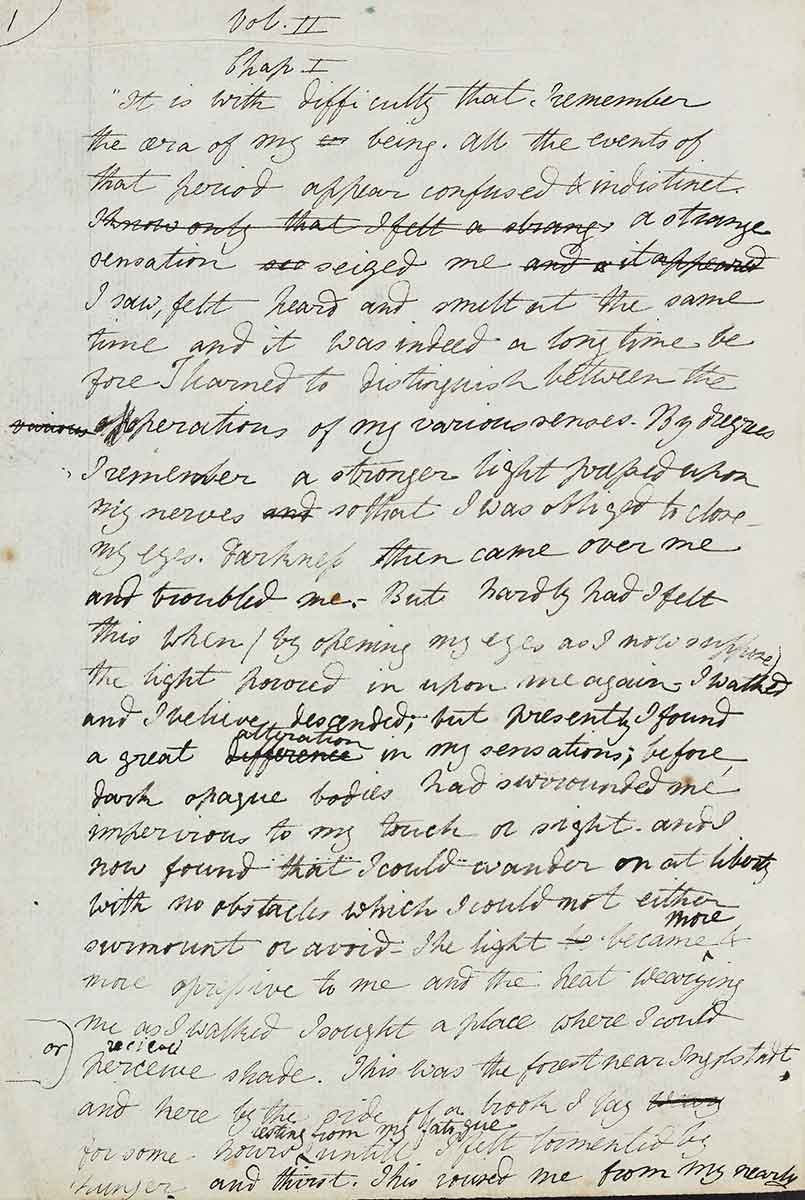
Appearing anonymously, with a preface by Percy Shelley and dedicated to William Godwin, Frankenstein, or the Modern Prometheus (1818) was initially attributed to one or other of these prominent men.
Mary Shelley’s own introduction to a later edition, in 1831, credited Percy with encouraging her to expand the dream she had in Geneva into a fully fledged novel. She also set the record straight about its authorship: although he wrote the preface, she was responsible for inventing the whole story. After all, forming “castles in the air” and “indulging in waking dreams” had been her favorite activities since early childhood.
Now scarcely more than a teenager—just 20 when the novel was first published—Mary did not initially receive recognition for Frankenstein and its flights of imagination. She had not put her name to the first edition because some of its themes, especially its ambitious protagonist assuming the role of a God-like creator, might prove controversial.
But critics have debated the extent of Percy’s involvement ever since 1821, when her name first appeared on the title page. Some have argued that the novel is an instance of such close artistic collaboration, with the couple moving in the exact same intellectual circles and corresponding so closely on all of their ideas that it is impossible to separate their individual contributions.
Others argue that it is entirely Mary’s work, with Percy only providing minimal editorial suggestions, which can be spotted in different editions in 1818, 1823, and 1831, as well as in Mary’s original notebooks for the novel.
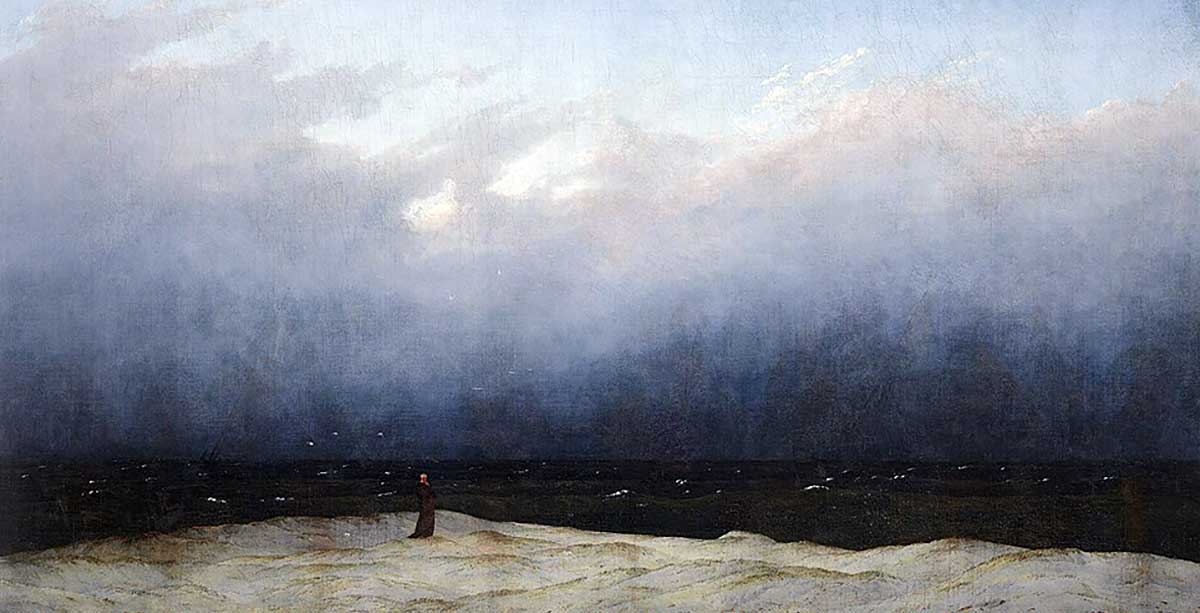
It’s possible that some readers over the decades have found it difficult to believe that an 18-year-old woman, as Mary was when she began Frankenstein, could turn out to be the progenitor of an entire genre we now call science fiction. Yet Mary’s own account of the novel’s origins, in her 1831 introduction, shows how she benefited from a rich intellectual circle and a predilection for Gothic stories.
Moreover, Frankenstein bears an emotional resonance that only Mary could have given it. It is a story of brilliant, negligent fathers: her portrait of Godwin. It is a story about a child whose entrance into the world brings devastation to his creator: her pain, perhaps, at never knowing Wollstonecraft. Its reflections on life, loneliness, and abandonment came from an author who knew the pains of both losing a child and being a lost child.
Perhaps, even, the novel’s wronged women (Frankenstein’s doomed love Elizabeth, the wronged servant Justine, the creature’s female companion who is destroyed before she is even born) come from Mary Shelley’s firsthand experience of women being cast aside: her mother, Shelley’s first wife Harriet, and Claire, who apparently said that “a few minutes of pleasure” with Byron had caused her “a lifetime of trouble.”
Mary Shelley’s Romantic Life
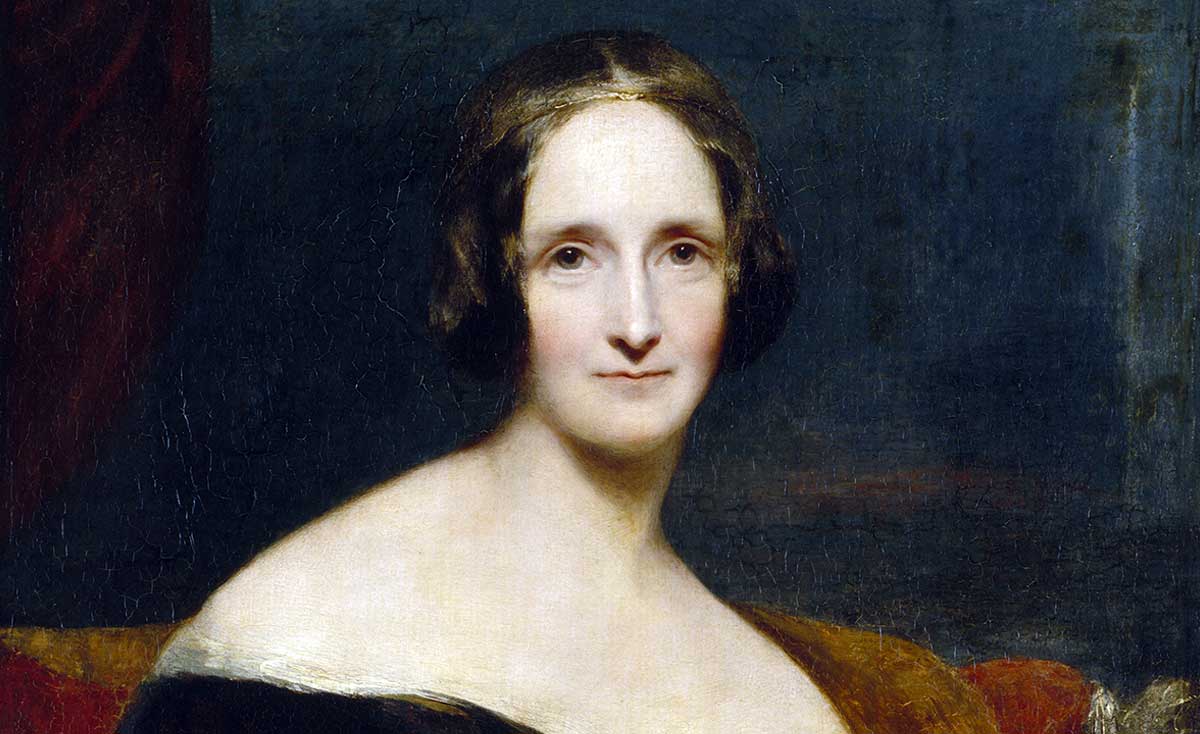
From the moment she was born, Mary Shelley was a true Romantic: unshackled by convention, always in search of knowledge, and unafraid to let her imagination roam free. Frankenstein, of course, went a long way towards confirming her status among Romantic writers, but like most of these writers, she continues to fascinate because of her life as much as her work.
After the infamous summer of 1816, she and Percy returned to England for what would be their final stint there together. Tragedy awaited them. In quick succession, they learned of the suicides of Fanny Imlay (Mary’s half-sister) and Harriet Shelley (Percy’s wife). Clouded in scandal, Percy and Mary got married, partly to gain custody of the two children Percy had had with Harriet. To make matters worse, Claire, who was still living with them, soon gave birth to Lord Byron’s daughter, Allegra.
Dogged by emotional trauma, ill health, mounting debts, and outrage at their unconventional domestic arrangements, the Shelleys left England for good shortly after the publication of Frankenstein in early 1818. They made for Italy, home of several Englishmen and women who found their native country’s social mores too restrictive (including Byron).
While their life in Italy was freer, Mary faced even more tragedy in these years. She lost another daughter in September 1818, and the following year, her son William died aged three. Ultimately, the couple’s only child to survive into adulthood would be Percy Florence, born later in 1819.
Did She Keep Percy’s Heart?
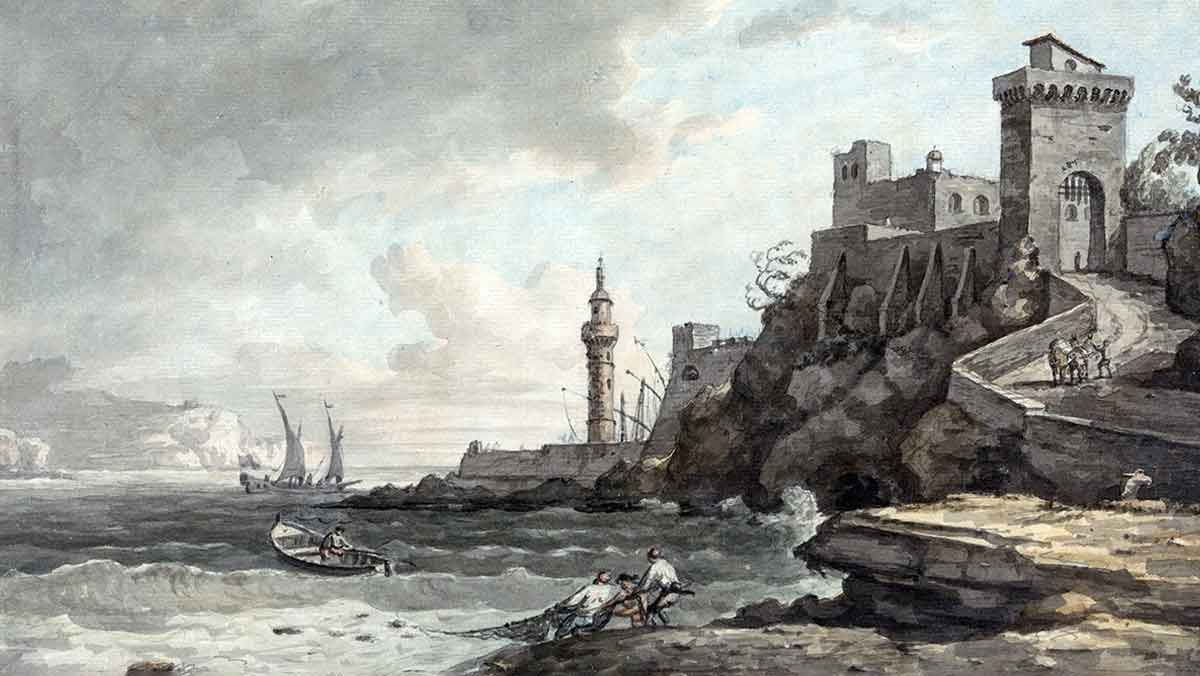
Tragedy struck again in 1822, when Percy drowned in a boating accident. Mary herself had had a near brush with death a few weeks before, during a miscarriage. Although Percy’s quick thinking (stanching the bleeding by sitting Mary in a bath of ice water) probably saved her life, the couple had become distant in recent years. Loss after loss weighed heavily on Mary, while Percy kept up his lifelong tendency to wander from woman to woman, in keeping with his belief in free love.
In July, Percy set off from the coast near Livorno with his friend Edward Williams (with whose wife Jane he was having an affair) for a sailing trip. They never returned. Ten days later, their bodies washed ashore near Viareggio.
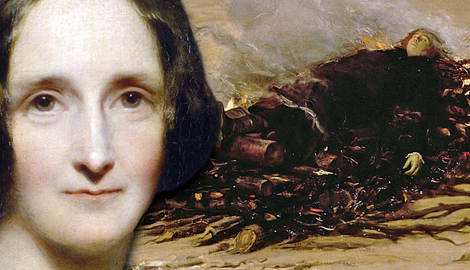
A much later painting by Louis Édouard Fournier depicts the cremation of Shelley’s body on the beach, inaccurately showing Mary at the scene. An infamous Romantic story, possibly fabricated by Edward John Trelwany, a friend of the group who was at the cremation, tells that Shelley’s heart remained intact, calcified during the drowning. Trelawny wrote that he reached in and took the heart.
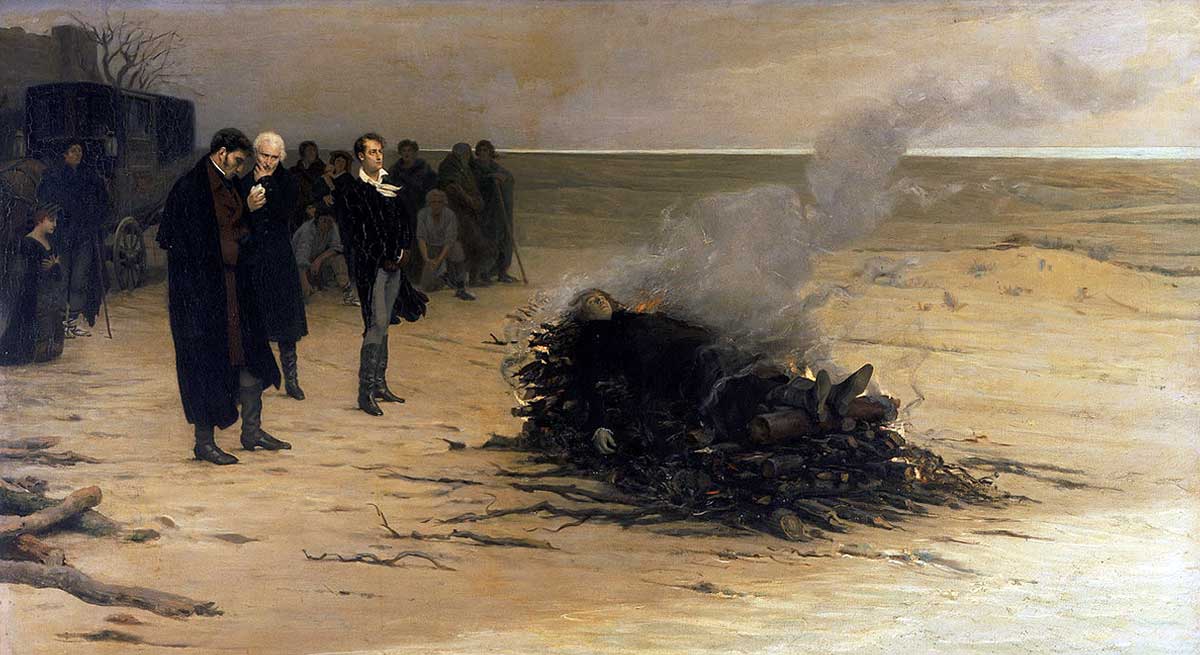
Of course, the idea of Shelley’s heart surviving the flames lent itself well to the fast-growing mythology around the Romantic poet. It made him sound like a saint—their bodies, too, could miraculously overcome death and decay.
It helped that when Shelley’s body was found, a copy of John Keats’s poem Lamia was found in his pocket. Shelley had written his own poem, Adonais, a year earlier to eulogize his fellow Romantic poet, and in this final act of myth-making, he united their legacies. Byron was soon to follow, carving out his own noble end fighting for Greek independence in 1824.
It may not have been Percy’s heart that made its way back to Mary. This is a suitably Gothic idea which overlooks the fact that, for his heart to survive cremation, he would have to have had some form of heart disease, and there is no evidence for this. Possibly, what Trelawny managed to preserve was Shelley’s liver, or some miscellaneous remains. Either way, Mary kept these, along with his ashes, in a silk parcel on her desk, wound round with a page from his poem Adonais.
More practically, she acted as guardian of Percy’s legacy by managing his estate, overseeing the editing and publication of his literary works, and raising their son, Percy. These are far more prosaic contributions to the story of the Shelleys than the tale of the calcified heart, but equally as important for sustaining the mythology which continues to intrigue us today.
What Else Did Mary Shelley Write?

Outliving her husband by 30 years, Mary Shelley had her own legacy to think of. Most know her as the teenage author of Frankenstein, but after Percy’s death, she resolved to make her living by writing and continued to publish novels.
Valperga (1823) and The Fortunes of Perkin Warbeck (1830) were both historical novels, turning to real episodes from Italian and British history to explore questions about political systems and the power of the individual. Mary’s interests echoed those of her father, William Godwin, with whom she was now reconciled and who helped edit some of her works for publication. He refused, however, to help with the novel Mathilda, not published until 1959, in which a (possibly unreliable) heroine narrates the tale of her father’s incestuous desire for her.
Possibly her most impressive novel, The Last Man (1826), is a precursor to the disaster or apocalypse genre. With autobiographical nods to the late, great men of her life, Percy Shelley and Lord Byron, the novel imagines a future world devastated by a pandemic. It is a striking, haunting piece of dystopian fiction, with ever more relevant reflections on how societies might respond to climate crises.
Along with Frankenstein, this novel demonstrates Mary Shelley’s great contribution to Romantic and Gothic literature, showcasing her extraordinary imagination—what she had called a passion for building castles in the air—as founder of two literary genres: science fiction and disaster fiction.
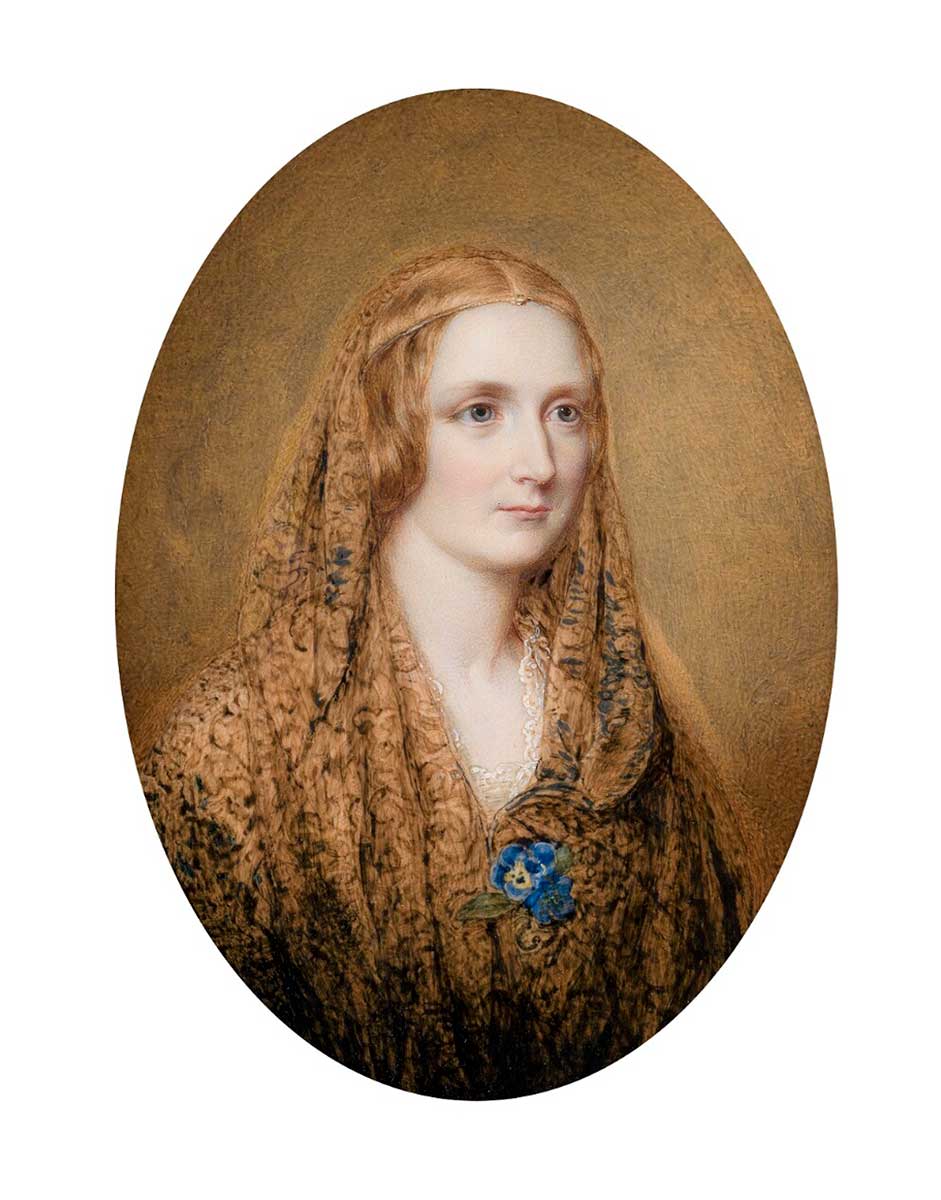
Mary Shelley never married again, though she kept up close friendships with many figures from the Romantic circles she and Percy had frequented. She lived out her mother’s feminist ideals by assisting downtrodden or cast-out women wherever she could.
When she became ill with a probable brain tumor in the 1840s, she made plans to be buried with her parents in the churchyard where it had all begun: St. Pancras. But when she died in 1851, her son Percy decided against this sombre resting-place and had her buried in Bournemouth, near where he was living.
To fulfill her last wish, he had Wollstonecraft’s and Godwin’s remains exhumed and reburied in Bournemouth. Percy Shelley’s heart—or whatever it was that had been saved from the fire—was buried there too.
Bibliography
Shelley, Mary (1831). Frankenstein, or the Modern Prometheus. Project Gutenberg edition.