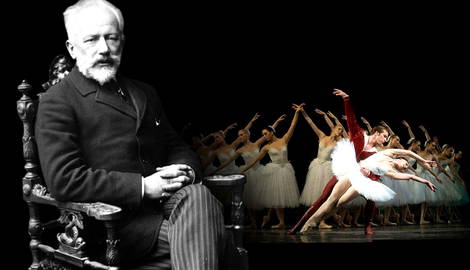

Now synonymous with Russian music, the name “Tchaikovsky” once attracted controversy in his native country and beyond. Listeners ever since his lifetime (1840-1893) have tussled over how Russian or Western his music is, how innovative or traditional it is, and how much it reveals his personal life. From his ill-fated marriage to his untimely death, Tchaikovsky’s life has been persistently read into his music, but is music just a diary of feeling? What made Tchaikovsky remarkable, and how did he come to compose some of the world’s best-loved music? These five foundational compositions track the volatile trajectory of a tragic genius who revolutionized classical music while wrestling with his own internal
| Composition | Genre | Year of Premiere | Key Theme/Context |
|---|---|---|---|
| Piano Concerto No. 1 in B♭ minor, Op. 23 | Concerto | 1875 | Triumph over rejection; noted for its horn introduction. |
| Swan Lake | Ballet | 1877 | Forbidden love; features Wagnerian influences and symbolic themes. |
| Eugene Onegin | Opera | 1879 | Pathos and universal emotions; based on Pushkin’s novel. |
| The Nutcracker | Ballet | 1892 | Bittersweet escape; known for its “easy” and enchanting melodies. |
| Symphony No. 6 in B minor, Op. 24 (Pathétique) | Symphony | 1893 | Tragedy and haunting emotion; often linked to the composer’s personal life. |
1. Piano Concerto No. 1 in B♭ Minor, Op. 23 and the Triumph Over Rejection
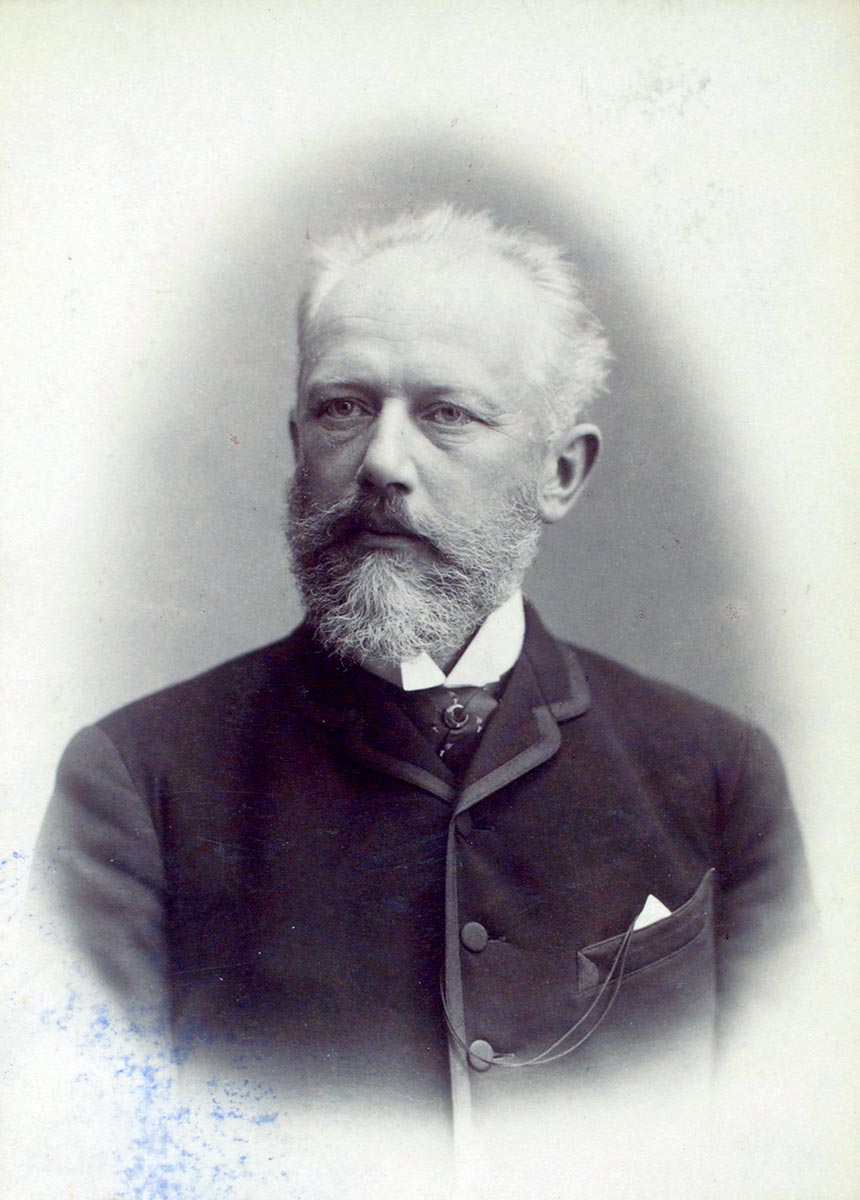
Firstly, it’s important to understand the conditions for Russian composers in the mid-19th century, when Pyotr Ilyich Tchaikovsky, born in 1840 and initially trained as a lawyer, began to write music.
No Russian composers were known worldwide, nor even across much of Russia itself, until the success of the opera composer Mikhail Glinka in the first half of the 19th century. By and large, Russian composition encompassed folk and sacred music, whose composers were not as prominent as those of classical music or what is sometimes called art music (such as operas, symphonies, concerti, and sonatas), to be played for contemplation, leisure, and entertainment.
The pianist and composer Anton Rubinstein is a good example of the exodus of musicians from Russia at this time due to lack of opportunity, having made his name in Western Europe where patrons and institutions were more readily available to support music. Returning to Russia in mid-century, Rubinstein was determined to change the musical landscape. He set up Moscow‘s Russian Musical Society in 1859 and the St. Petersburg Conservatory in 1862, where he and his brother Nikolai taught, among others, the young Tchaikovsky.
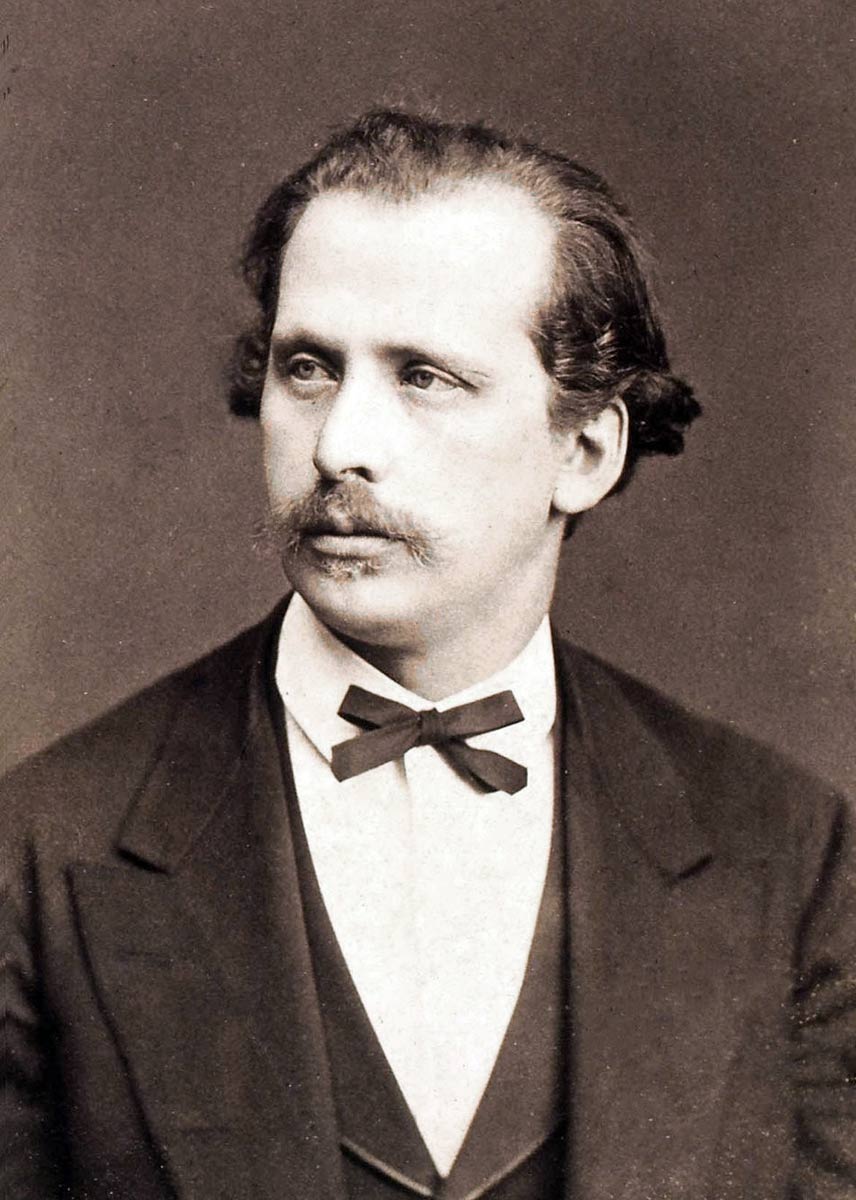
Tchaikovsky’s First Piano Concerto was written for Nikolai Rubinstein, a piano virtuoso like his brother (concerti are traditionally three-movement showpieces written for one solo instrument backed by an orchestra). But Rubinstein initially disparaged the piece and refused to give its debut performance. Possibly, this was to do with the unorthodox but distinctive horn introduction to the first movement, which takes place not in the piece’s key of B♭ minor but in its relative major, D♭ major. Rubinstein branded the piece messy, derivative, and, worst of all, unplayable.
Tchaikovsky (refusing to submit to Rubinstein’s demands to alter the piece) sought another pianist, Hans von Bülow, who ended up premiering the piece in Boston in 1875, where it was a great success. Although Rubinstein soon came around, the incident with the First Piano Concerto was just the first time Tchaikovsky would find greater success abroad than at home and stir up debates about what Russian composition ought to sound like.
2. Swan Lake and the Melancholy of Forbidden Love
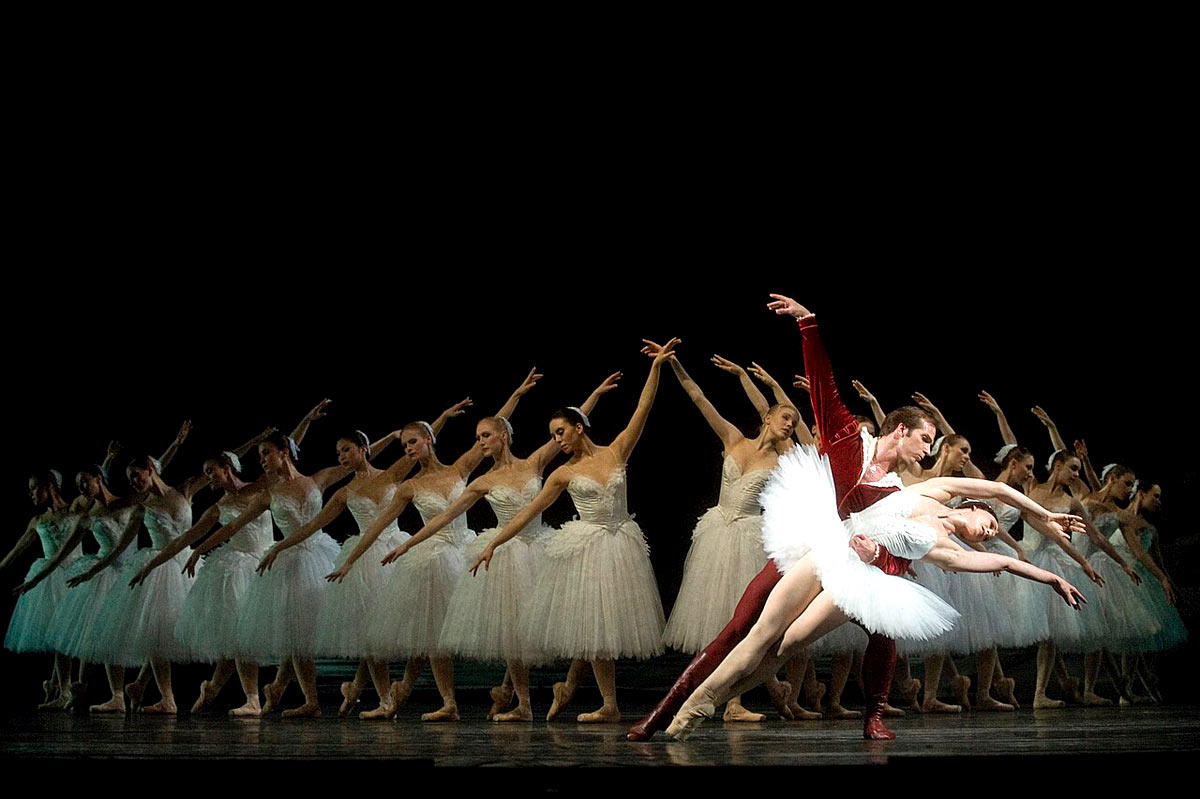
Both Tchaikovsky’s most famous work and one of the most famous ballets of all time, Swan Lake tells the tragic tale of the love between Prince Siegfried and Odette, a beautiful woman who has been turned into a swan by an evil sorcerer.
While trying to break the curse, Siegfried is led astray by Odile, the sorcerer’s daughter and Odette’s doppelgänger. The ballet’s apotheosis is Odette’s heartbroken vow to die following Siegfried’s betrayal rather than remain a swan for eternity, and Siegfried’s resolution to join her in plunging into the lake.
Swan Lake unites a timeless story of impossible love with the enchantments of fairy tale, a visually entrancing spectacle (with particularly demanding roles for the ballerina portraying Odette and, often the same person, Odile), and some of Tchaikovsky’s most beguiling music. That said, it was not a roaring success on its premiere in Moscow in 1877. Initial critics took issue with the ballet in part because it was a little too German for their liking.
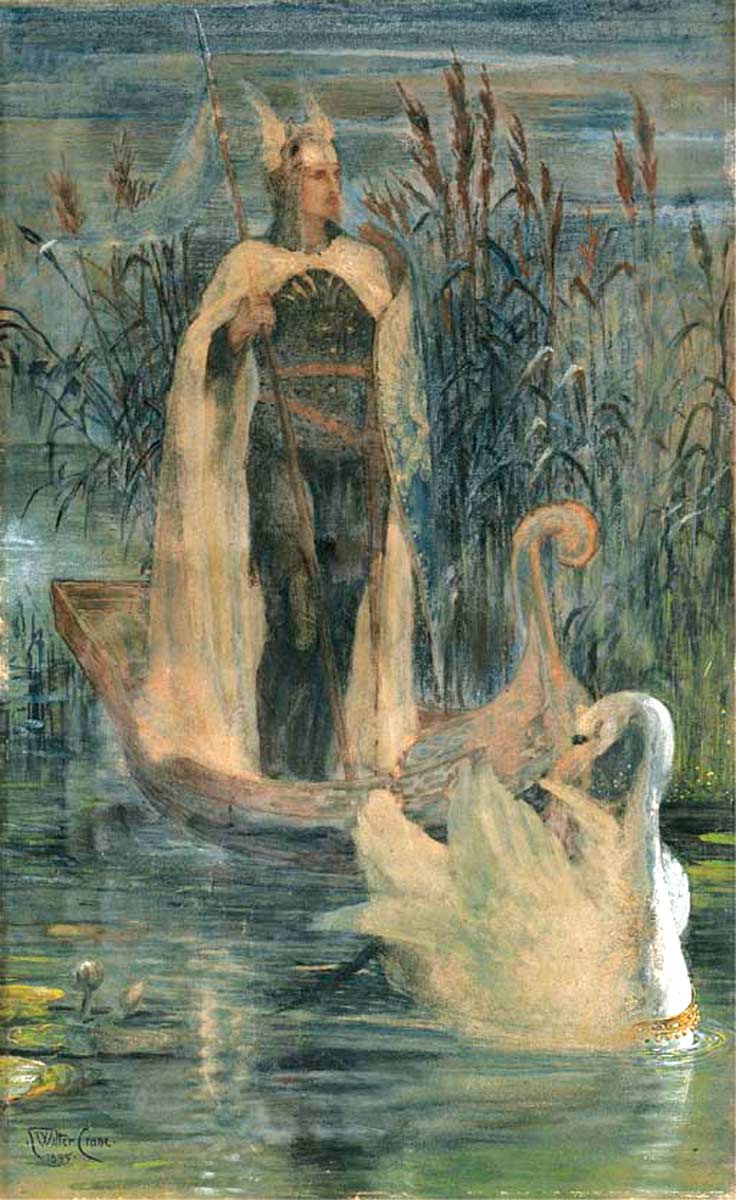
Swan Lake did have various German influences. Reports differ as to the author of the ballet’s original libretto, but the story has much in common with German fairytales, and with other nineteenth-century ballets from France, for instance, which tended to be set in Germany. This reflects Germany’s prominence in this period within the Europe-wide movement towards rediscovering national myths, legends, and fairytale or folk material—Richard Wagner‘s four-opera cycle, Der Ring des Nibelungen, was a notorious and epic revival of German legend.
Tchaikovsky was influenced by Wagner’s operas, which feature a hero named Siegfried who unwittingly betrays his true love, and which elsewhere (in Lohengrin and Parsifal) use the swan as a symbol of innocence, purity, and sacrifice. Like Wagner, Tchaikovsky dotted leitmotifs throughout his score, associating a passage of music with a specific character or idea, even giving each main character their own key. The plaintive Swan Theme, played on the oboe in B minor (the key associated with the Swan Maidens), is now one of the most beloved passages in Tchaikovsky’s oeuvre, but at the time contributed to critical opinion that the work was too Wagnerian.
Another German influence on the ballet was Wagner’s friend and patron, King Ludwig II of Bavaria. Ludwig styled himself as a Swan King during his increasingly reclusive life, bedecking his castles (including Neuschwanstein, or New Swan Rock) with swan imagery drawn from fairytales and Wagner’s operas. The association was later compounded when Ludwig, in mysterious circumstances, died by drowning in a lake.
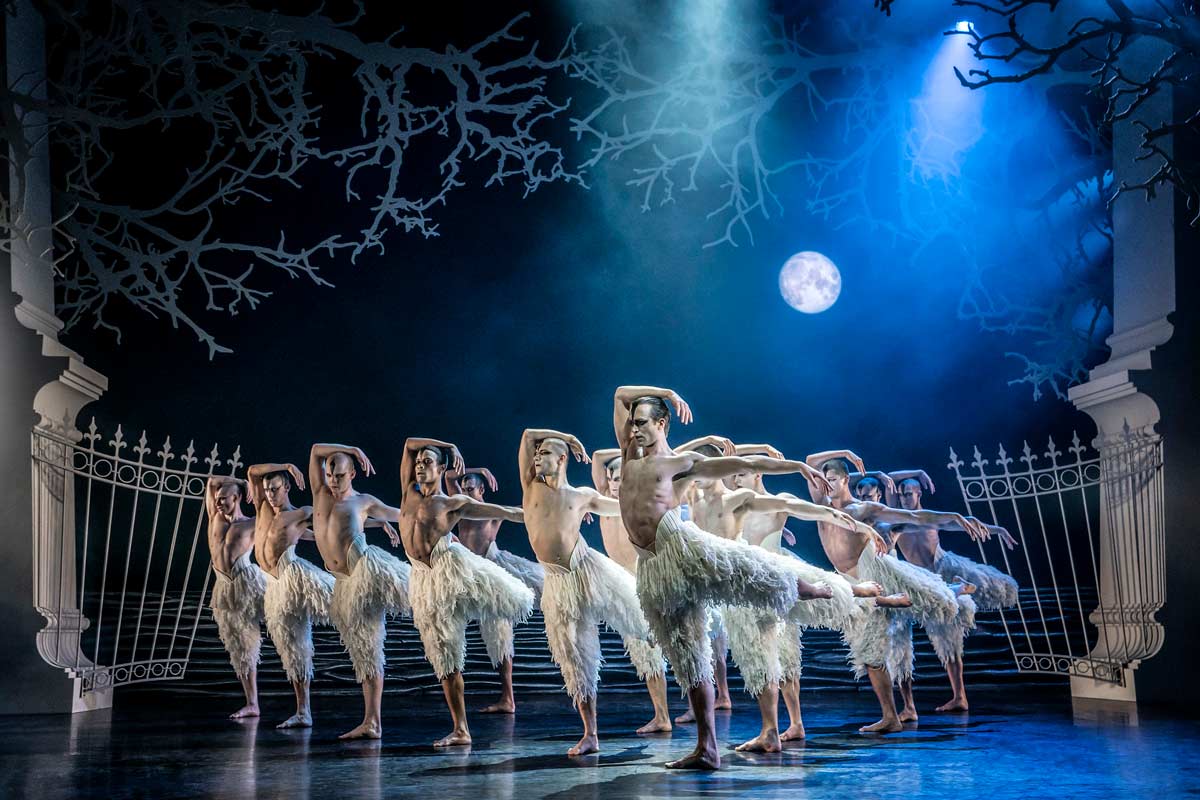
Tchaikovsky may have seen Ludwig as a prototype for Prince Siegfried, who is not only enamored by a swan maiden but, at the beginning of the ballet, highly averse to marriage. In Ludwig’s case, and Tchaikovsky’s own, though neither could voice it openly, this aversion to marriage was a result of their homosexuality, and audiences of Swan Lake have long interpreted its story of thwarted love as a coded expression of gay desire (Tchaikovsky’s homosexuality was an open secret in his lifetime, more on which below). This has led to reinterpretations such as Matthew Bourne’s 1995 all-male staging of the ballet.
3. Eugene Onegin and the Reflection of Life’s Pathos
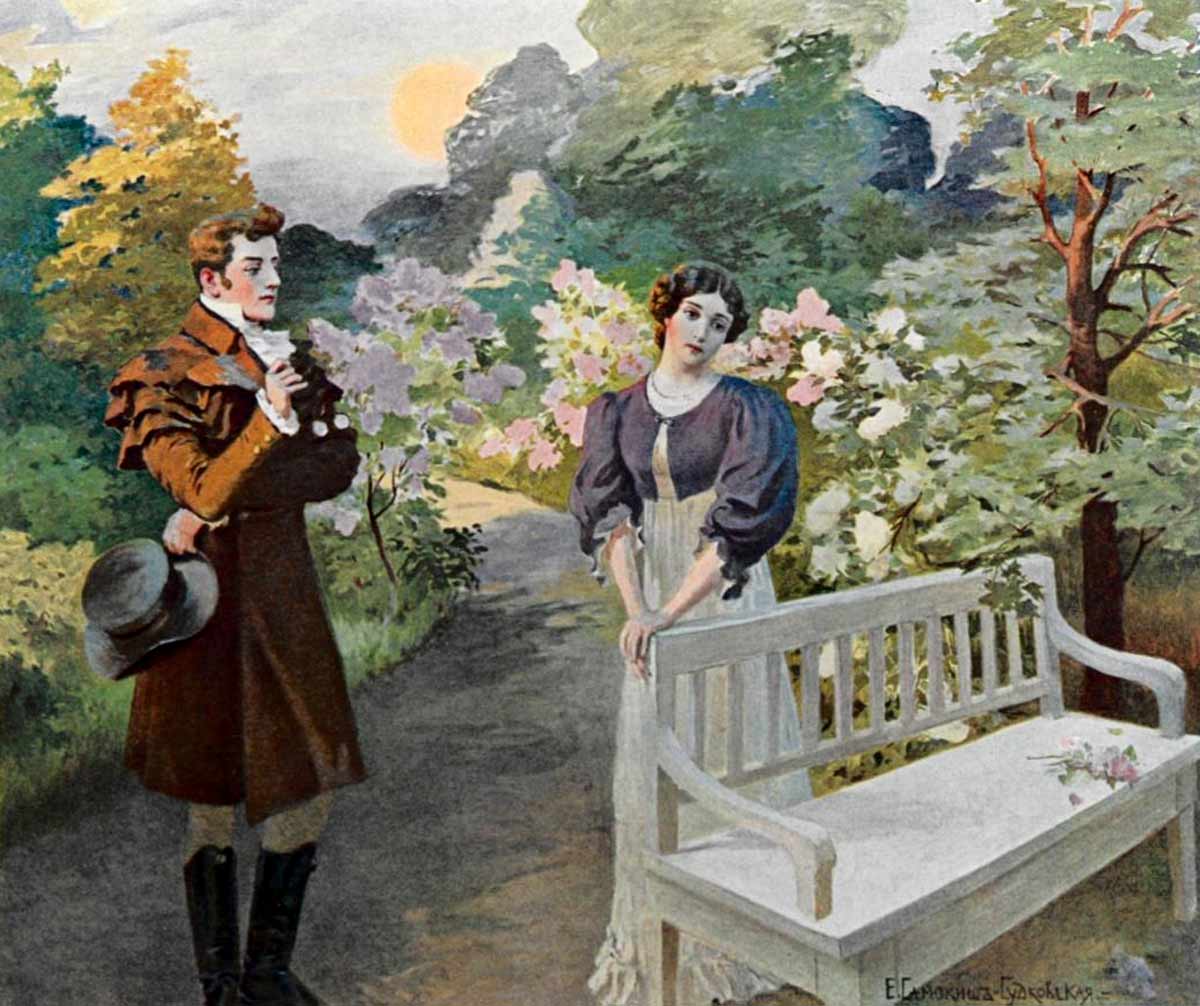
Tchaikovsky tended to work quickly once he had fixed on an idea. Full of excitement, he completed Swan Lake in a year. It took even less time to write Eugene Onegin, an opera first performed in 1879. In 1877, he wrote to his brother that he had more or less drafted the entire outline in one sleepless night after someone suggested he adapt Alexander Pushkin‘s novel of the same name. By early 1878, the whole opera was written.
In choosing a magnum opus by Pushkin, one of Russia’s most revered literary figures, Tchaikovsky signaled a dedication to Russian source material that may have been intended to contradict some of his detractors.
Since around 1862, the year Anton Rubinstein founded the St. Petersburg Conservatory, the Russian music world had been disrupted by a group of young, idealistic, self-taught composers known as The Five (or, as their champion critic Vladimir Stasov crowned them, the moguchaya kuchka, or Mighty Handful). These five men, Mily Balakirev, César Cui, Modest Mussorgsky, Nikolai Rimsky-Korsakov, and Alexander Borodin, wanted to challenge the primacy of Western compositional techniques and steer Russian music towards the current of musical nationalism then beginning to spread throughout Europe.
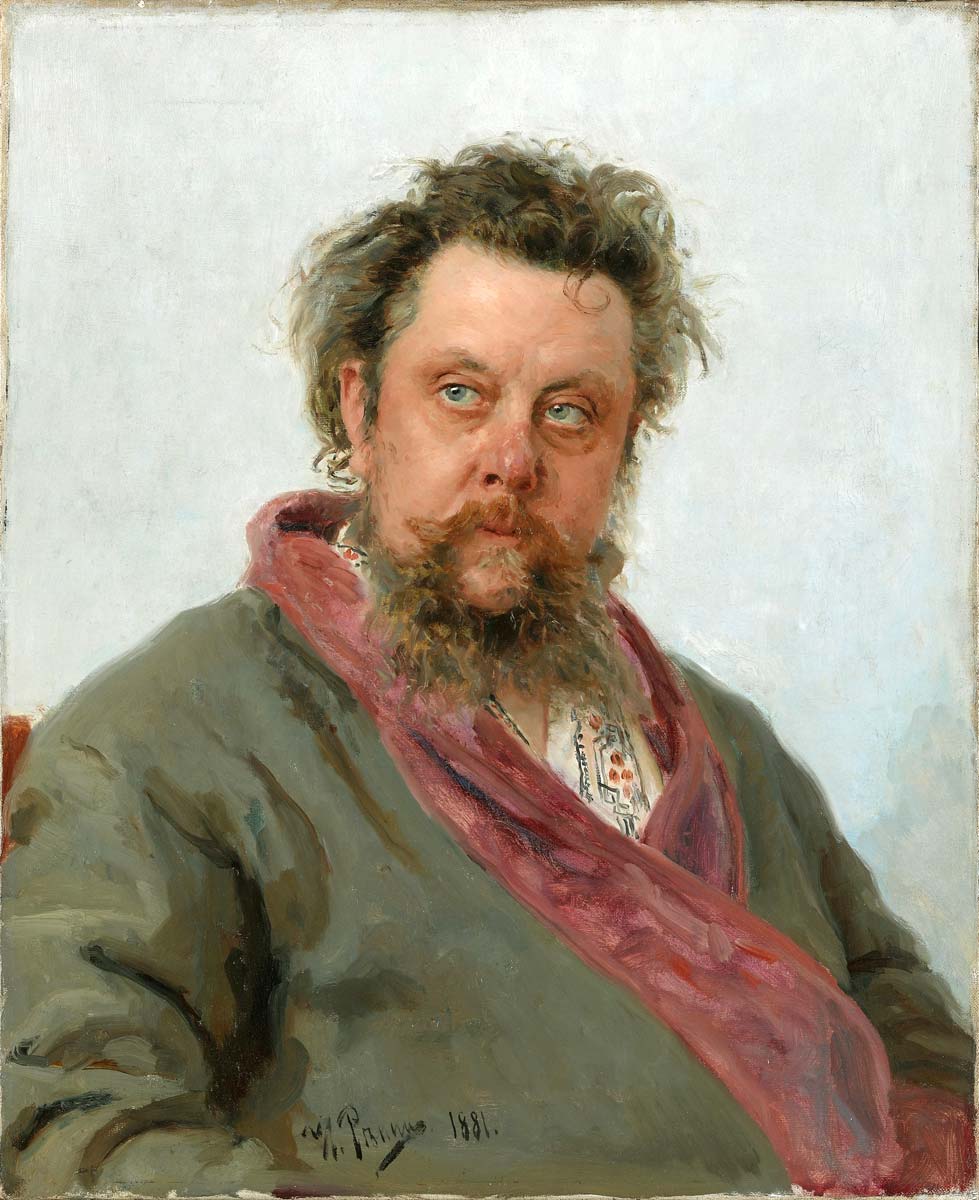
As mentioned already, Russian musicians at mid-century often found their fortunes abroad, and favored a cosmopolitan approach to composition. The Five took aim at academic musicians, such as Tchaikovsky, whose talents had been nurtured in conservatories founded on Western traditions. They called for Russian music which incorporated folk material, reinvigorating tunes collected from across the Russian empire, and following programs (that is, being based on specific texts) about Russian stories and characters.
Eugene Onegin was not Tchaikovsky’s first opera nor his first attempt at tackling a Russian story, but it was the first time he had felt truly inspired by his text. Friends and family remarked that Eugene Onegin was an unusual choice for an opera, since it was relatively lacking in action, but Tchaikovsky insisted that Pushkin’s poetry would serve him well in crafting a work of high art.
Seemingly no more than a tale of a pair of jealous lovers, a fatal duel (an echo of Pushkin’s own life), and a later meeting between Onegin and his love, Tatyana, who has become a rich woman after rejecting him, the opera is full of passion and pathos. It also seemed to resonate with the composer’s own life. During its composition, he received a love letter from a former student, Antonina Miliukova, resembling a scene in the opera in which Tatyana sends Onegin a love letter. Preoccupied with a worry that he, like his opera’s hero, might act “incomparably basely” towards someone who loved him, he married Antonina.
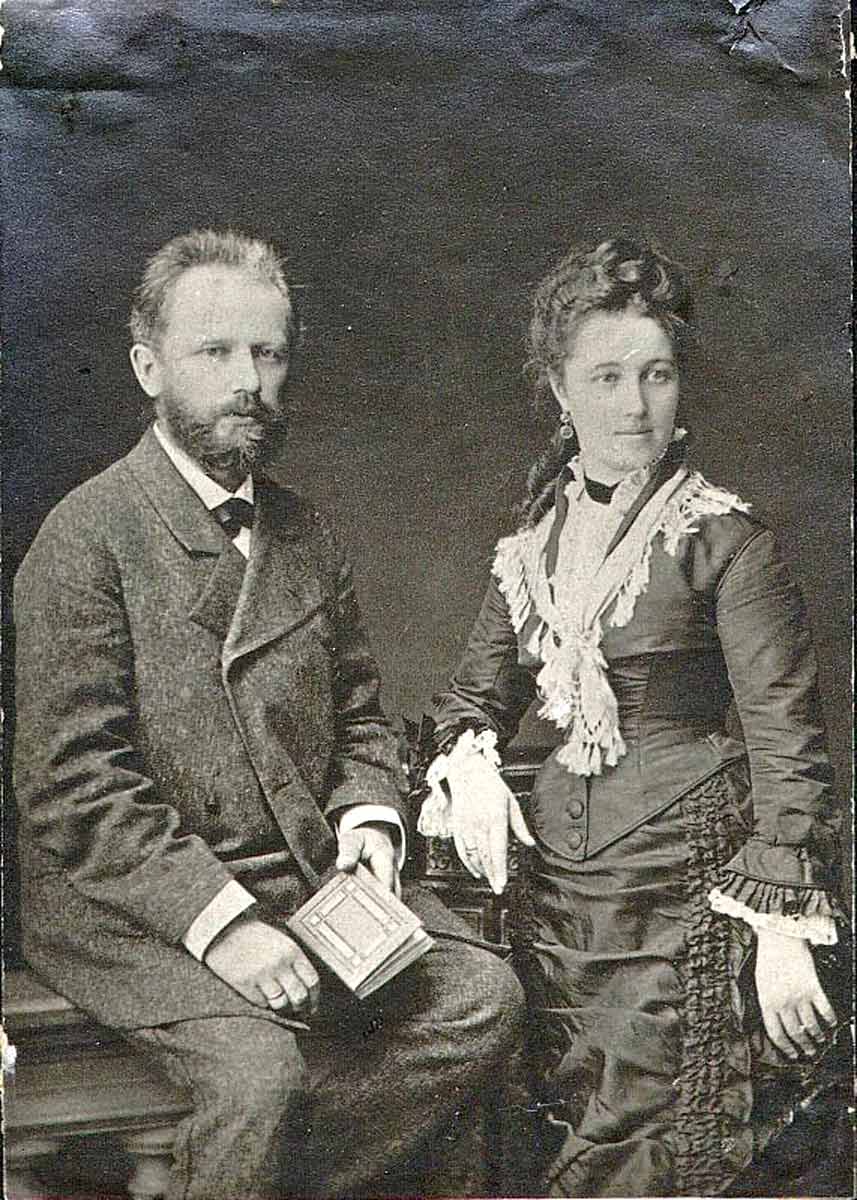
The marriage was over long before Eugene Onegin premiered. Marriage, attractive to “shut the mouths” of those whispering about his homosexuality but otherwise an impossible prospect, caused Tchaikovsky a nervous breakdown, and the two lived together for under two months before separating.
Eugene Onegin may have been a series of episodes centered on a small cast of characters and their emotional lives, rather than high drama, but Tchaikovsky was drawn to the story because of the simplicity and universality of these emotions. Although it once again took off outside Russia first (particularly under the baton of Gustav Mahler), it is now widely performed both inside and outside Russia, testifying to its composer’s ability to bridge the divergent schools of thought about composition in his day.
4. The Nutcracker as a Bittersweet Escape From Reality
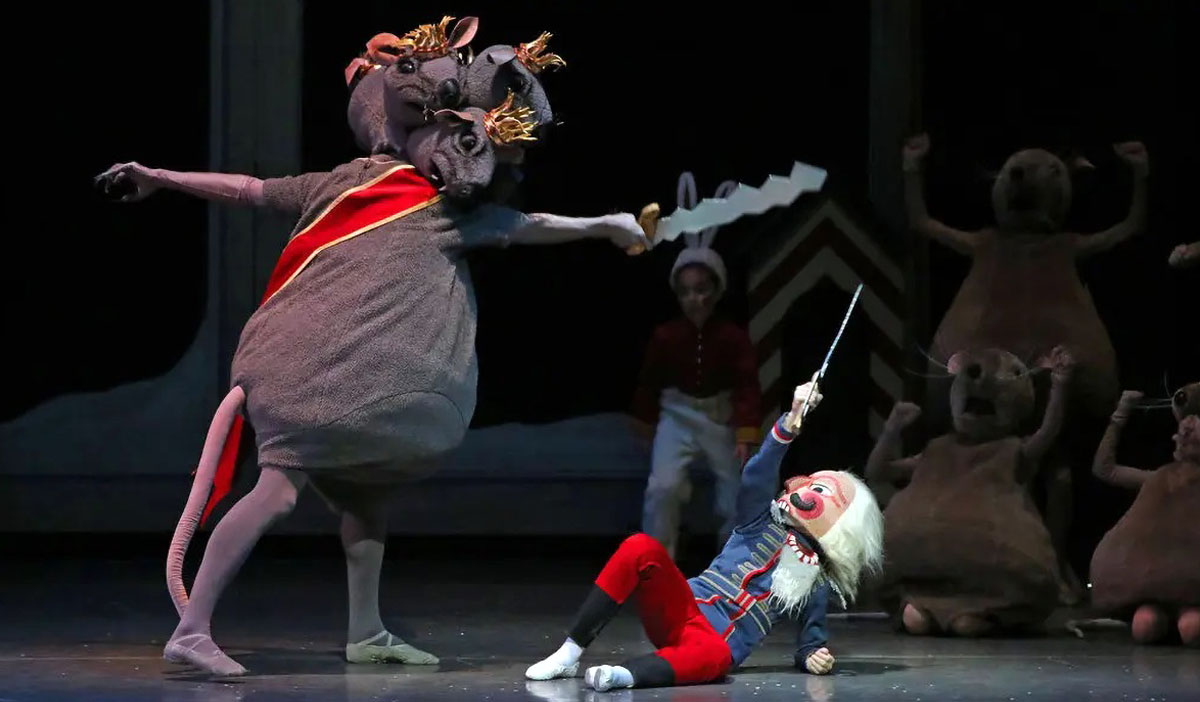
Many of Tchaikovsky’s works, including an early version of Swan Lake, had their origins in compositions for his family, with whom he was very close. His most family-oriented work, though, is the ballet The Nutcracker, indelibly associated with Christmas for children across the globe.
First performed in 1892, The Nutcracker was based on a story by Alexandre Dumas which was itself an adaptation of an original story by E. T. A. Hoffmann. While Hoffmann’s stories often have an undercurrent of the uncanny which might disturb us as adults, The Nutcracker and the Mouse King was nevertheless full of delectable delights just waiting to be put on the stage, from the title character (a model soldier which comes to life) to a battle between the toy soldiers and the Mouse King, to the heroine Clara’s travels in the Land of Sweets.
The Nutcracker is in the ballet-féerie, or fairy-ballet tradition, in which emphasis tends to fall on spectacular stage effects and sumptuous, sugary accompanying music. In 1924, fellow Russian composer Igor Stravinsky defended The Nutcracker against the negative connotations of ballet-féerie, calling its orchestration “so delicate and so original” (Hess 2001, 190). He went on: “Tchaikovsky is very easy, and for this reason he has been considered common. In reality, he is the most Russian composer of all the musicians of my country.”
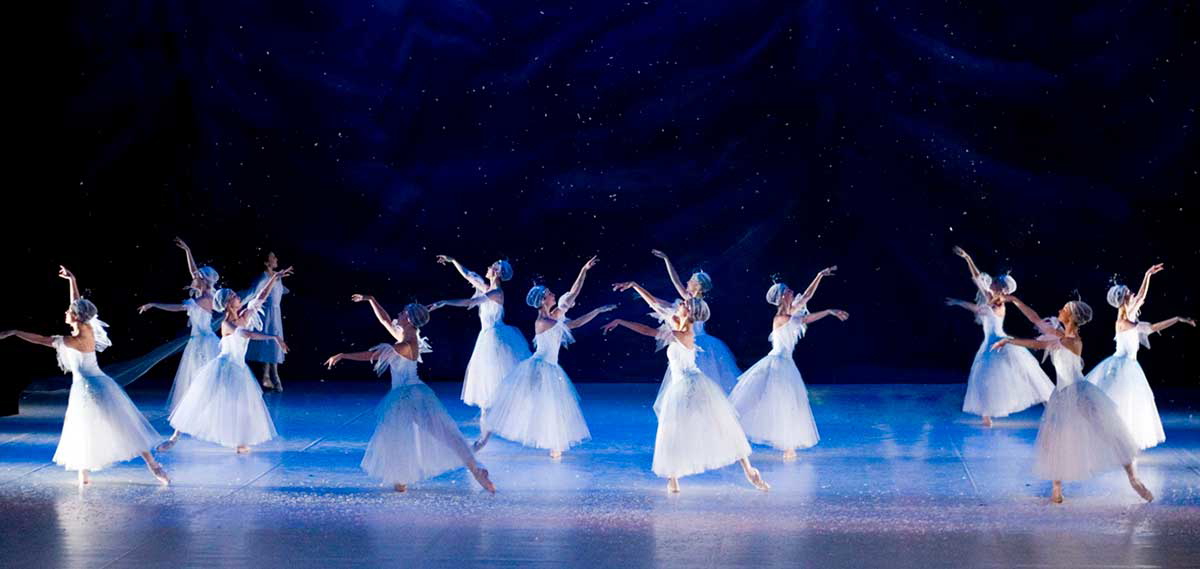
Certainly, The Nutcracker contains Tchaikovsky’s most “easy” music, and has made him “common” in the sense of widely appreciated, especially after much of its score featured in the 1940 Disney movie Fantasia. The ballet is replete with melodies which demonstrate the composer’s unparalleled ear for a tune, from the divertissements (short, light pieces of music) representing different sweets to the “Dance of the Sugar Plum Fairy.” This latter piece is notable for featuring the celesta, a keyboard instrument with a bell-like sound which Tchaikovsky had heard while traveling in Paris.
It was also in Paris, in 1891, that Tchaikovsky heard of the death of his only sister, Sasha, and this may have had an influence on his representation of the young girl Clara in The Nutcracker, as he remembered idyllic festive seasons from his own childhood. There is real pathos in the pas de deux performed by the Sugar Plum Fairy and her cavalier, who act as stand-ins for the Nutcracker and Clara in her childish imaginings, as she realizes her adventures have been but the dream of an enchanted Christmas Eve; all to the tune of one of Tchaikovsky’s most heart-rending melodies.
5. Symphony No. 6 in B Minor, Op. 74 and the Haunting Pathétique Requiem
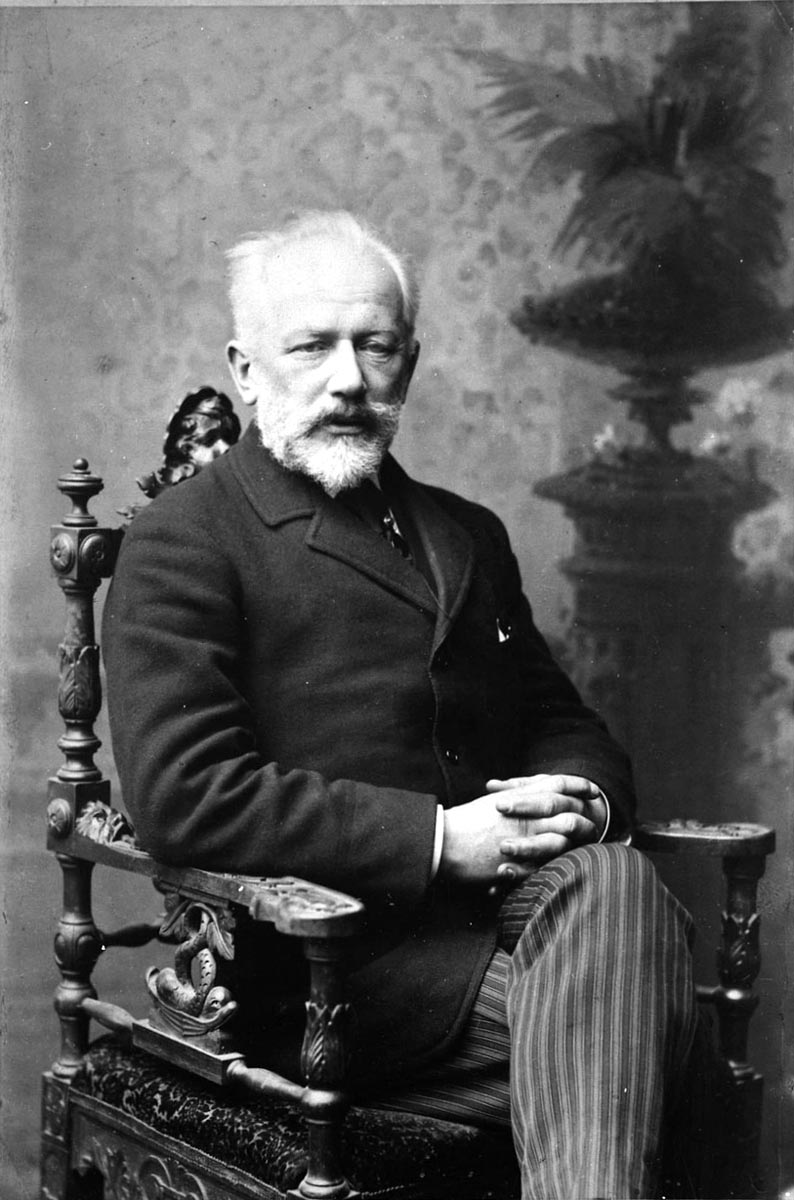
No piece in Tchaikovsky’s oeuvre has invited more speculation about the links between life and work than his Symphony No. 6, often known by its subtitle, the Pathétique Symphony. But even starting with the title, we run into problems of interpretation. The French word pathétique, conveying pathos and tragedy, was a translation of the Russian word pateticheskaya, which more closely suggests high emotions and passion. Should we hear the piece as simply passionate, or specifically tragic?
Then, still before we get to the music, we have the symphony’s dedication to Tchaikovsky’s nephew Vladimir Davydov (nicknamed Bob). In the last five years of his life, Tchaikovsky grew especially close to Bob, writing besotted letters which included lines like: “If you do not want to write, at least spit on a piece of paper, put it in an envelope, and send it to me,” and “The thought that this paper is going to be in your hands fills me with joy and brings tears to my eyes.”
It has been common to interpret the Sixth Symphony as an expression of Tchaikovsky’s homosexual desires. E. M. Forster interpolated it throughout his gay novel Maurice, published in 1970, with one character jokingly calling it the Pathic Symphony, a tongue-in-cheek reference to an archaic classical term for gay men.
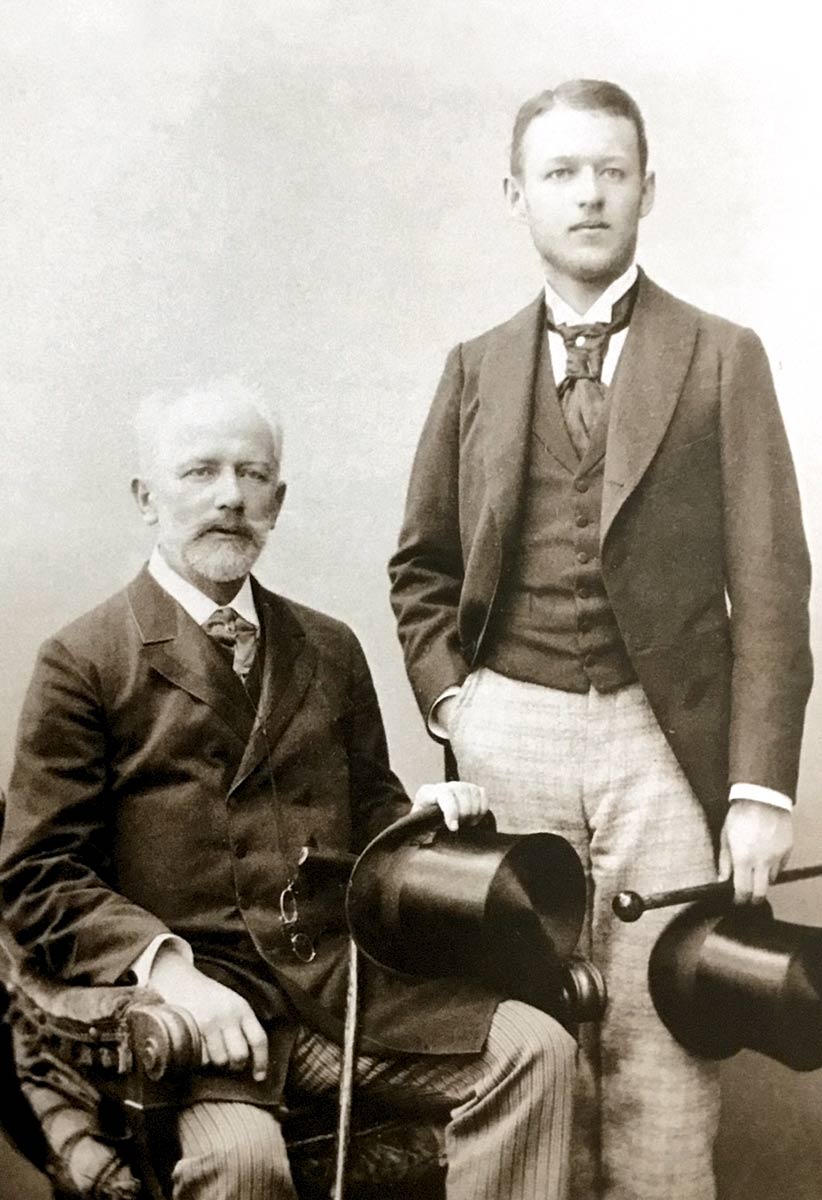
Moreover, listeners have heard the symphony as representing Tchaikovsky’s anguish over these feelings, specifically because he and Bob could not be together, and more generally because he could not be openly gay.
This accounts, some say, for the symphony’s first movement interpolating funereal music from the Russian Orthodox tradition, its devastating fourth and final movement, marked adagio lamentoso, and its ending with the direction morendo, or “dying away.” It was unusual for the fourth movement to be slow, rather than the second, as customarily, and even more unusual for this fourth movement to end on a dying minor chord.
Other listeners, such as the critic Richard Taruskin, have argued against over-determining the symphony in terms of Tchaikovsky’s homosexuality. The Russian Silver Age of the late 19th century was backed by the aristocracy, among whom homosexuality was prevalent and largely tolerated as long as it was discreet. Taruskin argues that this attitude was extended to artists they patronized, such as Tchaikovsky. The composer’s friends and family were aware of his orientation (his brother Modest was also, more openly, gay) and some have commented that, with the exception of the anguish over his marriage, Tchaikovsky lived a relatively comfortable, if covert, gay life.
For Taruskin, a far more important factor in responses to the Sixth Symphony (including reviews branding it hysterical and effeminate) was not the composer’s sexuality but his nationality. Accusations of effeminacy in the Sixth Symphony came largely from English-language reviewers, who found Tchaikovsky’s music too Russian. Meanwhile, we saw from the responses to Swan Lake that critics were more concerned with German influences than possible gay subtext.
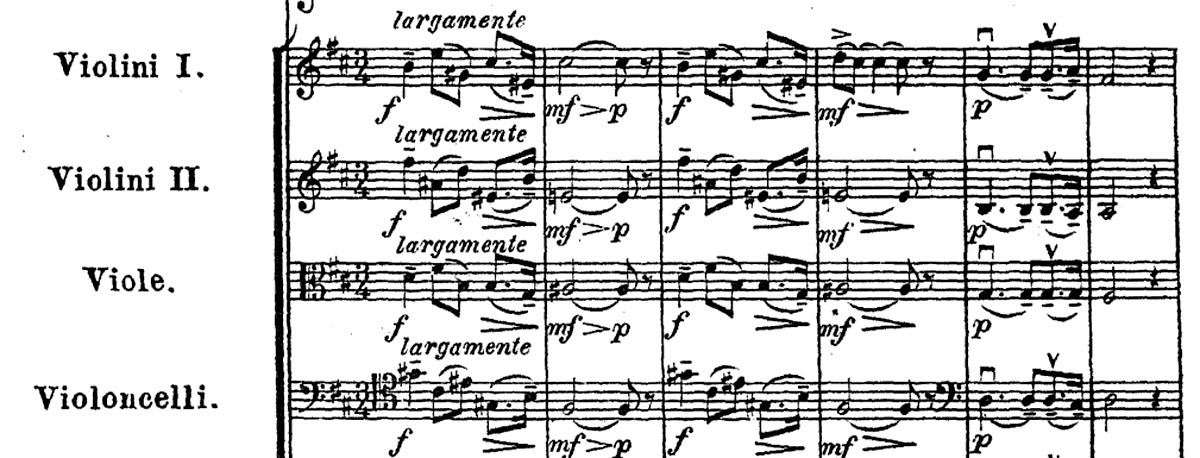
Nonetheless, both sympathetic and hostile listeners continue to associate the Sixth Symphony with Tchaikovsky’s personal life because the composer died in suspicious circumstances just seven days after conducting its premiere in 1893. The symphony’s second performance shortly afterward was thus open to far more morbid interpretations, coupled with the ‘dying’ tones of the music itself, and these have continued to stick.
Officially, Tchaikovsky was said to have died of cholera after drinking unsafe, unboiled water at a restaurant. This was called into question at the time in Russia, perhaps partly because cholera was stigmatized as a lower-class disease and such a prominent cultural figure could not be seen to have succumbed to it. Some questioned how Tchaikovsky had obtained unsafe water at the restaurant during a cholera outbreak.
Rumors quickly spread that Tchaikovsky had either been poisoned or ordered to kill himself by a “court of honor” or the Tsar because of his homosexuality. However, the widespread tolerance of homosexuality among the aristocracy and those they patronized calls this theory into question, especially since, by 1893, Tchaikovsky was one of Russia’s foremost cultural representatives, having received an honorary doctorate from the University of Cambridge and conducted his music at the grand opening of the Carnegie Hall in New York.
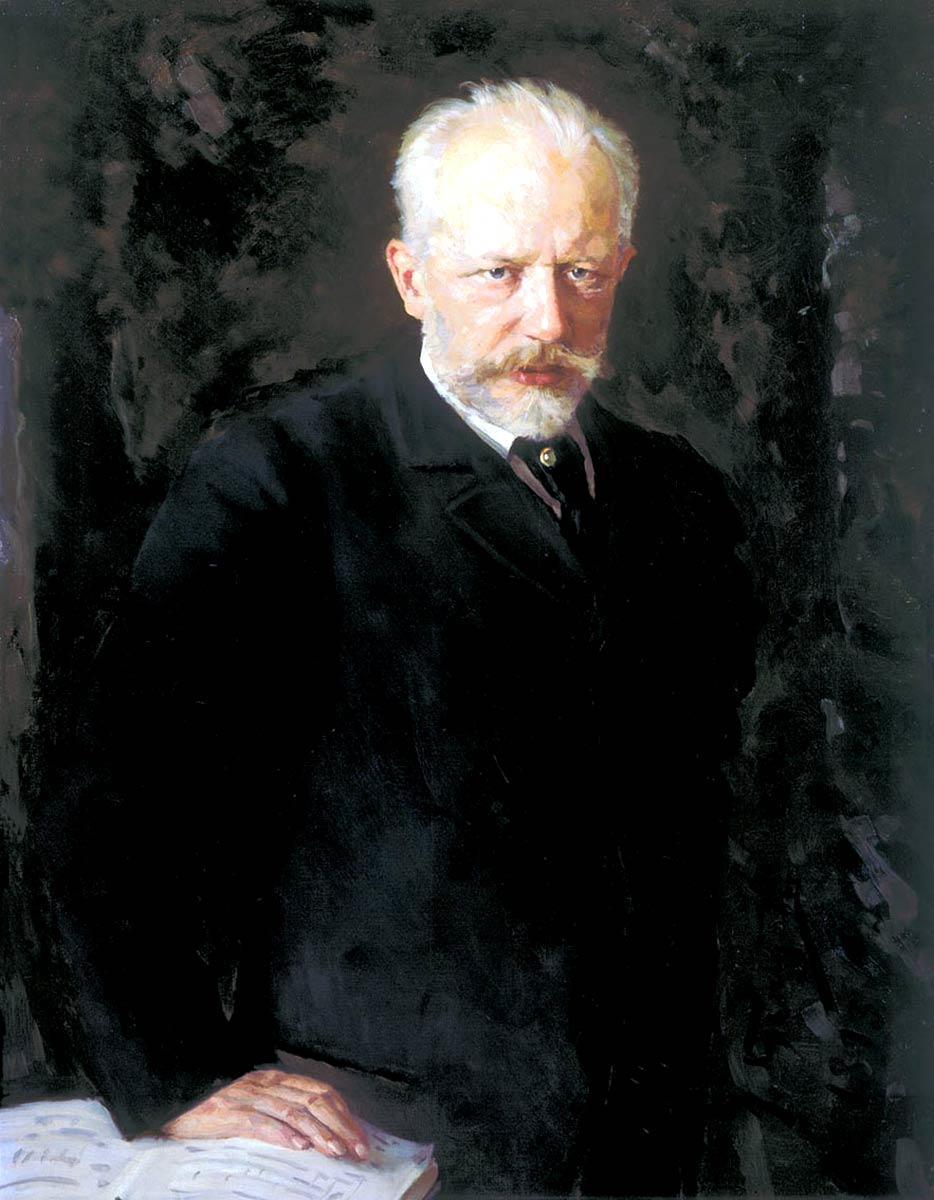
Others suggest that Tchaikovsky killed himself because his feelings for Bob had become intolerable, an anguish audible in the Sixth Symphony, with its dedication to the unattainable beloved. But how did Tchaikovsky know where to obtain unsafe water and that it would certainly kill him? How can this be reconciled with a story Taruskin narrates of the composer, shortly after conducting the symphony’s premiere, rejecting the horrors of mortality and stating, “I feel I shall live a long time”?
Whatever the truth of Tchaikovsky’s untimely death aged just 53, which may never be definitively explained, the Sixth Symphony or Pathétique remains a bittersweet, exceptionally haunting work, regardless of whether we wish to hear it in light of his homosexuality, his turbulent relationship with Russian national identity, and his subsequent death, or whether we choose to just listen to the music.
Source
- Hess, Carol (2001). Manuel de Falla and Modernism in Spain, 1898–1936.