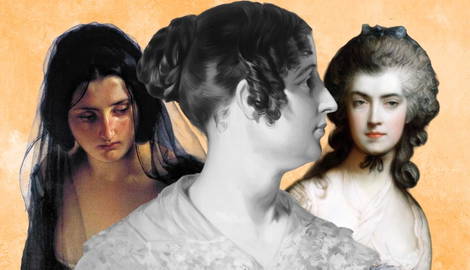

We are long past the days when Romanticism in English literature was defined in relation to six men: William Wordsworth, Samuel Taylor Coleridge, William Blake, Lord Byron, Percy Shelley, and John Keats. For several decades, literary scholars have worked to uncover the writing of female poets (and novelists, playwrights, and essayists) who were, in their day, as well-known and widely read as these men. Yet, still, only a few are household names. Who are the unsung women of Romanticism in English?
Bestsellers
The unfamiliarity of the names of many female poets in late-18th and early-19th-century Britain might suggest that there were few, or that they were not widely read. However, this is far from the truth. Under the influence of Enlightenment and Romantic philosophy, more women were receiving an education than ever before (although this was largely confined to the upper and middle classes), and more women were reading and writing.
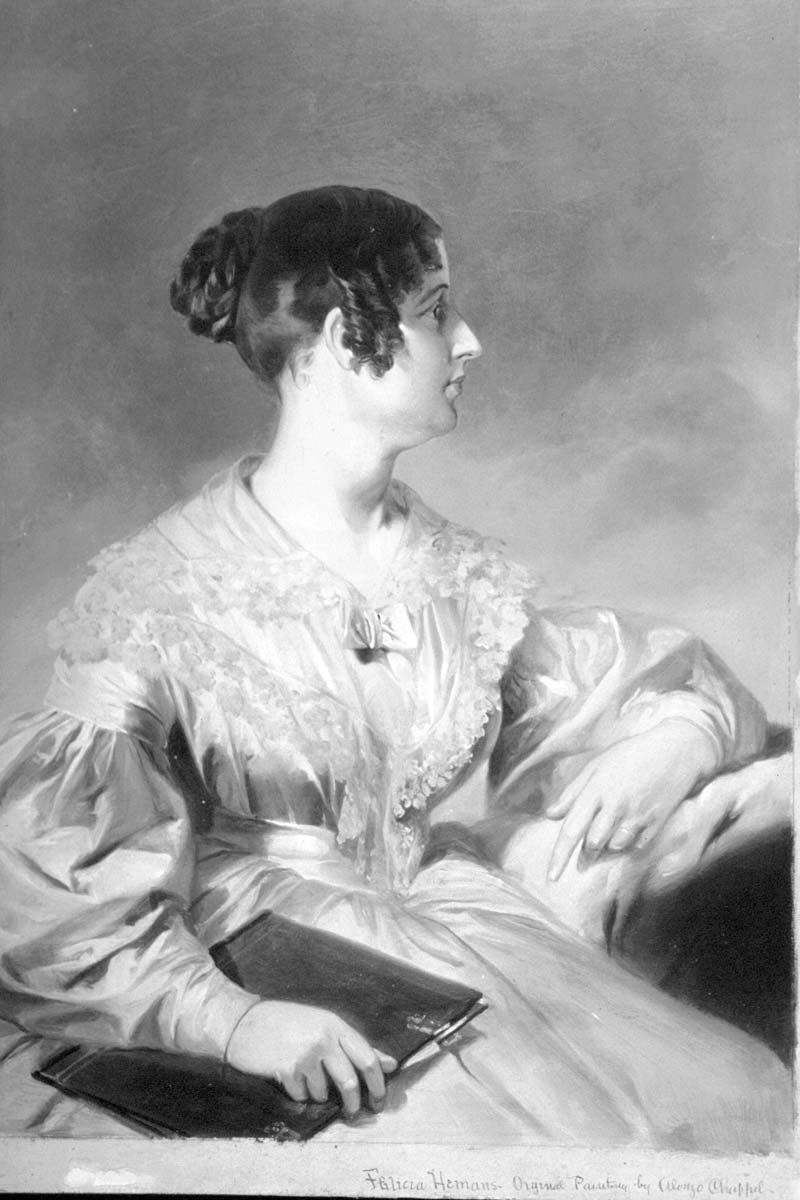
There was a huge market for women’s poetry, and the poet who benefited most from this was Felicia Hemans. Second only to Lord Byron in poetry sales, her fame spread as far afield as America, and over the course of a 25-year career, she published 19 volumes of poetry.
Hemans was a voracious reader and skilled versifier, pursuing her poetic career even after separation from her husband left her a single mother of five. Perhaps the best measure of the themes and style of her poetry is the fact that her verse was very popular with the Victorians and was required reading for schoolchildren until the mid-20th century, but this seemingly moralizing, domestic-focused oeuvre has more recently come in for feminist reassessment.
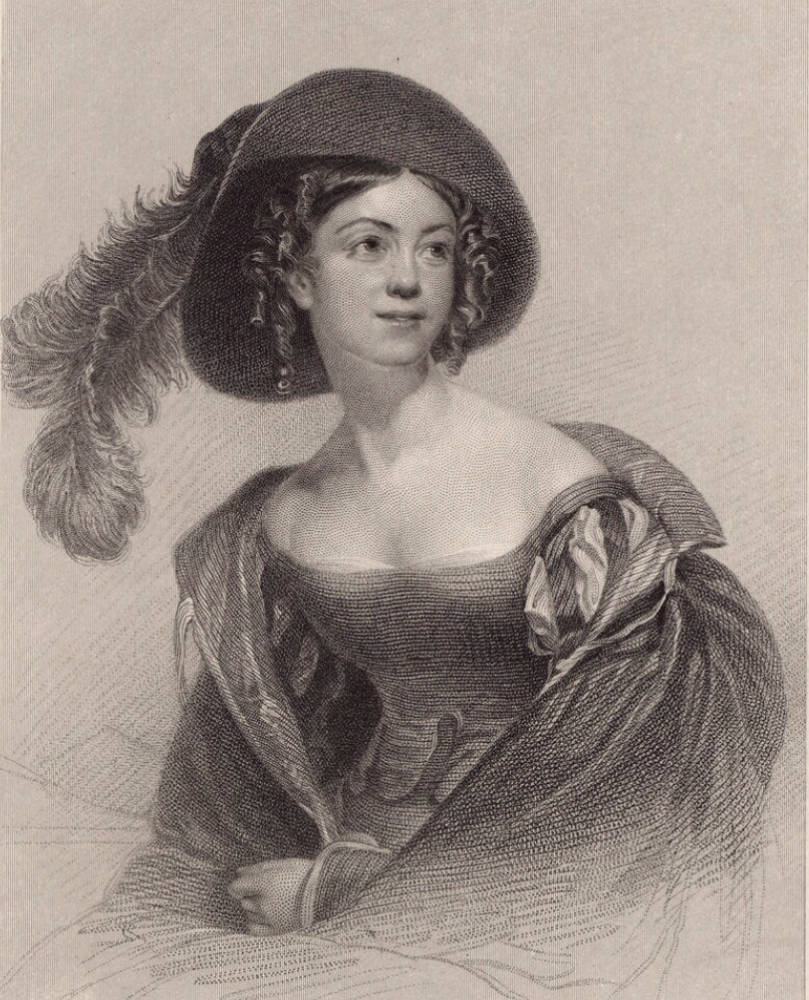
Inspired by Hemans’s success, an 18-year-old woman began to publish her poems in newspapers, first simply using the initial L., then L.E.L. Speculation swirled about the identity of the poet, and by her early 20s, she was famous and publishing regularly as a poet, reviewer, and art critic.
L.E.L., or Letitia Elizabeth Landon, was another poet who sold extraordinarily well in her lifetime and was beloved by Victorian readers (among them the poets Elizabeth Barrett Browning and Christina Rossetti) before falling out of fashion in the 20th century.
Like Hemans and Byron, Landon emphasized the spontaneous and often improvised nature of her voluminous poetry (as in her 1824 breakthrough volume, The Improvisatrice), presenting the role of poet as something innate, intuitive, and essential. Despite her influence on Barrett Browning and Rossetti, however, Landon suffered from perceptions of her verse as overly sentimental and persistent rumors about her personal life, which did male Romantic poets no lasting harm, but tarnished many of the women.
Nature Poets and Classical Poets
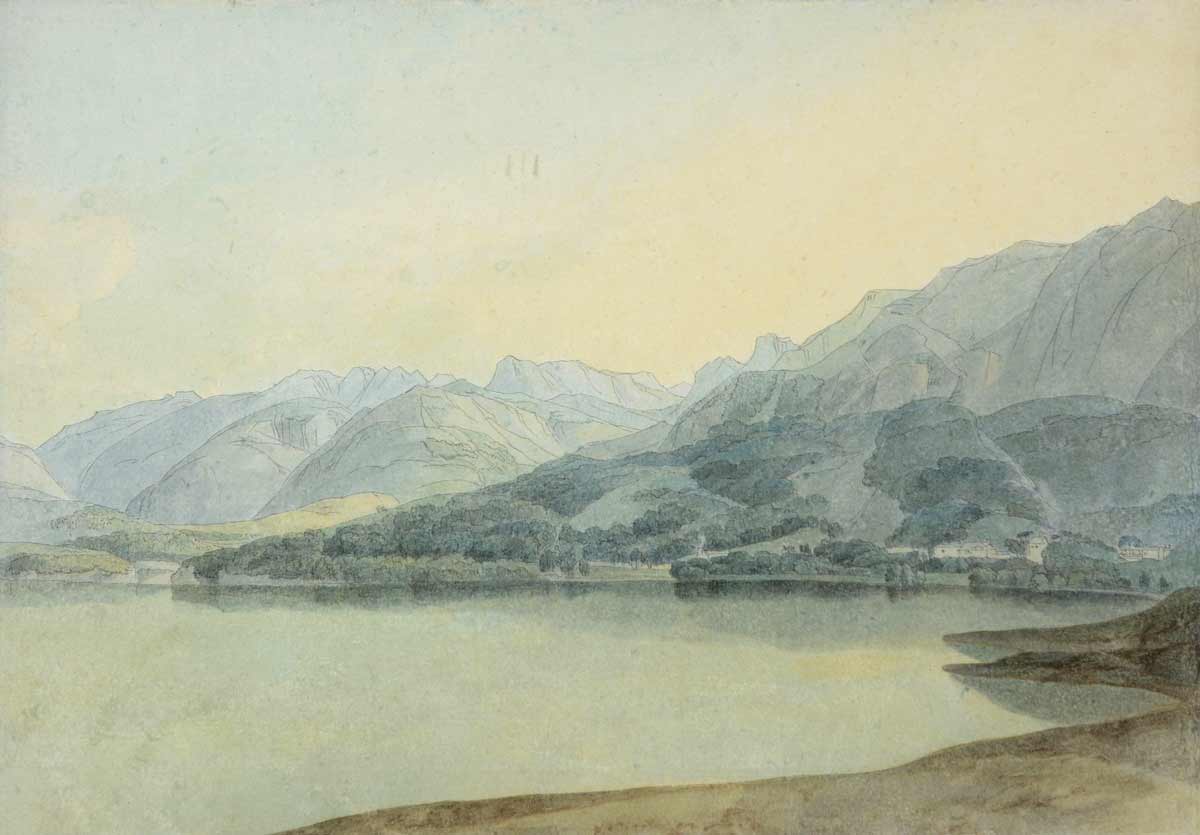
Two key features of Romantic poetry in English were a focus on the poet’s communion with nature (typified by Wordsworth, Coleridge, and Robert Southey, collectively known as the Lake Poets because they wrote and lived in the Lake District in northwest England) and an interest in telling tales from classical mythology: see Keats‘s Endymion and Shelley’s Prometheus Unbound.
Female poets also gloried in nature. For Dorothy Wordsworth, this was a shared experience of the Lakeland landscape, which inspired her brother William. Although she is primarily remembered as a diarist rather than a poet, her Grasmere Journals give essential insight into the lives and surroundings of the Lake Poets.
Sara Coleridge, daughter of Samuel Taylor Coleridge, wrote poems inspired by her native Lake District. Works such as The Nightingale put a different slant on familiar Romantic symbols, often emphasizing bonds of maternal and filial love and faith that underlie the highly subjective experiences Romantic poets describe. Eighteenth-century poet Anna Seward was dubbed ‘the Swan of Lichfield’ for her nature poetry centered on the Staffordshire town, and for the thriving literary circle she established there.
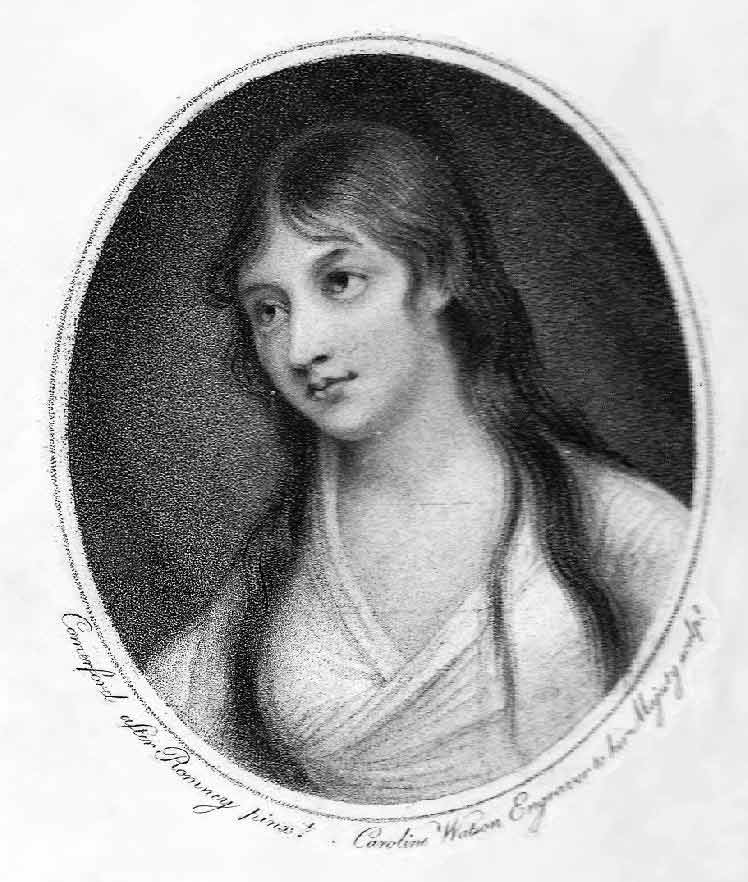
Irish poet Mary Tighe was best known for her long poem Psyche (1805), which retold the classical story of Cupid and Psyche. She wrote in Spenserian stanzas, the verse form used by Edmund Spenser in his 16th-century magical epic The Faerie Queene, and a favorite form of John Keats a decade later. Keats paid tribute to Tighe’s “melodious” “blessings” in his poem To Some Ladies, and drew on her Psyche in his own Ode to Psyche in 1819 (by which time Tighe had already died of tuberculosis, a fate which would soon befall Keats).
But we should be wary of defining these female Romantics solely through their relationships to, or appreciation by, canonical male Romantics. This risks confirming the perception that those six men were at the core of Romanticism, while anyone else was simply in their orbit. When we look at women’s writing in this period, we find a valuable counter-argument to the traditional Romantic idea of the poet as an intensely individualized, even self-absorbed, figure: we see writers collaborating and participating in networks of influence and appreciation.
Political Poets and Novelists
Along with a focus on nature and interiority, Romanticism’s other key tenet is an interest in revolutionary politics. Looking at women’s writing, we find them extending discussions about the French Revolution, feminism, and the abolition of slavery beyond poetry, into essays, plays, and the newly blossoming form of the novel.
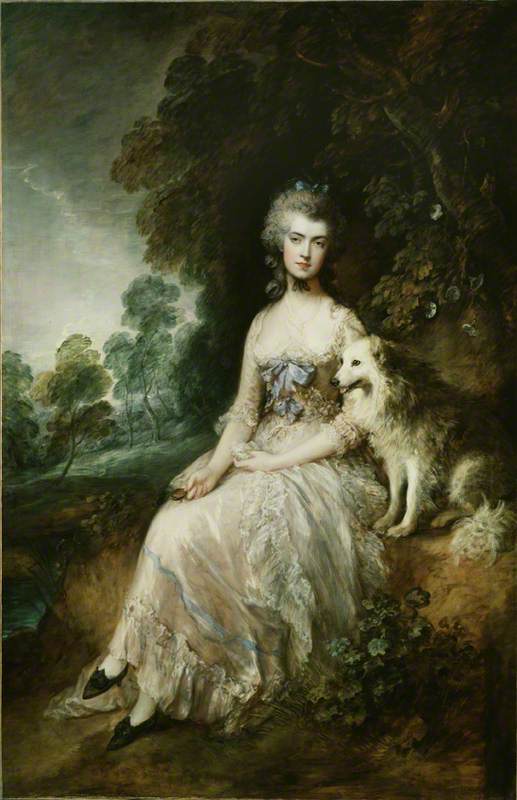
Mary Robinson was notorious as an actress and mistress of the Prince of Wales, later George IV, before turning to poetry in the 1780s. Robinson’s poems, ranging from odes to elegies to sonnets, often placed women, especially women’s right to self-expression, front and center. Devoted to the cause of women writing poetry, she shook off her actress nickname ‘Perdita’ and aspired instead to become ‘the English Sappho,’ publishing the sonnet sequence Sappho and Phaon in 1796.
Anna Laetitia Barbauld was, until recently, mainly remembered for her morally instructive children’s writing, but in her time she was an influential political thinker: poems such as The Mouse’s Petition snuck critiques of oppression and slavery into allegories about contemporary scientific experiments. Barbauld’s anti-slavery and anti-war views were informed by her nonconformist religious beliefs. For a time, she attended the same chapel as fellow poet and playwright Joanna Baillie, whose Romantic plays aimed to depict human emotions in all their intense complexity realistically.
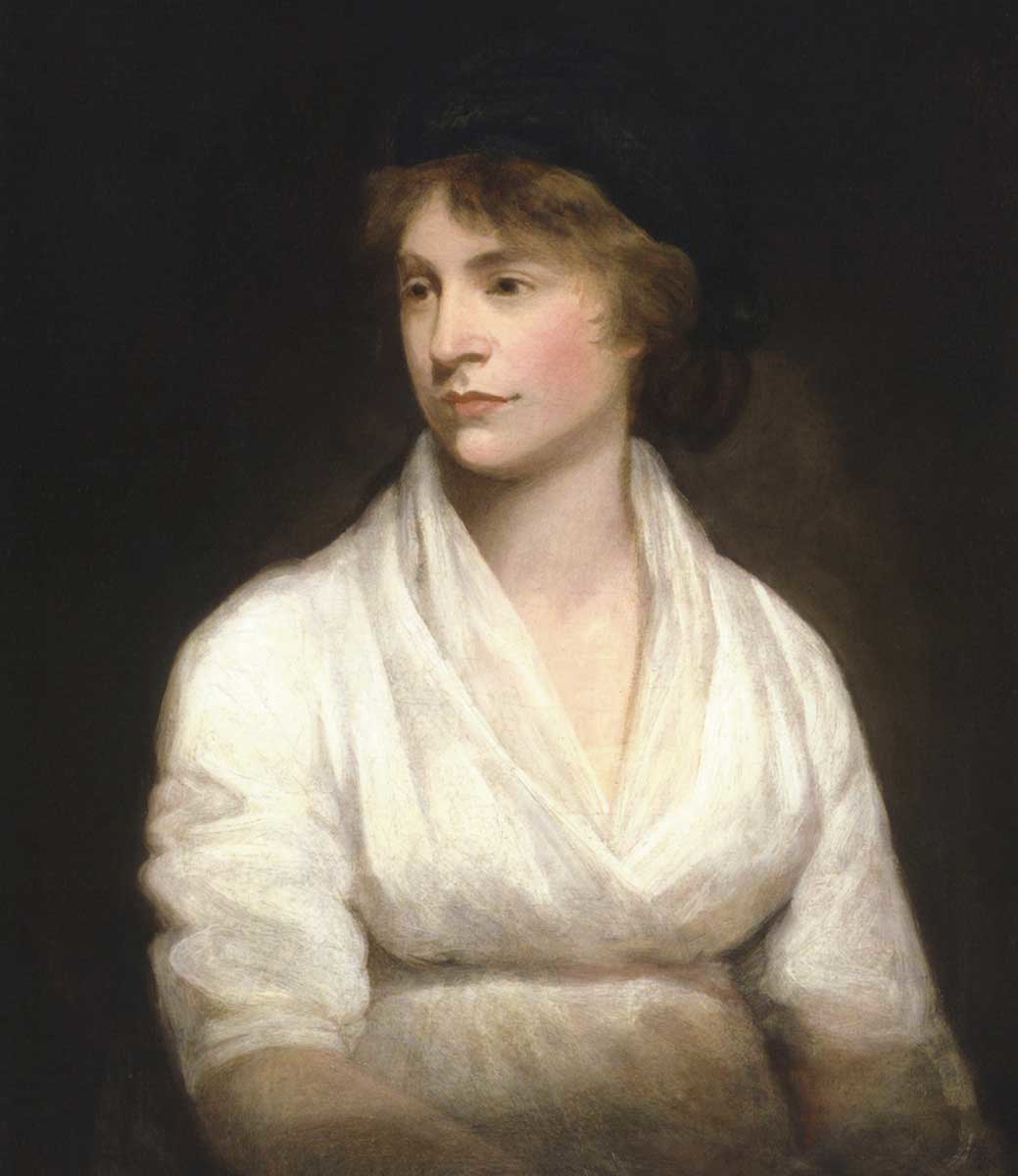
Amelia Opie was another staunch abolitionist who wrote poetry, plays, and novels. One novel, Adeline Mowbray (1804), took inspiration from the daringly unconventional life of Opie’s friend Mary Wollstonecraft, who had maintained extramarital relationships with men and insisted on claiming equal rights with them.
Wollstonecraft significantly influenced Romantic writers, whether through her feminist writings such as A Vindication of the Rights of Woman (1792) or her Letters Written During a Short Residence in Sweden, Norway, and Denmark (1796), a travel narrative which interpolated Edmund Burke‘s concepts of the sublime and beautiful within writing about subjective experience. (Her daughter, Mary Shelley, would incorporate similar passages into her 1818 novel Frankenstein.)
Finally, Charlotte Smith was a poet who hoped to be remembered for her Elegiac Sonnets (1784), which did much to re-popularize the sonnet form, later used by Romantics such as Seward, Robinson, and Keats. But she is studied just as much today for novels such as Desmond (1792), which deviate from the standard late-18th-century novelistic expectations of romance and, instead, feature radical political ideas. Desmond, for instance, advocates for the original ideals of the French Revolution and urges similar reform in Britain. In this, Smith was inspired by pre-Romantic female authors who had witnessed French Revolutionary activity firsthand and published about it, such as Wollstonecraft and Helen Maria Williams.
Sentimental Novelists
The sentimental novel, popular in the late 18th century, is sometimes considered a precursor to Romantic writing because of its preoccupation with the emotions and interior workings of the individual. In the hands of female authors, the sentimental novel also anticipated the revolutionary strains of Romanticism by giving voice to oppressed women.
Mary Hays was a friend and disciple of Wollstonecraft who controversially included excerpts from real letters (exchanged between her and the man she loved) in her novel Memoirs of Emma Courtney (1796). While garnering its author a scandalous reputation, the novel put feminist notions about female sexual freedom to the test, as did the novels of Amelia Opie, mentioned above.
Wollstonecraft’s own novels, such as Maria, or the Wrongs of Woman (1798), subverted the sentimental novel to make a strident point: excessive sentimentality might blind women to their oppression. The two heroines of Maria are taken from different social classes, but experience similar oppression in a patriarchal society, both finding themselves imprisoned in an asylum.
Romanticism overlapped with sentimentality in the work of subsequent female novelists. Jane Austen repeatedly questioned the value of reading sentimental fiction for her heroines. Notably, in Sense and Sensibility (1811), Marianne embodies the second quality, sensibility, or an acute consciousness of emotional affect spurred by reading sentimental and Romantic literature. By mid-century, the Brontë sisters had even more fully interpolated Romantic ideas into their novels: Emily‘s Wuthering Heights (1847) contains sentimental heroines, sublime landscapes, and a brooding, Byronic, Gothic antihero.
Gothic Novelists
A final subgenre of Romantic writing in which women dominated was Gothic fiction. While the genre has specific hallmarks—often set in Catholic countries and the medieval period, replete with virtuous heroines struggling against forces of darkness and evil—it shared several concerns with Romanticism, and the literary circles overlapped significantly.
Among the writers already mentioned, Opie, Robinson, Smith, Wollstonecraft, and most famously her daughter Mary Shelley all wrote novels which are considered Gothic. Writers of Gothic fiction made use of Burke’s ideas of the sublime and beautiful, the former inciting terror—whether in the Gothic’s awe-inspiring landscapes or its sinister villains—and the latter offering a kind of salve, often embodied in the virtuous heroine.
Like sentimental fiction, Gothic fiction was a bestselling genre and an important bridge between neoclassical and Enlightenment-influenced literature (with its focus on reason and order) and Romantic literature (with its focus on the unruly landscapes of the imagination and emotions).
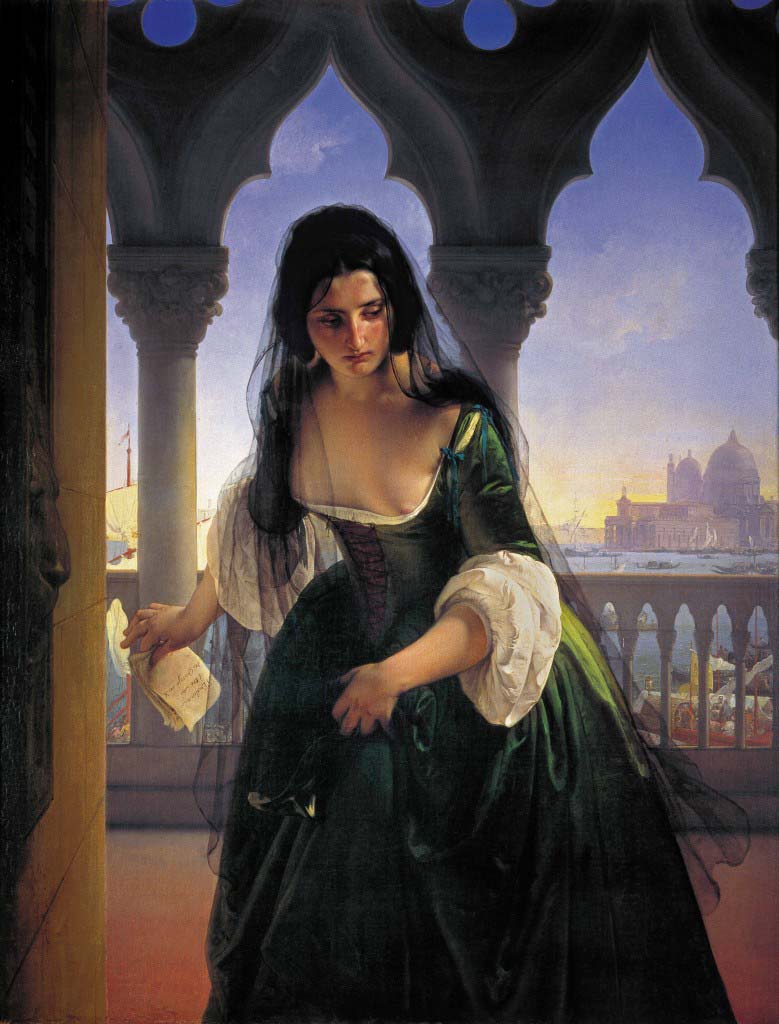
Clara Reeve’s The Old English Baron (1778) was explicitly intended as a response to Horace Walpole’s The Castle of Otranto (1764), generally considered the first Gothic novel. Reeve’s insistence that supernatural elements in Gothic fiction should remain within the bounds of realism influenced Ann Radcliffe, one of the most successful Gothic novelists (playfully satirized by Austen in Northanger Abbey). In novels such as The Mysteries of Udolpho (1794), Radcliffe combined supernatural occurrences with descriptions of wild, overawing natural scenery.
In a similar vein, Charlotte Dacre published several Gothic novels. Her most famous novel, Zofloya; or, The Moor: A Romance of the Fifteenth Century (1806), went even further than her precedents and introduced new strains into the Gothic, such as exoticism and dangerous female sexuality, later seen in Bram Stoker’s Dracula (1897). The novel had a more immediate impact on Romantic literature, prompting a young Percy Shelley to write the Gothic novella Zastrozzi (1810), whose reflections on pure evil, set against a sublime Alpine background, in turn, appear in Frankenstein.