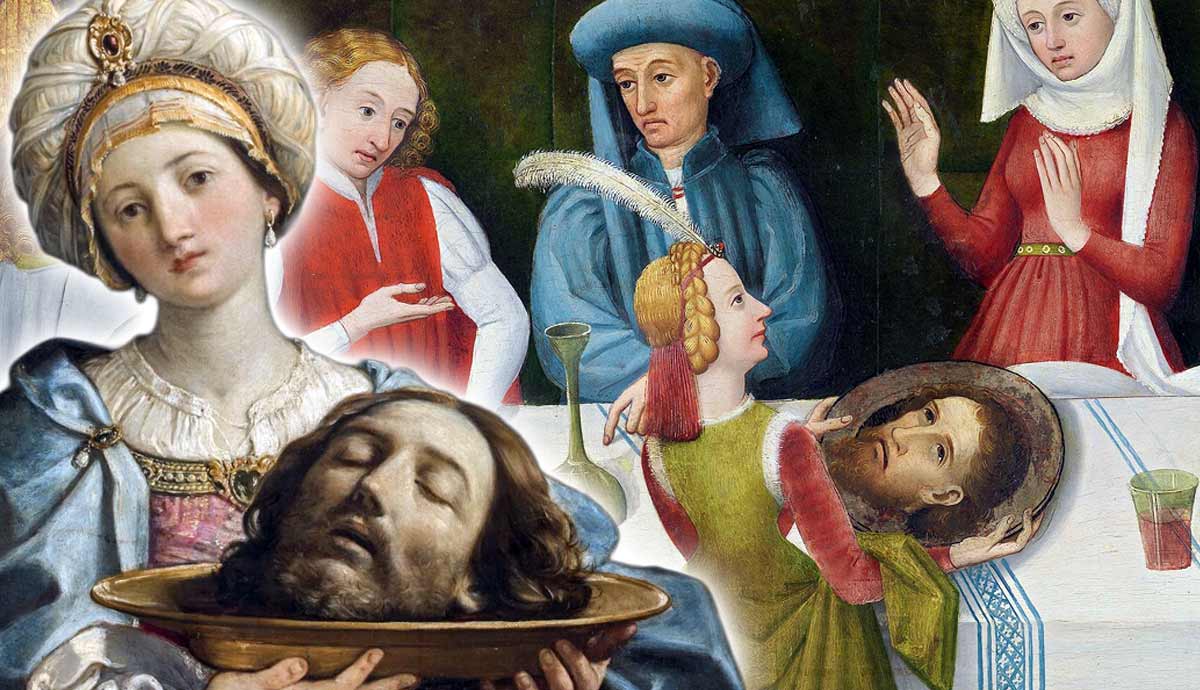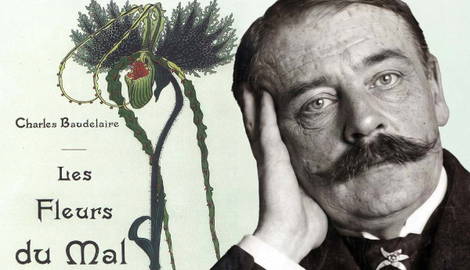

Before the second half of the 19th century, anyone referring to decadence probably had the decline of the Roman Empire in mind. How did the term—capturing the lurid, lascivious excesses and moral turpitude of the ruling class of that empire—come to define a movement in literature (and, to a lesser extent, art)? Decadence looked to the past, but it also kept a keen eye on the present. What it discerned, diagnosed, and perhaps even celebrated, were manifold ills at the end of a century of progress.
1. Joris-Karl Huysmans, À rebours (1884)
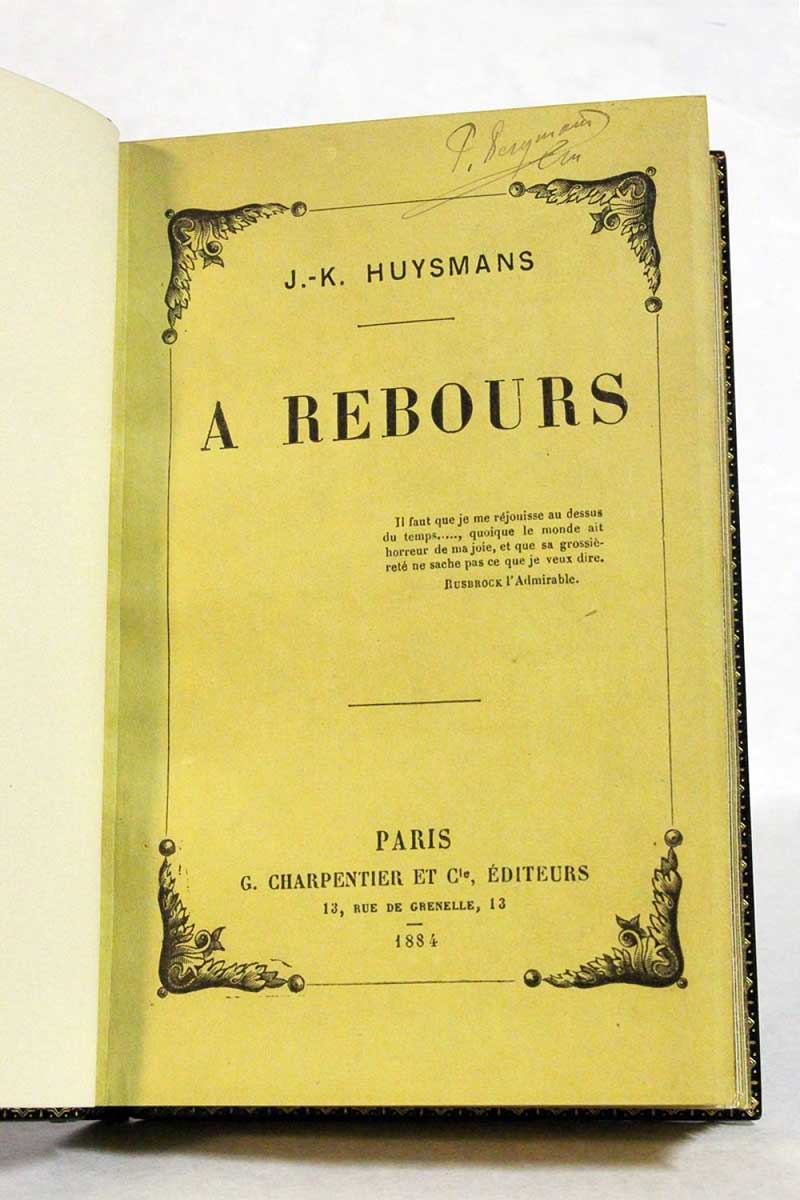
The English critic Arthur Symons once referred to À rebours as a “breviary,” or prayer book, of decadence. Even amid recent scholarly reassessment of the parameters of the term “decadent,” we tend still to worship at the altar of Huysmans’s 1884 novel.
Set against the slightly earlier aesthetic movement, À rebours does what its title (usually translated as Against Nature, but generally suggesting inversion, turning something inside-out or backward) suggests: it takes aestheticism and turns it on its head. Its hero, Des Esseintes—aristocratic, privileged, last of his line—is obsessively fascinated by art, not for art’s sake, but entirely for his own pleasure.
À rebours posed a bold challenge to 19th-century literary conventions, eschewing the plot-driven three-volume novel for a series of catalogs. Des Esseintes, ill and disgusted by the world around him, has withdrawn entirely from society and devoted himself to musing on art, literature, music, philosophy, perfume, flowers, liqueurs, and gemstones. His tastes tend toward the extravagant, profane, and cruel: Gustave Moreau‘s paintings of Salome, Arthur Schopenhauer‘s philosophy, and a jewel-encrusted tortoise.
Huysmans offers no moralizing in the midst of enumerating these curious pleasures; rather, his protagonist is fascinated by his discoveries, even when they touch on unpleasant themes or engender pain. This set the tone for decadent literature in all its proto-Freudian fascination: pleasure and pain were to be inseparable, the twin objects of many a protagonist’s pursuit.
2. Oscar Wilde, The Picture of Dorian Gray (1891)
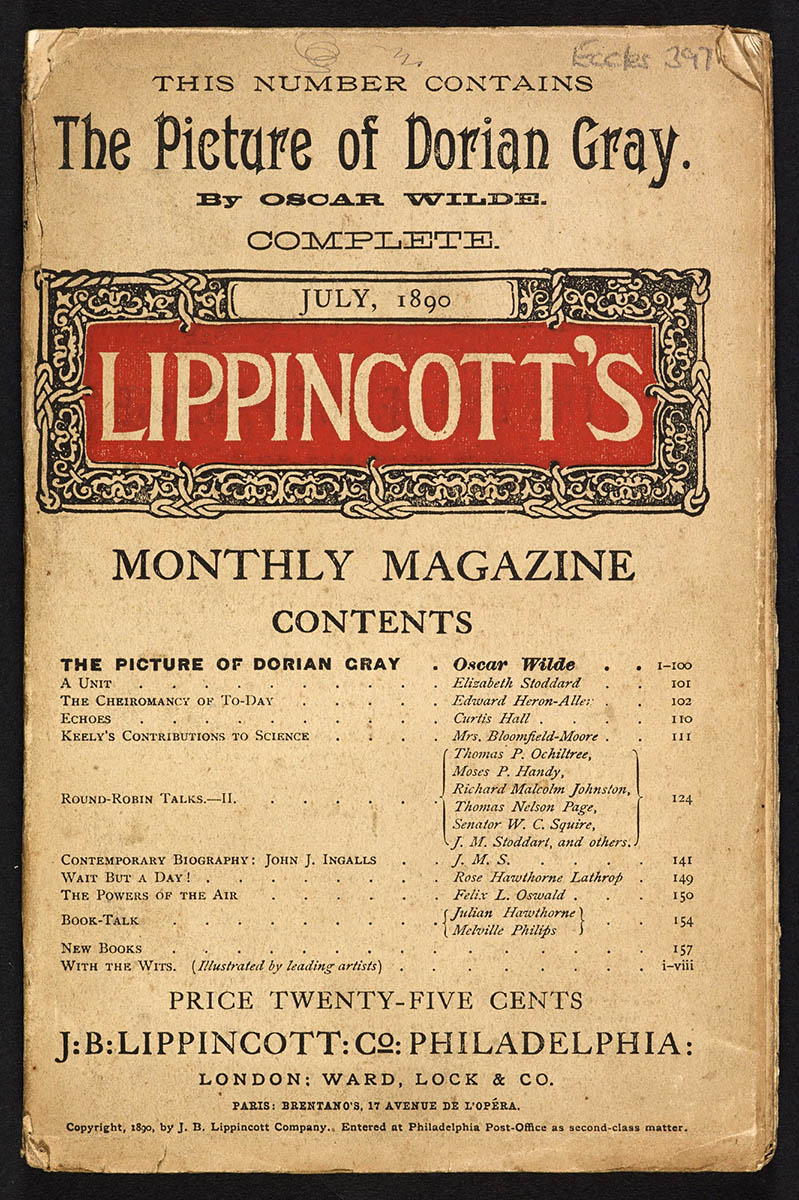
Chapter eleven of Oscar Wilde‘s classic tale, about a young man’s Faustian pact to retain his youth while his portrait ages and takes on the burden of his secret life of sin, recounts Dorian Gray’s perilous obsession with a novel. It’s a French novel (perilous enough in itself, for many contemporary English readers). It exerts such a strong influence that Dorian follows its advice to the letter and indulges in a series of rarefied hobbies: art, music, philosophy, perfume, flowers, gemstones. Wilde stops short of naming the novel, but this catalog-like chapter is undoubtedly a tribute to Huysmans’s À rebours.
Decadent heroes are known for their synesthetic excesses—pursuing indulgence in sound, sight, smell, taste, and touch with often studious zeal. This is usually accompanied by withdrawal from social relations, and thereby a severing of ethical ties. The parable-like aspects of Wilde’s story, with its device of the decaying portrait, make the latent potential moralizing of decadent works explicit.
As Wilde argued in defending the novel, “all excess […] brings its punishment.” Dorian immerses himself excessively in art, commits murder, and—uncharacteristically for a decadent work—receives his comeuppance when, in stabbing his portrait, he kills himself. We might take Dorian Gray as a relatively straightforward cautionary tale, then: absorption in art purely for pleasure leads to a solipsistic embrace of hedonism and immoral actions which cannot go unpunished.
However, Wilde also argued—within the novel itself and subsequently, when defending it—that all art is “sterile,” and “there is no such thing” as being “poisoned by a book,” as Dorian suggests he has been. According to this argument, Dorian Gray itself has no moral, positive or negative, and this is its strongest claim to decadence. Decadent writers aimed neither to celebrate nor criticize the subjects they put on display, but to make art that was (paradoxically, since Dorian Gray has had such a notoriously rich afterlife) a dead end.
3. Charles Baudelaire, Les Fleurs du Mal (1857)
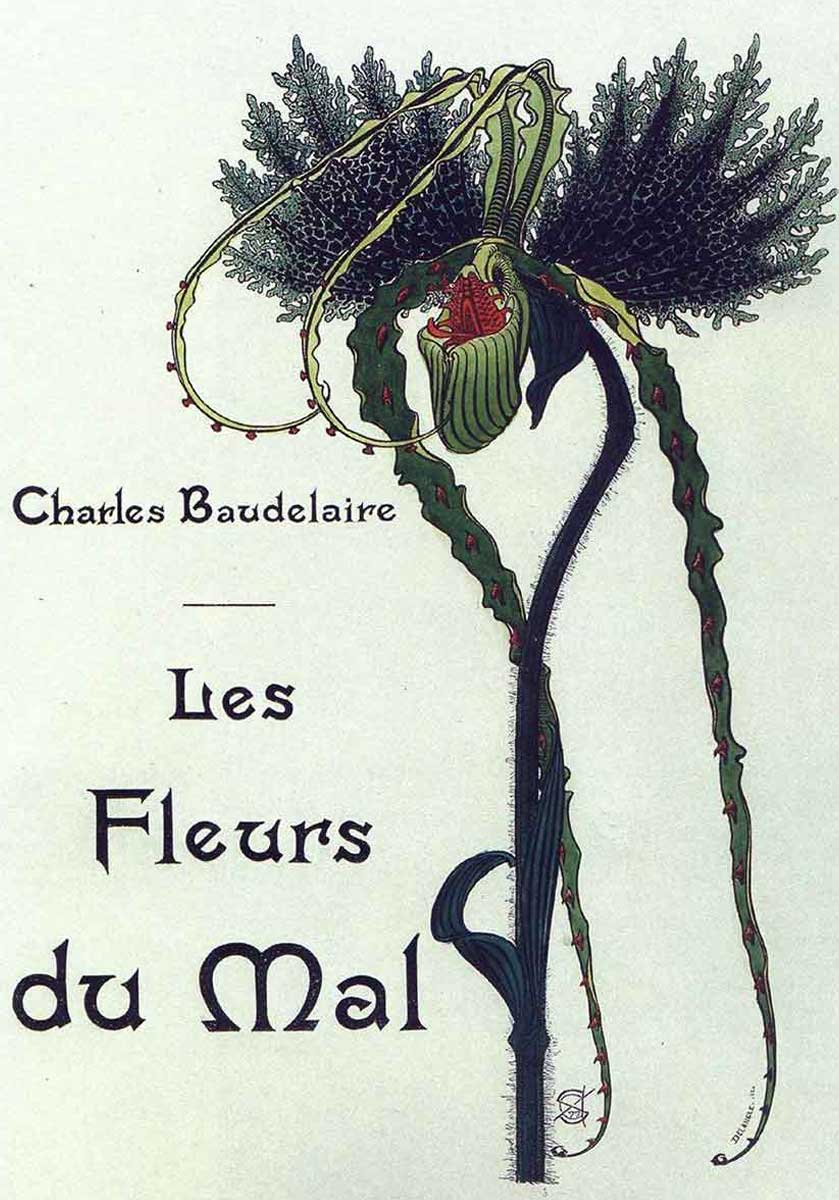
Most decadent works can trace their origins to one incendiary poetry collection: Les Fleurs du Mal, published by Charles Baudelaire in 1857 and promptly prosecuted for obscenity.
Were it solely focused on eroticizing corpses, castigating the reader for hypocrisy, and enumerating forms of monstrosity, ancient and modern, we might think of Les Fleurs du Mal as primarily an example of the grotesque.
Yet Baudelaire’s collection is an early example of decadence because of the poet’s fascination with these things—he revels in turning his attention to subjects from which others might rather turn away. He was an early enthusiast of synesthesia, writing poems about the heights of pleasure (and, consequently, the possibility of pain) which might be attained by uniting all of the senses in one aesthetic experience.
Like all the true decadents after him, Baudelaire proposed no corrective to the evils he portrayed. They are inevitable, even natural: just like the flowers in his title, Baudelaire proposes, the good and beautiful in human nature are liable to wither and decay.
4. Ernest Dowson, Verses (1896)
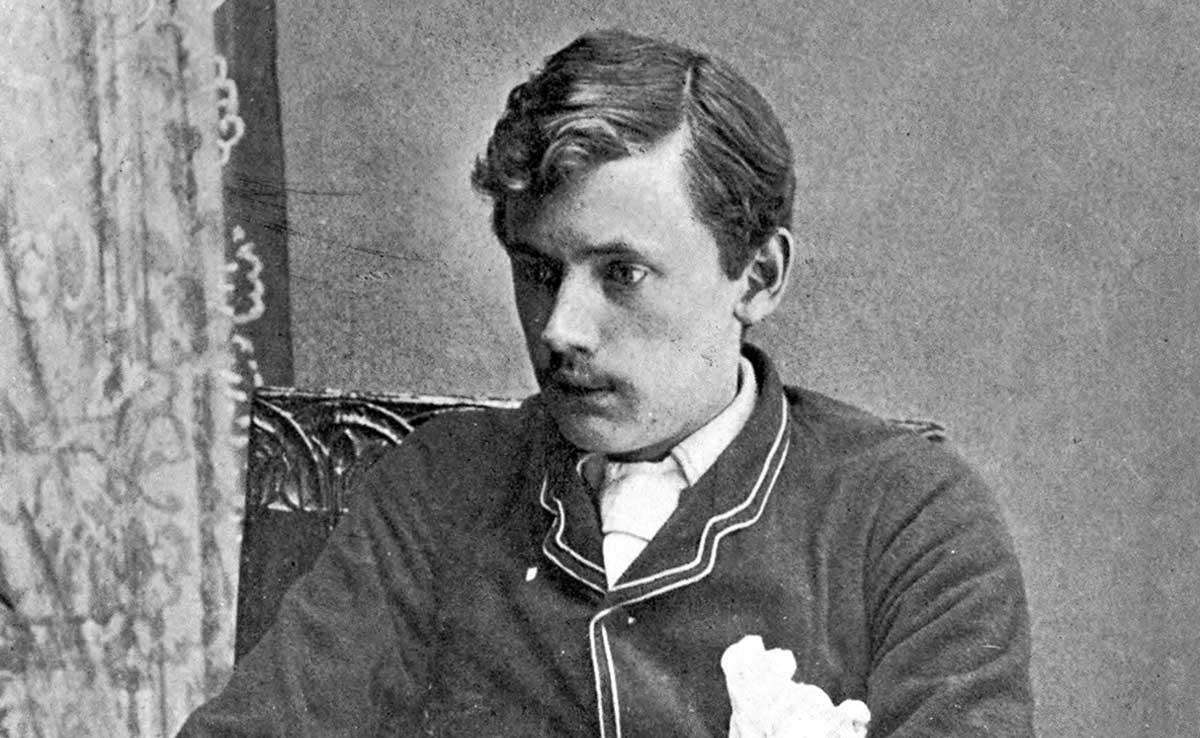
Ernest Dowson cut a ubiquitous figure in the literary circles of fin-de-siècle London before dying of alcohol abuse at the turn of the 20th century in 1900, leaving behind a handful of short stories and prose pieces but, most influentially, a body of tragic decadent poetry.
Like many British decadents, Dowson was a convert to Roman Catholicism, drawn to its rituals and its combination of ostentation and profundity; also like many British decadents, he was a Francophile, translating novels including Honoré de Balzac’s A Passion in the Desert and Choderlos de Laclos’s Dangerous Liaisons.
His poems (with titles in English, French, and Latin) speak of fading love, dashed hopes, life’s dwindling twilight, futility, silence, and solitude. Best remembered is the poem Non Sum Qualis Eram Bonae Sub Regno Cynarae, whose speaker languishes in remembrance of his infidelity, all too aware that, in classic decadent fashion, he is trying to revive a love which is dying. His repetition of “I was desolate and sick of an old passion” grows more anguished with each stanza, while the description of his memories as “gone with the wind” gave Margaret Mitchell the title of her novel in 1936.
5. Aubrey Beardsley, Under the Hill/The Story of Venus and Tannhauser (1904-07)
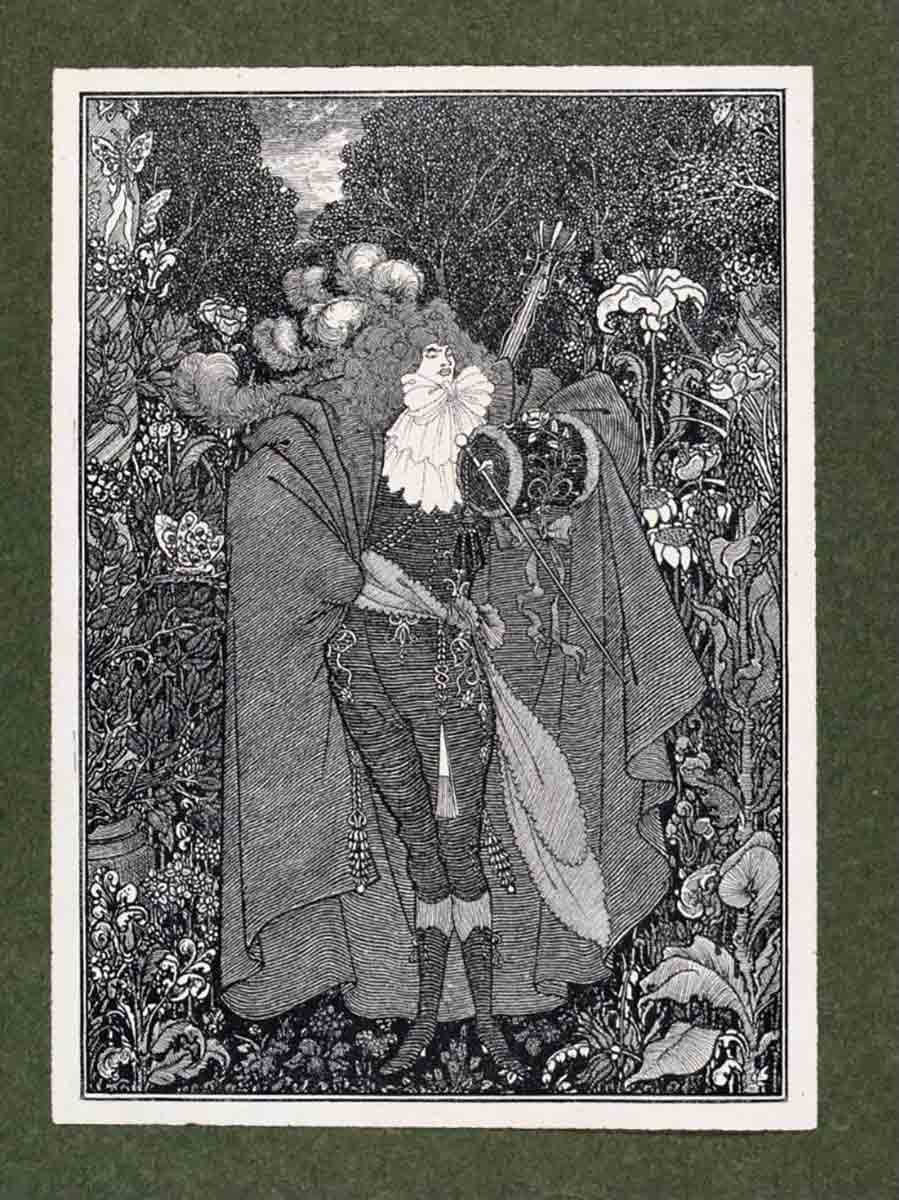
Love and lust in decadent literature exist solely in extremes: when not lamenting their loss or lack, decadent writers at least look at these subjects slightly askew. Many were censured, like Baudelaire earlier in the century, for writing about sexual practices which their societies condemned or considered indecent.
Late-19th-century commentators pointed to perversion (which encompassed homosexuality, cross-dressing, and what they considered excessive sexual desire in women) as a root cause of social decay, and so decadent authors flocked to depict it.
Aubrey Beardsley went one step further, literally depicting darkly and disturbingly erotic scenes in the ornate black-and-white illustrations for which he is best known. As a writer, he was similarly ornate. In Under the Hill (unfinished at his death in 1898, and published in its original manuscript form nine years later as The Story of Venus and Tannhäuser), his prose is every bit as fanciful and capricious as his drawings.
It tells the story of Tannhäuser, a mortal who falls in love with the goddess Venus—familiar to many in the late 19th century through the opera by Richard Wagner, who was something of a godfather to the decadents. Yet while Wagner had made the Venusberg (the goddess’s underground lair) into the magical stuff of opera, in Beardsley’s version it is more of a bordello, making Under the Hill a typically decadent riff on high art which reveals (and revels in) its less lofty parts.
6. Rachilde, Monsieur Vénus (1884)
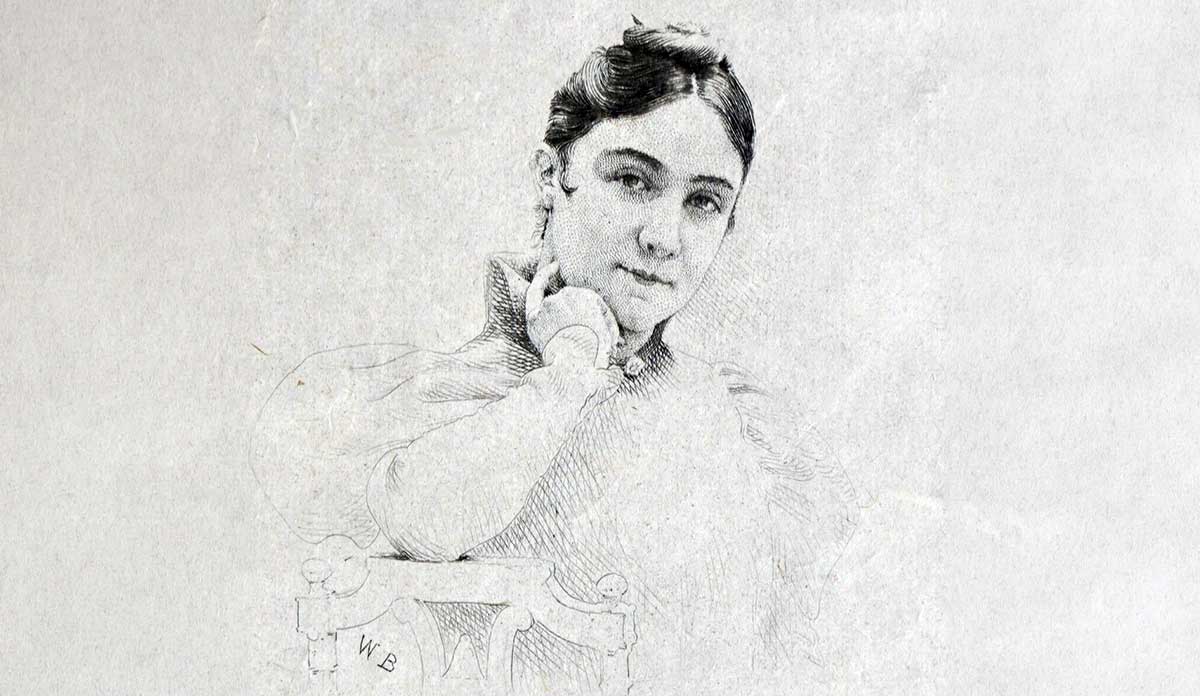
Another decadent work, which took up and twisted the classical goddess of love, was the second novel of a young woman, allegedly not yet twenty years old when she wrote it, who wrote under the name Rachilde.
Monsieur Vénus brought Rachilde the scandal she craved. Authorities in Belgium, where it was originally published, were not impressed with the novel’s dedication “to physical beauty” but more preoccupied with its depiction of a sexually voracious young woman.
The novel concatenated all of the age’s sexual taboos. Raoule, the heroine, not only dominates and flagellates her lower-class lover, Jacques Silvert, but transforms him into her so-called wife, forcing him to become more and more feminine and renounce any shred of power or self-assertion.
What’s more, when Silvert is killed in a duel, Raoule delves into a further taboo, necrophilia, by making, then making love to, an effigy of his corpse. In the newly coined language of the period, Raoule appears to be a nymphomaniac: driven solely, compulsively, by pleasure.
Monsieur Vénus was so notorious that it informed later depictions of transgressive sex and gender identity. In the original manuscript of Dorian Gray, Wilde did name the novel that so influenced his protagonist: the imaginary tome was titled Le Secret de Raoul.
7. Octave Mirbeau, The Torture Garden (1899)
Late in Dorian Gray, one character sighs “fin de siècle,” and another responds “fin du globe”—not end of the century, but end of the world. This encapsulates the literary mood on both sides of the Channel around 1890: a profound ennui at civilization, which seemed only to have led to death, decay, disease, and depravity. As 1900 approached, many looked back and wondered what the 19th century had achieved.
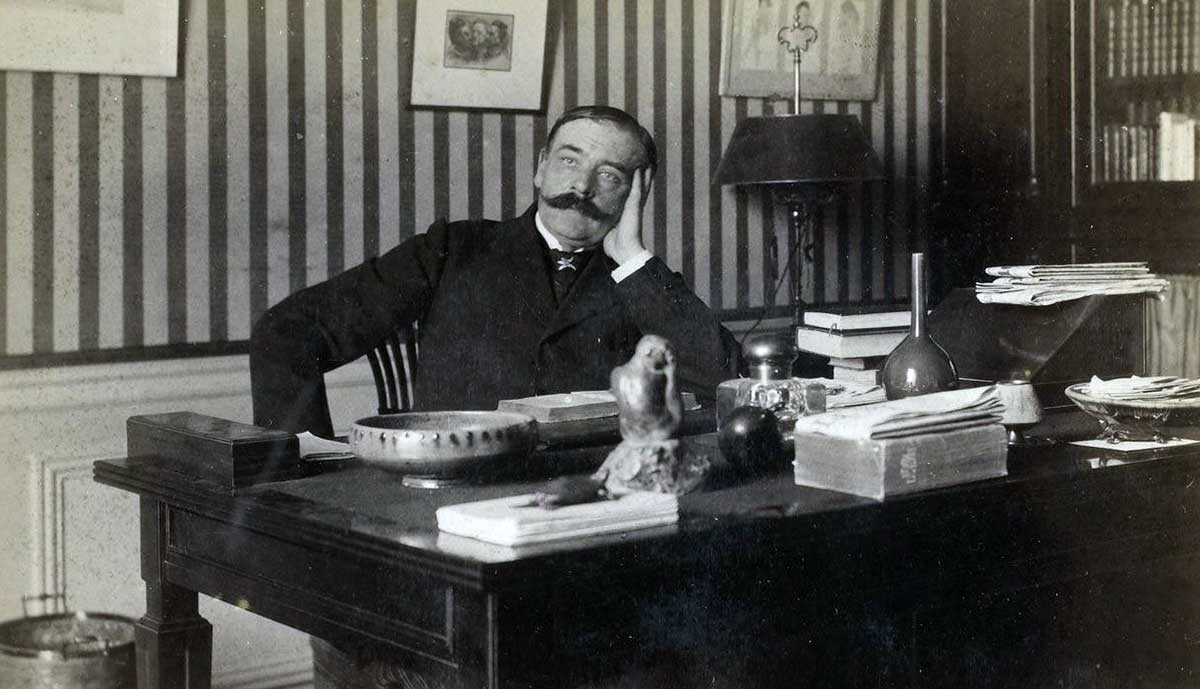
Octave Mirbeau was already famous in France for novels that starkly portrayed abuse and trauma by the time he published The Torture Garden in 1899. This was at the height of the Dreyfus Affair, when a wrongful and antisemitic plot to convict an officer of treason exposed deep divisions in the French state and the fragile standing of nationalist and socialist movements.
The Torture Garden sends up authority, institutions, and the notion of cooperation in society. It tells of a superfluous political aide who is sent on a mission to China and finds himself in a beautiful garden, witnessing horrific tortures (like Baudelaire’s Fleurs du mal, inverting the common representation of flowers as regenerative and healthy).
Also typically for a decadent work, it combines anti-authoritarianism with a depiction of women’s sexual voracity and sadism. The narrator’s female companion takes orgasmic pleasure in watching the flagellation and other tortures taking place in the eponymous garden. Consistent with contemporary medicine and philosophy, which demonized sexual desire in women as hysteria, Mirbeau elevates women to an integral—and highly dangerous—position by virtue of their sexuality:
“Woman possesses the cosmic force of an element, an invincible force of destruction, like nature’s. She is, in herself alone, all nature! Being the matrix of life, she is by that very fact the matrix of death—since it is from death that life is perpetually reborn, and since to annihilate death would be to kill life at its only fertile source.” (The Torture Garden, Introduction)
8. Gabriele d’Annunzio, Il trionfo della morte (1894)
Decadence may have originated in France, but its stylistic innovations, its willingness to shock with its subject matter, and its apolitical apathy found disciples across the world. In Italy, its best-known practitioner was the novelist Gabriele d’Annunzio (who would become even more notorious in the first few decades of the 20th century for his involvement in proto-fascist politics as an early rival of Benito Mussolini).
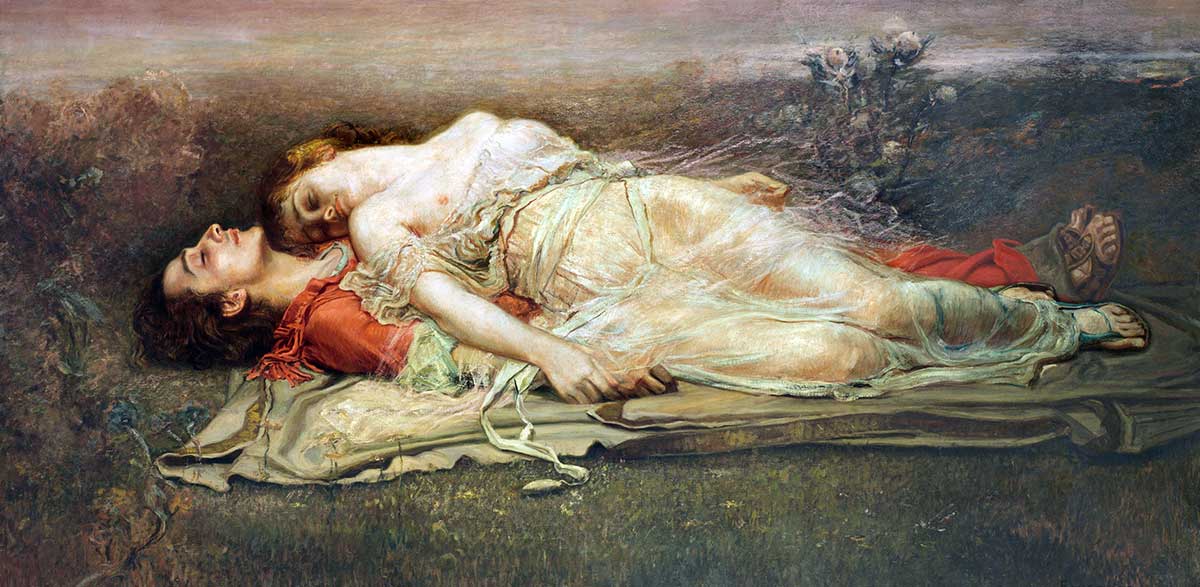
Revealing the influence of Wagner on decadent literature, Il trionfo della morte features a pair of lovers who, like Tristan and Isolde, are inexorably borne toward death. Once again, its protagonist is an aesthete who has become bored and disillusioned by aesthetic experience. Visiting a beautiful mountainous village and looking at its sculptures only makes him reflect on death and depravity. He and his lover wander hopelessly during a broiling summer, every encounter pushing them further into themselves and their paranoia toward one another.
D’Annunzio’s cloying, obsessive prose makes the ending seem inevitable. With nothing to contribute to a world which disgusts them, what more is there for these lovers to do but plunge off a cliff together, in that exhilarating, tragic combination of love and death which Wagnerians called Liebestod?
9. George Egerton, Keynotes (1893)
Amid the more scandalous stylings of decadent works, it’s easy to overlook an important definition of the term, as signaling the decline of one epoch before a new one arises. Decadence in literature was transitional, with dominant forms and genres of the 19th century (realism, naturalism, the three-volume novel) giving way in this period to those of the 20th century (modernism, fragmented narratives, stream of consciousness narration).
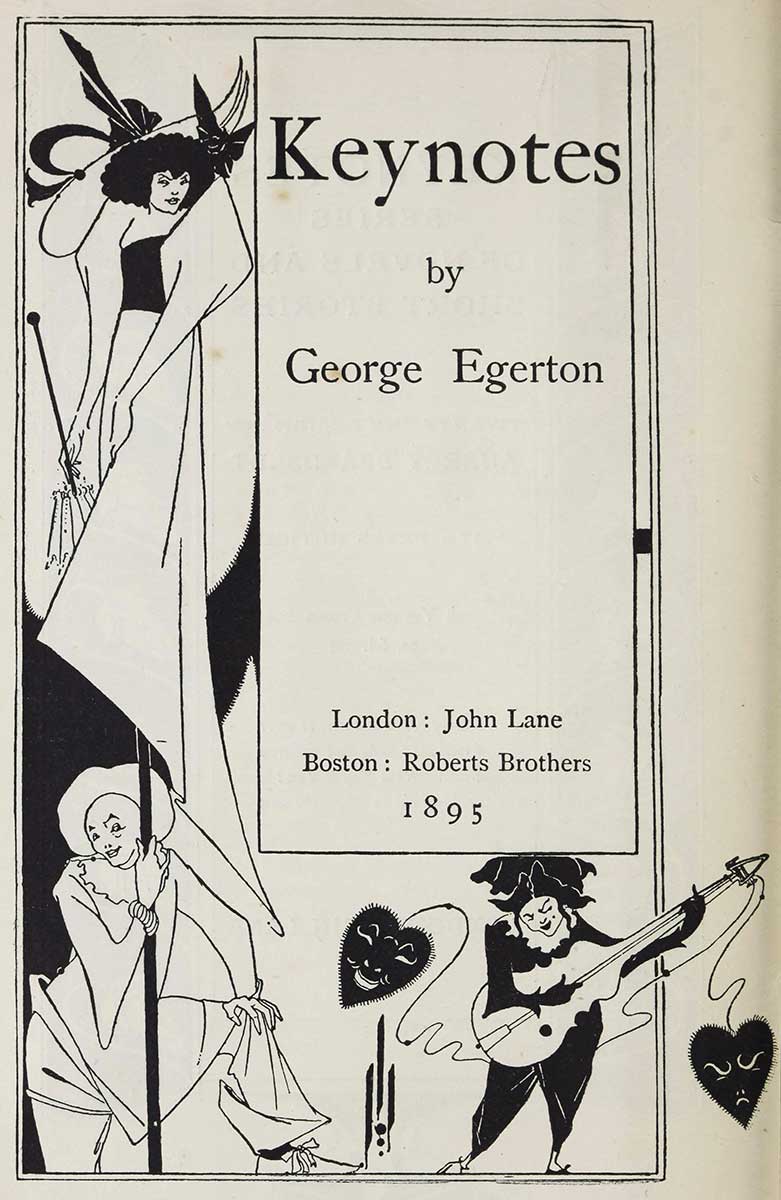
Keynotes was the debut short-story collection by George Egerton, pseudonym of the Anglo-Australian writer Mary Chavelita Dunne Bright. It was illustrated by Aubrey Beardsley, and one of its publishers was John Lane, publisher of Wilde and founder of The Yellow Book, English literature’s foremost journal for decadent writing.
Keynotes was such a roaring success that Lane started the Keynotes series, 33 novels or short-story collections which included other decadent classics such as The Great God Pan by Arthur Machen and Prince Zaleski by M.P. Shiel.
Egerton’s stories were decadent in style, hinting at synesthesia by incorporating musical notation as motifs (their “keynotes”) and delving into the consciousness of her protagonists, frequently women facing moments of moral ambiguity.
Egerton’s women are sexually liberated, railing against the restrictions of 19th-century marriage, and emboldened by the work of writers like Henrik Ibsen and Friedrich Nietzsche to imagine better lives for themselves. It’s important to remember Egerton among the many male decadents (and some female, such as Rachilde) who generally make women’s licentiousness a point of perverse fascination, often simply confirming the contemporary censure around hysteria and erotomania. In contrast, Egerton used decadent style and subjects to advocate for women’s freedom and fulfillment.
10. Vernon Lee, Hauntings (1890)
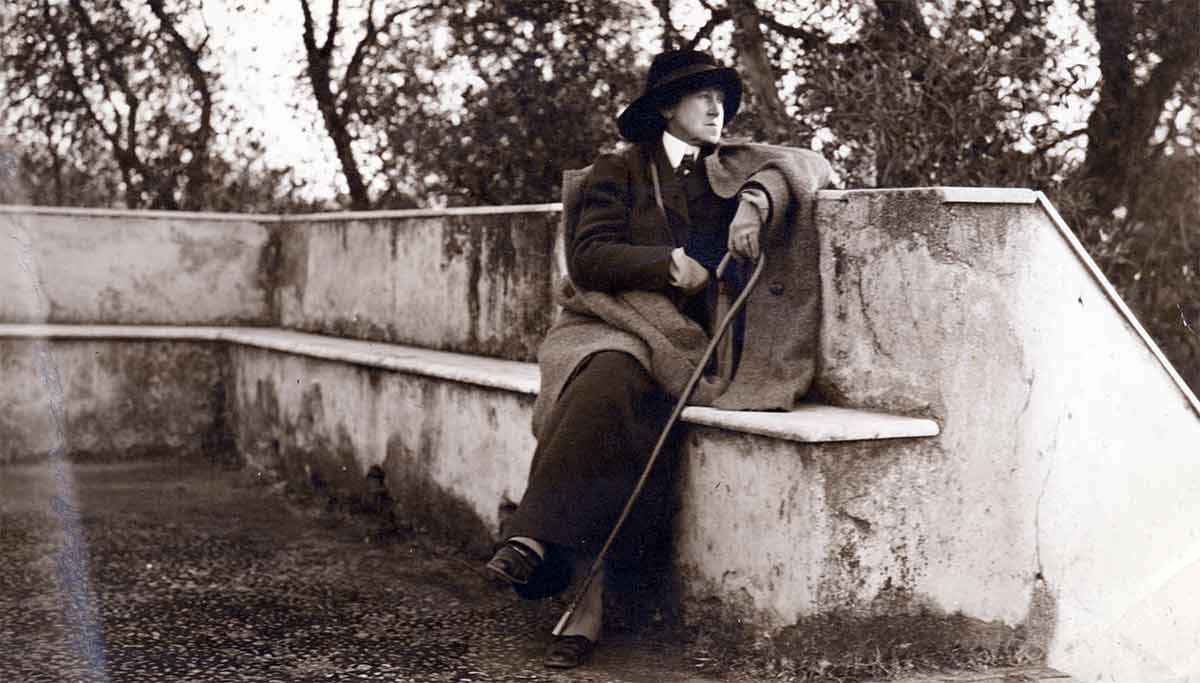
Vernon Lee (born Violet Paget) had been skeptical of the aesthetic movement in English culture in the 1870s and 1880s, writing a novel that lampooned what she saw as the perfunctory attitude of aesthetes who merely collected artistic objects and experiences like a checklist exercise. Lee was a scholar of aesthetics and Renaissance art who lived at some remove from the literary vagaries of Aestheticism and then Decadence, as an expatriate in Florence, Italy.
As such, she was also wary of the term “decadent,” and her writing engages critically with it, even when it appears to fulfill our expectations of decadence. The four stories that make up Hauntings each scrutinize their protagonists’ interactions with an art object, whether painting, sculpture, or music. In doing so, they question whether the decadent stance of paradoxically enchanted disengagement is healthy, useful, necessary, or even possible.
Lee’s protagonists all become obsessed with art in a typically decadent manner. The composer protagonist of the story A Wicked Voice feels he is being pursued by an operatic air from the 18th century, which so consumes him that he compulsively transforms the music he is composing from Wagnerian excess into this outdated recitativo. What is more decadent and dangerous, then: the music he composes or the music he listens to?
Each of Lee’s stories leaves us with questions like this about decadent works’ relationship to, and responsibility toward, their audience. In portraying decadent themes and writing decadent works that are alluring and seductive, do writers necessarily glamorize perversity and disease? Or are these works, as Wilde argued, sterile? How much is left to the reader? These questions make Lee’s stories into compelling meta-meditations on the power of art, and suggest the enduring fascination of decadence for readers today.