
Robert Mapplethorpe was born in Queens, New York, in 1946. He had a very religious upbringing but chose to rebel against his mother’s wish for him to join the priesthood by studying art. He enrolled in Pratt Institute to study for a Bachelor of Fine Arts immediately after finishing high school, but he dropped out before getting his degree. Still, he managed to become one of the icons of photography, forever revolutionizing the art form.
Robert Mapplethorpe: The Emergence of an Artist
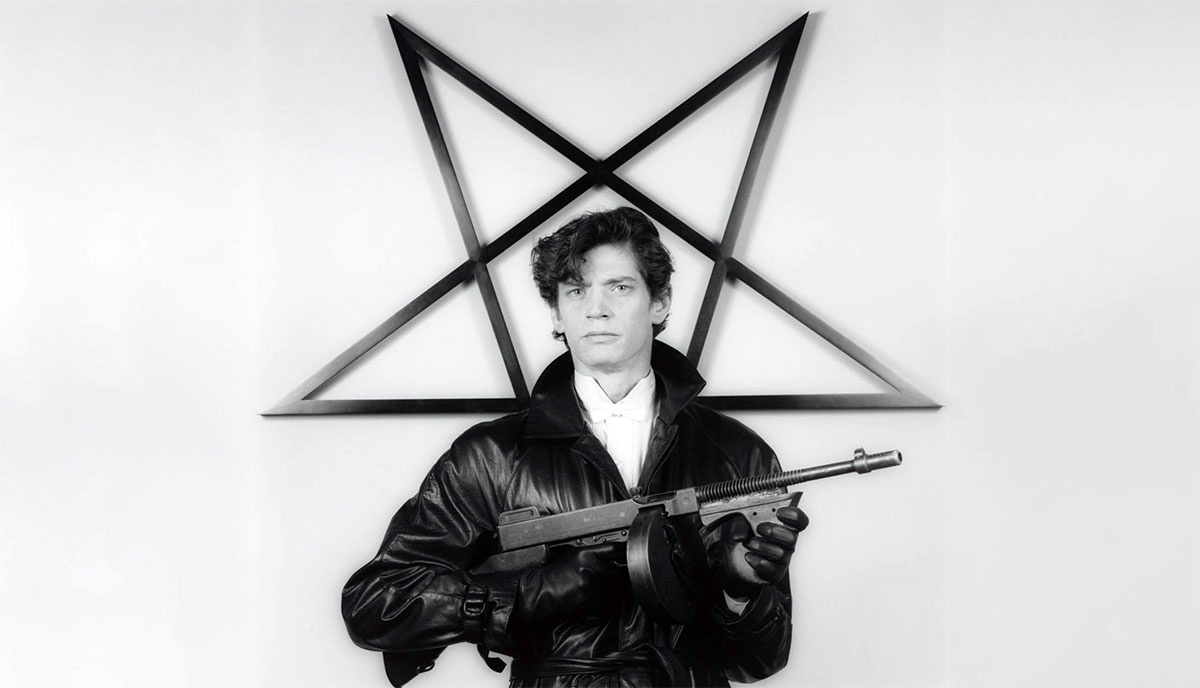
Shortly after dropping out of college, Robert met Patti Smith. This iconic personality in the punk rock scene first came to New York with dreams of being a poet. When she ran into Mapplethorpe, the two hit it off immediately and started dating and living together. At the time, Mapplethorpe’s main means of art expression was art collages. He would buy magazines, especially homoerotic magazines, cut up the images, and use them to create new art.
In 1969, he started exploring his homosexuality, which meant that his relationship with Patti Smith had to undergo some changes. The two kept living together but moved to the famous Chelsea Hotel, home to many great artists in the 1970s. This allowed Robert Mapplethorpe to quickly infiltrate the New York art scene and get ahold of his first camera. Using a Polaroid, he began to take photographs—mainly portraits of friends and artists. Among his first works was Patti Smith’s first album cover: the 1975 Horses.
Robert Mapplethorpe was also getting acquainted with the gay scene in New York, and after a while, this became the main subject of his work. Among photography enthusiasts, Mapplethorpe is famous for bridging the gap between art and pornography. This debate often caused him more controversy than praise and his career was marked by many accusations for obscenity.
The Aesthetics of a Mapplethorpe Photograph
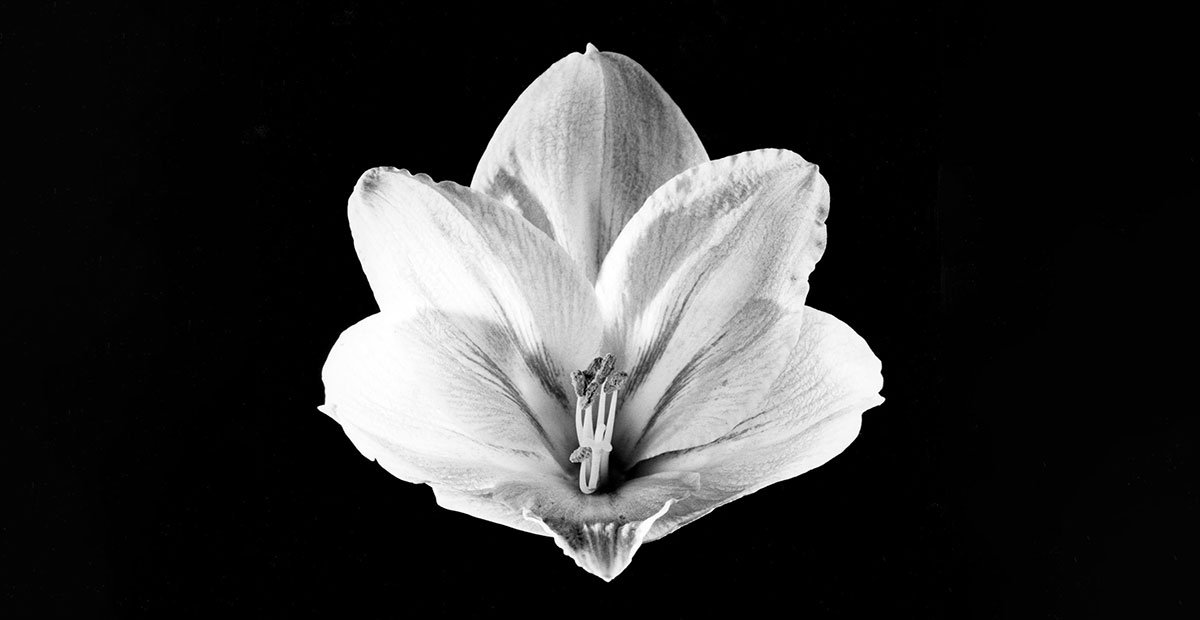
In a Robert Mapplethorpe photograph, no matter the subject, the framing is almost always identical. The subject stands alone in the middle of the frame and quite simply emulates a sculpture. This could be a man, a couple engaged in sexual activity, or a flower—Mapplethorpe’s work has a rigid yet sophisticated element. These photographs have the timeless quality of a 16th-century sculpture and the identity of the 1970s sexual revolution—works of art that are both timely and timeless.
As mentioned before, Mapplethorpe’s work was often the subject of the obscenity debate. Can pornography ever be considered art? And where exactly is the elusive line between the two? This debate is reminiscent of the debate around Andy Warhol’s early works, and indeed around found art in general. Is it the setting that renders something art, or is it merely the definition?
In Mapplethorpe’s case, aesthetics play a vital role in deciding the debate. His work is almost always in black and white. Black and white in photography, when it stopped being a necessity and became an artistic choice, took on two missions: to glamorize or to dramatize. The interesting thing about Mapplethorpe’s work, however, is that it constantly drifts between both the realms of high art and more controversial, taboo subjects.
Sexuality and How to Portray It
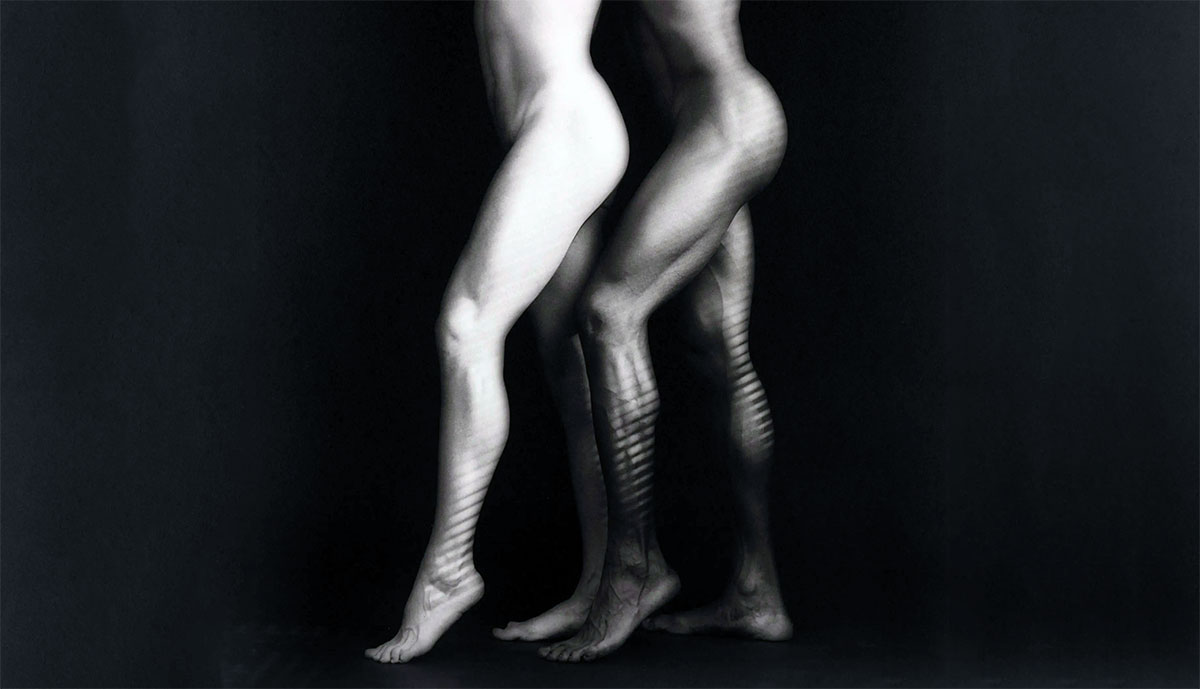
Portrayals of sadomasochistic sexual acts gain the status of high art through Mapplethorpe’s unique and deliberate lens. What truly sets them apart from mere exploitation is the simple fact that they are not exploitative in nature. The focus is on the act, the participants, the minimalistic setting, the precise framing, and the interplay of dual colors—but more importantly, it is on the raw, visceral experience itself. Through these elements, Mapplethorpe elevates the experience, turning it into something transcendent. All these components come together to paint an image of a carnal, intimate experience that is, paradoxically, made holy, turning the taboo into a deeply thoughtful exploration of human form and desire.
Sexuality for Robert Mapplethorpe is a vast ocean, one he spent the majority of his career exploring. His depictions of sexuality ranged from nude models to acts of BDSM, a photograph of male genitalia to one depicting it in painful torture—but as Patti Smith describes Robert’s work in Just Kids, “His obscenity is never obscene.”
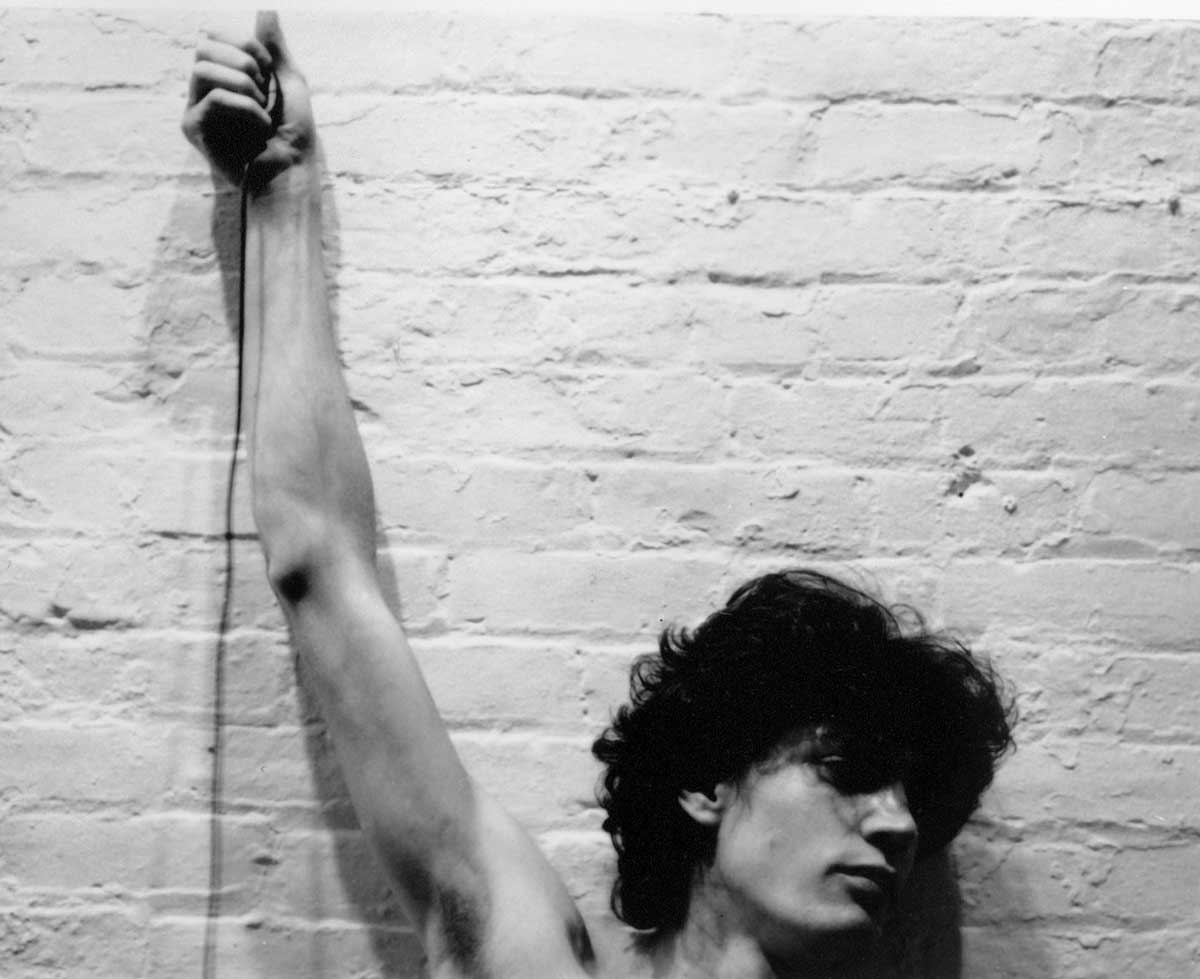
Mapplethorpe was aware of the debate around his work, yet surprisingly, he never really took a side. He referred to his own work as pornographic and seemed to have no issue with the term. On the contrary, Mapplethorpe never saw the point in separating art and pornography, even in definitions, because for him, they were one. His work shamelessly explored male sexuality, seeking to deify it much in the same way ancient sculptors did with female beauty. In a sense, he was creating the male Venus, but through a different art form—through countless subjects and a continuous expansion of what sexuality could be understood as. By challenging conventional boundaries, Mapplethorpe not only redefined masculinity but also pushed the limits of how sexuality could be portrayed.
It is also worth noting that he never shied away from confrontation or public debate. On one occasion, while sending out invitations to an exhibition at a prestigious gallery, he included photographs of male genitalia with a whip, shocking unaccustomed recipients. This bold move reflected his willingness to challenge societal norms and provoke thought. A significant element in Mapplethorpe’s ability to portray male eroticism so uniquely is his personal involvement in the acts themselves, rather than merely being an observer. His intimate engagement with the subjects added an authenticity and depth to his work.
Mapplethorpe: Working Unapologetically
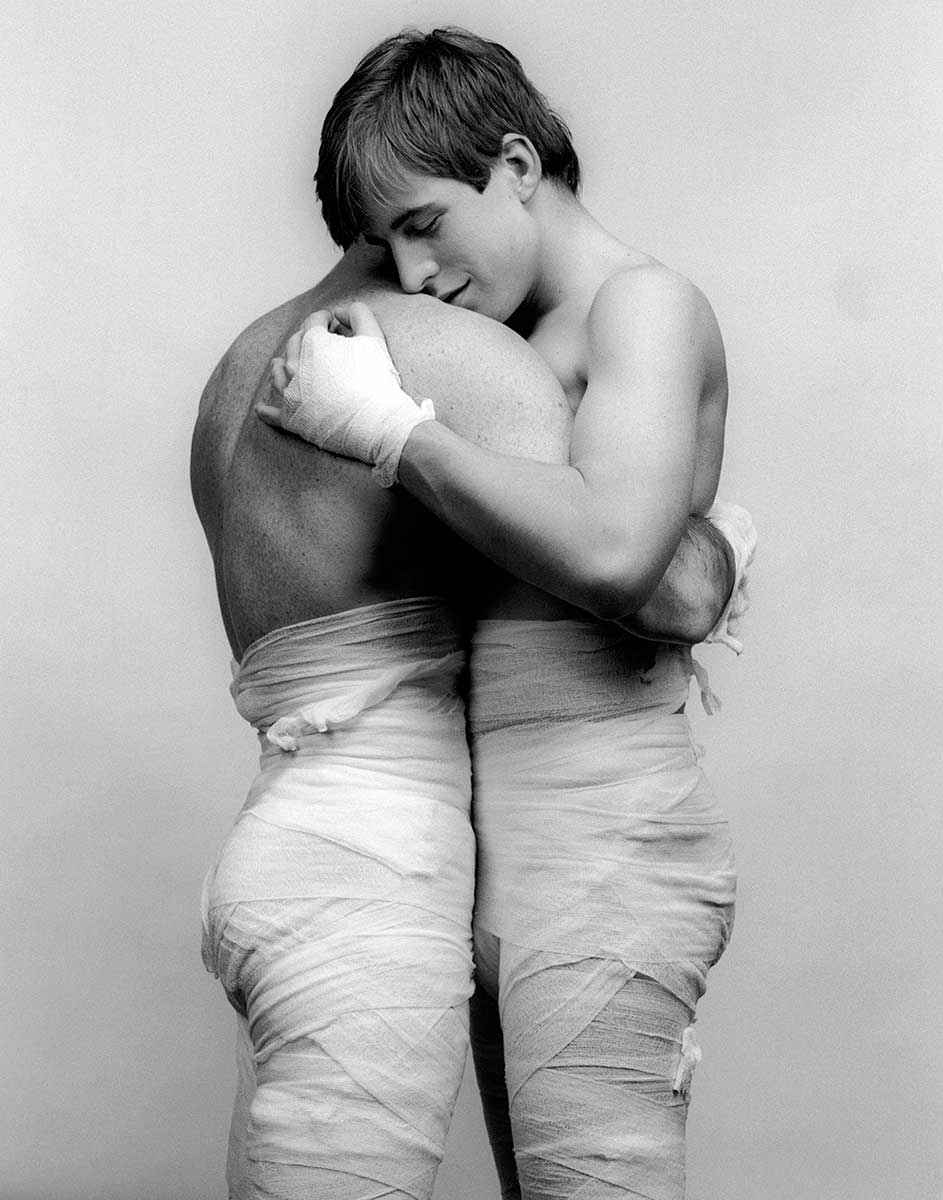
It is important to note that Robert Mapplethorpe’s images of extreme sexual acts were captured at a time when the gay community was facing an unprecedented pandemic.
While gay men were dying of AIDS, Mapplethorpe’s photography attempted to deify the male body that was suffering due to the deadly disease. In his photographs depicting BDSM acts, details await those brave enough to keep looking beyond the initial shock. Muscles, body hair, male genitalia—the lens sheds light on the men, and on what exactly makes them men, before portraying their desire.
The shock is intentional, especially considering the aforementioned circumstances. With the rise of the AIDS pandemic came a new surge of homophobia. Artists chose different methods to deal with it. For filmmaker Arthur J. Bressan Jr., director of Buddies (1985), humanity and emotion are his canvas. For Mapplethorpe, the unapologetically extreme is the only answer.
But the thing that makes Mapplethorpe’s photographs so striking, and ultimately lasting, is the fact that they are primarily shapes. Working in a studio granted him the liberty to carefully select every component of a photograph. In Robert Mapplethorpe’s work, nothing is arbitrary; everything is chosen with meticulous attention to even the smallest details. The details vary in quantity, depending on the nature of the photograph. Some may take hours to fully digest, while others convey their meaning with just two or three elements.
Robert Mapplethorpe’s Most Famous Portraits
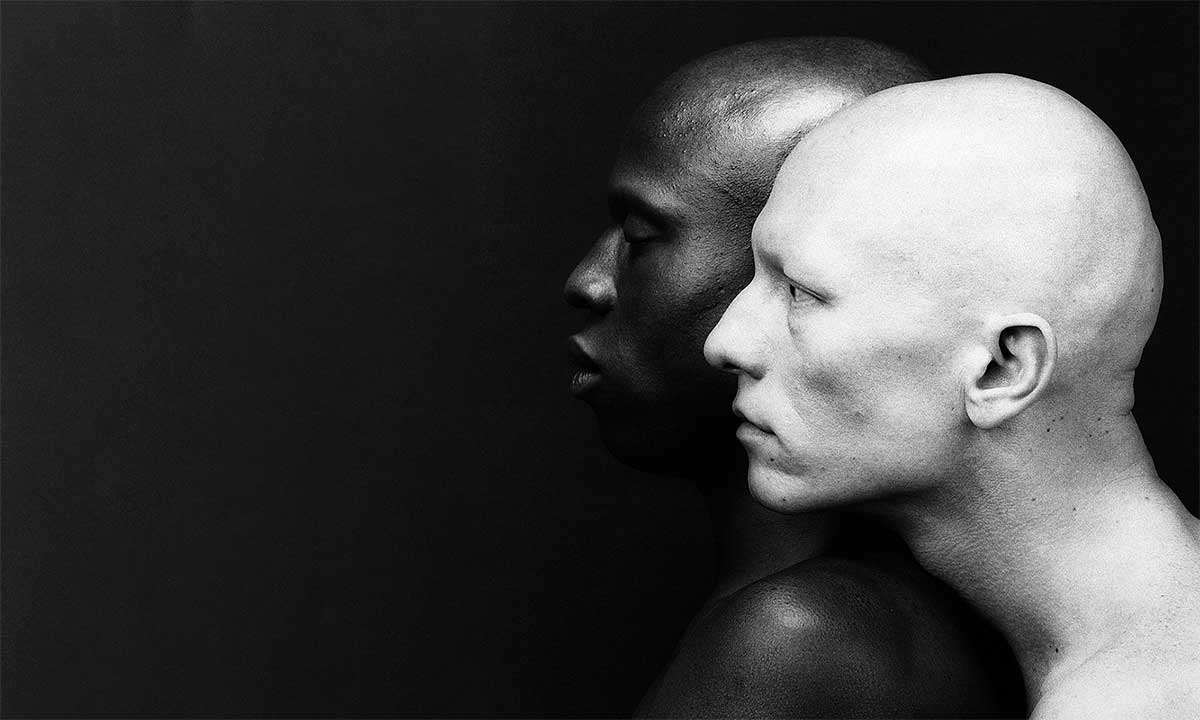
This is one of Robert Mapplethorpe’s most famous works, and it’s easy to see why. The two subjects contrast in nearly every way: one’s eyes are closed while the other’s are open, one is pale and white while the other is Black, one is at rest and the other is alert. Yet, despite their contrasts, the lasting impression is one of completeness—two opposites coming together in harmony, much like the age-old Yin and Yang.
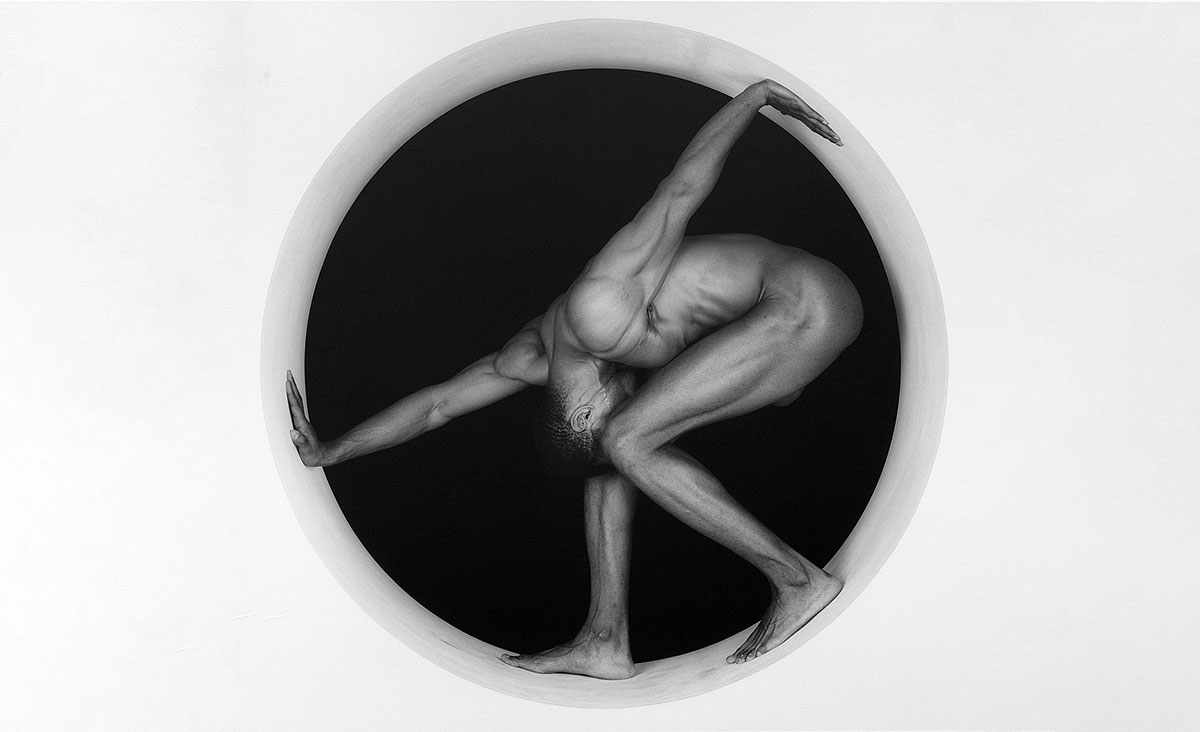
Thomas (1987) is another one of Mapplethorpe’s masterpieces. He often said that if he had been born in another era, sculpture would have been his medium of choice. And more often than not, his photographs behave exactly like sculptures. Thomas gives the feeling that even after the shot was taken, the subject remained in his choreographed perfection. That is the alluring quality of Mapplethorpe’s photography: being stuck in time longer than the click of a camera.
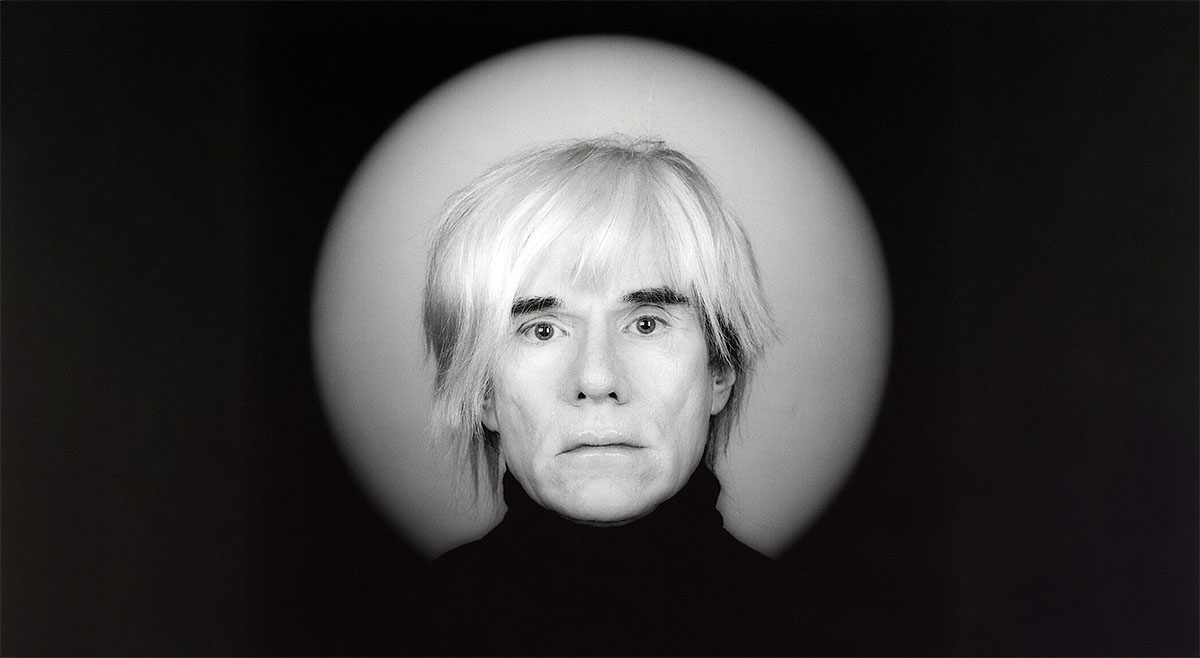
Mapplethorpe’s portrait of Andy Warhol does exactly what it is supposed to do: frame a landmark of modern art for all to see. There is no mistaking the purpose of this photograph: the subject is centered and singular, the black-and-white photography has low contrast, reminiscent of a flashback in a film, and the light is cast in a circular shape as if framing a culprit. Simple, yet striking. Simple, but everlasting.