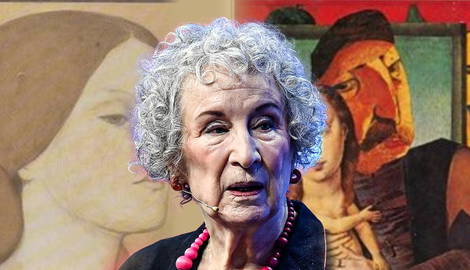

A post-modern Canadian poet, novelist, and literary critic, Margaret Atwood is not only a successful writer but has also founded the Griffin Poetry Prize and invented the LongPen device. Born in Ottawa, Ontario, at the onset of World War II, Atwood grew up in a nomadic lifestyle in the Canadian backwoods, voraciously reading mysteries, Indigenous folktales, and comic books. Although never formally schooled until the age of twelve, she realized writing was her passion at age 16. Her first forays into the world of writing were through two poetry collections.
Margaret Atwood’s Feminist Leanings
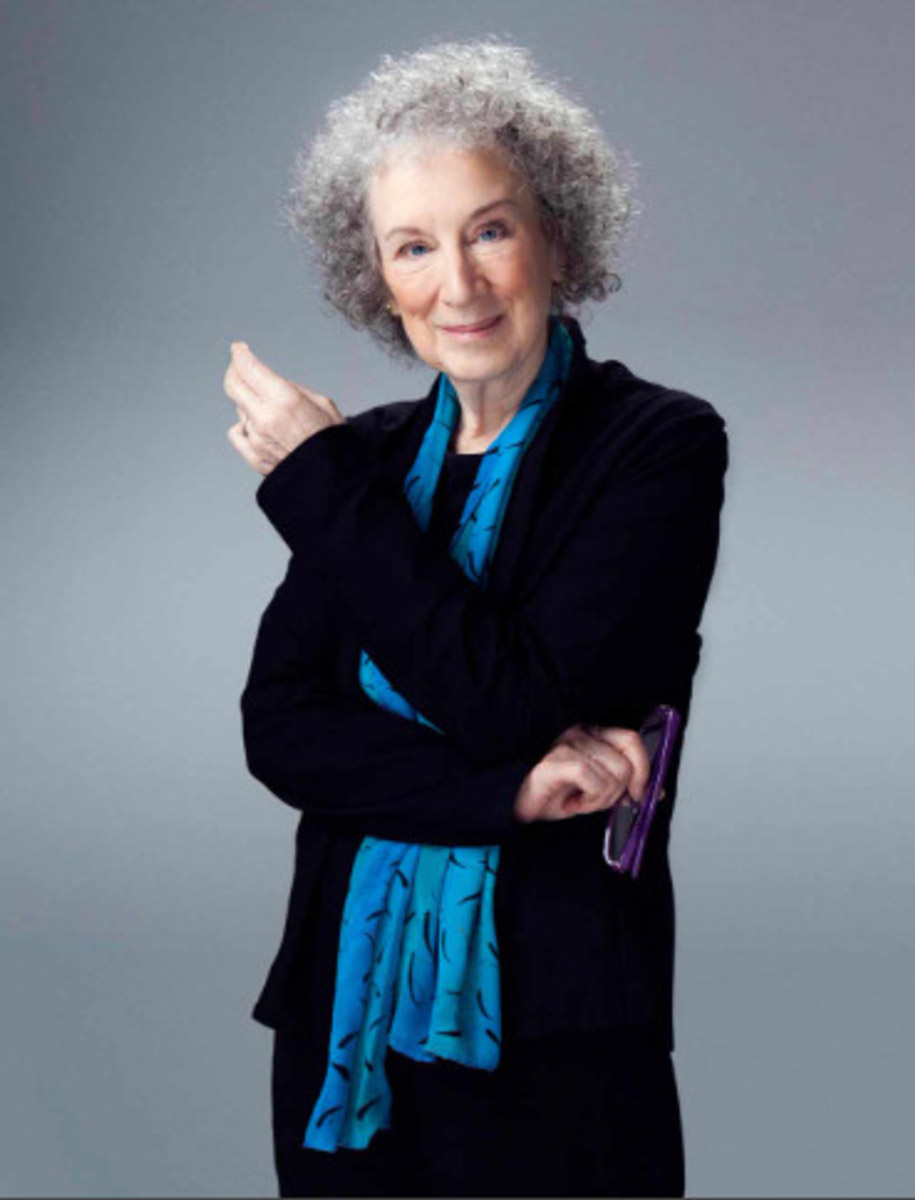
Atwood labels her works as social realist even though they primarily deal with feminist themes, as she feels her works go well beyond the scope of just the feminist movement. She employs gothic romanticism to portray the female body as entrapped in social myths of femininity. The female body becomes a microcosmic battlefield for the interplay of regressive socio-political forces; constantly under surveillance but also with its unique secrets.
Atwood’s writing, thus, often blurs the boundaries between the political and the personal. Her speculative fiction also contains heavy undertones of a psychic war between the sexes and the eternal tussle for power. Atwood switches the victor/victim dynamic between the sexes—gender takes on a fluid identity and becomes a performance. Beyond the feminist aspect, Atwood is interested in the psychological exploration of human lives and the question of identities and split selves and all the dualities that are a part of survival. A select analysis of her novels shows how Atwood deftly weaves in postmodern uncertainty of life with the ongoing gender power struggle, primarily through the feminine lens of subjective experience.
1. Edible Woman (1969)
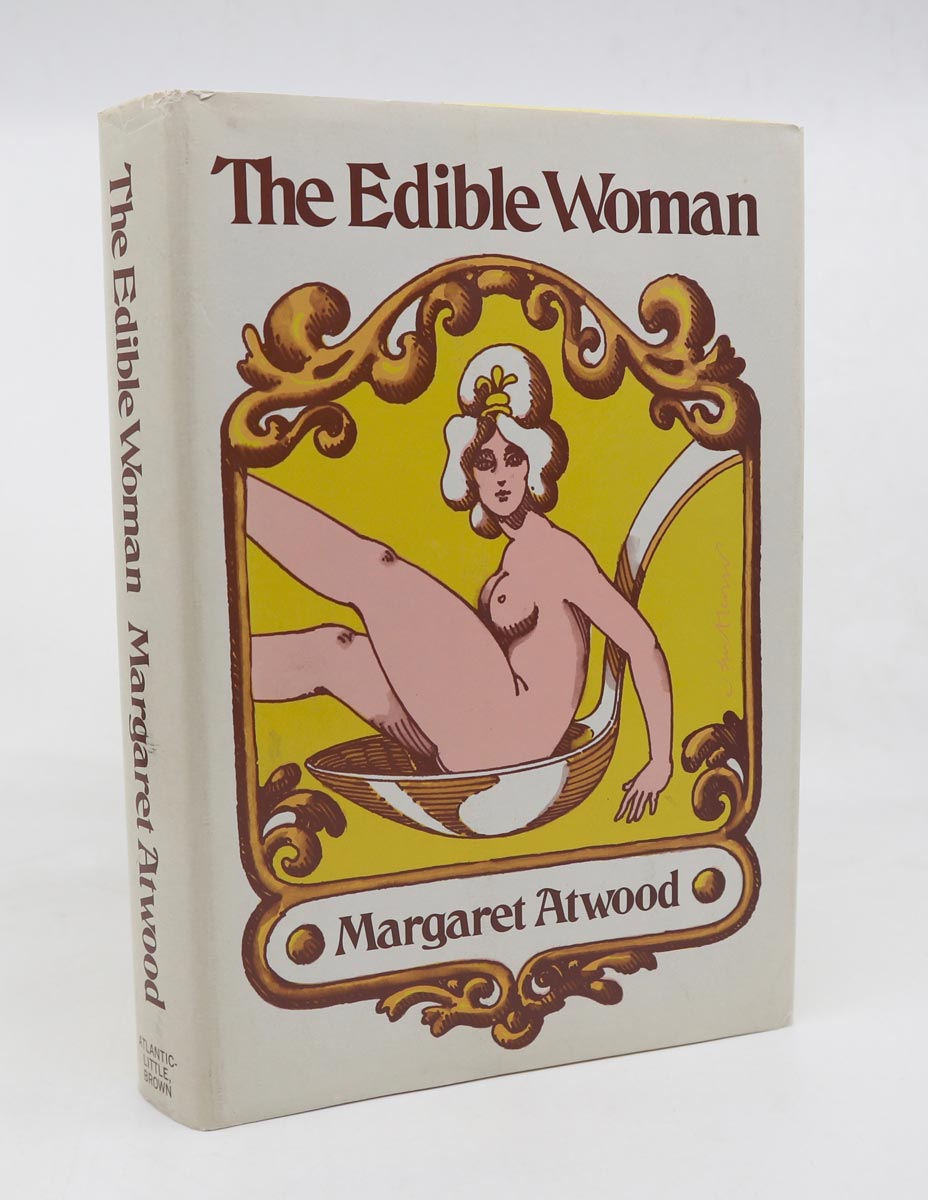
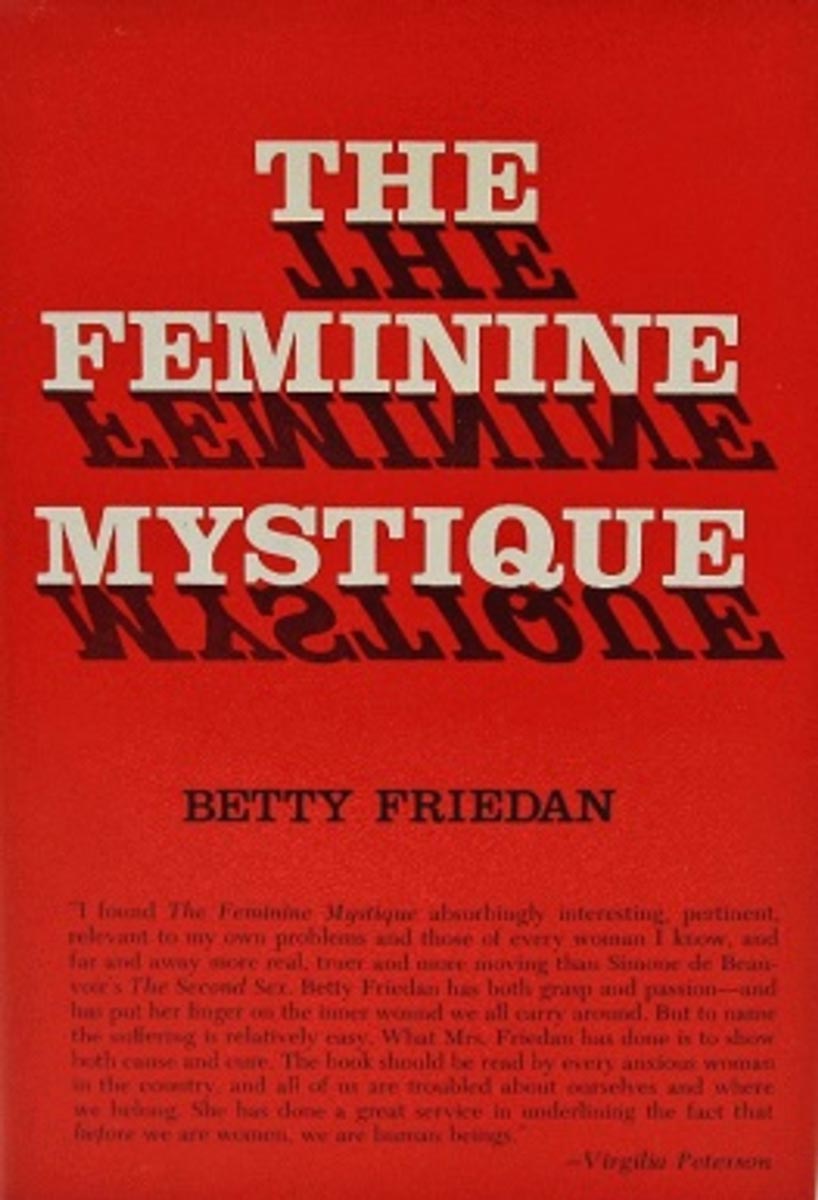
Edible Woman is Atwood’s first novel, which established her as a luminary in Canadian prose fiction. Being a proto-feminist work, it anticipated some tenets of second-wave feminism. The story revolves around the prevailing gender stereotypes and the bifurcated responses of women towards them. Atwood situates the story in a very postmodern world, with its soul-crushing alienation, and traces a resistive woman’s fate, which ends with her detachment from reality and her descent into madness. Like Betty Friedan’s The Feminine Mystique, Atwood focuses on the unhappy position of women in the 1960s, trapped in domesticity, wanting more from life.
In the story, a college graduate, Marian MacAlpin, is caught between the societal pressures of being a model woman and her real feelings towards the institution of marriage and motherhood. Her foils are her two colleagues, who are either married or positively inclined towards motherhood. Through conversations with friends and fiancés, Atwood shows how those who didn’t buy the myth of domesticity bringing women happiness lacked a sense of belonging and identity like Marian. In a consumerist society, women’s lives and bodies are seen as commodities, and Marian’s slow detachment from her body shows her refusal to give in to the sexist demands of society.
Marian’s growing aversion to food shows her resistance to being fed misogynistic ideologies and forced into a life she detests. The female body is placed vis-à-vis images of both food (creation) and the grotesque scatological (waste)—concomitant with Simone de Beauvoir’s assertions in The Second Sex. Atwood uses the symbol of the doll-shaped cake or the titular ‘edible woman’ as a representative of the fragile status of American women, controlled and devoured by the patriarchal society. Although Marian escapes marriage and motherhood, her devouring of the doll-shaped cake at the end shows some amount of internalization and complicity in the domestic myth.
2. Lady Oracle (1976)
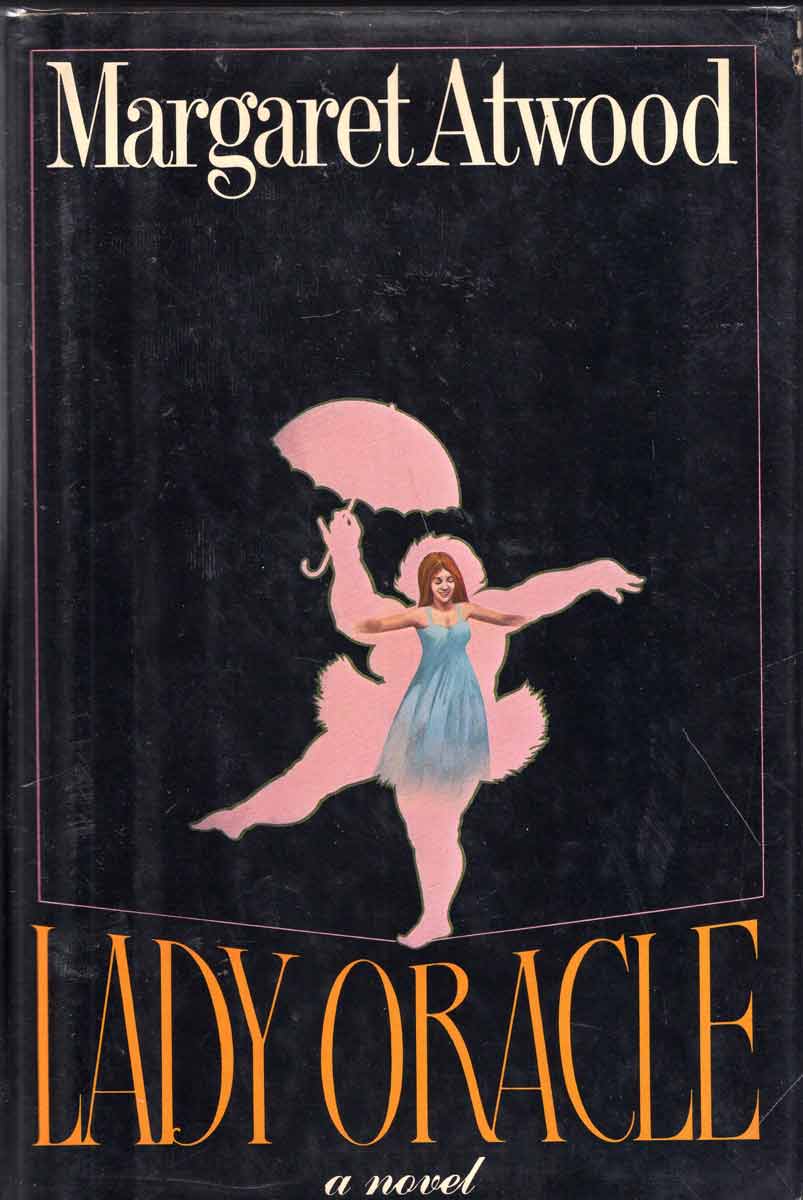
Atwood’s third novel deals with the position of the woman artist in a male-dominated society, where women were allowed to work but never transcend the trappings of domesticity. The obese protagonist who writes gothic romances was inspired by the celebrated writer Shirley Jackson, who too suffered from obesity and struggled with juggling a domestic life with her writing. Joan Foster suffers similarly from an overbearing, critical mother and paranoia of being found out and criticized by society. Not only does Joan flout patriarchal rules by writing but also by indulging in multiple affairs with men and touring Canada in a bohemian fashion. The former aversion towards food in The Edible Woman is reversed here—Joan Foster uses food as a distraction and a tool of nonconformity.
Atwood uses post-modern techniques of flashbacks and flashforwards to narrate the life story of the rebellious writer. The absurd repetitiveness of incidents and Joan’s obsessions with revisiting the past all show stagnancy in movement—the state of women curtailed by society. While the Second-wave feminist texts always showed domesticity as destroying the finer aspirations of women, Joan Foster uses her entrapment in domesticity to succeed in her writing career. Atwood thus hints at a utopic possibility of thriving even in the constrained environment. However, like the human condition in a post-modern world as isolated and lost, Joan fails to develop a stable individual identity, instead giving in to patriarchal wishes after futile fighting.
3. The Handmaid’s Tale (1985)
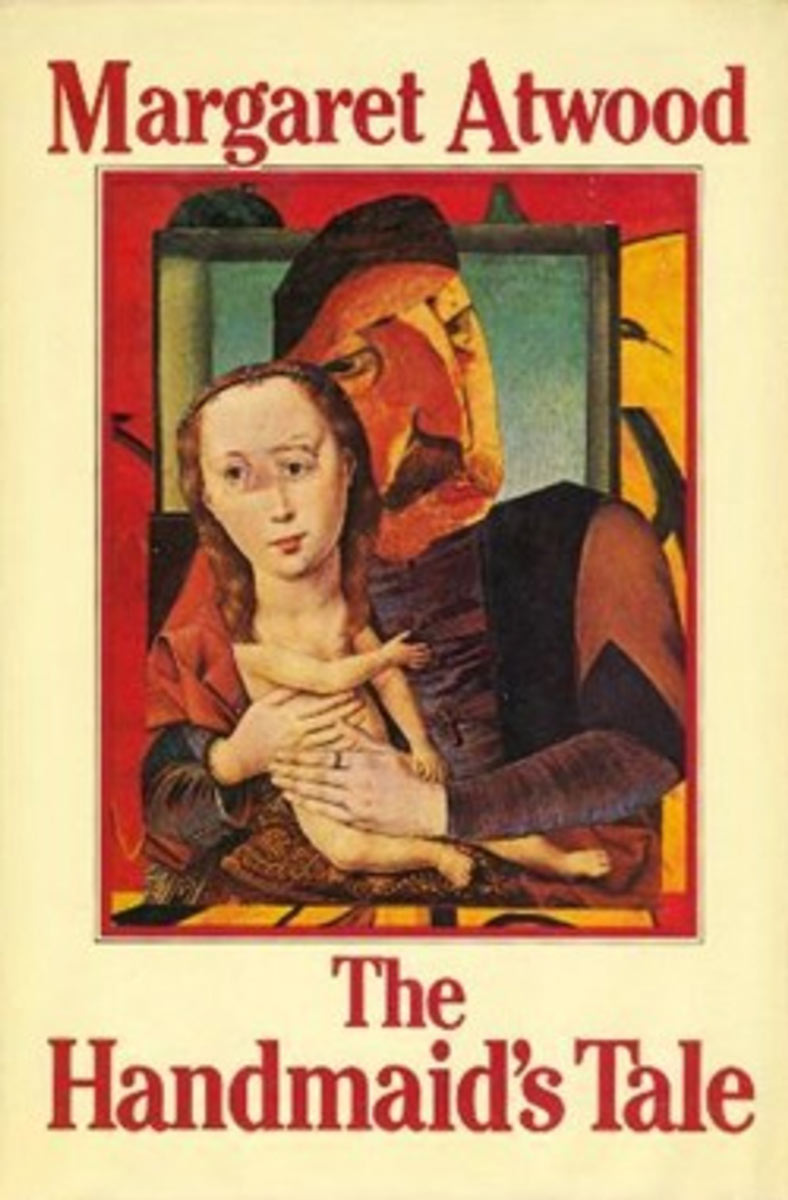
Probably Atwood’s most famous book, recently adapted into a television series by Hulu and nominated for numerous awards, The Handmaid’s Tale is a work of speculative fiction. Atwood differentiates speculative fiction from science fiction, stating that the former has more chances of coming true in the future and is grounded in the tenuous present reality. This book shows Atwood’s brilliant use of the exterior gothic landscape to represent women’s inner gothic fears. Atwood satirically criticizes the political and religious trends of 1980s America—seeing the deliberate misuse of religious institutions to over-police women’s lives as repressive and regressive.
In the novel, set in a dystopian future in New England, a totalitarian and patriarchal government dictates women’s positions and roles in society by controlling their reproductive rights and bodily autonomy. Not unlike George Orwell’s 1984, the government has its own militarized religious institution that is all pervasive and extremely lethal to anyone who tries to assert individuality. Women lose all their economic and educational privileges; their worth is based on their ability to breed children for high-ranking men of society. The position of women depicted in the novel is a reawakening of the primal fear, everything that feminist movements had achieved is lost.

Atwood describes cases of rape which, although carried out by men, are often aided and abetted by women. The blame for women’s subordination is never placed solely on men but also on internalized misogyny, perpetuated through the strategic class divisions among women (emphasized using color symbolism). Paradoxically, the ritualized act provides a form of protection for women: unsanctioned rape, pornography, and other forms of abuse disappear as they become punishable offenses.
The novel’s atmosphere is suffocating, so dictated by rules that the characters’ desperations become poignantly palpable to the reader. In the dismal landscape, escape seems impossible, yet freedom occurs in the form of the government’s military itself which is infiltrated by rebellious groups who covertly conduct rescue missions. Atwood wrote this novel as a response to the widespread belief that totalitarian regimes were anomalies instead of realizing that slowly that would become the truth, even in so-called democratic countries. Atwood’s use of ambiguities and fragmented narration helps keep up the tension in dystopia and makes readers ruminate about the possibilities that could come true in the near future. Although written almost four decades ago, it resonates best today, due to the Supreme Court’s views on abortion.
4. The Robber Bride (1993)
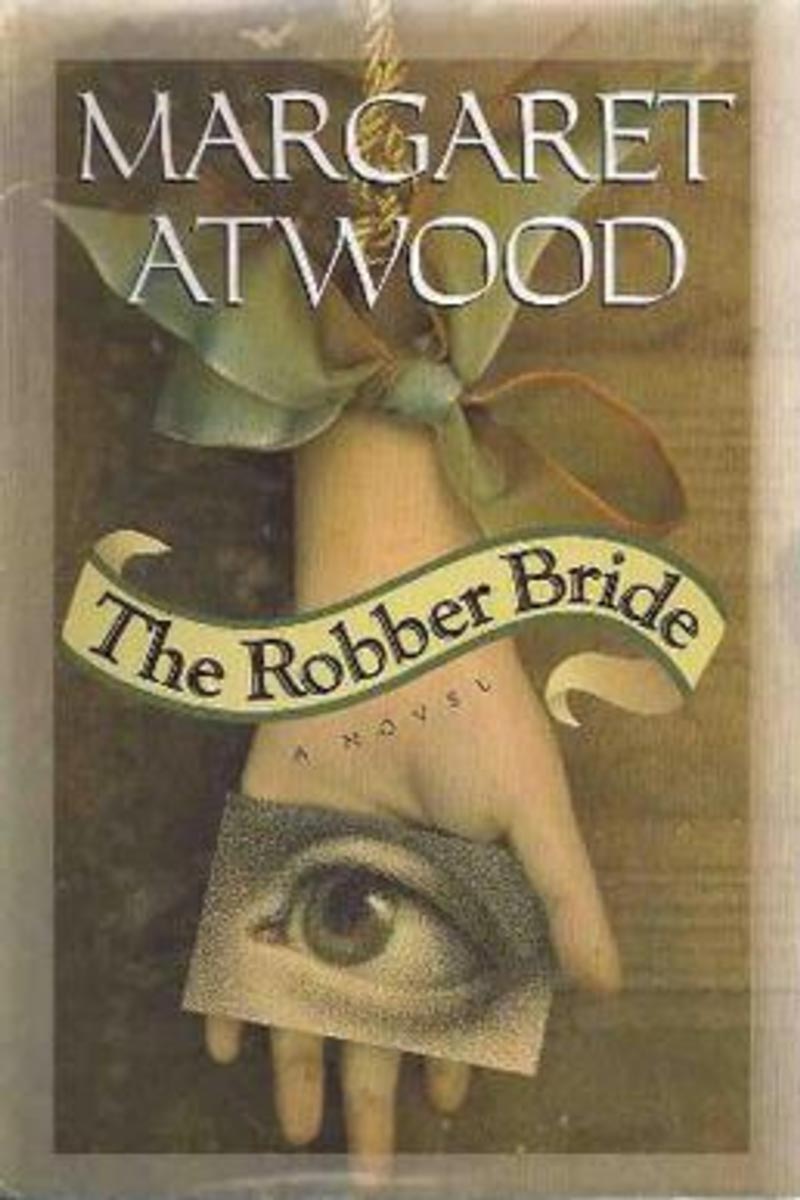
The Robber Bride is a revolutionary work in the fact that it addresses the question of the Other Woman in society. When feminist movements focused more on men and patriarchy, relegating Women as the Other; even within feminine folk, some women became marginalized due to class, race, and behavior. With the rise of feminine emancipation, female sexuality remained an uncharted territory, and moral transgressions were judged both by old rules and new codes of conduct.
In the novel, three friends, Tony, Charis, and Roz are plagued by one woman, the enigmatic Zenia who steals their partners and ruins their lives through her insidious presence. Zenia is a woman who cannot create her own unique identity and instead manipulatively leeches off of the secret desires and fears of others. She plays to each woman’s unmet needs, making them feel powerful while carving her unshakeable and destructive presence in their lives and leaving them hollow. Zenia constantly reinvents herself, faking her death and coming back to haunt the trio, she remains a nebulous identity, described subjectively from the three women’s perspectives alone. Women’s tenuous friendships with each other in a society that loves to pit them against one another is deftly and realistically handled by Atwood (like in her The Cat’s Eye).

While throughout the narrative, it feels like Zenia is the enemy, the real antagonist is the issue of marginalization, selective emancipation, and the lack of complete equality in society. Zenia justifies her actions as retributive justice, which shows human fallacy and the tendency to blame the mediating woman instead of addressing the real problem. Zenia seems like a monstrous object of fear but is just the shadowy double of each member of the trio, embodying everything they lacked courage for. Despite their love-hate relationship towards Zenia, she frees the three from unworthy husbands. Whether she does it for her own interests or as a sign of a greater sacrifice is a question that remains unanswered. Atwood once again focuses on gender relations, and uses tropes like the gothic doppelganger and the postcolonial Other to investigate sisterhood and female friendship.
5. Alias Grace (1996)
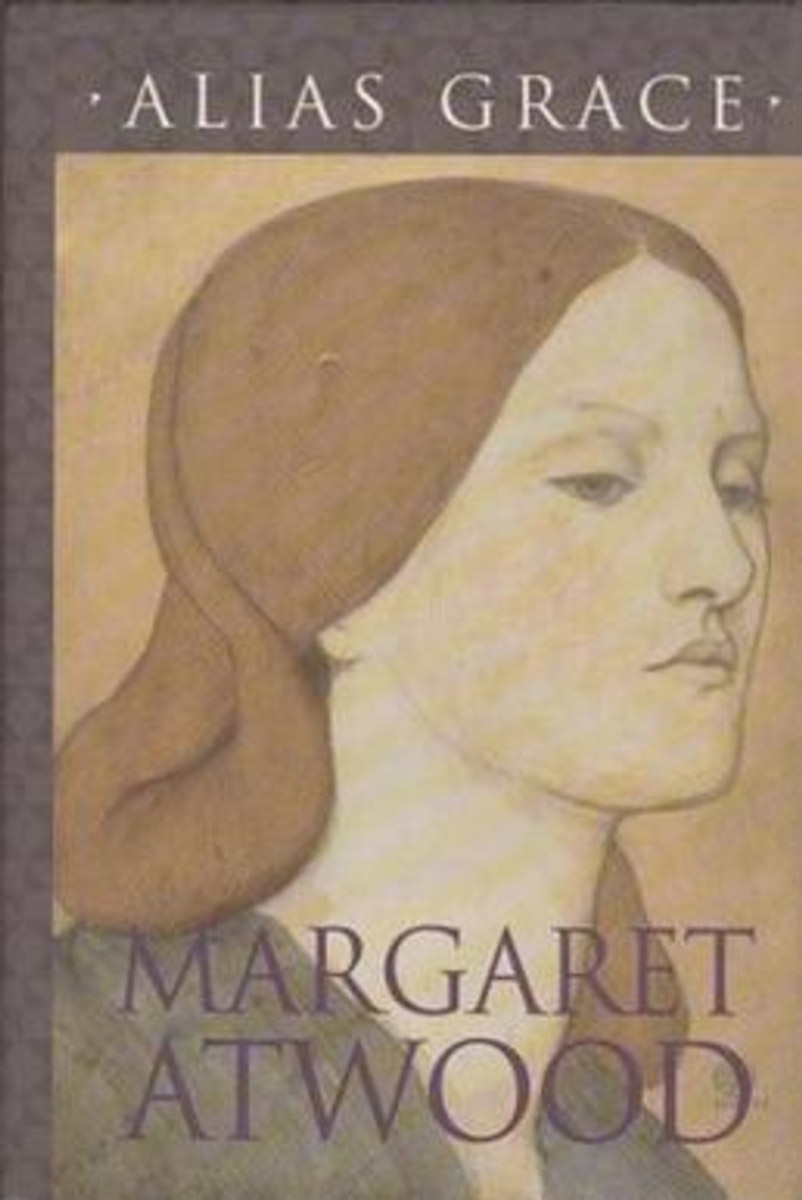
Alias Grace is Atwood’s ninth novel and a historical fiction inspired by the 1843 murders of Thomas Kinnear and his housekeeper, allegedly by a mild-mannered maid, Grace Marks. Atwood constructs the narrative of Marks being interviewed by a criminal psychologist, and the novel aims to retrace and reconstruct women’s history. Women’s lives and lived experiences are largely undocumented and silenced by a patriarchal society; the necessity to record it was first proposed by Elaine Showalter. In the novel, Grace’s detailed storytelling of her childhood explains the pitiful position of women in society, where they are blamed and convicted for anything that goes wrong. Like Grace, most women suffer domestic abuse and unwanted sexual attention and these have a great deal of bearing on their mental state and future actions.
Atwood portrays Marks’ life holistically, full of light and shadows. She uses the quilt-weaving analogy to show how women’s histories are rooted in domesticity. She dives into the theory of split personality or multiple personality disorder, where the murder is committed using Grace’s physical form but controlled by her dead friend Mary’s spirit. The question isn’t the veracity but the issue of women’s self-identity that remains unsure and fragmented even in modern society. Grace is considered mad and hysterical, like many women in the Victorian age, who were often branded with such labels—a stigma that made it easier for patriarchal society to dominate them further. However, it is neither, but the total or partial rejection of the sex-role stereotype according to Phyllis Chesler. Atwood’s novel is, therefore, about the ambiguity of women’s identities—full of refractions and projections of repressed selves.
6. The Testaments (2019)
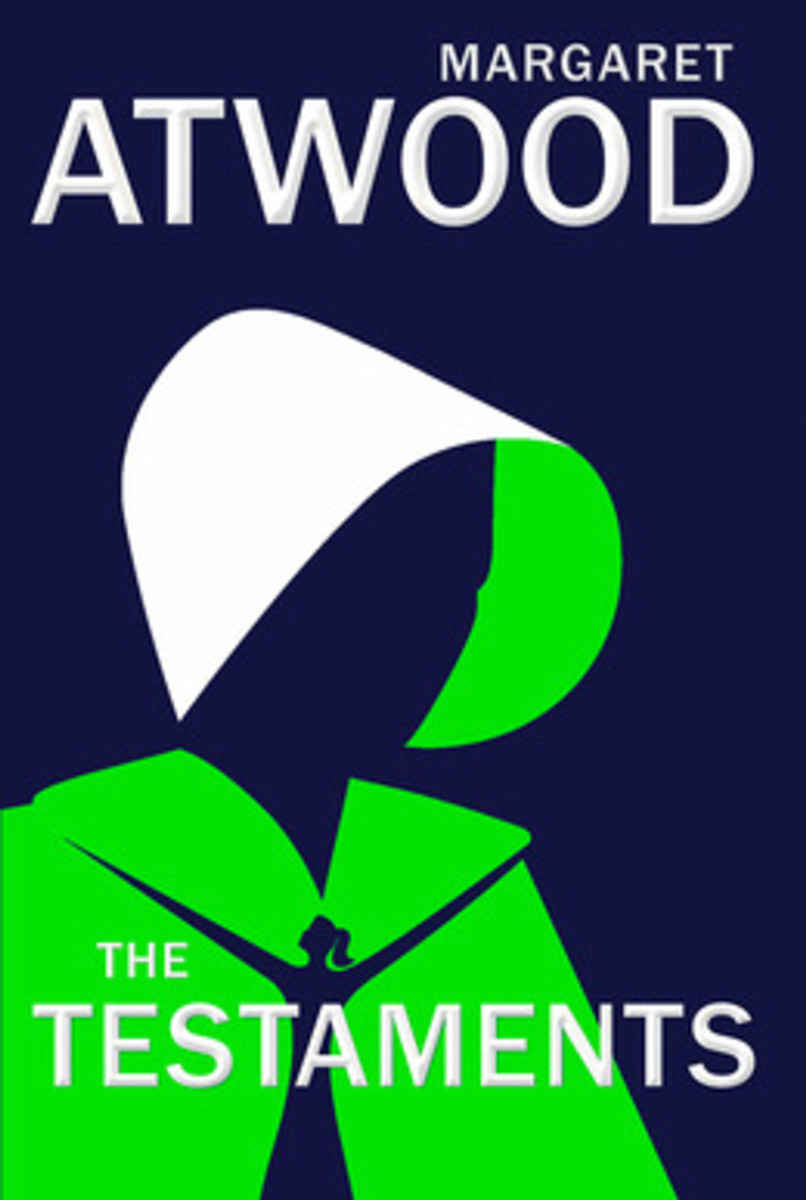
The Testaments is not only a sequel to Atwood’s most popular novel, The Handmaid’s Tale, but also a 2016 Booker Prize winner in its own right. The narratives revolve around three people, written in the epistolary format of a manuscript and two testimonies. It reverses the focal point of The Handmaid’s Tale, exposing the backstory of the erstwhile repressive tormentors and their precarious status. The women who trained the handmaids in their cloistered and misogynistic curtailed lifestyle were themselves uprooted from progressive lives and tortured into submission, ultimately becoming enforcers of the new system. While The Handmaid’s Tale showed rebellion from the tortured section of the population, The Testaments shows the covert efforts by a select few in power to restore human rights in Gilead.
Atwood deals with the tricky position of women who conform vis-à-vis those who rebel, refraining from painting any category as strictly black and white. Everyone has their motives, and the desire for survival lies at the heart of their choices. Atwood satirizes the propaganda that countries use to brainwash their citizens and others into believing that a certain lifestyle is superior. She uses the trope of spies unveiling state secrets to prove her point. The novel captures the nuances of multiple genres, as well as various human emotions and compulsions. Atwood changes focus from gender wars to prevail upon the perspectives of women caught and revolting in a misogynistic world. The novel is not just a satisfying closure to the questions that The Handmaid’s Tale left open but is also set to be adapted as a television series in the future.
Margaret Atwood’s Legacy
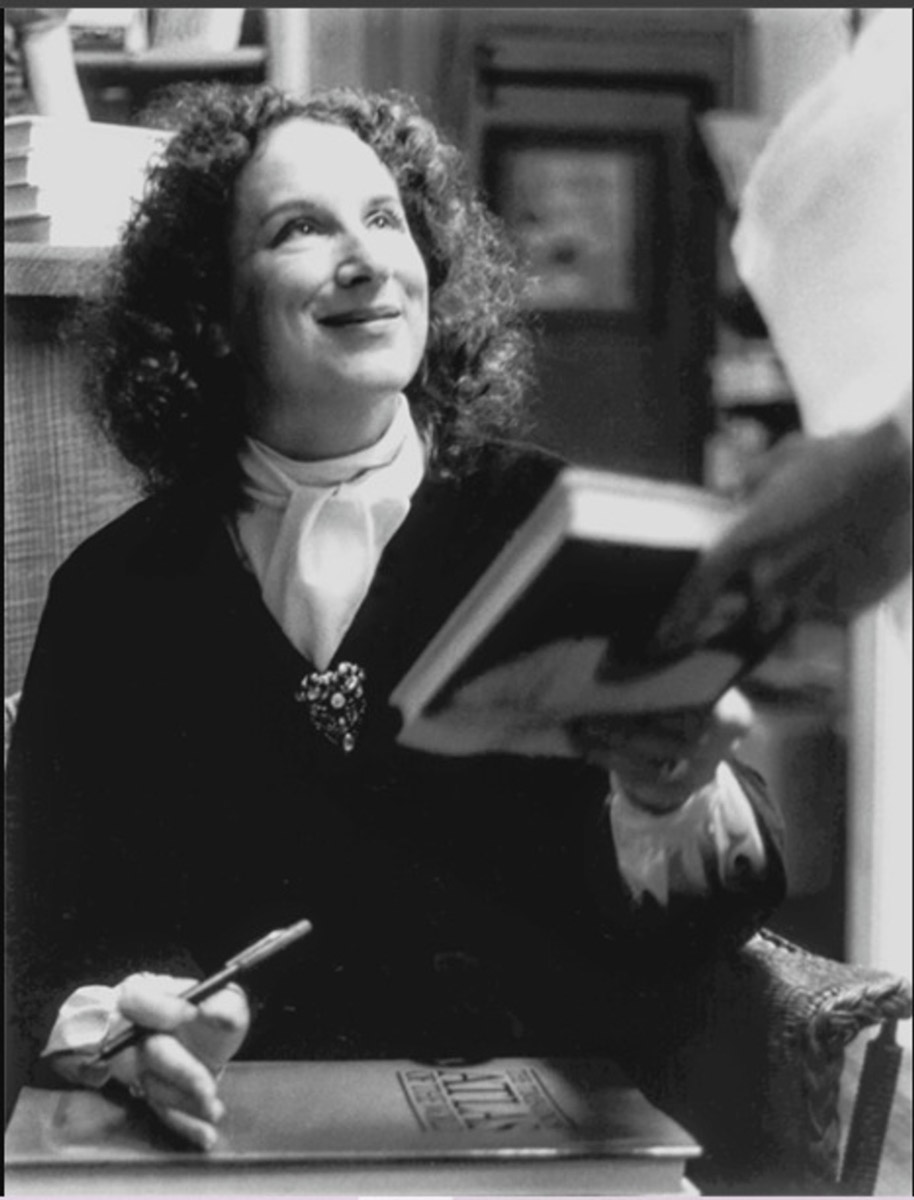
Margaret Atwood’s writing spans almost half a century and finds expression in multiple genres—from poetry to essays, feminist fiction to the ecocritical, from the mythic to the realms of speculative fiction. At the heart of Atwood’s novels and short stories lie the question of identity in the wake of contradictory societal forces, particularly that of the modern woman. Her works deal with various debatable and nebulous topics, such as the issue of female friendships, the inexplicable desires of women, the duality and coexistence of power and victimhood, etc.
Atwood never polarizes either sex but places the problems as a product of cultural forces to be scrutinized by the readers. Her writings continuously question the power dynamic hidden in every relation in society, hinting at the inescapability of the core tenets of primal human behavior. Atwood wields humor to drive home her pertinent messages, employing Gothic parody or carnivalesque grotesquerie to make serious problems palatable. Her varied prolificity yet deep relatability of writings remains a testament to her unequivocal creativity and genius as a writer in the post-modern world.