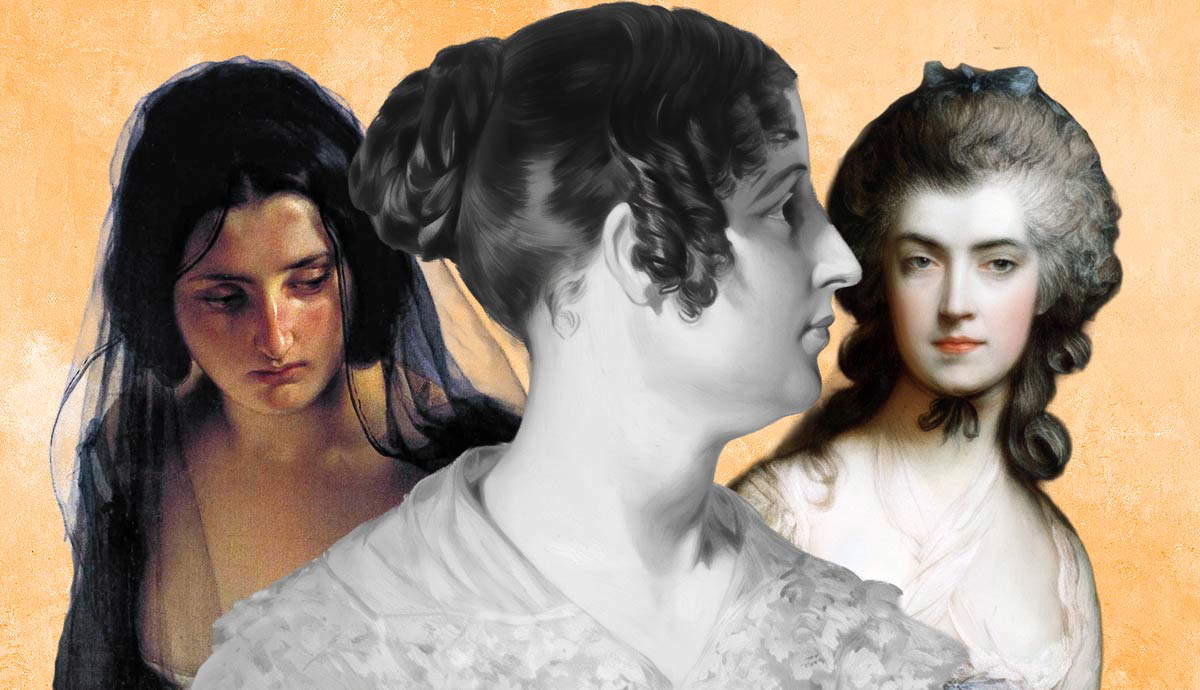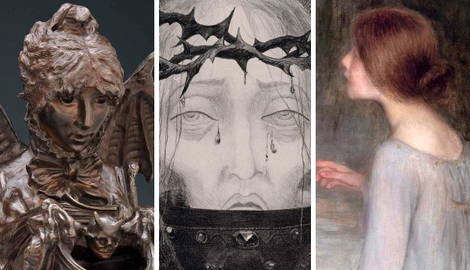

Symbolist art was a conservative and escapist movement with strict gender boundaries. Women were present in Symbolist painting and sculpture mostly as flat symbols of purity or, on the contrary, destructive lust. In this setting, few women artists dared to take part in the movement. Still, some women artists were inspired by Symbolist aesthetics and managed to reclaim and subvert the stereotypes. For example, the famous actress Sarah Bernhardt was also a gifted Symbolist sculptor who appropriated the femme fatale stereotype to both her career and art. Read on to learn more about famous women Symbolists and their art.
Women and Symbolist Art
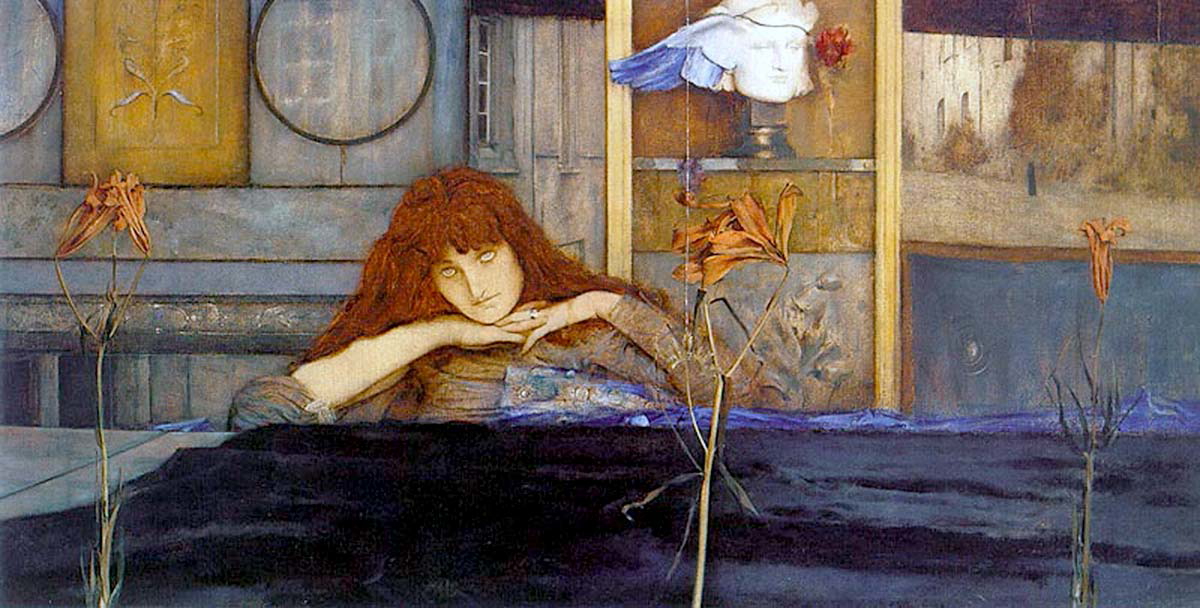
Symbolist art emerged in late 19th century France from literature. It was an escapist form of art that expressed disdain for supposed contemporary cultural and moral crises. Instead of depicting modern reality like the Impressionists did, Symbolists resorted to the realms of dreams, ancient myths, and archetypes. The meanings were based on symbolic figures and elements, forming a distinct language. The main literary sources for Symbolist aesthetics were the poems of Charles Baudelaire and Stéphane Mallarmé, as well as the French translations of Edgar Allan Poe. The most famous Symbolist artists were Gustave Moreau, Odilon Redon, Jean Delville, and others.
As often happened in art history, the list of the greatest Symbolist names was exclusively male. But was there any space for women artists in the movement? Sadly, almost none. Symbolist art had space for women, but mostly in the form of yet another symbol. Symbolist aesthetics and philosophy relied on complex humanities education that was available almost exclusively to men of higher social classes. Their experiences and concerns were rarely inclusive. The Symbolist dream was centered around the main male character who dived deep into the fantastical realms of his imagination. Even the decadent darkness of many Symbolist paintings and texts related to specific demographics.
Symbolist Gendered Archetypes
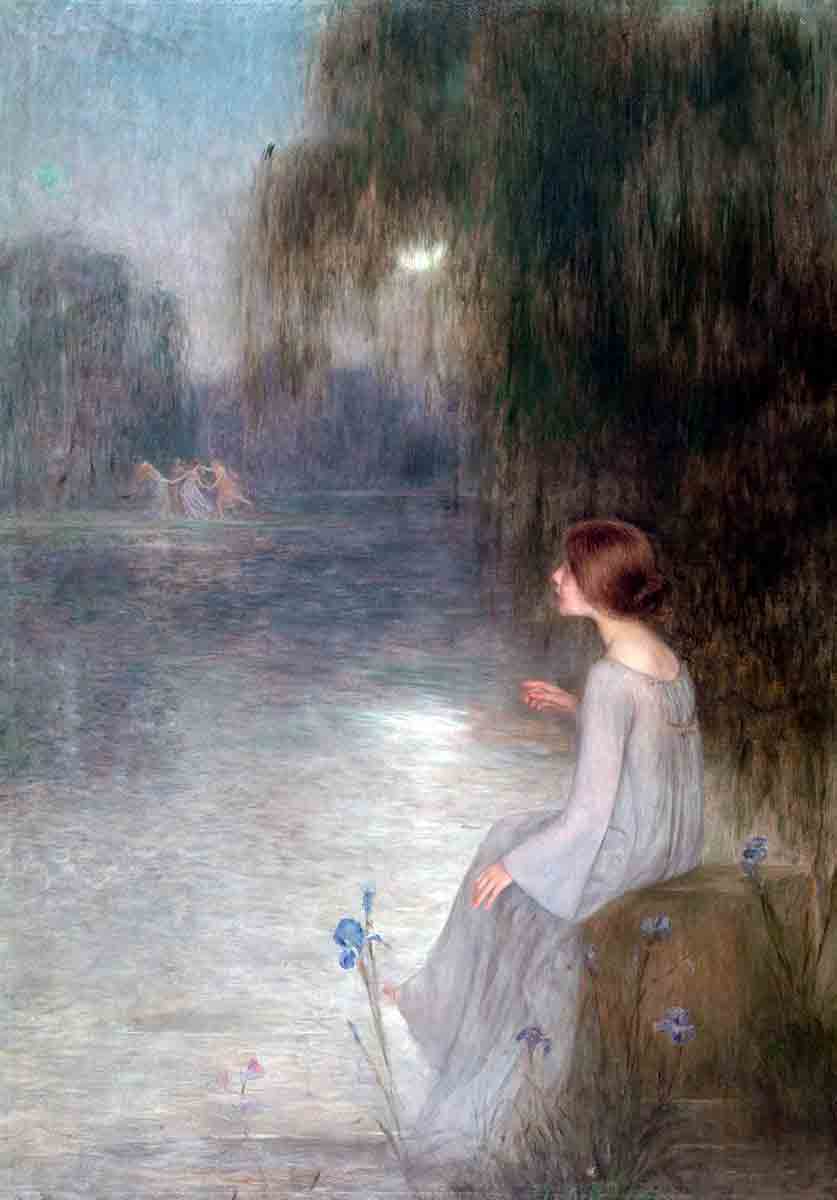
Art historians have long researched the conceptual peculiarities of feminine images in Symbolist art. Most agree that a Symbolist woman has only two possible states of existence. One of them is the pure and righteous woman, often a mother or an armor-clad maiden. Passive and almost asexual, she reflects the unattainable standard of perfect femininity that exists as a male dream. She is attractive enough to be desirable but submissive enough not to cause any threat to the male character.
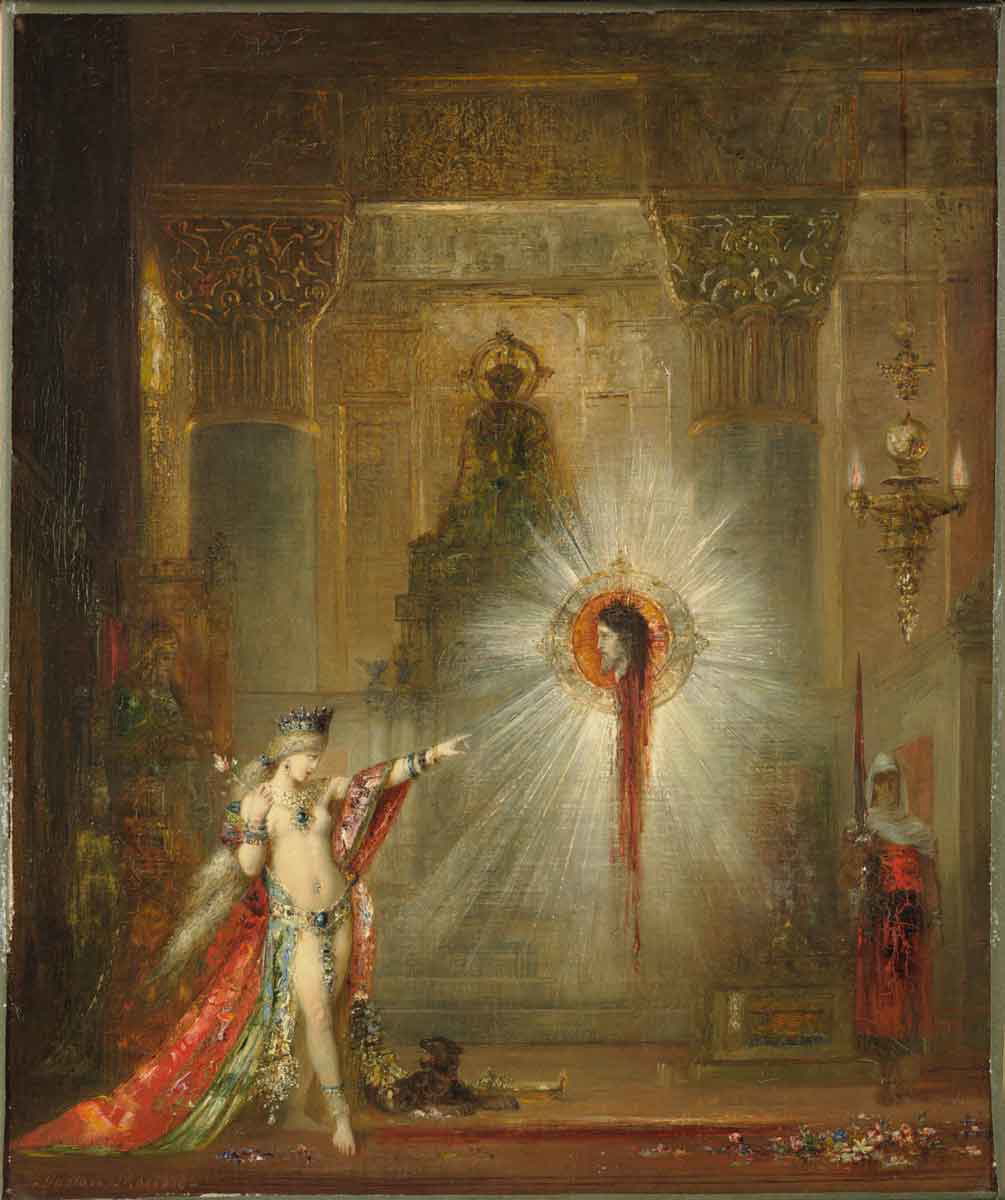
Speaking of threats, the second feminine Symbolist archetype represented many of them at once. The evil femme fatale was a hypersexual being that brought lust, death, and destruction upon mankind. Often nude, she was simultaneously seductive and threatening and exhorted her influence proactively. Her sexuality is entirely in her control, making her dangerous for the character. In many artworks, this woman, led by her lust and desire for destruction, turned into mythical monsters like chimeras and sphinxes.
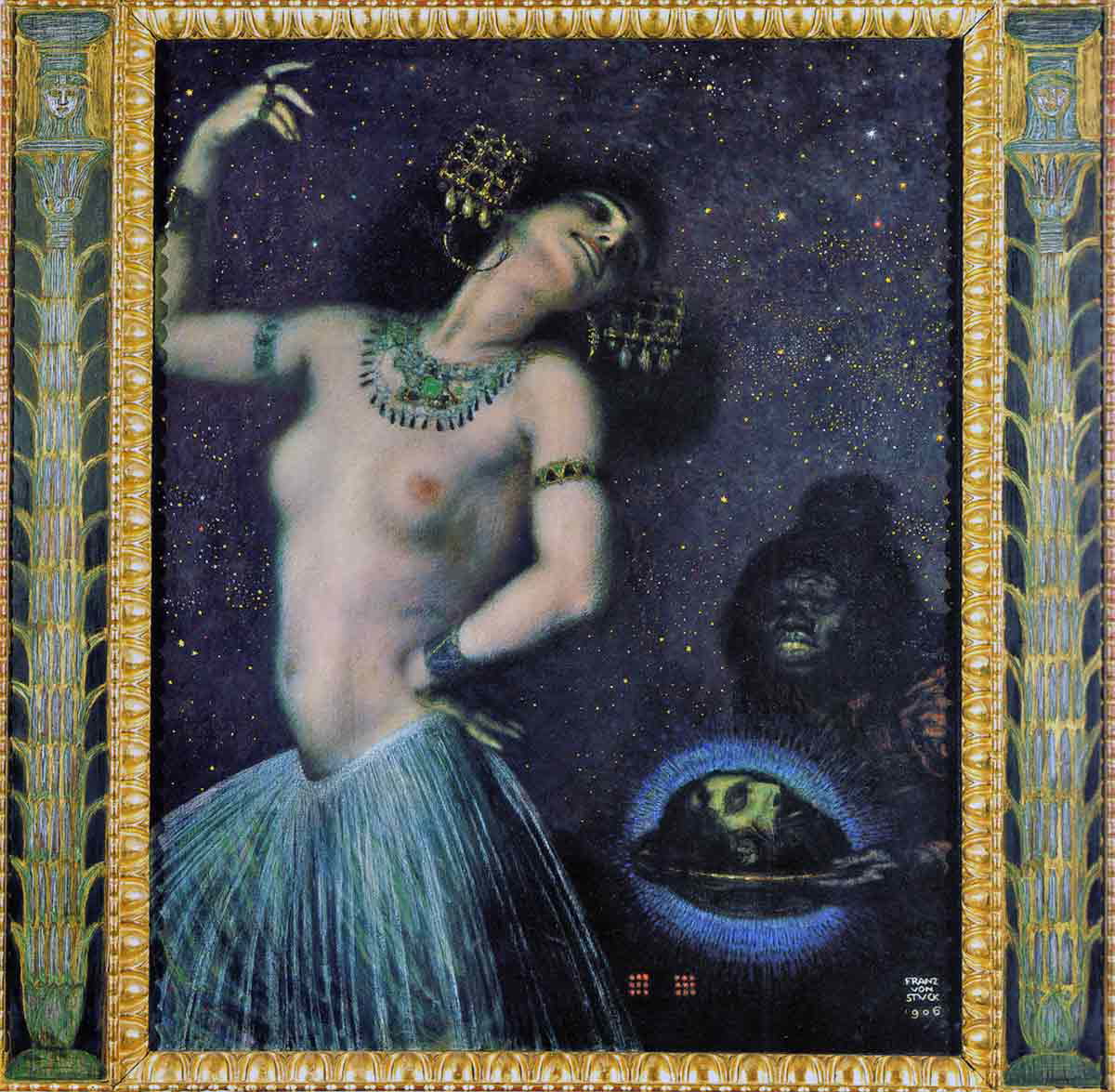
These archetypes of femininity were not entirely new to the Christian culture obsessed with purity and repentance, yet their proliferation in the late 19th century had its own specific reasons. Modern economic growth and urbanization required more workforce; thus, women were finally admitted to the market. With that, they began achieving, at least partially, economic independence from their partners and families. This independence, in turn, led to women regaining civil rights and willing to define their own professional and personal lives. Conservatives saw women’s claims for bodily autonomy as the marker of the upcoming collapse of civilization. In that sense, the femme fatale archetype both reflected those fears and fetishized them.
Androgyne: The Femme Fatale’s Nemesis
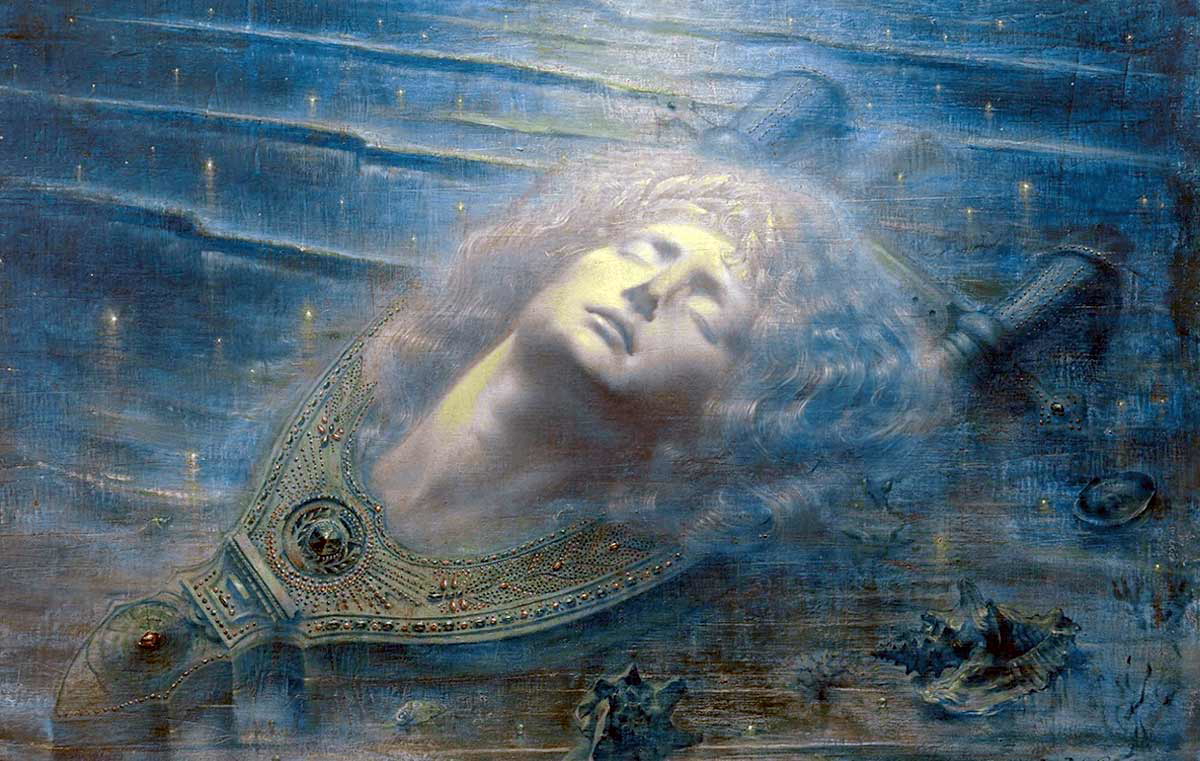
Another gendered Symbolist category was the androgyne, a figure of the perfect human that emerged from the various Spiritualist theories of the late 19th century. Spiritualists wrote extensively on the supposed opposition of male and female spirits, with the male one representing reason and will and the female one gifted with acute intuition but often weak and prone to delusions. Modern humanity had to develop spiritually to achieve the next step of existence, where the superhumans would surpass the limits of biological sex and retain both male reason and female intuition in one body.
In Symbolist art, these ideal human beings took the form of ancient heroes like Oedipus or Orpheus. These figures, although distinctively male, had slender figures and feminine facial features, indicating the spiritual superiority of the hero who avoided the traps set for him by the femme fatale and her kind. In that scarce variety of contexts and symbols, women artists felt unwelcome. However, some of them managed to challenge the movement’s boundaries and either reclaim or subvert the Symbolist archetypes.
Sarah Bernhardt
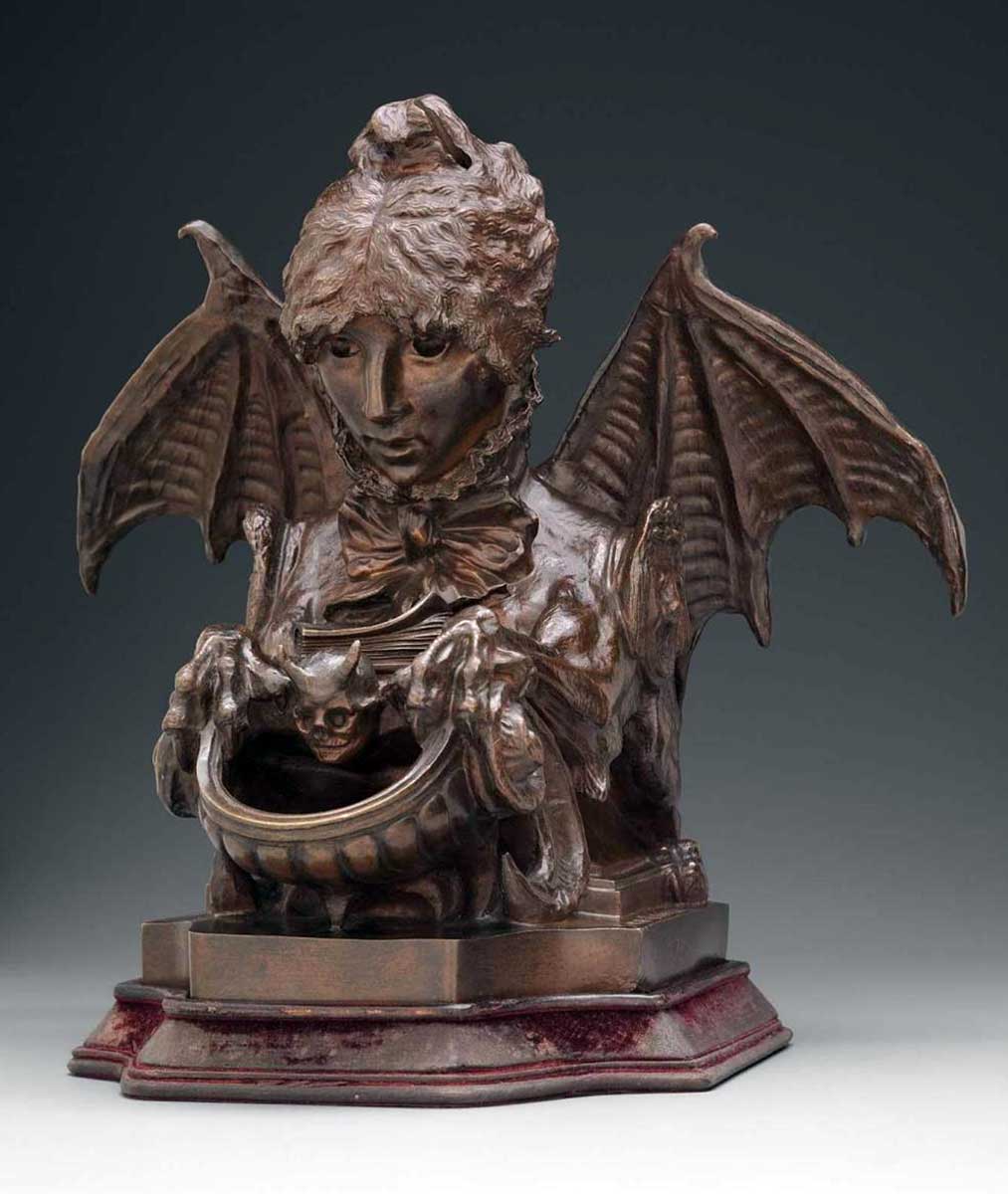
The world-famous actress and the first true celebrity, Sarah Bernhardt, was a larger-than-life personality with immense artistic impact and a significant amount of controversies surrounding her. Apart from her busy acting career, she was a promising sculptor, although this occupation was often unfairly dismissed as an extravagant and superficial hobby.
Sarah Bernhardt built her image around the femme fatale archetype, with strings of lovers, exotic animals, and dramatic roles. She slept in a coffin adorned with flowers, kept snakes as her pets, and used a human skull instead of a letterbox. Her artistic practice partially extended this image. One of the most famous works by Bernhardt was a bronze inkwell that included the actress’ self-portrait as a dragon-winged monster. Thus, Bernhardt reclaimed the derogatory femme fatale archetype and monetized it, turning it into a tool of her personal empowerment.
Camille Claudel
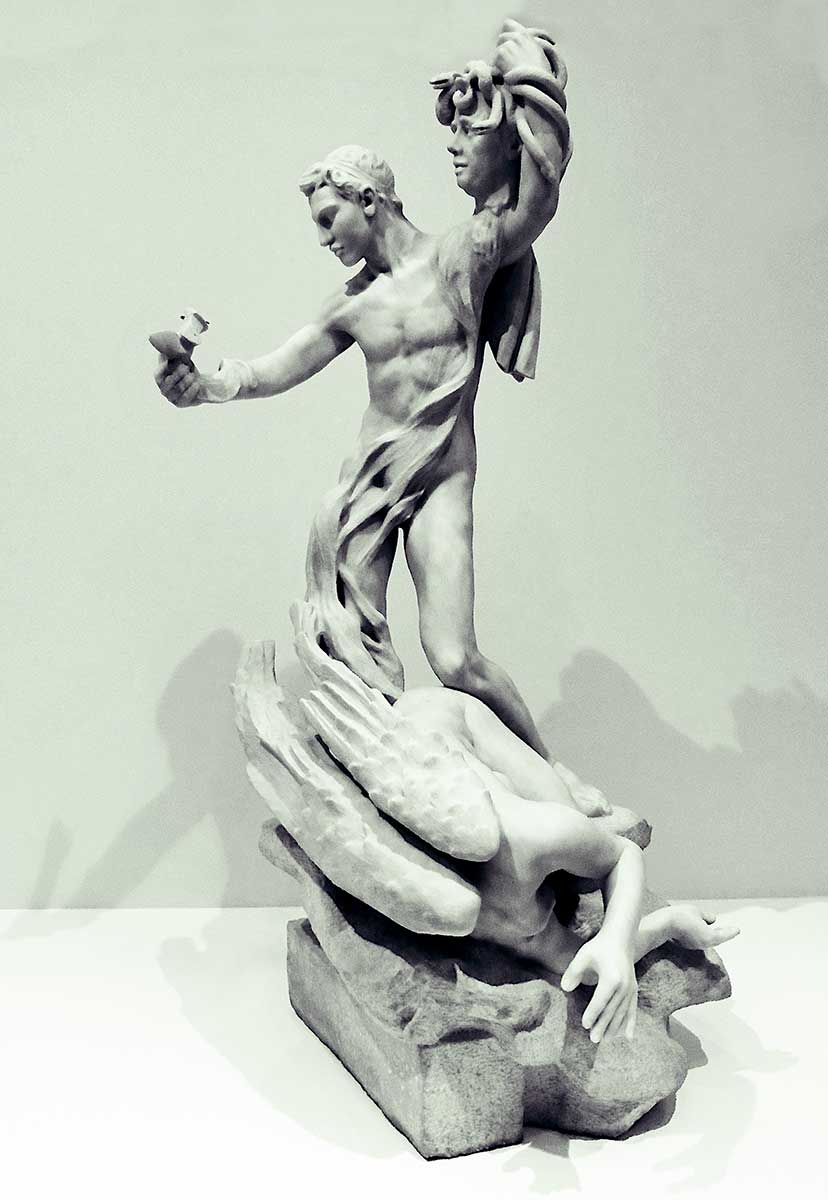
Camille Claudel’s story is a tragic story of a talented sculptor who never truly achieved the fame she deserved. She was a rare woman artist who chose such physically challenging mediums as marble and bronze and succeeded in it. For several years, she worked in the studio of her mentor and partner, August Rodin, who allegedly appropriated some of her work. Betrayed by her family and abandoned by Rodin, Claudel destroyed most of her work and was forcibly admitted to a psychiatric asylum, where she spent the last 30 years of her life.
Claudel was a well-educated and intellectual artist. Many of her works were influenced by symbolist aesthetics, such as images of sirens and sea creatures—not threatening but playful and full of character. Her most dramatic work, however, was created in 1905, right before a major mental breakdown that led her to the asylum. She created a scene typical of Symbolists—the hero Perseus holding Medusa’s severed head in his hands. Tragically, Medusa had Claudel’s facial features, as if admitting her defeat at the hands of the male hero, Rodin.
Romaine Brooks
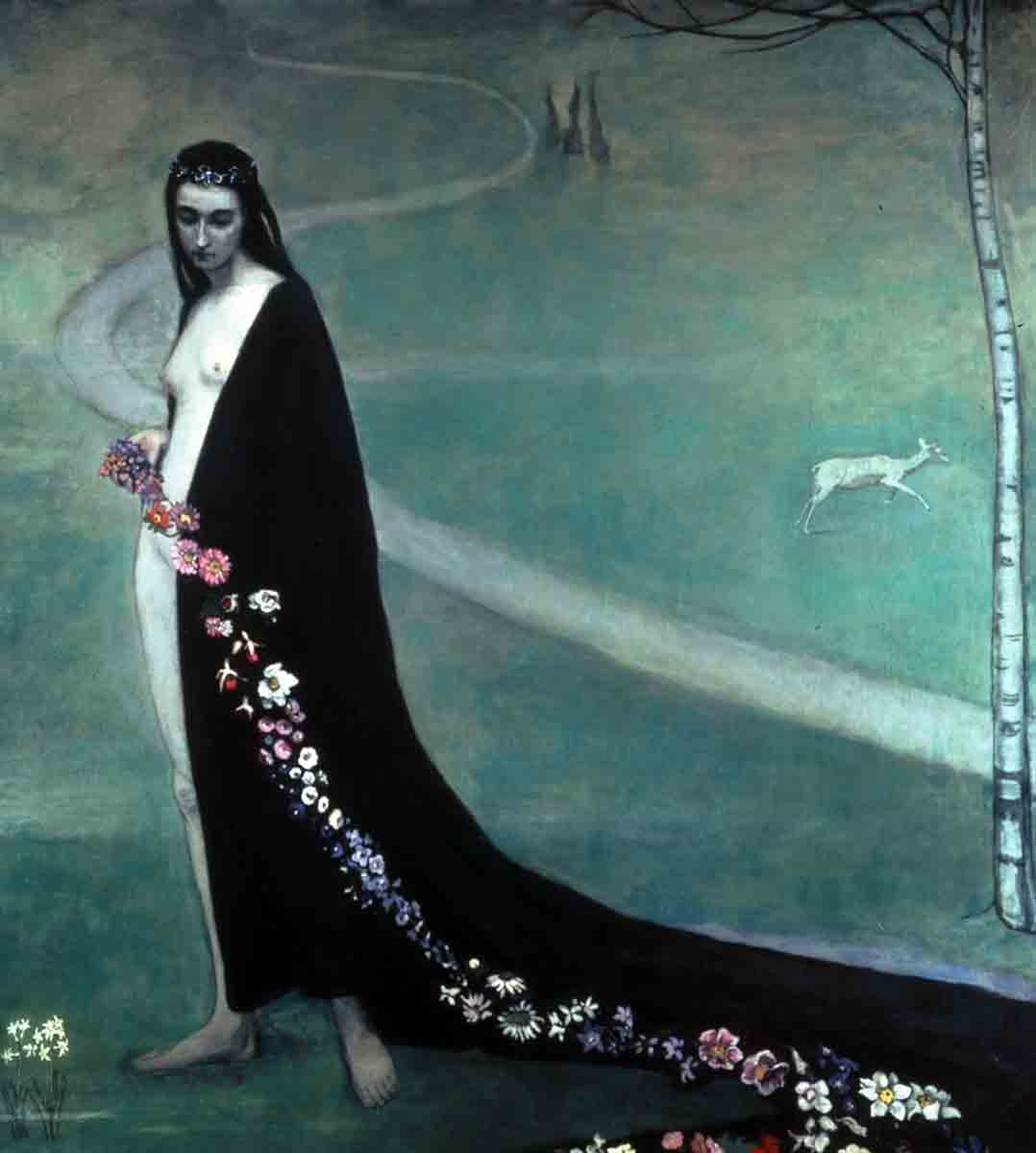
Known for her monochrome portraits of Parisian queer elites, Romaine Brooks nonetheless was greatly influenced by Symbolist painting. A wealthy American expatriate, Brooks developed her artistic sense from childhood traumas and an acute sense of character. She did not belong to any movement, mostly staying within the limits of her social circle, exhibiting and selling her work on her own.
The Symbolist influence in Brooks’ works became particularly obvious around the time of her relationship with Jewish Ukrainian dancer Ida Rubinstein. Rubinstein was a rather eccentric character who ran away from her home in the Russian Empire to found her own dance company in Paris. Strikingly beautiful, she inspired many artists, including Brooks. Romaine Brooks’ art, usually reserved and carefully weighted, became allegorical, with the figure of Rubinstein present as an ethereal symbol of desire or loss. In this sense, Romaine Brooks’ portraits added queer female optics into male-dominated Symbolist art.
Women Symbolist Artist Jeanne Jacquemin
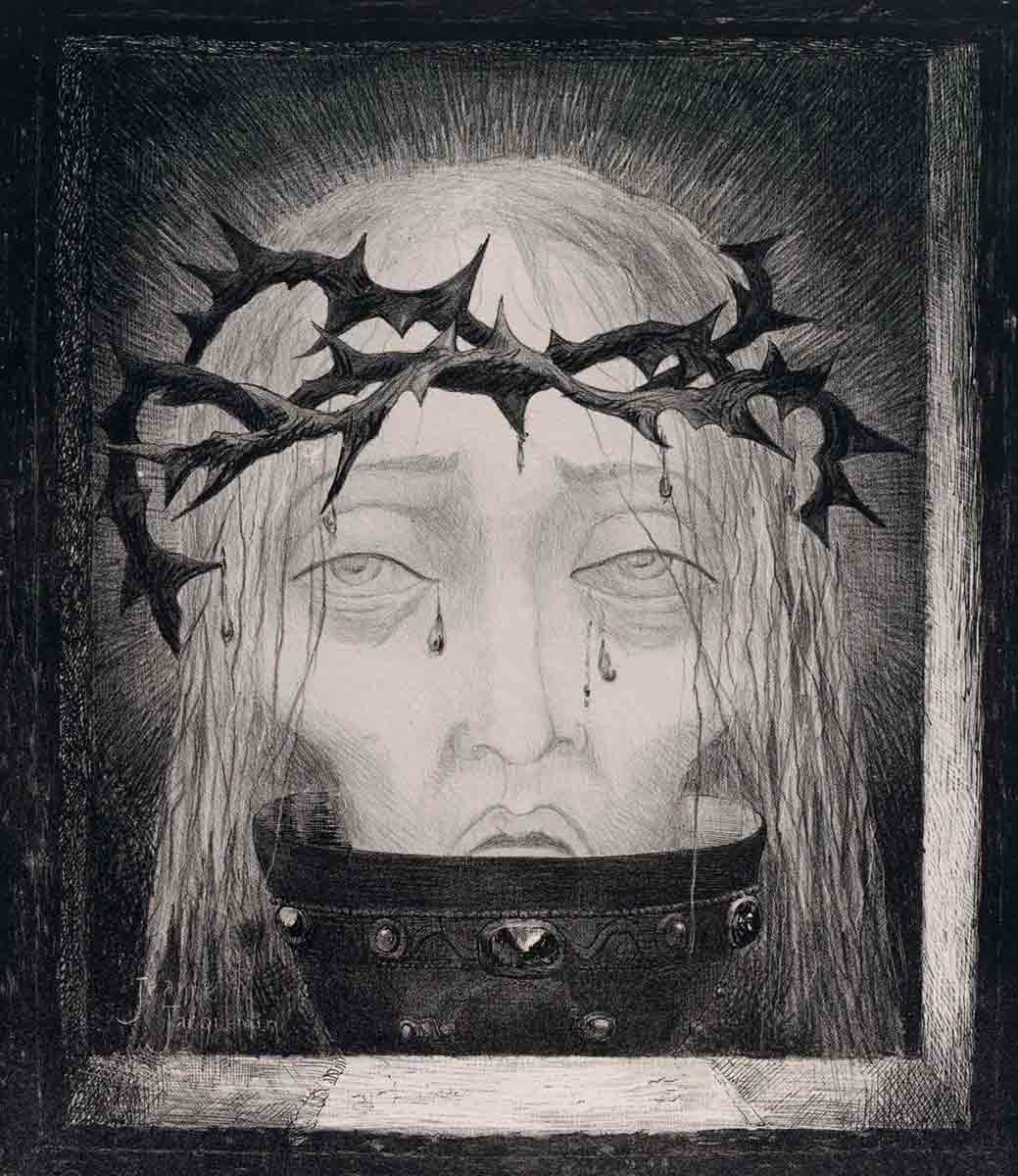
Jeanne Jacquemin had an active life in the artistic community of Symbolists. She participated in group exhibitions and socialized with Oscar Wilde and Odilon Redon. Contemporary critics praised her work, but mentions of her have almost disappeared from public records. The reason for that most likely was her contemporaries’ disdain for her tumultuous personal life and controversial spiritual inclinations. She inspired one of the characters of the famous Symbolist novel Là-Bas—a depraved Satanist hiding behind the mask of a respectable high-society woman.
Historical records preserved mentions of just around 40 pastel works by Jeanne Jacquemin. Only a few of them survived, as the fragility of the medium makes it hard to preserve. However, the remaining works give a remarkable perspective on Jacquemin’s art and her treatment of Symbolist imagery. Her pastel paintings were mostly self-portraits, showing Jacquemin as a fairy, a melancholic maiden, or even Joan of Arc. The most remarkable, however, was the image of a severed head of Jesus Christ in agony, which still retained the artist’s features. Male artists have long inserted themselves into images of saints, but such a gesture from a woman artist was revolutionary and provocative. Symbolism experts often interpret Jacquemin’s severed head as an inverted male androgyne archetype.