
As World War II tore Europe apart, Surrealism fled with its artists. Mexico became an unexpected refuge, where exiled painters and writers built a dreamlike creative world shaped by war, myth, and the unconscious. Their presence transformed modern art—but also ignited conflict with local artists, most famously Frida Kahlo, who rejected Surrealism altogether.
Surrealism in Europe: Origins and Ideas
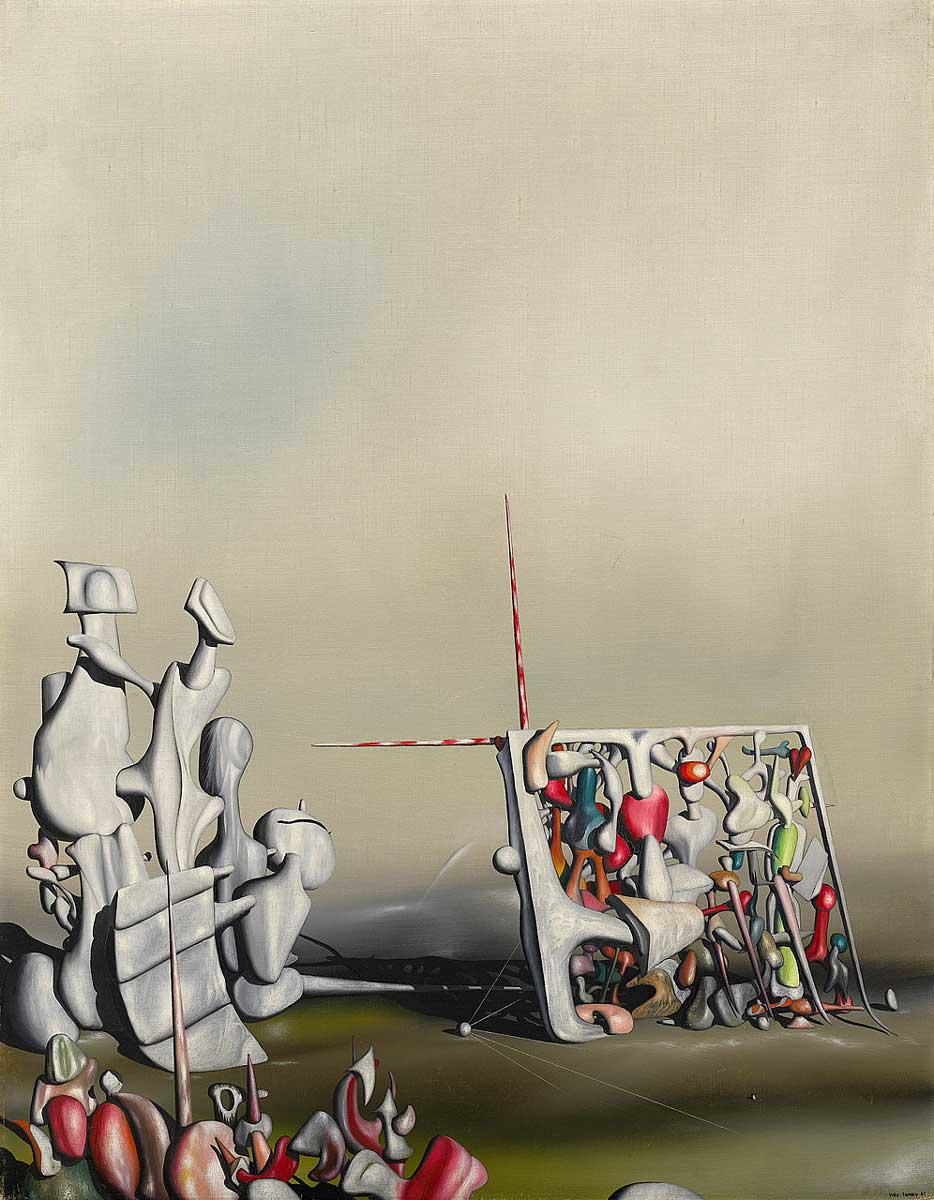
The Surrealist movement originated in post-World War I Europe and lasted well into the 1950s. Surrealism became one of the most widely discussed and influential art movements in modern art. It brought the exploration of the unconscious to the public, talking about hidden desires, fears, and sexuality in an open and sometimes shocking way.
According to Andre Breton, the leading theoretician of Surrealism, their goal was to bridge the gap between dream and reality. Surrealism was diverse and multifaceted, spanning media ranging from painting and photography to film and poetry.
However, not everyone was happy with such public demonstrations of the subconscious. Critics accused the Surrealists of a superficial approach to psychoanalysis, obscenity, and danger to public morals. To this day, the movement receives criticism for its overly sexualized imagery and the unfair treatment of women artists.
How World War II Forced Surrealists Into Exile
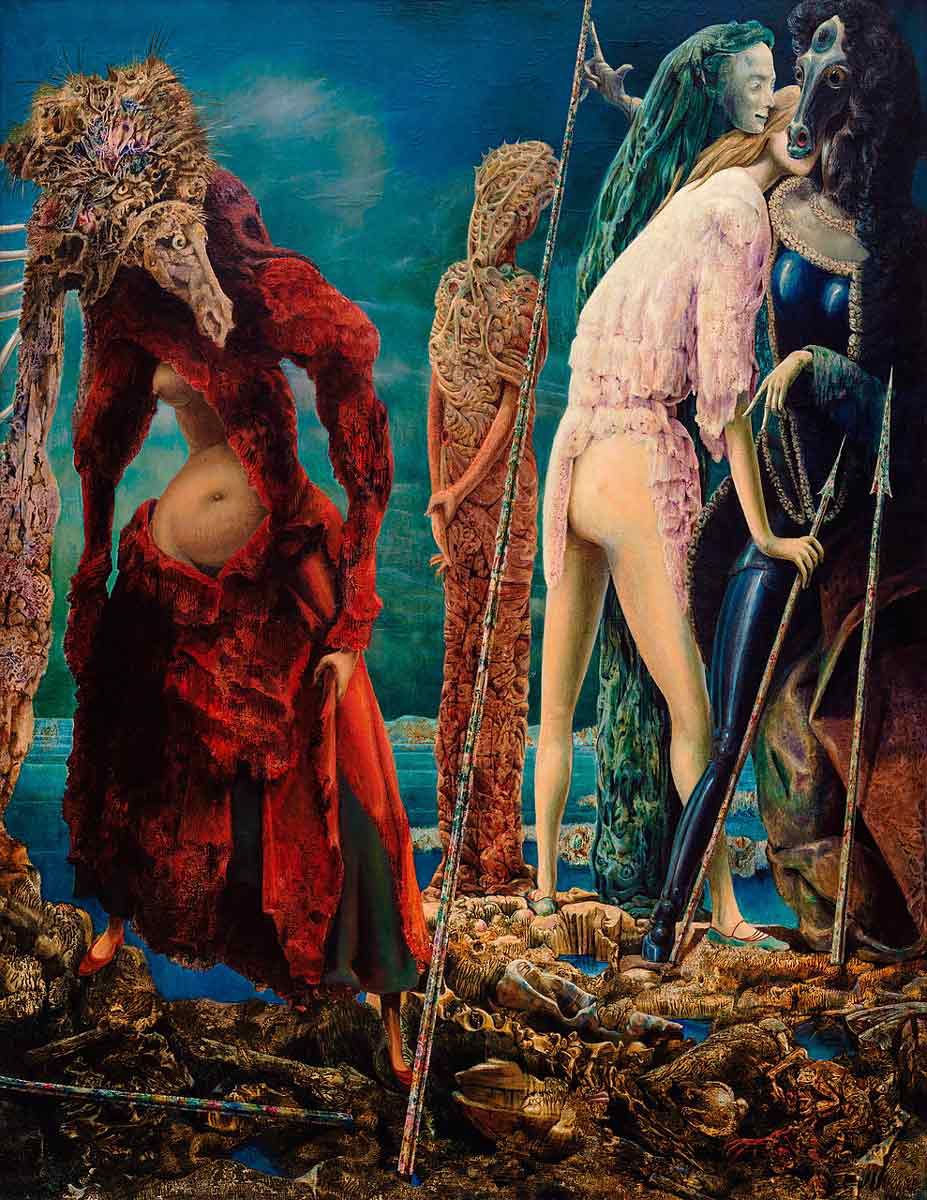
As the war broke out and the Nazis grabbed control over more and more territory, avant-garde artists felt the atmosphere getting more and more tense. The most progressive art forms, including Surrealism and Cubism, were deemed degenerate by the official ideology. Artworks were destroyed and their creators imprisoned. It did not help that many European creatives had Jewish origins, and the majority of them held left-wing political beliefs.
In June 1940, a group of American intellectuals established the Emergency Rescue Committee, an organization dedicated to evacuating persecuted artists and politicians from war-torn Europe. Among those who helped to arrange the evacuation of artists and other creatives was the famous art patron and collector Peggy Guggenheim, who covered transportation and bureaucratic expenses. With the Committee’s help, renowned artists such as Marc Chagall, Max Ernst, Andre Breton, Jacqueline Lamba, and many others were able to safely leave Europe.
Why Mexico Became a Surrealist Refuge
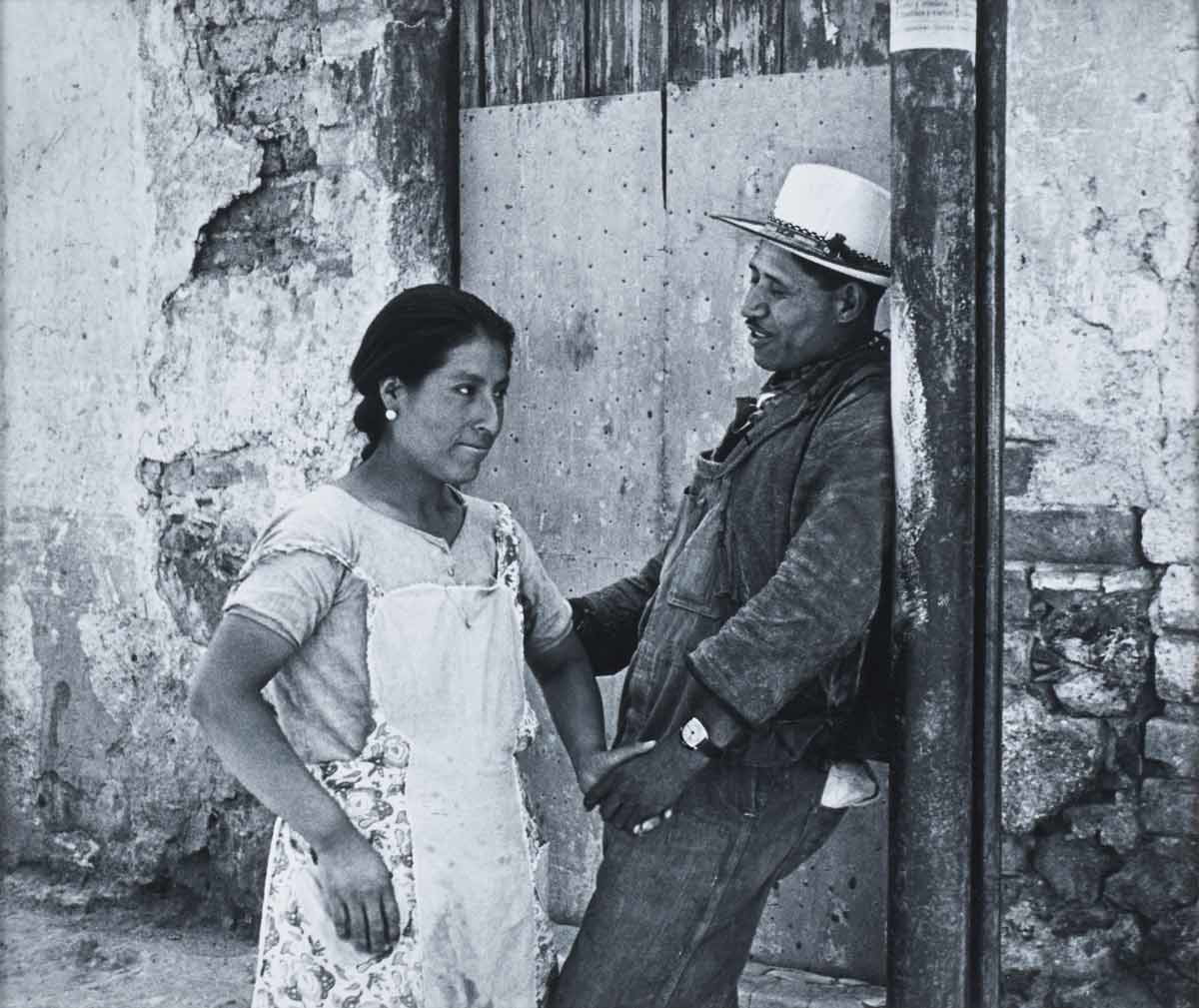
Mexico began accepting refugees in 1941 as the war raged in Europe. It was the desired option for some; for others, it was their only chance. The United States, which was the most popular destination for Europeans escaping the war, refused to accept many of those connected to left-wing politics and Communist parties in their home countries.
Mexico, by contrast, was more than friendly to that side of the political spectrum, specifically eager to accept the Spanish fleeing the Franco regime. From the Mexican side, one of the principal mediators coordinating evacuation efforts with local officials was Frida Kahlo, perhaps the most famous Mexican artist of all time.
Andre Breton, the father of European Surrealism, visited Mexico in 1938 and was astonished by its natural beauty and its people. He called it a Surrealist country par excellence and particularly praised how the Mexicans managed to save and cherish their traditional culture, gods, and beliefs. Breton’s account was by no means extensive, and it was certainly too exoticized. Still, it nonetheless created an image of Mexico as a magical and inspirational place.
How Exile Turned Refugees Into a Creative Community
Unlike in many other countries, in Mexico, artists had opportunities to work as long as they did not threaten the locals’ career prospects. Thus, many Spanish-speaking immigrants began teaching at universities, helping to cultivate a new generation of Mexican creatives and academics. Apart from their jobs, most Europeans did not interact closely with locals, preferring to keep the company of their fellow refugees. The reason was not the rejection of local customs but the shared experience of war, tragedy, and dramatic flight across ravaged Europe.
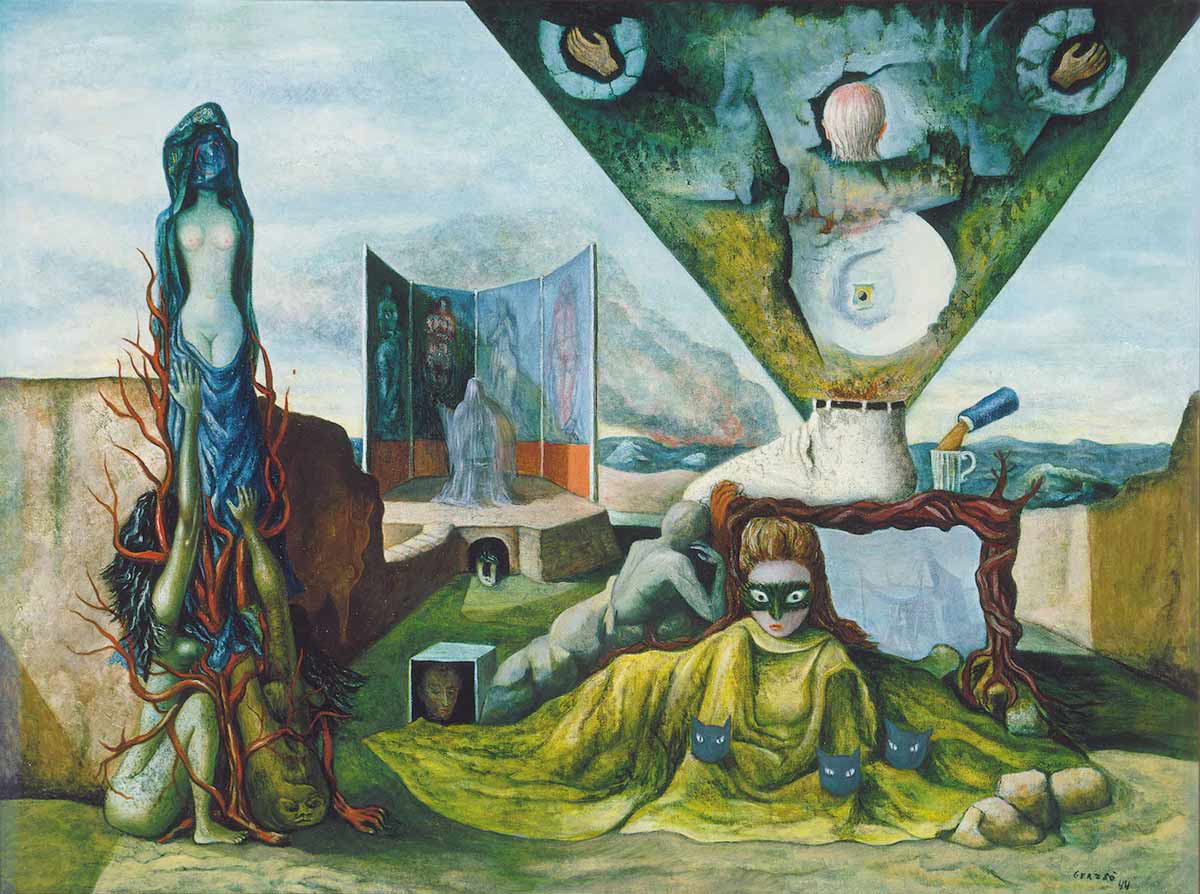
The house of the artist Remedios Varo served as the central meeting point for the entire community. Anyone in need could find companionship, shelter, and financial support from all group members. Varo hosted dinners and parties. She also sent party invitations to random addresses taken from a phone book. A painting by a Mexican artist of German-Hungarian origin, Gunther Gerszo, documented the atmosphere in Varo’s home, as well as the host herself, in a work called The Days of Gabino Barreda Street.
Remedios Varo’s Surrealist Sanctuary
The house itself was a Surrealist playground, filled with weird objects gathered by Varo during her travels and explorations. There were magical stones and strange talismans. It was a majestic ruin with holes in the floor so large and plentiful that you had to step in carefully. From these holes, rats were climbing out, ignoring cats and humans. Varo’s husband, the Dadaist poet Benjamin Peret, tried to poison them, yet Varo secretly fed them cheese, encouraging the rodents’ presence.
Next to the house, an abandoned lot was used by a local hospital to dump waste, including amputated body parts. Thus, an unsuspecting guest of Varo could have observed a hand or a leg protruding from a pile of trash. Despite the sheer horror of the situation, these images gave rise to numerous Surrealist short stories and paintings by the immigrant group. Despite limited finances and opportunities, their lives were eventful and creative. In 1942, Marc Chagall visited Mexico City and invited several Europeans to work on set decoration for a local ballet production.
Three Women Who Reclaimed Surrealism in Exile
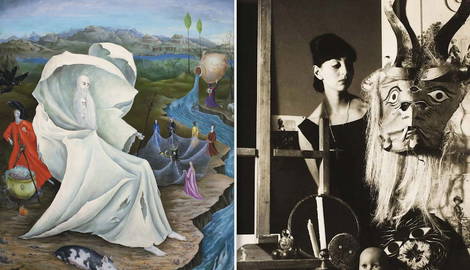
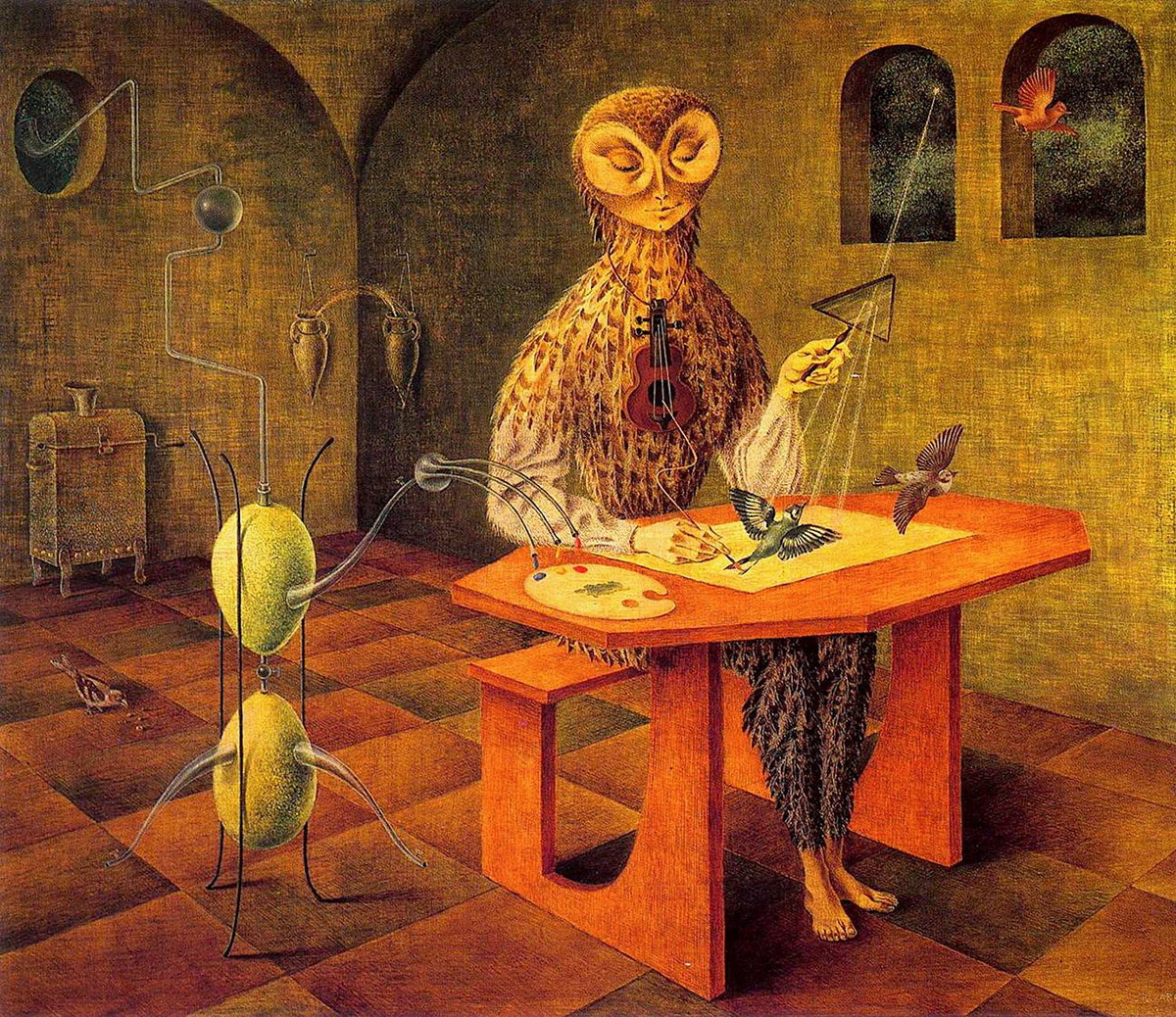
At the center of this foreigners’ club were three women, dubbed “the Three Witches” because of their shared interest in the occult and spirituality. They were Remedios Varo, Leonora Carrington, and Kati Horna. Remedios Varo was a Surrealist painter of Spanish origin who spent most of her life fleeing hostile circumstances—from her conservative family and religious education to her home country, under the rule of violent nationalists. Her escape to Mexico was the final part of her lifelong displacement, which allowed her artistic voice to get louder and clearer.
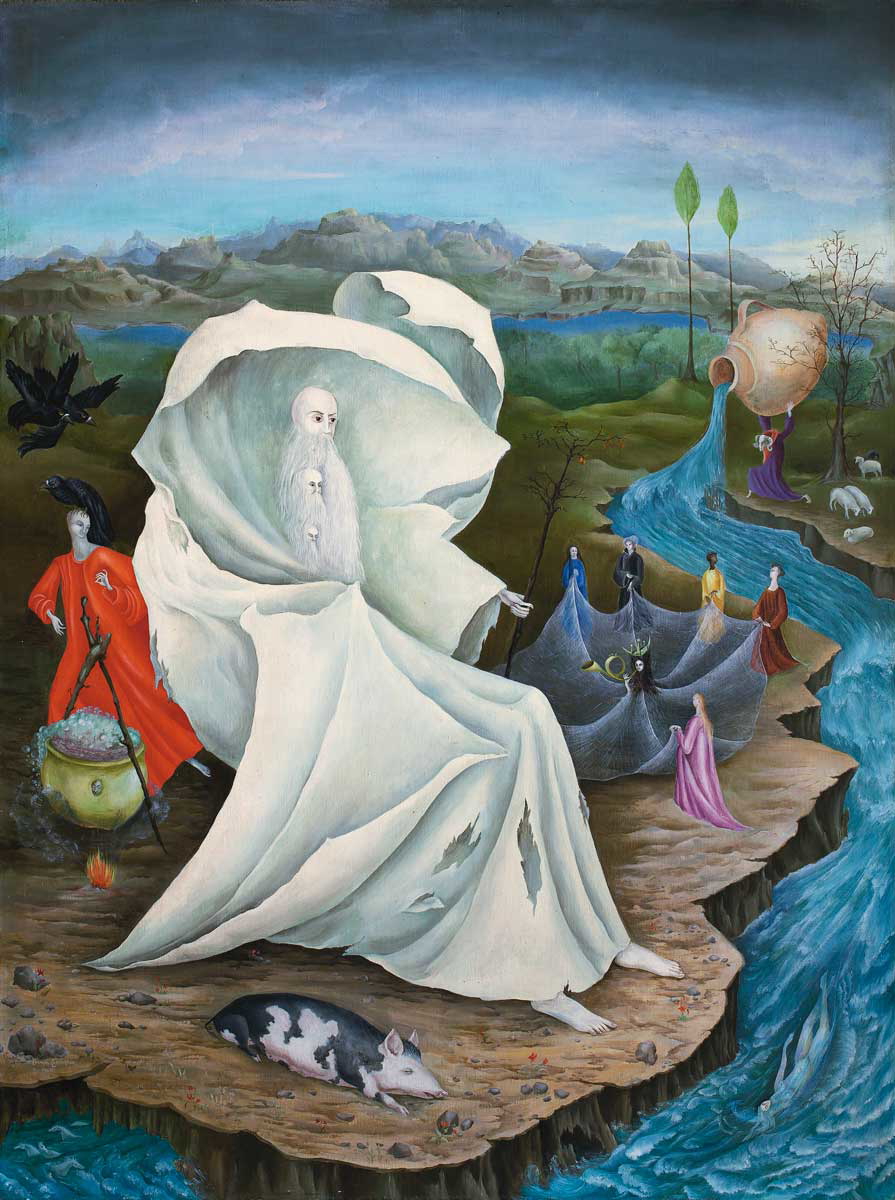
Leonora Carrington, born in England, had a similar experience. Her affluent yet conservative family put every obstacle in her way, going as far as bribing the police to arrest her then-partner, Max Ernst. Carrington was forcefully admitted to a psychiatric asylum and treated with drugs and electroconvulsive therapy. Escaping from the asylum and her family, she arranged a marriage of convenience to a Mexican diplomat, thereby enabling her to leave the continent safely.
Success in Mexico and a Legacy Europe Missed
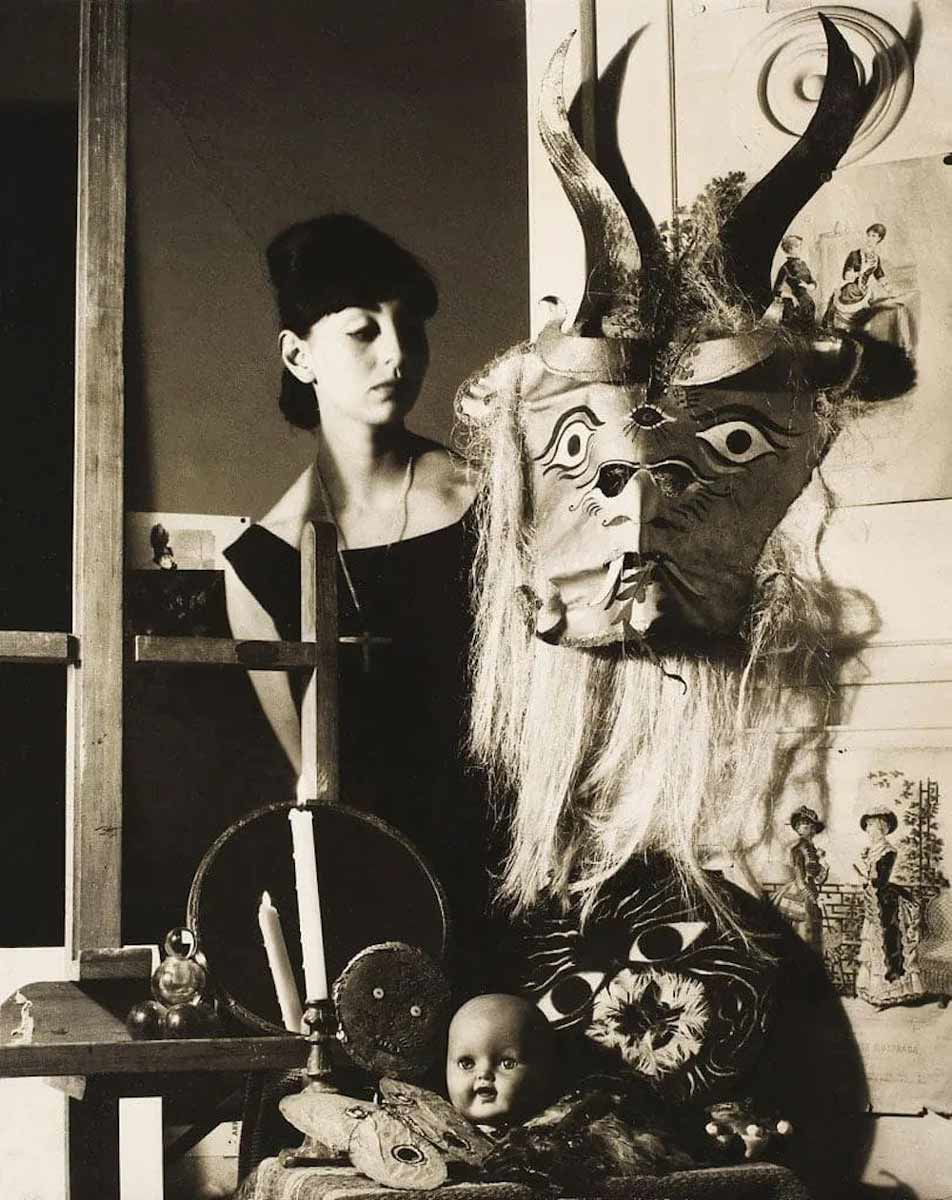
The third Witch was the Hungarian photographer Kati Horna. In addition to making collages and studying shamanism, Horna was a prominent documentary photographer. Among other subjects, she documented the Spanish Civil War in 1937. Unlike her male counterparts in the field, Horna focused not on soldiers and military action but on the shattered daily lives and the effect of war on women and children.
The Three Withces were among those who refused to leave Mexico after the war ended. Horna even became a Mexican citizen, claiming that this country was the only one she could be a patriot of. Their artistic careers flourished, driven by personal development and the bold and distinctive Mexican tradition. Varo and Carrington’s paintings sold even before they were finished, and Horna’s photographs appeared in Mexican magazines.
However, their art hardly reached the general public in Europe, at least during their lifetimes. Only in 2006 did Leonora Carrington’s cousin, journalist Joanna Moorhead, discover that her long-lost family member was considered one of Mexico’s most important artists.
Why Frida Kahlo Rejected the European Surrealists
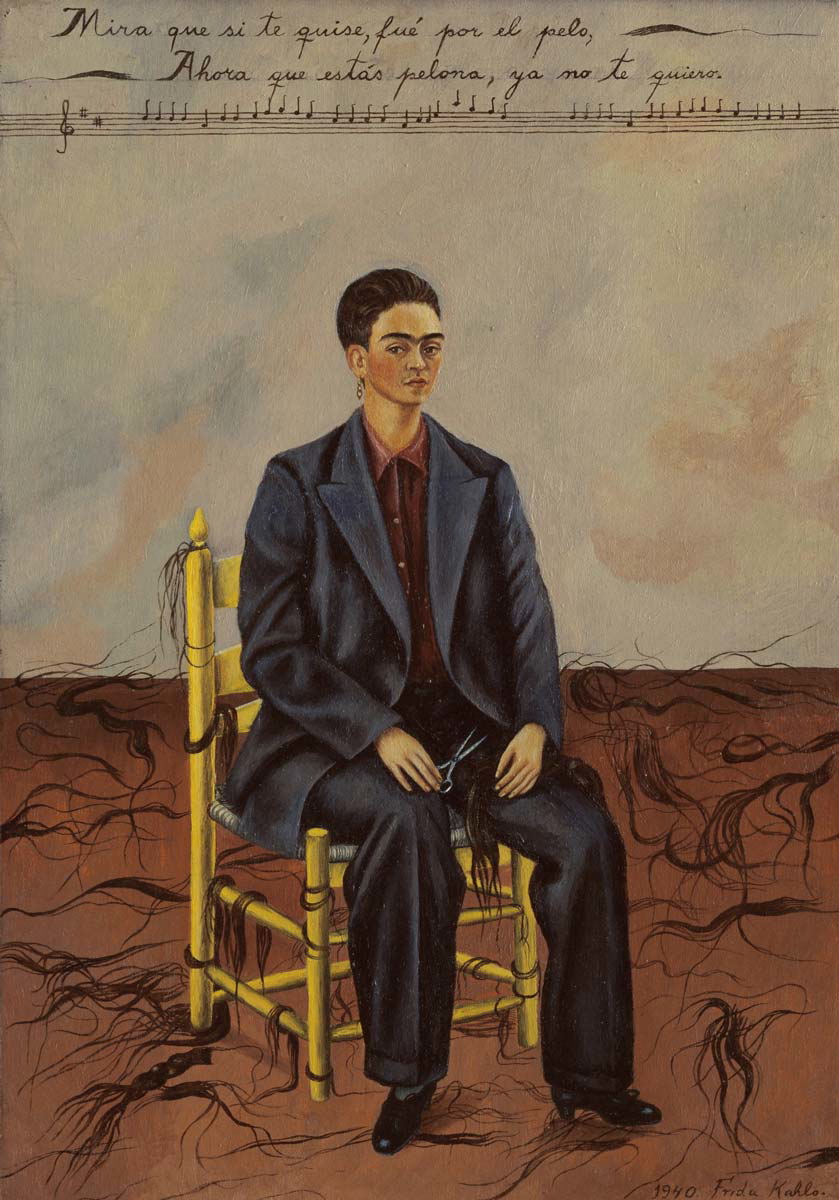
Despite their ideological and practical common grounds, local artists were not too keen on accepting foreigners into their circles. The dominant trend among Mexican artists was to decolonize their art, freeing it from the pressure of the Western aesthetic tradition. Although well-educated and experienced artists and writers who migrated to Mexico would surely benefit the country in the long term, local creatives saw their presence as a threat to their newly forming identity.
Even the terminological category was an issue. Despite being labeled “Surrealist” in the Western press, locals such as Frida Kahlo opposed the term. Kahlo rejected the supposed internationality of Surrealism in favor of political and national identity. In her work, she personalized and localized her symbols. Kahlo and Diego Rivera hosted Andre Breton during his 1938 visit to Mexico. They also met with the refugee artists on several occasions, but they were not particularly pleased with them.
Frida Kahlo had a particular aversion to the movement’s men, which she developed during her visit to Paris. She once wrote that she would rather sell tortillas than share anything with overintellectual, pseudo-artistic individuals.