
What inspired Jane Austen’s beloved novels, and how have they stood the test of time? This article provides a brief summary of the main events of Austen’s life. In 1981, the influential 20th-century philosopher Alasdair MacIntyre wrote in his seminal work After Virtue that Jane Austen was “the last great representative of the classical tradition of the virtues… because she unites the Christian and Aristotelian moral traditions masterfully.” According to MacIntyre, no writer after Austen could combine these two traditions. Moreover, while Henry Fielding and Samuel Richardson had mastered the novel of morality before her, Austen refined the form. Following Austen, the Victorian novel moved on to other concerns, leading McIntyre to call her the last great English novelist. Is this a fair claim, and what was the source of her genius?
Jane Austen Life Timeline
| 1775 | Born in Steventon, Hampshire |
| 1787-1794 | Eclectic early writings referred to as her Juvenilia |
| 1801 | Family moves to Bath |
| 1802 | Accepted and rejected a marriage proposal from Harris Bigg-Wither |
| 1803 | Sells Susan, which would become Northanger Abbey, to a publisher, but it was not published |
| 1805 | Jane’s father dies, and she moves with her mother and sister to Southampton, struggling with poverty |
| 1809 | Moves into Chawton Cottage near her benefactor brother Henry |
| 1811 | Sense and Sensibility (previously Elinor and Marianne) was published anonymously |
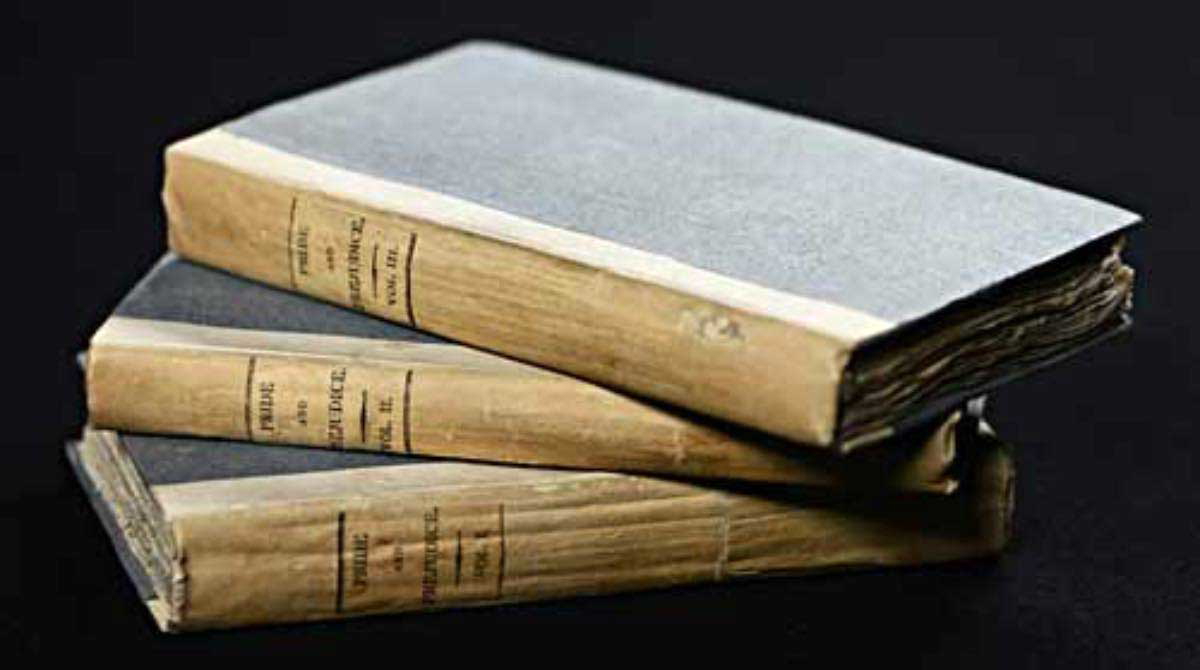
| 1813 | Pride and Prejudice (previously First Impressions) was published |
| 1814 | Mansfield Park published |
| 1816 | Emma published |
| 1817 | Dies in Winchester, Hampshire |
| 1818 | Northanger Abbey and Persuasion were published posthumously |
Jane Austen’s Early Years
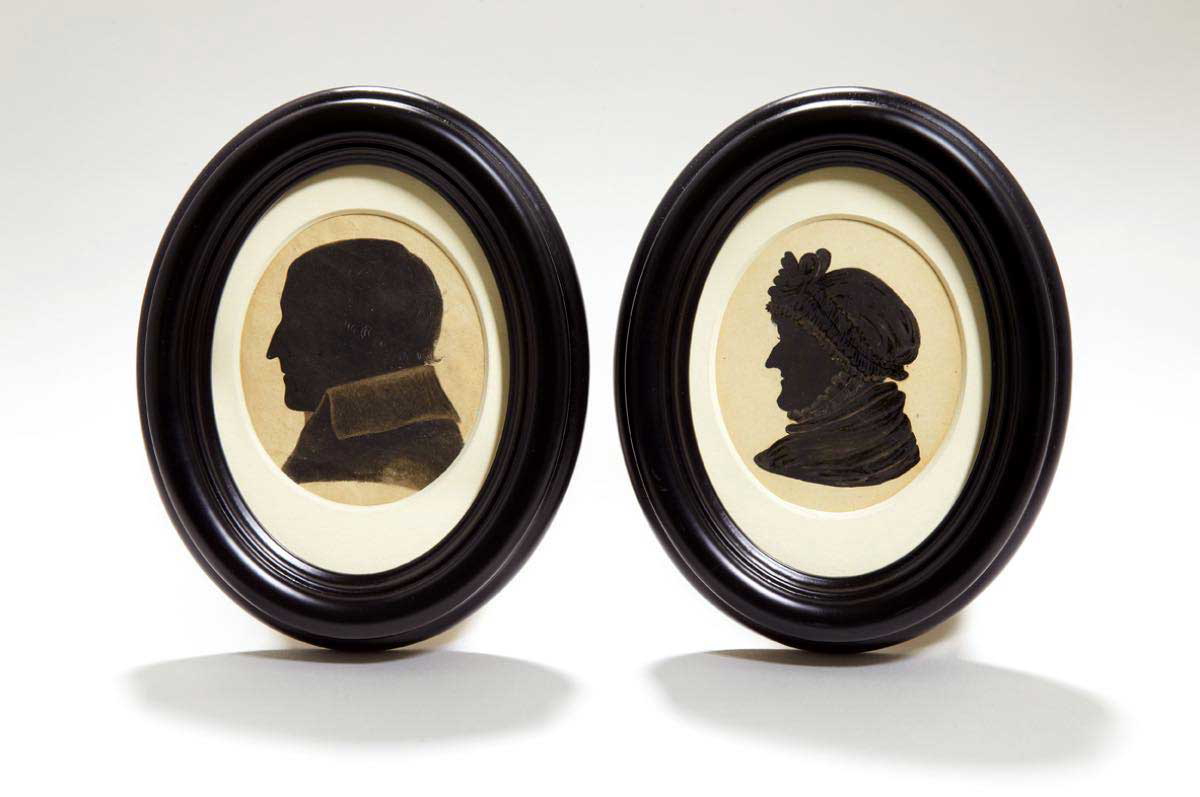
Jane Austen (1775–1817) was born in the village of Steventon, Hampshire, on the 16th of December 1775 to the Reverend George Austen and Cassandra Leigh. She had six brothers and one older sister, Cassandra. Jane enjoyed a deep and close relationship with her only sister, captured by their many letters.
Jane’s father was an Anglican clergyman and Rector of Steventon and nearby Deane. Mr. Austen attended Oxford University, and his academic background had a profound influence on Jane. From an early age, her father encouraged Jane in her studies and her tentative steps as an author. Until his death, George Austen did all he could to help Jane develop her burgeoning literary abilities.
Jane’s mother, Cassandra, was descended from a family of prominent clerics and Oxford scholars. The Austen family home in Steventon was situated in a rural environment, and education was largely conducted within the household, following unsuccessful attempts to place the two girls in boarding school. Amateur family dramatics were a feature of home life, as was rigorous learning guided by Reverend Austen’s watchful eye. Jane became well-read in the literature of the 18th-century Enlightenment. The epistolary novel Sir Charles Grandison by Samuel Richardson was a particular favorite.
Soon after Jane’s birth, financial difficulties prompted Mr. Austen to take private pupils into his home to supplement the family income. The Austen family lived in relative comfort within their modest means, but their financial situation remained a constant source of worry in the years to come. Anxiety about money was a theme found in all of Jane’s future novels.
A Large & Important Family
Family, especially her brothers, played a central part in Austen’s life. She was close to them all and, throughout her life, was attentive to their fortunes. James became a vicar; Francis and Charles joined the Navy, and both eventually took part in the Napoleonic Wars; Henry also joined the military, but he left for a career in finance. Young George, who had epilepsy, was sent to live with a relative.
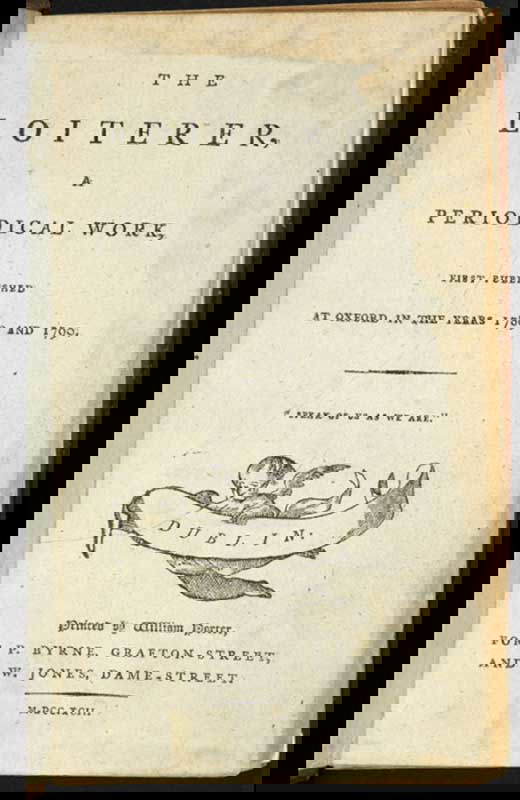
In 1783, when Jane was eight years old, the wealthy Mr. and Mrs. Thomas Knight adopted her brother, Edward. Years later, when he became the Austen family’s benefactor, Edward was a crucial source of support for his parents, brothers, and sisters. Jane contributed some of her earliest writings to The Loiterer, a weekly publication edited by her brother James while he was at Oxford University.
Between the ages of eleven and eighteen, Jane wrote 27 pieces, which would later make up her collected juvenilia. Included in these volumes were short tales, plays, fragments, and various unfinished scraps. Jane described some of these very short works as “novels,” including one that contained a comedic account of an incident-packed day out in London.
The Austen Family Moves to Bath
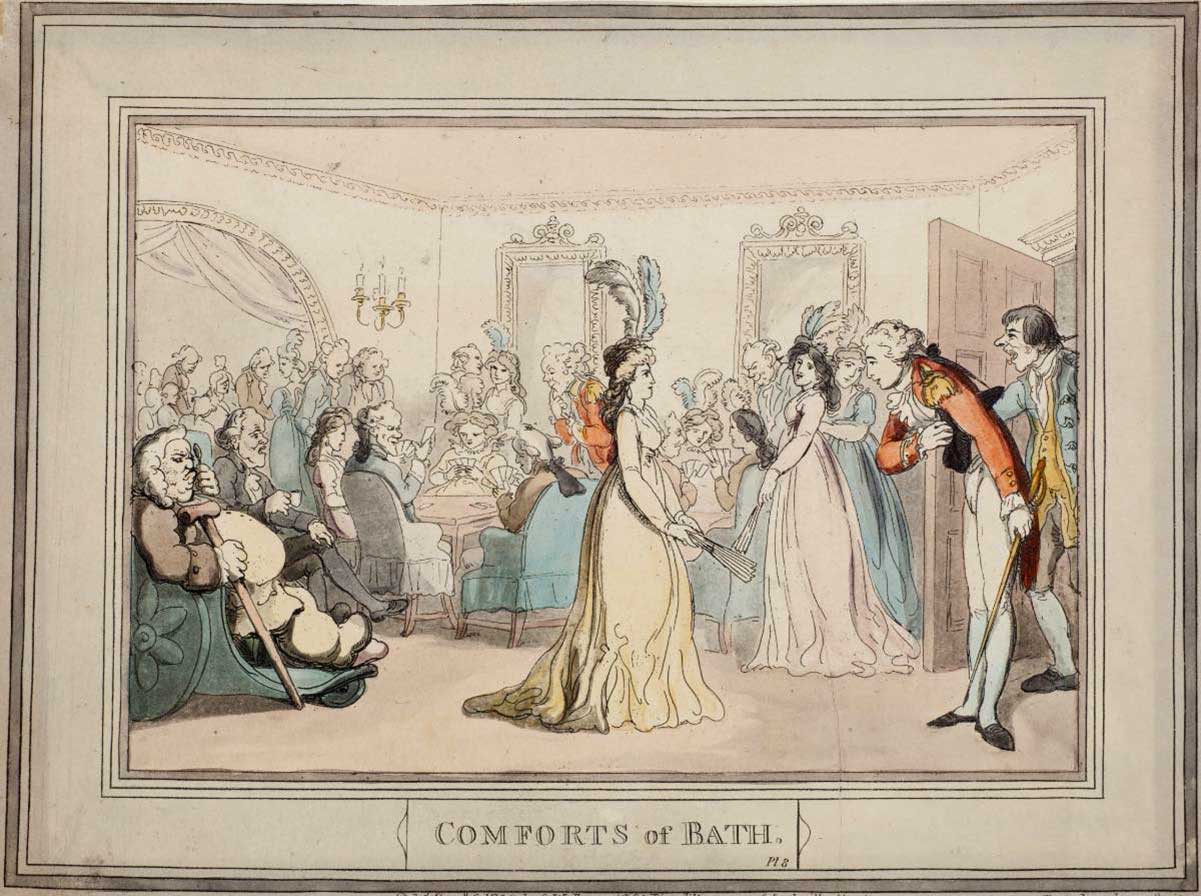
In December 1800, Jane’s father decided to retire and move to Bath. The following year, Jane and her parents left Steventon, their home for many years. Bath had become a popular destination for the English upper classes, eager to take advantage of the healing Roman water spas and indulge in the many social entertainments, including balls held in the Assembly Rooms. At these events, echoed in her novels, Jane formed judgments and opinions about the people she would later depict in fiction. Jane and her family spent most of the next few years in various residences in the town.
In 1802, Jane finished revising a novel, initially called Susan but later titled Northanger Abbey. She sold the book to a publisher for £10, who took it without clearly indicating when he would publish it. The book remained unpublished for the rest of Jane’s life, a fact that became a source of distress to her. Years later, Jane tried to have her novel returned so she could offer it to another publisher, but she was threatened with legal action. The publisher was unaware of Jane’s identity since her novels, now enjoying modest success, had been issued without carrying her name. It was only after her death that her brother Henry bought back Northanger Abbey.
Love & Tragedy in the Life of Jane Austen
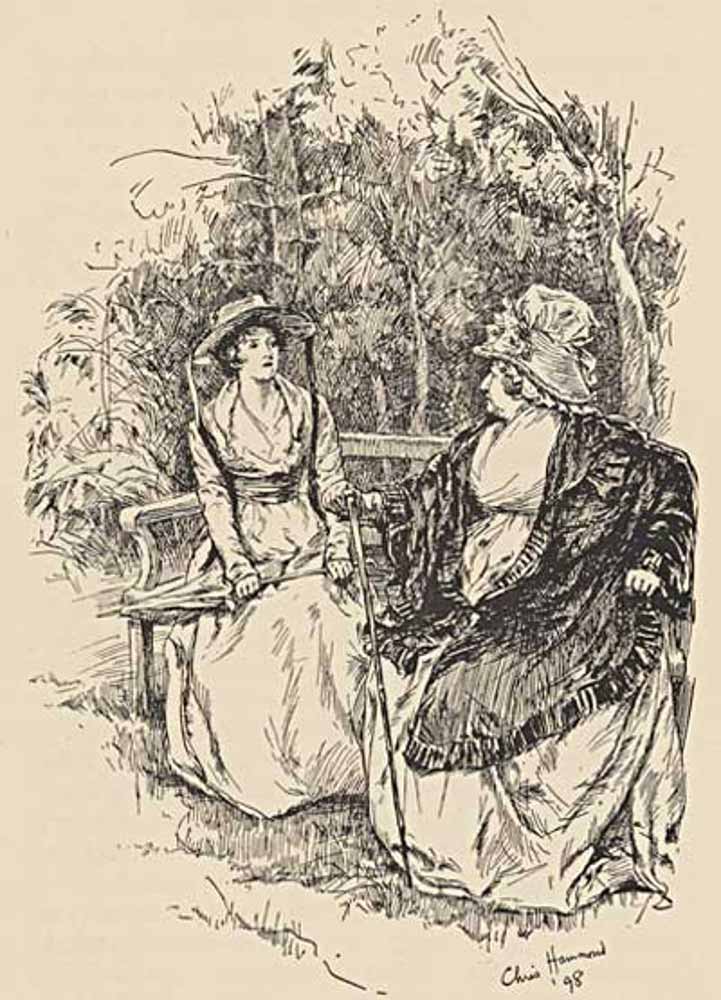
In matters of the heart, young Jane Austen was not immune to the temptations of romantic affection. She formed an important and, what seemed to her, deeply felt attachment with young Tom Lefroy, but it came to nothing.
Later, in 1802, Jane accepted a marriage proposal from Harris Bigg-Wither, a young man of some substance, but changed her mind after reconsidering the situation overnight. Accepting and subsequently rejecting a marriage proposal carried significant social consequences. During her overnight deliberations, Jane realized she had grave doubts about the character of her intended husband. Inevitably, Jane’s actions caused outrage in the family of Harris Bigg-Wither. This episode affected Jane greatly.
In 1805, Jane’s father, George, died after a brief illness, and Jane grieved deeply. George Austen had been a moral guide to Jane and a provider of religious instruction, which was reflected in the prayers she wrote. His loss proved a serious setback for Mrs. Austen and her two daughters, placing the family under great financial distress. It prompted their removal from Bath, and a period of economic uncertainty prevailed.
Eventually, Edward, now established in his new role as the head of a growing Knight family at the grand residence at Godmersham in Kent, offered Mrs. Austen, Jane, and Cassandra the opportunity to create a Hampshire home for themselves. She had already drafted what would become Pride and Prejudice, and here she would complete the work.
A New Home & Fresh Beginning
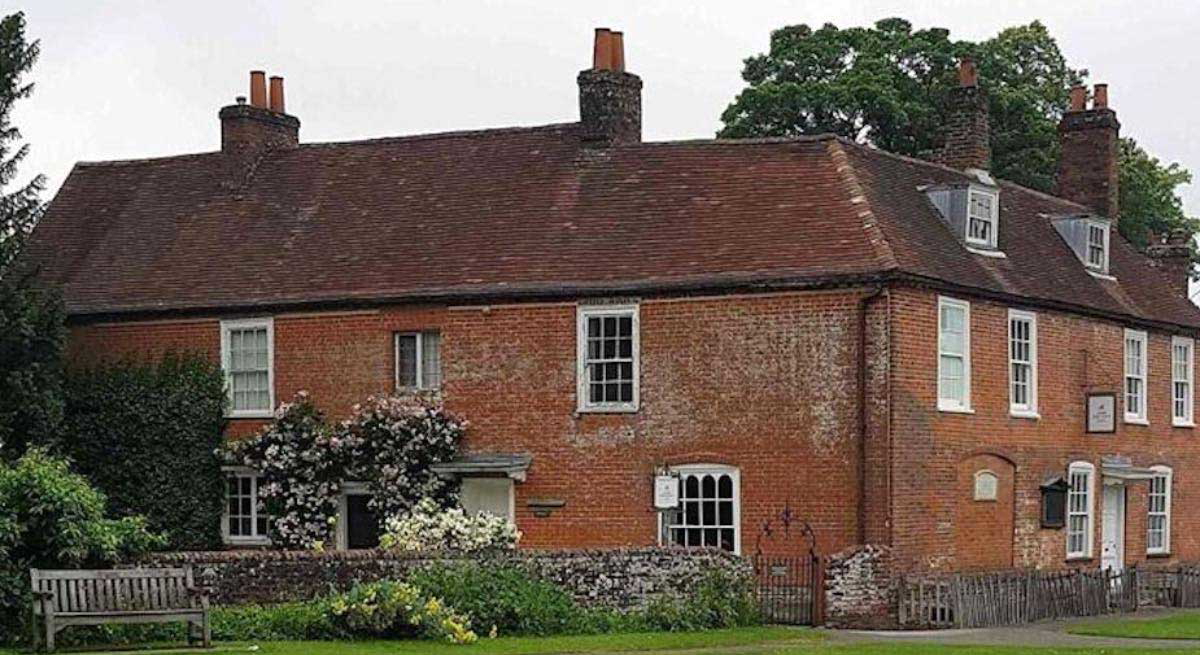
In July 1809, Mrs. Austen and her two daughters moved into the house at Chawton, a small village near the main travel route to Winchester. In this comfortable home, situated close to the grand residence owned by her brother Edward, Jane completed almost all of her most famous novels, including a revision of the previous drafts of First Impressions, which became Pride and Prejudice, published in 1813.
Chawton was to be a place where Jane Austen experienced her greatest happiness. The house at Chawton, large enough and well-appointed, enabled Jane to focus more of her energies on writing fiction. It was during these years at Chawton that she formed what would become her distinctive body of work, unique in English literature.
A year after moving into the house at Chawton, the novel Sense and Sensibility was accepted for publication. Jane immediately started work on Mansfield Park, completed in 1813. It is interesting to note that readers have often seen Mansfield Park as a different and inferior kind of novel to Pride and Prejudice. Many reviewers over the years have found Mansfield Park’s heroine, Fanny Price, unappealing and even priggish. MacIntyre praises Fanny Price for possessing the virtue of constancy in the face of the various moral defects she finds during her life with the Bertram family. In any case, by writing a work so obviously different from Pride and Prejudice, Jane Austen was already showing her mastery over the novel form and its potential as a vehicle for moral narrative.
Finally, a Life of Writing & Publishing
While living at Chawton, Jane published Sense and Sensibility, Pride and Prejudice, Mansfield Park, and Emma. In the year of her death, 1817, she began Sanditon, which was issued posthumously along with Persuasion, thanks to the efforts of Jane’s faithful brother, Henry.
Taken collectively, these works demonstrate Jane Austen’s remarkable range as a novelist, showcasing her skills in crafting incisive character portraits, sharp social satire, and comedy, as well as a powerful sense of morality honed by her acute observation of the world in which she lived.
As critics have suggested in recent years, the moral quality of Jane Austen’s work, not didactic but subtle, resulted from her father’s efforts to provide a broad education in the classics, theology, and literature to his daughter. The private prayers written by Jane also reveal a profound Christian sensibility, a clear legacy of her father’s religious influence. During her years at Chawton, Jane’s work grew in popularity, though not in greater financial rewards. Estimates suggest that during her life, she earned only a few hundred pounds from her fiction.
Jane Austen’s Death & Legacy
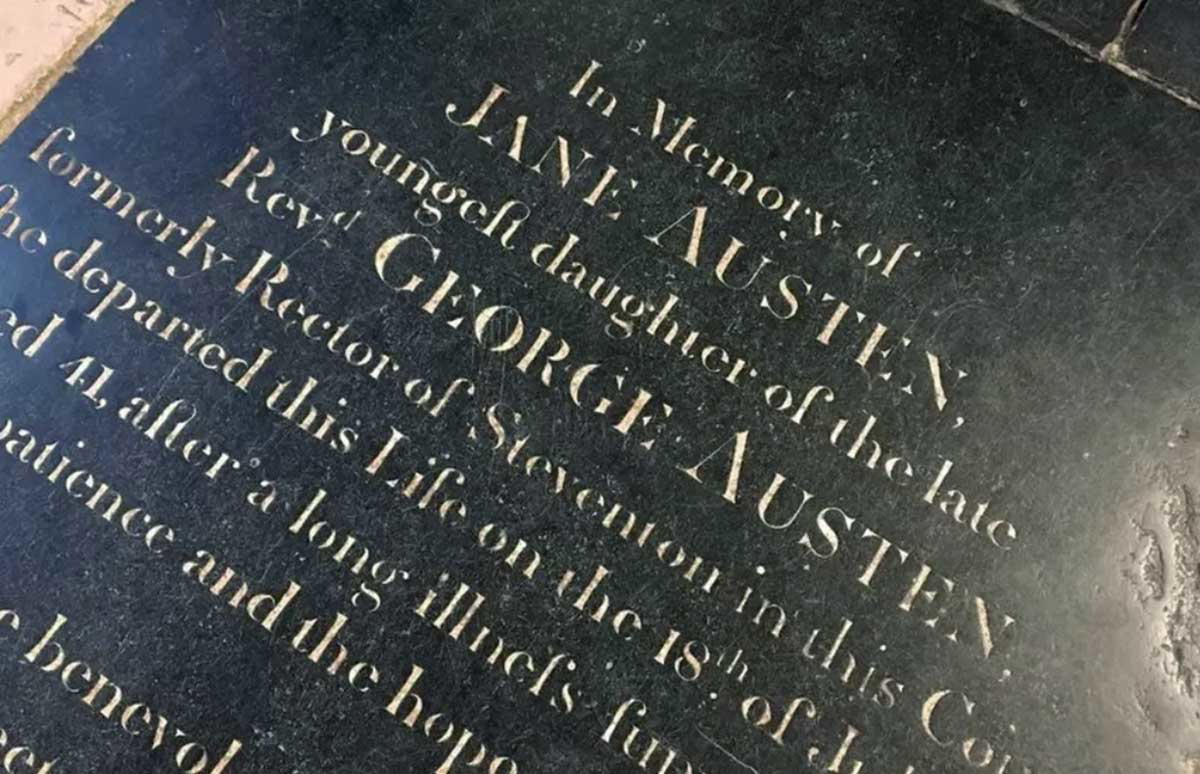
After a long battle with illness, Jane Austen died on the 18th of July 1817. A week later, she was buried in Winchester Cathedral. On her gravestone were carved the words:
“The benevolence of her heart, the sweetness of her temper, and the extraordinary endowments of her mind obtained the regard of all who knew her, and the warmest love of her intimate connections.”
After her sister’s death, Cassandra Austen worked tirelessly to ensure that Jane’s legacy would be looked after, involving herself in the ongoing publication of the novels. Cassandra’s affection for her sister was reflected in the care with which she protected Jane’s literary inheritance. However, Cassandra’s decision to destroy selected letters from her sister frustrated the future efforts of biographers to discover some aspects of Jane’s life. Under Cassandra’s stewardship, the literary reputation of Jane Austen was maintained and then passed to her successors. For the remainder of the 19th century, Jane Austen’s six principal novels came to be regarded as high points in English literature.
Jane’s reputation grew steadily with the passing years. Tennyson compared her to Shakespeare, and C.S. Lewis likened her to Samuel Johnson, inheriting his common sense, his morality, and much of his style. In likening her to past literary giants, Lewis was affirming a future assessment of her uniqueness. Her novels continue to be read into the 20th century and have gained new relevance in a variety of fields of literary studies, from feminism to postmodernism.