Samuel Johnson, possibly the most quoted man of the 18th century, was not a detached intellectual debating abstract philosophy in academic halls. He fought his battles with witty words in the crowded taverns and foggy streets of London. Samuel Johnson, a struggling writer who knew the depths of poverty and a literary titan whose conversation was an art form, was a fierce critic of human pretense. These iconic quotes reveal a mind unmatched in its razor-sharp wit and profound understanding of human nature.
The Many Sayings of Samuel Johnson
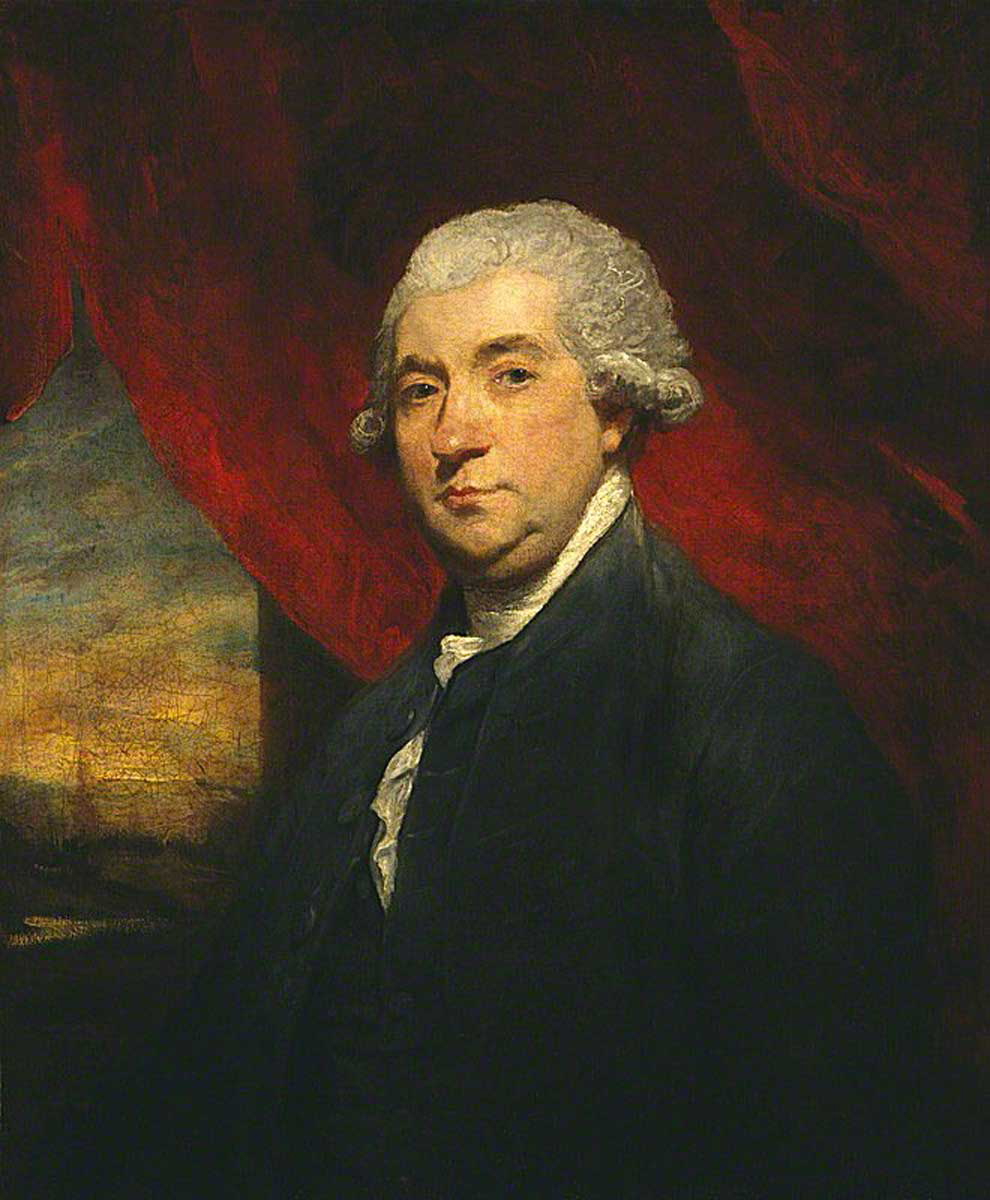
Most people have heard of the many sayings of Samuel Johnson, and probably use them on occasion without knowing their origin. He is one of the most quoted historical figures of all time. Choosing just a few of his most iconic sayings is an enormous challenge; it would be easy to list 100 quotes. This is largely thanks to James Boswell, who recorded many of his friend’s sayings in his biography, “The Life of Samuel Johnson.”
Johnson did not compose his witticism for a public audience. Most were spoken to Boswell in conversation or written to him in letters. It was Boswell who made these sayings public in a work based on “the vast treasure of conversations at different times,” many of which Boswell noted down in his journal. But Boswell was not the only one to consider Johnson’s life and words worth recording. Anecdotes and quotes were also published by John Hawkins, Anna Seward, Elizabeth Montagu, Hannah More, and even Horace Walpole.
Samuel Johnson was born in 1709 and lived through the reigns of four British monarchs – Queen Anne (1702-1714), King George I (1714-1727), King George II (1727-1760), and King George III (1760-1820) – before his death in 1784. Highly talented, he did many things with his life. Johnson was a lexicographer, a poet, a playwright, an essayist, and a biographer. He was also a moralist, a literary critic, a sermonist, and an editor. Renowned for his exceptional ability with words, he soon became better known as Doctor Johnson.
1. “When a man is tired of London, he is tired of life”
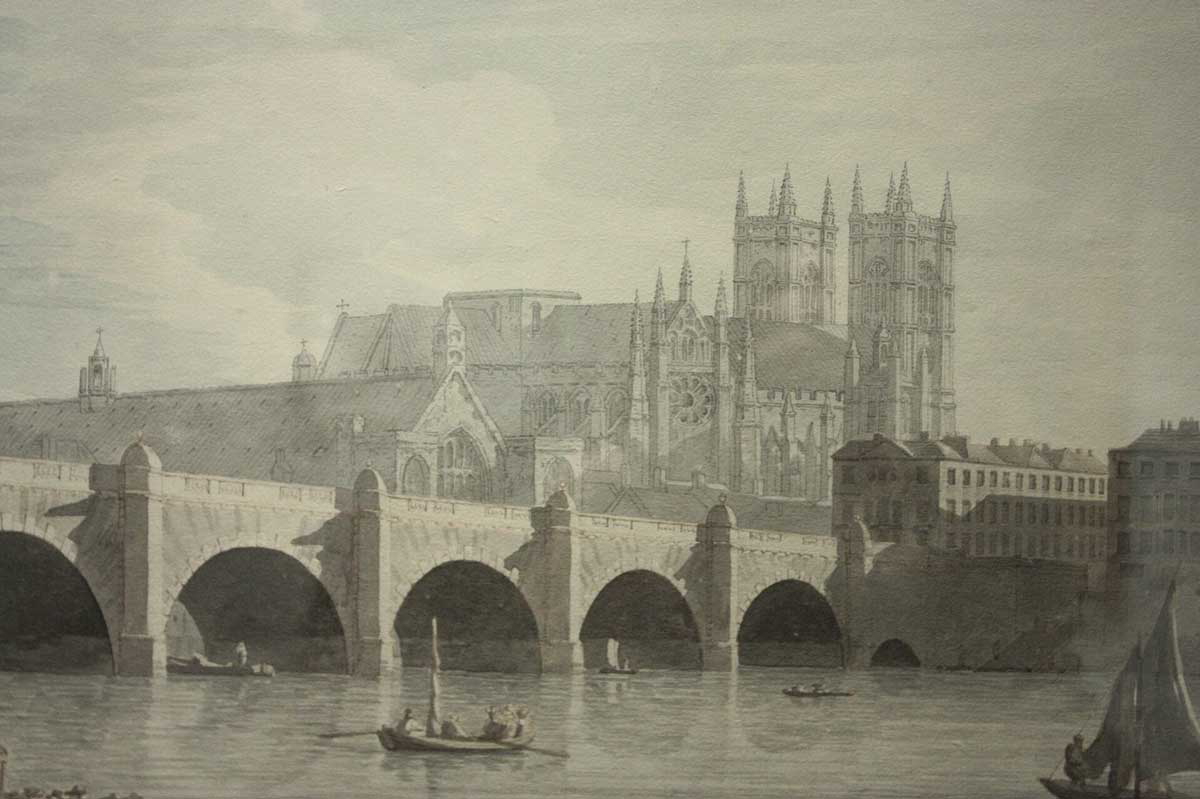
This is probably Samuel Johnson’s most famous and reused quote, at least in Britain. The meaning is simple. Johnson was claiming that London is such a busy, modern, and exciting place that it would be impossible to get bored there. There is no possible end to London’s delights, and it would be unthinkable to tire of what the city has to offer.
When it comes to a love of London, Samuel Johnson was certainly in good company. Walter Besant (1836-1901) said of London, “I’ve been walking about the city for the last thirty years, and I find something fresh in it every day.” Even a few centuries earlier, the Scotsman William Dunbar (1459-1530) declared, “London, thou art the flour of all cities!”
The words were originally spoken by Johnson when in conversation with James Boswell on the 20th of December, 1777. Johnson, who hated spending time alone, was always out and about, experiencing the many perks of city life. Boswell, whose father owned estates in the Scottish Highlands, knew the benefits of both rural and urban lifestyles.
The pair were discussing whether Boswell’s growing affection for London would wear thin if he chose to live there permanently. When Samuel Johnson delivered his response, little did he know that his words would be repeated countless times throughout the centuries to come.
2. “Claret is the liquor for boys, port for men; but anyone who aspires to be a hero must drink brandy.”
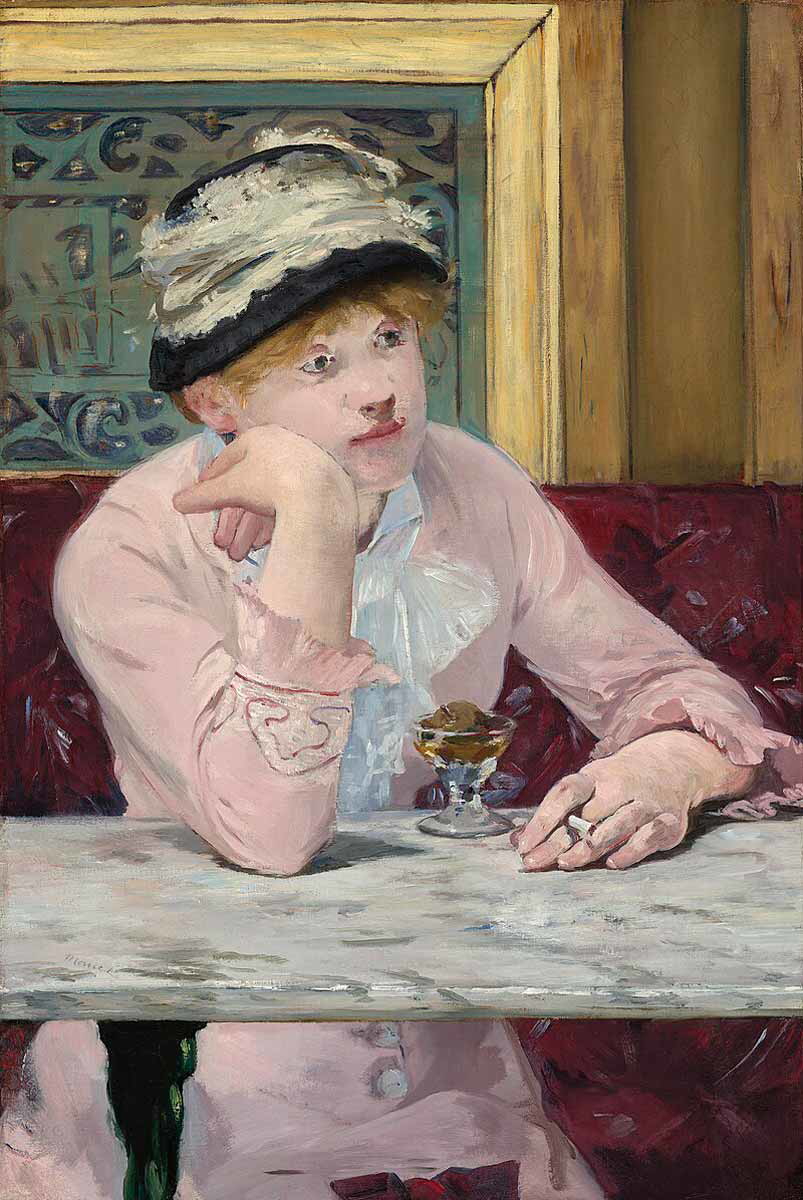
By Samuel Johnson’s era, brandy had become renowned in England as a strong and popular spirit. Brandy is a liquor produced by distilling wine and is generally between 35-60 percent alcohol. During the 18th century, brandy was typically consumed by upper-class gentlemen as an after-dinner digestif. But why did Johnson consider its consumption heroic?
Well, during the 18th and even the 19th centuries, brandy was often used as a medical treatment due to its alleged stimulating qualities. It was also used by many travelers and explorers who suggested that moderate doses of brandy helped one to cope with fever, depression, and stress. Samuel Johnson could have been suggesting that heroes regularly come across these troubles and that a swig of brandy was all that was needed to successfully combat them.
3. “Love is the wisdom of the fool and the folly of the wise.”
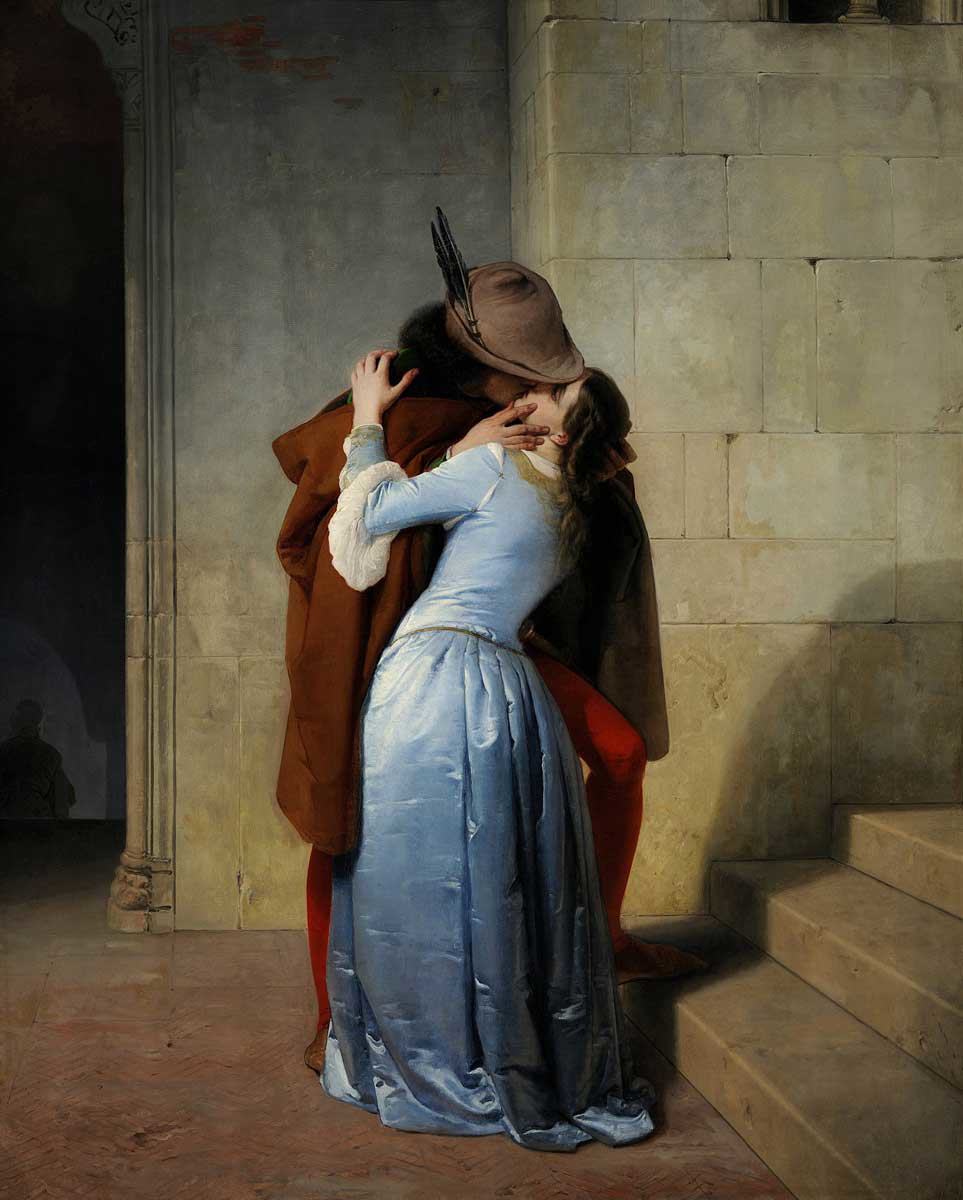
This quote suggests that falling in love can cause a dramatic change in anyone’s personality. It can cause even the wisest man or woman to become a fool. Love has the power to unravel both sanity and rationality. In short, love turns fools into wise men and wise men into fools.
Samuel Johnson was a man who knew a lot about true love. He had one notable romantic relationship with Elizabeth, whom Johnson affectionately called Tetty. Elizabeth Jervis was originally married to Henry Porter, a good friend of Samuel Johnson. By her first husband, Elizabeth had three children: Lucy, Jervis Henry, and Joseph. On meeting Johnson, Elizabeth declared to her daughter, “That is the most sensible man I have ever met.” The two fell in love shortly after she was widowed. They married in 1735, when she was 46, and he was just 25.

Their union was not accepted by all. Elizabeth Johnson’s family found the age difference between their mother and their new father-in-law difficult to tolerate. The marriage so disgusted Jervis Henry that he cut all ties with his mother. However, Lucy and Joseph later came to accept him into their circle. The couple was extremely happy together, and Samuel Johnson referred to their marriage as being “a love match on both sides.” However, it was relatively short-lived as Tetty died at age 63 following bouts of ill health, possibly caused by excessive use of opiates and alcohol. Johnson mourned her for the rest of his life.
4. “Resolve not to be poor; whatever you have, spend less.”
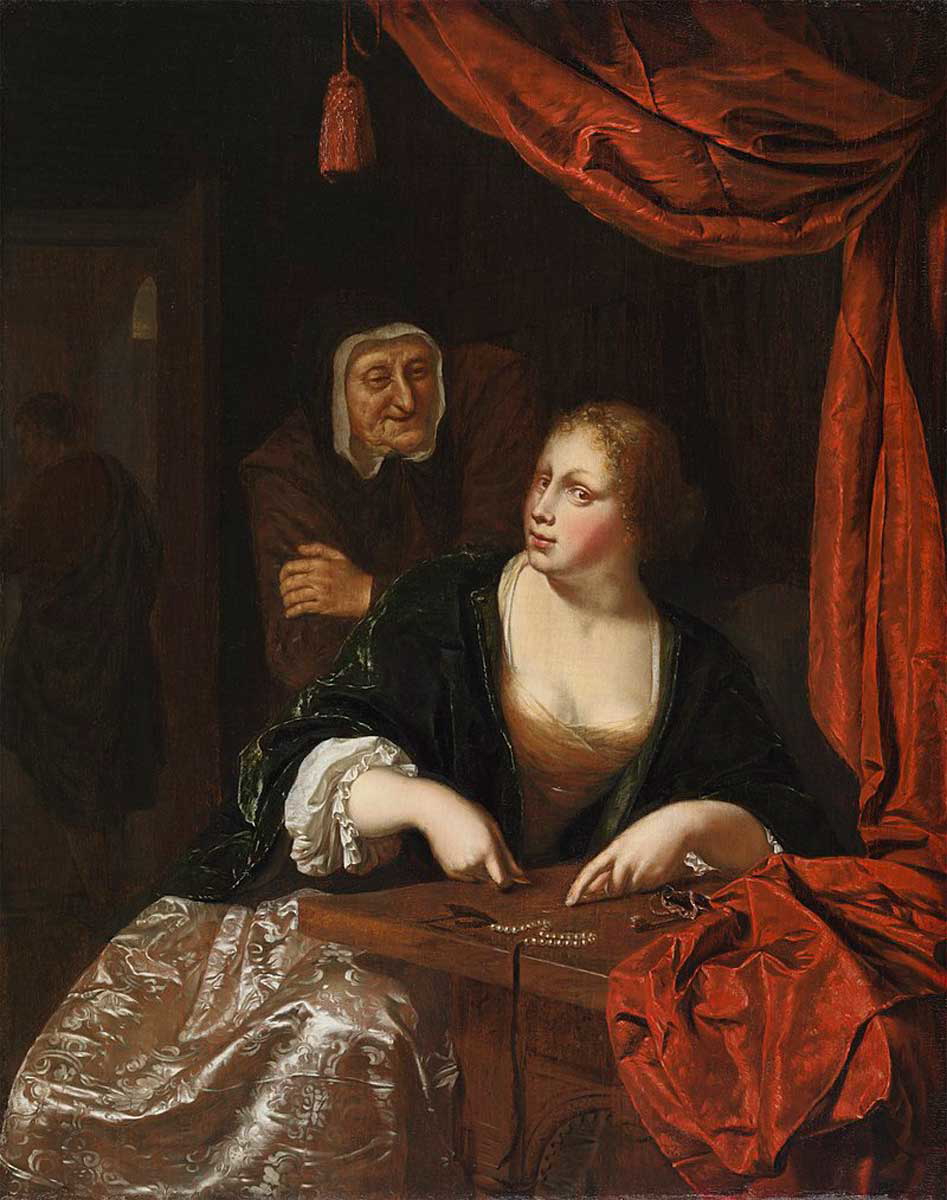
This common and sensible piece of advice is rarely remembered as belonging to Samuel Johnson, but he understood the importance of living within one’s means. Johnson also said that “poverty is a great enemy to human happiness, it certainly destroys liberty, and it makes some virtues impracticable, and others extremely difficult.”
Johnson gave this advice to Boswell in a letter in December 1782. Boswell had recently inherited his father’s wealth and Highland estates. He was spending the majority of his time in Scotland, far away from London and therefore also from Johnson. Their separation did not lessen the strength of their friendship; they kept in touch through a series of letters, many of which Boswell used as material for his biography.
In the letter, Johnson congratulated Boswell on his inheritance, “Your economy, I suppose, begins now to be settled,” he began, “your expenses are adjusted to your revenue, and all your people in their proper places.” He then asked about Boswell’s new circumstances, asking personal questions about the number of houses he now owned, the amount of money he held in his accounts, how many cows he possessed, his landholdings, and the nature of his agreements with his tenants. He then offered this piece of unsolicited advice.
5. “Curiosity is, in great and generous minds, the first passion and the last.”
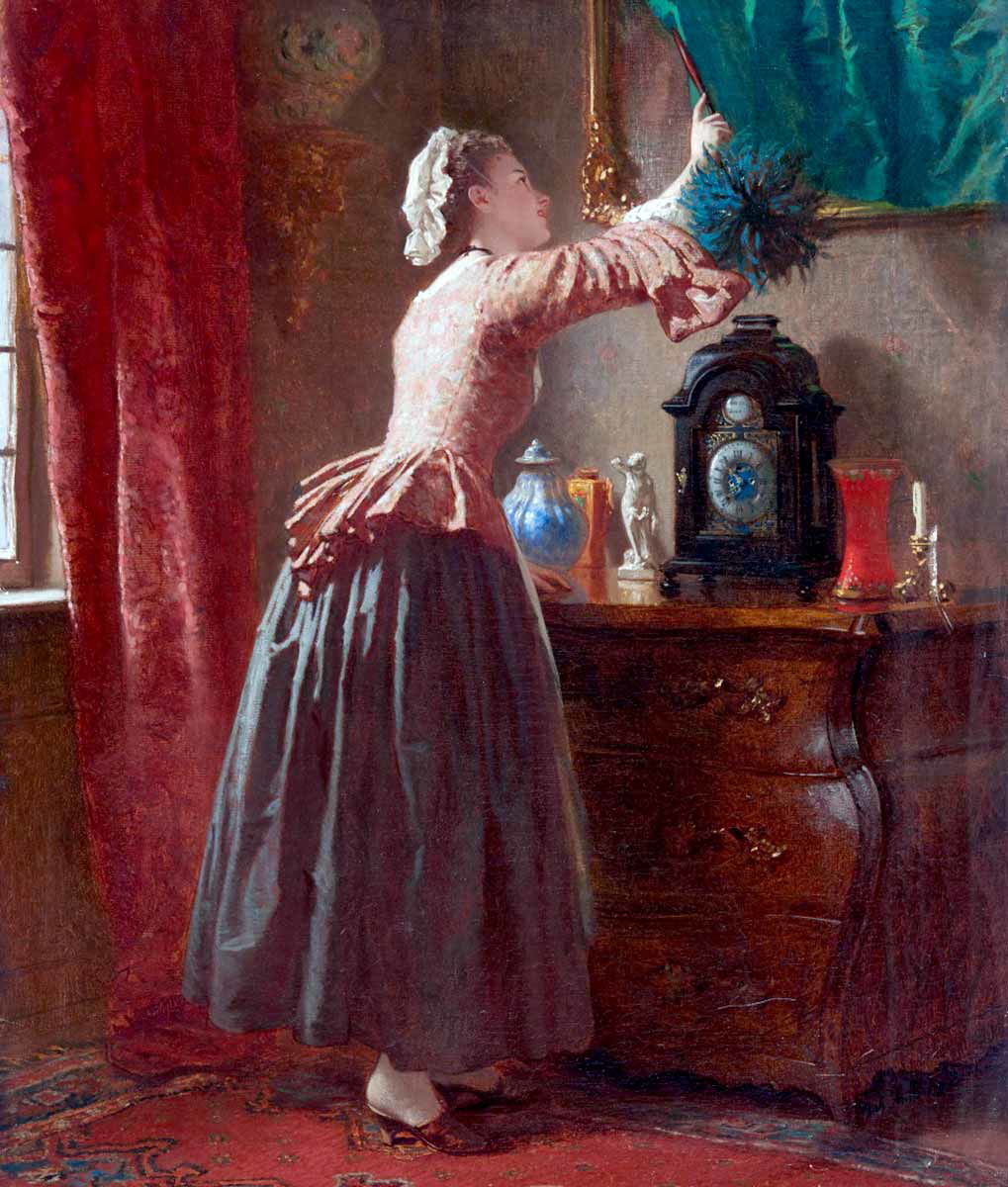
Rather than coming from Boswell, Johnson wrote this in an article for the periodical The Rambler in August 1751. This issue, number 150, was dedicated to exploring the concept of curiosity. Samuel Johnson’s response was that true genius is not about how much you know, but how much you want to know.
Johnson himself possessed a highly curious mind. For example, when a poltergeist story spread around London in 1762, rather than dismissing it, he joined the occult detective team, later debunking it as a hoax. He also set up a makeshift chemistry laboratory in the backyard of his friend Hester Thrale’s estate. Johnson spent hours absorbed in blending chemicals, distilling substances, and testing the properties of materials, often to the terror of his friends, who were worried he was going to blow up the house.
He did not advocate for petty curiosity and gossip, but still considered it one of the defining characteristics of a vigorous intellect and said, “Curiosity is the thirst of the soul; it inflames and torments us, and makes us taste everything with joy, however otherwise insipid, by which it may be quenched.”
6. “Hell is paved with good intentions.”
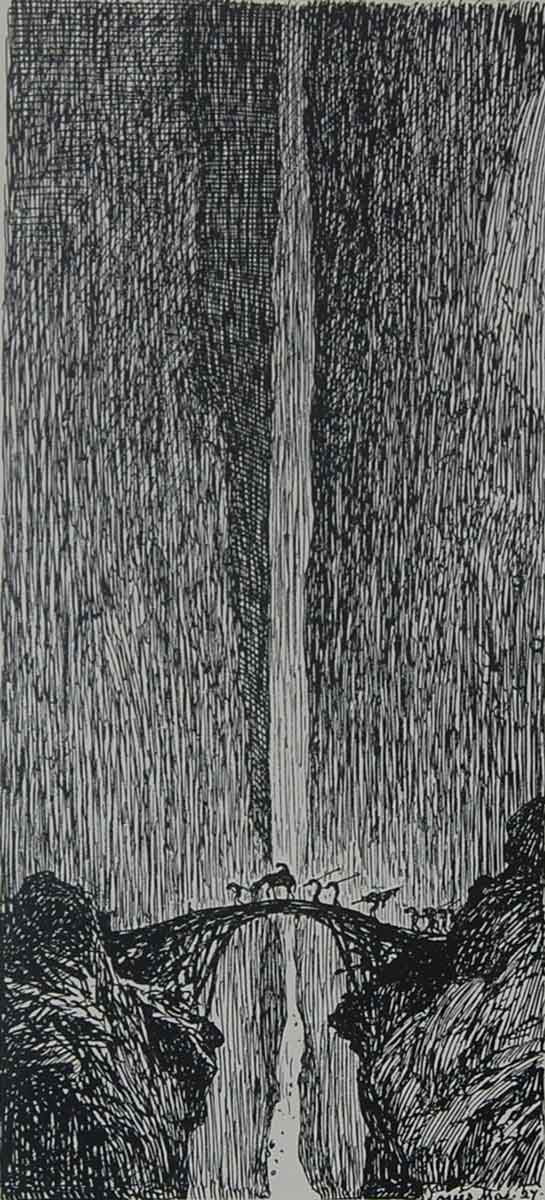
This idea did not start with Johnson, and has evolved over the centuries. According to Boswell, on April 14, 1775, Johnson was talking to an acquaintance about how people often fail to live up to their religious and moral resolutions. Johnson looked at him and said, “Sir, hell is paved with good intentions.”
Earlier figures like Saint Bernard of Clairvaux in the 12th century had said “Hell is full of good intentions and wishes.” Johnson added the vivid image of “paving.” Over the next century, the public altered it slightly into “the road to hell,” which stuck permanently in the cultural lexicon.
Johnson used the words to refer directly to laziness, hypocrisy, and empty promises. He was pointing out that merely intending to be a good person, or intending to start something, means nothing if you don’t do it. We use “good intentions” as an emotional shield to make ourselves feel virtuous without acting virtuously.
7. “A cucumber should be well sliced, dressed with pepper and vinegar, and then thrown out as good for nothing.”
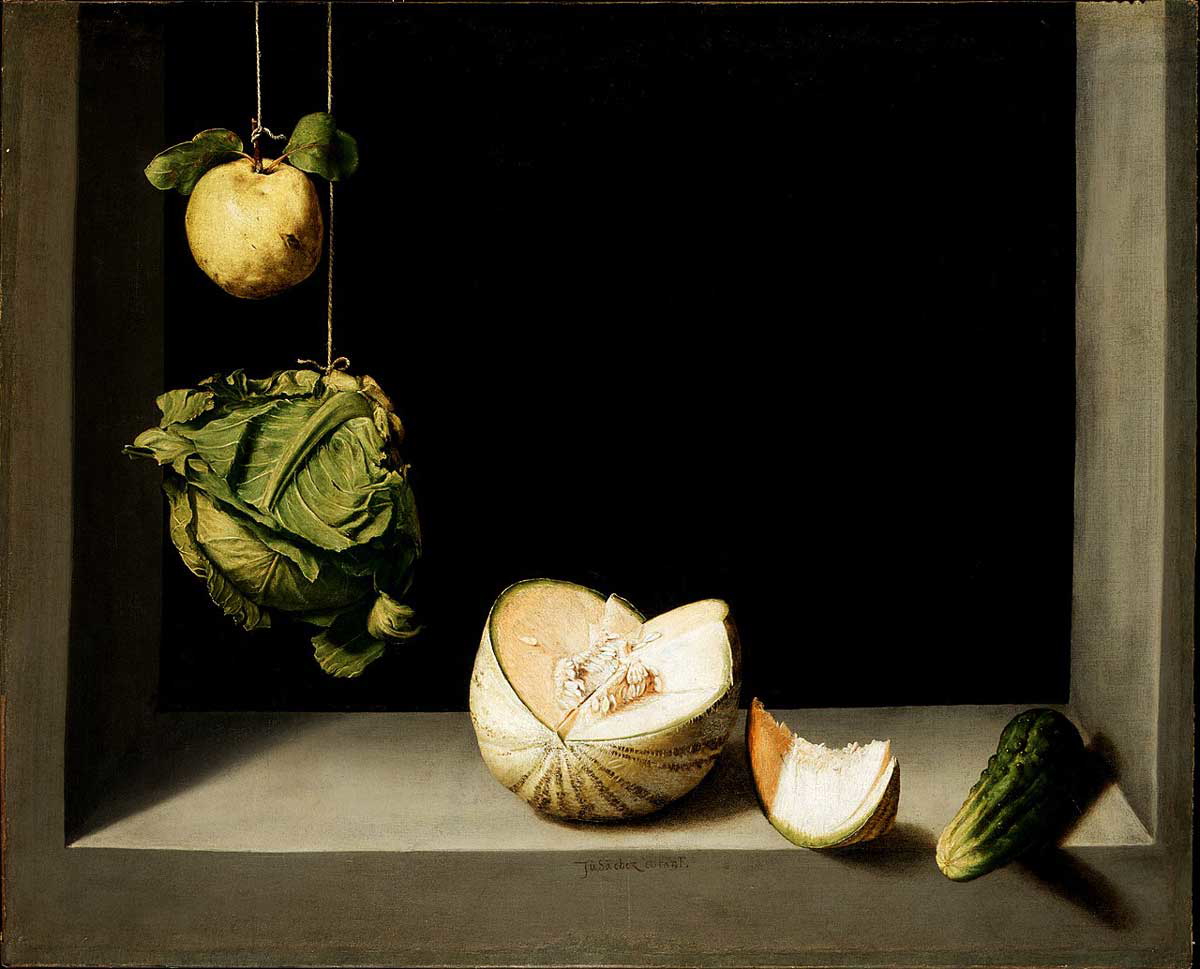
This is not one of Johnson’s quotes with a deeper meaning. He simply hated cucumbers and was not afraid to say so.
Raw cucumber is 95 percent water, four percent carbohydrates, and one percent protein; not exactly delicious-sounding. It also contains a biochemical compound, cucurbitacin, which gives it a bitter taste that some people don’t like. Cucumbers have been around since ancient times. Early mentions can be found in the Book of Exodus. Thousands of years later, in the late 8th and early 9th centuries, the Holy Roman emperor Charlemagne instructed that cucumbers should be grown in his private gardens.
Cucumbers were introduced to Britain sometime in the 14th century, but it didn’t take long for Englishmen to turn against them. Prejudice developed in England against uncooked vegetables. Articles by medical professionals stated that vegetables such as cucumbers could bring on fevers. It was advised that they should not be eaten by children, the elderly, or vulnerable people in general. Others said that cucumbers were fit “only for consumption by cows.”