
Have you ever imagined you saw your own double, just for a second? A perfect replica of yourself, not seen in a reflective surface, but somehow out there in the world, walking and talking just like you? The sensation can be chilling, shocking us into recognition of our identity and mortality. Literature has for centuries been fascinated by this phenomenon, haunting and thrilling readers with tales of characters who encounter, or imagine, their other selves, from evil twins to split identities.
How Long Has the Doppelgänger Been Around?
Most world cultures have some concept of the doppelgänger under another name. In various global mythologies, we find stories of spirit doubles who live out a person’s life differently to reality: they may represent a better way to live, or the temptations of following the wrong path. Humanity is perennially interested in the alter ego and what it might tell us about our ‘real’ selves, if there is such a thing (the doppelgänger is often used to destabilize the very idea).
In early modern English, the idea of the double was closely linked to ghosts, or wraiths, and the term ‘fetch’ more specifically referred to an exact double of the person seeing the ghost. As the word ‘fetch’ suggests, these visions were understood as portents, come to ‘fetch’ the viewer to the other side of the veil separating life and death.
The 17th-century metaphysical poet John Donne, according to his biographer, saw the double of his wife one night, carrying a dead child in her arms… on the very night that she gave birth to a stillborn daughter.
It wasn’t until the early 19th century that English speakers began to use the German loanword ‘doppelgänger,’ literally ‘double-walker.’ The word originated in a 1797 novel by the German Romantic author Jean Paul, in which the protagonist’s alter ego convinces him to fake his death and begin a new, better life.
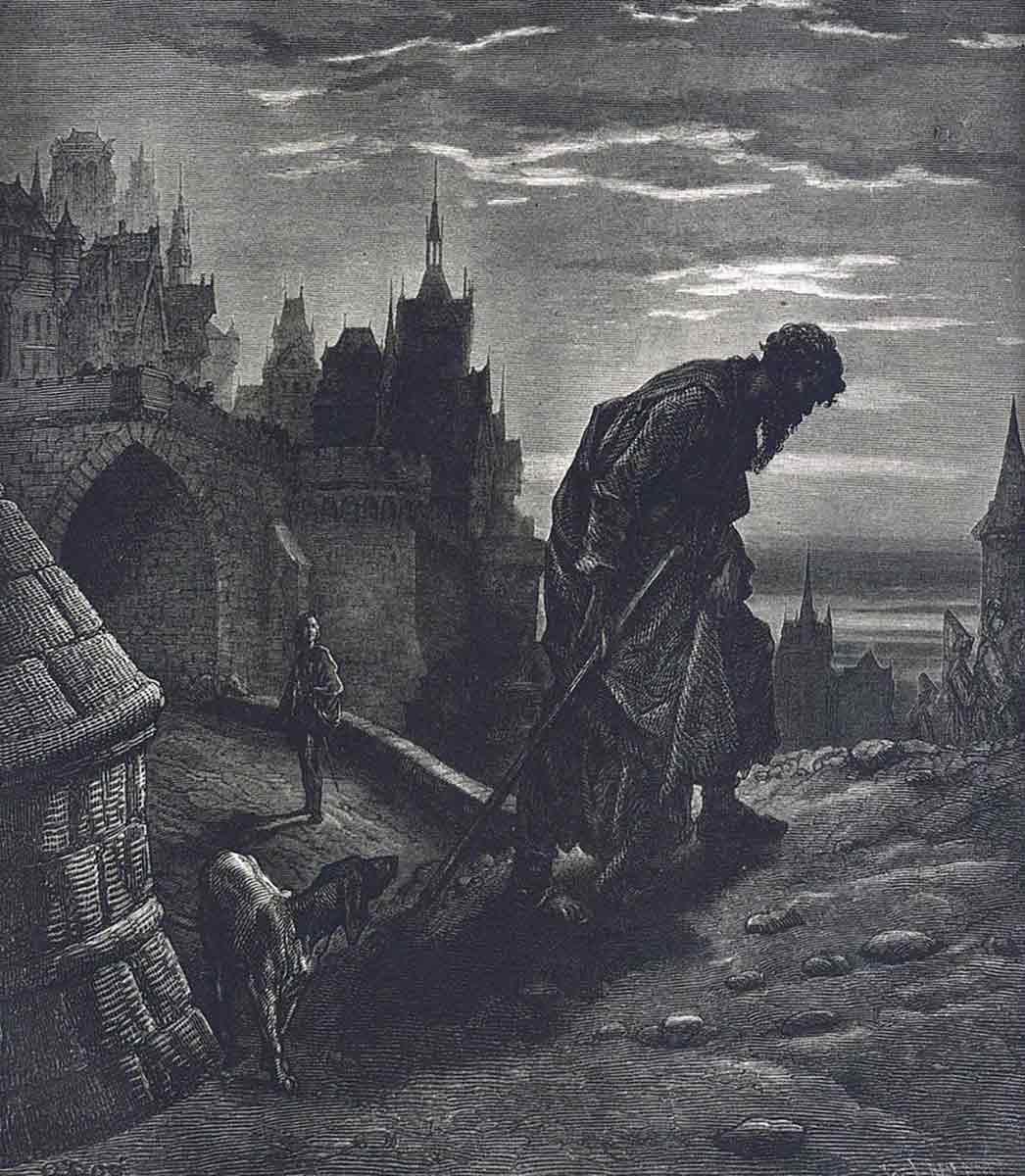
Romanticism, with its interest in human nature, is replete with doppelgängers. The title character of Samuel Taylor Coleridge’s Rime of the Ancient Mariner (1798) fears the sudden realization that “a frightful fiend / Doth close behind him tread”; his own double, pursuing him across the earth. This passage from Coleridge is quoted in Frankenstein (1818) by Mary Shelley, whose own wandering protagonist is pursued by a deadly double: the human he has created out of the limbs of corpses.
Victor Frankenstein dreams, soon after making the monster, about going to kiss his fiancée, only for her to swoon and die in his arms, and then turn into his dead mother. Shelley uses the idea of the doppelgänger to link Frankenstein and his monster, with the latter enacting the former’s repressed, violent desires, and to link Frankenstein’s lover and mother in a scene of proto-Freudian terror.
This was not Shelley’s only experience of the disturbing power of the doppelgänger. Just a couple of weeks before her husband, the poet Percy Shelley, drowned in a boating accident in 1822, he had seen his double in an apocalyptic dream.
Mary, reporting the incident to a friend, wrote that, strangely enough, another member of the household had seen this second Percy wandering about. A week after Mary miscarried a child, and two weeks before Percy’s drowning, the Shelleys were steeped in an atmosphere of death which brought the double into sharper focus.
The Doppelgänger According to Freud’s Theory of the Uncanny
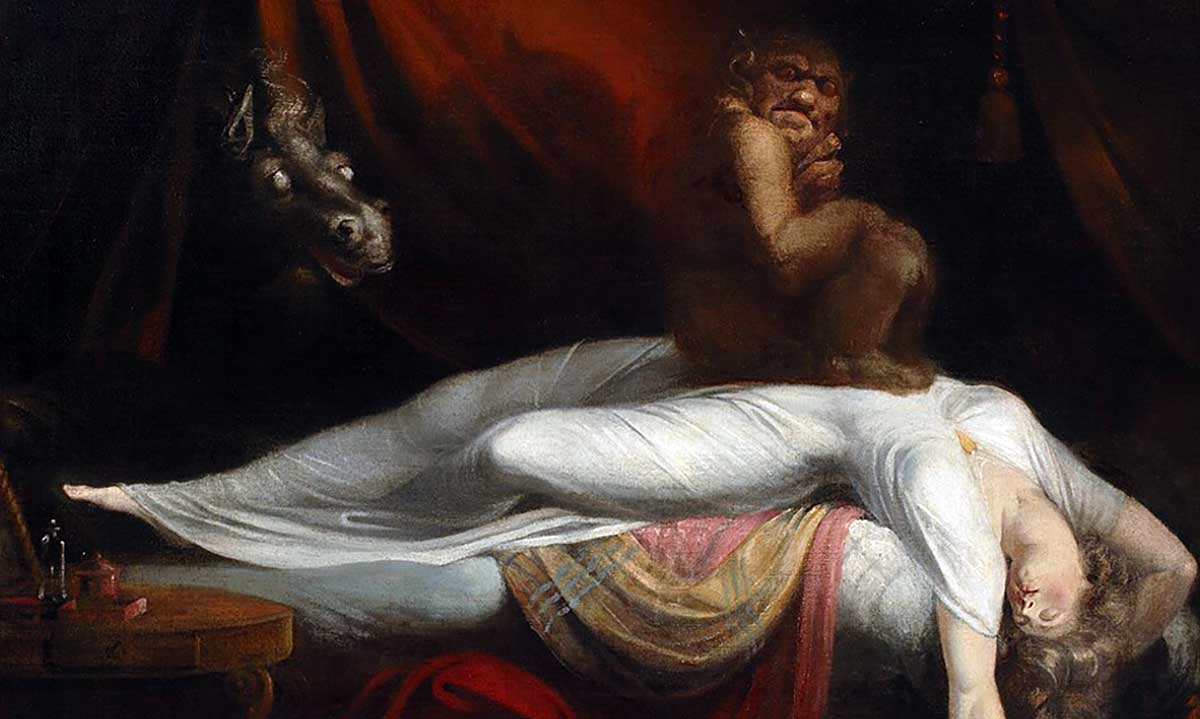
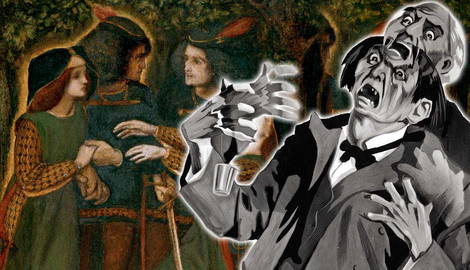
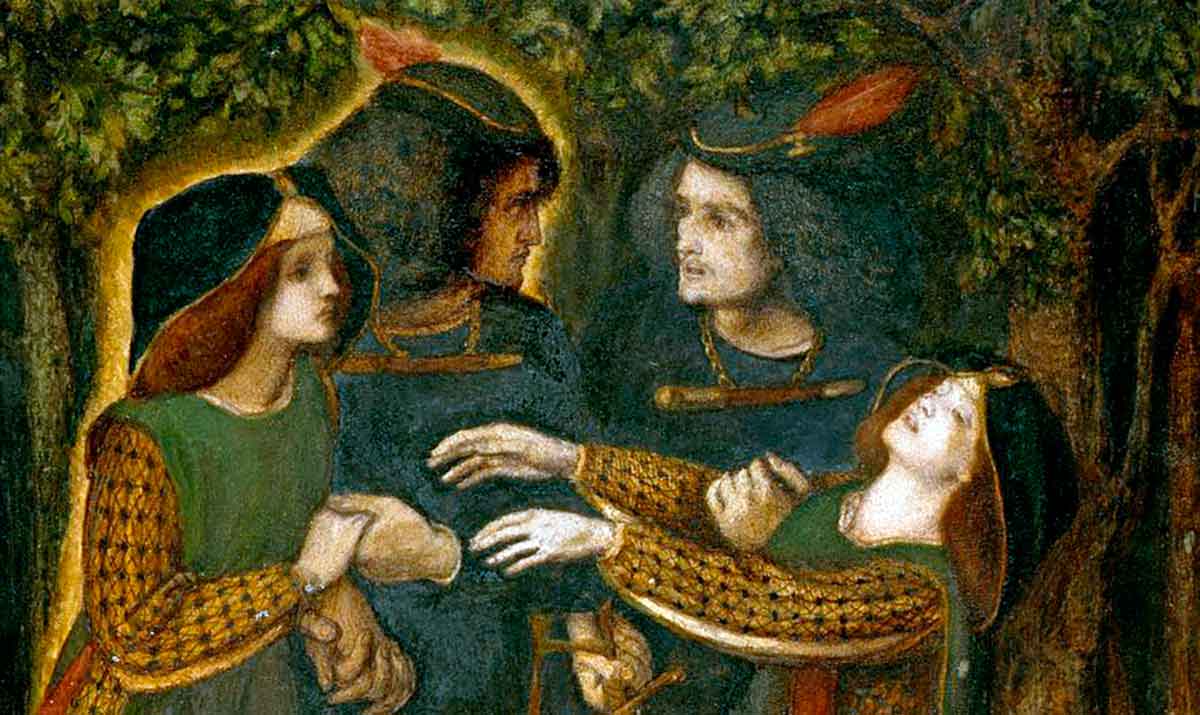
Romantic art and literature, at the beginning of the 19th century, are often seen as predecessors of psychoanalytic theory, at the end. Think of the emphasis laid on dreams in Frankenstein or Henry Fuseli‘s painting The Nightmare (1781). Dante Gabriel Rossetti, the pre-Raphaelite painter and poet, extended the Romantic interest in the doppelgänger with his eerie painting How They Met Themselves (1851/64).
Doppelgängers and their recurrence across cultures and history were a point of interest for early psychoanalysts such as Otto Rank and Sigmund Freud. For Rank, writing in 1914, the literary theme of the double was a way of exploring forms of mental disturbance such as paranoia, amnesia, schizophrenia, neurosis, and ego death.
Freud elaborated on Rank’s ideas in his classic study The Uncanny (1919). The uncanny, or Unheimlich in the original German, is the sensation triggered by the ordinary being made unfamiliar in some way, which seems to touch our unconscious desires and fears.
Freud and Rank both cite various associations of doubling: mirrors, shadows, guardian spirits, the soul, ghosts. As Freud explains, the double has not always been sinister, but:
“[T]he ‘double’ was originally an insurance against destruction to the ego, an ‘energetic denial of the power of death,’ as Rank says; and probably the ‘immortal’ soul was the first ‘double’ of the body […] [the double represents] all those unfulfilled but possible futures to which we still like to cling in phantasy, all those strivings of the ego which adverse external circumstances have crushed…” (Freud 1919, pp. 9-10)
How did the double become a source of the uncanny, more than a source of comfort, if it originates in a self-protective impulse to imagine what our truest and best selves might look like? Freud suggests that the double is also “a regression to a time when the ego was not yet sharply differentiated from the external world and from other persons” (Freud 1919, p. 10). When it comes back later in life, then, the doppelgänger has the power to remind us of everything we might have been, had life been otherwise.
The Evil Twin
One kind of doppelgänger in literature is the malevolent double or evil twin. Not every evil twin is necessarily a doppelgänger. Many stories feature an antagonist who is very similar to the protagonist; action films, comic books, and soap operas are full of evil twins. Protagonists embarking on a moral journey need a foil, and often this foil is simply a bad version of the hero.
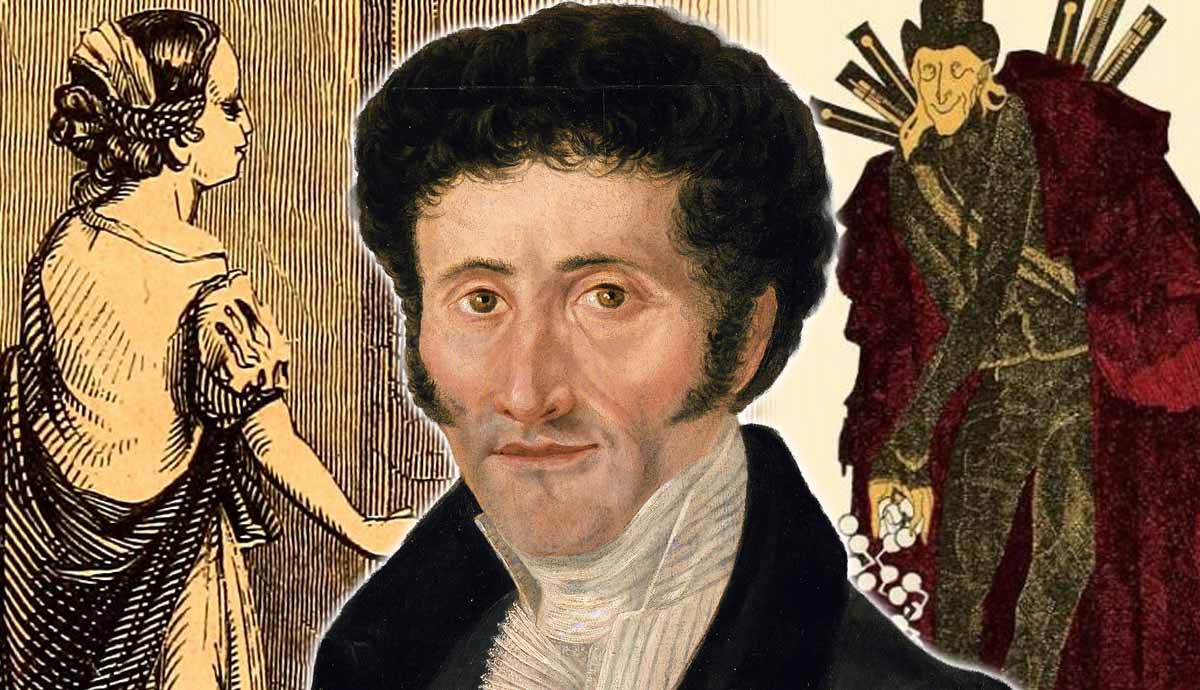
What makes an evil twin into a doppelgänger is the uncanny sensation they trigger in the protagonist. As Freud describes, this experience unsettles one’s sense of self. In The Devil’s Elixirs (1815) by the German master of uncanny literature, E.T.A. Hoffmann, the protagonist’s life is turned upside-down by a carbon-copy half-brother, who is convicted for murders committed by the protagonist, only to vengefully murder the protagonist’s beloved after he is freed.
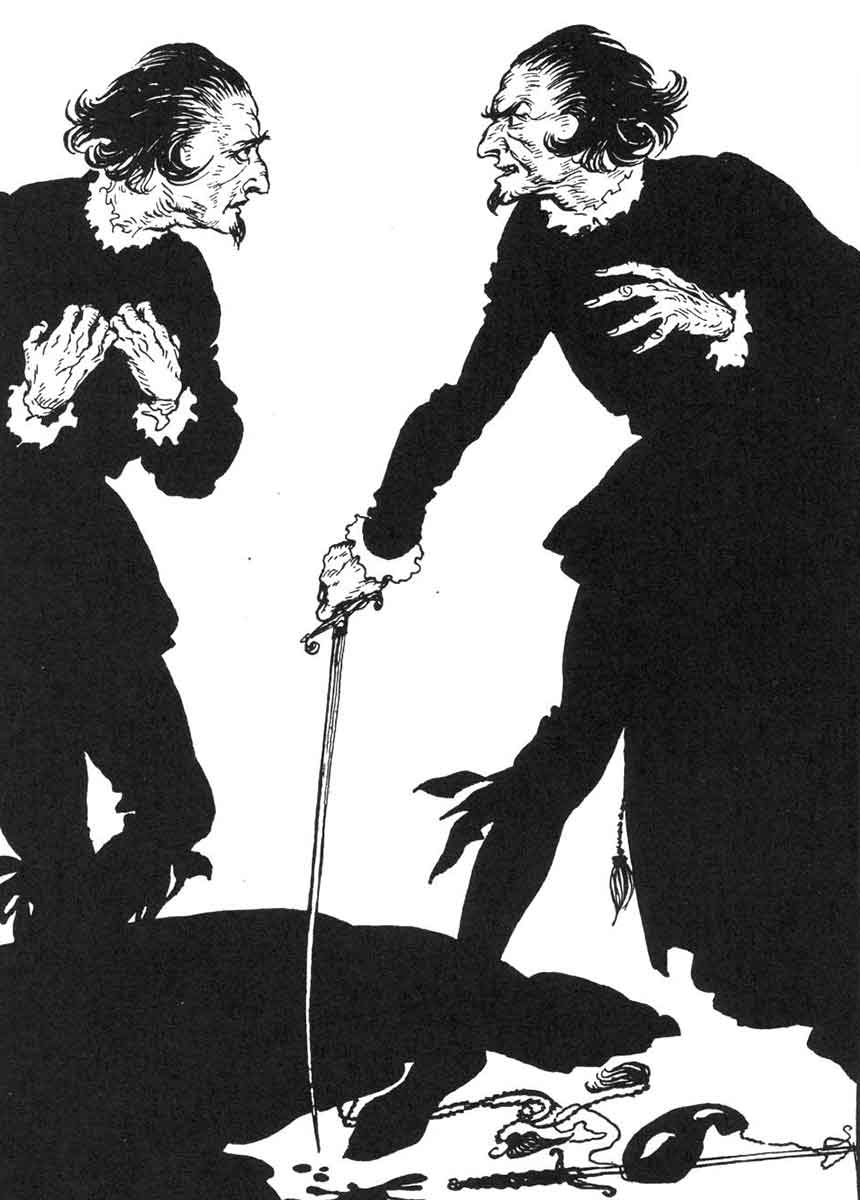
Hoffmann’s closest equivalent in English, Edgar Allan Poe, featured an evil twin in his 1839 story William Wilson. The title character’s double has the same name, nearly the same appearance, and the same birthday (Poe’s own, January 19). The doppelgänger follows William at every turn, seeming to thwart his every move. Only, we realize as the story goes on, it is William’s desire to sink into sin and debauchery that his evil twin keeps thwarting.
Is the twin really evil? In a climactic ending, William Wilson kills William Wilson (‘son’ of his ‘will,’ perhaps?), only for the double to reveal they were the same person all along: “In me didst thou exist—and, in my death, see by this image, which is thine own, how utterly thou hast murdered thyself.”
The Split Self
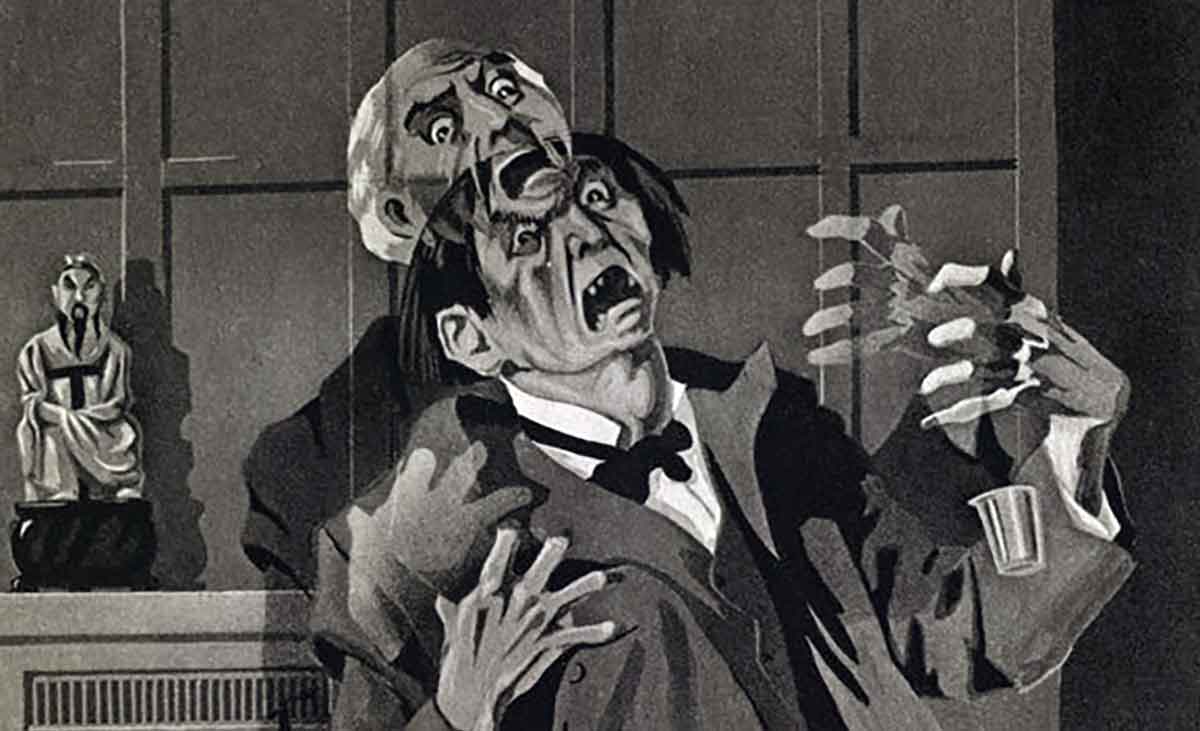
Another type of literary doppelgänger is the other self, who forms your other half, in cases of split identity or double lives. Woven into the idea of the doppelgänger is a moral duality: the possibility that our double leads a diametrically better, or often diametrically worse, life than ours.
Gothic tales just before the emergence of psychoanalysis offer a kind of literary trial run for theories by Rank and Freud as to the significance of the doppelgänger in cases of identity crisis.
Take Robert Louis Stevenson’s The Strange Case of Dr. Jekyll and Mr. Hyde (1886). The morally upstanding, respectable Dr. Jekyll has a latent dark side. Combine this with his egotistical ambition to advance medical science and a large pinch of curiosity, and Hyde emerges: a double who, externally, doesn’t resemble Jekyll at all, being hideous to look at and prone to fits of anger. Yet they are one soul, and must continually swap bodies so that Jekyll can keep up his double life.
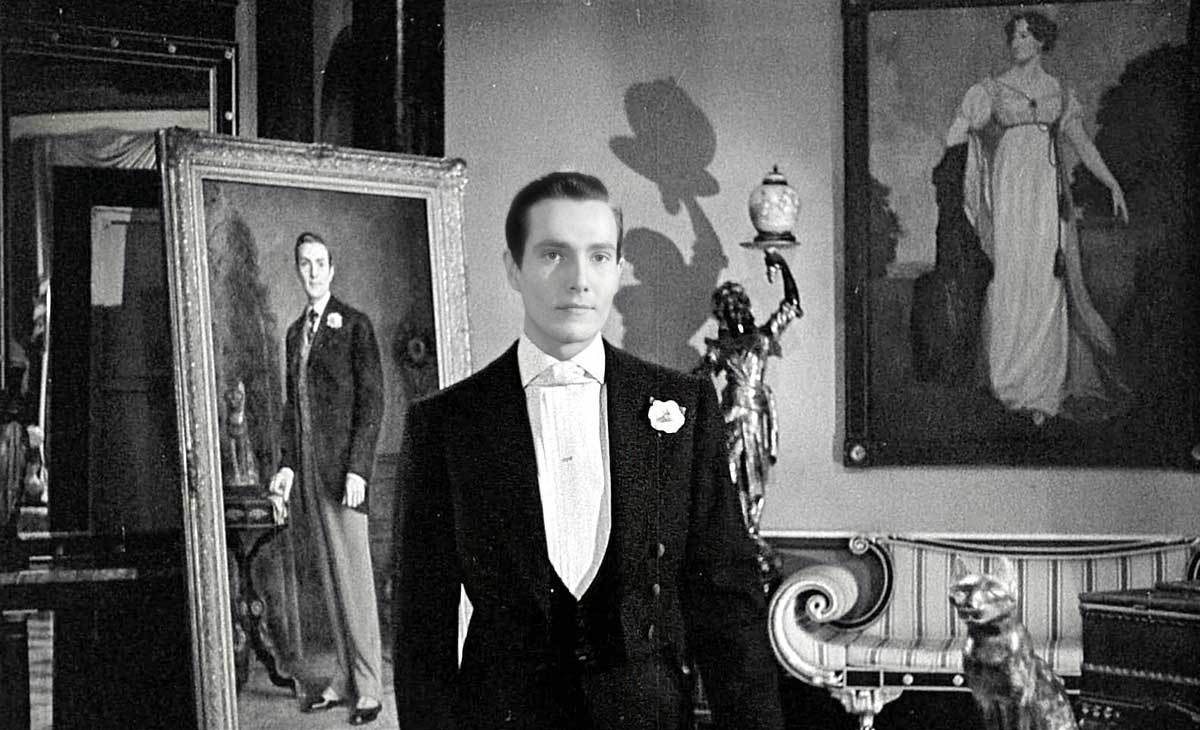
The other self takes on a more symbolic form in Oscar Wilde‘s The Picture of Dorian Gray (1890). Like Jekyll, Dorian wants to cast off the restrictive life of a Victorian man about town and delve into London’s seedy underbelly. Dorian’s double, however, looks exactly like him, to start off with. Dorian unwittingly makes a Faustian pact when he flippantly voices a wish for his portrait to grow old, while his real body remains young. Thereafter, the portrait takes on the visible signs of his moral dissolution.
The novel’s climax resembles that of Poe’s William Wilson. As Rank would soon discuss, doppelgänger literature frequently culminates with the protagonist destroying their other self. Like in Poe’s story, Dorian’s final act of violence—stabbing the hideous, decaying portrait—reverberates on himself. His quest to keep his aesthetic and moral selves separate ends in complete self-destruction.
The Harbinger
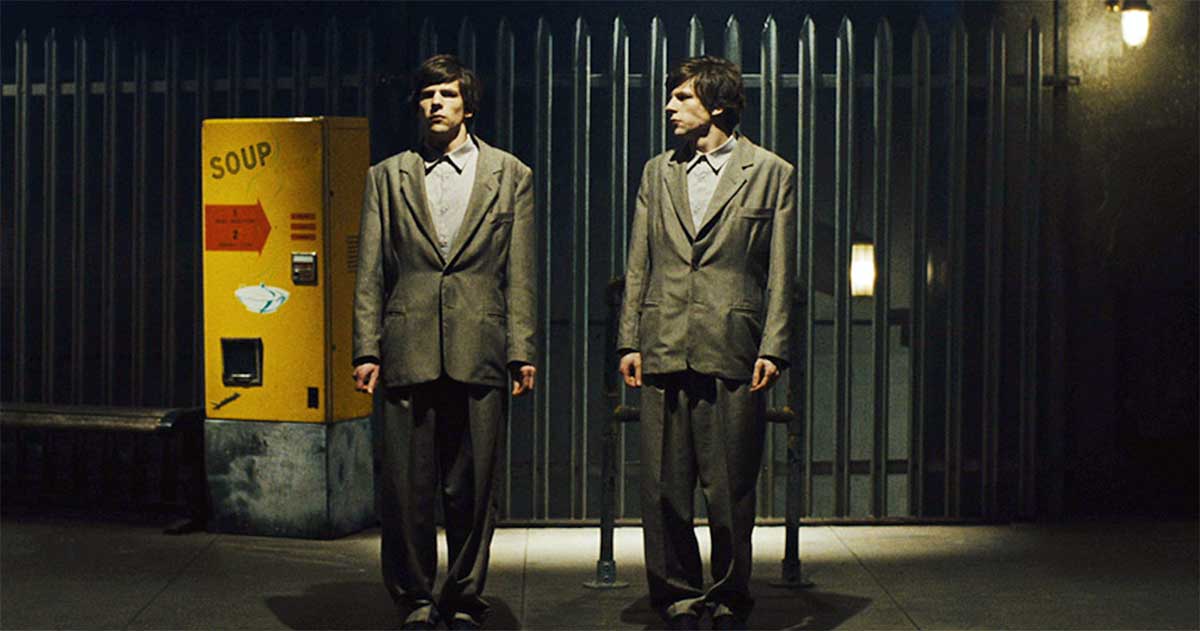
So far, we have dealt with doppelgängers who, according to the authors of the tales they are in, really do exist. They have bodies of their own, even if, in Jekyll and Hyde’s case, they are two distinctly different sides of a person manifesting in distinctly different versions of the same body.
But some doppelgängers are even harder to pin down. Some are manifestations of the disturbed states of mind that Rank and Freud associate with the idea of the double.
How realistically, for instance, should we read the doppelgänger who takes over the protagonist Golyadkin’s life in The Double (1846) by Fyodor Dostoyevsky? As in some versions of the doppelgänger theme, the double shows Golyadkin a better life he might be living, as he is more charming and more successful. Yet this only torments Golyadkin, ultimately causing him to break down and be taken to an asylum.
This framing allows us to interpret the novel as a study of mental illness. Perhaps Golyadkin never saw a double, only imagined that he did. Each scene in which his double outperforms him is merely a hallucination. In this way, the double heralds his inevitable decline into madness, acting as a harbinger.
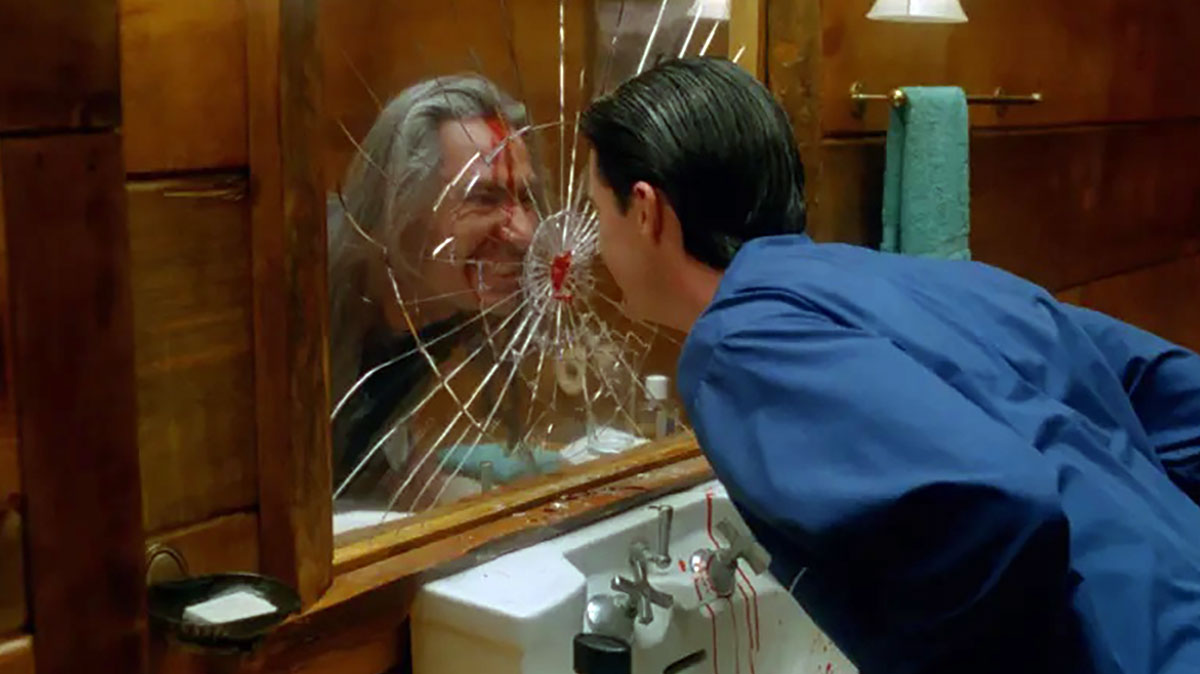
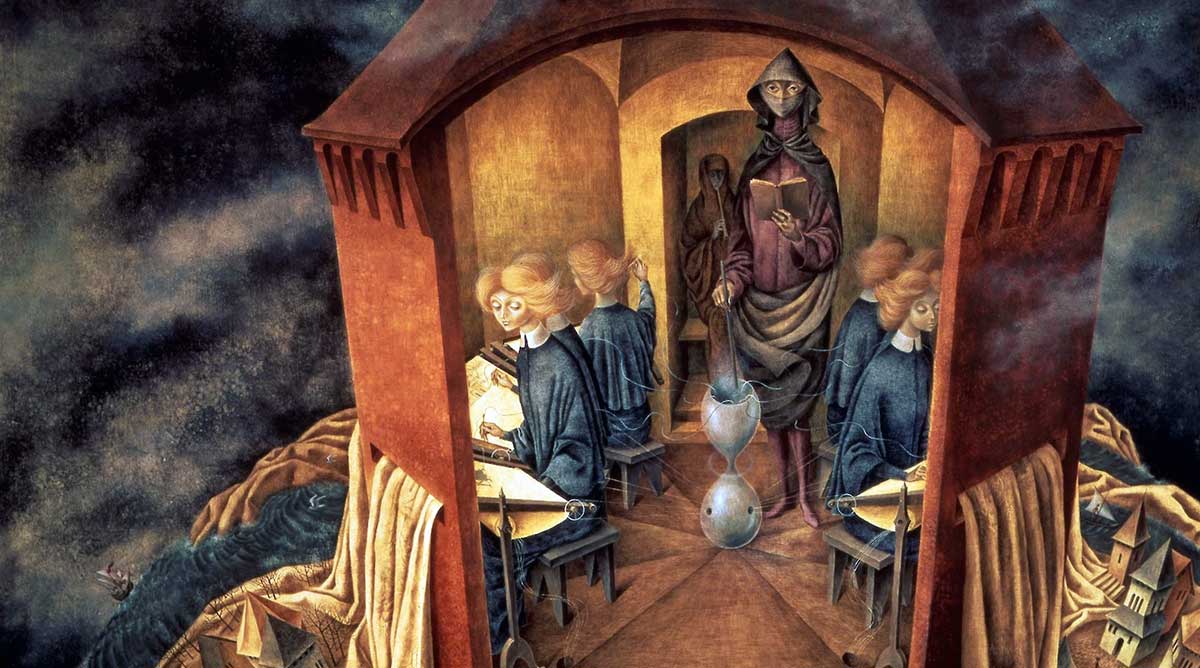
When characters see double, it is often a sign that they will go mad, die, or both. David Lynch’s television series Twin Peaks (1990-91, 2017) drew on the Surrealist interest in doubles (see the recurring figures in bowler hats in René Magritte’s paintings, or twin-like figures in the paintings of Remedios Varo).
Twin Peaks opens with the death of Laura Palmer, but her doppelgänger haunts the ensuing episodes in the shape of her cousin Maddy (played by the same actress, Sheryl Lee). Maddy’s appearance increasingly blends with Laura’s, blurring the line between life and death. The idea is pushed even further in the Black Lodge, a mysterious spirit realm where the series protagonist, Agent Dale Cooper, encounters a series of doppelgängers, including an evil version of himself who tries to prey on his increasing detachment from reality to entrap him.
Modern-Day Doppelgängers
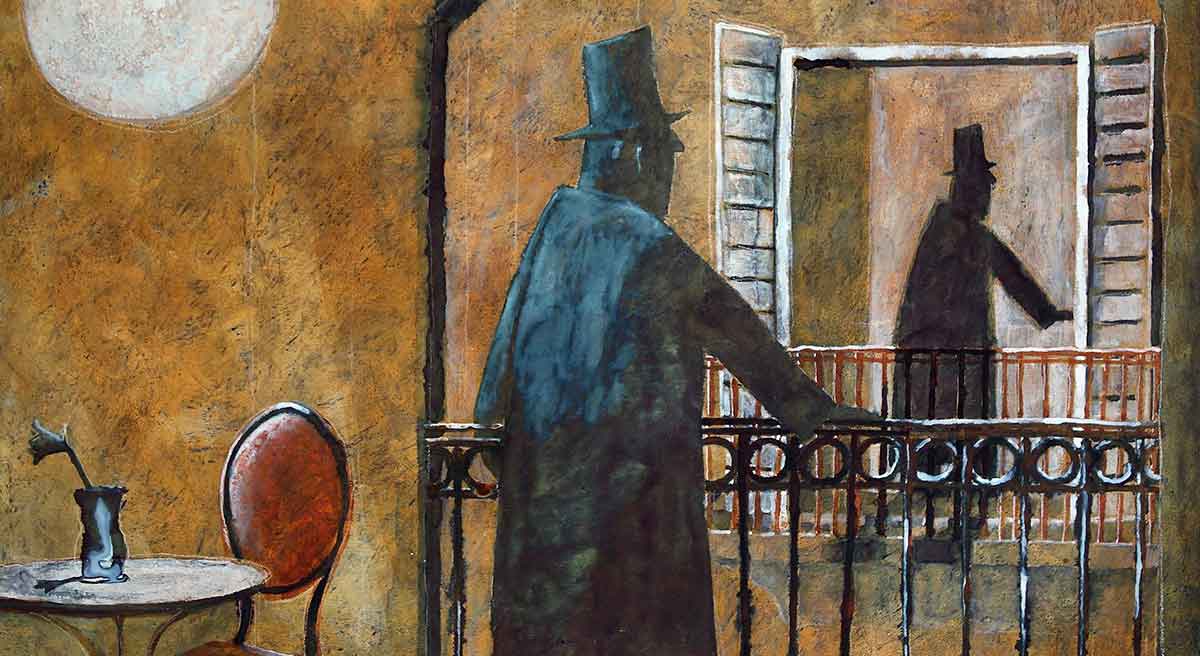
We live in the age of the doppelgänger. Proliferating versions of ourselves, which make it harder to tell what is real and what is fake: putting it this way, it looks like the authors of doppelgänger literature throughout the 18th, 19th, and 20th centuries were uncannily predicting the modern intersection of identity and technology.
Identity theft is easier than ever. The modern equivalents of Poe’s William Wilson, or Stevenson’s Mr. Hyde, are committing fraud or catfishing. Wilde’s Dorian Gray is all over social media, meticulously crafting idealized versions of himself. We might often feel alienated like Dostoyevsky’s Golyadkin by discovering, online, someone who seems to be living our exact life, but better.
Modern storytelling remains fascinated by the doppelgänger. Its core questions around the nature of humanity have become more pressing in the age of artificial intelligence. In 2021, a Danish theater company turned to a story by Hans Christian Andersen, The Shadow (1847), to imagine the modern possibilities in a tale of terror in which a man’s shadow takes on his personality and ultimately kills him.
The production modernized the story, transforming The Shadow into a tale of man versus machine and asking what happens when “the humanized capabilities of AI become enriched the more that man loses oneself within the digital expanse.” The production cast an AI actor as the shadow, but interestingly, conjured it using the 19th-century illusion known as ‘Pepper’s Ghost’ (involving a figure hidden from the audience and projected onto a mirror).

We remain tantalized by the prospect of splitting ourselves and discovering whether our ‘other half’ might live the way we’ve always wanted to, or whether this might conjure up a dark side we never knew we had.
The Substance (directed by Coralie Fargeat, 2024) blends core themes from Dr. Jekyll and Mr. Hyde and Dorian Gray, but applies them to a woman, a fading celebrity in modern Los Angeles. Elisabeth’s desire to live as her younger, more beautiful doppelgänger, Sue, is a product of contemporary pressures on women. In the uncanny way described by Rank and Freud, this desire is a form of ego protection and yet leads inevitably to destruction. Like Jekyll and Hyde, Elisabeth and Sue cannot coexist, a warning about the dangers of indulging our doppelgänger dreams.