
American museums are often easy to underestimate, especially when compared with Europe’s centuries-old institutions. Although an easy assumption to make, the reality is altogether surprisingly different. Thanks to a few ambitious collectors, turbulent decades in Europe, and an ever-evolving art market, the US was already building serious collections by the early 20th century. The result? Paintings one would expect to find in Florence, Vienna, or Paris are now hanging in prominent US cities, each carrying a long, unexpected journey with them.
What do We Mean by a Masterpiece?
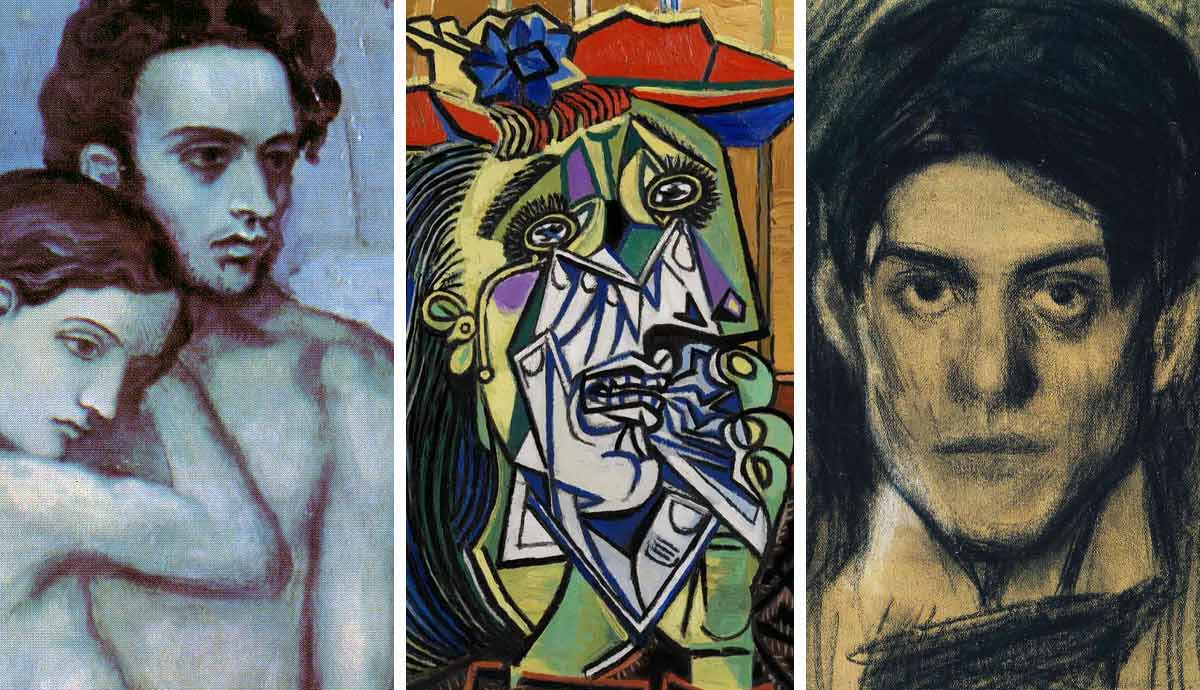
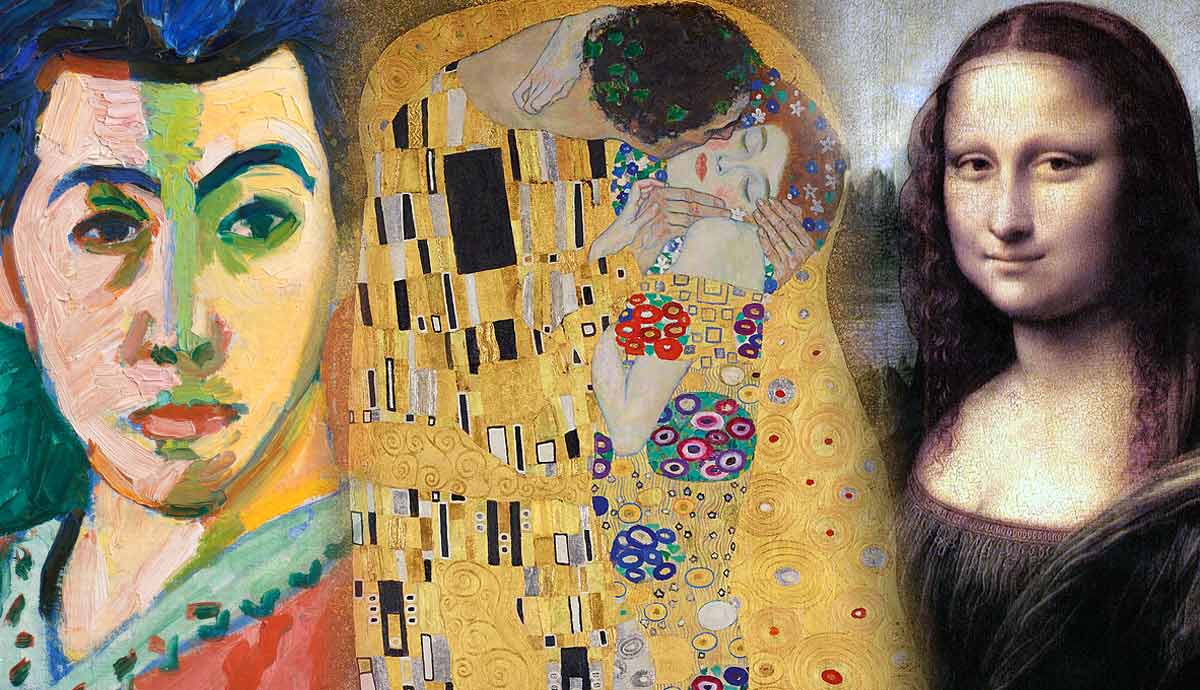
It’s arguably one of the most overused terms in the art world, but a masterpiece is a very specific work of art. Often recognized in hindsight, it describes artwork that proves to be genuinely transformative, shaping how art looks at a specific moment in history and changing the direction it follows. Think of Leonardo pushing painting toward science, or Picasso tearing apart the rules and reinventing how figures and portraits could be painted.
Some of these artists were celebrated during their lifetime, others barely noticed until long after they passed. What unites them, though, is that their work reset the conversation around the specific art form. Modern artists study it, respond to it, and measure themselves against it, long after the original piece was cemented in history.
1. Leonardo da Vinci, Ginevra de’ Benci, National Gallery of Art
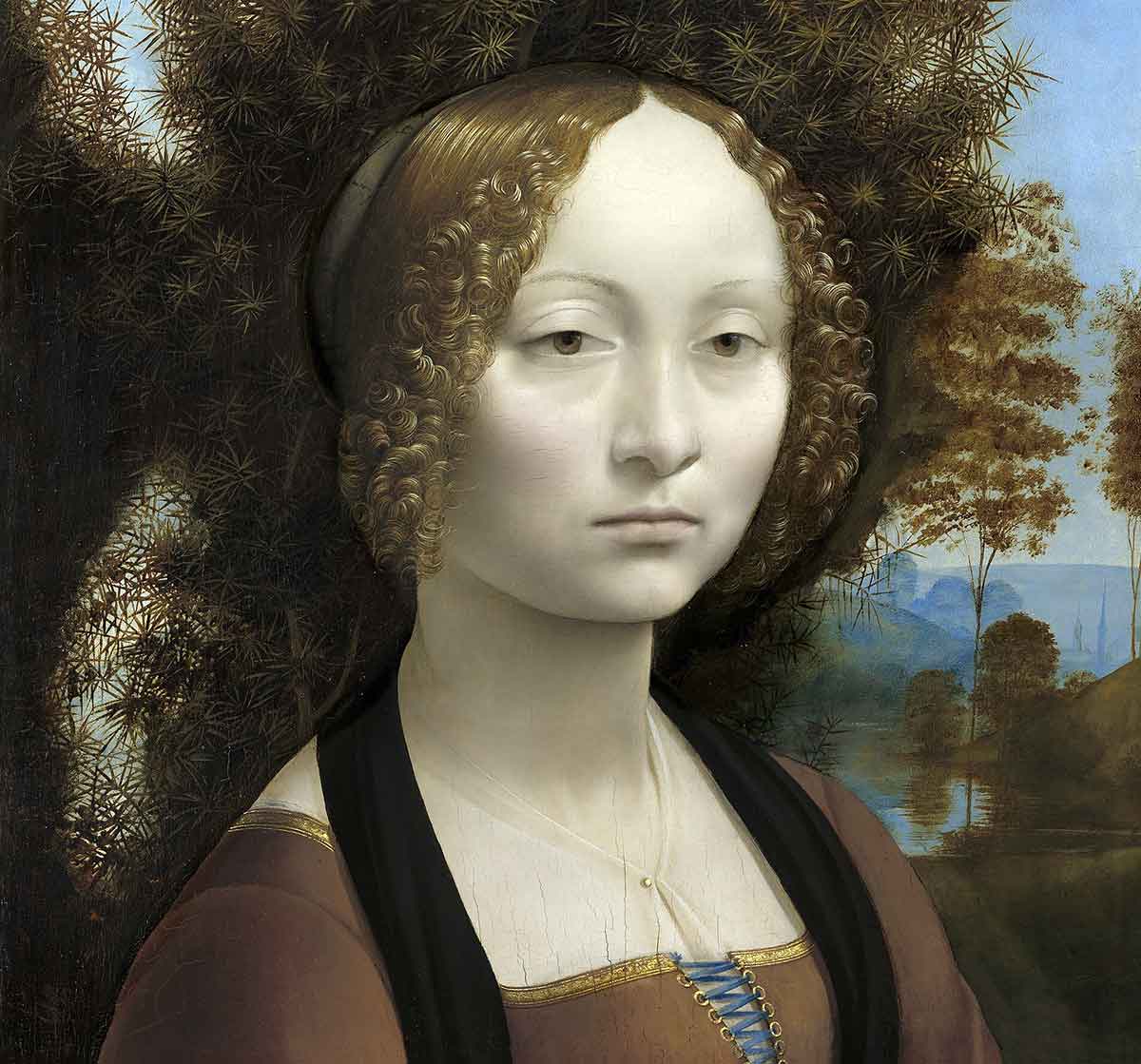
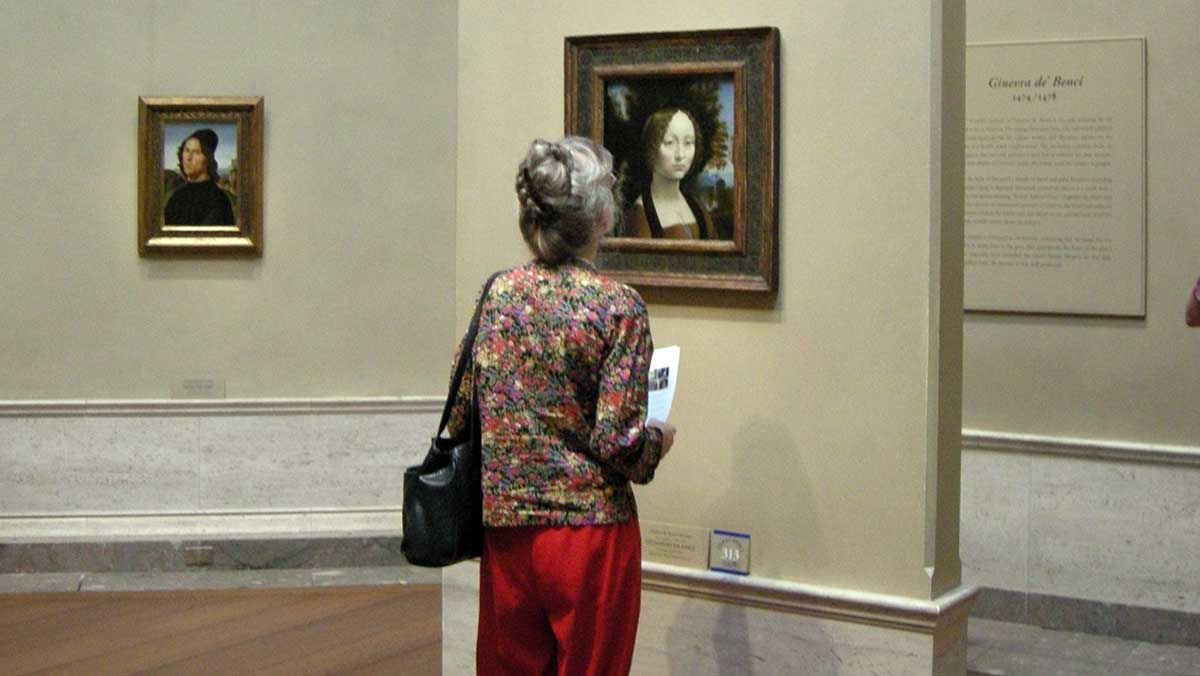
It feels almost sacrilegious to say it out loud, but there is a glorious painting by Leonardo da Vinci hanging in Washington, DC. Ginevra de’ Benci was painted in Florence in the late 15th century, a poised and thoughtful portrait that already hinted at Leonardo’s deep interest in psychology, naturalism, and the inner lives of those who posed for him.
The painting’s journey is a surprise in itself. It remained in European hands for centuries, eventually becoming part of the princely collection of Liechtenstein. After World War II, however, the family lost large parts of its land and wealth through political upheaval and expropriation in Eastern Europe, and selling a handful of major works became a way to stop the financial hemorrhage.
In 1967, the National Gallery of Art purchased Ginevra directly from Prince Franz Josef II. The sale helped secure the family’s future and left Washington with one of the most important paintings in the Western canon, now improbably at home on American soil.
2. Jan van Eyck, The Annunciation, National Gallery of Art
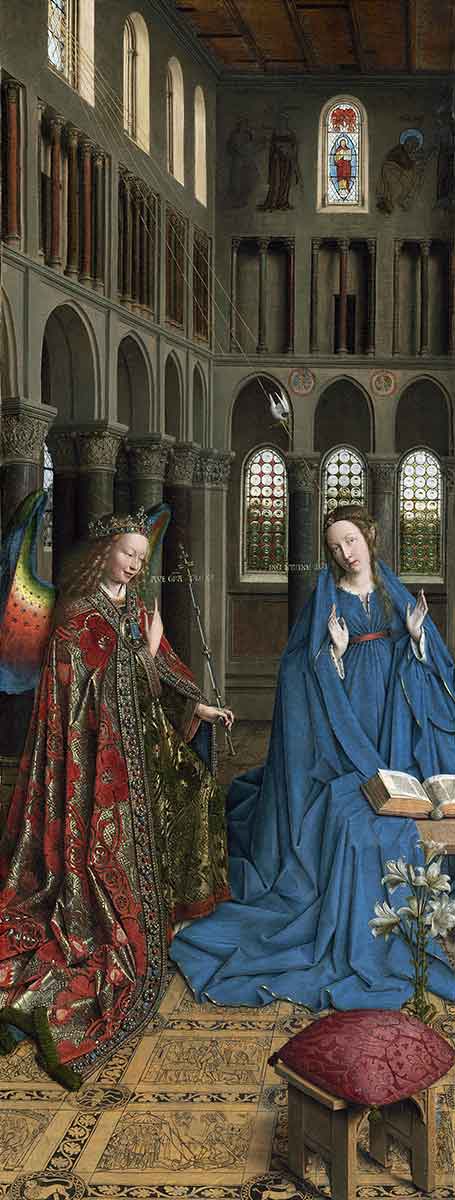
Jan van Eyck had an almost unnerving ability to make paint feel solid and alive. His use of oil allowed for sharp edges, glowing light, and layers of detail that still stop people in their tracks today. The Annunciation is a perfect example. Every surface makes an impact, from the floor to the carefully constructed interior, packed with meaning but never careless or decorative for its own sake.
Its path to Washington is tied much more to politics than to taste. For a time, the painting belonged to Russia’s Hermitage Museum. In the late 1920s and early 1930s, the Soviet government began selling off works from former imperial collections to raise hard currency for industrial projects. Andrew Mellon, an American financier with serious collecting ambitions, was at the right place, at the right time, with just the right amount of funds to purchase The Annunciation in 1930.
3. Johannes Vermeer, Girl with the Red Hat, National Gallery of Art
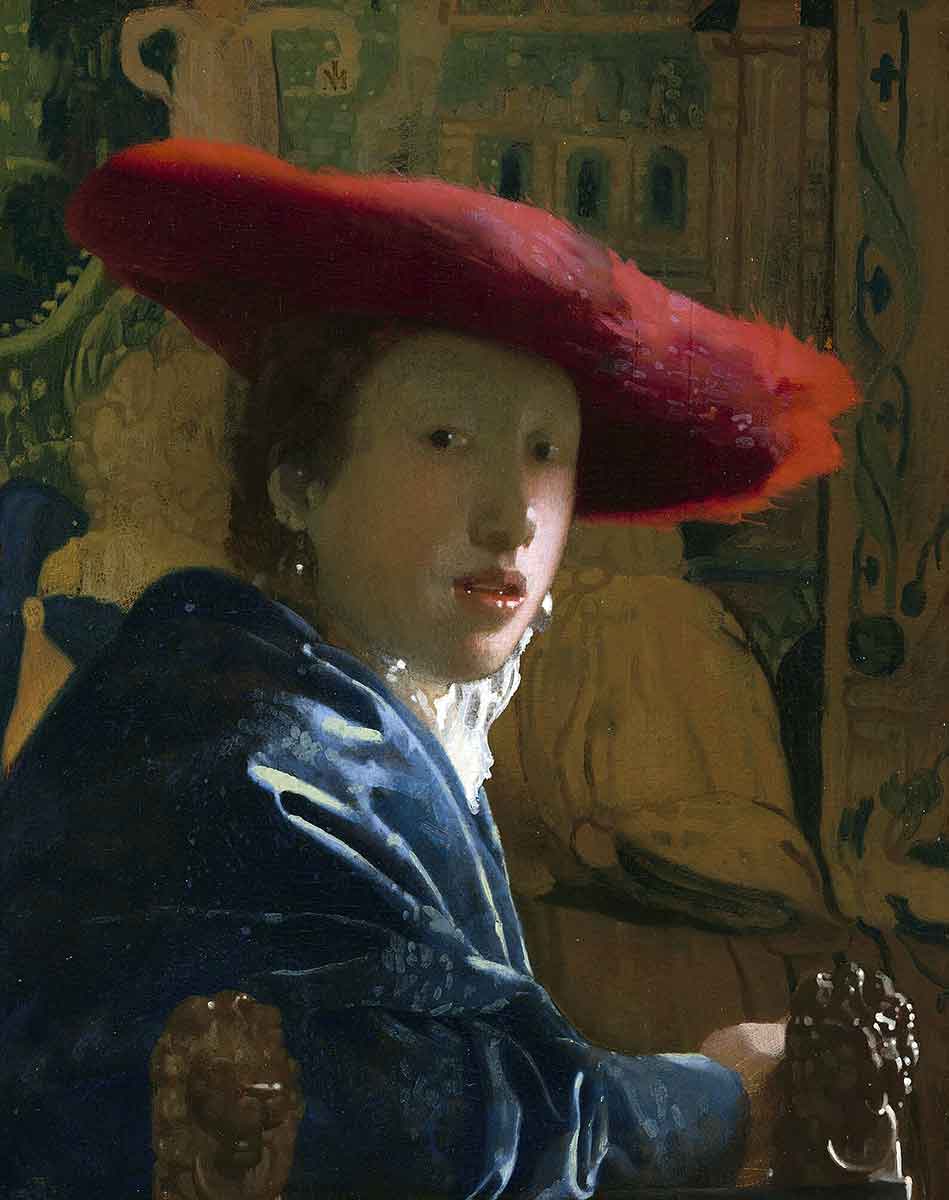
Vermeer’s paintings are so scarce that coming across one still feels a bit unreal. Girl with the Red Hat is especially personal. The brushwork is loose, the gaze direct, and the whole thing feels closer and more spontaneous than his better-known domestic scenes. It is also small, much smaller than most people expect, which only adds to its pull.
Andrew Mellon (yes, him again) purchased the painting in 1925, five years before he scored The Annunciation, and decades before Vermeer became a household name. When his collection later took on a public life in Washington, Girl with the Red Hat joined Van Eyck’s panel as one of the works that drew the biggest crowds.
4. Rembrandt, Aristotle with a Bust of Homer, The Met
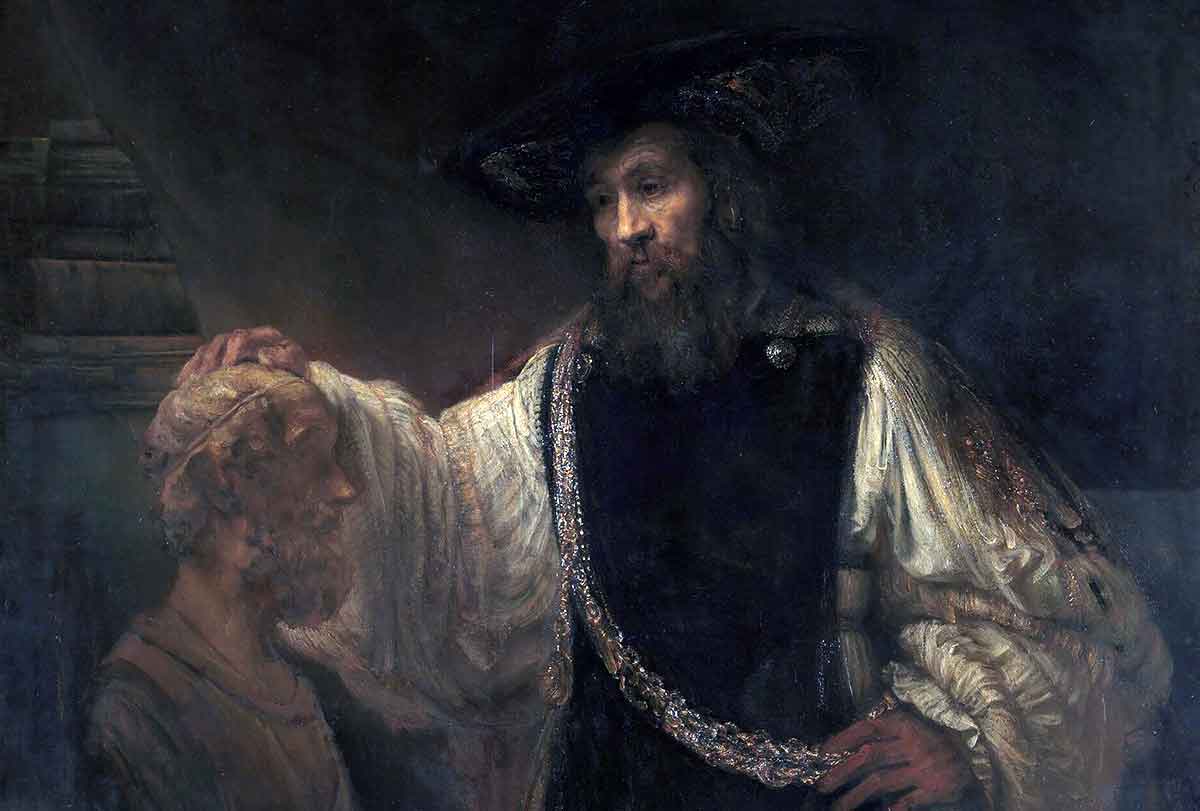
Rembrandt painted this work in 1653 for a wealthy Sicilian patron, which already gives it a very European starting point. Aristotle is not shown as some marble-cold philosopher but instead looks thoughtful and almost human, resting his hand on a bust of Homer while dressed like a man of Rembrandt’s own time. It feels less like a history lesson and more like someone caught mid-thought, weighing what knowledge, fame, and legacy really amount to.
Surprisingly, the painting did not attract much fanfare when it arrived in New York. It moved through a series of European collections before eventually entering the Met. And while it fits neatly among the museum’s Dutch works today, there is still something slightly unexpected about finding a painting by a master commissioned for a Sicilian nobleman hanging on a wall in Manhattan.
5. Pablo Picasso, Les Demoiselles d’Avignon, Museum of Modern Art
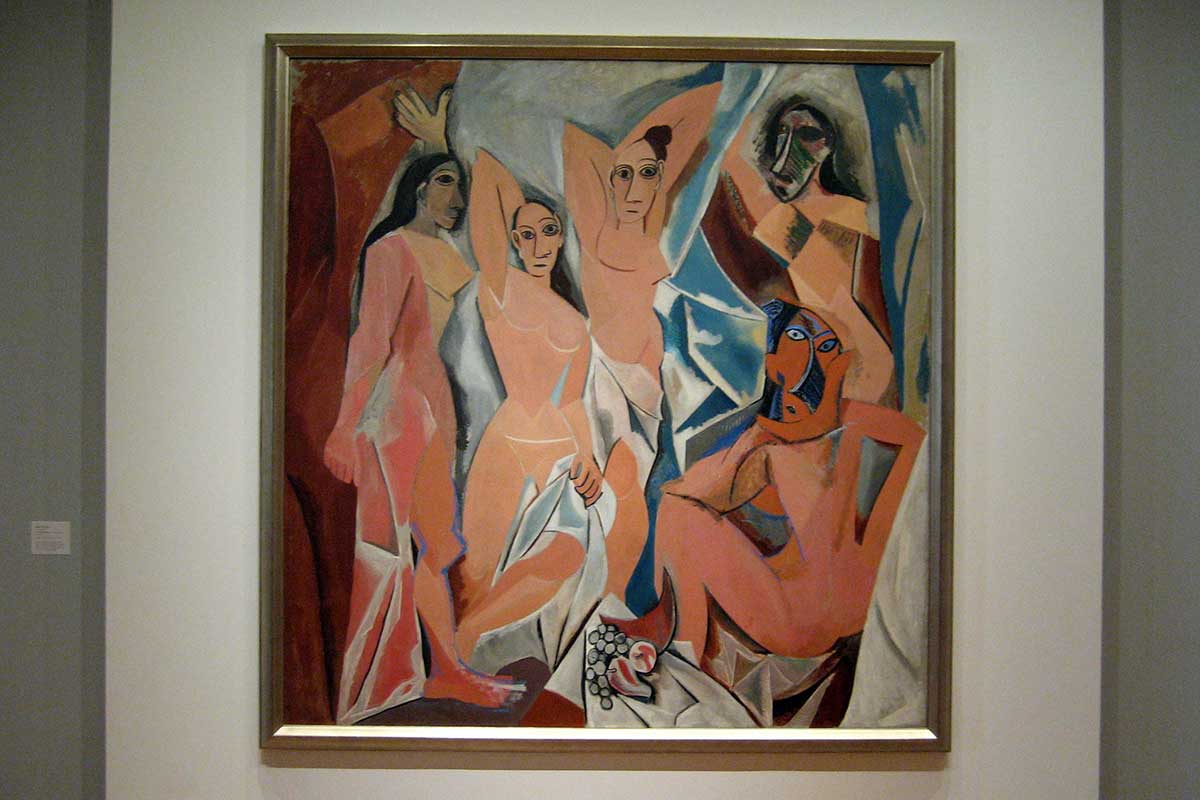
Very few paintings sent ripples through the artworld the way Les Demoiselles d’Avignon did. Painted in Paris in 1907, it threw perspective, form, and even the most basic ideas of beauty right out the window. The figures are sharp and confrontational, in a way that was deeply unsettling at the time. People often call it the starting point of Cubism, though that hardly conveys just how radical and even scandalous it really was at the time.
Its home in New York says a lot about MoMA’s early instincts. By the time the museum acquired the painting in 1939 through the Lillie P. Bliss Bequest, it had already made the rounds in New York dealer circles, raising eyebrows wherever it went.
6. Vincent van Gogh, The Starry Night, Museum of Modern Art
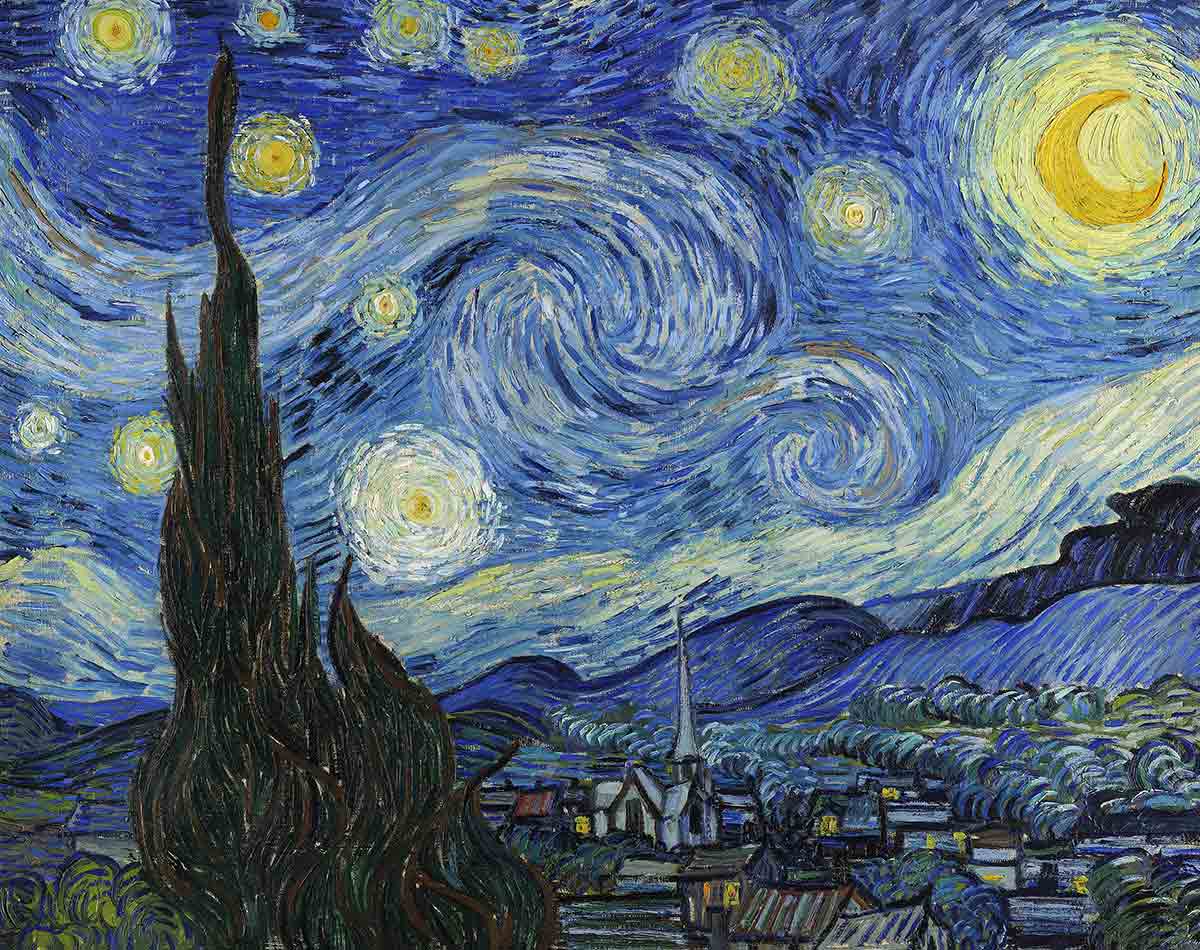
Van Gogh painted The Starry Night while living at the asylum in Saint Rémy, and if the piece feels deeply personal, it is because it was. The swirling sky, the restless movement, and the intensity of the color all seem tied to emotion as much as observation. Today, it is one of the most recognizable paintings in the world, closely bound to ideas of European modernism and to Van Gogh’s own tortured life.
As was the case with Picasso’s painting, MoMA acquired the painting in 1941 through the Lillie P. Bliss Bequest by exchange, part of a deliberate effort to shape a clear story of modern art. Seeing it here can still feel slightly unreal, especially when you remember how strongly the painting belongs, at least in spirit, to the south of France.
7. Gustav Klimt, Portrait of Adele Bloch-Bauer I, Neue Galerie
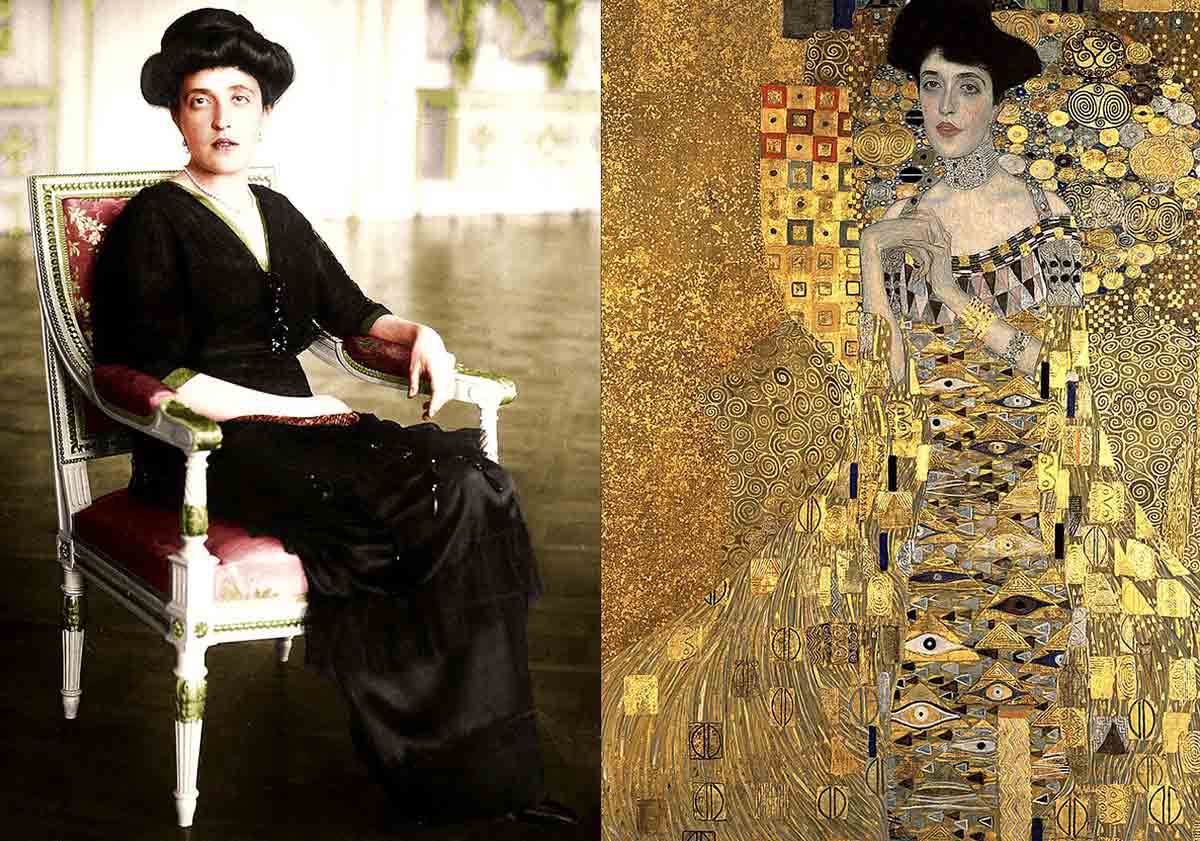
Klimt’s gold-soaked portrait of Adele Bloch-Bauer I feels inseparable from Vienna. Painted in 1907, it sits at the height of the Vienna Secession, where symbolism, portraiture, and ornament collided in a way that was bold, confident, and immensely timely. Seeing it anywhere outside Austria would give any serious art-lover a little shiver down the spine.
The painting’s path to New York is tangled up with 20th-century history. It was looted by the Nazis, then folded into Austrian state collections, where it stayed for decades. Only after a long and closely watched restitution case was it returned to Maria Altmann, Adele Bloch Bauer’s niece. In 2006, Ronald S. Lauder acquired the painting for the Neue Galerie.
8. Temple of Dendur, The Met
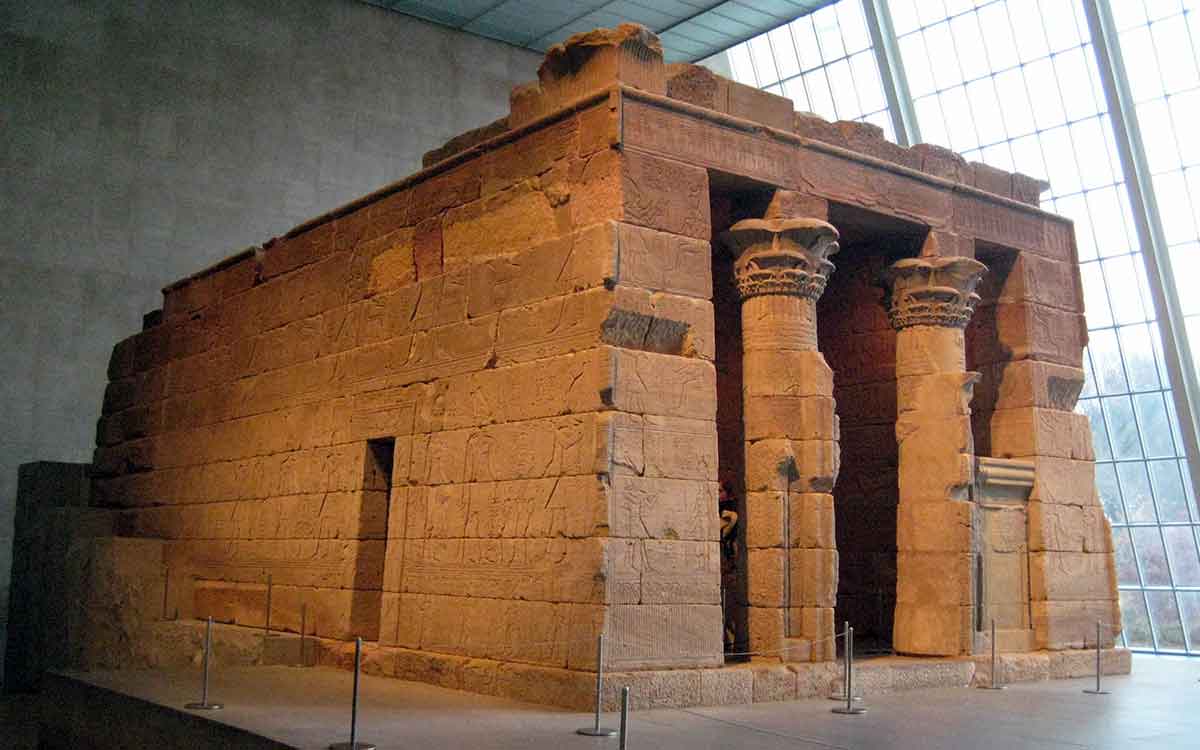
The Temple of Dendur is probably the most unexpected masterpiece on this list, simply because it is actually an entire building. It was originally constructed in Roman-era Egypt, around 15 BC, and originally stood along the Nile.
When the Aswan High Dam threatened to flood large parts of Nubia in the 1960s, an international campaign was launched to save monuments that would otherwise be lost. As part of that effort, Egypt gifted the temple to the United States in 1965 in recognition of its support. After some debate over where it should live, the structure was awarded to the Metropolitan Museum of Art. The Met built an entire gallery around it, stone by stone.