
The ancient Greeks considered the number seven to represent completeness and perfection. Therefore, when they came up with lists of the wonders of the world, they stopped at seven. The most famous list was compiled by Philo of Byzantium in 225 BCE. This also inspired the New 7 Wonders of the World compiled in 2007. However, not only have two millennia of history passed between the two lists, but the original wonders were confined to the Mediterranean world, so there is a strong case for significantly expanding the list. We think these ten landmarks are excellent candidates.
1. The Acropolis, Greece
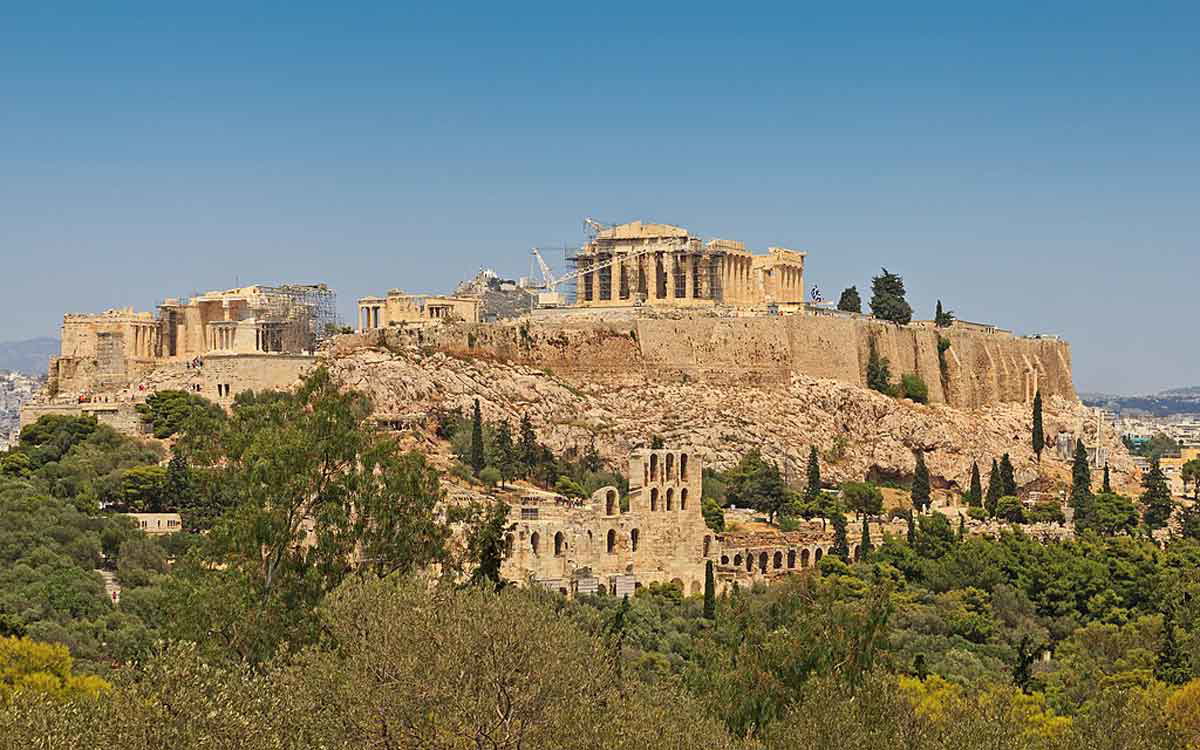
It is a bit of a surprise that the Greeks didn’t include their own Athenian Acropolis on their list. A timeless symbol of ancient civilization and democracy, the landmark attracts more than 23,000 visitors every day. Covering 7.5 acres, the 5th-century BCE Acropolis still has four standing structures: the Parthenon, the Erechtheion, the Temple of Athena Nike, and the Propylaia.
Built under the leadership of the famous Pericles, some of the most renowned sculptors and architects of ancient Greece worked on the Acropolis. As for the Parthenon, it was dedicated to the goddess Athena, the city’s patron goddess. He statue was 40 feet tall and was made from cypress wood covered in gold and ivory. A pool of water sat before the statue to maintain humidity and reflect flickering lights.
2. Moai, Chile
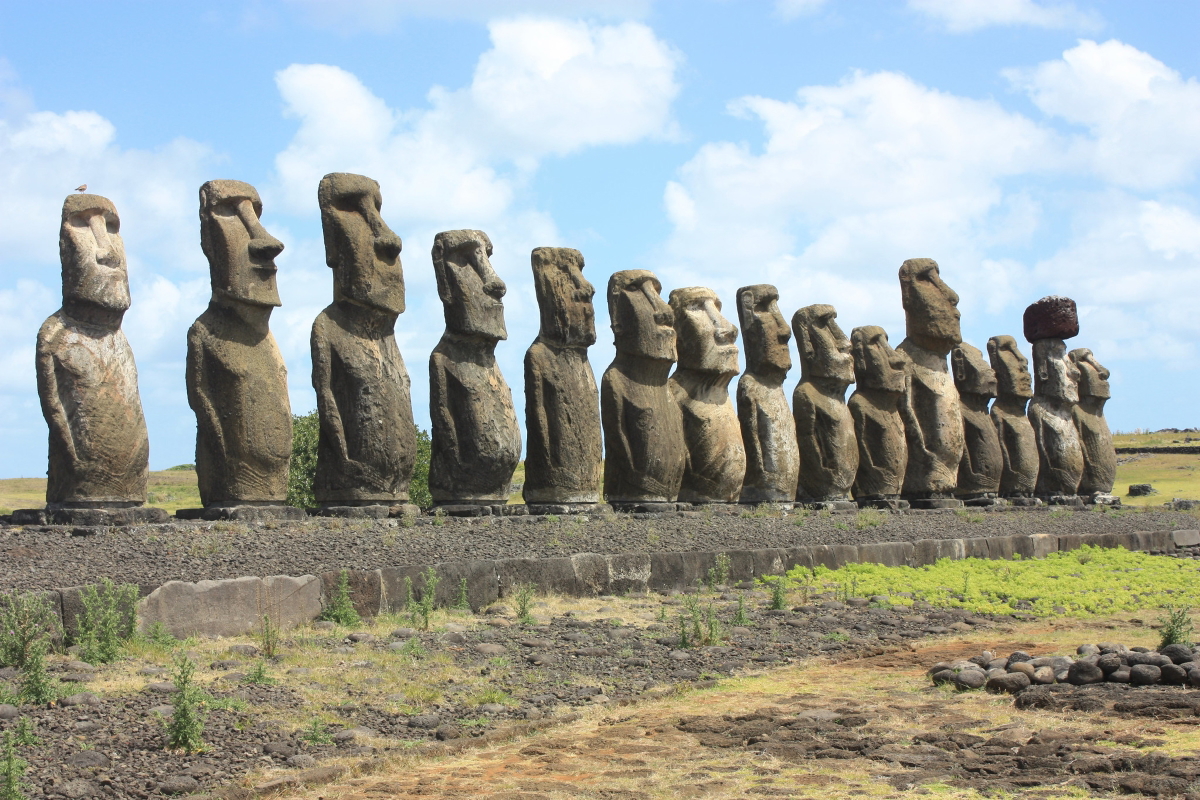
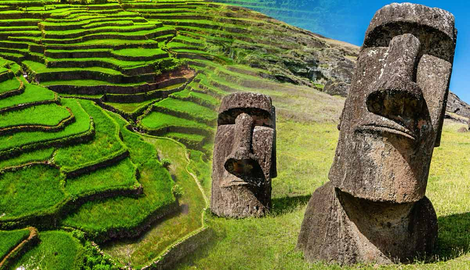
The Rapa Nui people, indigenous inhabitants of Easter Island, Chile, made the incredible Moai statues around 1,100 to 1,500 CE. Some weigh many tons and are more than 30 feet or nine meters long. Carved from volcanic rock, mainly from the Rano Raraku quarry, they were transported to different locations around Easter Island. The statues represent the faces of ancestors and important figures.
The statues were placed on ahu. These were large stone platforms that served as ceremonial sites. Some of the Moai were adorned with pukao, large cylinders or hats placed on the heads of the statues. The pukao were made of volcanic red scoria.
3. Banaue Rice Terraces, Philippines
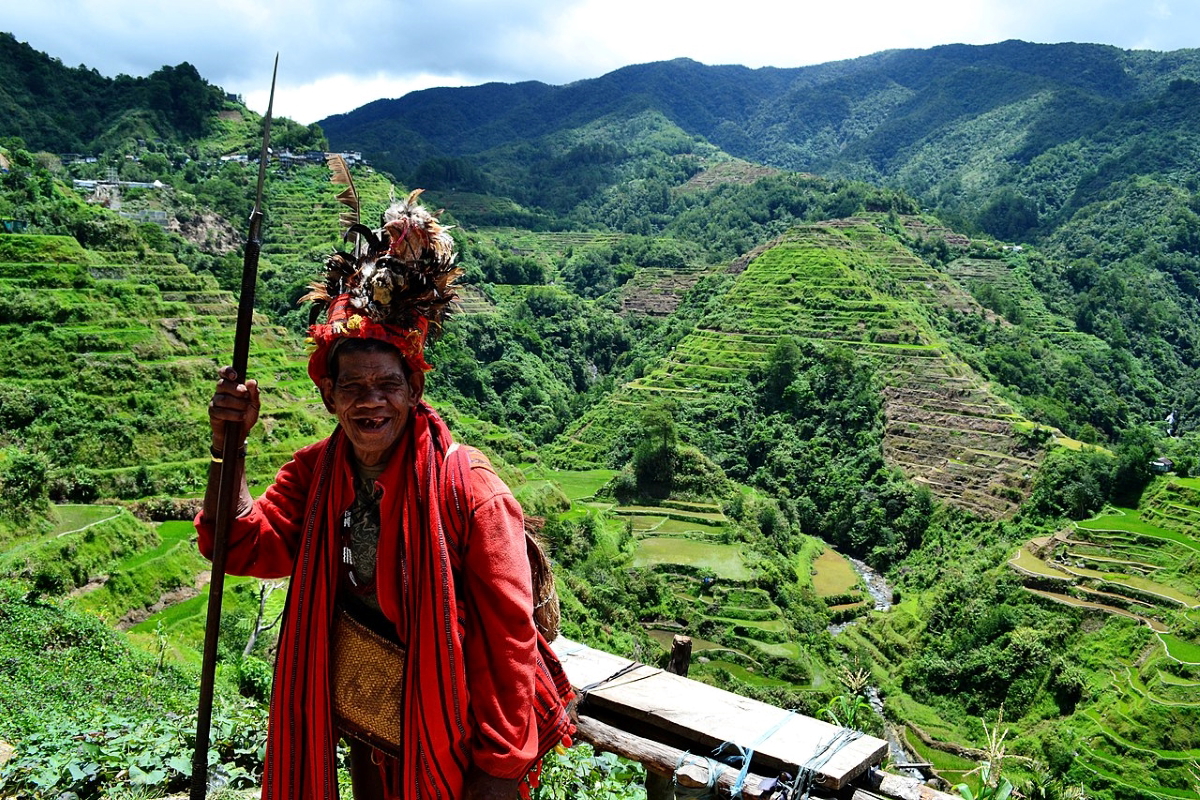
The Banaue Rice Terraces are often called the “Eighth Wonder of the World.” Over 2,000 years ago, the Ifugao people, an indigenous group of Filipinos, carved the rice terraces into the mountains. These terraces are a standing testament to the advanced irrigation systems and agricultural techniques that the indigenous people developed. Located around 1,500 meters above sea level, they cover a wide area across the Ifugao province.
4. Stonehenge, UK
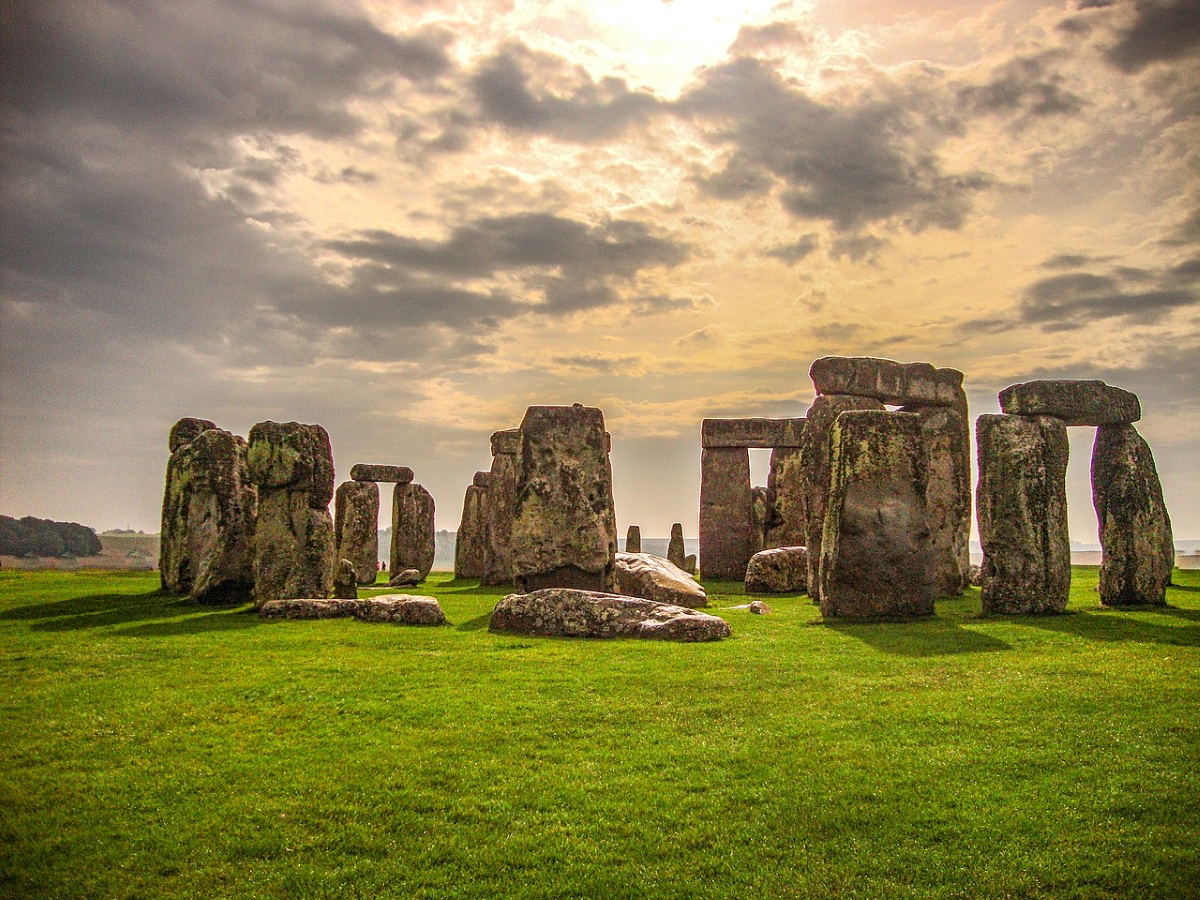
The standing stones of Stonehenge on Salisbury Plain have become an iconic symbol of historic England. The construction of Stonehenge spanned several centuries, and the monuments were completed in multiple phases. The process started with the excavation of a circular ditch and bank around 3000 BCE. This is when the “Henge” was formed. Construction continued through 2000 BCE. The Stone Circle is the most famous part of the structure.
Two main types of stones were used to construct Stonehenge. These include the larger Sarsen stones that were sourced locally and the smaller bluestones that were transported from Wales, over 150 miles away. While all the other monuments and historic landmarks on our list have a purpose behind building them, the exact objective and significance of Stonehenge remain a mystery.
5. The Terracotta Army, China
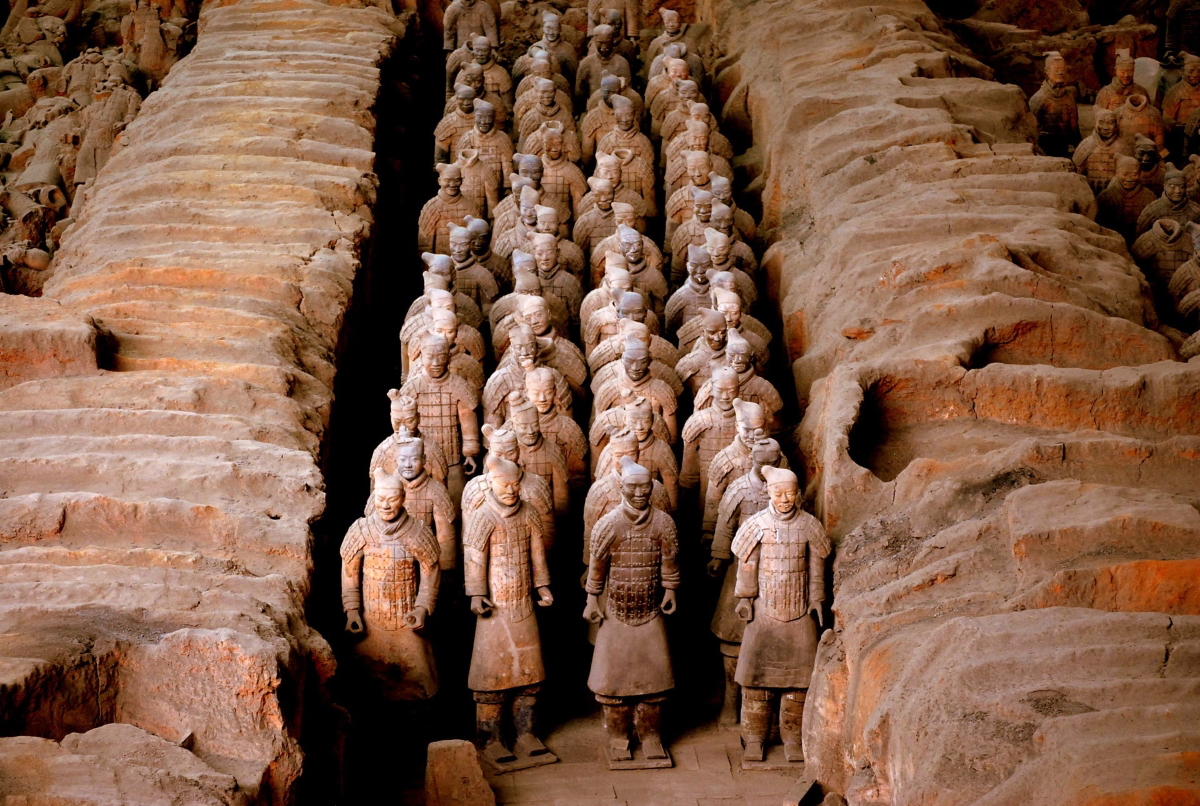
China’s Terracotta Warriors were discovered while a group of local farmers was digging a well in Shaanxi province in 1974. Excavations revealed that these warriors were crafted by killed laborers and artisans more than 2,000 years ago, during the Qin Dynasty. What for? To accompany the tomb of Qin Shi Huang, China’s first emperor. He ruled from 259 to 210 BCE. The thousands of life-sized terracotta soldiers, along with their chariots and horses, were buried to protect him in the afterlife.
Today, the Terracotta Army is a UNESCO World Heritage Site, and millions of visitors flock to Shaanxi every year to see this unique archaeological discovery. Each warrior is unique, with individual facial expressions, hairstyles, weapons, and armor.
6. Angkor Wat, Cambodia
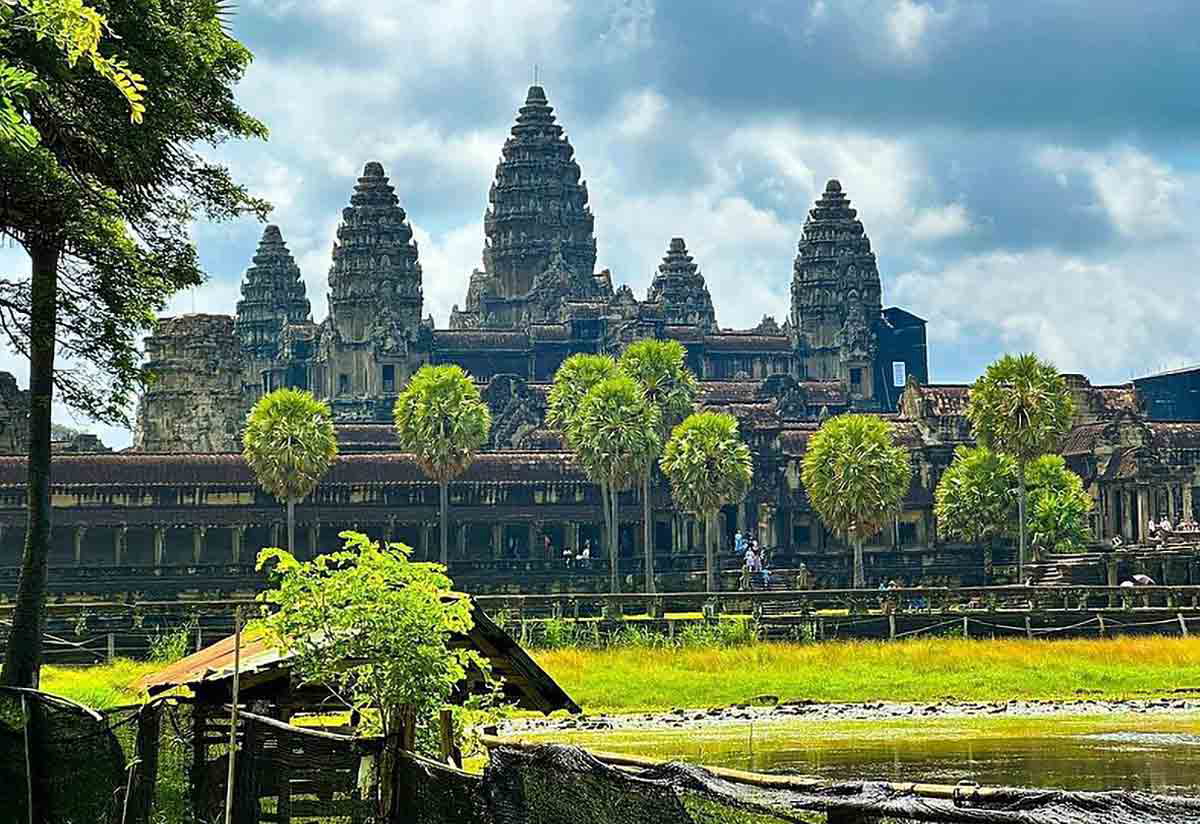
In the 12th century, King Suryavarman of Cambodia built the Angkor Wat. It was originally constructed as a Hindu temple. The first temple to be dedicated to the god Vishnu. However, it was later turned into a Buddhist temple. The Angkor Wat covers around 400 acres and is considered the largest religious monument in the world in terms of land size.
Angkor War is an architectural marvel. The wall carvings mimic an ancient picture book, giving a glimpse of life in the Khmer region, historical happenings, and Hindu stories. All the expansive galleries, towering spires, and stone carvings are made from sandstone blocks. One thing to note is that the design of the temple symbolizes Mount Meru. This is the home of the gods in Hindu and Buddhist cosmology.
Famous reliefs at Angkor Wat depict the “Churning of the Ocean of Milk,” a story where Vishnu takes the form of a turtle to stabilize Mount Meru.
7. The Alhambra, Spain
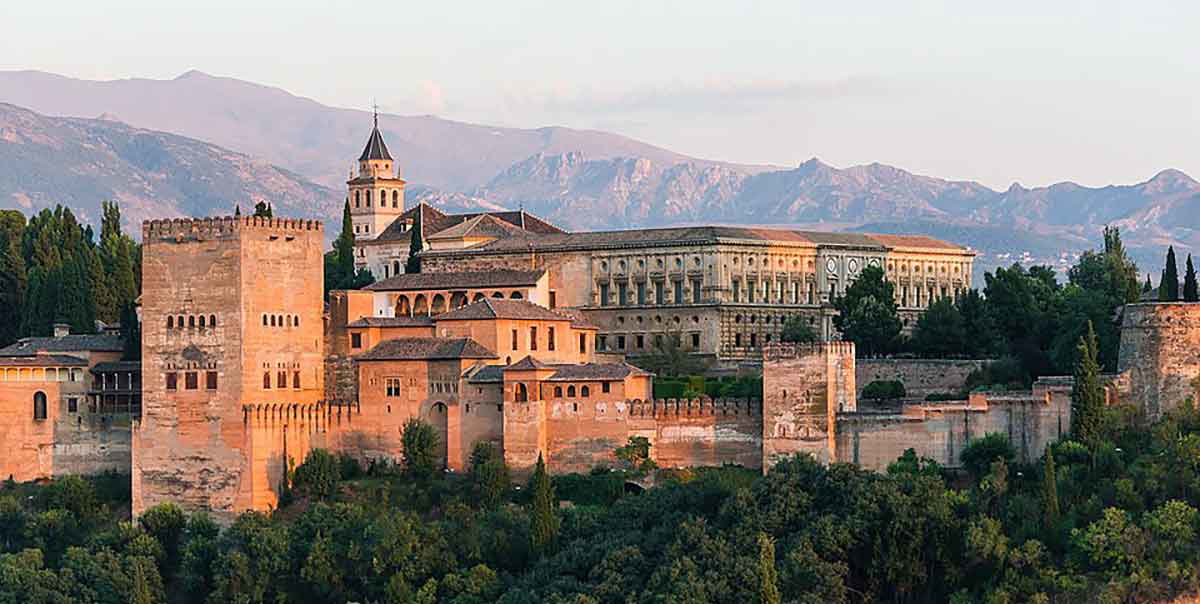
The Alhambra palace and fortress at Granada was built in the 13th and 14th centuries during the Nasrid Dynasty. Back then, the Muslim rulers used it as a royal palace, fortress, and court for the Nasrid Kingdom of Granada. It combines mosaic tiles, beautifully detailed stucco work, elaborate courtyards, and arabesque designs. The main sites you need to visit in the Alhambra include the Court of the Lions, the Palace of the Lions, and the Generalife Gardens.
Originally a medieval Islamic palace, after the Reconquista in 1492, the Alhambra fell under Christian control. As a result, the new rulers modified and even added some sections to the place.
8. The Leaning Tower of Pisa, Italy
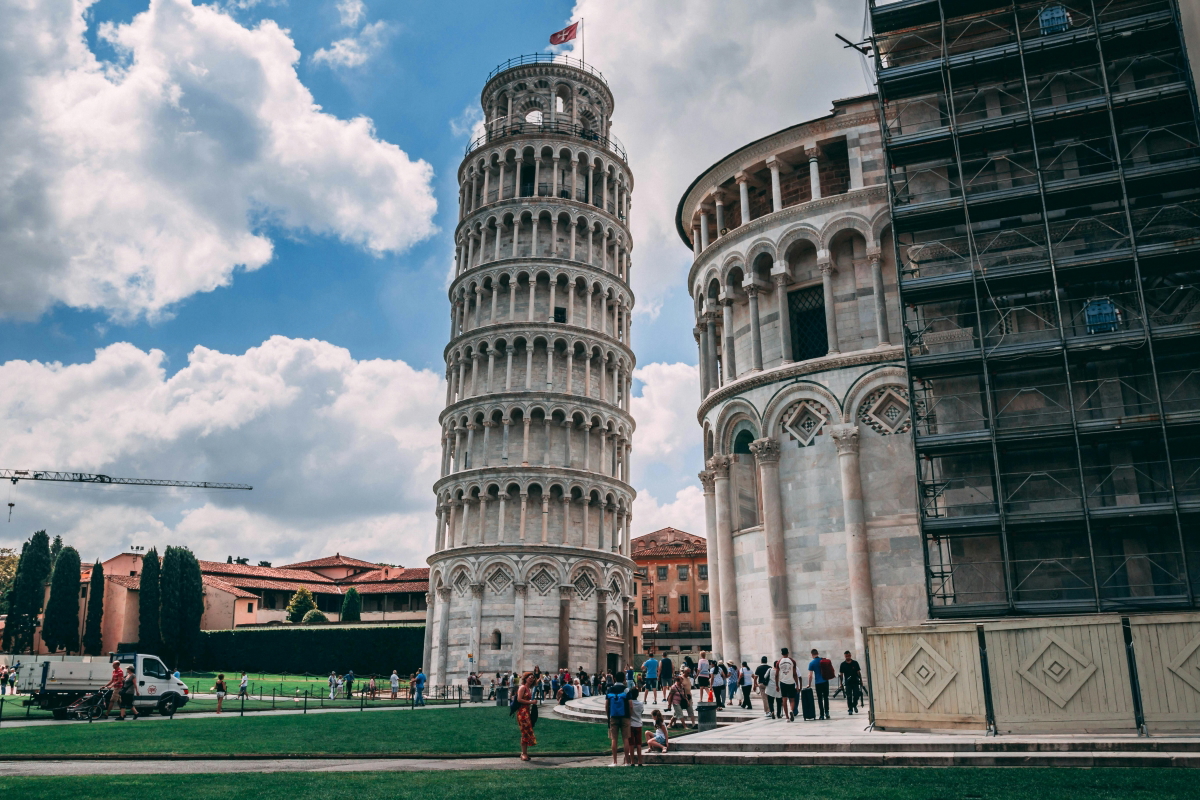
This structure was just meant to be a free-standing bell tower for Pisa’s cathedral. However, during construction, it began leaning because of its weak foundation on unstable soil. And the tilt kept increasing over the years. It wasn’t until the 20th and early 21st centuries that efforts were made to stabilize it. The lean was reduced from 5.5 degrees to around 4 degrees after extensive restoration. Today, the tower is structurally stable.
The 183-foot-tall structure is part of the Piazza del Duomo, and while its construction began in 1173, it wasn’t completed until 1372. With eight stories, the Leaning Tower of Pisa weighs about 14,500 metric tons. The tower has seven large bells at the top, but they have not been rung for over a century.
9. Catacombs of Kom el Shoqafa, Egypt
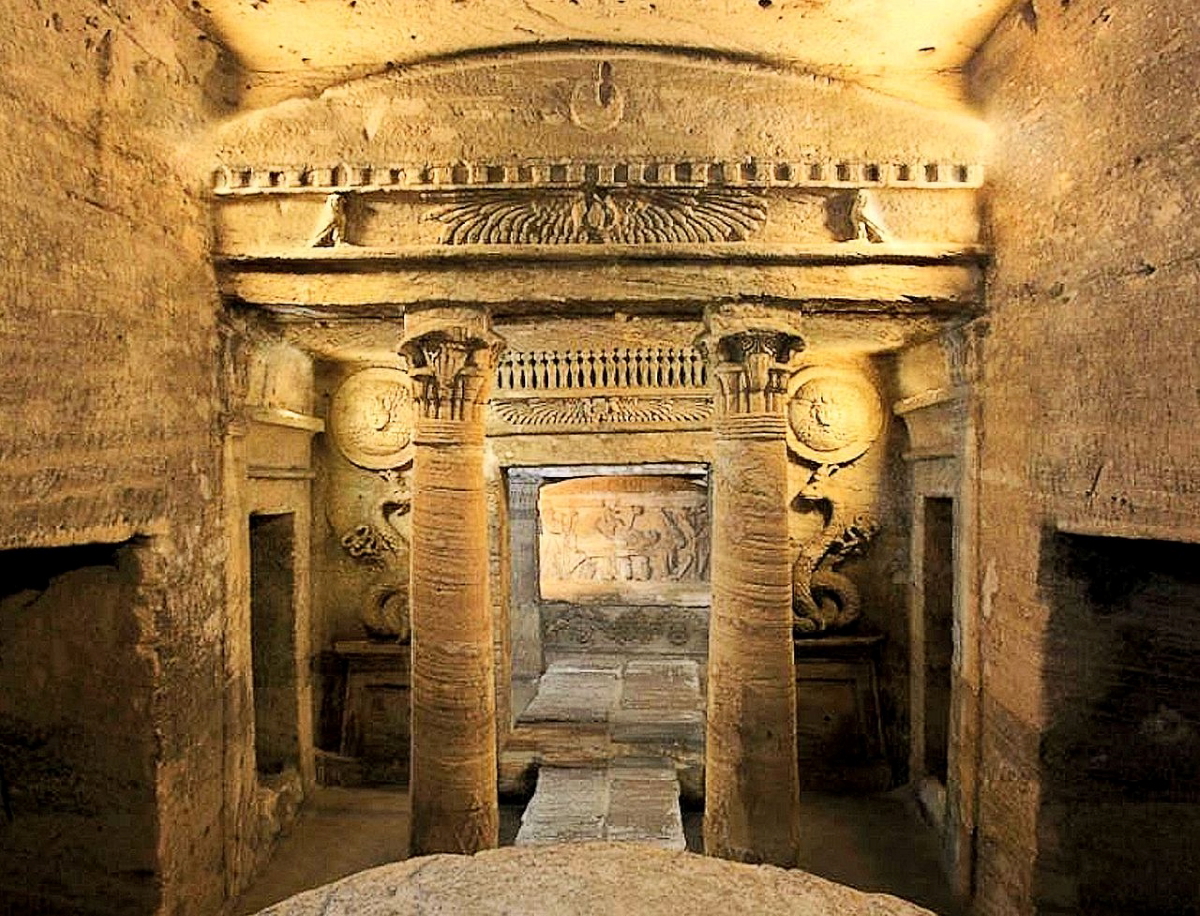
Carved out of solid rock, the ancient necropolis of Egypt’s Alexandria dates back to the Greco-Roman period, around the 2nd century CE. In the very beginning, when they were constructed, these tombs served as the burial site for a wealthy family. However, they were expanded later to include more tombs. The name “Kom el Shoqafa” means the “Mound of Shards.” It refers to the piles of broken pottery that were found around the site. These were left by ancient visitors who brought food and offerings, discarding the containers afterward.
While the catacombs consist of three levels, the lowest is underwater. When visiting, you can only explore the upper levels. You will get the chance to see several burial chambers, a spiral staircase leading down to the tombs, and a banquet hall. You’ll also witness Egyptian religious symbols blended with Greek and Roman artistic elements at the Main Tomb.
10. Eiffel Tower, France
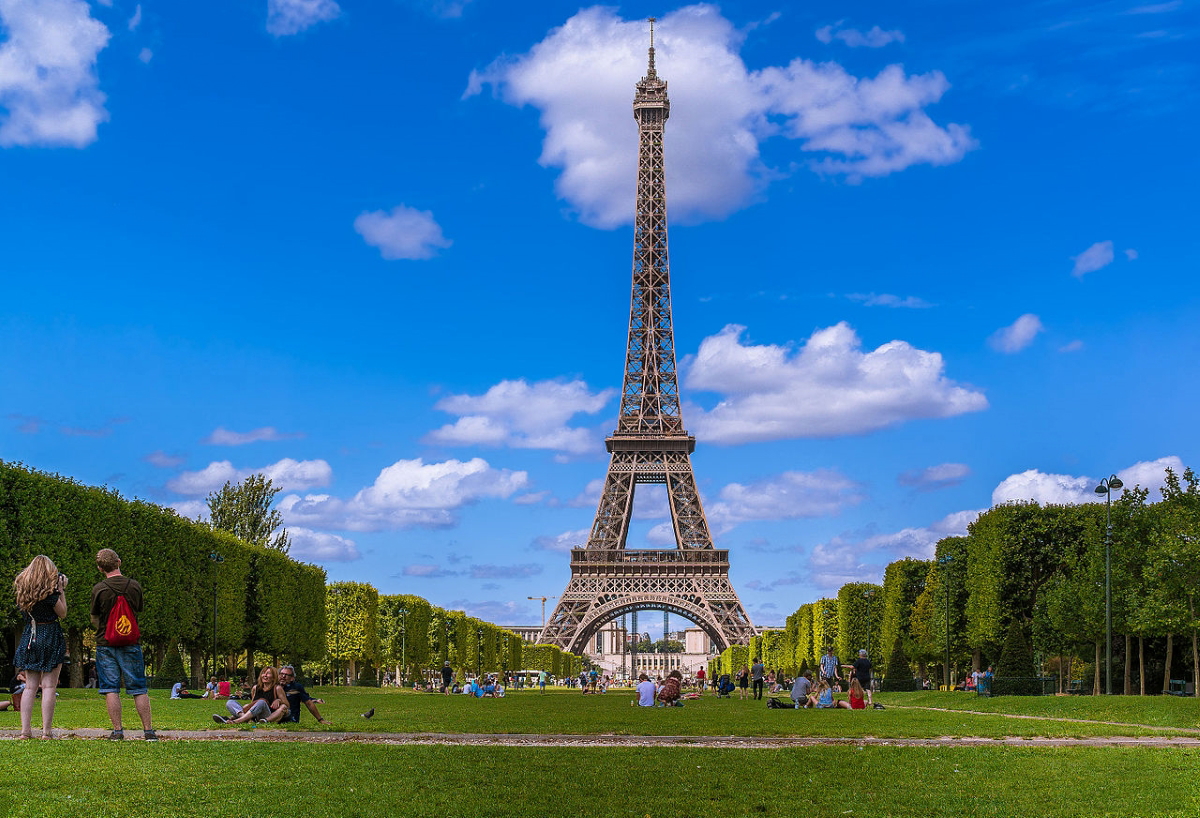
The Eiffel Tower is one of the modern world’s most important man-made structures. It was completed in 1889 as part of the “Exposition Universelle” (World’s Fair) to celebrate the 100th anniversary of the French Revolution. Gustave Eiffel is the designer of the 1,083-foot-tall tower. This was the world’s tallest structure until 1930, the year in which New York City’s Chrysler Building was completed.