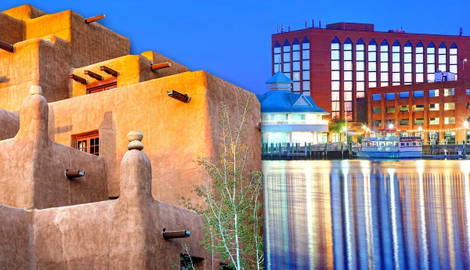

Compared with countries in the Eastern Hemisphere, the United States is relatively young. Founded in 1776, it is a mere babe by international standards. Yet much of what the United States is predates the Declaration of Independence. Many of the original colonial towns and cities still exist today and are testaments to the birth of a nation. Discover ten of the oldest towns in the United States that you can still visit today, and what they reveal about American history.
A Disclaimer on Definition
The designation of the “Oldest Towns” in the United States is highly problematic. There is an unspoken definitional bias that excludes Native American settlements, which has a legal and historical precedent. Native American communities are considered part of sovereign nations and are treated as domestic dependent nations. As such, they are not considered “incorporated” towns or cities of the U.S.
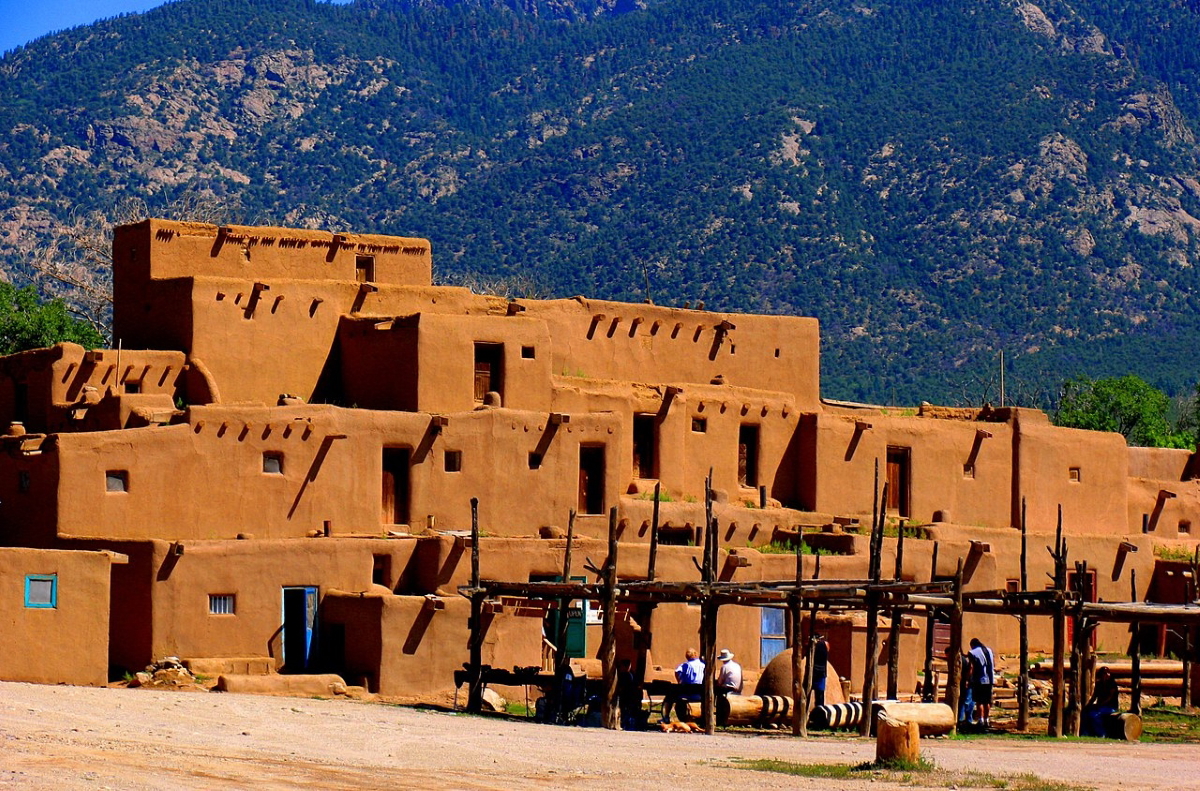
Many Native American settlements are far older than the European towns on this list. Among the oldest is Old Oraibi in Arizona, which has been continuously occupied since at least AD 1100. The multi-tiered pueblo homes were built by the Hopi, or “peaceful people,” from local stone to suit the arid desert environment. Acoma Pueblo and Taos Pueblo in New Mexico are almost as old. The first is a sky fortress built atop a 367-foot-high sandstone mesa. The second comprises stone “apartment blocks” in a fertile valley in the shadow of the sacred Taos Mountains.
1. San Juan, Puerto Rico, the Island Bastion of the Caribbean
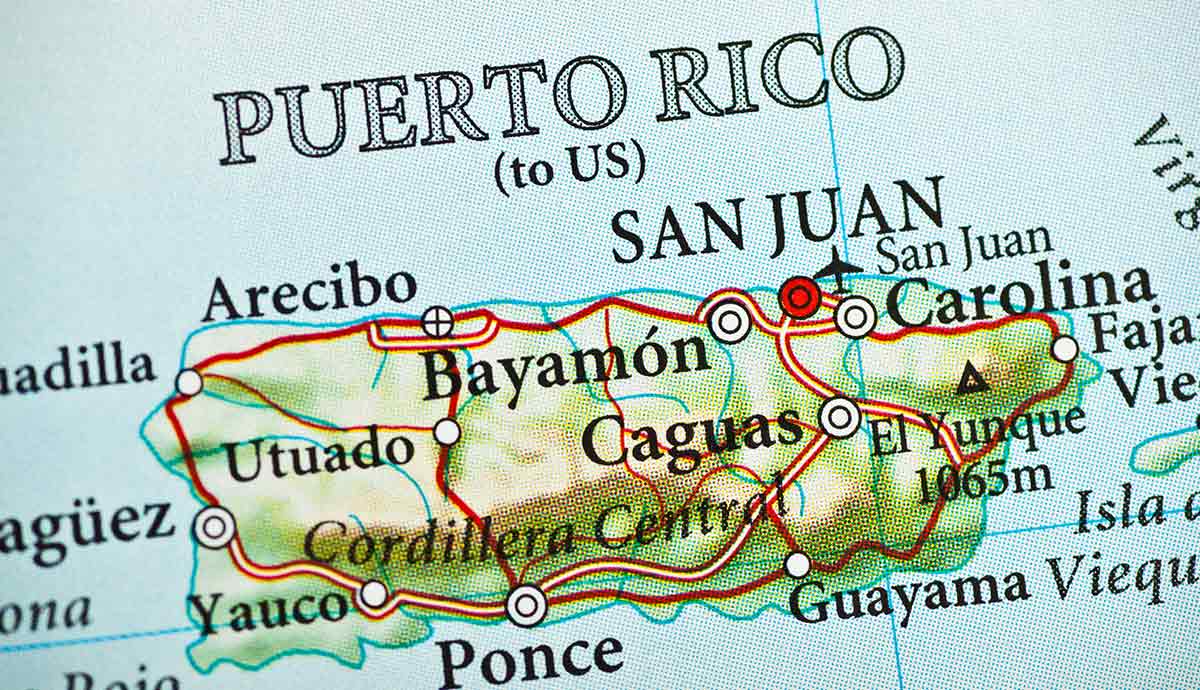
While not a state, but rather an unincorporated territory of the United States, Puerto Rico holds the distinction of having the oldest continuously inhabited European-founded city in the United States. Its capital, San Juan, was established by Spanish colonists in 1521 as Ciudad de Puerto Rico de San Juan Bautista, in an area inhabited by the native Taíno people.
While San Juan is the oldest surviving settlement, it was not the first. The original settlement of Caparra, founded in 1508, was abandoned and moved to San Juan. Throughout the colonial era, San Juan was a highly valuable strategic target and consequently was targeted by both English and Dutch military forces. Nevertheless, it remained, for the most part, under Spanish control until the Spanish-American War in 1898, after which Puerto Rico was ceded to the United States.
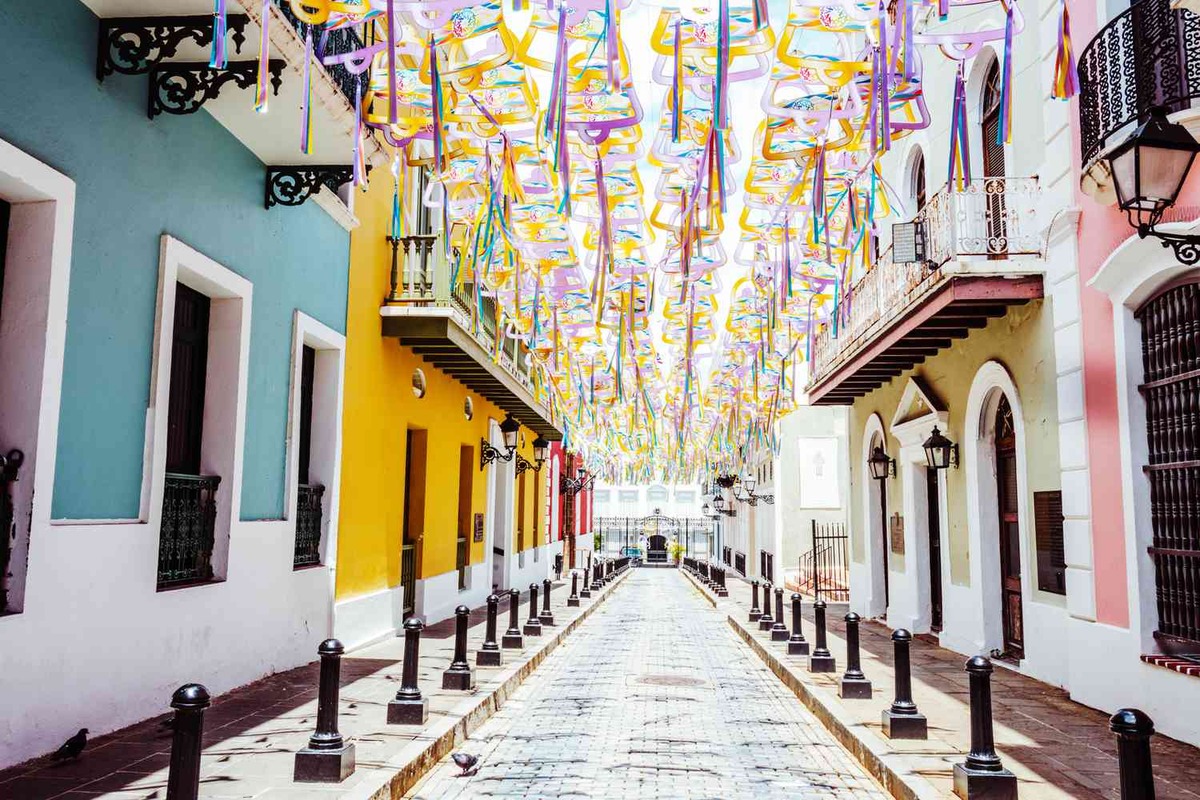
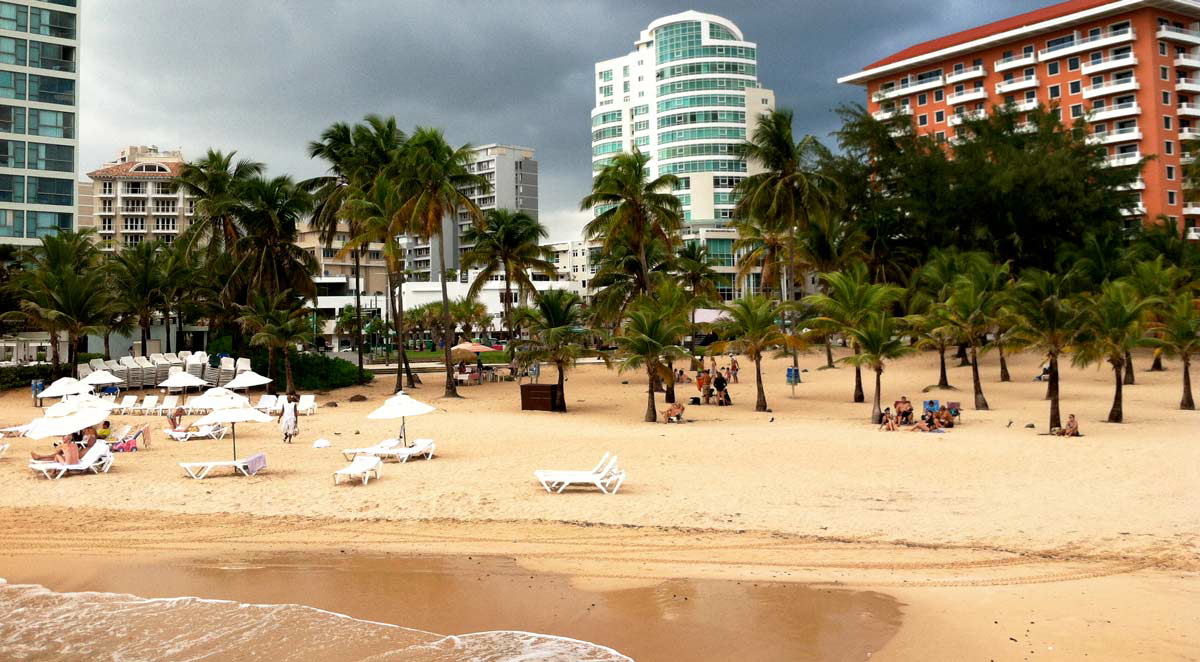
Today, San Juan is a vibrant city with beautiful beaches and parks, as well as historic Spanish-era buildings and modern skyscrapers. It serves as the industrial and commercial heart of Puerto Rico and is home to around 340,000 people.
2. St. Augustine, Florida, the Foothold of the Spanish Empire
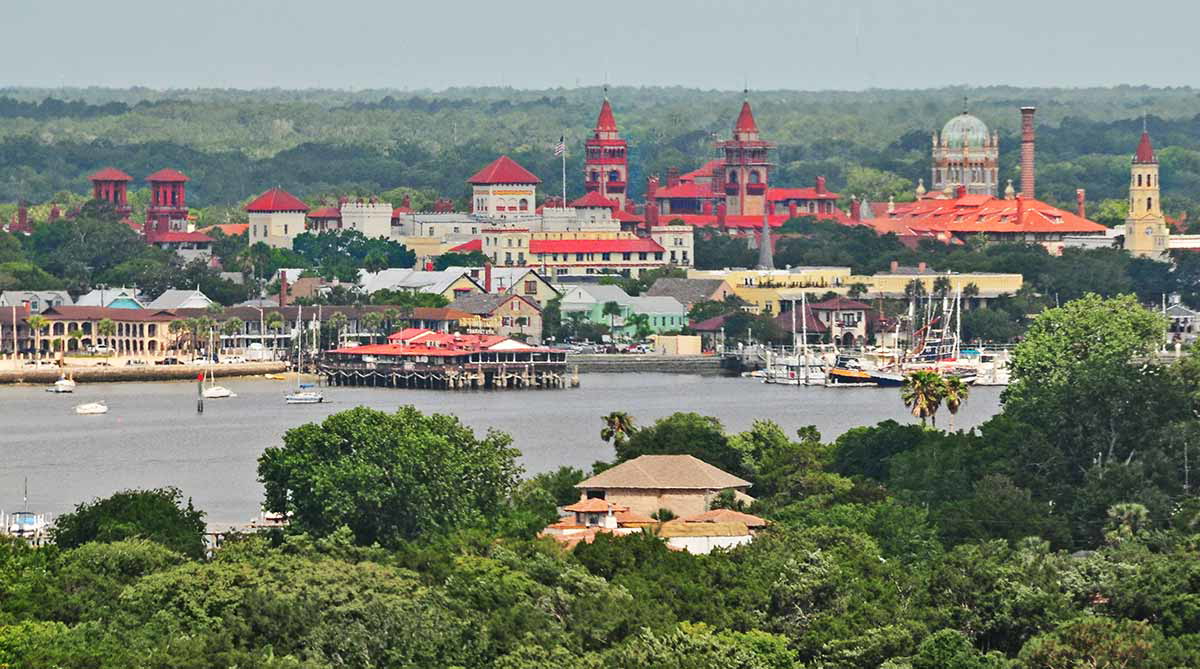
On the northeast coast of Florida, St. Augustine is the oldest mainland city. Located 40 miles south of Jacksonville, St. Augustine was founded by the Spanish in 1565. Established 11 days after the Feast Day of Saint Augustin, the city was originally named San Agustin by its founder, Pedro Menéndez de Avilés, who served as Florida’s first governor.
St. Augustin served as the capital of Spanish Florida for 200 years before it was taken over by the British in 1763, when it was ceded in the First Treaty of Paris, which ended the Seven Years’ War. Florida was returned to Spain in 1783 after the Peace of Paris, and later ceded to the United States in 1819. The city alternated as the capital of Florida with Pensacola until 1824, when Tallahassee was designated the permanent capital.
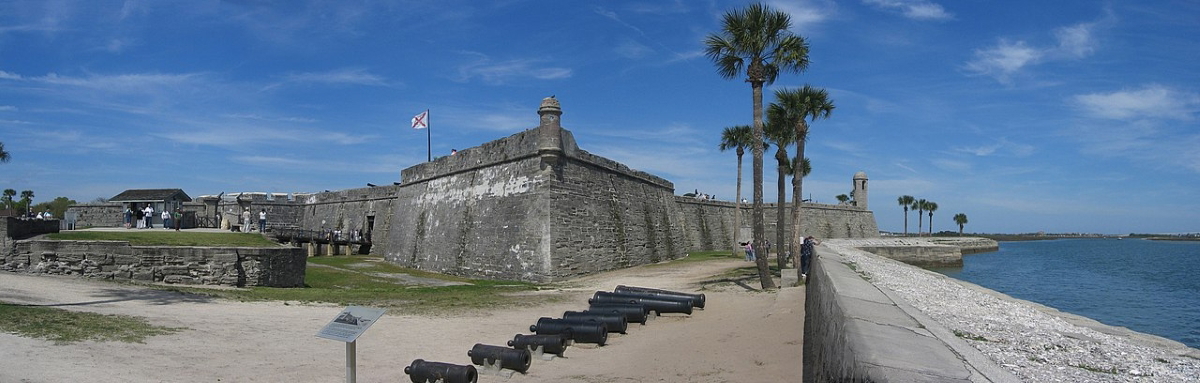
Today, St. Augustine is a popular tourist destination that combines historical attractions with idyllic beaches. It is home to the oldest masonry fort in the United States, Castillo de San Marcos, built in 1672. Inside the town, St. George Street and its surrounds retain charming cobblestone streets lined with cafés, shops, restaurants, and significant landmarks. Popular attractions also include Ripley’s Believe It or Not! Museum and Ponce de Leon’s Fountain of Youth Archaeological Park.
3. Jamestown, Virginia, the Turbulent Birth of English America
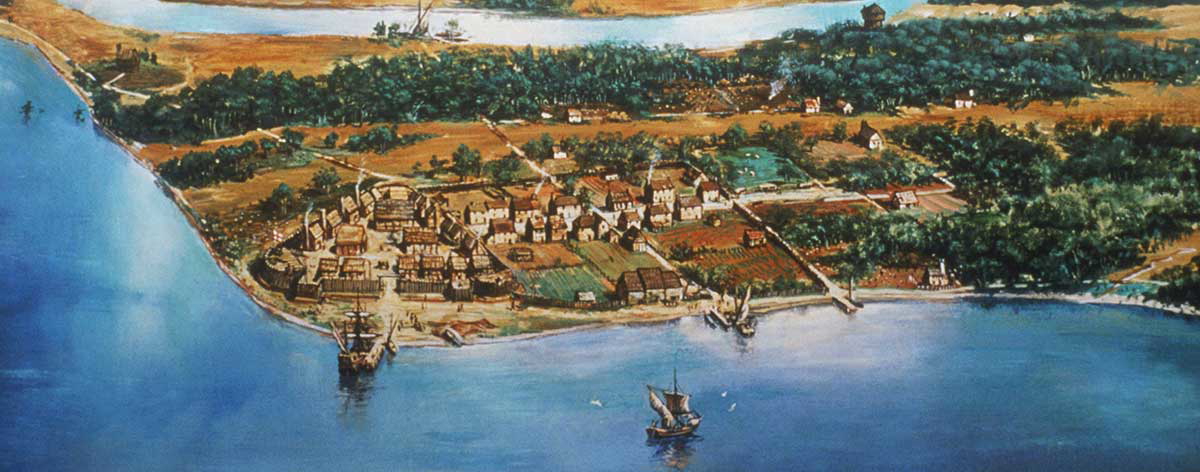
One of America’s most famous colonial towns, Jamestown was founded in 1607 and is recognized as the first permanent English settlement in the Americas. The early years of the town were marked by hardships, including disease and famine, as well as conflict with the Indigenous population. During “the Starving Time” of 1609 and 1610, only 60 of the colony’s original 214 settlers survived. The survivors abandoned the colony but returned after receiving supplies.
John Rolfe was credited with helping the town survive by introducing his tobacco crop, which became Virginia’s most prominent export. He married Pocahontas in 1614, and two years later the couple traveled to England to promote the Jamestown colony. Sadly, Pocahontas did not survive to make the return journey.
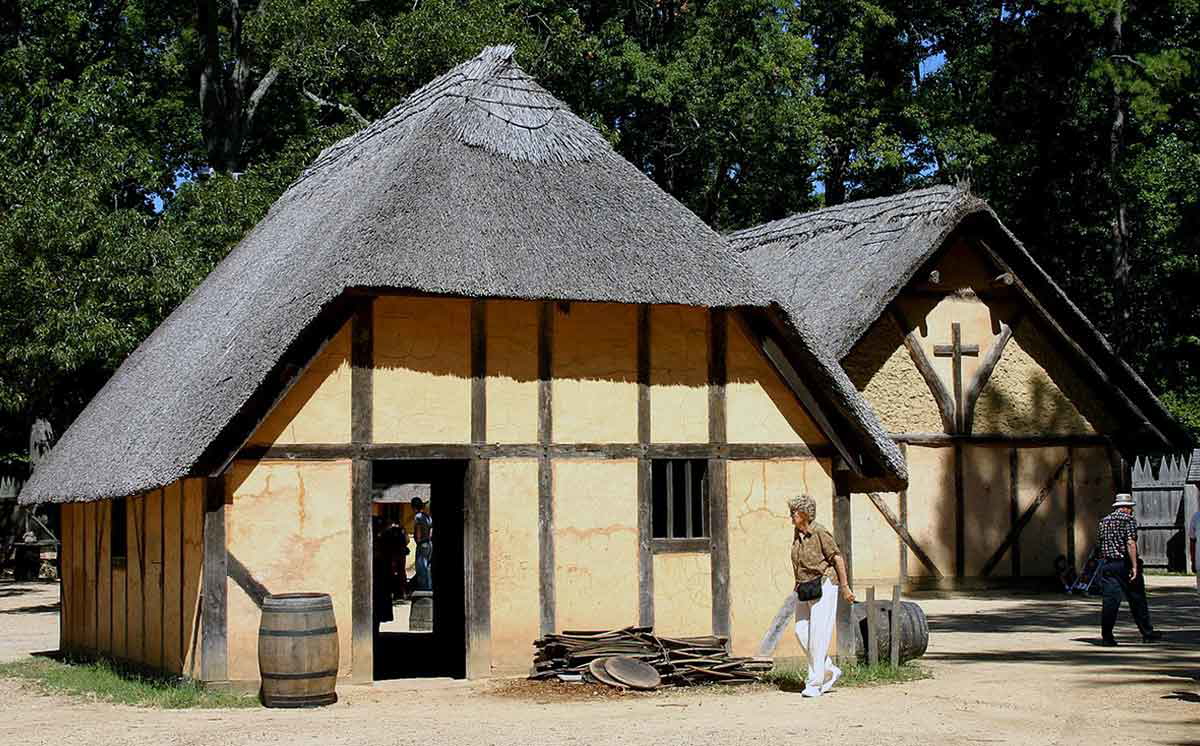
In 1676, the settlement was burned down during Bacon’s Rebellion, but was rebuilt soon after. It then served as the colonial capital until 1699, when the capital was moved to Middle Plantation, later named Williamsburg.
In the 18th century, Jamestown was permanently abandoned, but its physical remains live on as an archaeological and historic site that serves as a national park that is open to visitors. The site is home to a replica of the original fort that was built there, as well as Powhatan Town, a recreation of a Native American settlement that exhibits the dealings the Native Americans had with the European colonizers.
4. Santa Fe, New Mexico, the Oldest Capital City in the Nation
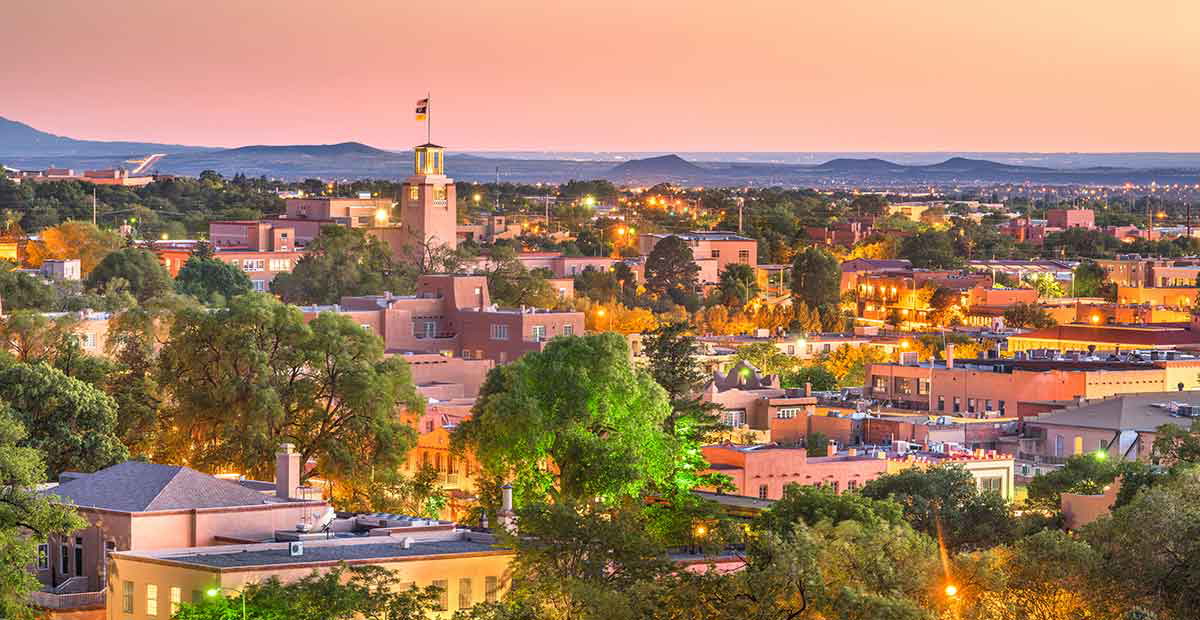
Led by Don Pedro de Peralta, Spanish colonists founded the city of Santa Fe in 1610 as the capital of Nuevo México, which was a province of New Spain. The Pueblo drove the Spanish out of Santa Fe in 1680, but the Spanish regained control 12 years later.
Santa Fe was part of the Mexican Empire after 1821, when Mexico won its independence from Spain, but was ceded to the United States after the Mexican–American War in 1848. In 1851, Santa Fe became the capital of the US Territory of New Mexico, and later retained its status as the capital of the newly established state.
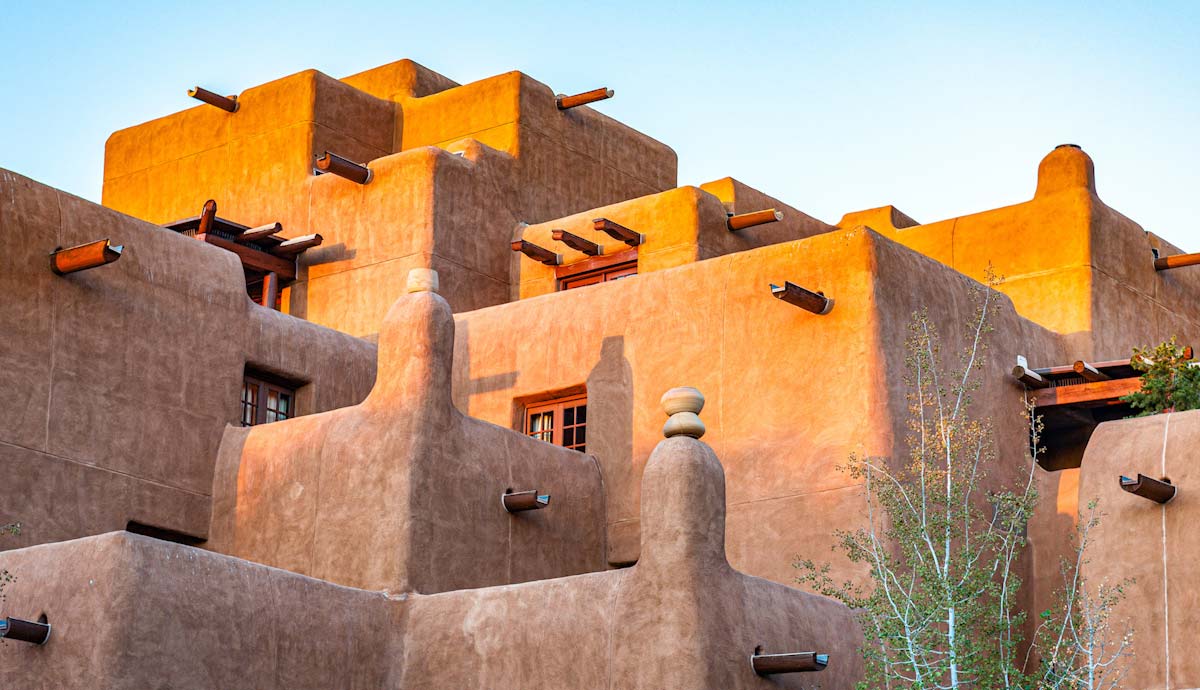
Today, Santa Fe is a hub of culture that fuses Mexican, Spanish, American, and Indigenous cultural influences. Despite having a population of around 90,000 people, the city boasts an impressive 250 art galleries and three annual art events. Santa Fe also has one of the largest art markets in the United States. So prevalent are arts and culture in Santa Fe that around 10 percent of the local population is involved in these industries!
5. Hampton & Kecoughtan, Virginia, the Strategic Gateway of the Chesapeake
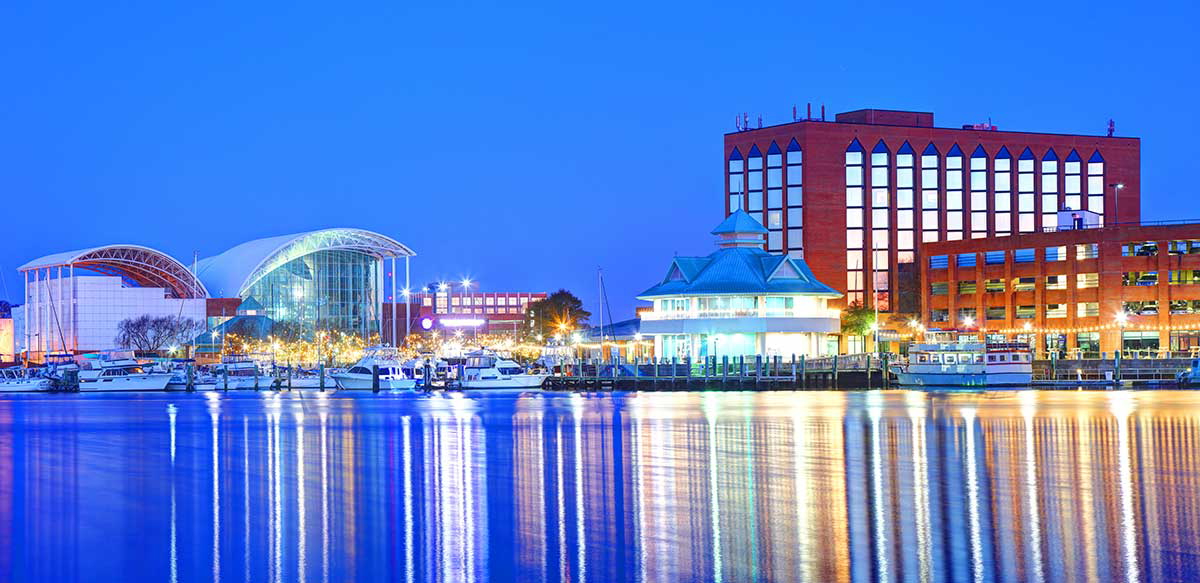
Before the arrival of English colonists, the area that became Hampton, Virginia, was populated by Powhatan peoples and was known as Tsenacommacah. The arrival of the English changed this dynamic, and Hampton was established in 1610.
The nearby Powhatan settlement of Kecoughtan was originally on friendly terms with the colonists, but hostility soon broke out after 17 English mutineers were killed there in 1609. In the summer of the following year, Kecoughtan was captured and became Elizabeth City Parish, later incorporated into the young town of Hampton. The survivors fled to other groups within the Powhatan Paramount Chiefdom.
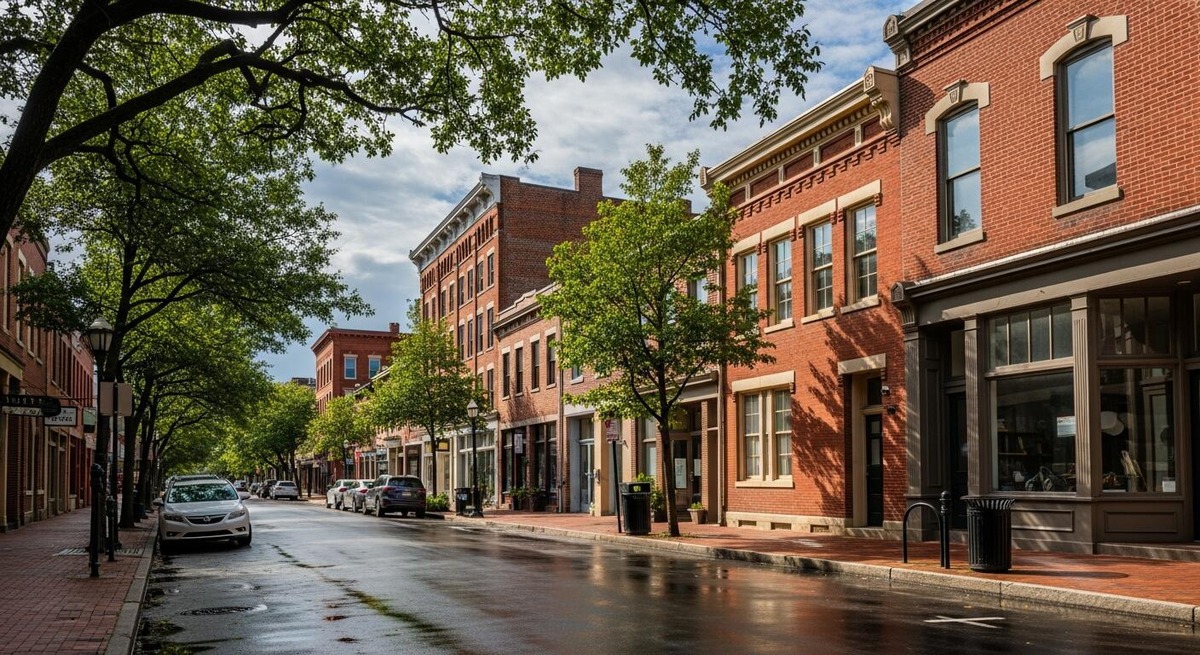
Because of its location, Hampton bore witness to the beginning and end of slavery in America. The first enslaved Africans arrived through Hampton in 1619. A century and a half later, Hampton’s Fort Monroe was the site of one of the most important steps in the collapse of slavery. Here, slaves petitioned the Union commanding officer and asked to be classified as “contraband of war,” thus ensuring that they would not be returned to their “legal owners.” Thousands of slaves followed suit, making their way to “Freedom Fortress” to take advantage of this precedent.
Today, the population of Hampton is largely made up of descendants of the original colonists and the African-American slaves who flocked to Fort Monroe, as well as southerners with local roots, and families connected to Fort Monroe and Langley Air Force Base.
6. Albany, New York, the Dutch Trading Empire on the Hudson
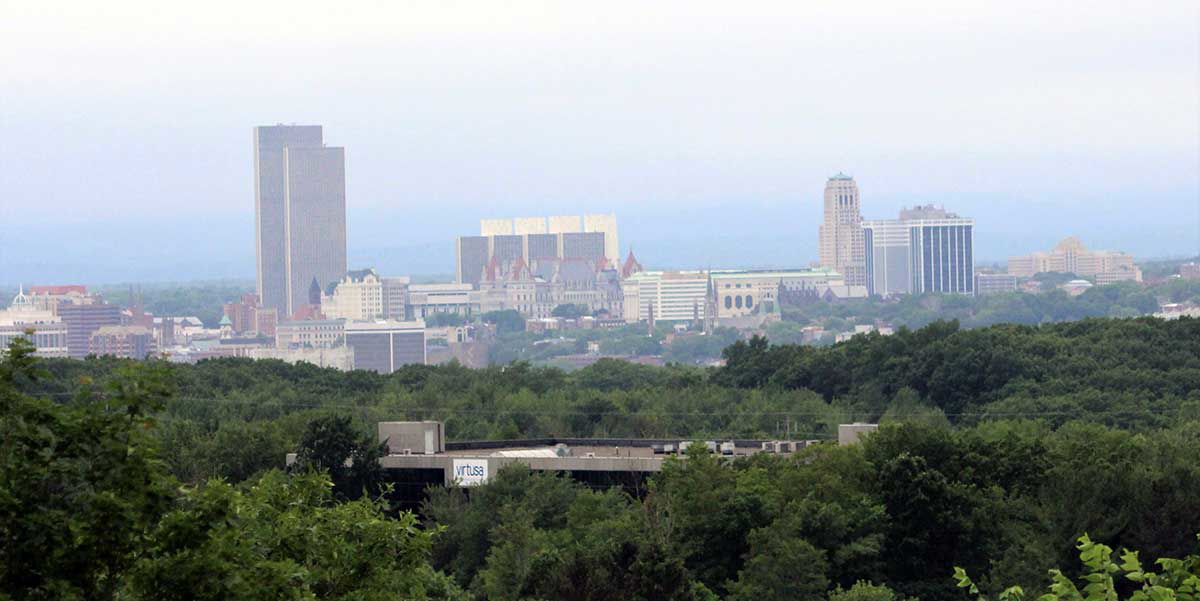
Albany, the capital of New York State, was formally chartered as a city in 1686. However, it was established by Dutch settlers who built Fort Nassau on Castle Island (now the Port of Albany) in the early 17th century. This was primarily a fur-trading post, which drew hostility from the French and the Indigenous people who wanted to control the trade. Fort Nassau was damaged by flooding in 1618, but was replaced by Fort Orange, built on the mainland in 1624.
The fort and the surrounding areas became known as the town of Beverwijck or “Beaverwick” in English. It was taken by the English in 1664 and renamed Albany, but recaptured by the Dutch in 1673 and renamed Willemstadt. The following year, the English took permanent possession of the city.
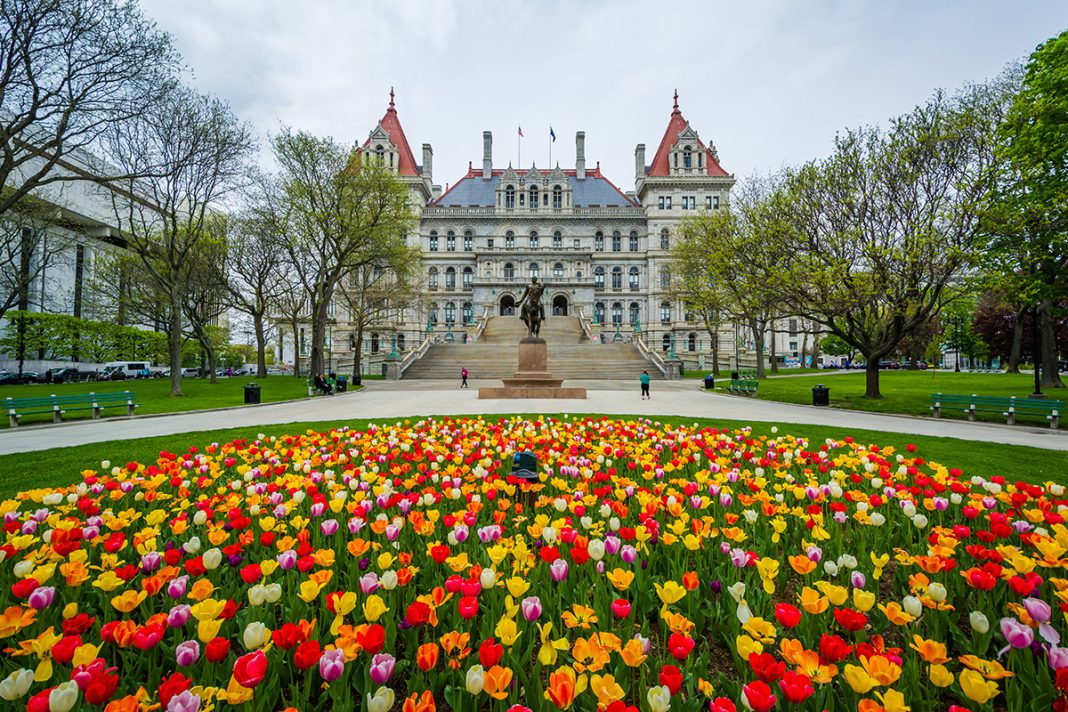
Over the centuries that followed, Albany has become a significant hub for culture and the arts, many of which are reflected in the city’s architecture. Of note are the Albany Institute of History and Art and Ten Broeck Mansion, as well as the New York State Museum. Today, Albany is a thriving city of 100,000 people in the State Capital area, and over 1 million people in the greater metro area.
7. Plymouth, Massachusetts, the Mythos of the Pilgrim Fathers
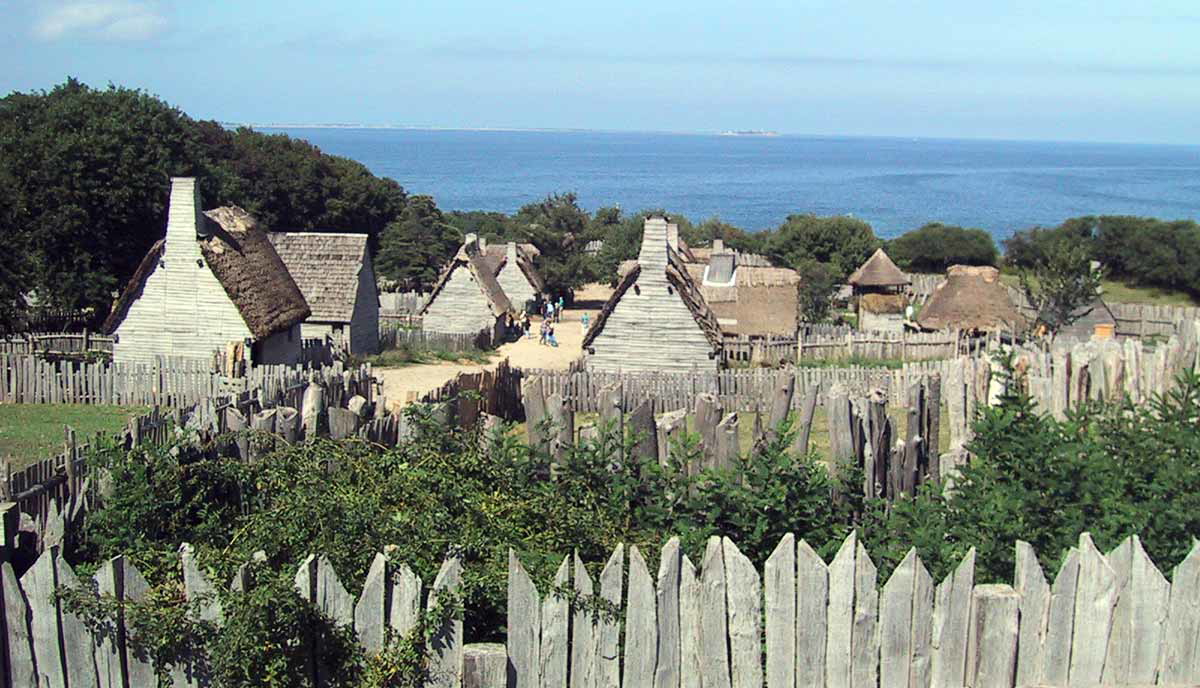
One of the most famous historical sites in the United States, Plymouth Rock is where the Pilgrims landed on December 21, 1620, when they arrived in the New World on board the Mayflower.
Unprepared for the challenges that lay ahead, the settlers were beset by the harsh winter and famine. Almost half the original 102 settlers died. Their fortunes were changed, however, thanks to the compassion shown by a local Indigenous tribe, the Wampanoag, who shared their food with the struggling Pilgrims and taught them how to fish, hunt, and cultivate crops in their new home.
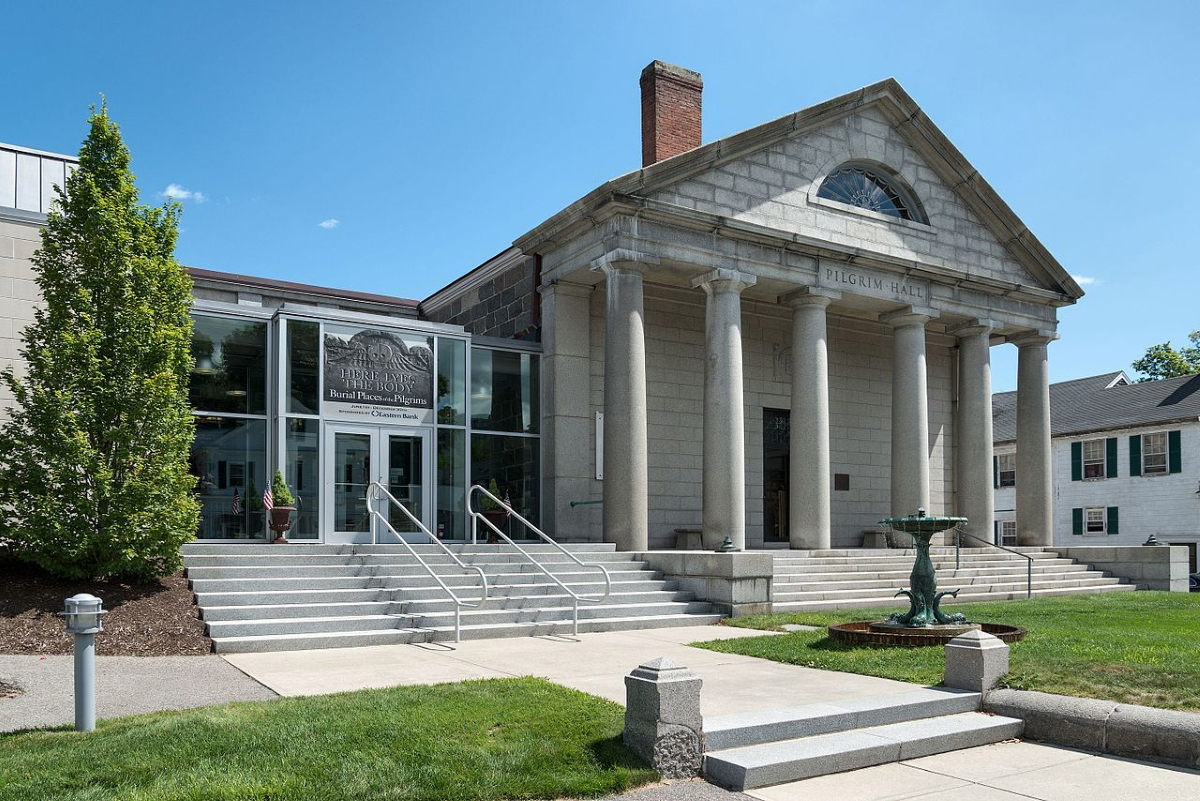
Armed with this knowledge, the Pilgrims were able to turn Plymouth into a prosperous town. Today, the town is home to more than 60,000 people as well as the oldest continually operating museum in the country, the Pilgrim Hall Museum.
8. Gloucester, Massachusetts, the Oldest Fishing Port in America
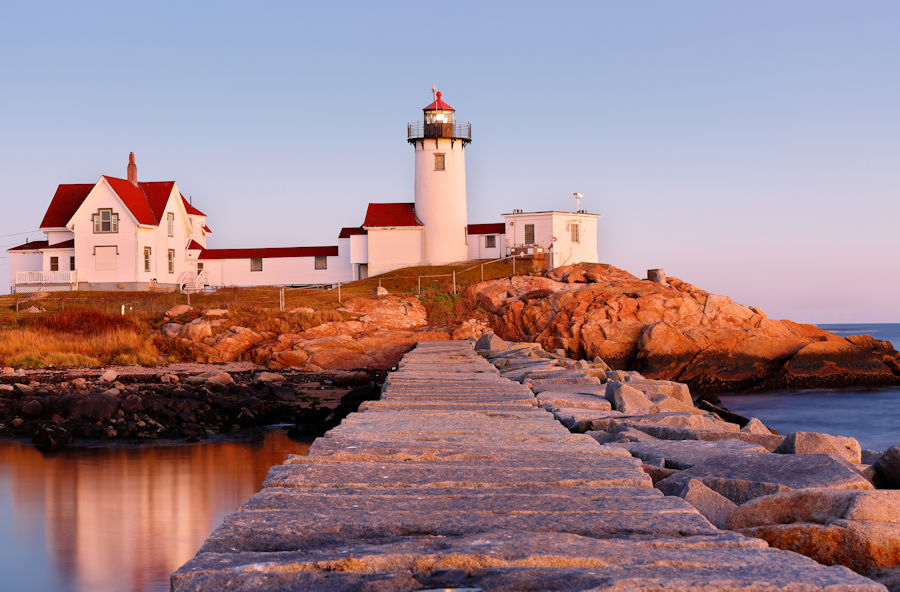
Located just an hour north of Boston, Gloucester holds the official title of America’s oldest seaport. It was founded in 1623, three years before Salem and seven years before Boston. It started with just 14 English fishermen who set up a permanent outpost. While living conditions were harsh, the abundance of cod kept drawing fishermen back, and Gloucester was officially incorporated as a town in 1642.
The sea in the area is deadly, and it is estimated that more than 10,000 fishermen have lost their lives in the area since the town was founded. On a single night on February 14, 1862, a storm sank 15 ships and killed 120 men. Nevertheless, the settlement thrived as new immigrants arrived, especially from Nova Scotia and Newfoundland, and also from Portugal and Sicily.
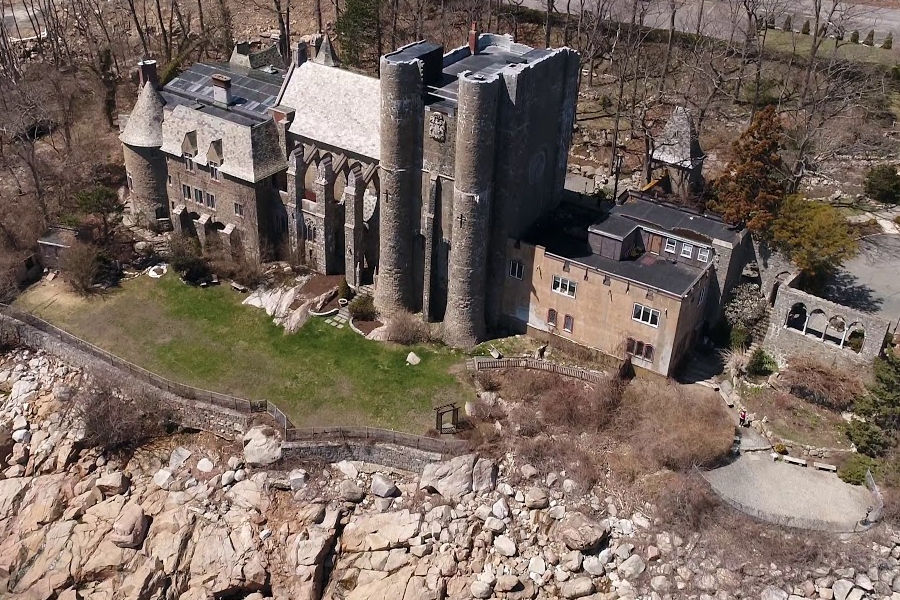
Today, the city’s historic harbor is still home to active fishing boats, as well as world-class whale-watching vessels. A popular attraction is Hammon Castle, a medieval-style castle built in the late 1920s.
9. New York, New York, the Global Legacy of New Amsterdam
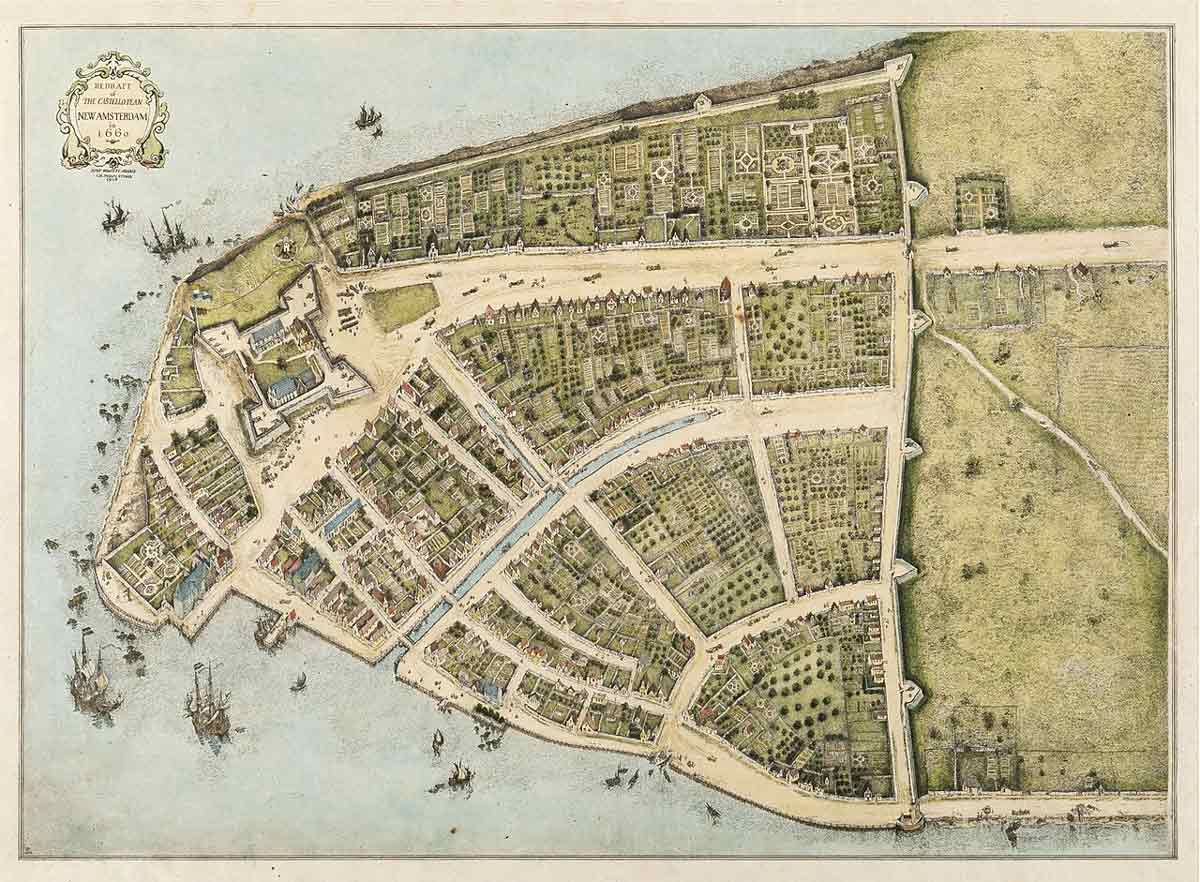
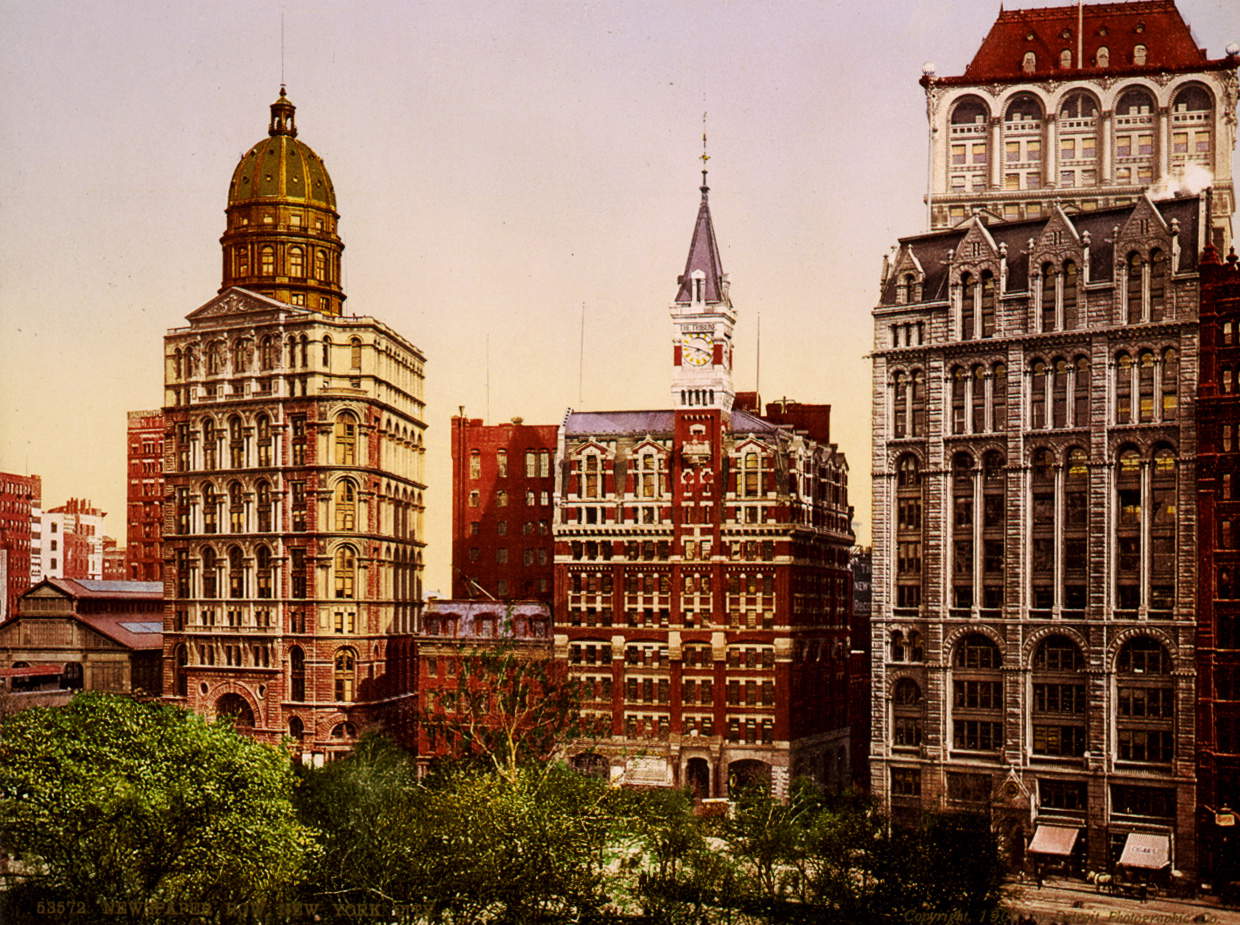
While the English were arriving in New England for religious freedom, the Dutch came to the mouth of the Hudson River to make money. In 1624, the Dutch West India Company established a permanent fur-trading post on Governor’s Island, which quickly expanded to the southern tip of Manhattan, which they named New Amsterdam. In 1626, they traded goods with the local Lenape people for Manhattan Island. However, scholars note that the Lenape likely interpreted this as an alliance or land-use treaty rather than an outright sale.
The Dutch settlers struggled to encourage affluent Dutch settlers to come to America, so they opened their doors to anyone. By 1643, the 500 residents reportedly spoke 18 different languages. The colony quickly became a thriving commercial hub.
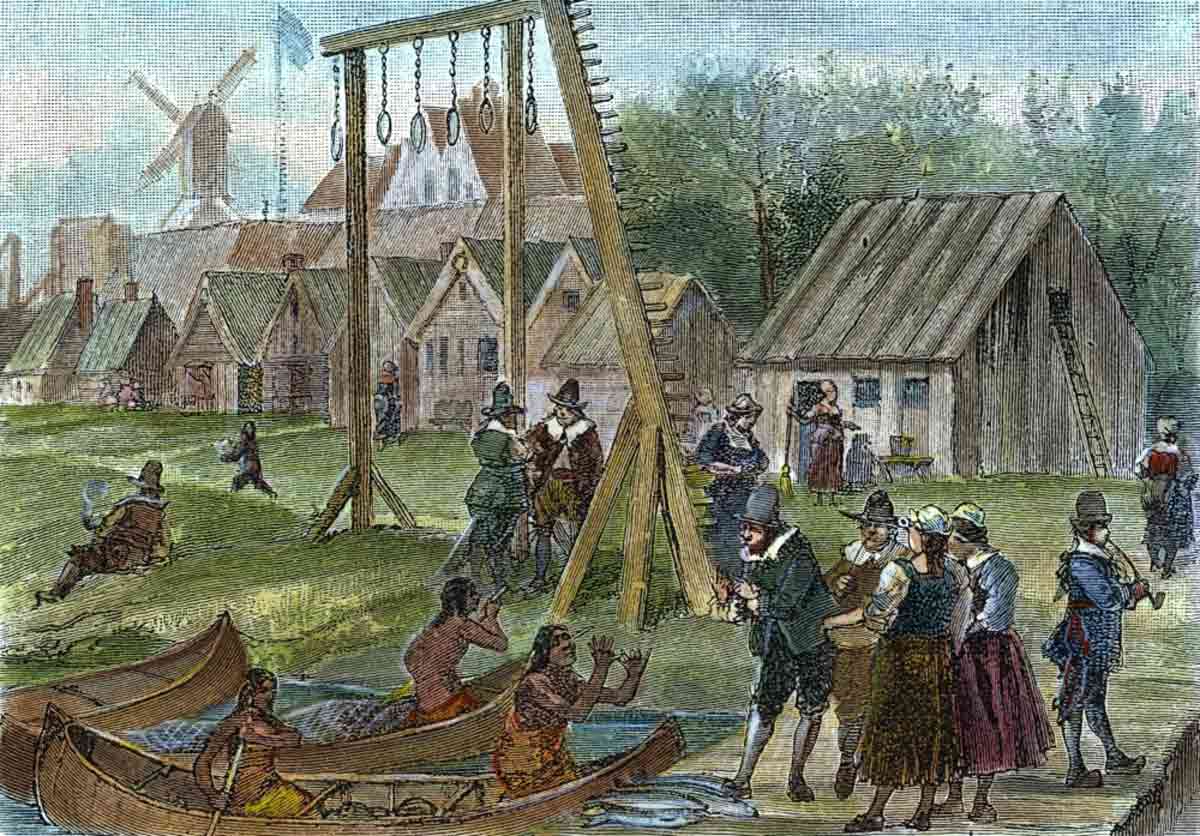
The English were jealous of this Dutch settlement on the finest natural harbor in the region. English warships sailed into the harbor in 1664, but the Dutch surrendered as they did not want to let their profitable town be destroyed. King Charles II gave the colony to his brother, James, Duke of York, and New York was born. The rest, as they say, is history.
10. Salem, Massachusetts, the Epicenter of Puritan Witch Hysteria
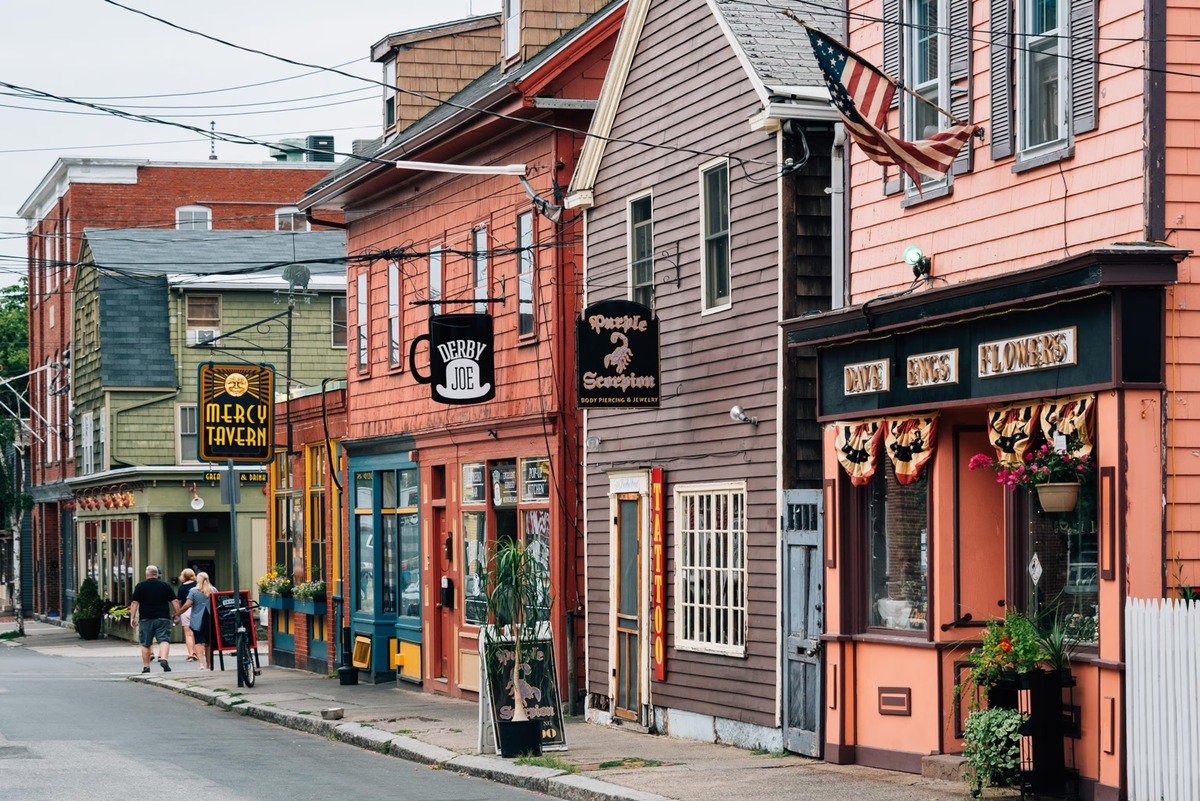
A few years older than Boston, Salem was originally a Native American fishing village called Naumkeag, but it was abandoned when a group of English settlers arrived in 1626, and the English moved in. Two years later, a new wave of well-funded Puritan settlers arrived and joined the settlement, which was renamed Salem, derived from Shalom, the Hebrew word for peace.
Salem soon became famous as the epicenter of a wave of mass hysteria that resulted in the Salem Witch Trials starting in 1692. The hysteria actually began in Salem Village, called Danvers today, roughly five miles inland. But the executions took place in Salem Town, modern Salem.
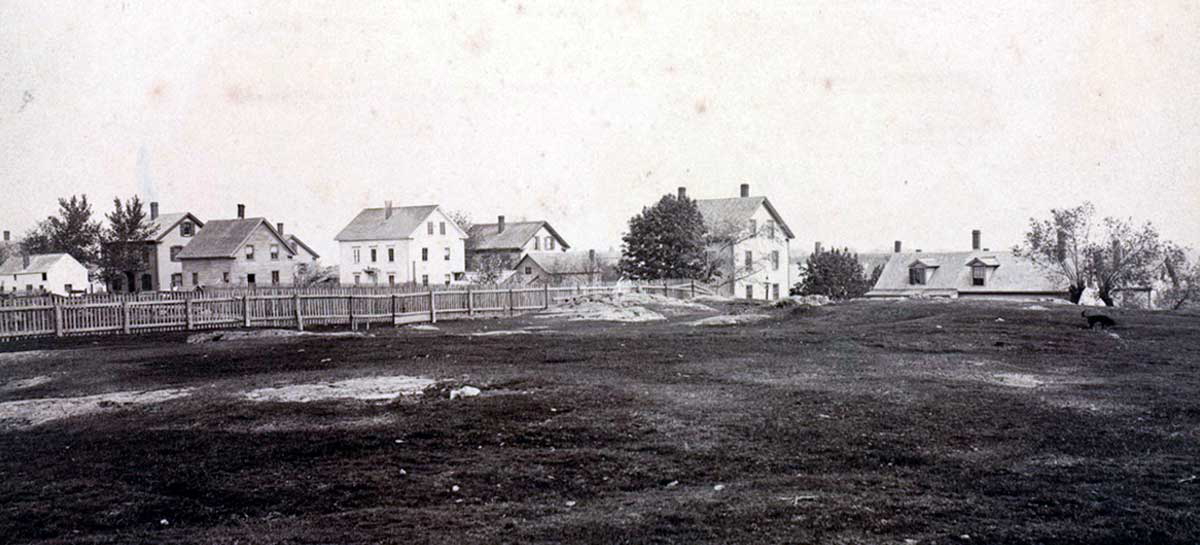
Salem Town had already played a pivotal role in American History. In 1636, decades before the Revolutionary War, the Massachusetts General Court ordered the scattered volunteer militia units of the colony to organize into formal regiments. The First Muster took place on Salem Common, and it is officially recognized as the birthplace of the US National Guard.
When the war broke out, Salem-based privateers played an essential role, capturing and destroying hundreds of British merchant ships. Consequently, after the war, Salem ships were banned from British ports. Instead, they sailed around the Cape of Good Hope and chartered new direct trade routes between America and China, India, Russia, and Japan.