
If you’re a history buff who appreciates beautiful scenery, then New York State’s old towns should be next on your bucket list. Discover stunning views of rolling hills, color-changing mountains, and charming blue lakes, dotted with well-preserved historic towns that tell the nation’s early history. Here are ten of the best historic towns to visit while traveling in New York.
1. Seneca Falls
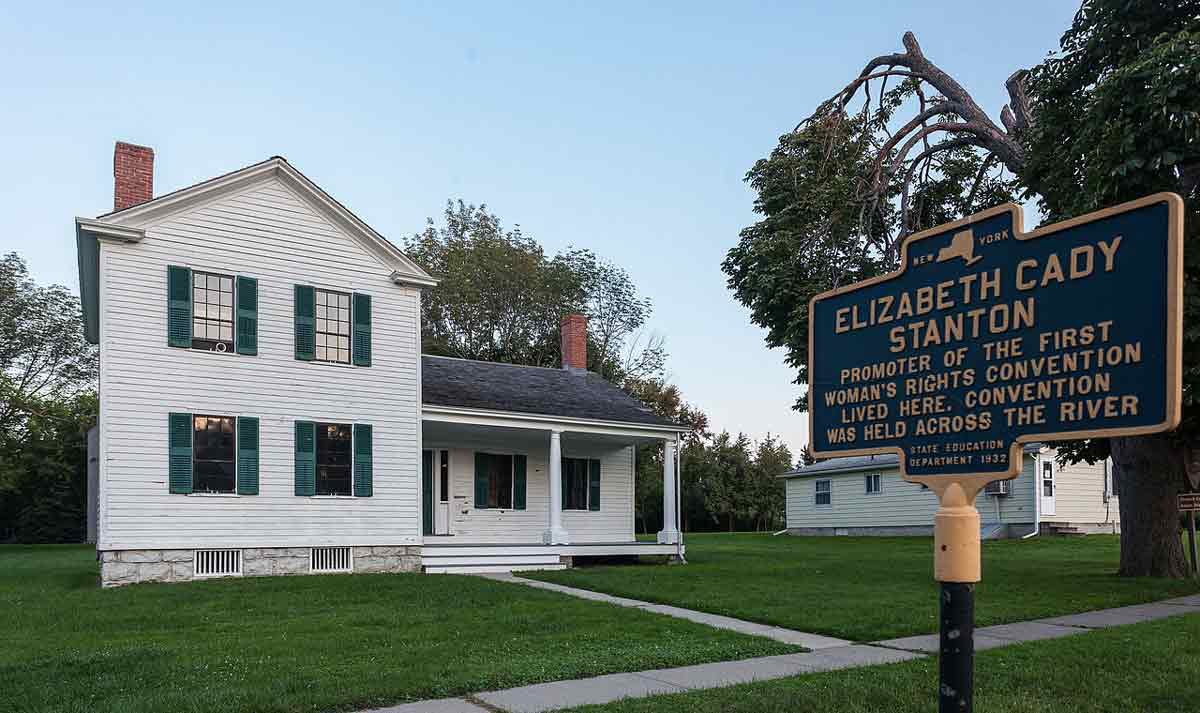
Seneca Falls is located on the Seneca River in the Finger Lakes region and is famous for its Victorian architecture. The town became a hub for America’s women’s rights movement after it was first settled in 1787. It was home to key figures in the movement, from Elizabeth Cady Stanton to Amelia Jenks Bloomer. Seneca Falls is also where the 1848 Seneca Falls Convention for Women’s Rights took place.
Today, you can visit Elizabeth Cady Stanton’s House and the National Women’s Hall of Fame. Many people believe that Seneca Falls has inspired the fictional Bedford Falls in It’s a Wonderful Life. This is because of the similarities between the town’s architecture, steel bridge, and community setting. Today, it hosts an annual It’s a Wonderful Life festival.
2. Southold
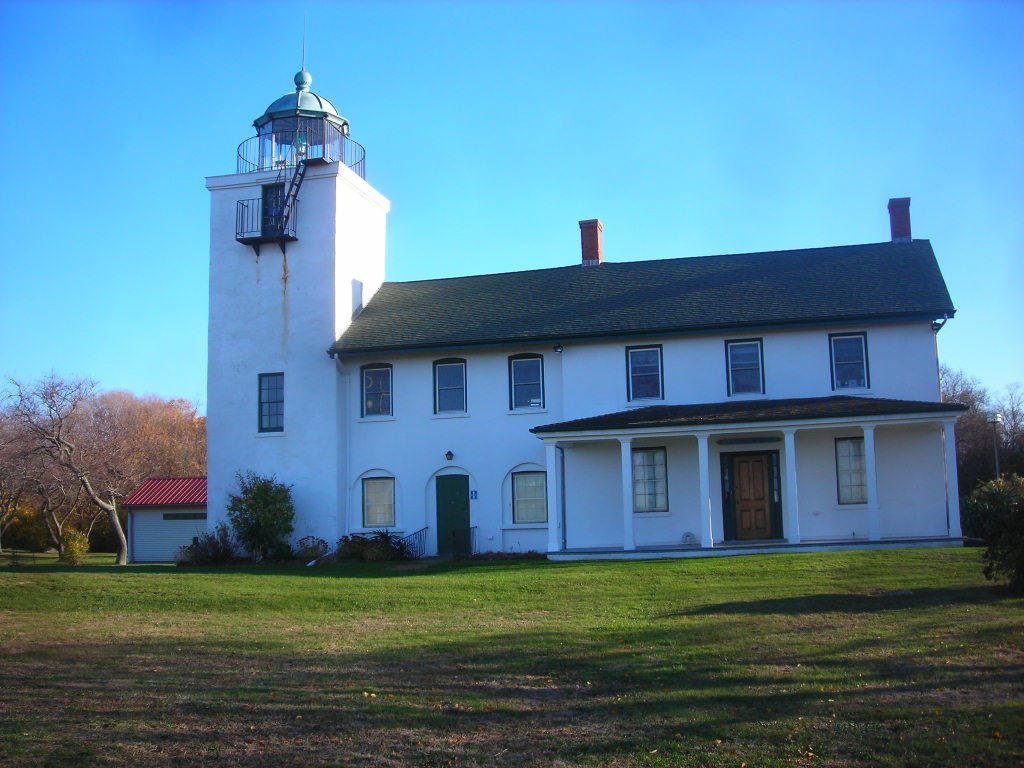
In 1640, 13 Puritan families from New Haven founded Southold in the North Fork of Long Island. The New York town was the first ever English settlement in the state. Southold is surrounded by water on three sides and covers 60 square miles of land. It has farmland, vineyards, and beautiful beaches.
The Horton Point Lighthouse should be on your Southold bucket list. This is one of eight historic lighthouses in town, and it’s listed on the State and National Registers of Historic Places. The U.S. Lighthouse Service built Horton Point Lighthouse in 1857. It stands at 58 feet tall. The lighthouse was restored, relit, and reopened in 1990.
3. Skaneateles
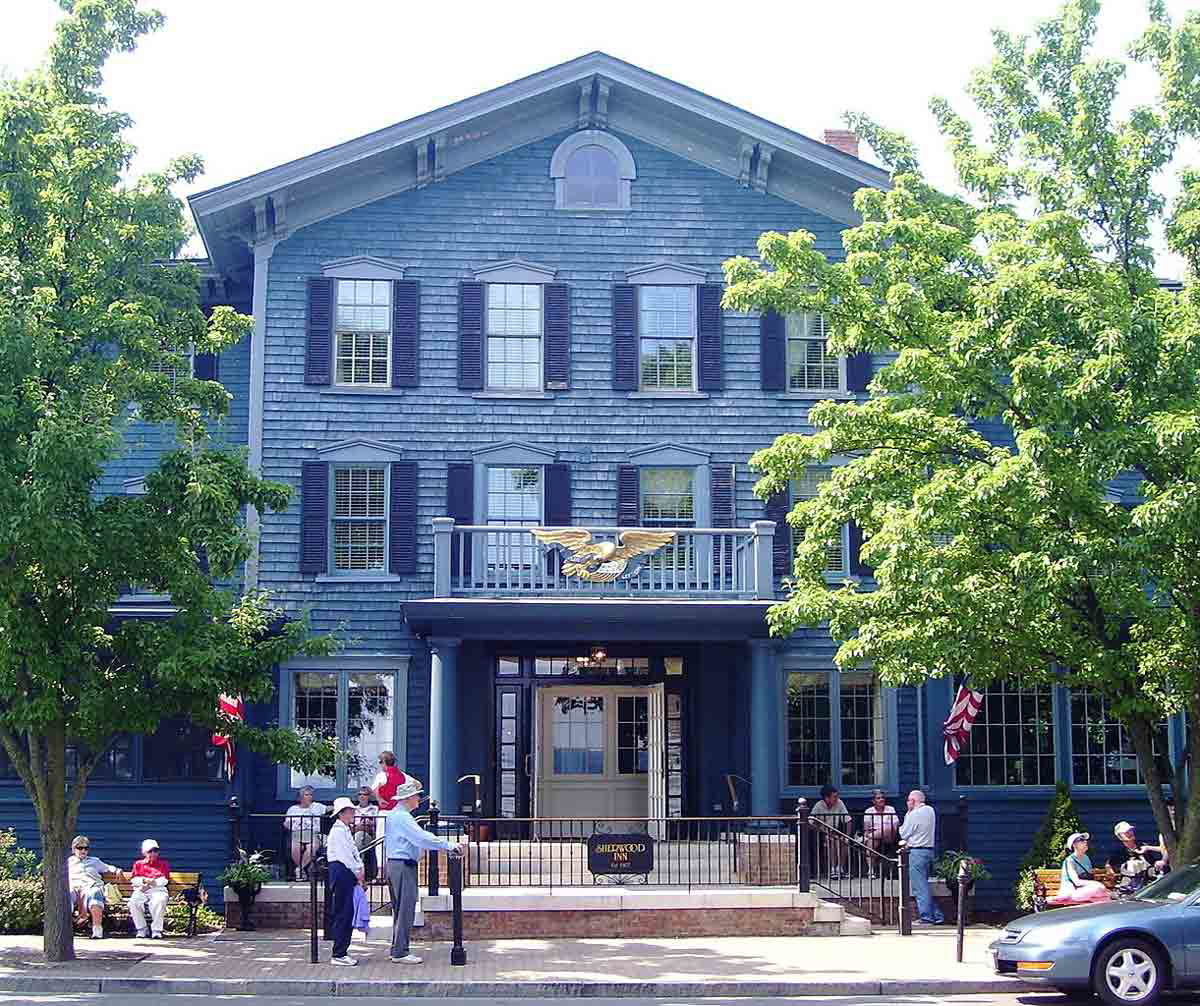
Pronounced “Skinny-atlas,” this Central New York town sits on Skaneateles Lake. This is one of the clearest lakes in the Finger Lakes region, formed millions of years ago by glaciers. It was named after the Iroquois word for “Long Lake.” Stunning hills also surround it.
The town itself has a rich Revolutionary War history. Land grants were given to soldiers after the war, allowing Skaneateles to grow exponentially. Historical landmarks include the John D. Barrow Art Gallery and the historic Sherwood Inn, established in 1807. Skaneateles was famous for boat craftsmanship, particularly between the years 1876 and 1945. The town was a leader in producing sailboats, motor launches, and canoes.
4. Cold Spring
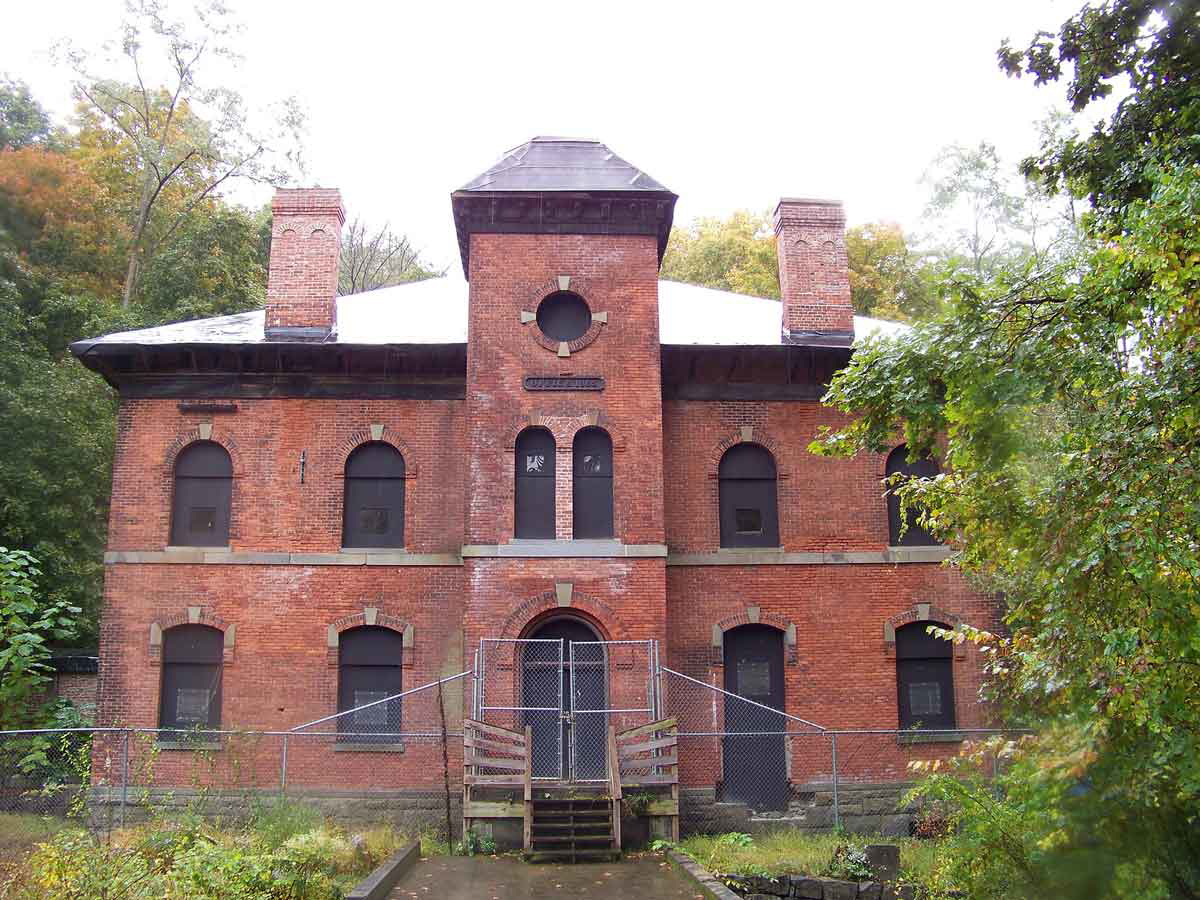
This once-small trading post was founded in 1730 by Thomas Davenport. Here, you can witness well-preserved 19th-century buildings along the Hudson River. During the Civil War, Cold Spring used to supply munitions to the Union Army, which allowed it to turn into an industrial hub. Historical landmarks include Constitution Island, West Point Foundry Preserve, West Point Military Academy (across the Hudson River), and Boscobel House and Gardens.
The Historic District of Cold Spring has more than 200 buildings listed on the National Register of Historic Places. Favorite spots include Saint Mary’s in the Highlands and Our Lady of Loretto. Popular writers and artists have been inspired by the town. For example, Don McLean lived in Cold Spring when he wrote American Pie.
5. New Paltz
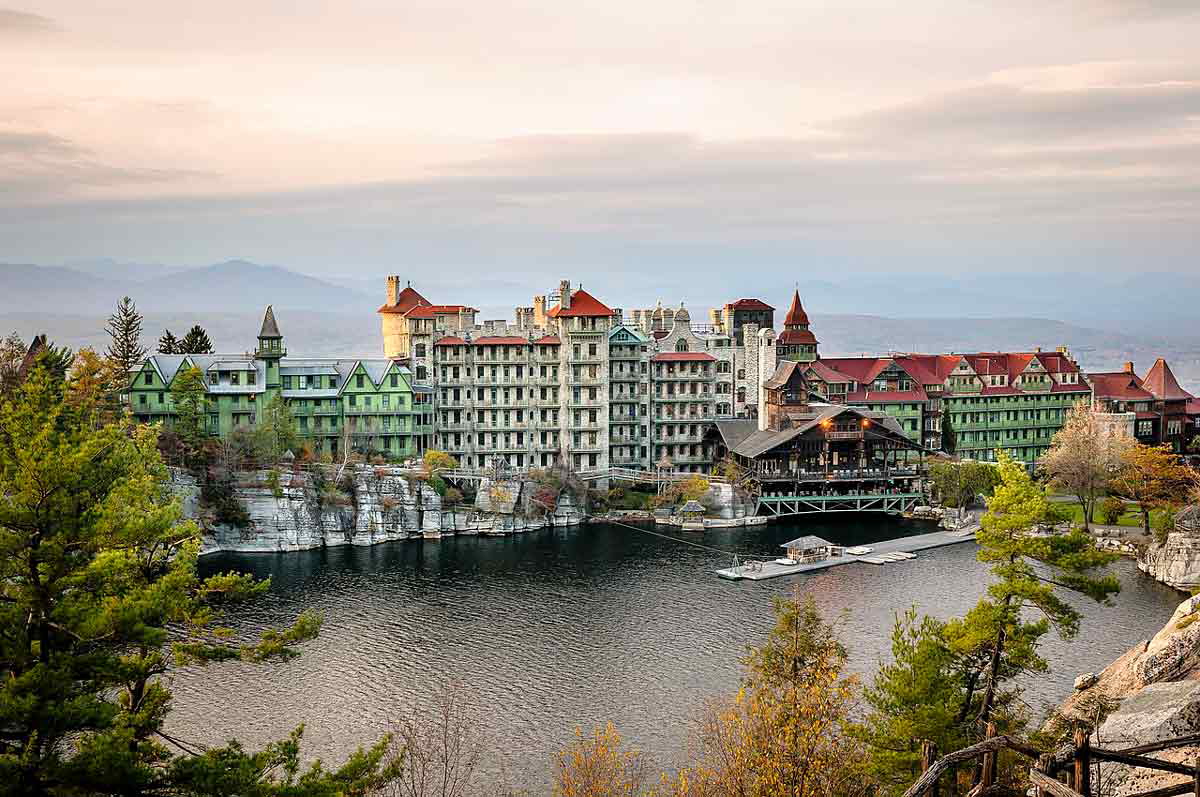
New Paltz, located on the Shawangunk Ridge, combines history with stunning natural beauty. In the early 18th century, it was settled by the French Huguenots beside the Wallkill River. The National Historic Landmark District has a reconstructed 1717 church on top of seven original stone houses.
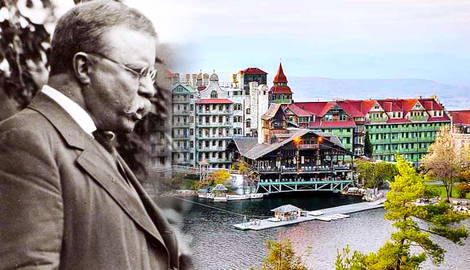
Head to the western side for 70 miles of trails at the Mohonk Preserve, where you can enjoy horseback riding, biking, hiking, and many other fun activities. Also, visit the world-famous Victorian-era Mohonk Mountain House on the edge of Mohonk Lake with 40,000 acres of enchanting landscapes, luxury accommodations, and a unique spa.
6. Huntington
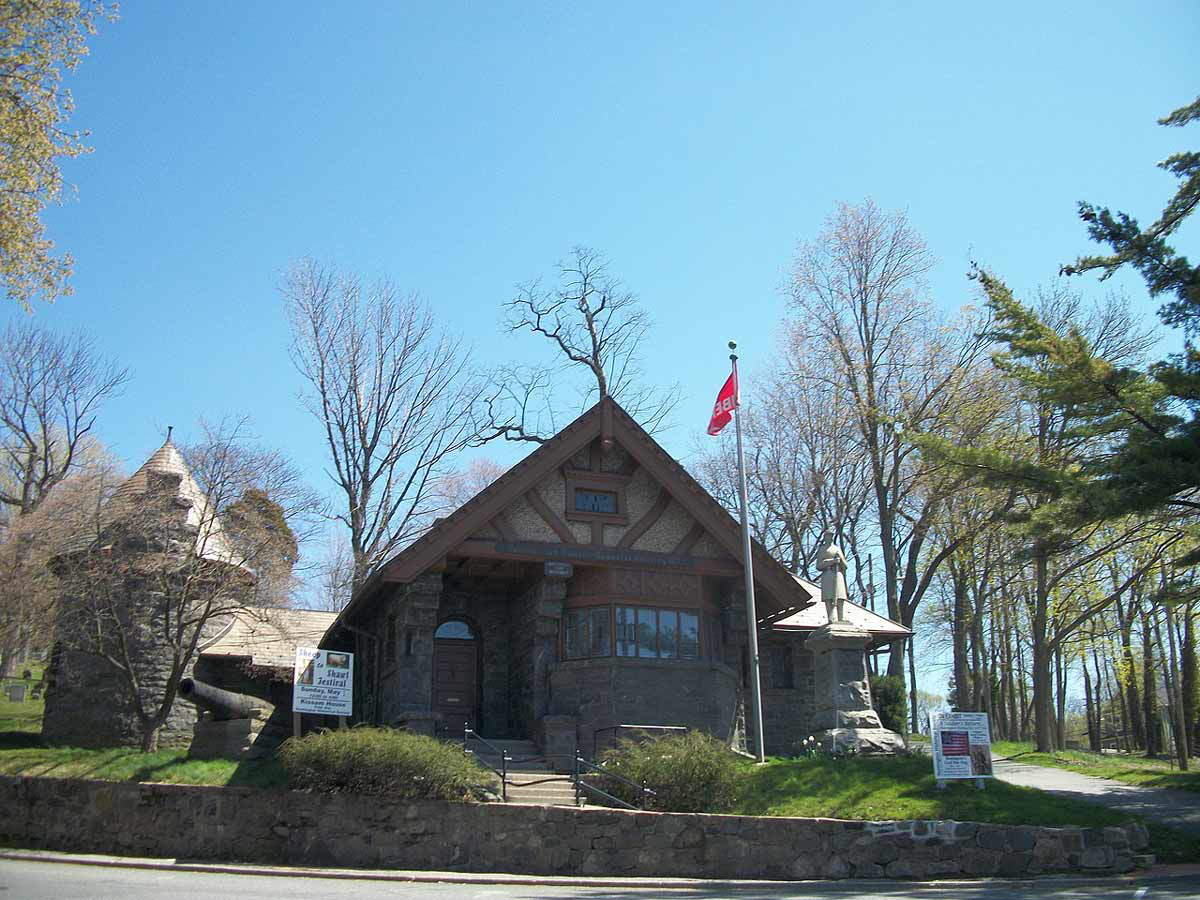
Home to various historic sites managed by the Huntington Historical Society, this town was founded in 1653. Located on the northern shore of Long Island, Huntington is famous for its well-preserved colonial architecture. Top sites include the Soldiers and Sailors Memorial Building and the Kissam House Museum. Both reflect the town’s role in the Revolutionary War.
If you fancy some good live music or an artistic performance, head to the Paramount Theater, located in a restored historic venue. For art lovers, the Heckscher Museum is a must. Here, you can see a wide collection of European and American art.
7. Lewiston
Lewiston, Inc.
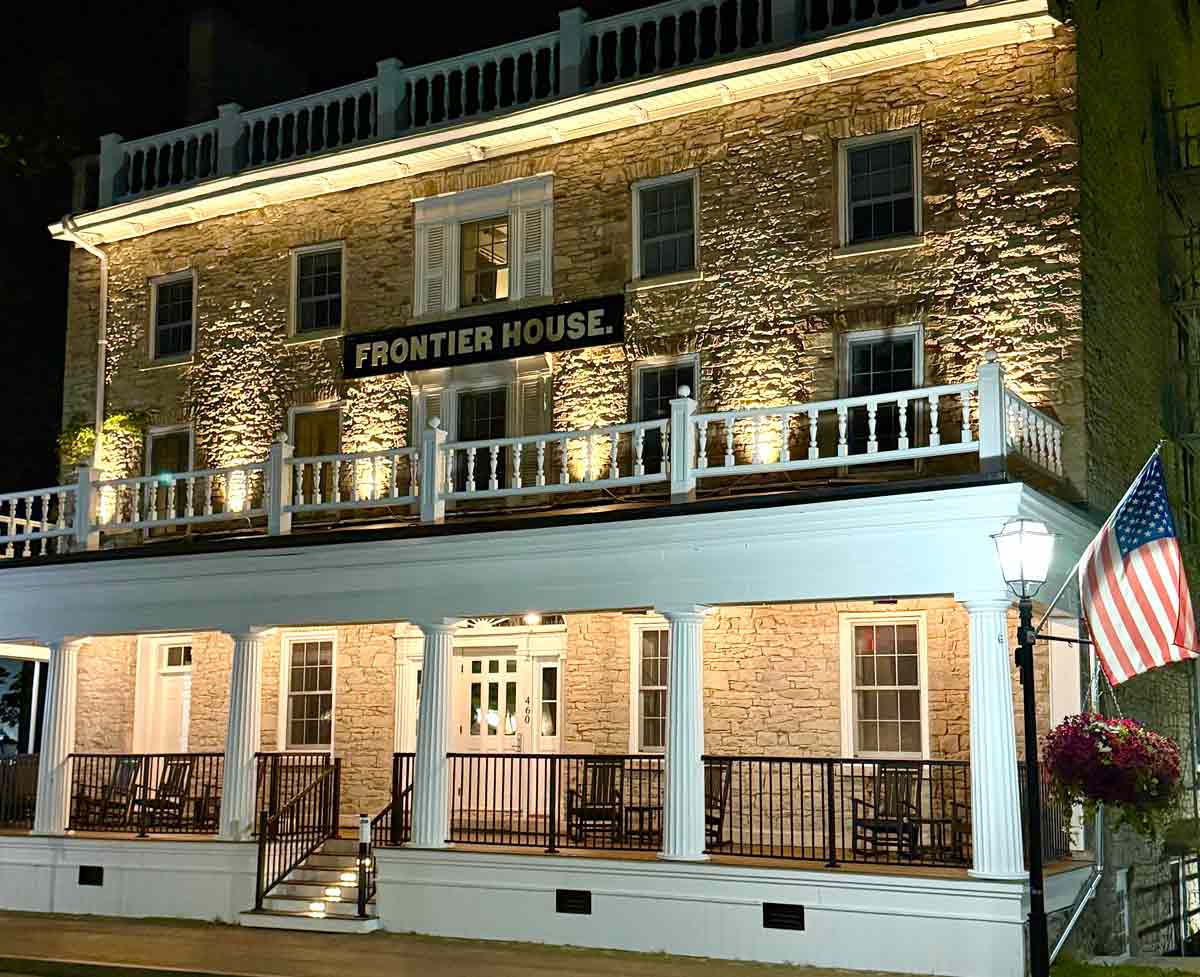
Lewiston is located around a 30-minute drive from Buffalo. It’s home to just 16,000 and was a crucial early European settlement between 1615 and 1720. This small town covers 64 square miles of land along the Niagara River. At Center Street, you can see historic buildings that are more than 200 years old. Do not miss the Frontier House there, built in 1824, which is on the National Register of Historic Places.
Lewiston played a big role as one of the final stops along the Underground Railroad. Several people had to break the law in Lewiston to help fugitive slaves make their way to Canada safely. Their story is celebrated by the Freedom Crossing Monument. Other historic monuments include the Tuscarora Heroes Monument and the Robert Moses Niagara Power Plant.
8. Lake George
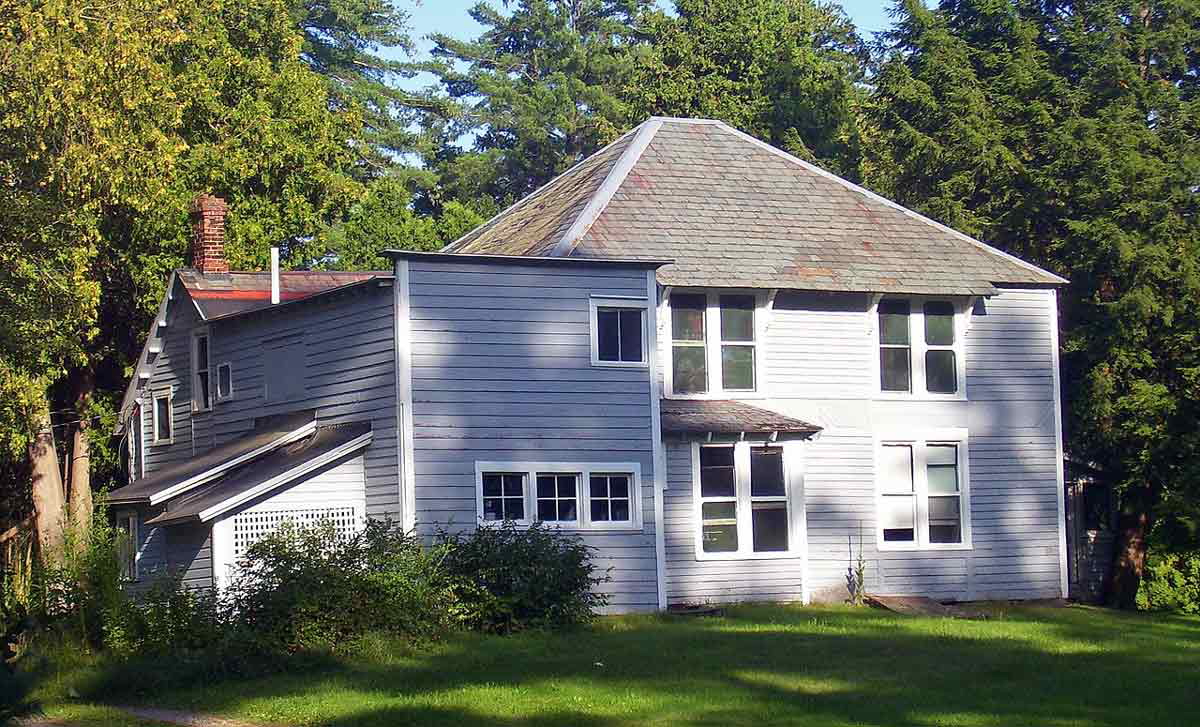
Founded in 1810, this beautiful town is located in the Adirondacks. Back then, it was known as the “Town of Caldwell.” It wasn’t until 1962 that it was renamed Lake George. It is home to a historic retreat center dating back to 1903. Wiawaka was established for female textile workers from Troy. Today, the center operates as a nonprofit.
National Historic Landmarks in Lake George include the Owl’s Nest and the Land Tortoise (radeau) Shipwreck Site. There is also the Wiawaka Bateaux Site, Royal C. Peabody Estate, and Wiawaka Holiday House. These are listed on the National Register of Historic Places. Head to Fort William Henry Museum to learn about the military history of this former British outpost.
9. Oyster Bay
Oyster Bay was first mentioned by Dutch Captain David Pietersz de Vries in his journal in 1639, after he was enchanted by the town’s beautiful harbor. In the same year, the Long Island hamlet was purchased by the Dutch from Native Americans. After that, it came under British rule. In 1667, Oyster Bay got its charter to become a township.
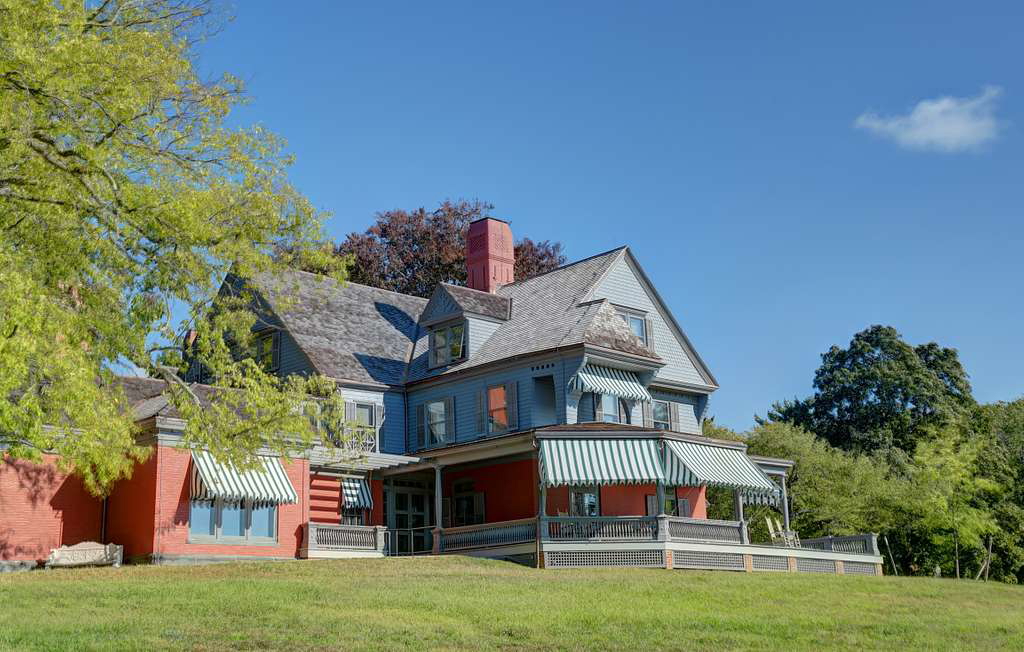
The town became home to President Theodore Roosevelt during the summer of 1885 and up to 1919, when he died. His home was located on Sagamore Hill, and it now belongs to the National Park Service. Lovers of art should head to Planting Fields Arboretum State Historic Park for some horticultural showings. There is also the Raynham Hall Museum, where you can learn a lot about the region’s history during the American Revolutionary War.
10. Cooperstown
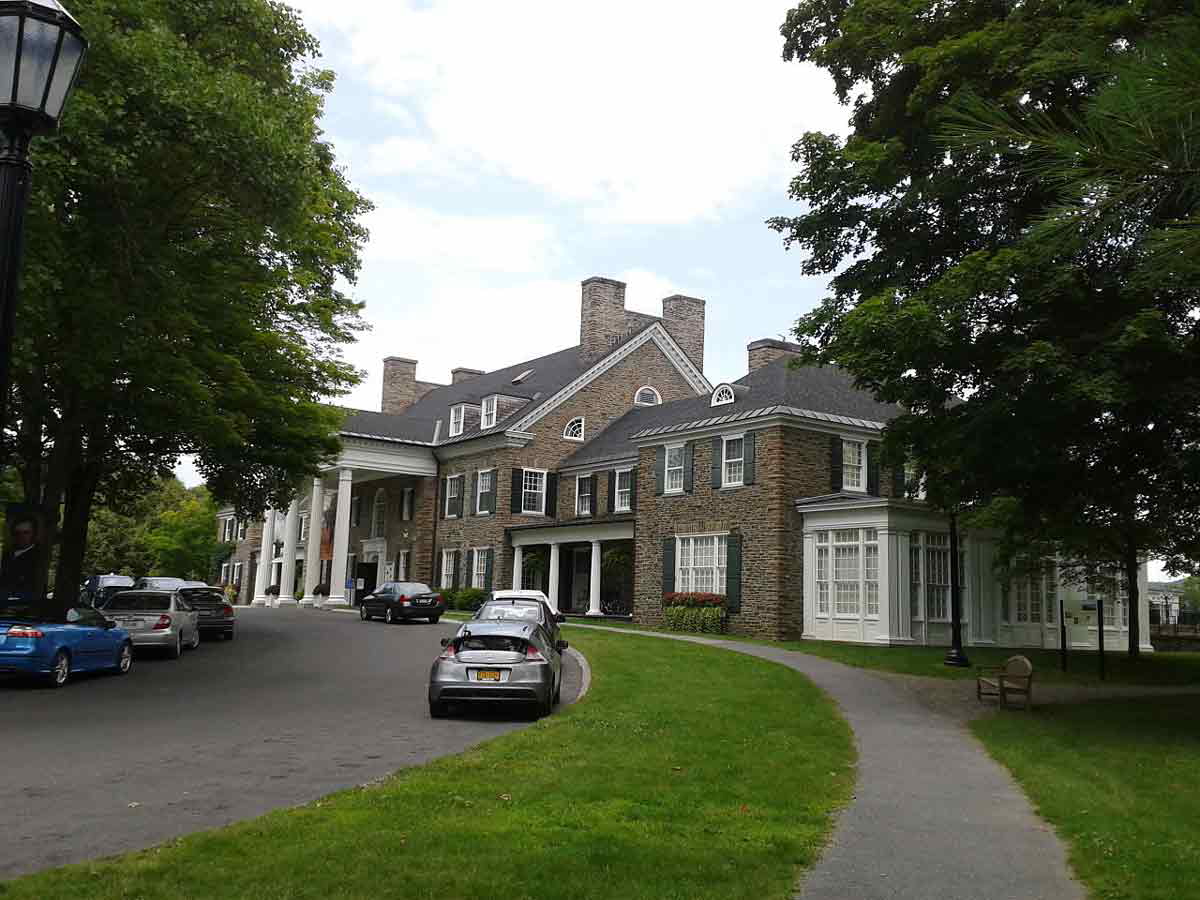
19th-century architecture and waterfront views await in this Central New York small village. More than 300,000 people flock every year to Cooperstown to visit the historic National Baseball Hall of Fame Museum. It was built here to boost tourism based on the myth that Abner Doubleday invented baseball there in 1839.
William Cooper founded Cooperstown in 1786. He was the father of James Fenimore Cooper, a famous American novelist. During the Revolutionary War, General James Clinton’s forces used Otsego Lake as a staging ground during the 1779 Sullivan-Clinton Expedition. Popular sites include the Farmer’s Museum, the Fenimore Art Museum, and Hyde Hall, a neoclassical country mansion with over 50 rooms and stunning architecture. Have a picnic on the lawn and marvel at the serene Otsego Lake during the afternoon for some chill time in Cooperstown.