
The masterpieces housed in Turin are perhaps less famous than those found in Florence, Rome, and Milan, but the city in northern Italy still has to offer a lot of exciting art and new perspectives on it. Apart from its unique collections of Egyptian and Oriental art, Turin has a bustling contemporary art scene and a long list of young cultural institutions to visit. Read on to learn more about must-see places for an art lover in Turin.
1. The Royal Museums in Turin
The history of Turin is impossible to detach from the history of the House of Savoy, the Italian royal dynasty that originated in the 11th century and still remains alive and present. The Savoy Royal palaces and castles now belong to the Italian state and function as a complex of museums of history and art. In terms of art, the most remarkable museums in the cluster are the Galleria Sabauda (or the Savoy Gallery) and the Antiquity Museum.
The latter was opened in 1724, being one of the first archaeological museums in Europe. Apart from the vast collection of artifacts, mosaics, and sculptures, it includes a still-functioning Roman theater. The Galleria Sabauda houses a collection of European and Renaissance art amassed by the Savoy dynasty over the centuries. The list of remarkable works is outstandingly vast and features paintings by Tintoretto, Andrea Mantegna, Tiepolo, Jan van Eyck, Rembrandt, and other great masters.
2. The Royal Library
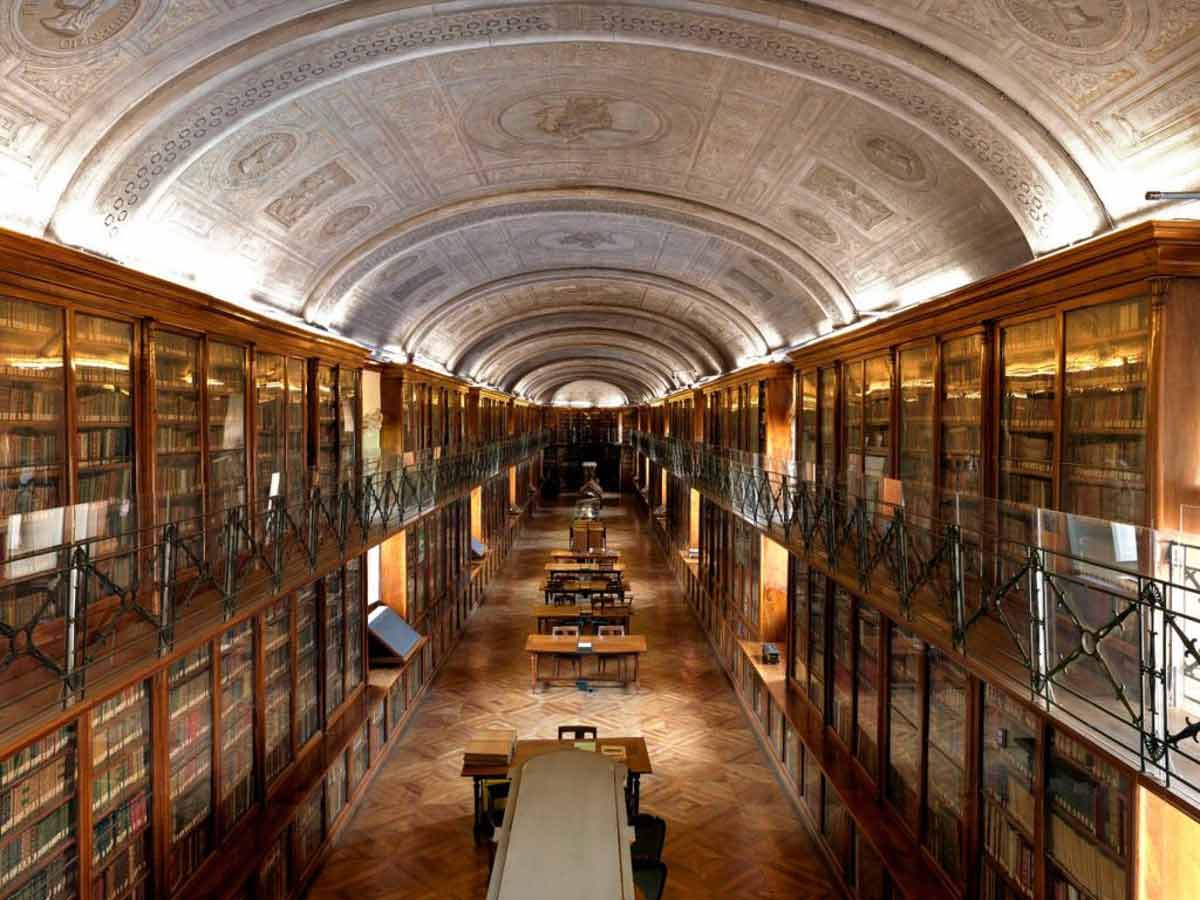
The persona and the work of Leonardo da Vinci certainly do not need any introduction. However, few people know that a famous drawing allegedly attributed to da Vinci as his self-portrait has its permanent home in the Turin Royal Library archives. Unfortunately, the work is in poor condition and thus rarely goes on display. Other works by da Vinci in the library’s collection include studies of his painted works, including drawings for the famous Madonna of the Rocks. Apart from da Vinci’s works, the Royal Library has a vast collection of drawings, engravings, maps, and manuscripts that visitors can access upon registration. The library opened its doors in 1842 and was composed mostly of manuscript collections amassed by the Royal House of Savoy.
3. Pinacoteca Agnelli
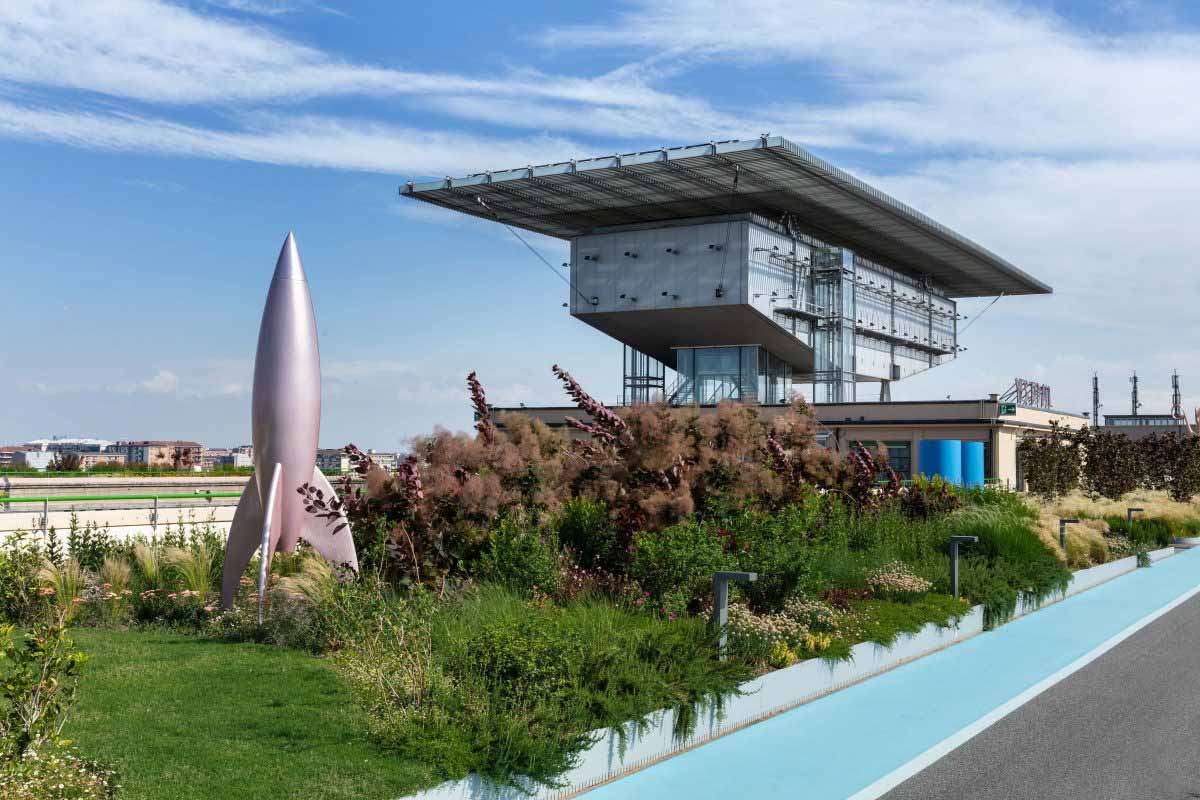
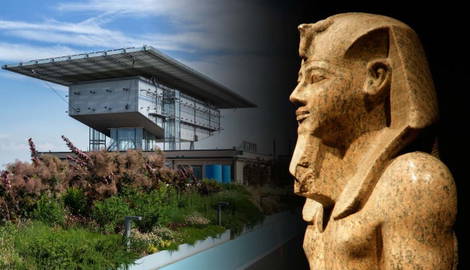
One of Turin’s most progressive and original art institutions, Pinacoteca Agnelli, is located on the top floor of the former Fiat factory. The innovative building had a spiral-shaped assembly line that ended with a test track for the finished cars on its rooftop. Today, the building is converted into a complex of shopping centers, cinema theaters, and concert venues, but it still has a lot to offer an art lover.
Pinacoteca’s permanent collection consists of 25 works belonging to Fiat founder Giovanni Agnelli. Despite its modest size, the collection consists of the highest-quality works by the greatest masters, such as Modigliani, Renoir, Matisse, Canaletto, and the famous Turin-born Futurist Giacomo Balla. The rooftop test track is home to site-specific installations by contemporary artists. Parts of the assembly line and former office spaces are used for temporary exhibitions of modern and contemporary art.
4. Palazzo Madama Museum of Ancient Art
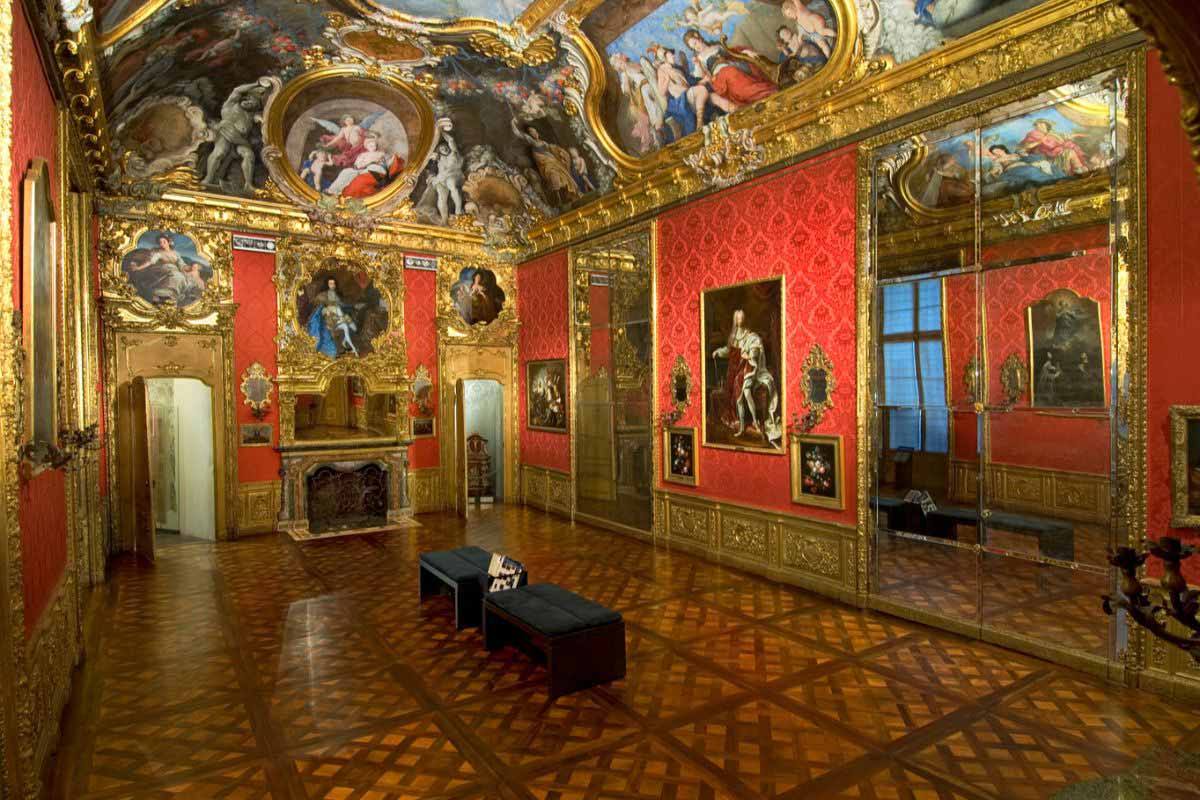
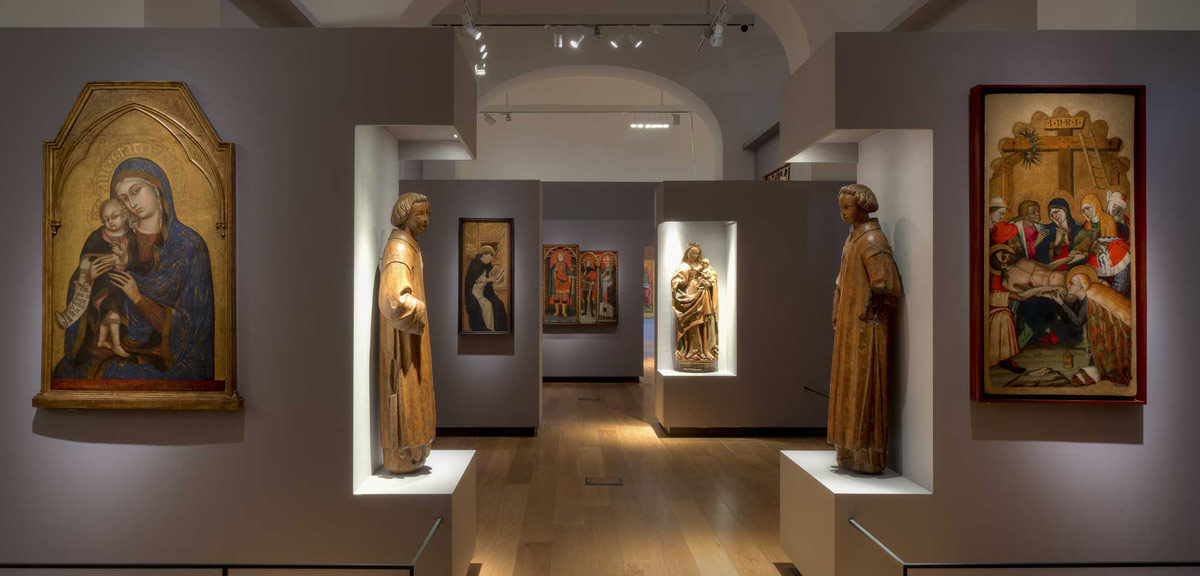
Another gem in Turin’s royal palace collection, Palazzo Madama, was previously occupied by the Savoy queens. Despite its confusing name, it has no Ancient art inside. The collection of antiquities was transferred to the Antiquity Museum in 1934, but the museum’s name stuck nonetheless. The most prominent elements of the collection include works from the Gothic and Early Renaissance periods by masters like Antonello da Messina and Orazio Gentileschi, the father and teacher of the famous painter Artemisia Gentileschi. Apart from fine arts, the Palazzo Madama collection dedicates special space to decorative and applied arts, such as porcelain, accessories, miniatures, and even hair jewelry, made for lovers and family members to keep the memory of their loved ones close.
5. Museo Egizio
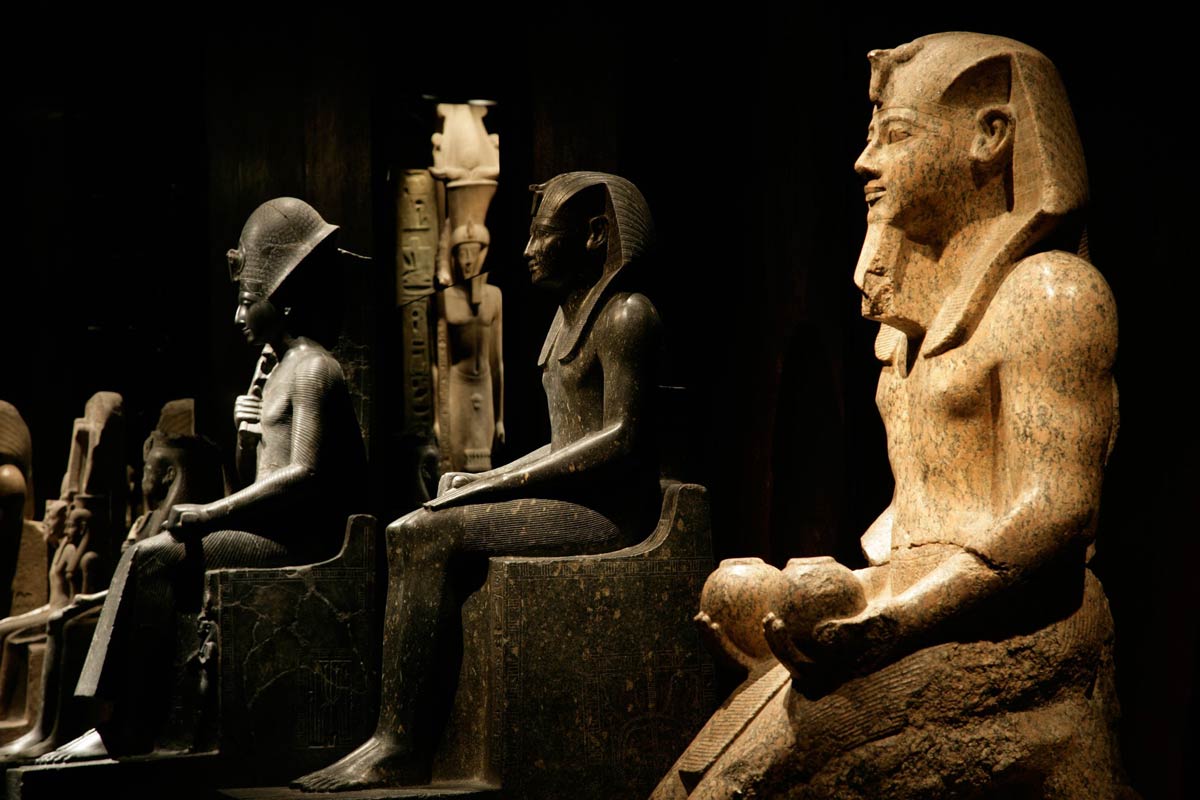
Turin is home to the second most important collection of Ancient Egyptian art and artifacts after the one held in the Cairo Museum. Museo Egizio, or the Egyptian Museum, owns more than 30 thousand objects, with one of its most treasured artifacts being the most ancient existing copy of the Book of the Dead from the 15th century BCE. The earliest Egypt-related artifact that arrived in Turin in 1630 was the Bembine Tablet of Isis, an artifact intended for a Roman temple of the Egyptian goddess. Museo Egizio presents a unique case of a Western museum of African culture that has not yet received any claims for restitution or compensation. Restitution experts believe that the majority of the collection was acquired legally from local Egyptian representatives.
Over the course of its long history, the famous philologist Jean-Francois Champollion, known for deciphering Egyptian hieroglyphic writing, based his discoveries on the documents he accessed in the Turin collection. Today, it also offers a small botanical garden dedicated to plants important to Egyptian culture.
6. Gallery of Modern Art (GAM)
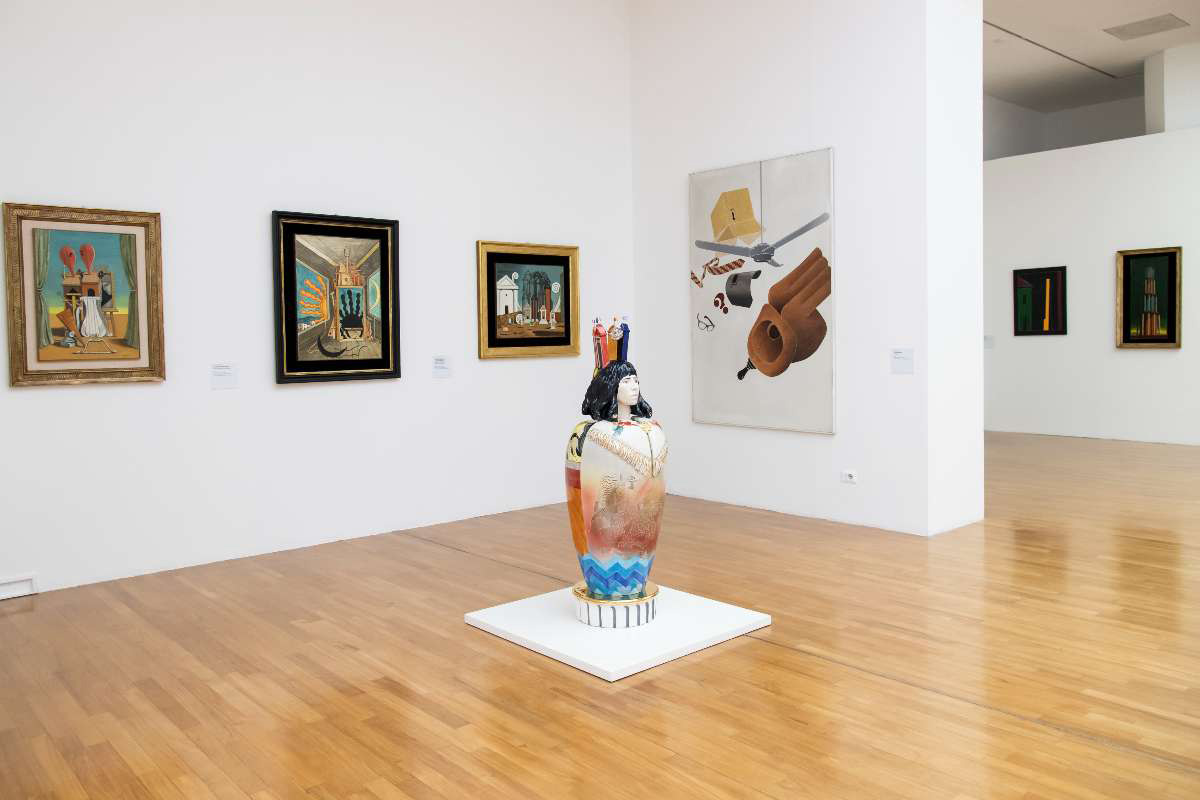
Galleria d’Arte Moderna, or GAM, is Turin’s most prominent museum focusing on modern art. The museum’s collection began in 1863 and became the first Italian institution to promote and demonstrate the art of the present era. Today, a collection of more than 45,000 artworks presents a detailed account of not only Italian but also European modern art. The names in the collection include Giorgio Morandi, Amadeo Modigliani, Andy Warhol, Giorgio de Chirico, Anselm Kiefer, Otto Dix, and countless other great stars. A special place in its collection is kept for the Arte Povera movement—a Turin-born branch of conceptual art that deliberately relied on poor materials, creating artistic value from dirt, rags, and stones. Apart from the exhibition space, GAM has a large art library with exhibition catalogs, books, and magazines on art available to visitors.
7. CAMERA
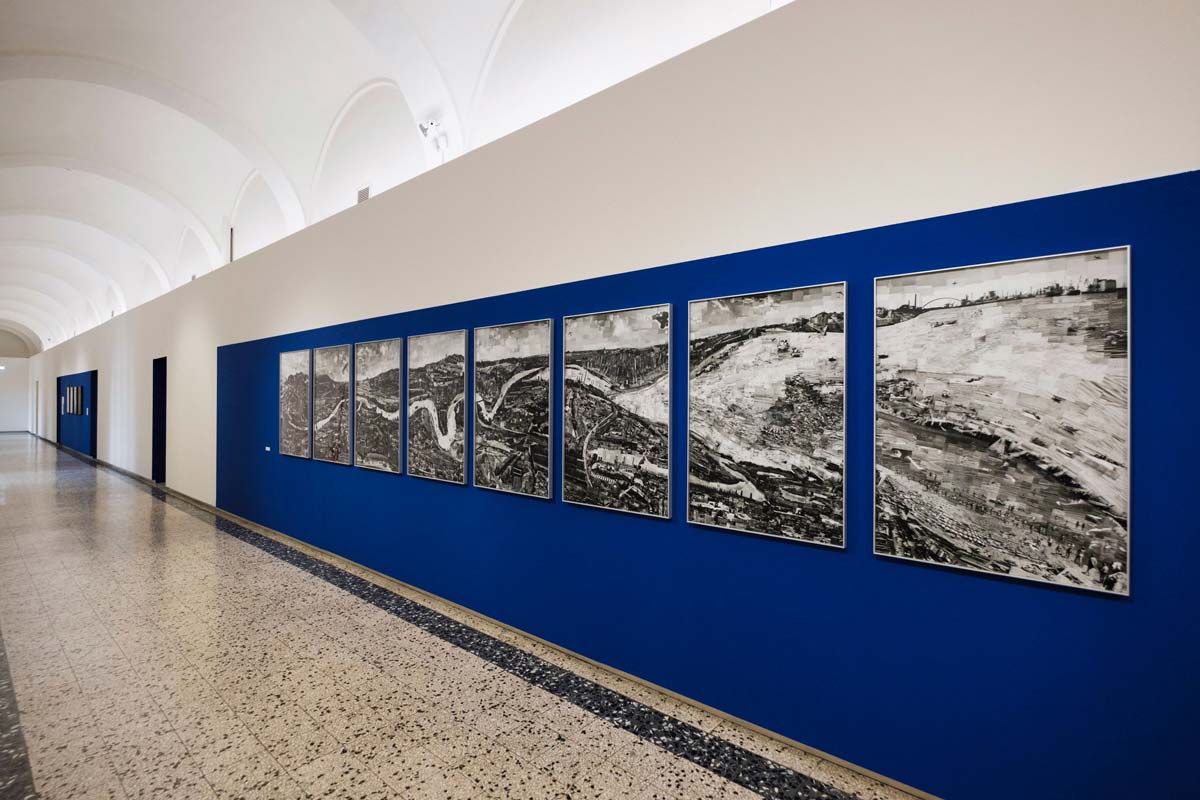
Photography enthusiasts would be happy to spend their time in Turin at the CAMERA Italian Center for Photography. The museum opened less than a decade ago with the support of the legendary Magnum Photos agency. Magnum Photos was founded in 1947 by a collective of renowned photographers that included Robert Cappa, Henri Cartier-Bresson, David Seymour, and others. Since 2015, CAMERA has exhibited works by internationally famous photographers like Margaret Bourke-White and photo installations by activist artists like Ai Weiwei, Man Ray, Carlo Mollino, and many others. It also keeps a vast archive of Italian photography and frequently arranges thematic exhibitions dedicated to certain fragments of Italian society.
8. Museum of Oriental Art (MAO)
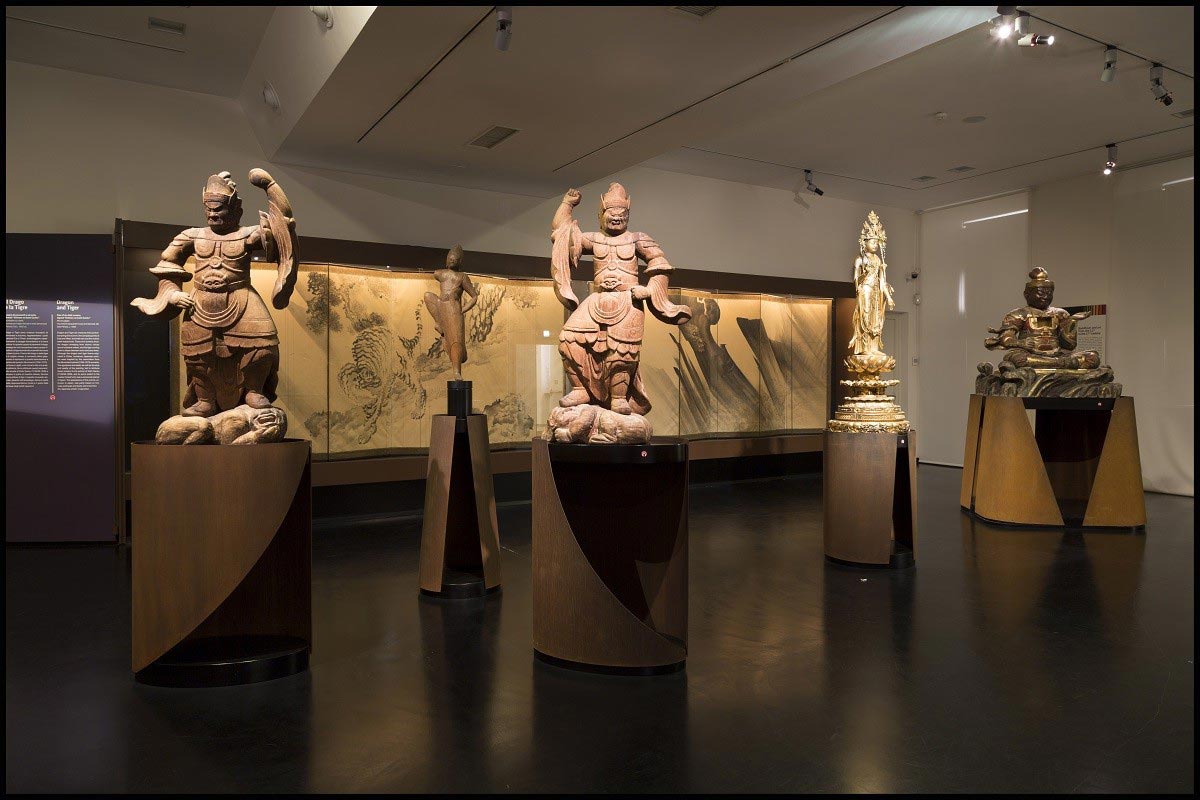
Another remarkable Italian collection of non-Italian art can be found inside a magnificent 17th-century palazzo that once belonged to a Turin marquis. Inside, one will find an extensive collection of Japanese, Chinese, Himalayan, South- and Southeast-Asian art, as well as works and artifacts from the Islamic world. Opened in late 2008, the collection consisted of both the Italian state museums’ belongings and contributions from private collectors. Today, MAO aims to position itself as an institution that goes beyond being a Western museum of exotic non-Western cultures. Its recent projects aim to establish cultural dialogues between ancient and contemporary Eastern artists and their Western colleagues.
9. Galleria d’Italia Turin
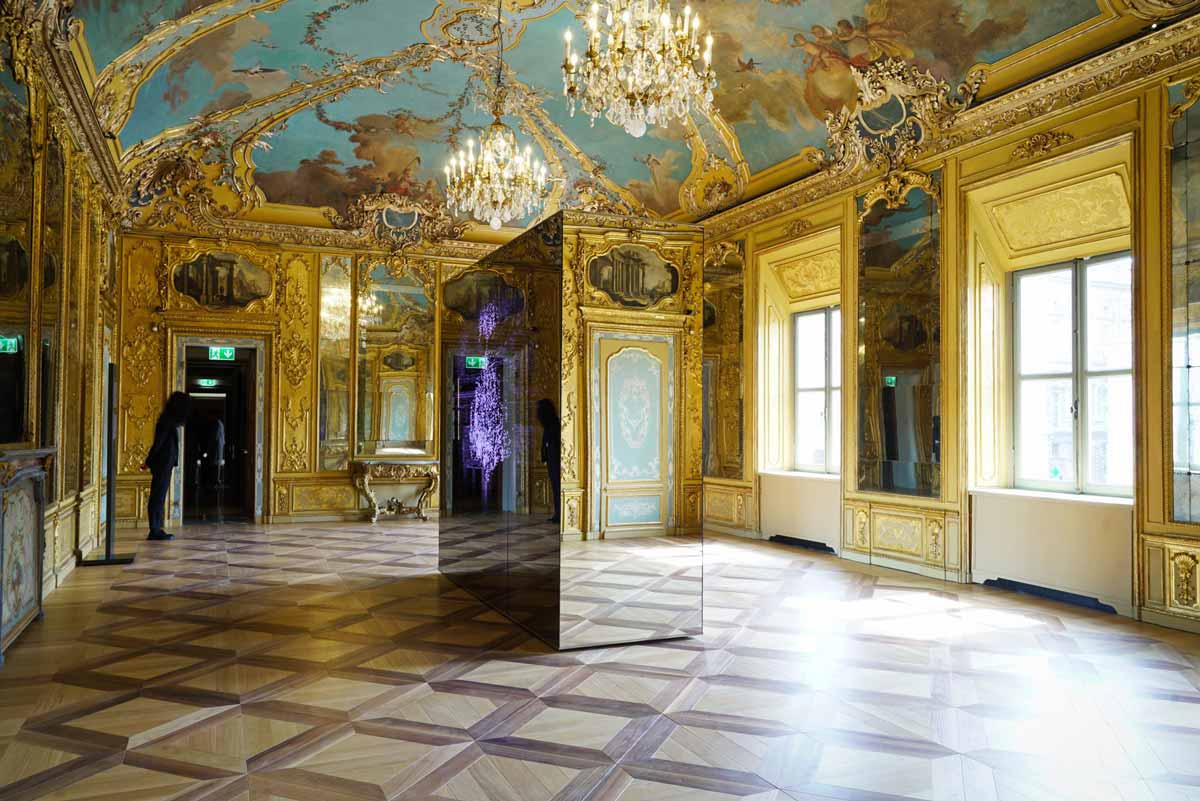
Galleria d’Italia is a network of museums located in several important Italian cities, namely, Turin, Milan, Naples, and Vicenza. The Turin branch has a surprisingly diverse set of collections: an archive of photography and video art is accompanied by tapestries and furniture from the 14th to 18th centuries. Although such pairings feel counterintuitive, there is more logic in it than it seems. The post-World War II Turin saw an explosion in interest in antique furniture and artifacts. The creators of innovative photo and video work, as well as their patrons and collectors, were familiar with the aesthetic, although the former usually opposed it, and the latter accumulated in their homes.
10. Fondazione Merz: Turin’s Hub for Highbrow Contemporary Art
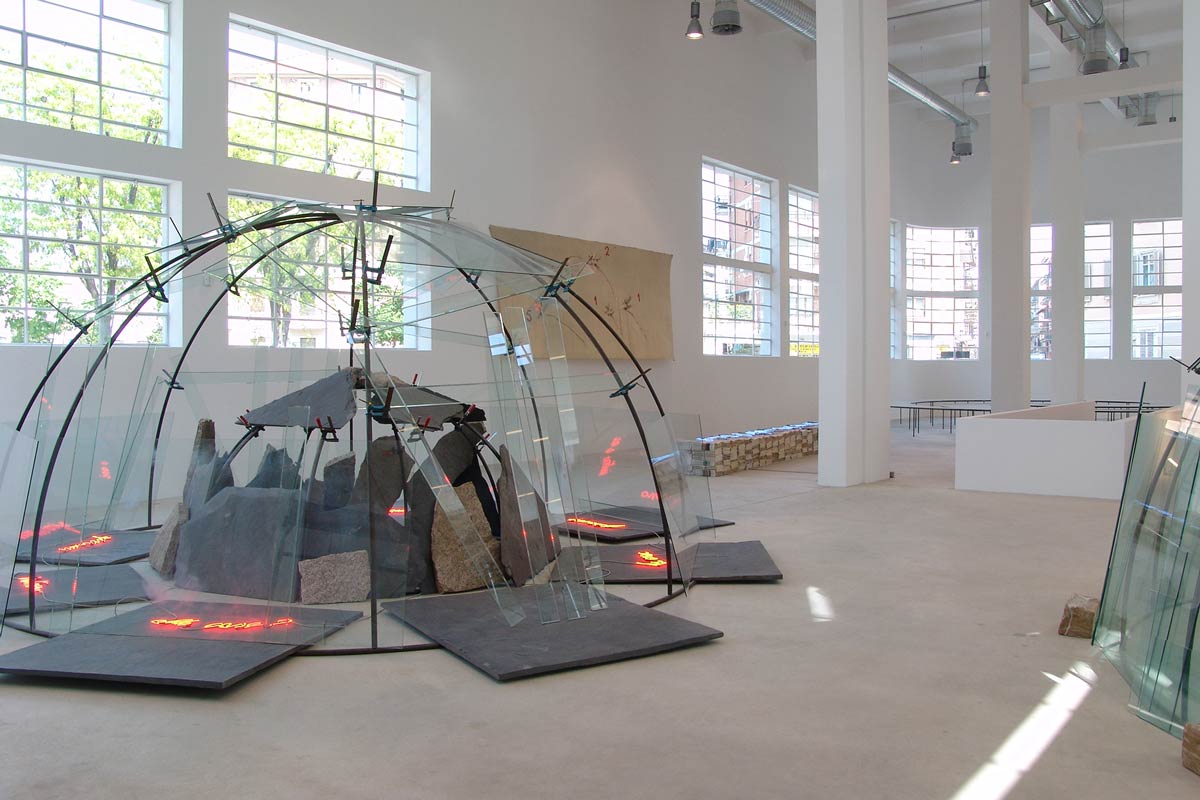
Inside a former power station built in the 1930s, admirers of contemporary art would find a remarkable collection of conceptual art. The foundation in charge of the project was named after Marisa and Mario Merz, remarkable artists who became famous in post-war Turin. Marisa Merz was the only woman to be associated with the Arte Povera movement and a former ballerina who modeled for Felice Casorati. Mario Merz was a former medical student with no evident inclination to art. He started to draw during World War II while he was imprisoned for being a member of the anti-fascist group. Merz’s works were recognizable by the motif of an igloo, interpreted as a symbol of human resilience and adaptability. In addition to housing Marisa and Mario Merz’s works, the foundation arranges exhibitions of prominent contemporary artists like Kara Walker and Christian Boltanski.