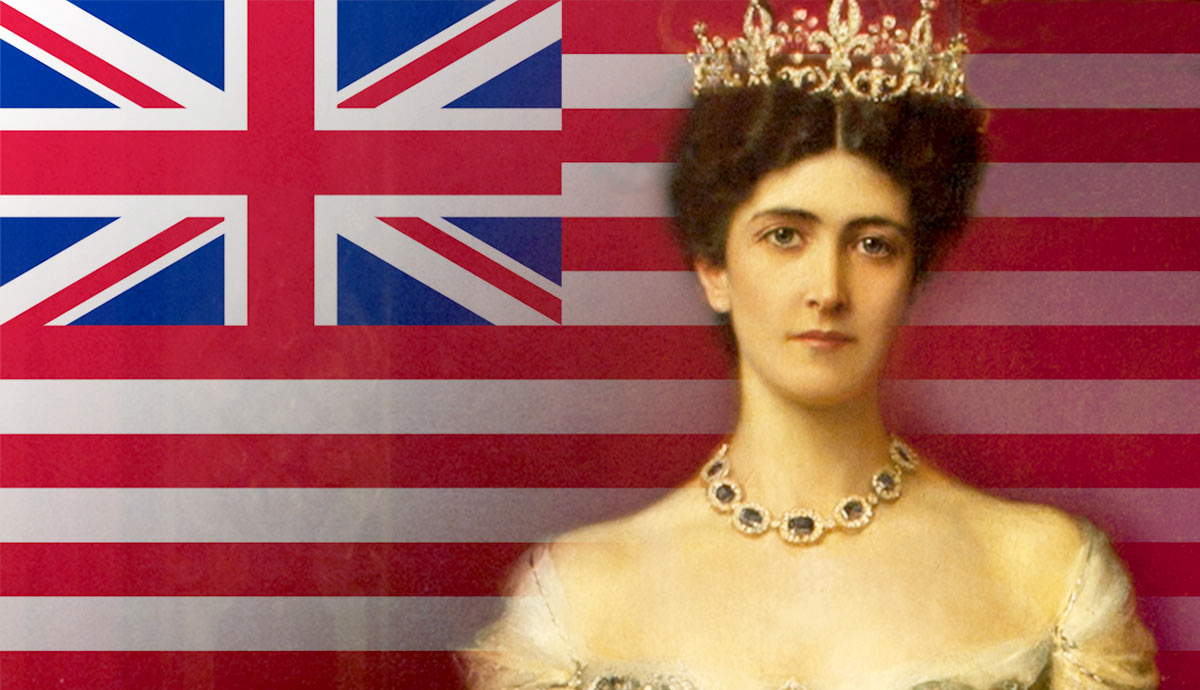

This textile called chintz has an intriguing history. The prowess of the Indian textile industry was well established long before European encounters, and its mastery of craftsmanship and technical knowledge is what enticed Western consumers to indulge in this cotton fabric. From fashion to interior decoration, chintz integrated seamlessly into European life. Being traded within imperial networks when India was under colonial rule, this textile had major economic and cultural implications, transforming India’s textile industry from the nineteenth century onwards.
What Is Chintz?
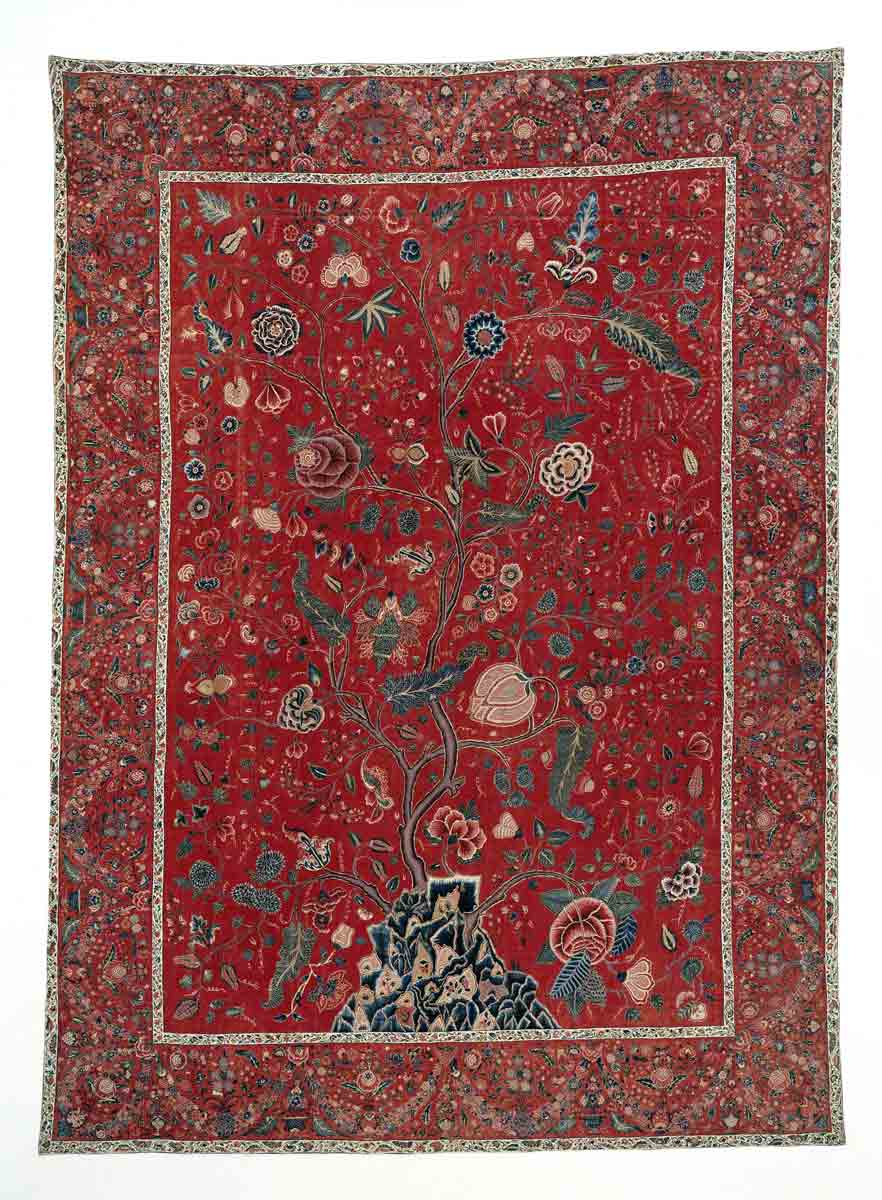
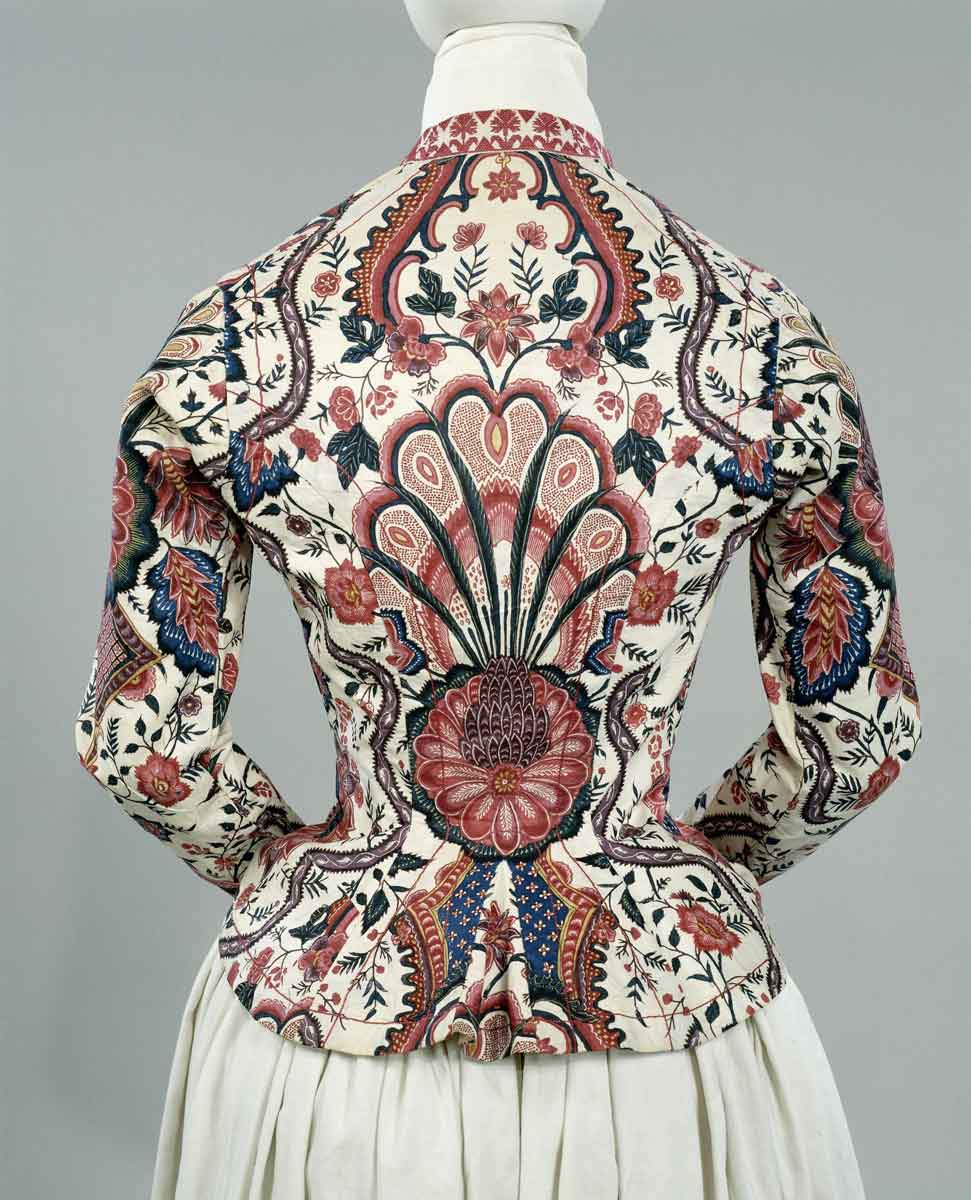
Chintz refers to woven cotton fabric (calico) that is painted or printed with abstract and vegetative designs. The vibrant and fast colors of the designs are made using different kinds of natural dyes, such as indigo, along with metallic salts called ‘mordants’ that make the dye stick to the cloth, and resists such as wax that repel the color. Chintz has a long history in the Indian subcontinent, dating as far back as the 10th century, and perhaps even earlier. The word chintz, however, is more recent, coined in the early-17th century, deriving from the Hindi word chint, referring to spots or specks, alluding to the colorful patterns on plain cotton cloth.
Chintz was primarily produced in central India and on the western and eastern coasts. The multi-step process of producing this textile required both technical and artistic skill, which is why its production was limited to specific centers populated by artisans. Fabrics with hand-painted designs are known as kalamkari, literally translating to “pen work.” These were produced in specific regions in India, such as the town of Masulipatnam on the Coromandel Coast, located in the south-east, and the town of Sironj on the western coast.
On the other hand, the manufacture of printed chintz fabrics using wooden blocks was dominated by towns and villages along the western coast of India. The process of printing was naturally faster and resulted in large quantities of chintz produced in a shorter time, while hand-painting cotton cloth was a painstaking process that required skilled artisans and a longer production timeline. Despite the skill and knowledge required to produce chintz, the artisans generally worked under conditions of extreme poverty. The production was distributed among a group of people, usually joint families, where each member would specialize in a particular step of bringing this luxurious textile to life.
First European Encounters
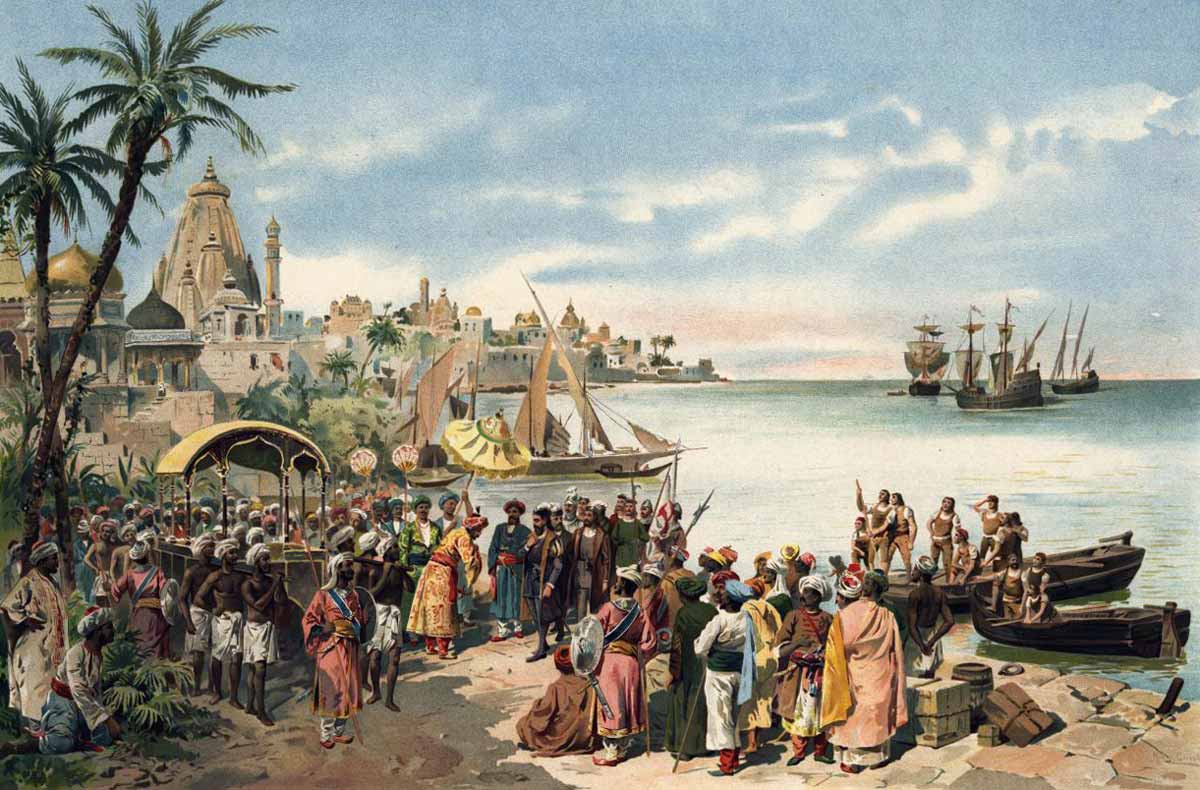
While India had already been exporting chintz to parts of Asia and Africa, the beginning of its chintz trade with Europe began in 1498 when the Portuguese explorer Vasco de Gama reached the port of Calicut (present-day Kozhikode port) in Kerala, India, and brought Indian cottons back to Europe. By the early 1500s, the term pintado, meaning painted in Portuguese, began to be used to refer to Indian painted and printed cotton fabrics. Chintz soon became highly sought-after in other parts of Europe as an exotic product from the East. The depictions of flora and fauna from distant lands fascinated European consumers, but the determining factor in its popularity in Europe was the vibrancy as well as the fastness of its colors.
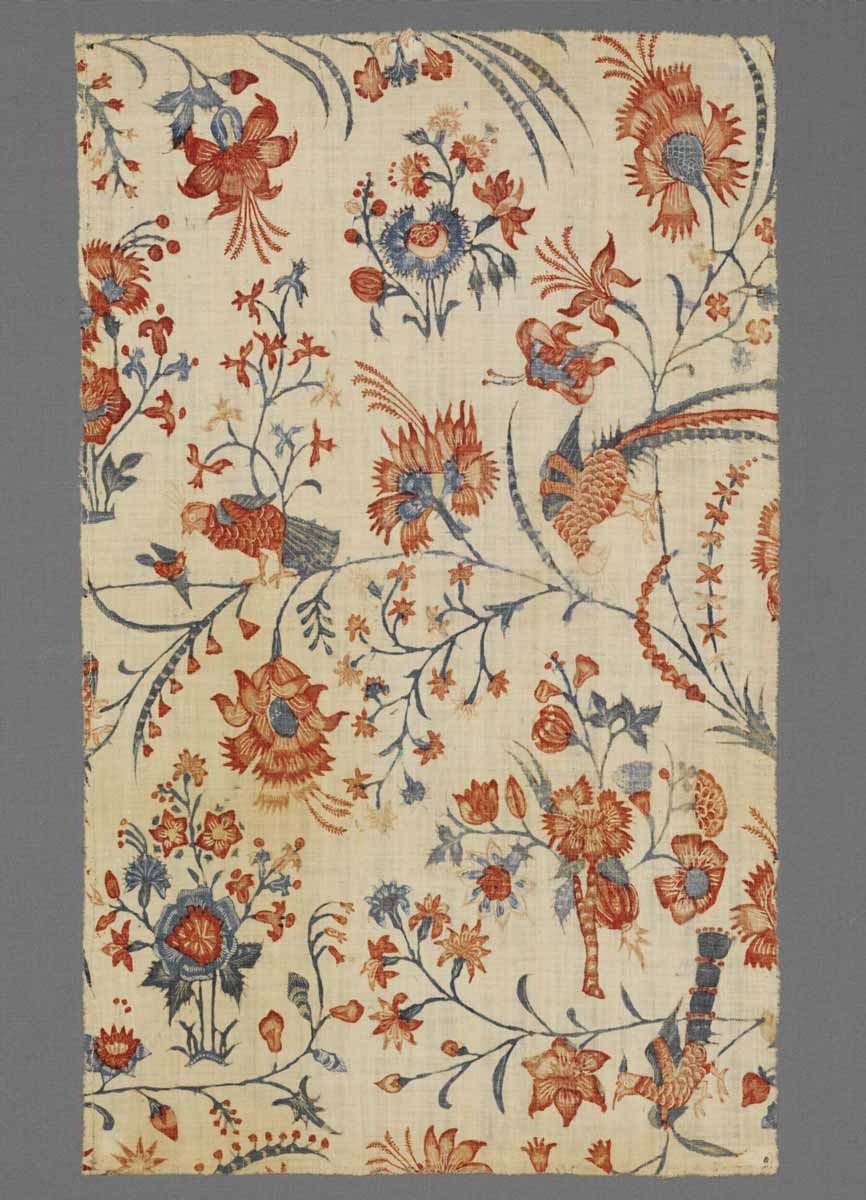
Over generations, Indian artisans had discovered specific materials and technical processes that enabled natural dyes to retain their brightness and intensity over long periods of time. One of these techniques was the use of resin to cover the cloth. The dyes were fixed on the cotton cloth using mordants, and resin allowed the mordant to remain limited to certain areas where the dyes would be added after washing the cloth. At the same time, resin allowed for a deeper intensity of colors. Along with technical knowledge, the geographical features of the Indian subcontinent facilitated the production of chintz—the climate was suitable for cotton cultivation and a variety of natural dyes could be extracted from plants.
At the same time, the chemical properties of certain Indian rivers where the cloth was washed were ideal to further intensify the effect of the dyes. Eventually, the demand for chintz in Europe grew as it established its position in daily fashion and furnishing, a phenomenon that later transformed the fate of this industry as well as colonial history.
The Craze of Chintz in Europe
Chintz became a textile staple in Britain and France in the 17th century, largely used for furnishing textiles, such as curtains, wallpapers, hangings, and bedding, as well as clothing. For the latter, chintz fabric was fashioned into gowns, coats, jackets, men’s dressing gowns, and even children’s clothing. The reason that chintz found a potent market in Europe was due to its diversity in designs, comprising geometric or floral patterns, as well as a variety of colors.
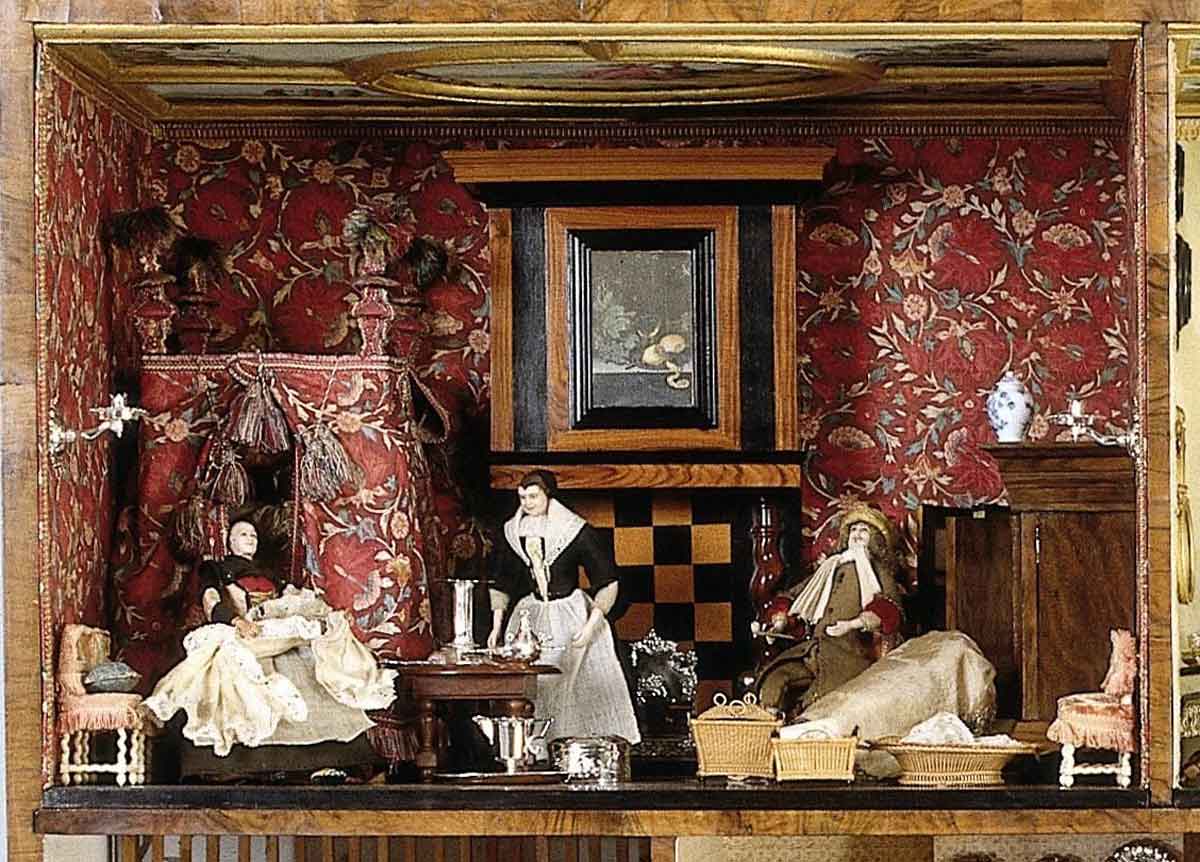
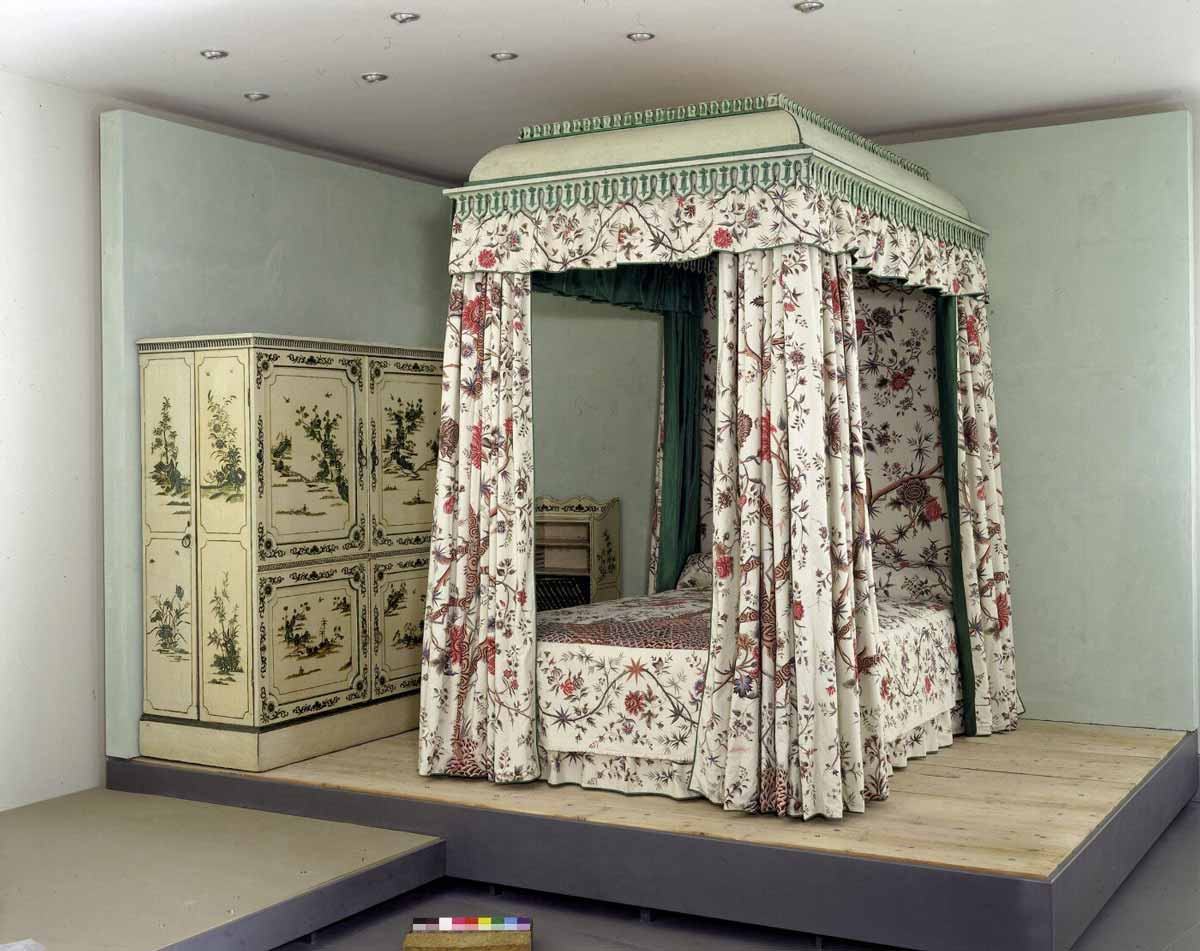
Over the course of this century, European domestic interiors were dominated by chintz. An example of its popularity in furnishing can be seen in the maternity room on the second floor of Petronella Dunois’ Dolls’ house from the 17th century that is covered in chintz wallpaper. Further, bedspreads and palampores (bed covers) made of chintz took over British bedrooms, as can be seen in the bedroom in Houghton Hall.
While extremely popular in Europe, chintz was still considered an ‘informal’ and feminine fabric compared to silk and velvet, which were traditionally used in European homes. This is why the former was largely confined to private rooms such as the bedroom and maternity room, while the latter maintained their position in formal rooms. Nevertheless, by the end of the 17th century, Britain, France, and the Netherlands were receiving over 1 million pieces of chintz per year.
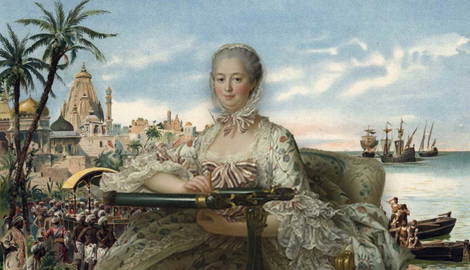
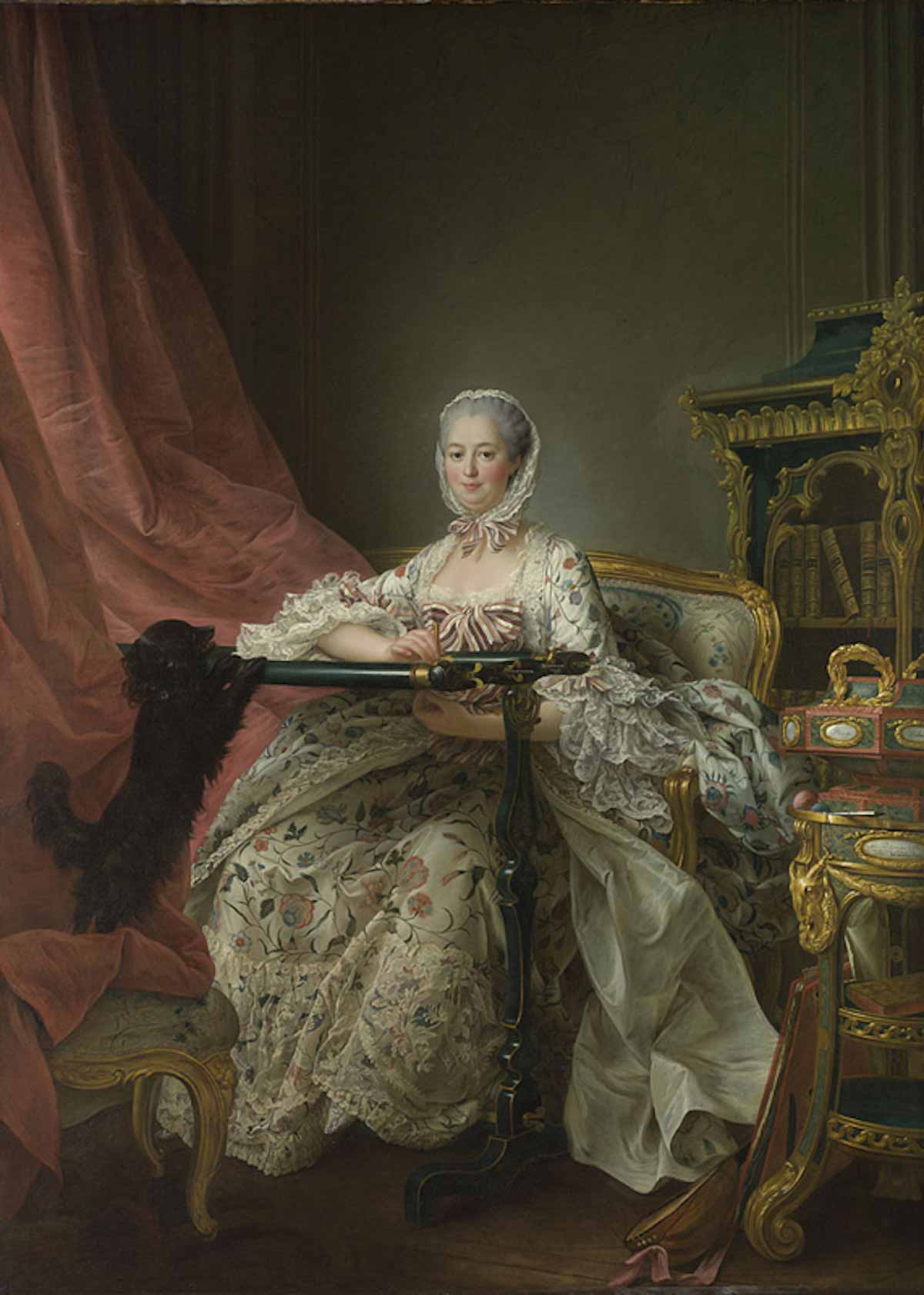
Due to the affordability of this textile, it was consumed not only by the elite but also by people belonging to the working class. The latter would often fashion chintz cloth into clothing, a trend that eventually caught up with elite fashion. This is evident in the portrait of Madame de Pompadour, mistress of Louis XV, made in 1763-64, in which she sits in her apartment in Versailles donning a gown made of chintz with marvelous and vivid floral patterns swirling across the white background of this textile.
As the demand and use of this textile in everyday European life grew, the floral design and vibrant colors characteristic of Indian cottons evolved to fit the taste of the European consumer. For example, European fascination with Chinese floral motifs resulted in chintz fabrics depicting such motifs reimagined by the Indian artisan. Further, traditional Indian chintz depicted designs on a cloth dyed in a dark color, primarily red, but most European consumers, apart from the Dutch, preferred a white cotton cloth depicting brightly colored designs.
This is why most of the chintz fabrics exported to Europe have a lighter background than those produced for the Indian consumer. Further, the Tree of Life motif, commonly found in palampores, became particularly popular in chintz cloth exported to Europe. This motif depicted a large tree at the center, with numerous flowers, branches, and fruits emerging from it, covering the entire patterned surface. Essentially, chintz designs catering to the European taste combined motifs from different cultures to exaggerate the exotic qualities of this cloth.
Europe Responds to the Chintz Craze
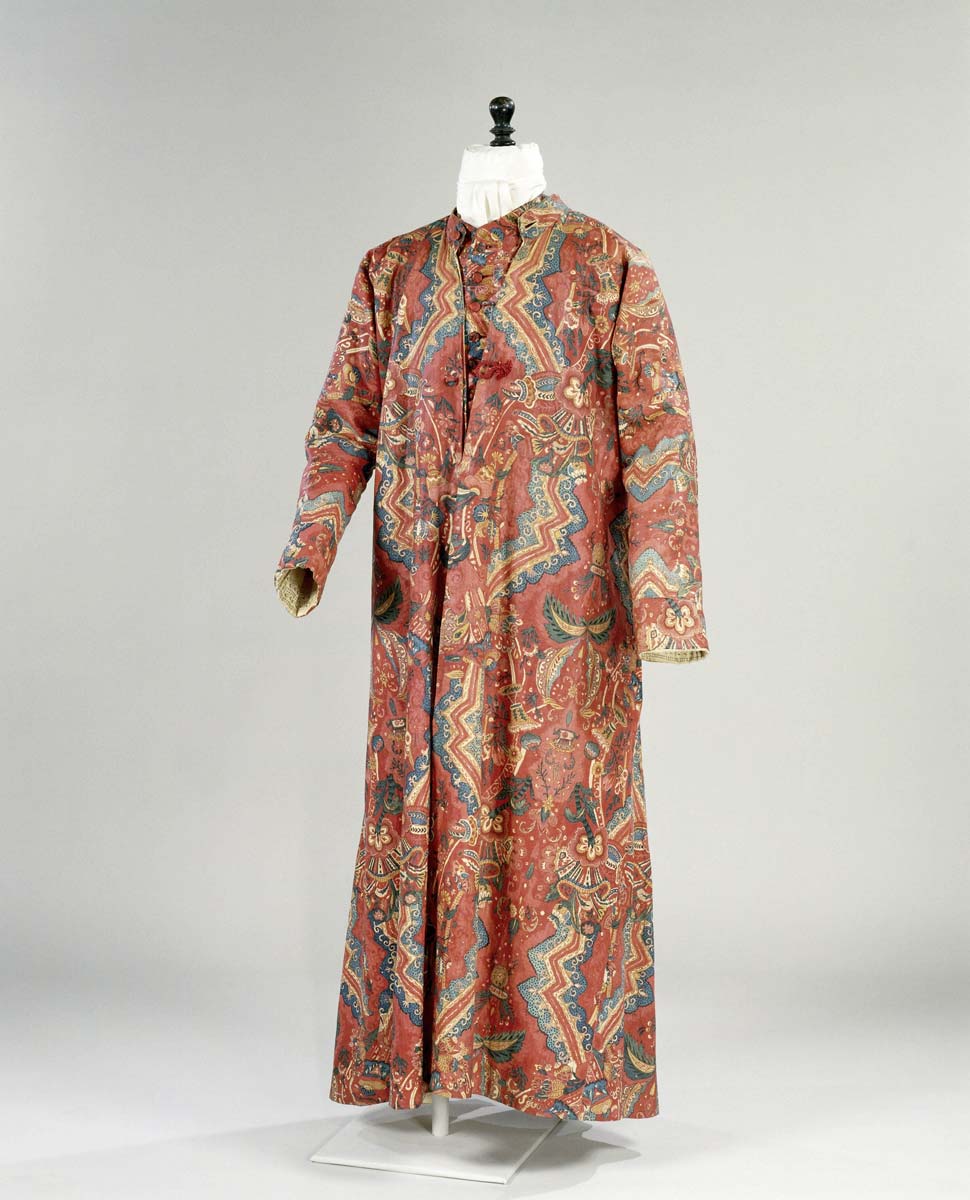
Chintz was extremely popular in the Netherlands, France, and Britain. As large quantities of this textile were imported from colonized India by these countries due to increasing demand, the domestic wool and silk industries suffered. Unrest grew among the local textile workers as they demanded better protection from the government. In 1686, France declared a ban on Indian chintz imports to protect its silk industry, followed by a partial ban in Britain in 1700. However, while chintz became contraband, these bans did little to curb its demand or use. Throughout the ban periods, significant amounts of chintz from India were smuggled into European countries and continued to be worn by people as merchants and officials worked within legal loopholes to make this possible.
This craze for painted and printed cottons from India compelled European textile manufacturers to enter this flourishing market. By the late-17th century, Dutch, French, and British manufacturers successfully produced imitation chintz cloths that circulated among domestic markets. These imitations frequently used plain Indian cotton cloth as a base over which designs were printed by European artisans. Over time, this industry started implementing mechanized production methods through the use of copperplate printing as well as the roller-printing machine, which enabled the mass production of these textiles. For a certain period, the calico bans in France and Britain also included domestic manufacture of printed cotton textiles, but this was legalized in the early 1700s.
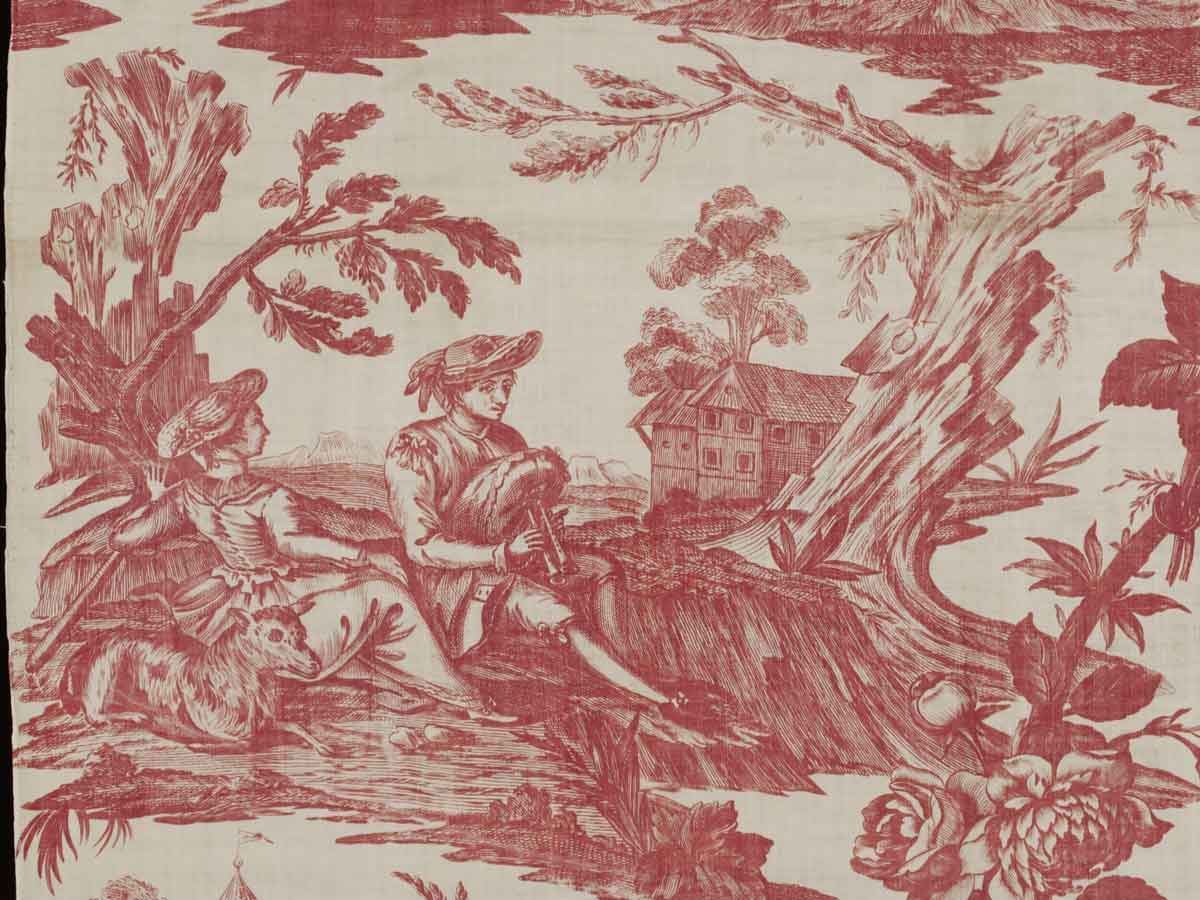
While popular, European-made printed cottons were not always in true imitation of Indian chintz designs, but rather adaptations and hybridizations of both Indian and European motifs. For example, the Oberkampf factory, established by Christoph-Philippe Oberkampf near Versailles, was a leading producer of printed cottons inspired by Indian chintz, called toiles de Jouy. These differed from the colorful designs of the former as they were monochrome printed cottons displaying French pastoral scenes. On the other hand, in 1746, textile manufacturers in the French town of Mulhouse, in the Alsace region, started producing printed cotton fabrics in imitation of Indian chintz, called indiennes, which were much closer to the originals.
The Afterlife of Indian Textile Chintz
The import ban on Indian chintz established the European imitation chintz manufacturers in the market, as they became the primary suppliers of chintz fabrics. While this ban was eventually lifted, things were not the same for the Indian textile industry. The trade of this fabric constituted a major portion of India’s economy, with Europe eventually becoming its largest consumer. The loss of this market, despite the smuggling, had long-lasting impacts on this industry. The once-booming textile industry of India was overtaken by machine-produced European imitation textiles that were both cheaper and faster to manufacture than hand-made Indian chintz.
Eventually, these imitations were also supplied to colonized India by the English East India Company, further hurting the Indian industry. Historically, textiles have been central to Indian culture. The prominence of cheap machine-made textiles from Britain in India, therefore, surpassed economic implications. The loss of this textile tradition, so deeply rooted in cultural memory, was one of many such consequences of colonialism.
In 1905, the Swadeshi movement emerged in colonial India to counter the economic and cultural domination of the British Raj. The term swadeshi, which translates to of one’s own country, formed the core of the Indian independence movement, calling for self-sufficiency through domestic goods and rejecting British products. Mahatma Gandhi joined this movement in 1918 and positioned textiles at the center of the fight for independence. He urged people in India to boycott British-made textiles and rely on Indian-made cotton textiles to revive the domestic textile industry and, subsequently, its economy.
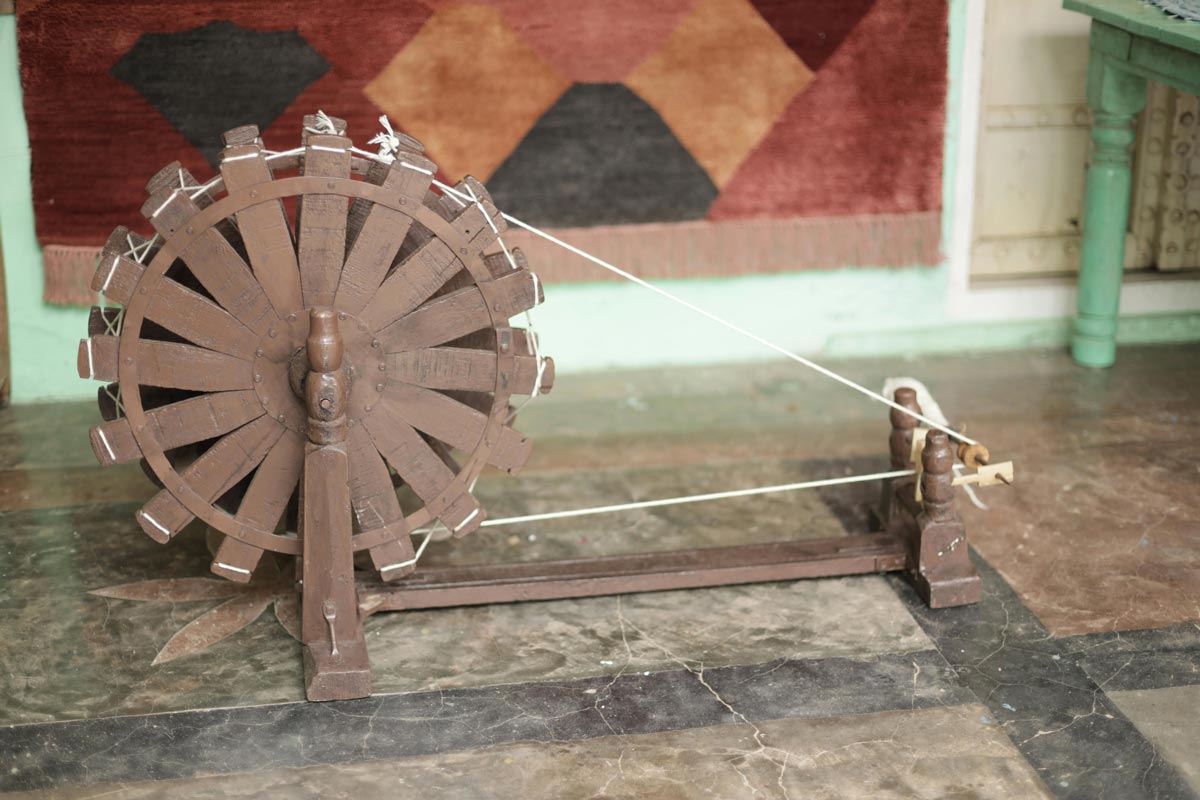
In 1921, several major bonfires were organized in Mumbai to burn 150,000 pieces of foreign cloth as a symbolic gesture of independence from British rule. In its place, Mahatma Gandhi promoted the production of woven cotton cloth called Khadi using a wooden spinning wheel, and this wheel was later added to the flag of the Indian National Congress.
Chintz, therefore, has a multifaceted history that not only shaped design, fashion, and interior decoration but also transformed trading practices, global relations, and the Industrial Revolution. It established its place in history both as an example of master craftsmanship and long-held artistic traditions that were admired globally, as well as a contributor to changing the course of colonial power. Today, the term chintzy is used to refer to something cheap and of poor quality, but at one point in history, something made of chintz signified luxury and the excellence of hand-made craft.