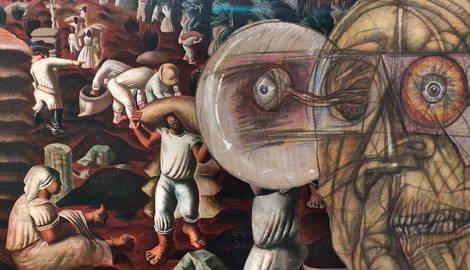

With over 215 million people, dozens of climates, and a diversity of cultures, it’s no wonder why so many Brazilian artists have risen in notoriety. From painters and sculptors to performance artists and street artists, Brazilian artists have changed the art world for good.
Below are 10 of the most influential Brazilian artists of all time. They have inspired new generations of artists in Brazil and internationally to continue pushing creative expression to new directions.
1. Brazilian Artist Tarsila do Amaral
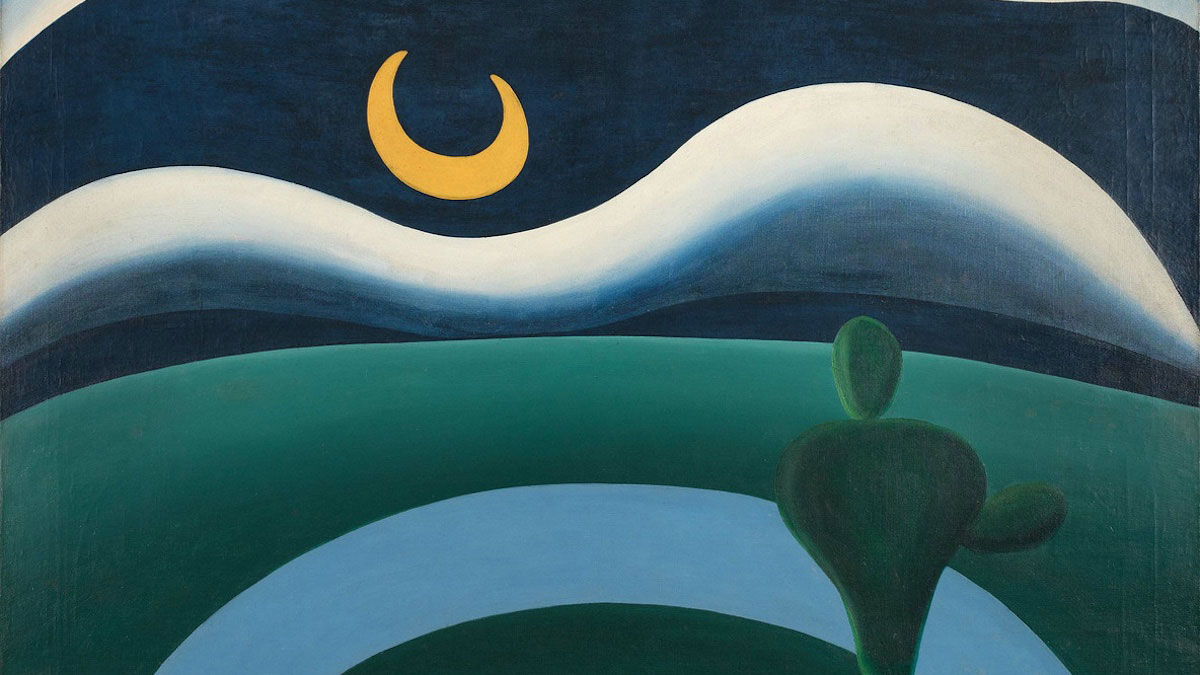
It’s hard to talk about Brazilian art without mentioning Tarsila do Amaral. Born in rural Brazil in 1886, Amaral attended art school in Paris and, when she returned to Brazil, helped revolutionize the country’s modernist movement. Amaral used cubism and traditional Brazilian folk art to help forge the Anthropophagic movement in Brazilian art. This style was meant to break Brazil’s art and culture away from the colonialism of the past to create an entirely new form of expression.
Some of Amaral’s most famous pieces include Abaporú, a depiction of a human-like figure sitting under a bright sun next to a cubist-style cactus. Other works, such as Carnival in Madureira, show Brazil’s rapid development in relation to its rural roots. Amaral’s work can be found in major museums worldwide, including the MALBA in Buenos Aires, Museu de Arte Brasileira in São Paulo, and New York’s MoMA.
2. Anita Malfatti
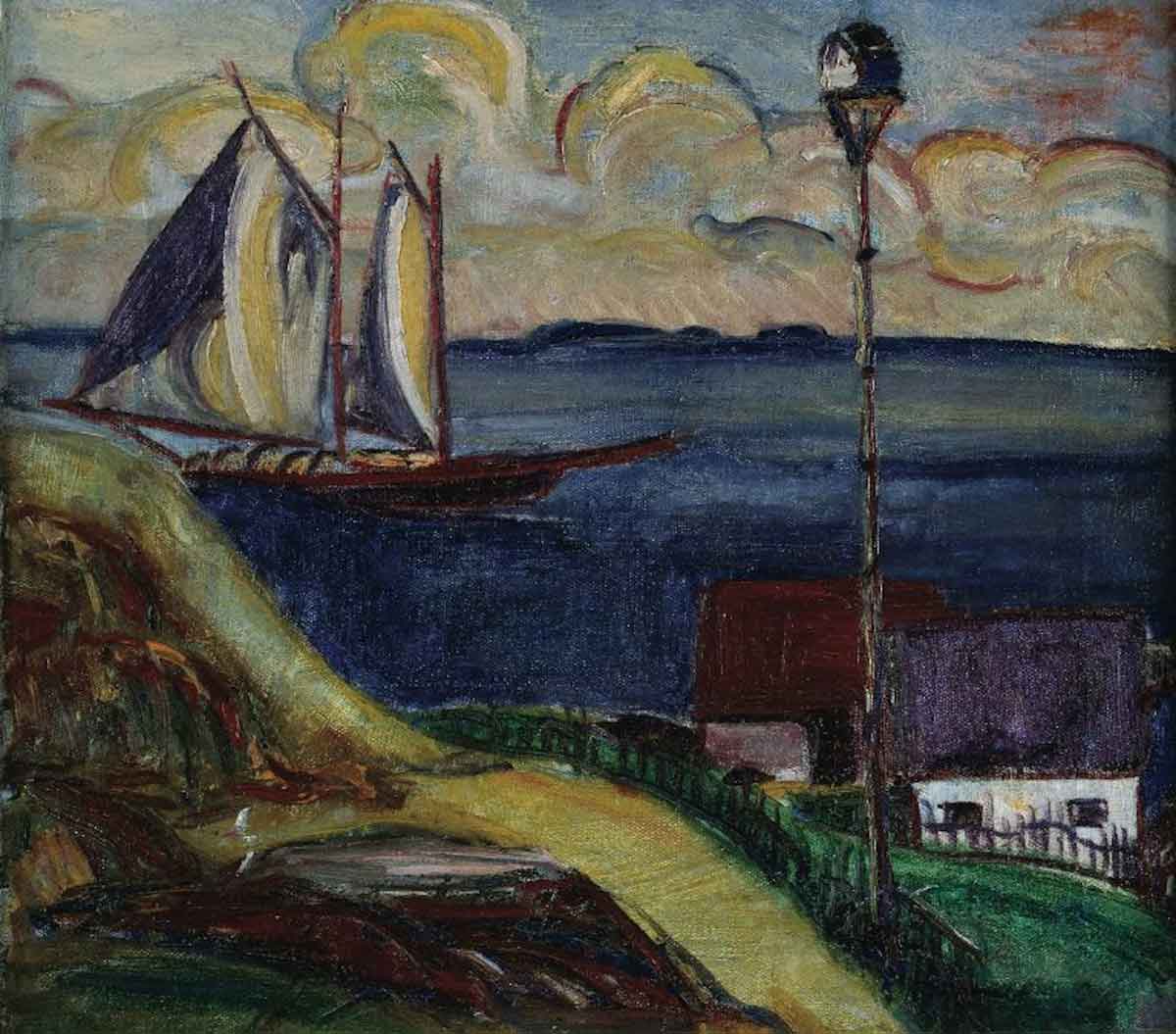
Brazilian modernism is often credited to the Brazilian painter Anita Malfatti. She cemented her contribution to modern Brazilian art at the Week of Modern Art in 1922. The event in São Paulo introduced the country to several new artists who incorporated European modernism and other styles into uniquely Brazilian expressions. Malfatti’s paintings depict cubist and expressionist figures and scenes. They challenged the status quo by incorporating colors, shapes, and themes that were rarely used in Brazilian art before.
Malfatti’s most esteemed early works include landscape paintings, such as her 1915 painting The Lighthouse and her famous portrait The Student. Her later pieces, including 1955’s Sem Título and Paisagem de Ouro Preto, MG, became some of the most famous landscape paintings to come out of the Americas.
3. Lasar Segall
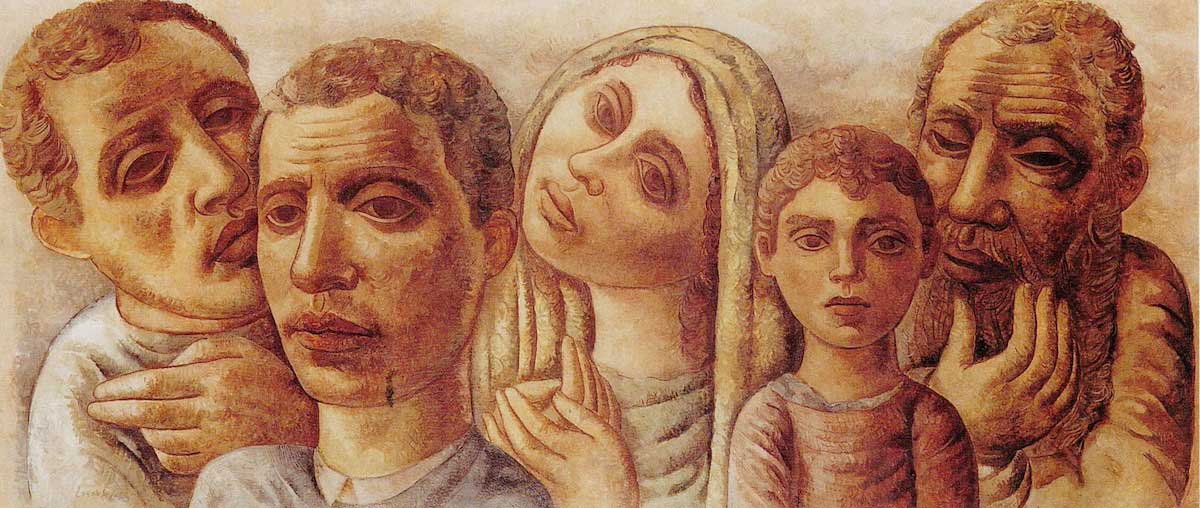
Brazil’s modernist movement revolutionized the world of modern art by bringing social issues into the foreground. Segall is one of the country’s innovators in Brazilian modernism and is considered one of the most influential painters of the 20th century. In his work, you’ll find representations of cubism combined with Brazilian folk art and expressionism. Throughout his paintings, you will see scenes of war, social struggle, and suffering.
Pieces such as his 1925 classic Brazilian Landscape and 1939’s Navio de Emigrantes represent Brazilian history and identity. Other works take the viewer to the often hidden sides of Brazilian society, such as his Mangue Neighborhood pieces which depict prostitution. His work can be seen at the Museu Lasar Segall in São Paulo. Several exhibitions display the artist’s work and life.
4. Emerson Uýra
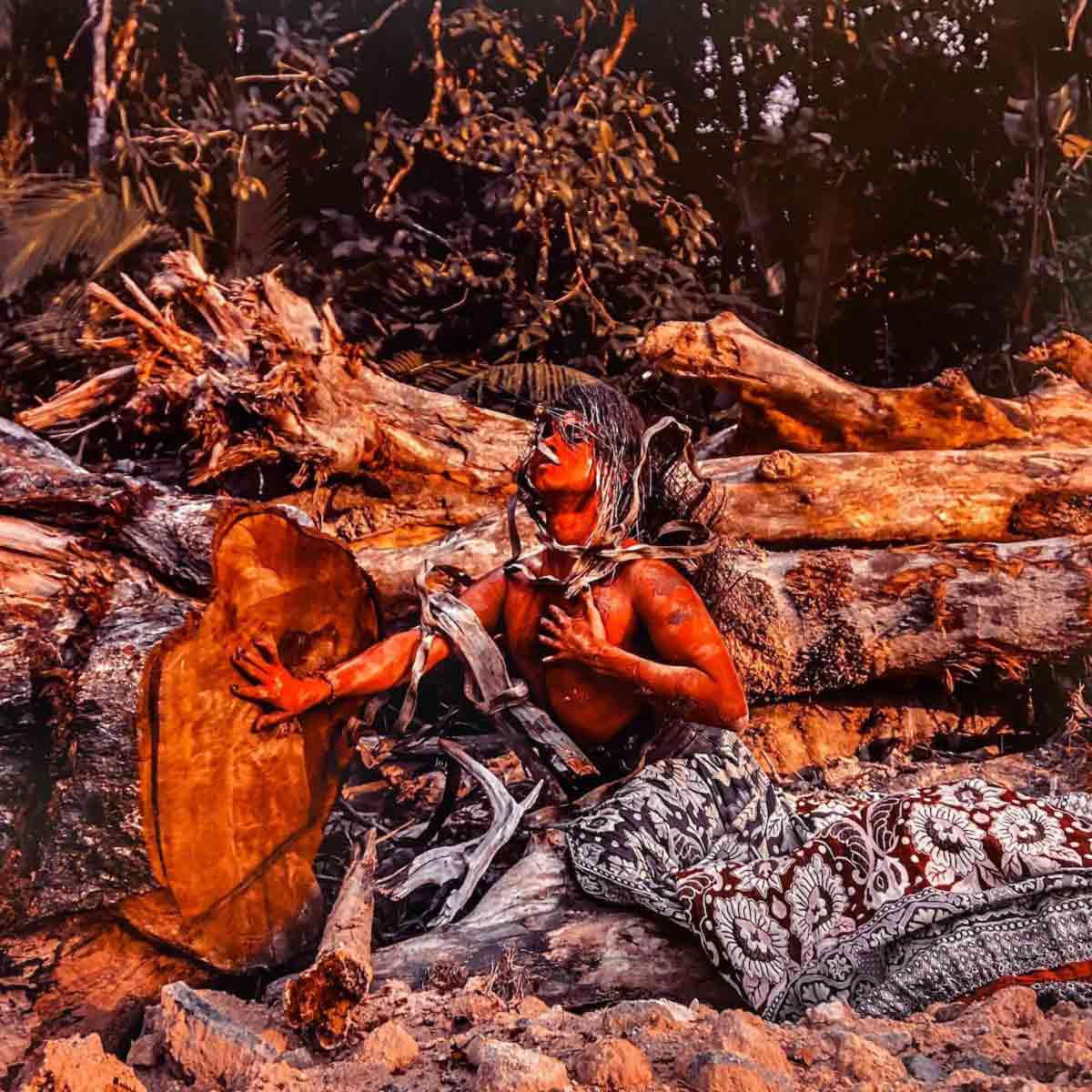
Indigenous artist and scientist Emerson Uýra is from the Amazon community of Mojuí dos Campos. Their work blends drag, performance art, and visual art with elements from botany, zoology, and Amazonian culture to create an artistic fusion unlike anything else in the world.
Uýra’s work tells a blend of stories from people living on the periphery. Indigenous societies, the LGBTQ+ community, and the natural world are all themes for their performance art which is also influenced by Indigenous culture and their degrees in biology and ecology.
From lectures to photographs, viewers can experience Uýra’s impactful work in locations throughout the world. They also perform for Indigenous communities throughout the Amazon region, stimulating discussions on art, identity, conservation, and the importance of forging an identity separated from the colonialism of the past.
5. Emiliano di Cavalcanti
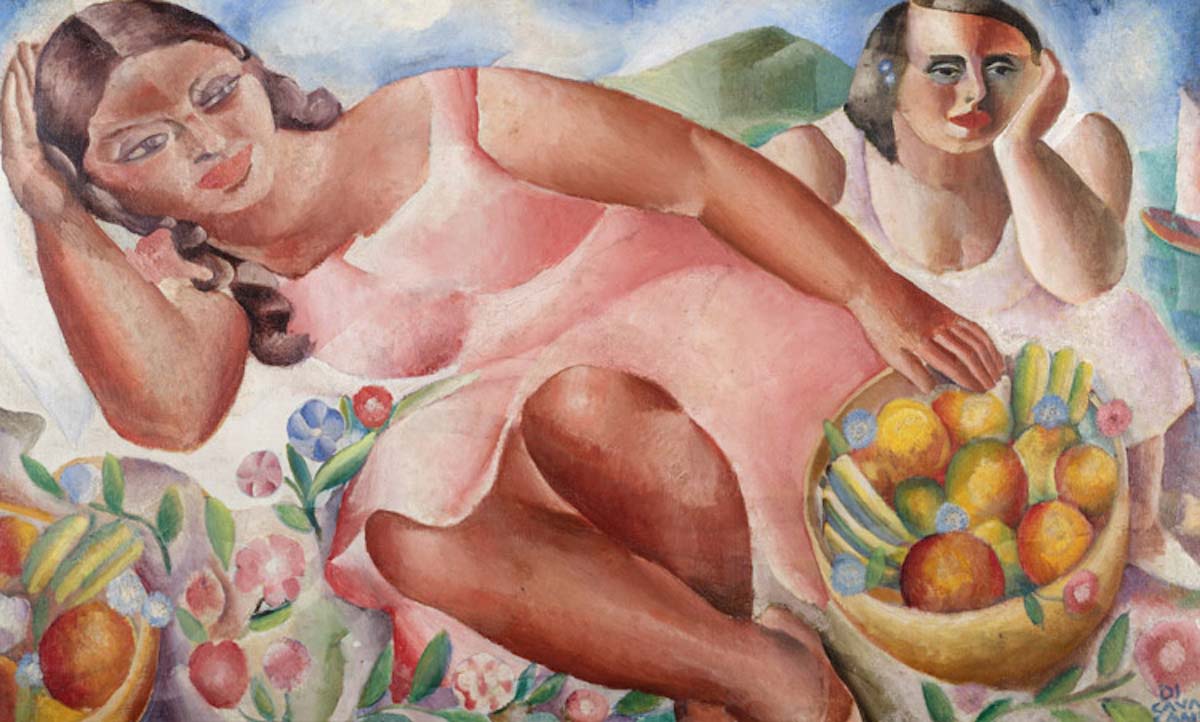
The Brazilian painter Emiliano di Cavalcanti dedicated his life’s work to creating an identity for himself and Brazilian art that was free from European influence. His use of cubism expresses Brazilian society and culture. Once he became an artist, Cavalcanti spent many years living in Europe, where he rubbed shoulders with artists such as Pablo Picasso and Henri Matisse. He drew influence from modernism and neoclassicism, and when he returned to Brazil, he helped inspire future generations of Brazilian artists through his lectures and events, such as the Semana de Arte Moderna. Cavalcanti’s masterpieces include works such as Women from Bahia, Mulheres com frutas, and Roda da Samba. His pieces depict everyday life, music, and society’s norms. Most of his figures are depicted in a cubist style, with vivid colors and expressive postures.
6. Candido Portinari
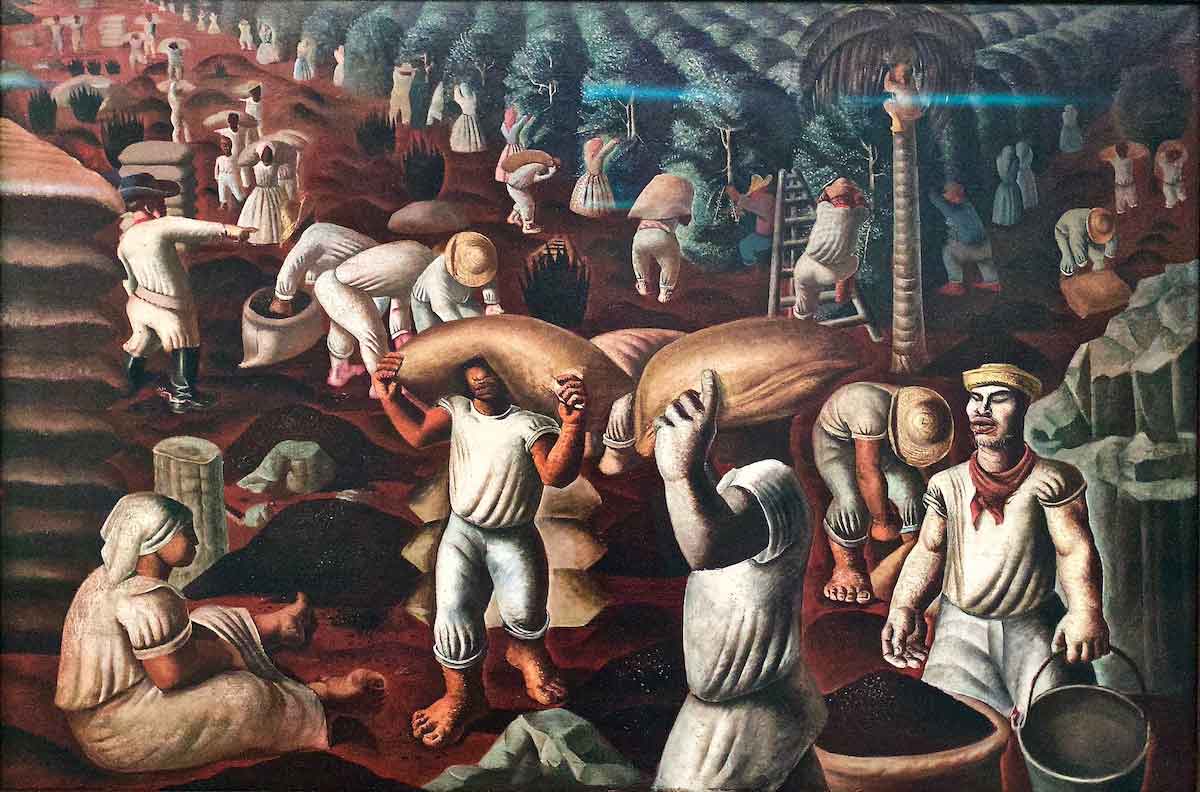
As the son of coffee plantation workers, Portinari grew up with little money on the outskirts of São Paulo. He left for Paris to study art in 1930 and returned to Brazil in 1931, inspired to use the techniques he learned to depict his home country and culture. Portinari used neorealism to tell the stories of his home. His use of color, large brush strokes, and socially conscious imagery established him as a leader in Brazilian modern art. After leaving Brazil’s military dictatorship and going into exile in Uruguay, his work took on a more somber and reflective style.
Portinari’s most famous and influential works include Northeastern Migrants, Self Portrait, Girl Crying, and Cocoa Harvest. His works depict Brazilian life, including musical chorinho performances, agricultural work, and families spending time together.
7. Benedito Calixto
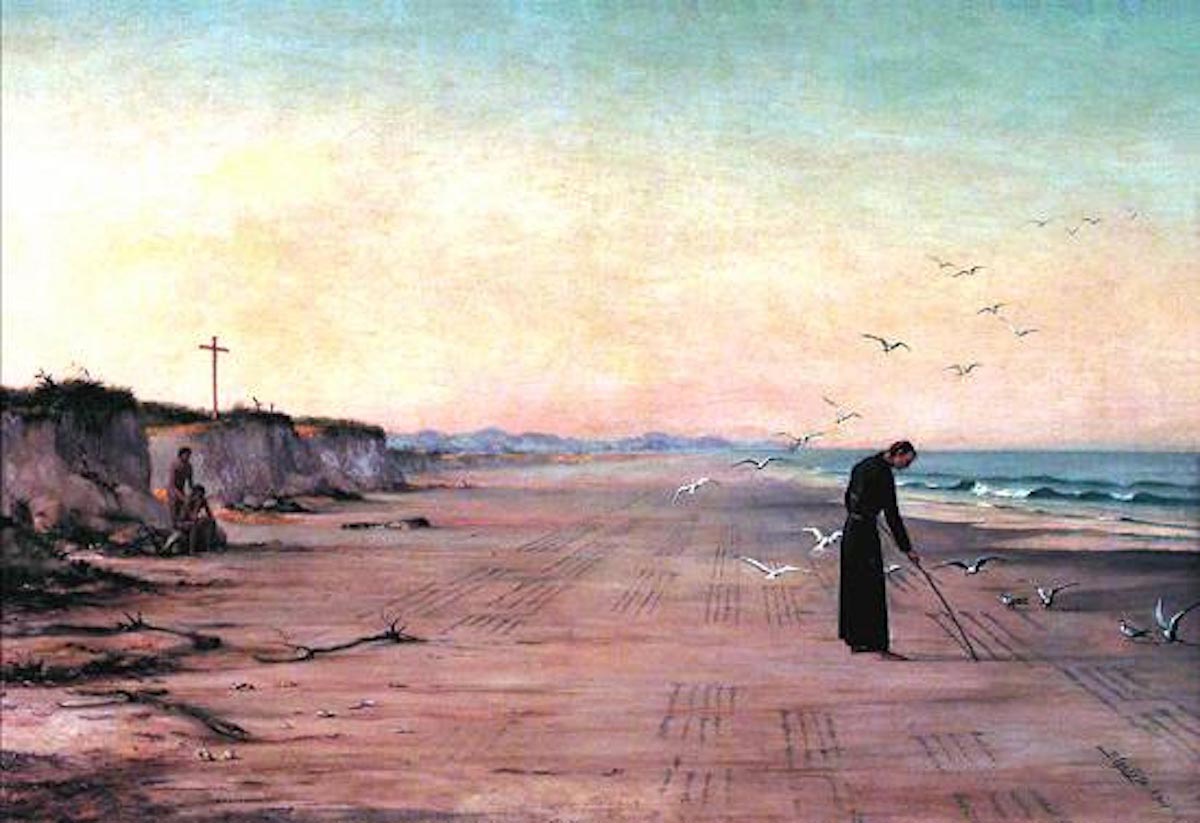
Painter Benedito Calixto became one of Brazil’s most prominent painters of the late 19th and early 20th century. His work influenced generations of Brazilian artists and contributed to the development of Brazilian art’s focus on individuals, rural landscapes, and stories about daily life.
Some of Calixto’s masterpieces include the influential portraits Domingos Jorge Velho e o Loco-Tenente Antônio F. de Abreu and Retrato do Padre Bartolomeu Lourenço de Gusmão. Calixto also depicted landscapes such as Fazenda de Café do Vale do Paraíba, which portrays rural Brazil. Calixto’s art can be found in museums throughout the country, including the Museu Paulista and the Museo de Arte Sacra de São Paulo. Most of his paintings are displayed at the Benedito Calixto Art Gallery in Santos, Brazil, just a short drive from São Paulo.
8. Flavio Shiró Tanaka
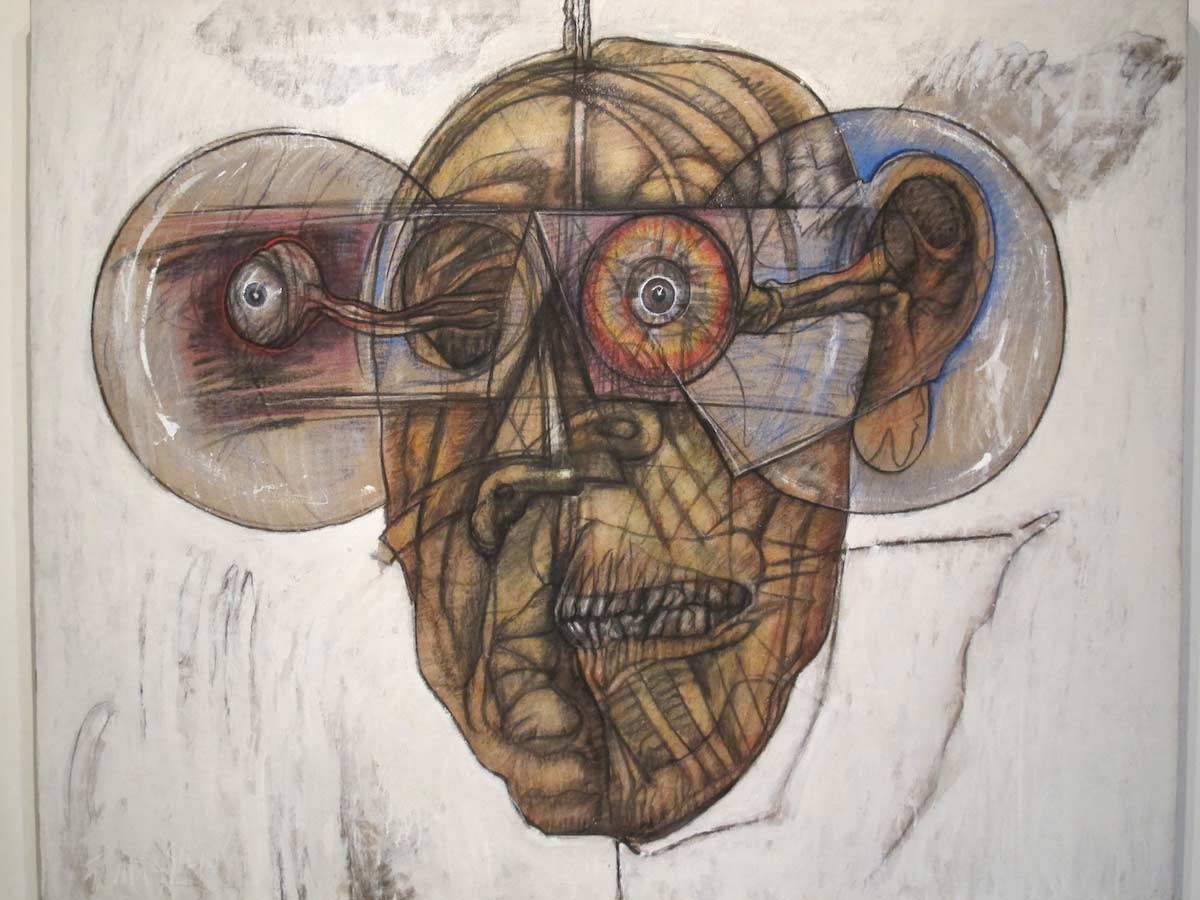
Japanese-Brazilian painter Flavio Shiró Tanaka was born in northern Japan and grew up in the jungles of the Amazon. After moving to Paris, he returned to Brazil to establish his career as one of Latin America’s most eminent post-World War II painters. His work depicts surrealist images of loss, tragedy, and suffering, as well as abstract expressionism, which he became famous for. Much of his work includes vivid colors and dark images that occasionally feature nightmarish figures and faces with contorted features and appendages.
Shiró Tanaka’s work has been recognized in Brazil and Japan, where he received the Order of the Rising Sun award for his cultural contributions. His art is exhibited in museums such as the Museum of Modern Art in Rio de Janeiro and the Hara Museum of Contemporary Art in Tokyo.
9. Tomie Ohtake
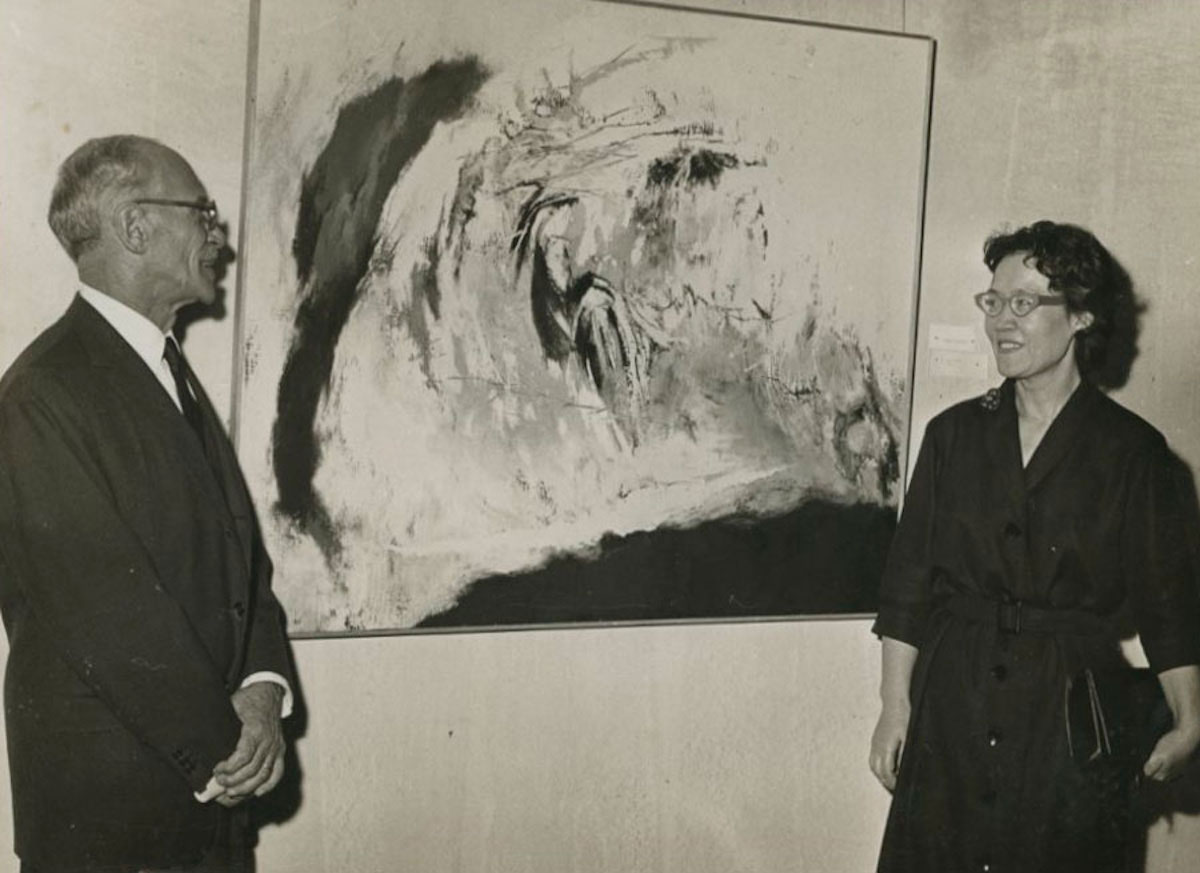
Japanese Brazilian visual artist Tomie Ohtake was one of Brazil’s most influential abstract artists. She used various mediums, materials, and artistic styles to create unique worlds of color and lines. Her childhood in Japan and adult life in São Paulo also influenced her forms of expression and use of color and landscapes. Ohtake’s works include a series of untitled paintings and paintings she completed blindfolded. In her later works, she gravitated towards geometric shapes, lines, and bright colors. She also ventured into sculpture and created several prolific public works, including her Memorial da Latina América.
Ohtake’s work is preserved at the Instituto Tomie Ohtake in São Paulo. The institute opened in 2001 and has since become a center of Brazilian and international modern art and sculpture. Ohtake’s most famous pieces, including many of her untitled works and sculptures such as the SESC Vila Mariana and Memorial da América Latina, are displayed.
10. Brazilian Artist Hélio Oiticica
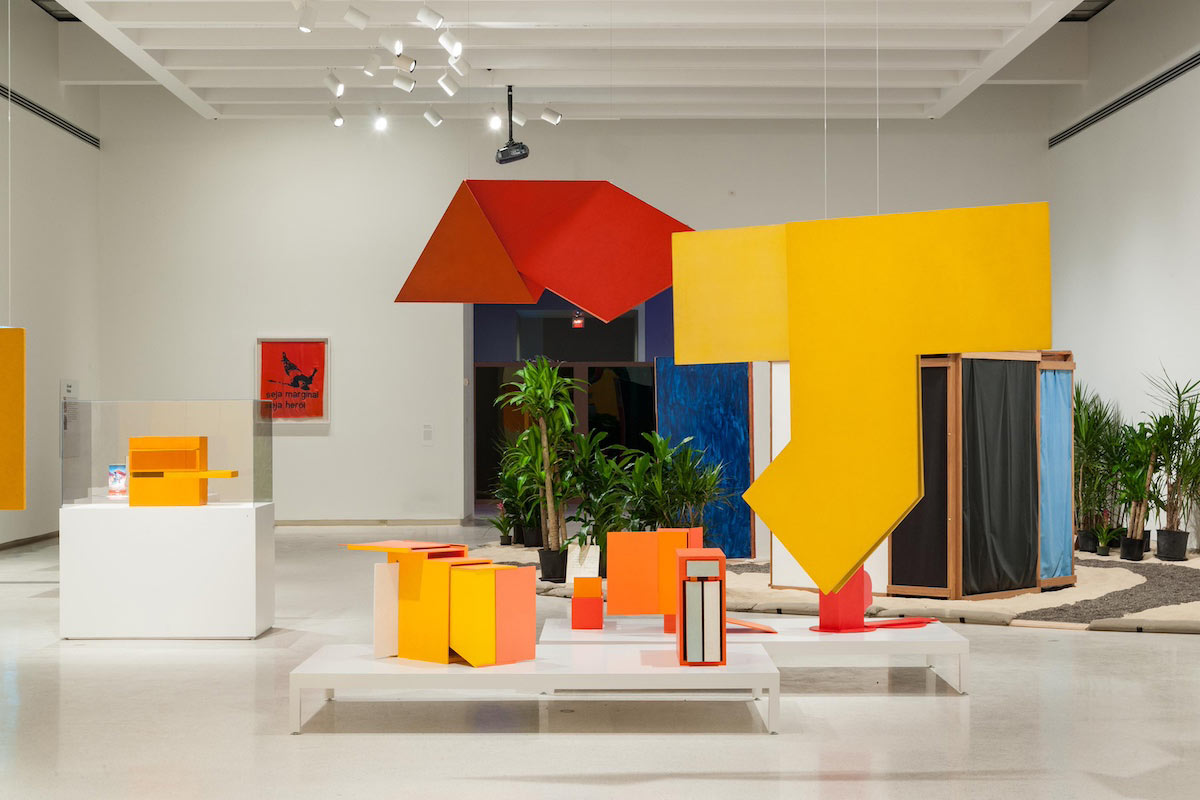
Few artists pushed Brazil’s Neo-Concrete movement more than Hélio Oiticica. The movement challenged modern and abstract art to be more expressive and poetic. Oiticica’s works continued the movement’s legacy by fusing colorful designs with optical patterns and light. His work eventually evolved into a new style of art known as Tropicalismo.
Oiticica used geometric patterns and color to play with the external world around him. Pieces such as Neoconcrete Relief took basic colors and patterns and added a layer of dimensions by using the blank white wall as part of the image. During the 1960s, Oiticica began using Parangolés, objects that viewers could move, wear, and manipulate, often during dances. In addition to the Parangolés, Oiticica built large structures out of various materials at his exhibits as a nod to Brazil’s favelas and image as a tropical paradise.
After his death, Oiticica’s contributions to Brazilian art and performance art are still widely recognized. From relational aesthetics to using everyday materials to promote social awareness, Oiticica’s artistic legacy lives on in the works of modern artists who engage with the public and society’s norms in new and expressive ways.