
Perched high above Los Angeles, the Getty Museum is where art, architecture, and sunlight all vie for attention. The tram ride up feels like a highlight all its own, gifting city views that stretch forever. Inside are centuries of European masterpieces, Renaissance swagger, and Impressionist glow, framed by gardens and fountains that nearly steal the show. Whether you’re here for art or just excellent selfie credentials, here are eight highlights you absolutely shouldn’t skip.
1. Irises, by Vincent van Gogh
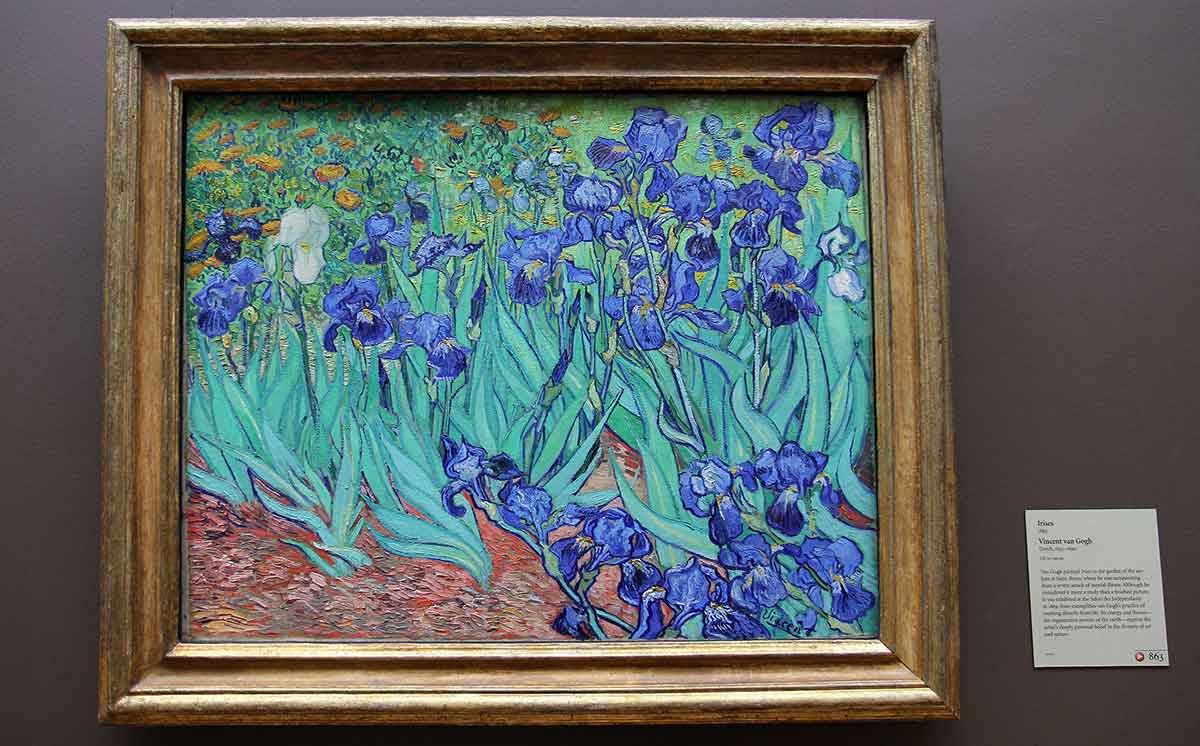
Let’s get this one out of the way first. Visiting the Getty and not seeing Irises is like going to Rome and skipping the Colosseum. Sure, its fame is overdone nowadays, printed on mugs, magnets, tote bags, and even raincoats, but this 1889 painting is still worth all the hype. Van Gogh painted it while at the asylum in Saint-Rémy, just before Starry Night.
The sweeping brushwork and deep blues feel alive, even slightly manic, as if the irises themselves were caught mid-twitch. Recent analysis revealed that the pigments have faded over time; the flowers were originally more violet than blue.
2. The Abduction of Europa, by Rembrandt van Rijn

Rembrandt had already made a name for himself as a master of mood by the time he painted this mythical masterpiece. Gone were the stiff portraits of his Leiden years; now his canvases were all about drama, light, and oodles of human emotion.
His Abduction of Europa (1632) captures the exact moment Zeus, disguised as a bull, whisks away the unsuspecting princess, Europa; a myth of divine seduction turned into a storm of light and motion, scandal disguised as scholarship. Incidentally, it is from this myth that the continent of Europe takes its name.
There is a lot of drama to unpack here: a blur of movement, startled figures, and a chiaroscuro that would have even elicited envy from Caravaggio. What makes this painting fascinating, though, is its Dutch twist. Rembrandt took a southern Mediterranean myth, added muddy water and dark skies, and turned it into a northern seascape worthy of a Viking saga. Set aside the mythic backstory, and the painting still plays like a Baroque blockbuster, Rembrandt doing with brush and paint what directors now do with CGI.
3. Portrait of a Halberdier, by Jacopo Pontormo
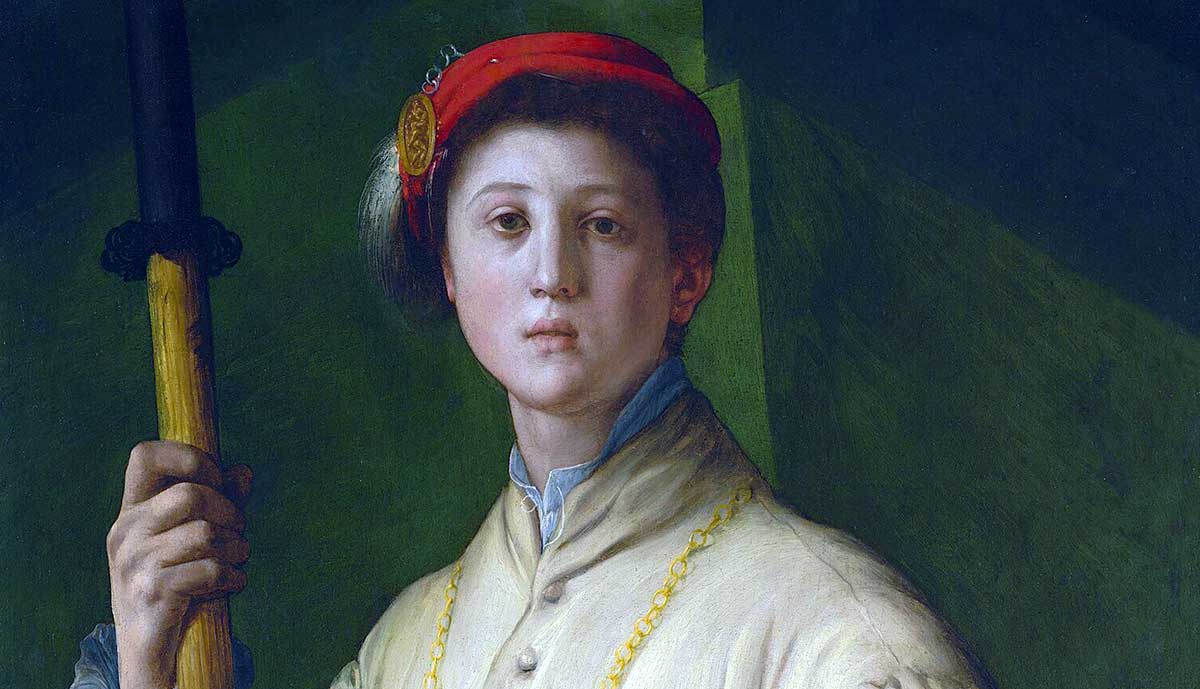
Pontormo was one of the most distinctive painters of the Italian Renaissance, known for his unusual compositions and the raw emotion in his figures. His Portrait of a Halberdier, painted around 1528, feels surprisingly modern, and it is sometimes hard to believe it was painted over half a millennium ago.
Pontormo’s young soldier stands with one hand on his weapon, chin tilted just enough to suggest either confidence or, more probably, youthful arrogance. Historians still debate the subject painted, perhaps a Florentine noble, and it’s fair to say that certainty will always remain elusive.
4. Modern Rome – Campo Vaccino, by J.M.W. Turner
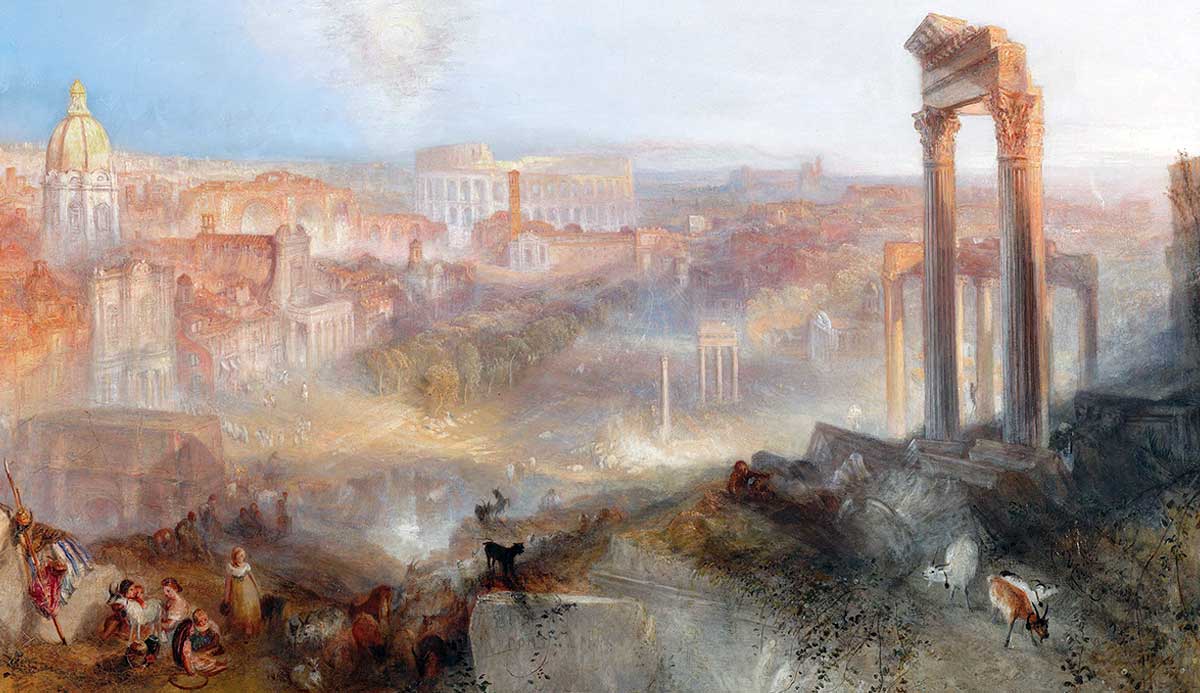
Painted in 1839, this glowing view of Rome shows the city, larger than life, slowly melting into light. Turner painted it from memory long after his travels in Italy, which might be why it feels more like a dream than an actual record of what Rome looked like at the time. He used layer upon layer of thin color to get that signature golden haze, the kind that makes you squint just a little.
Look closely and you’ll spot tiny figures wandering among the ruins, as if ordinary life and ancient history had decided to share the same space. This is Rome, after all, where life has been imitating art for a thousand years.
5. The Fountain of Love, by Jean-Honoré Fragonard
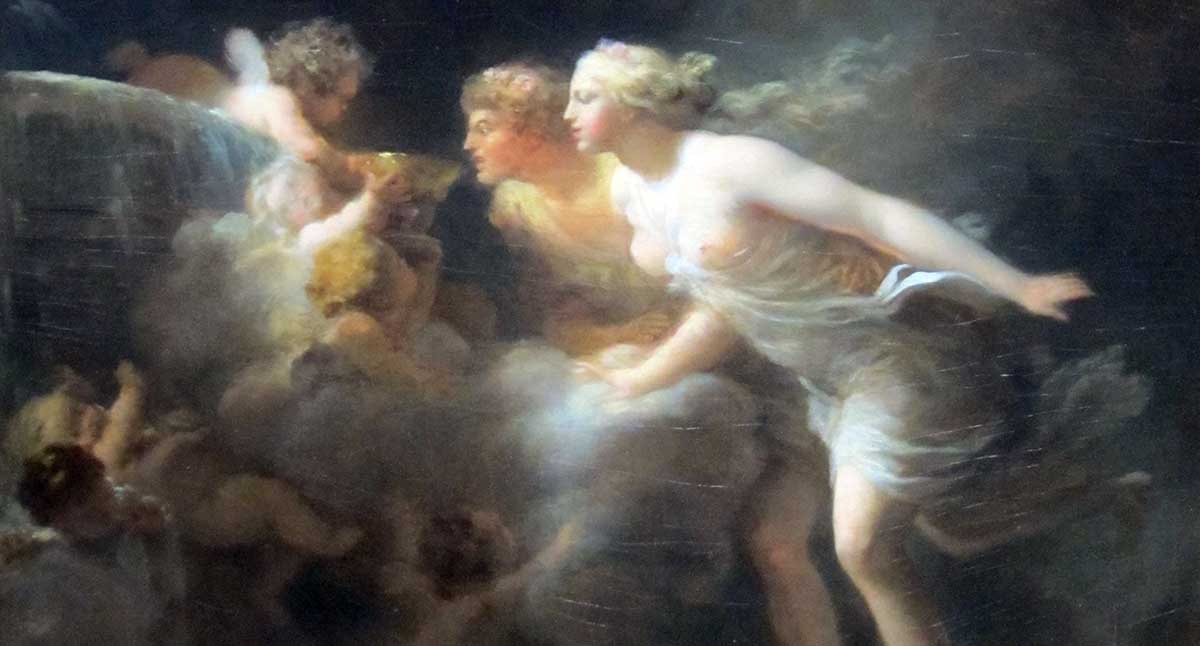
Decadent, sugary, and ultra theatrical, The Fountain was painted in the 1780s, after Fragonard had spent years creating playful and often flirtatious scenes for France’s elite, many considered risqué in their day. Here, he toned down the mischief but kept the sensual energy.
What’s interesting is that Fragonard painted The Fountain of Love near the end of his career, just as the Rococo style was going out of fashion. While France was preparing for that revolution, he was still painting about love, perhaps a sign he knew which side of history he preferred.
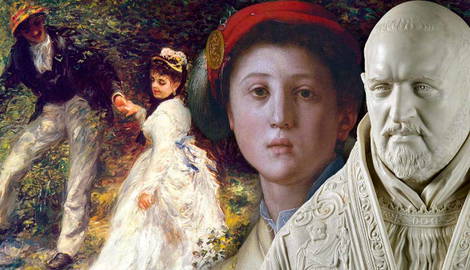
6. Bust of Pope Paul V, by Gian Lorenzo Bernini
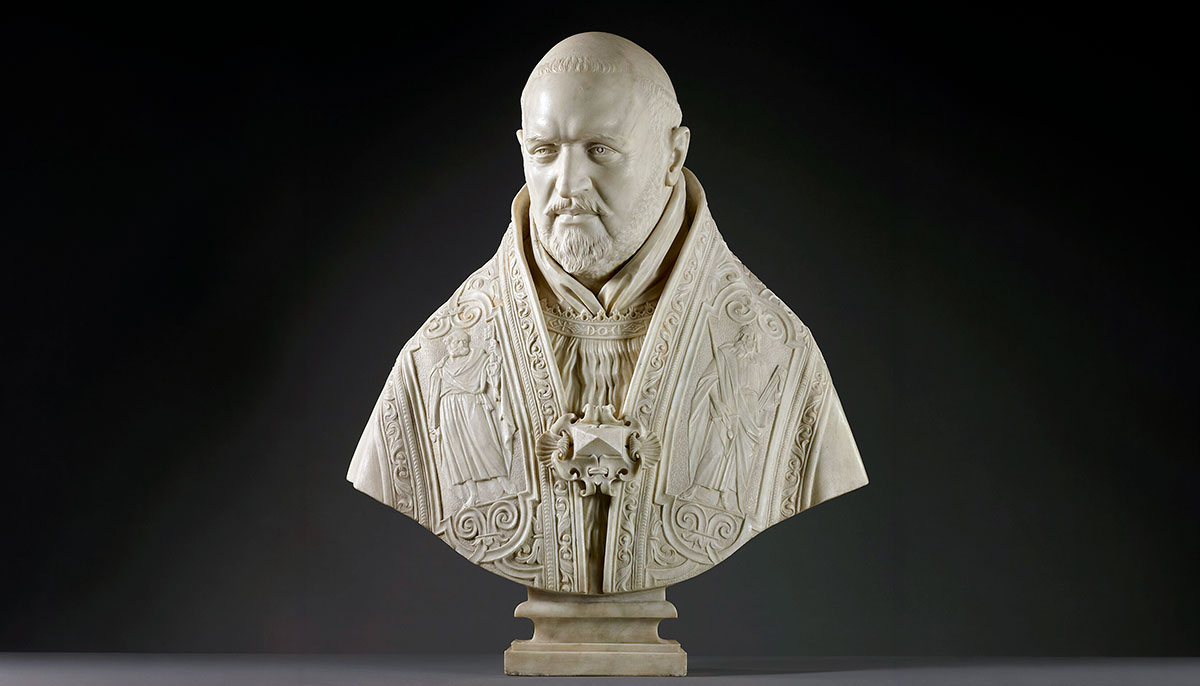
Bernini was only in his 20s when he sculpted this marble bust of Pope Paul V around 1621, yet his talent (which would go on to transform Rome) was already clear. People of his time said he could make marble breathe, and standing in front of this piece, you can see why. The slight smirk and creased brow look startlingly real.
The Vatican’s golden child got his start carving for popes because that is where the money and power were. Pope Urban VIII adored him and gave him free rein to shape Baroque Rome, from St. Peter’s Baldachin to the grand piazza outside. The Church wanted awe, and Bernini delivered it with theatrical flair. At one point, he even staged a play for the Pope, complete with a flood so realistic that the audience panicked and ran for the exits.
7. La Promenade, by Pierre-Auguste Renoir
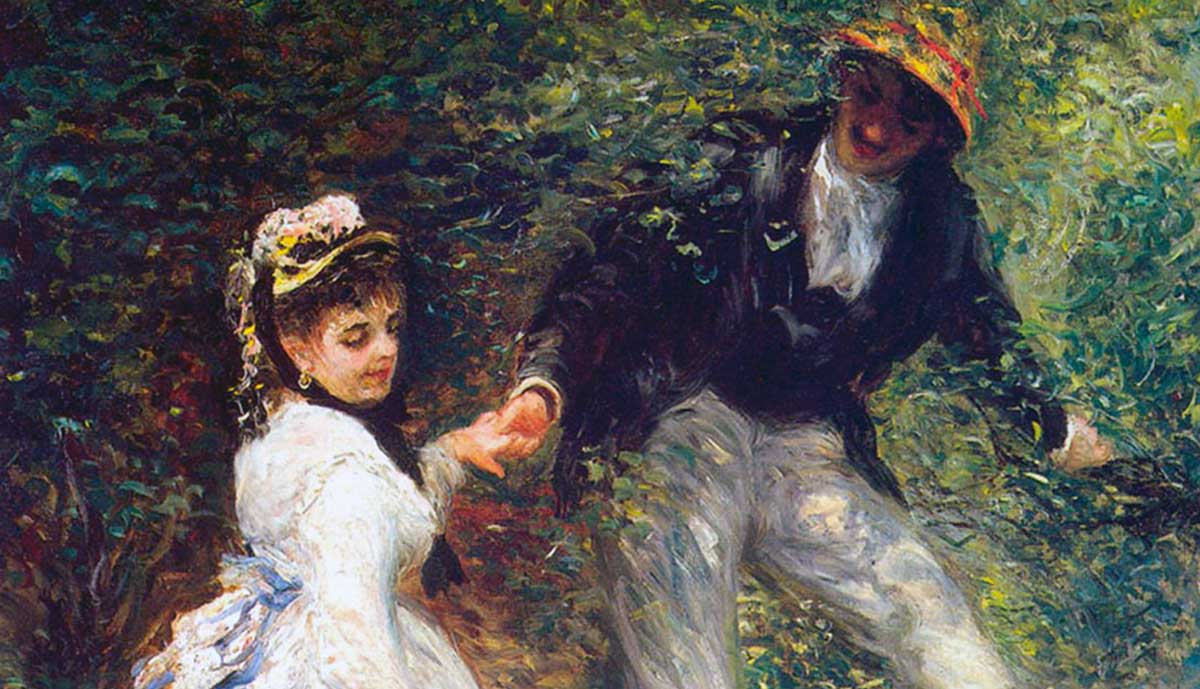
If Van Gogh was all about intensity, Renoir was undoubtedly about warmth. La Promenade, painted around 1870, shows a young couple walking through the woods, with just a hint of dappled sunlight. It beautifully captures the early days of Impressionism, when artists were far more interested in chasing plays of light than perfect outlines. Renoir finished it just before the Franco-Prussian War pulled him into the army, which might explain its gentleness.
Many see no symbolism here, just a brief, beautiful pause before the brutality of war took over.
8. Robert Irwin’s Central Garden
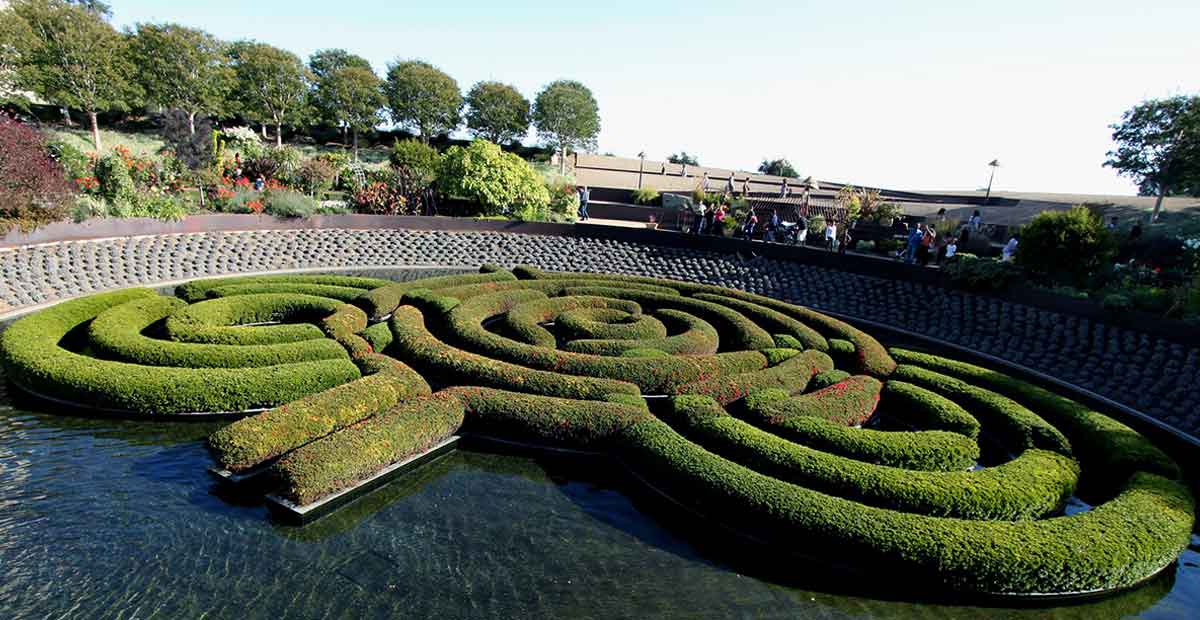
After so much art, you will no doubt wish to step outside and let your eyes rest. The Getty’s Central Garden, designed by artist Robert Irwin in the 1990s, is a masterpiece of living art, so your eyes won’t rest all that much.
Irwin famously said the garden should be “always changing, never twice the same,” and it’s true. Plants change dramatically with the seasons, colors evolve, and the garden never looks the same, no matter how many times you visit. The garden contains over 500 plant varieties, and the floating azalea maze at its center is pure poetry.
Bonus Stop: The Cactus Garden
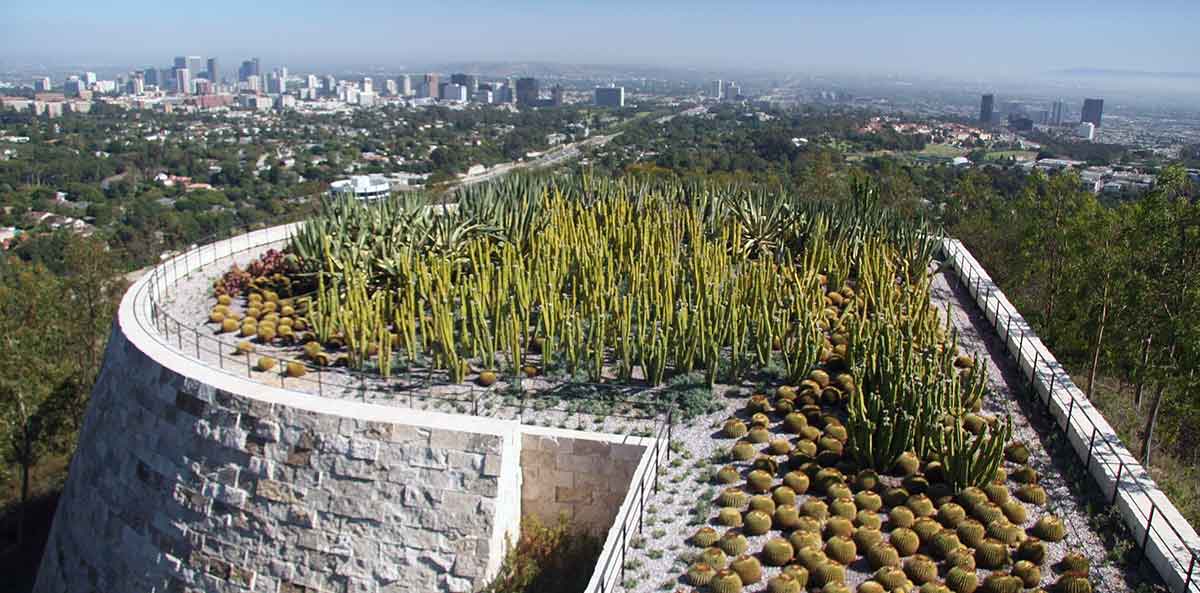
Don’t miss the smaller Cactus Garden just south of the South Pavilion. It is an L.A. take on sculpture: spiky, sculptural, and incredibly photogenic. Set against the Pacific haze, these desert gems form one of the most underrated viewpoints in the city.
Since You’re in the Getty Mood…
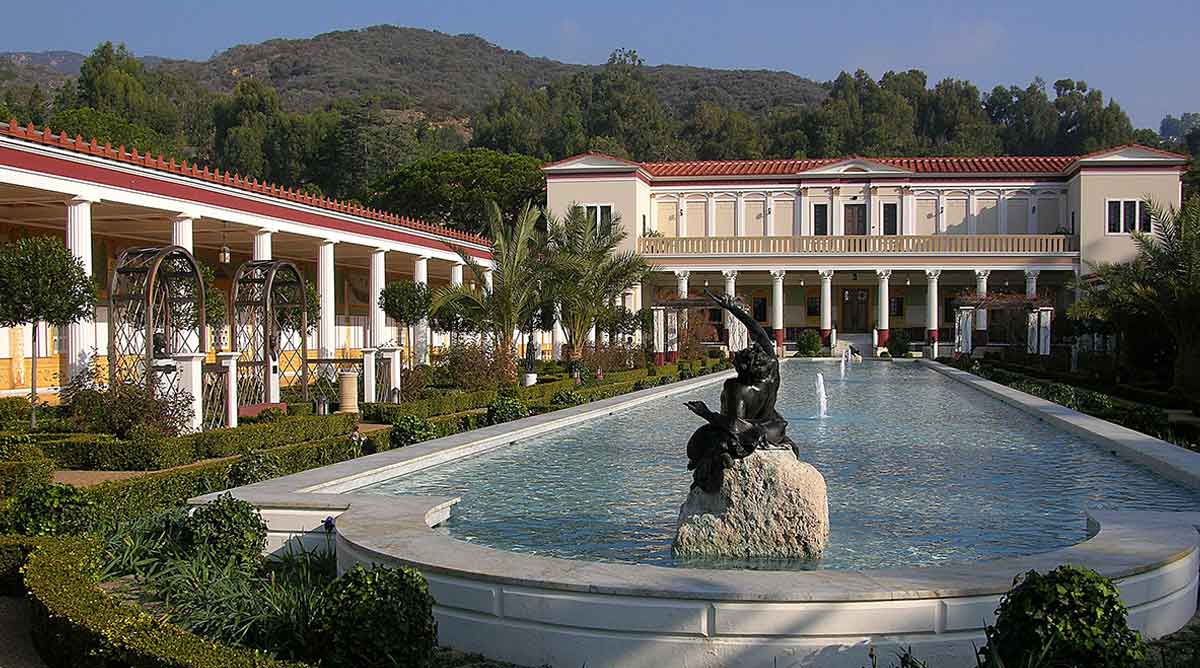
If you’ve made it this far and still have energy, head west to the Getty Villa in Malibu. It is where J. Paul Getty’s collection first lived, modeled on an ancient Roman villa, complete with sumptuous gardens overlooking the sea.
You’ll find mosaics, marble, and a few statues that wouldn’t have looked out of place in Pompeii. It is the older, more classical sibling to the Getty Center’s modern cool, and together, they’re a pretty convincing reason to call it a day very well spent.